Bigkis is the act of binding. In Tagalog, the word can refer to something used to bind or encircle, as well as a bundle formed by tying several separate elements together. Figuratively, it can also mean a bond, union, or unity. The meanings move from the physical act of joining things together to the connection […]
Manila Illustration Fair and Cultivating the Culture We Want



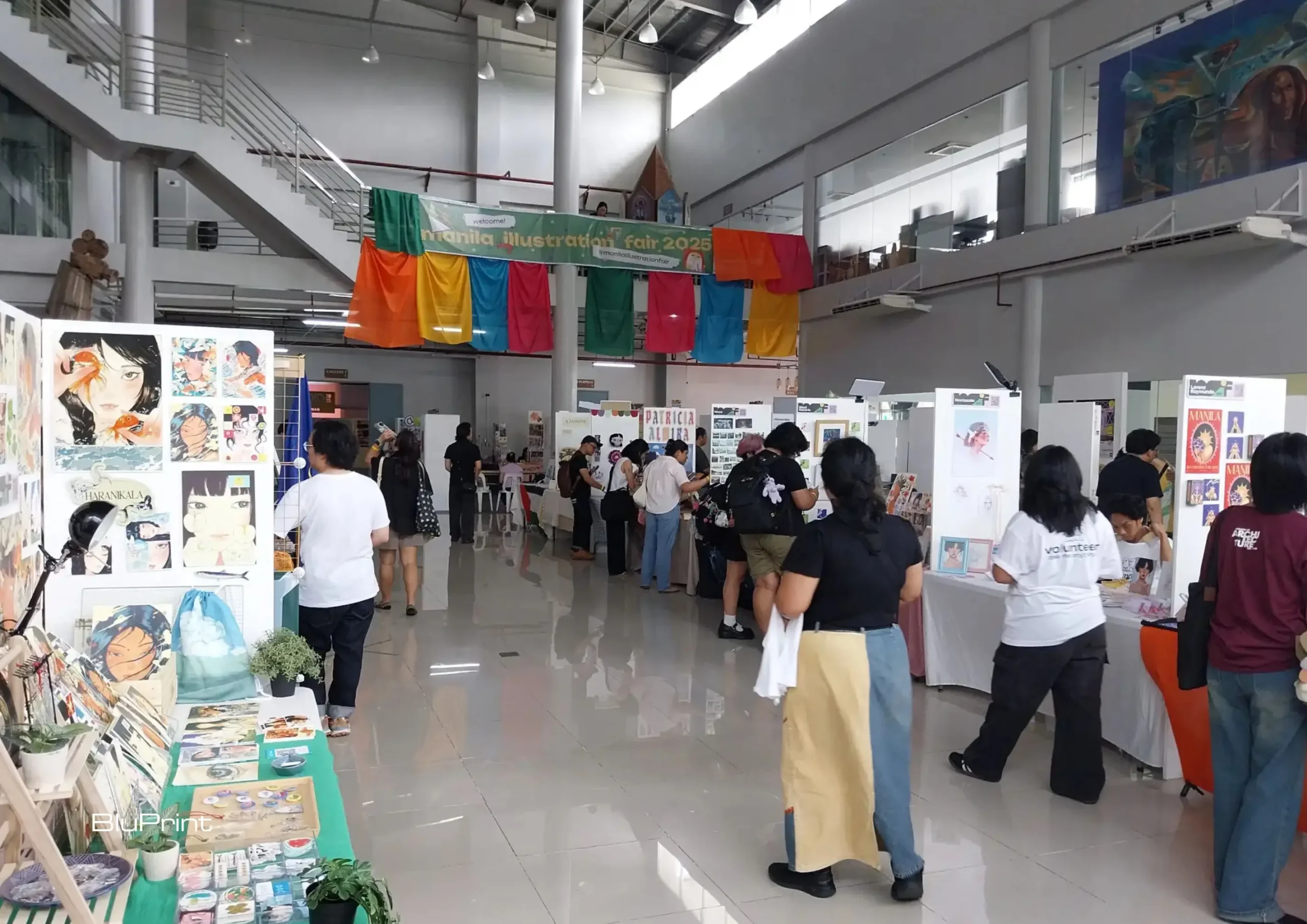
The organizers of the Manila Illustration Fair understand at the core of their work that one does not just build a community from thin air. Thus, their planning for the fair is not only inclusive, but one that reduces the fences of interaction, giving artists, students, and collectors a chance to interact closely together to allow for a more-closely knit community for everyone.
New Learning Mechanisms
The Manila Illustration Fair puts the focus of its activities away from buyers and more towards the artists themselves. One of their major goals is really to cultivate more interest towards illustration, and the programming that they showcase really highlights that aspect.
For example, they have a portfolio review program where aspiring artists can submit their artworks for feedback and advice from professionals. Their list of panelists this year includes Beth Parrocha, Hey Mady!, Apol Sta. Maria, Alyssa Babasa, Jethro Olba, and Rob Cham. For the first time since the beginning, they also allowed audience members to sit and listen into the review.
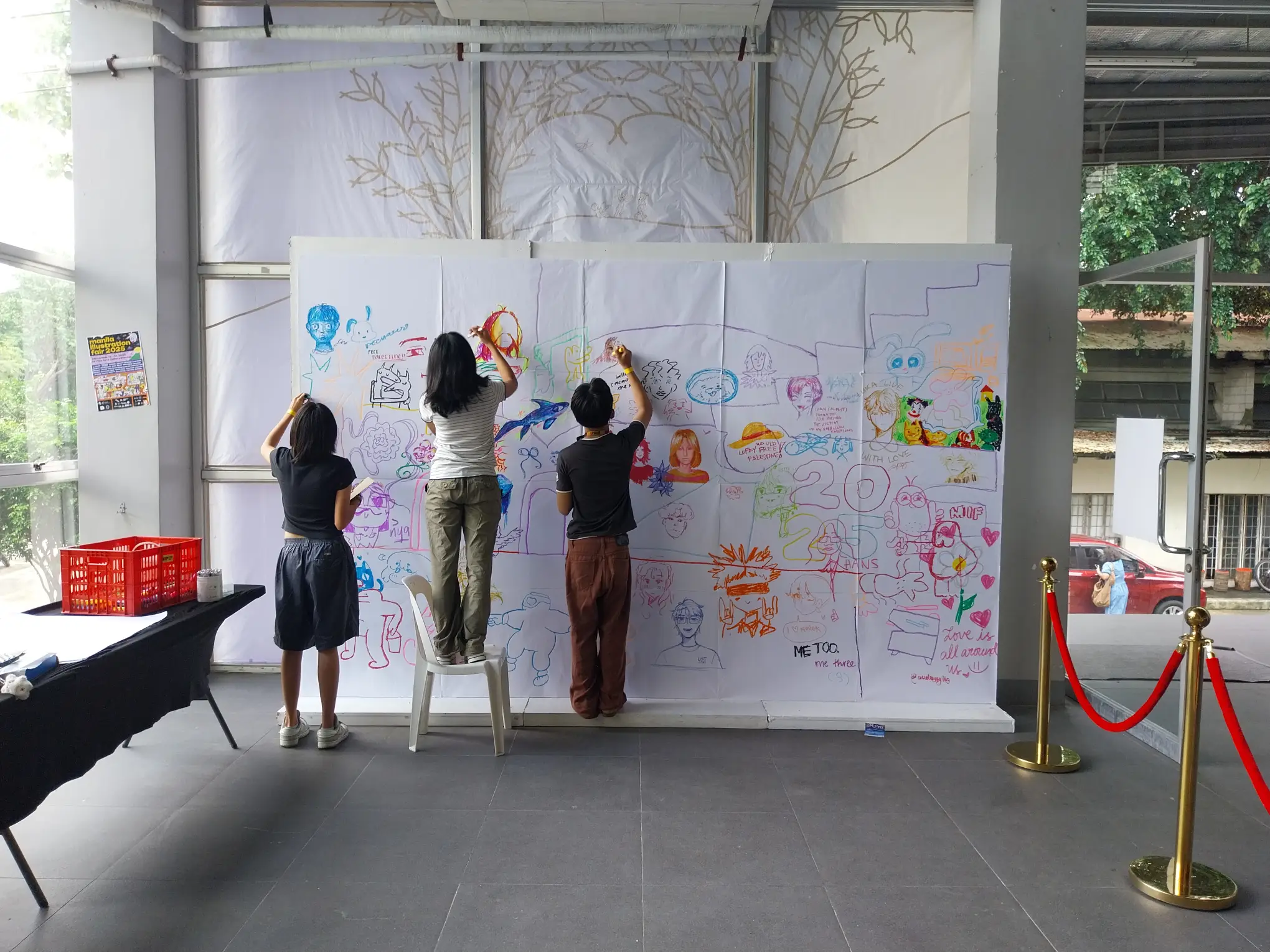
They also have different workshops that function to expand the imaginations of the artist. They have zine-making and print-making workshops, as well as programs that utilize the environment around the UP College of Fine Arts, like a guided nature walk to help illustrators with capturing flora and fauna with their art.
Making Space for Artists’ Visions
These activities come together for the Manila Illustration Fair’s theme this year, which is “Make Space.” The head of programming, Jill Arteche, elaborated further on that, saying the fair takes artists through a journey: first through self-reflection, and then figuring out how to expand the art outwards to the community as a whole.
“Our theme […] celebrates the agency of illustrators to tell their own stories, build meaning through shared experiences, and thrive in environments they shape for themselves,” she explained. “If last year’s MIF inspired people to draw and appreciate illustration, this year we wanted to bring people together through it, showcasing its power to build community and spark collective action.”
Arteche really envisioned the Manila Illustration Fair as a place where artists can be free to tell their own stories, to grow beyond the boundaries of commercialism towards something greater and more personal. Thus, she catered the programming of the MIF towards those ideals.
“Looking at the past batches of MIF, I really believe there’s so much local talent just waiting to be celebrated and seen,” she said.
“This platform gives artists the confidence to keep pursuing their craft while also showing people that illustration goes beyond just making pretty pictures. It can tell stories, spark conversations, and offer solutions, whether that means making information easier to understand, raising awareness about important issues, or helping communities connect through shared experiences.”
What the Manila Illustration Fair Gives Artists
The outcome of all this work and all this intentionality towards building an independent venue highlighting the illustration community is the unique line-up of this year’s fair, where different illustrator’s styles are apparent within first glance.
Some of the artists have a more muted style, or ones rooted in realism or architectureArchitectureThe art and science of designing and constructing buildings, structures, and spaces that are functional, safe, and aesthetically pleasing. It encompasses the planning, design, materials, and techniques used to createGo to Architecture Glossary; others are more cartoonish, really portraying the exaggerated expressions that can come alive with the more personalized scope of illustration. And many of the artists find their own unique middle ground, standing out by showcasing their own perspective and interpretations of the world around them.
And all of that to a receptive variety of students, art lovers, and collectors alike who may desire to tap into fresh voices outside of the mainstream art market.
“Events like MIF give artists the freedom to showcase what they truly want to make, not just what’s trendy or guaranteed to sell,” Arteche said. “In turn, they reach new audiences who are actively looking for fresh and original work they might not find elsewhere.”
“A lot of the featured illustrators mentioned to me that they were able to tap new audiences through this event despite having been in art markets elsewhere throughout the past few years,” Du added. “I think there’s really a demand for new, fresh art that illustration can supply, for young homeowners, businesses, and art appreciators. I think Manila Illustration Fair bridges the gap and brings new audiences to new artists who have been wanting to find each other!”
Accessible Art for All
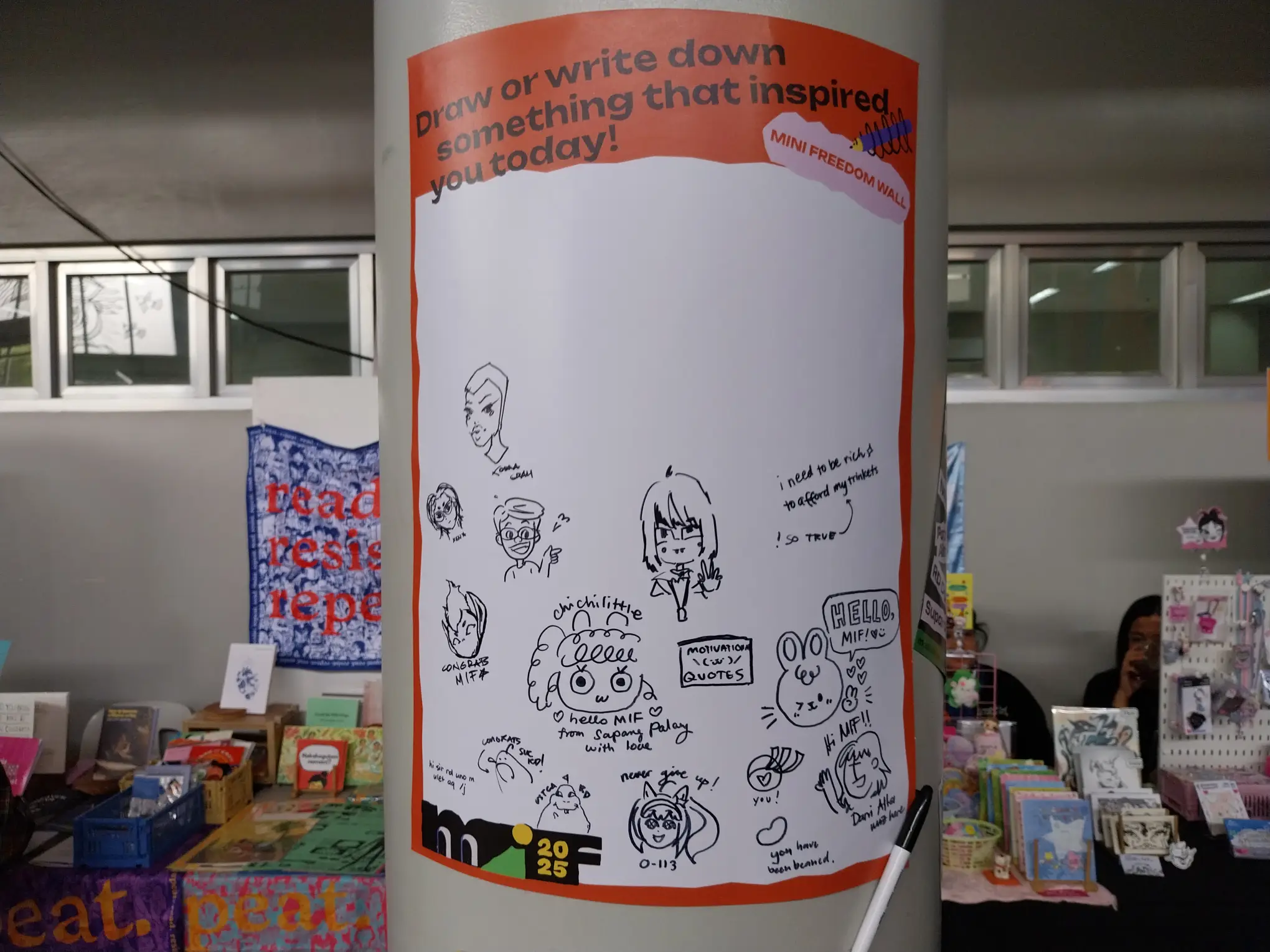
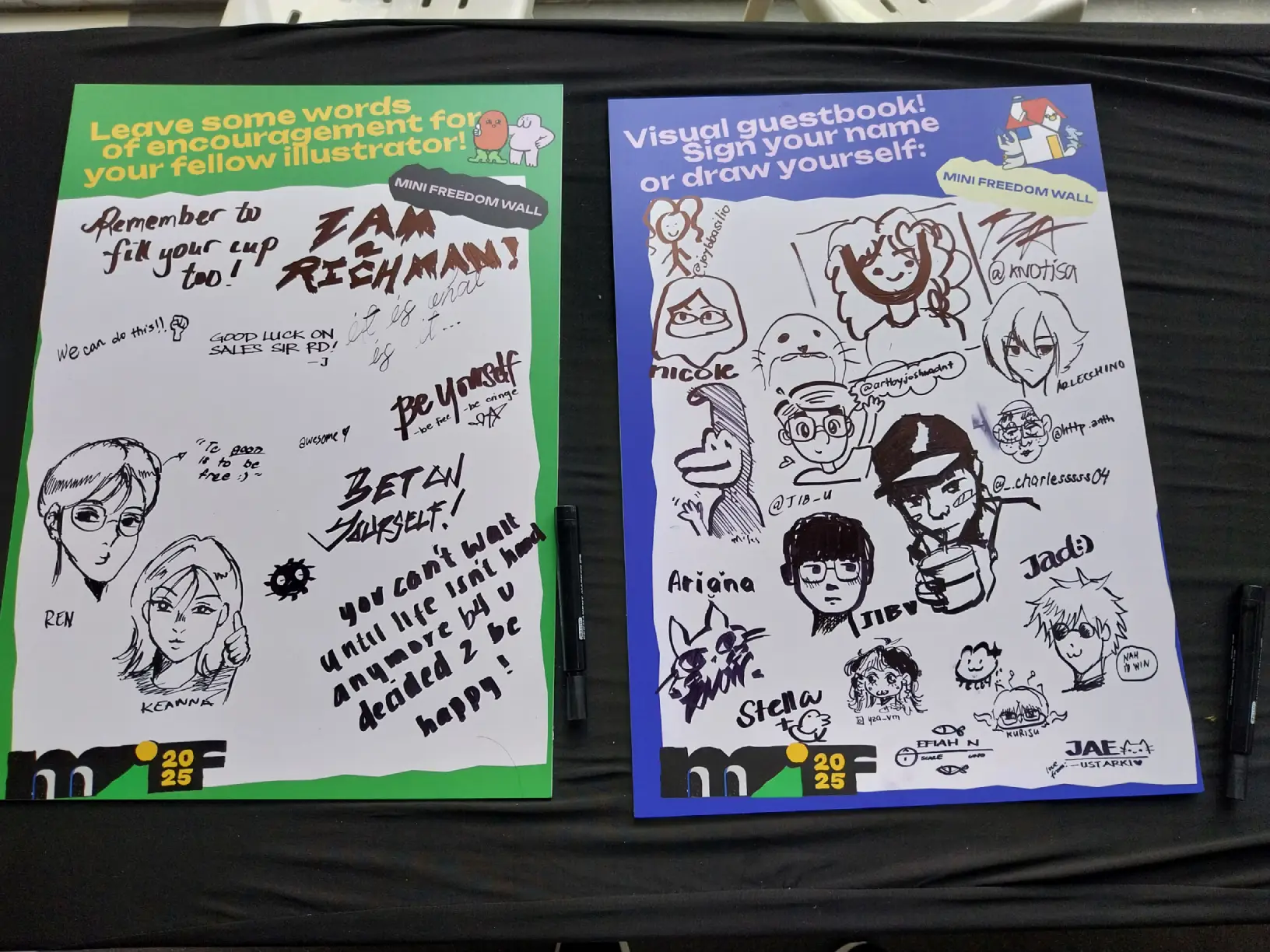
That effort towards accessibility of art and the pursuit of the freedom to tell your own story emanated throughout the fair. There were many blank illustration posters set up across the venue, for example, encouraging the visitors and artists to draw their feelings and emotions as they saw fit.
Setting it up at UP Parola also allowed a lot of people to see the different running exhibits in the gallery during this time, from an exhibition on works by Industrial Design students, to the MFA thesis exhibition of ceramic/crystal artist Sam Feleo. Many of the students attending the fair also looked at the artworks and expressed their admiration towards the inspiring works shown alongside the artists selling their wares.
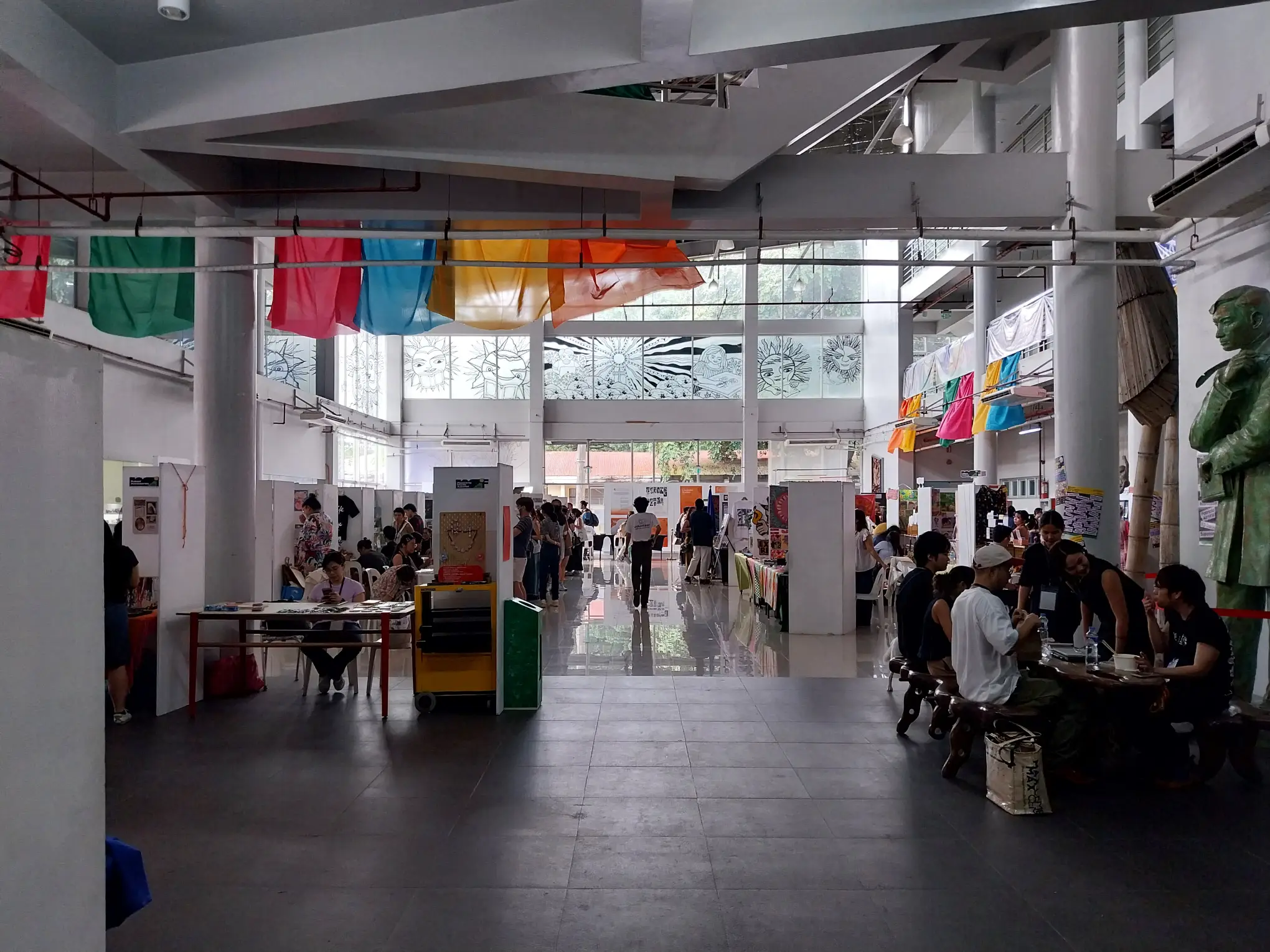
“I feel like having it in an educational space or an academic environment is also really conducive,” Shivers said, “because […] we want to keep it down-to-earth and make sure younger, maybe aspiring illustrators or artists are welcomed and feel like they can [come]; there’s no barrier for them to enter or to come visit our fair and see the artists.”
In the end, venues like the Manila Illustration Fair do the hard work of cultivating a culture of creativity and possibility for the future of art in the Philippines. It provides artists access to new audiences and to fellow artists who can help them in their craft.
But more than that, it builds the kind of permeable community where “artist,” “art lover,” and “collector” are more transitive entities, one inspiring the others to pick up the pen or pencil and make their own art—or to look and support more unique visions that exists outside our current gallery and collector system.
Photos by Elle Yap.
Related reading: ManilART 2024 Celebrates the Collective Imagination of Filipino Artistry
Frequently Asked Questions
The “Make Space” theme is a dual-purpose framework that addresses both self-reflection and community expansion. Technically, it encourages illustrators to exercise agency by telling their own stories outside of commercial mandates. Socially, it focuses on building environments where artists can thrive on their own terms. By “making space,” the fair shifts the narrative from the individual production of “pretty pictures” to the collective power of illustration as a tool for sparking conversations and offering social solutions.
In the MIF, portfolio reviews serve as a transparent learning mechanism. By allowing audience members to sit in and listen to feedback from panels of professionals—such as Beth Parrocha and Rob Cham—the fair democratizes industry knowledge. This technical transparency helps aspiring artists understand the standards of professional practice, such as composition, narrative clarity, and marketability, effectively reducing the barrier between students and established practitioners.
Guided nature walks at the UP College of Fine Arts serve as a sensory observation tool for illustrators. By capturing flora and fauna in a live environment, artists move away from digital reference dependency and toward direct observation. This practice enhances the “freshness” of their work, allowing for a more authentic and organic interpretation of the world. Such workshops are designed to expand the imagination by rooting creative practice in the physical environment rather than just the digital sphere.
Freedom Walls act as a permeable boundary between the “artist” and the “visitor.” By providing blank posters where anyone can draw their feelings, the fair encourages an environment where art appreciation is transitive and participatory. This reduces the intimidation factor of formal galleries, transforming visitors into active creators and fostering a “closely-knit community” where the hierarchy between the professional artist and the art lover is temporarily dissolved.
An academic or educational space is considered conducive because it is down-to-earth and accessible. Unlike high-end galleries or commercial malls, an university setting removes the financial and social “barriers to entry” for younger, aspiring illustrators. It places the fair alongside other academic exhibits—such as industrial design or MFA thesis work—allowing for a cross-pollination of ideas and ensuring that the community remains focused on learning and discovery rather than purely on commercial transactions.
The MIF acts as a specialized bridge by reaching audiences who are specifically seeking originality over trends. Many illustrators find that despite having participated in larger art markets, the MIF allows them to tap into a unique demographic of young homeowners and businesses looking for fresh, non-mainstream voices. By providing a platform that values the “weird” and the “personal,” the fair ensures that artists can find sustainable support from collectors who value the storytelling and problem-solving aspects of illustration.
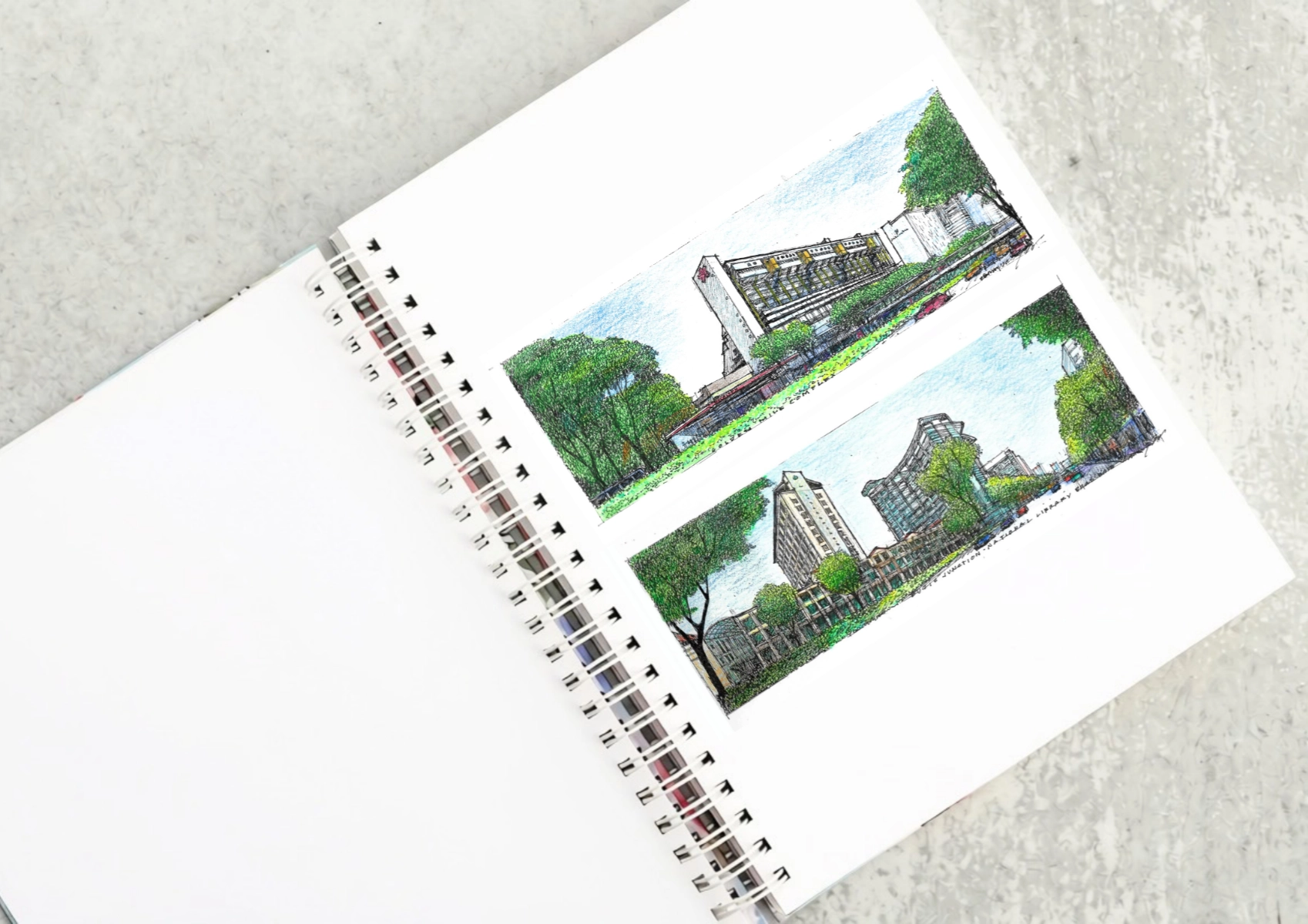
Two sketches of Singapore connect BluPrint Editor in Chief Paulo G. Alcazaren’s personal and professional history with Shared Ground: ArchitectureArchitectureThe art and science of designing and constructing buildings, structures, and spaces that are functional, safe, and aesthetically pleasing. It encompasses the planning, design, materials, and techniques used to createGo to Architecture Glossary of Care, Culture, […]
In a way, designers are the modern-day soothsayers and prophets. They design for the future, predicting how a room, a house, a building or a whole city will be used by people. They foresee how users will interact with a space, conjure exact shades of colors to elicit specific behavior and arrange furniture to build […]
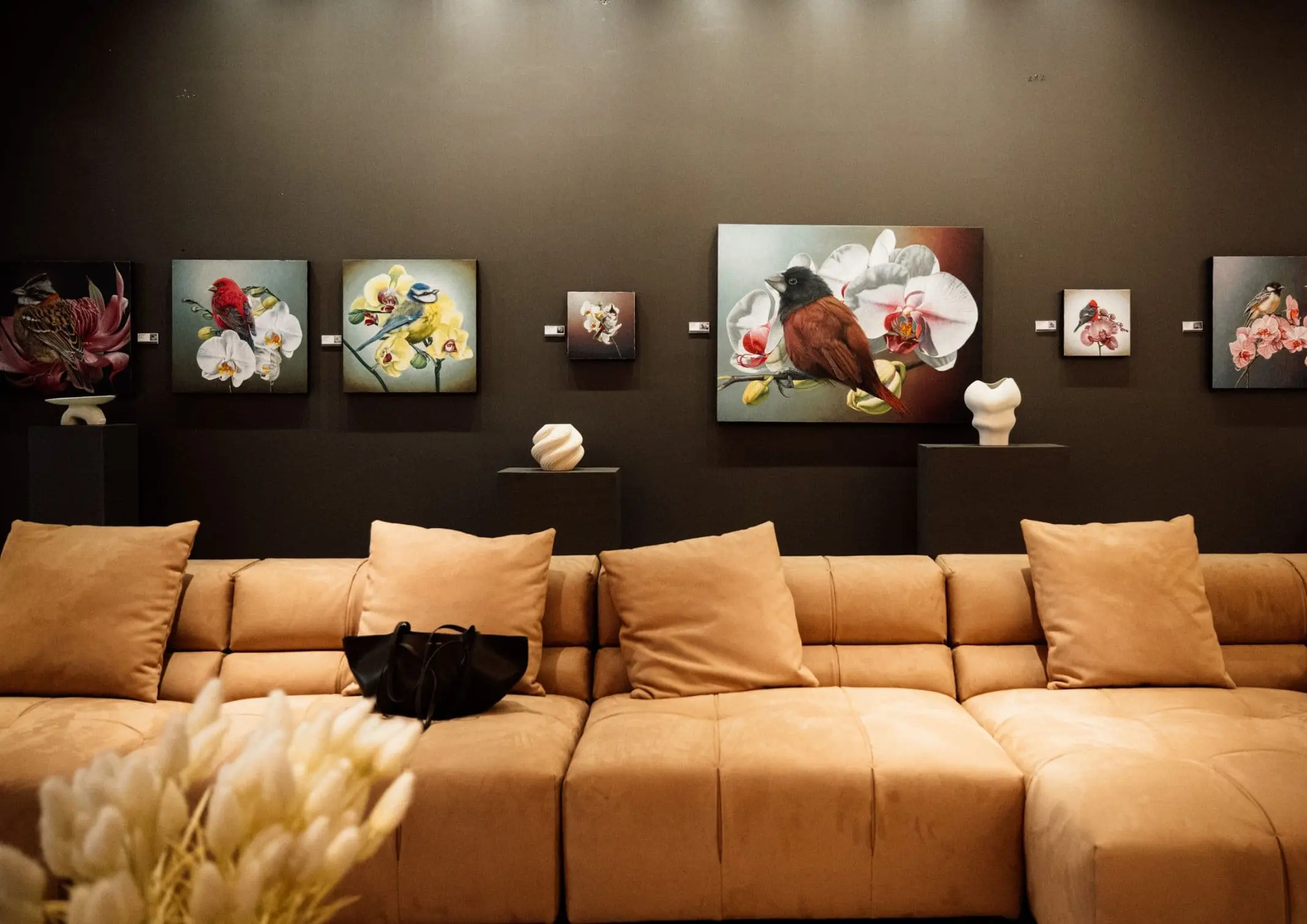
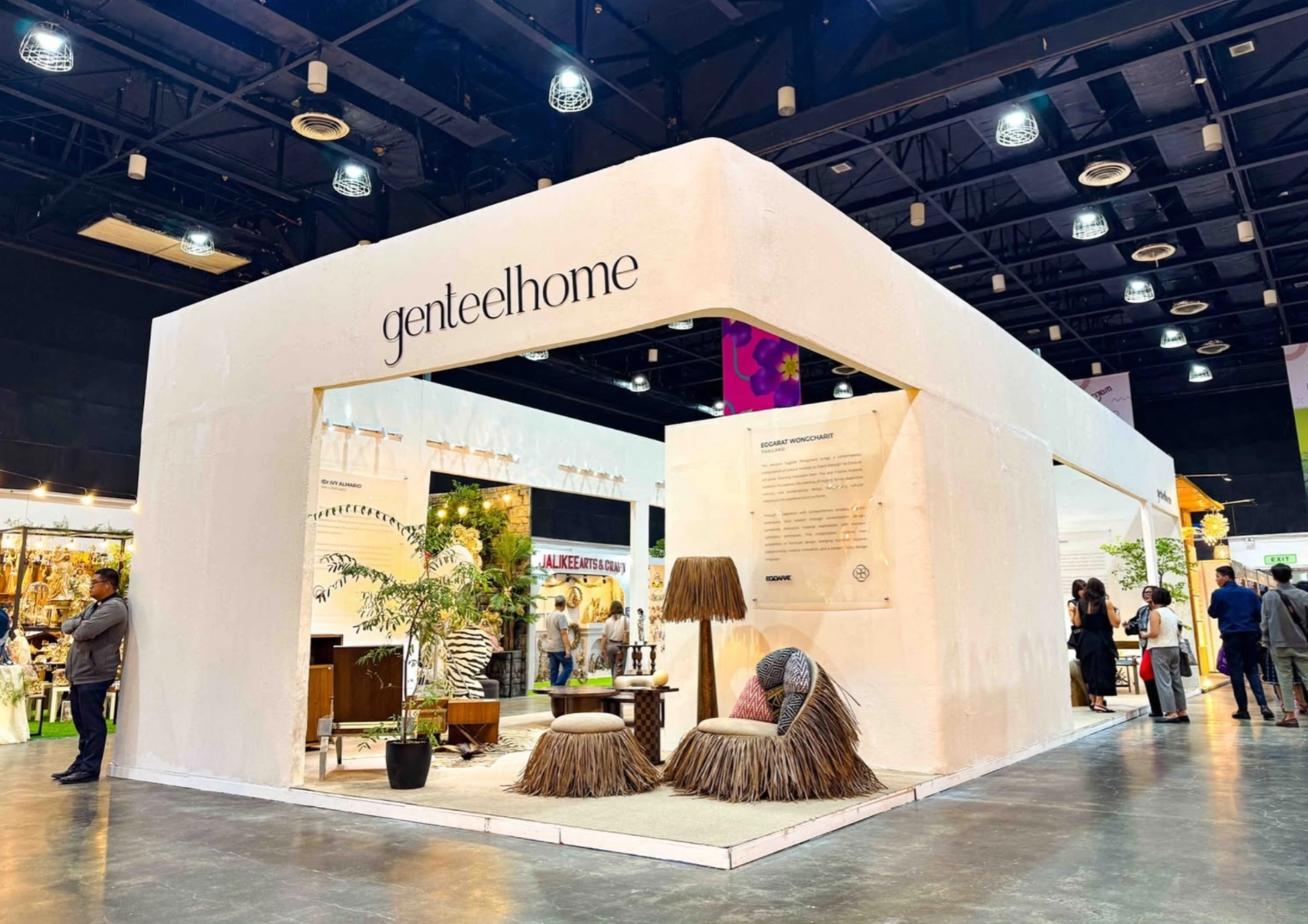
Art and furniture are often selected separately, yet their relationship can shape how a room looks and feels. The collaboration between Hooga and Galerie Joaquin explores how these elements can work together, bringing contemporary artworks into furnished residential settings at Hooga’s showroom in Uptown Mall, Bonifacio Global City. For Hooga, which curates furniture, lighting, and […]
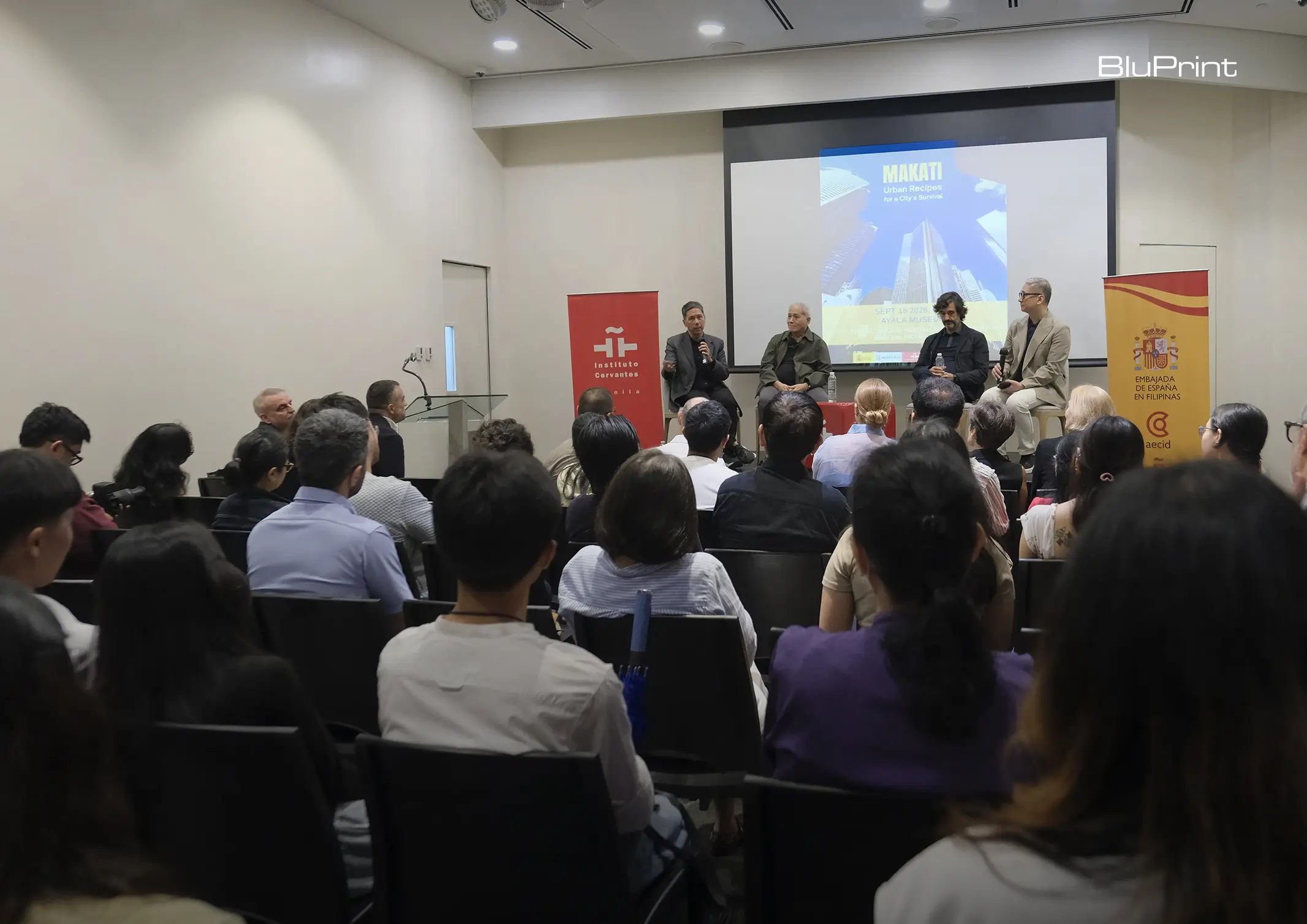
How can better-planned cities create the conditions for more creative, livable, and resilient urban environments? “Makati Urban Recipes for a City’s Survival,” a colloquium held at the Ayala Museum on September 15, brought together architects and practitioners from the fields of urbanism and the creative economy to discuss how design, planning, and collaboration can address […]
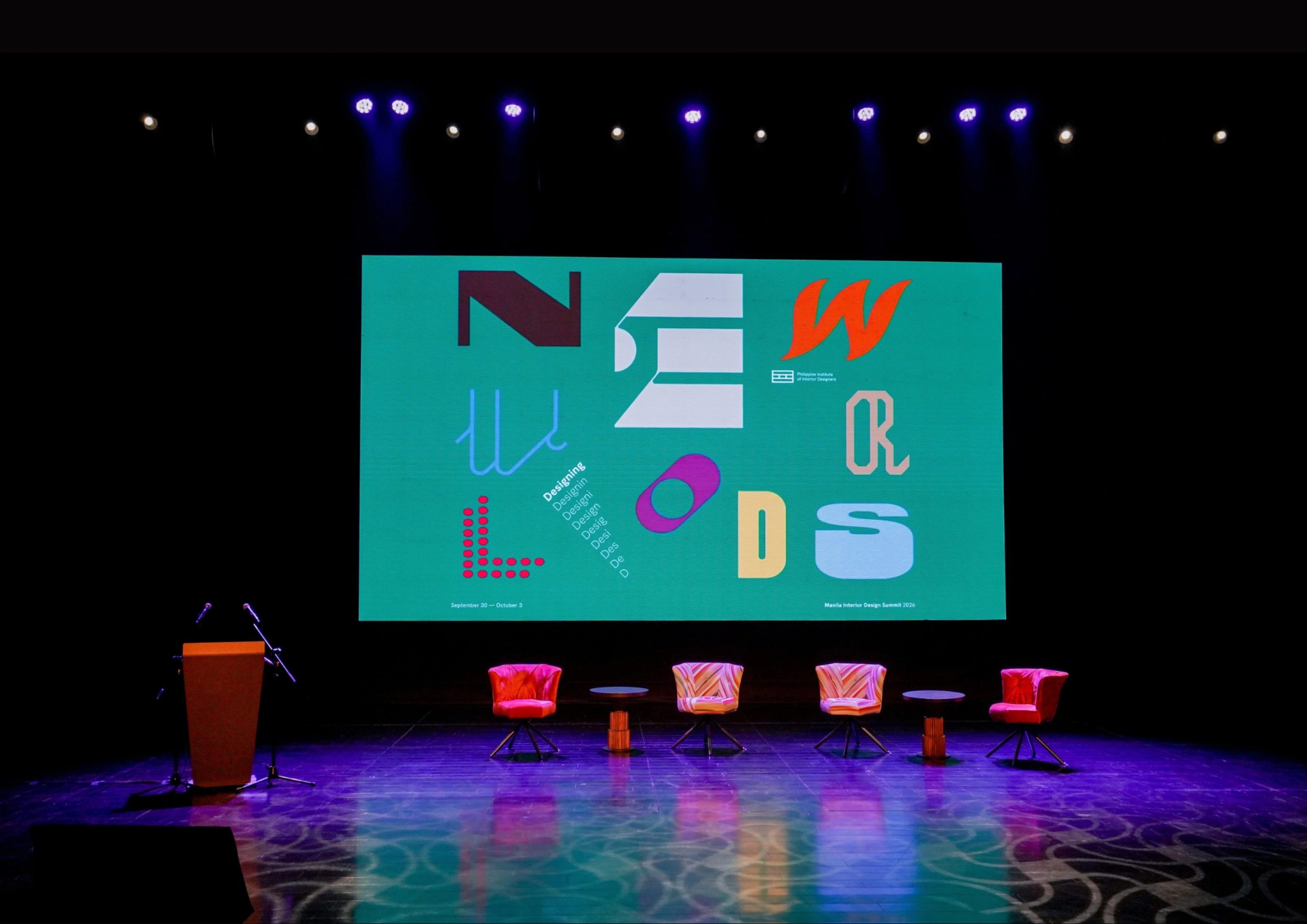
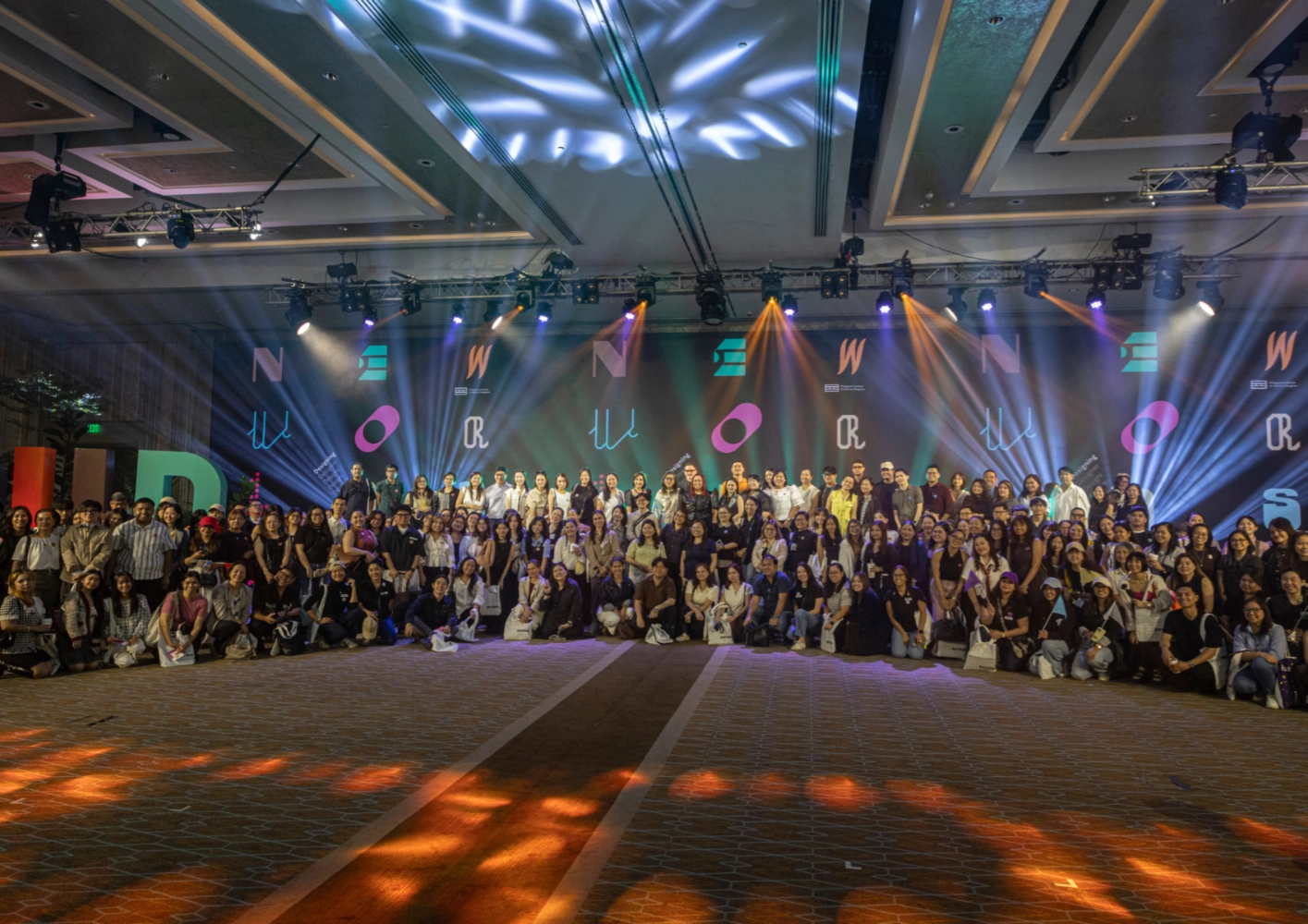
The fourth Manila Interior DesignInterior DesignThe discipline of planning and shaping interior spaces for function, comfort, safety, and beauty. It covers layout, lighting, materials, finishes, furniture, and color, and in the Philippines is a licensedGo to Interior Design Glossary Summit (MIDS) brought together more than 300 delegates for four days of conversations, exhibitions, and design […]
Read the issues.

Collect the volumes.

Recommended Video
Tap to Unmute
Unmute
0:00
0:00