Bigkis is the act of binding. In Tagalog, the word can refer to something used to bind or encircle, as well as a bundle formed by tying several separate elements together. Figuratively, it can also mean a bond, union, or unity. The meanings move from the physical act of joining things together to the connection […]
‘No Boundaries by NewFolk’ Showcases Emerging Designers in the Country



In 2015 at Singapore Design Week, designer Gabriel Lichauco inaugurated the NewFolk brand that worked to explicitly showcase the emerging talents of the Philippine art scene. Ten years later, with No Boundaries by NewFolk, Lichauco yet again features the upcoming crop of innovative designers seeking to change the product design world today.
Shown at Space 63 in Comuna Creative Space, No Boundaries by NewFolk crafts a compelling exhibition. It seeks, as the original did, to open up the possibilities of design in the Philippines—charting a path of where it can go today.
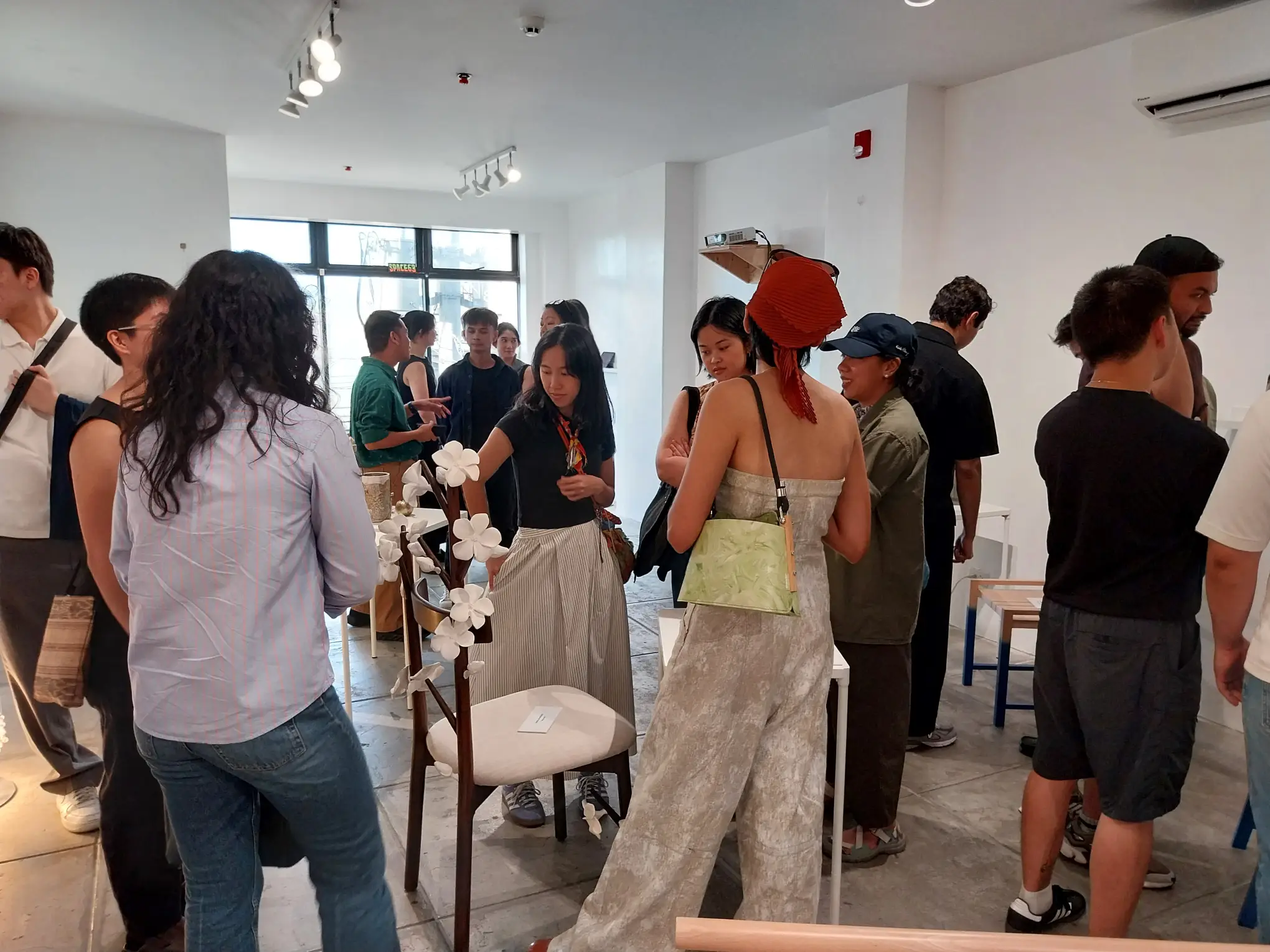
“[The exhibit] showcases the remarkable works of eleven rising design stars who embrace themes of connectedness, sustainability, community, and heritage,” the write-up said. “This exciting showcase isn’t just about trends; it’s about amplifying new voices that will redefine local design for years to come.”
“It’s really a matter of encouraging them to continue,” Lichauco said. “Because when you’re a starting designer, of course you want your pieces [shown]; any person in the creative industry [wants] to get [their] work noticed, right? If you don’t have that platform, what’s gonna happen? Then they’ll stop producing, they’ll stop thinking, they’ll stop, you know? So I think it’s a good venue.”
“I mean, everybody has to start somewhere,” he added. “But I think they also need a certain platform push and you can push them.”
Spotlighting the Youth
The designers involved include Jasser Aguila, Bianca Carague, Meyte Chan, Razel Mari, and Selena Placino. Companies like Lamana and Krete Manila were also involved in the exhibit, helping make collaborative designs that adhere to the theme of the project.
Gabriel Lichauco said that he’s been following many of these designers on Instagram for years and was familiar with their progress when he tapped them for the exhibit. Some of them were even his former students, and he was impressed with their work ethic and what they’ve been creating.
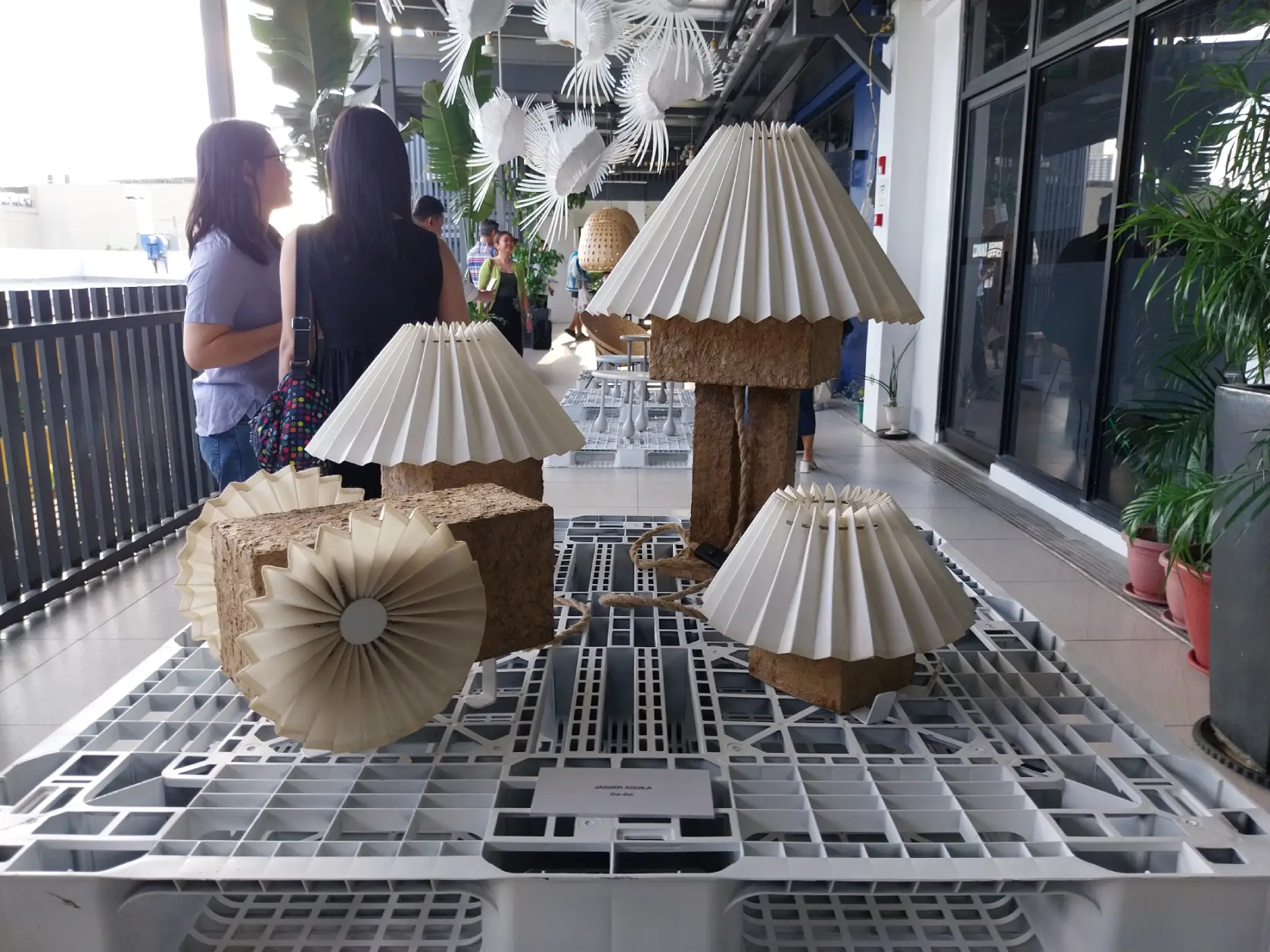
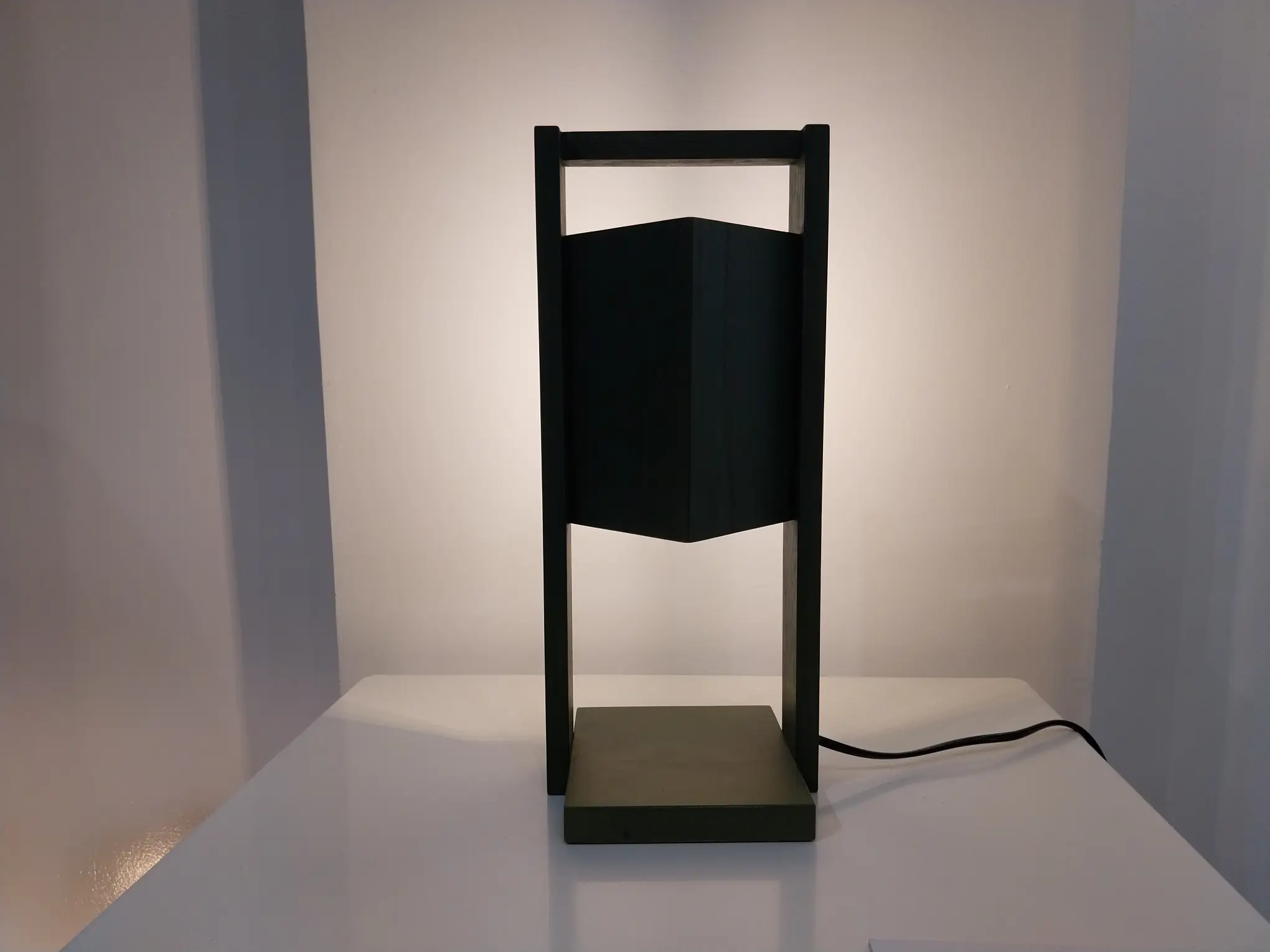
“They just have different processes: the way they design, the way they think,” he said. “It’s a different generation where multidisciplinary is something that’s a norm already. Before, during our time, it was the early 2000s when they ask, ‘So, what you do? What sort of practice do?’ Of course, [back then] it’s only architectureArchitectureThe art and science of designing and constructing buildings, structures, and spaces that are functional, safe, and aesthetically pleasing. It encompasses the planning, design, materials, and techniques used to createGo to Architecture Glossary and interior design.
“[These designers are] like, ‘oh, it’s not [just that]’, and now everybody’s like, ‘oh, I’m working multidisciplinary, interdisciplinary.’ So it’s a good thing that people [are] catching up [with] the idea about it.”
A Kitchen ‘Concept Café’
To integrate all of these disparate designers’ works, Lichauco came up with a baseline theme to center some of these ideas around: the kitchen. All the designs shown in this exhibition are functional objects that can be used around the kitchen, while still displaying the unique stylistic choices of the designers.
He described the exhibit as a “concept café” for its emphasis on interactivity. The space invites visitors to touch, sit, and engage directly with the objects on display.
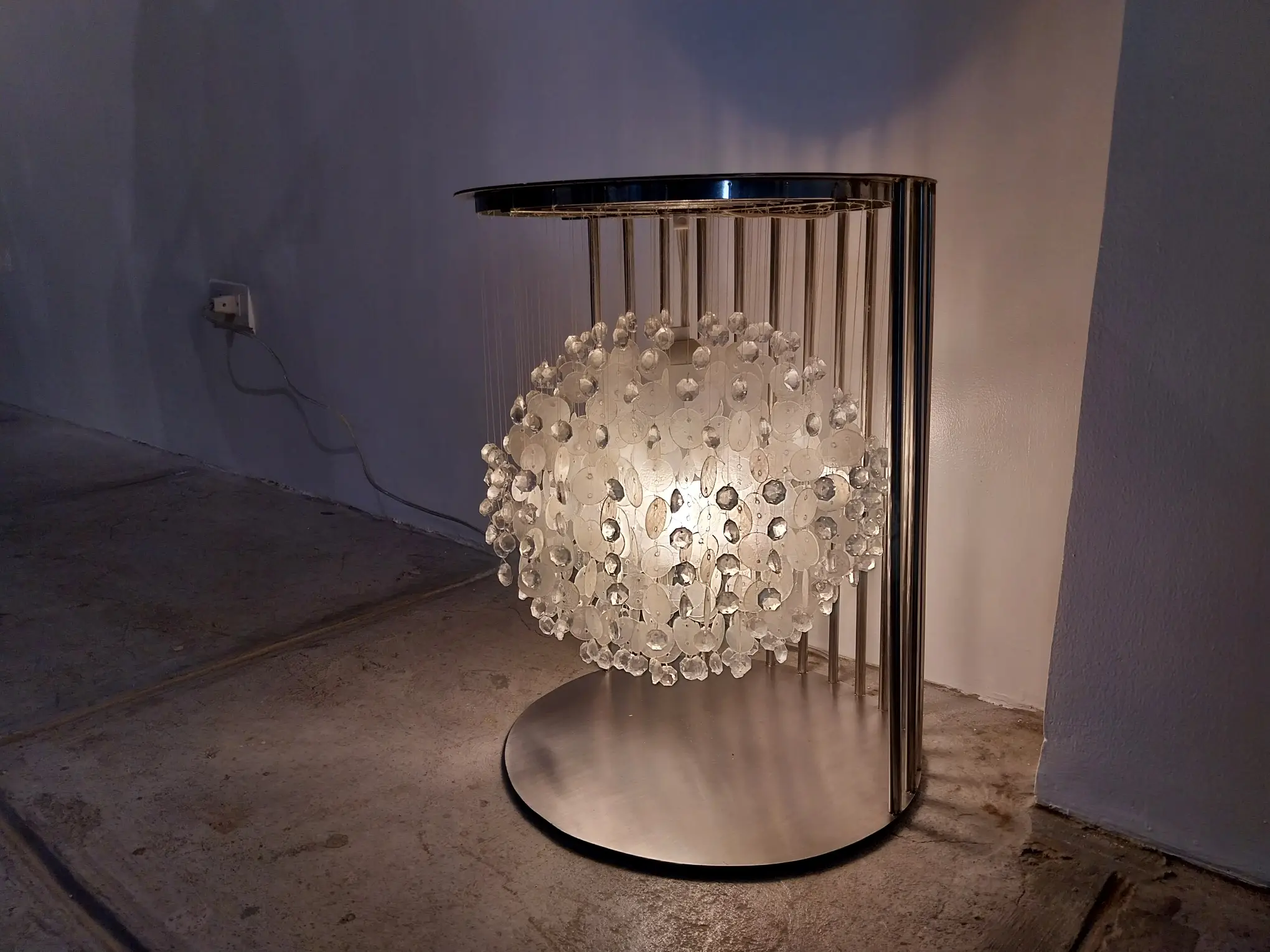
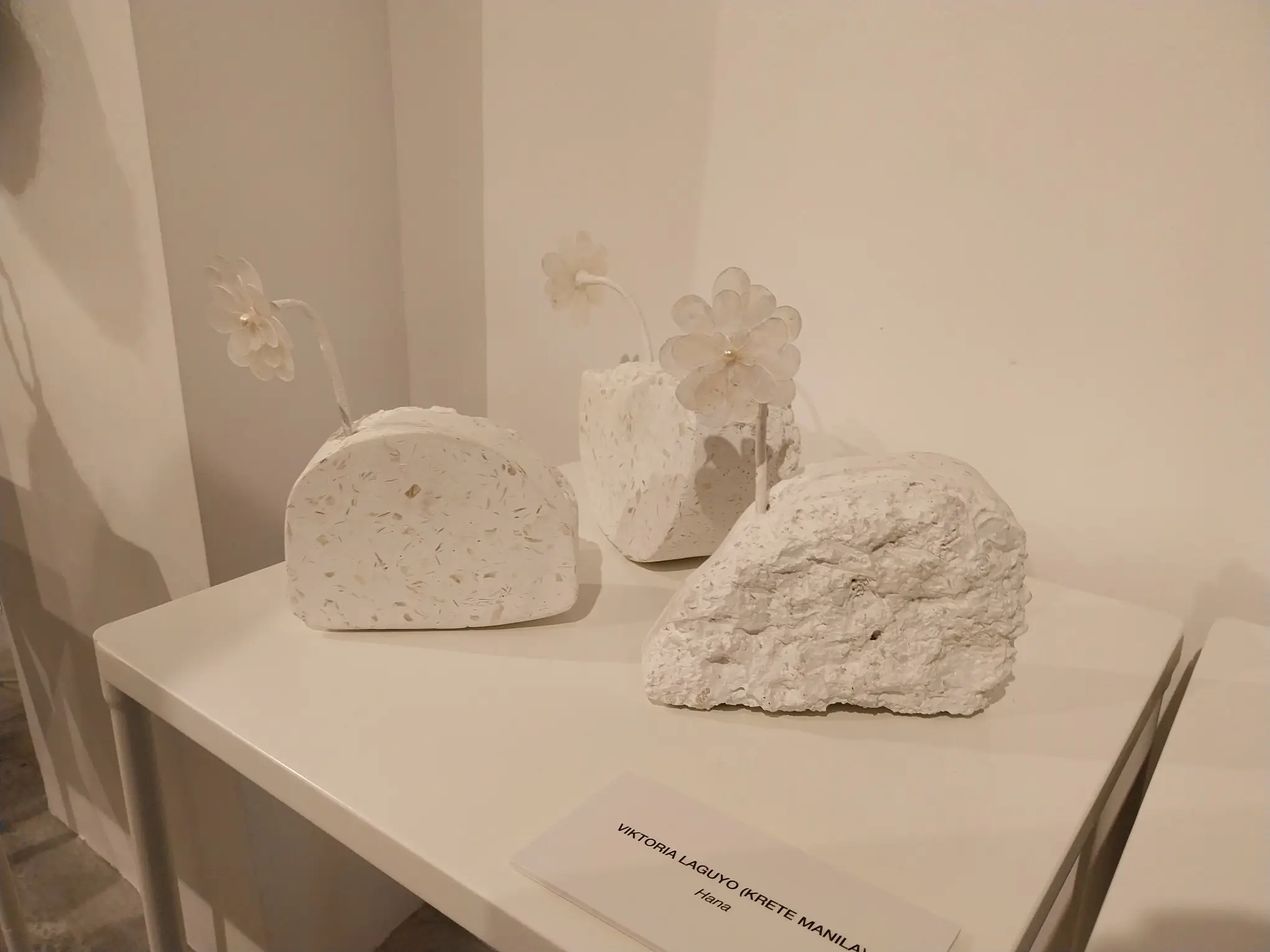
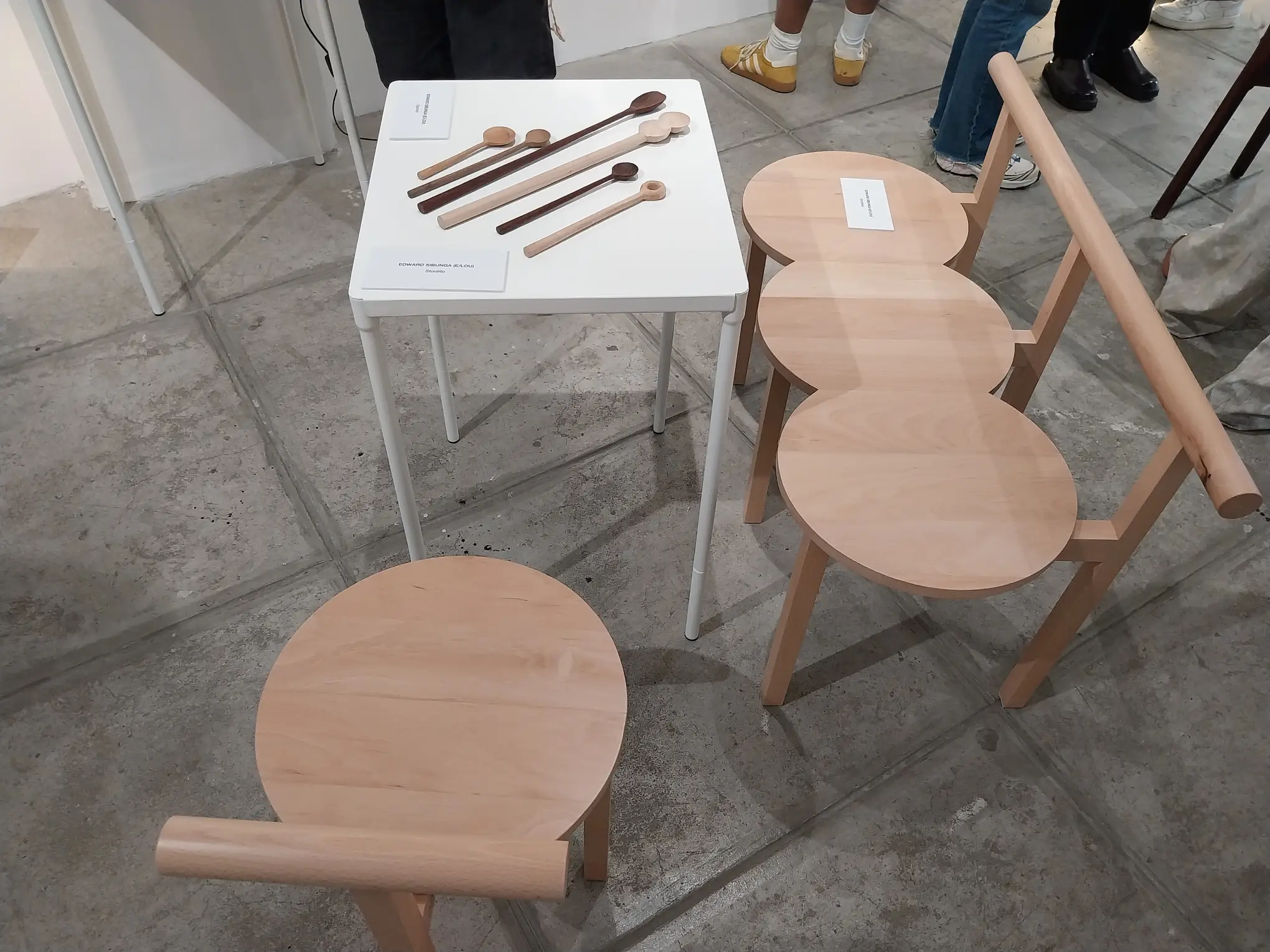
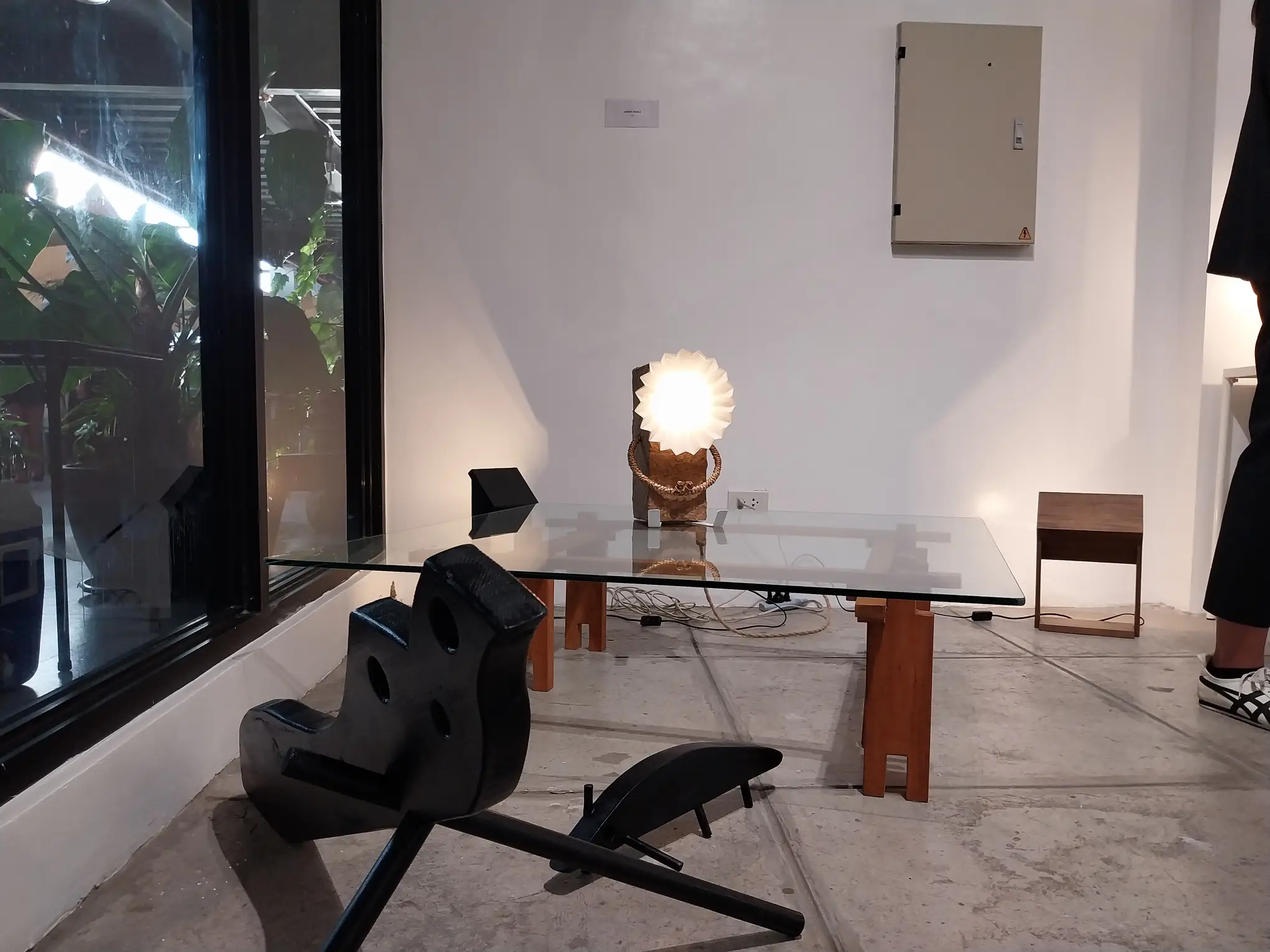
And thus, the kitchen was chosen due to its prominence in architecture and interior design. Every home tends to have a kitchen, he opined, and that opens up possibilities for unique spins from the participating designers.
“ I think kitchen is a place where, you know, it’s a gathering place, it’s very casual,” he said, before adding, “and of course, objects in the kitchen is what makes the kitchen not just like those modular systems. Like those counters, like those designs of the kitchen. But what are the objects in the kitchen? And that’s important, right? That creates a new composition. It’s also something that [is] very casual, so they’re all just relaxed.”
Uniquely Innovative Works
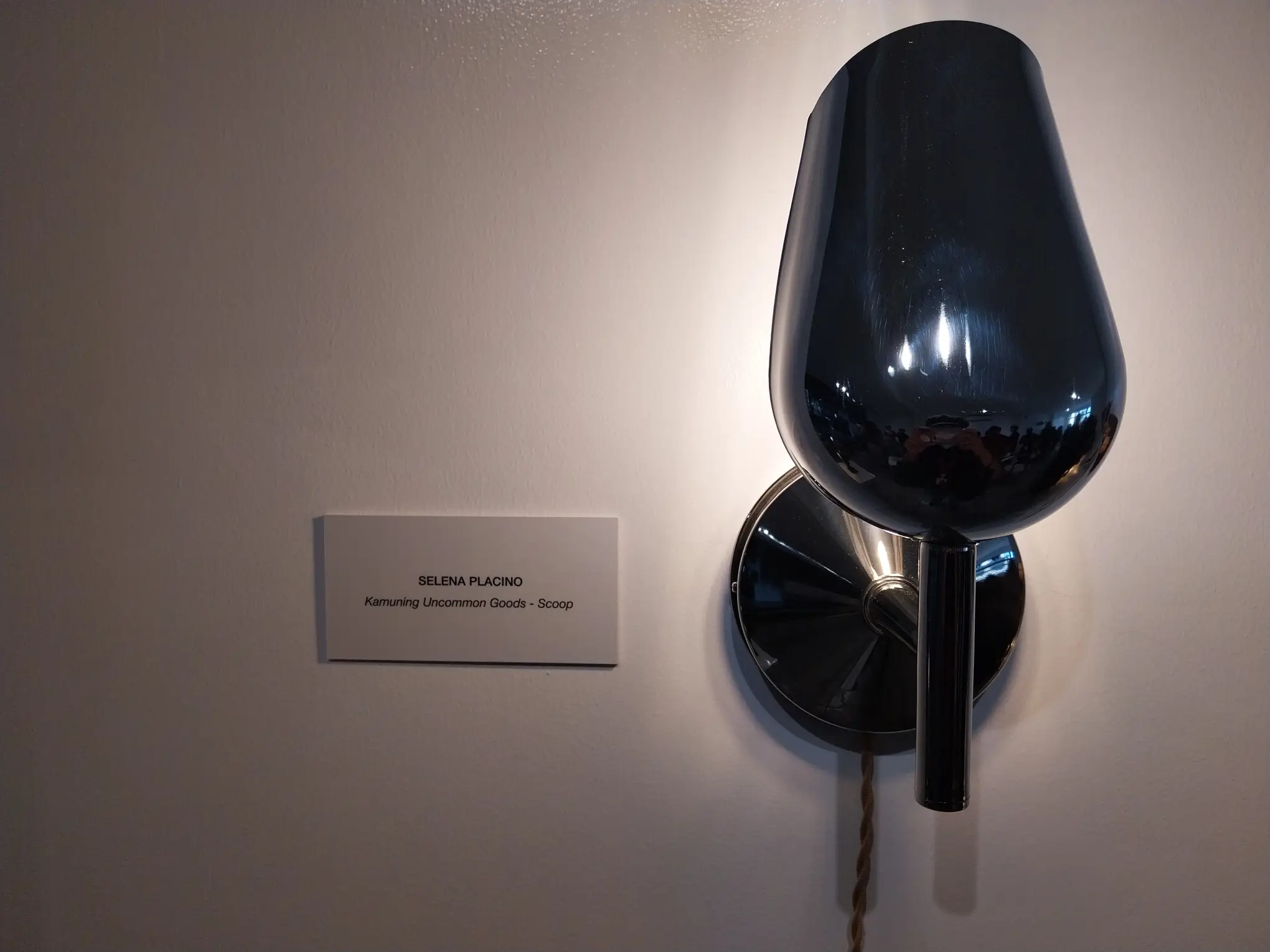
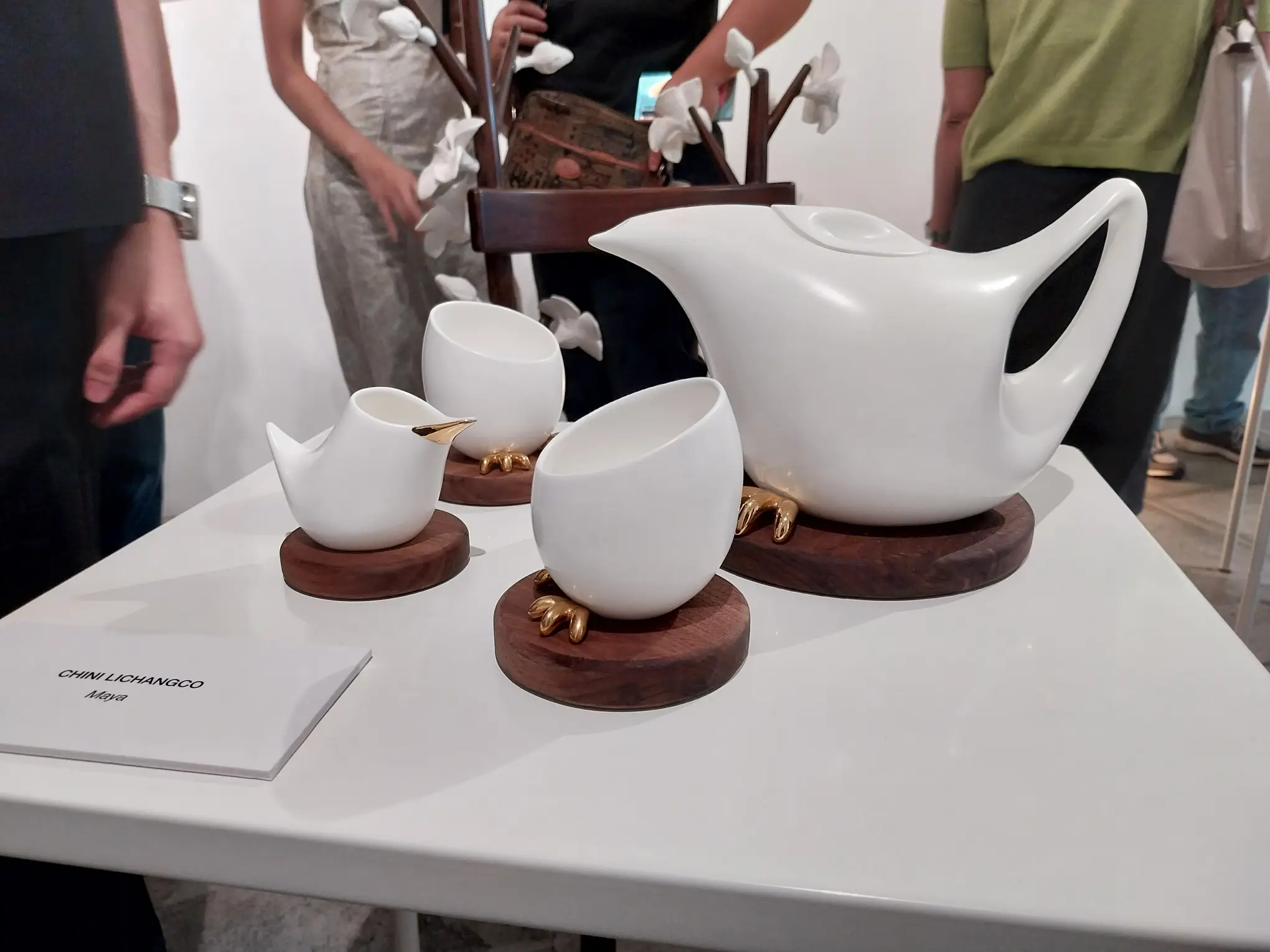
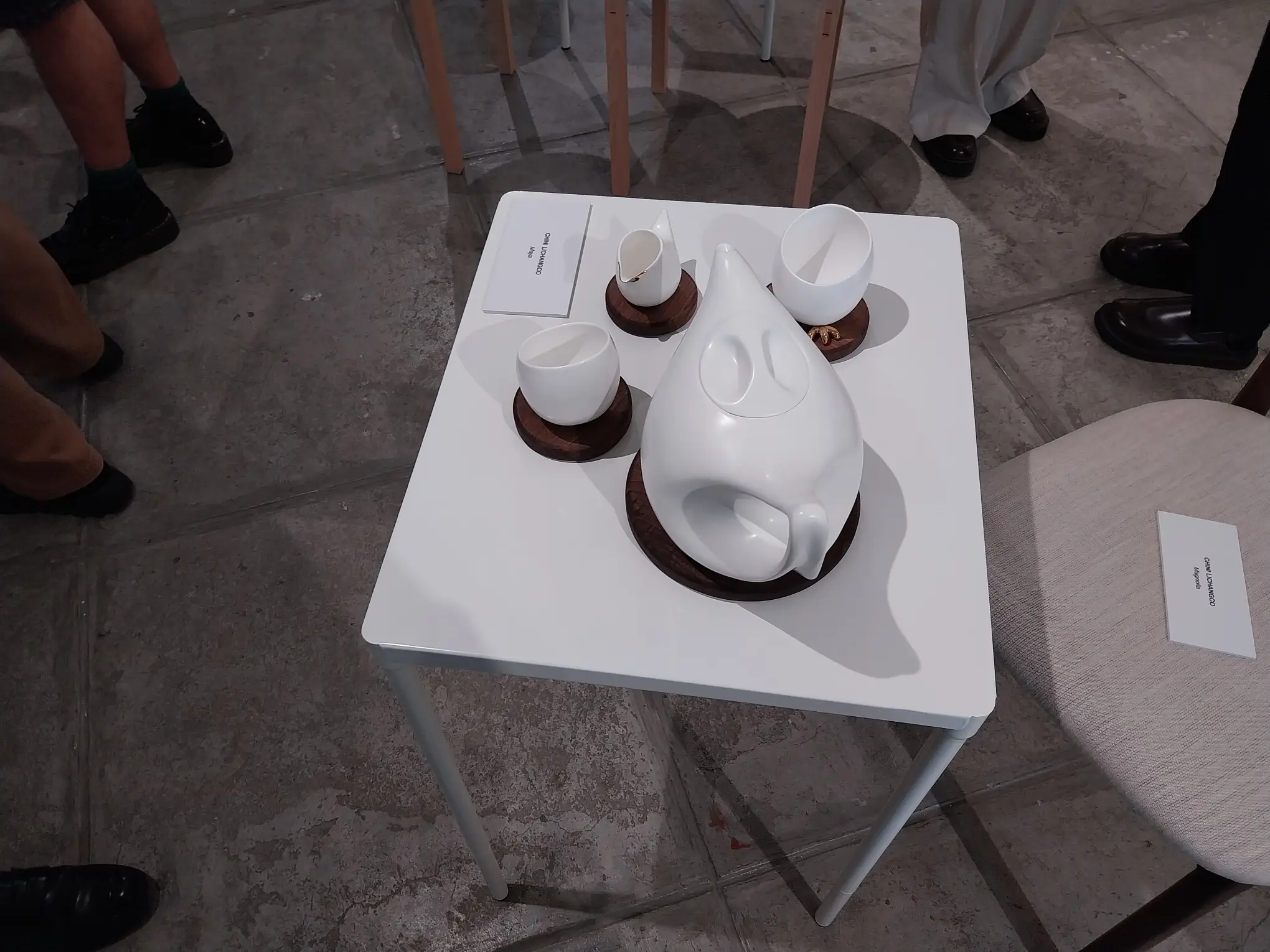
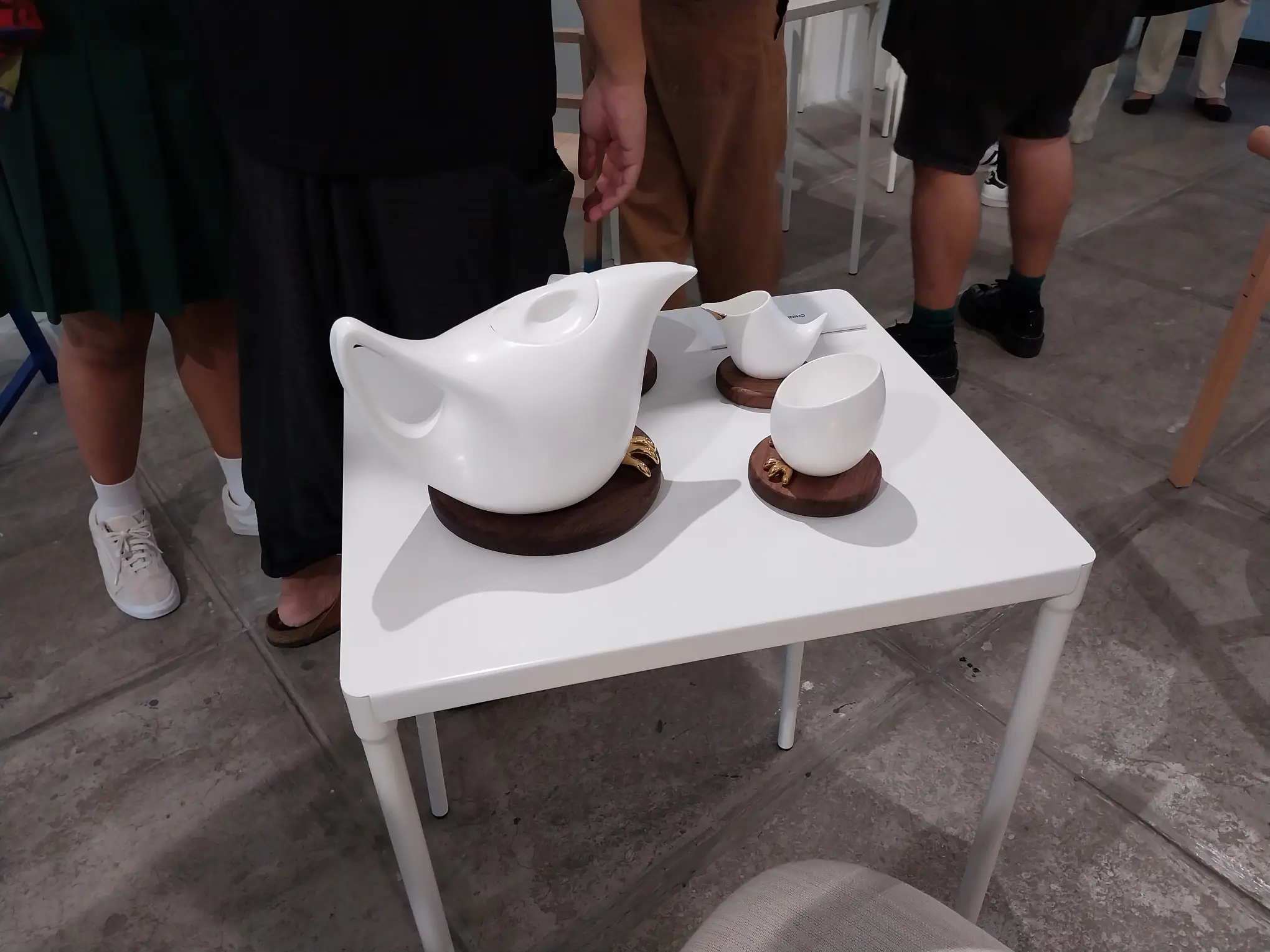
Interesting designs abound for the exhibition. Selena Placino utilizes normal everyday objects like an ice scooper or the containers used to carry taho in a recontextualized manner, turning them into a wall light and a bench, respectively. Chini Lichangco’s works are similarly-playful; most eyecatching is a tea set collection that adds maya feet under the set to make it look like they were birds.
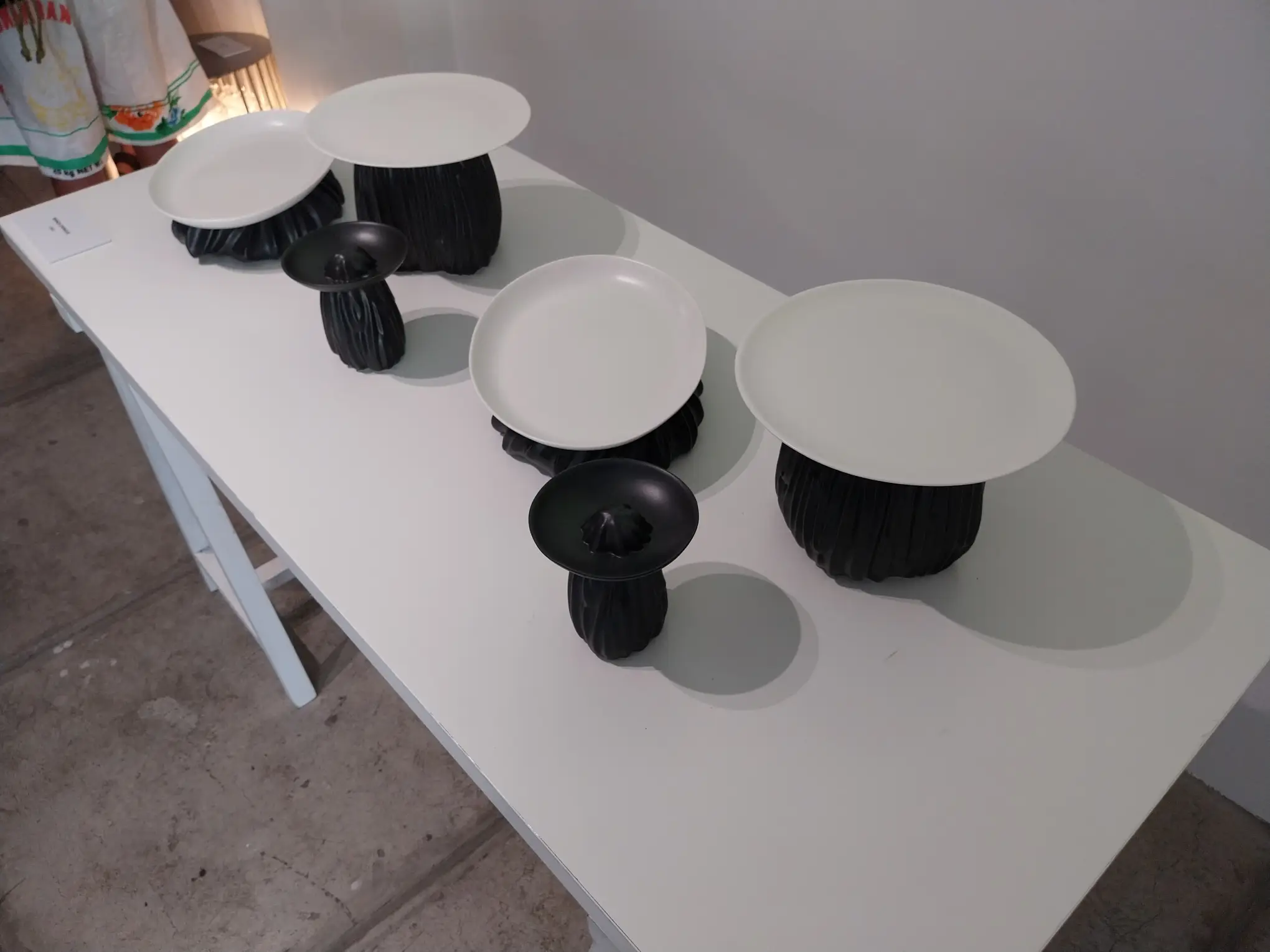
Bianca Carague, meanwhile, showcased these minimalist dishes that she conceptualized through creating a virtual world and designing the dishes from there. Videos of how that world looked were shown in the exhibit, giving us an idea of why the design leaned towards that aesthetic.
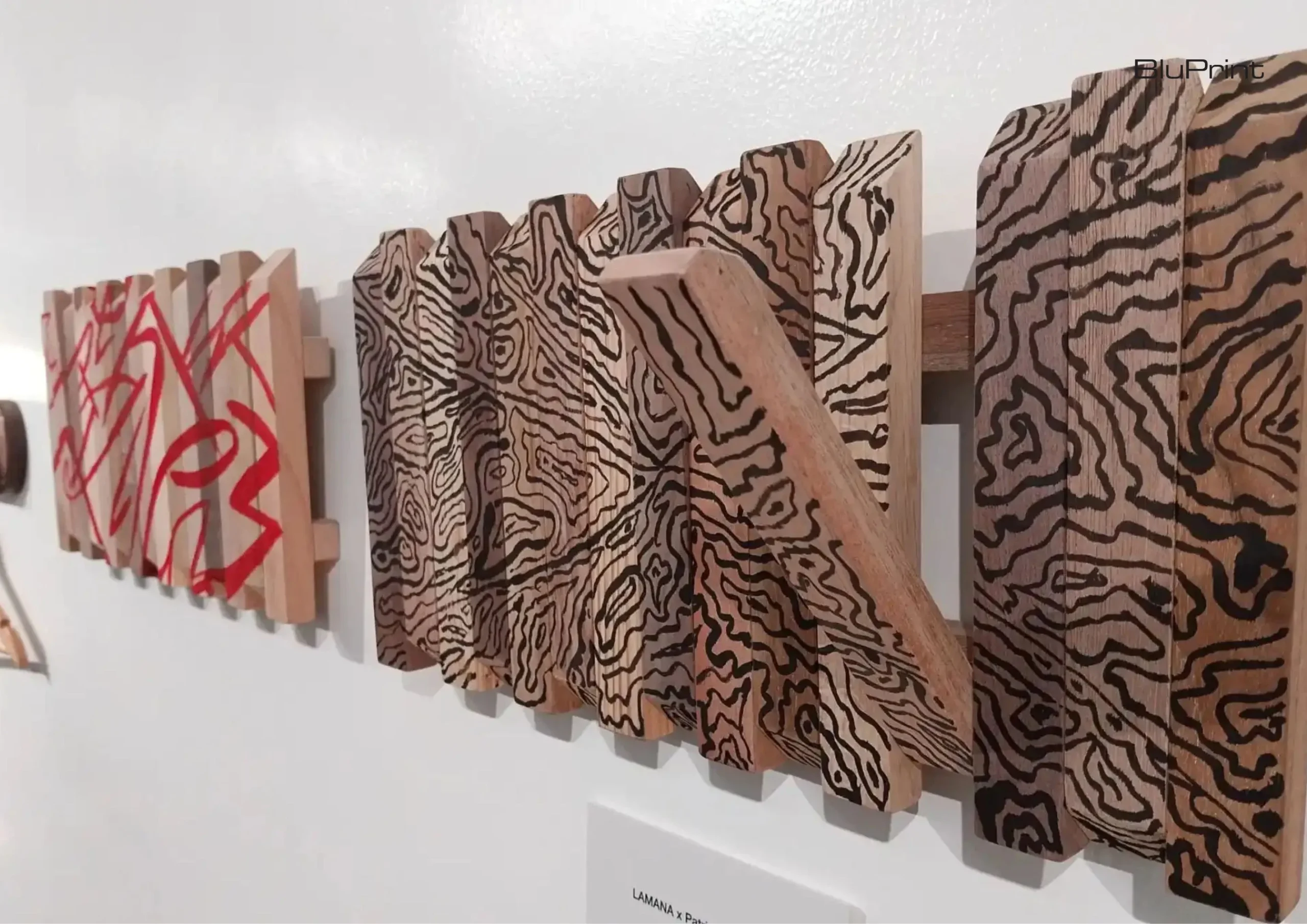
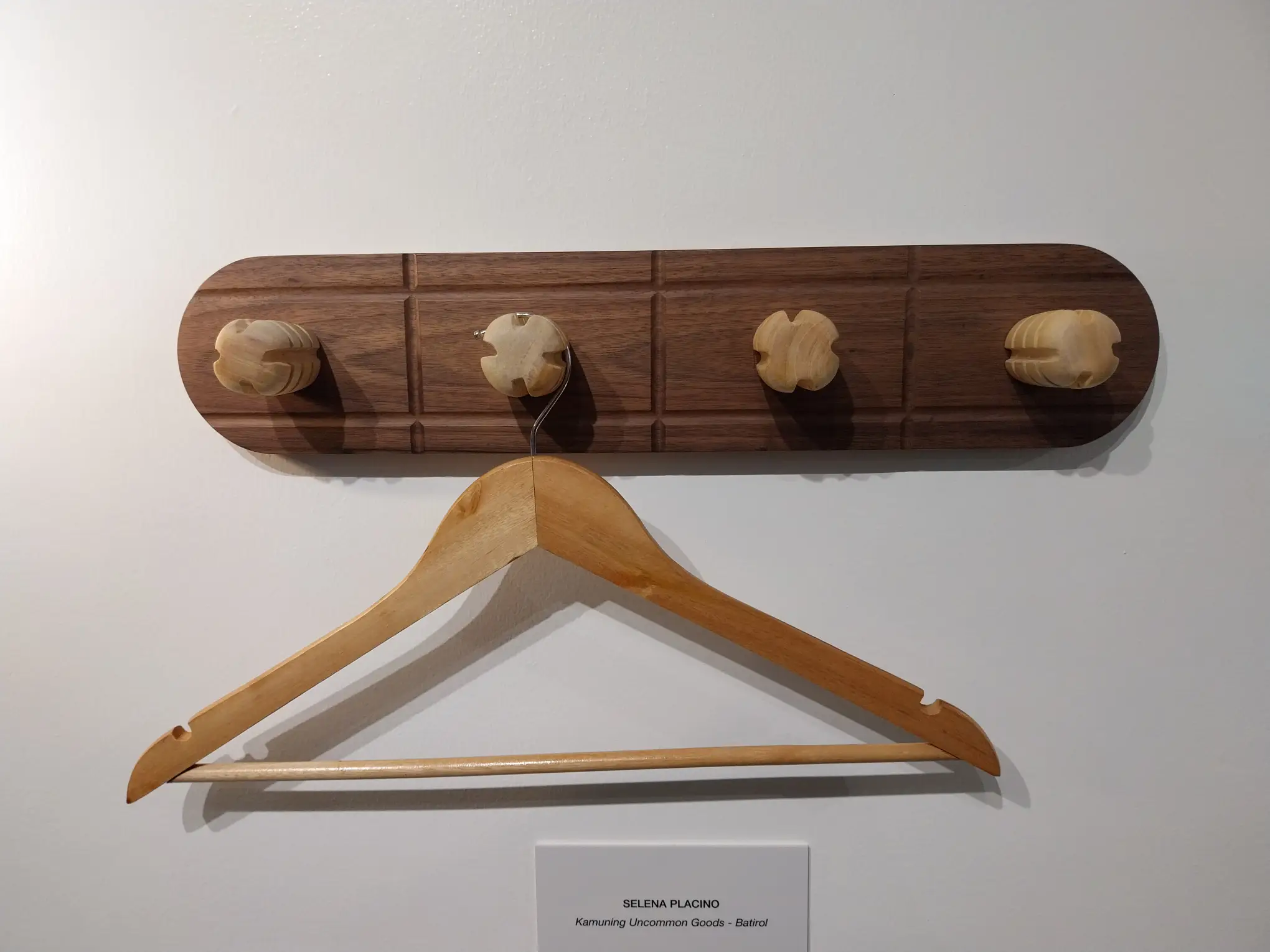
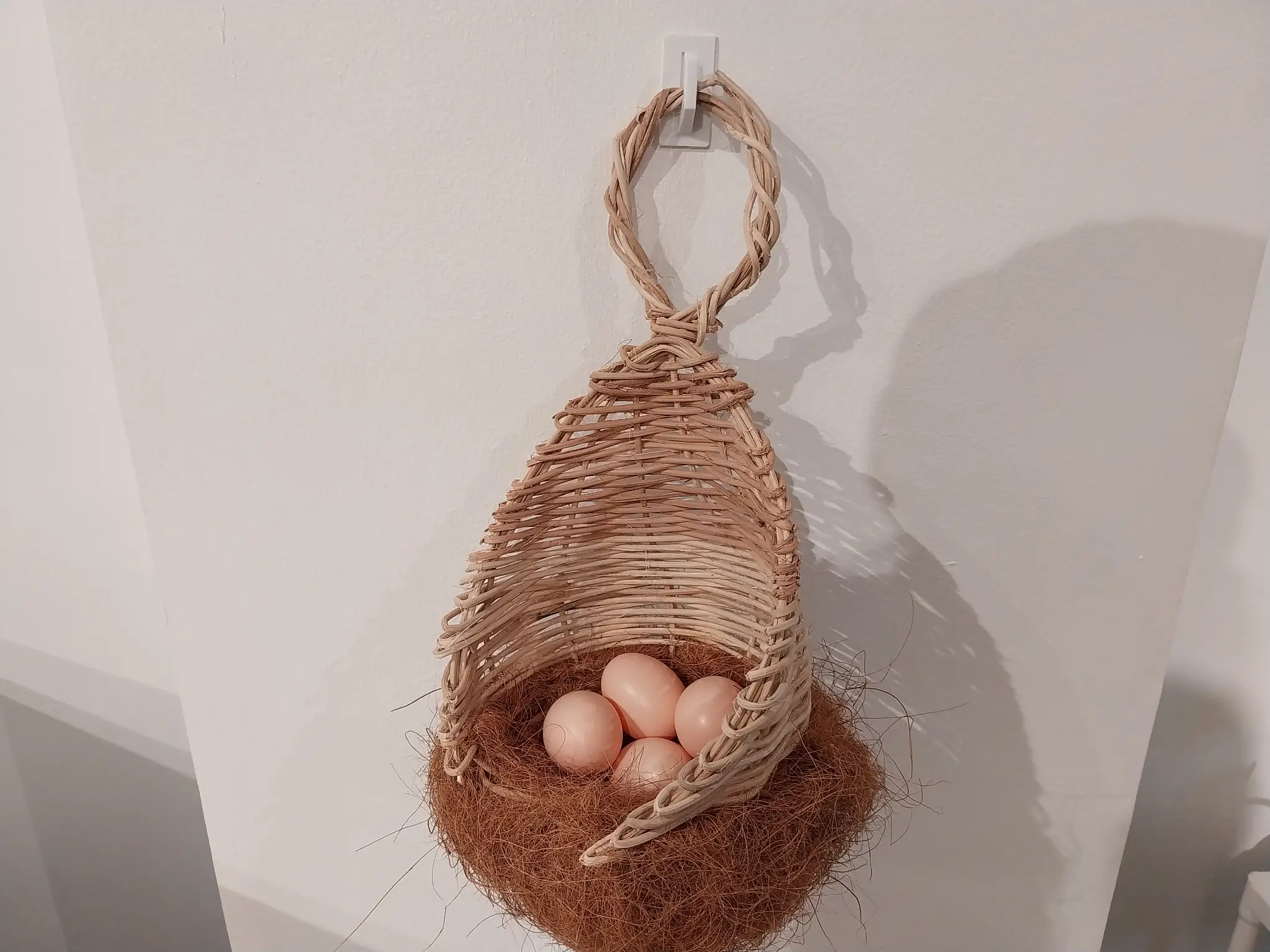
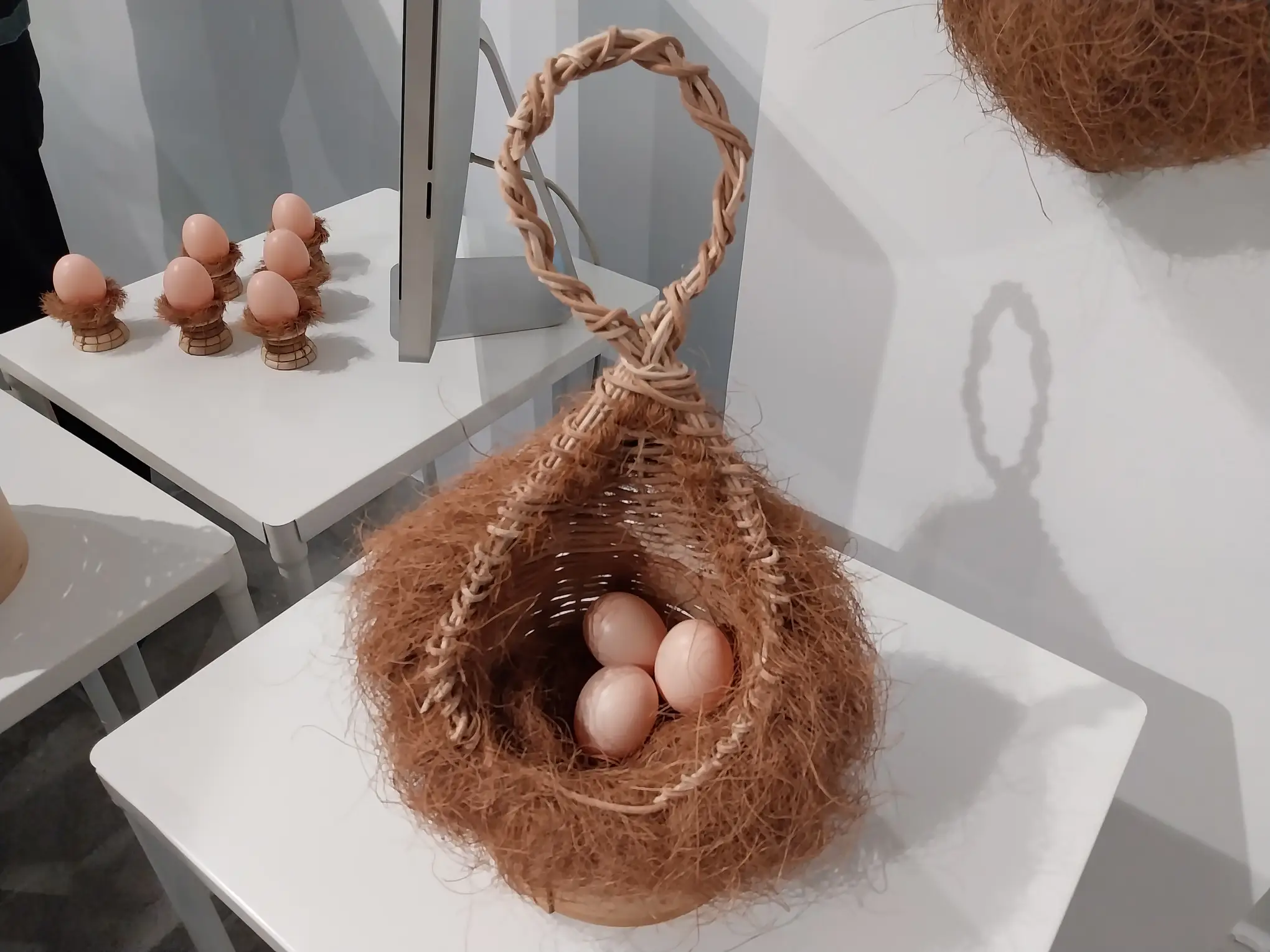
Razel Mari’s “Beard Nest” uses environmentally friendly materials to create what looks like birds’ nests, which can be used as a storage place for materials in the kitchen. Lamana, meanwhile, worked with Patrick Kasingsing for some Brutalist-inspired knobs and kitchen hooks made from offcut construction materials.
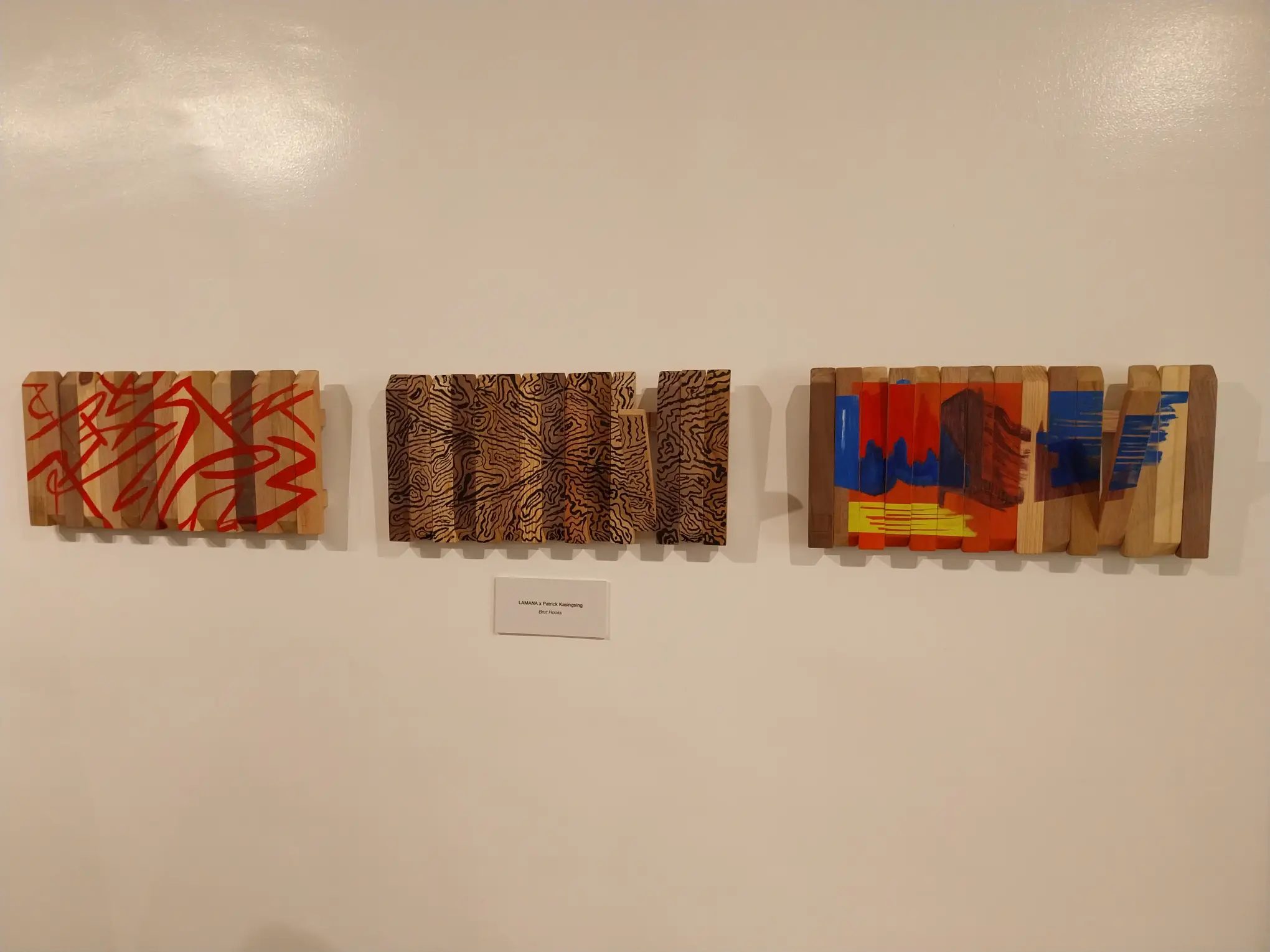
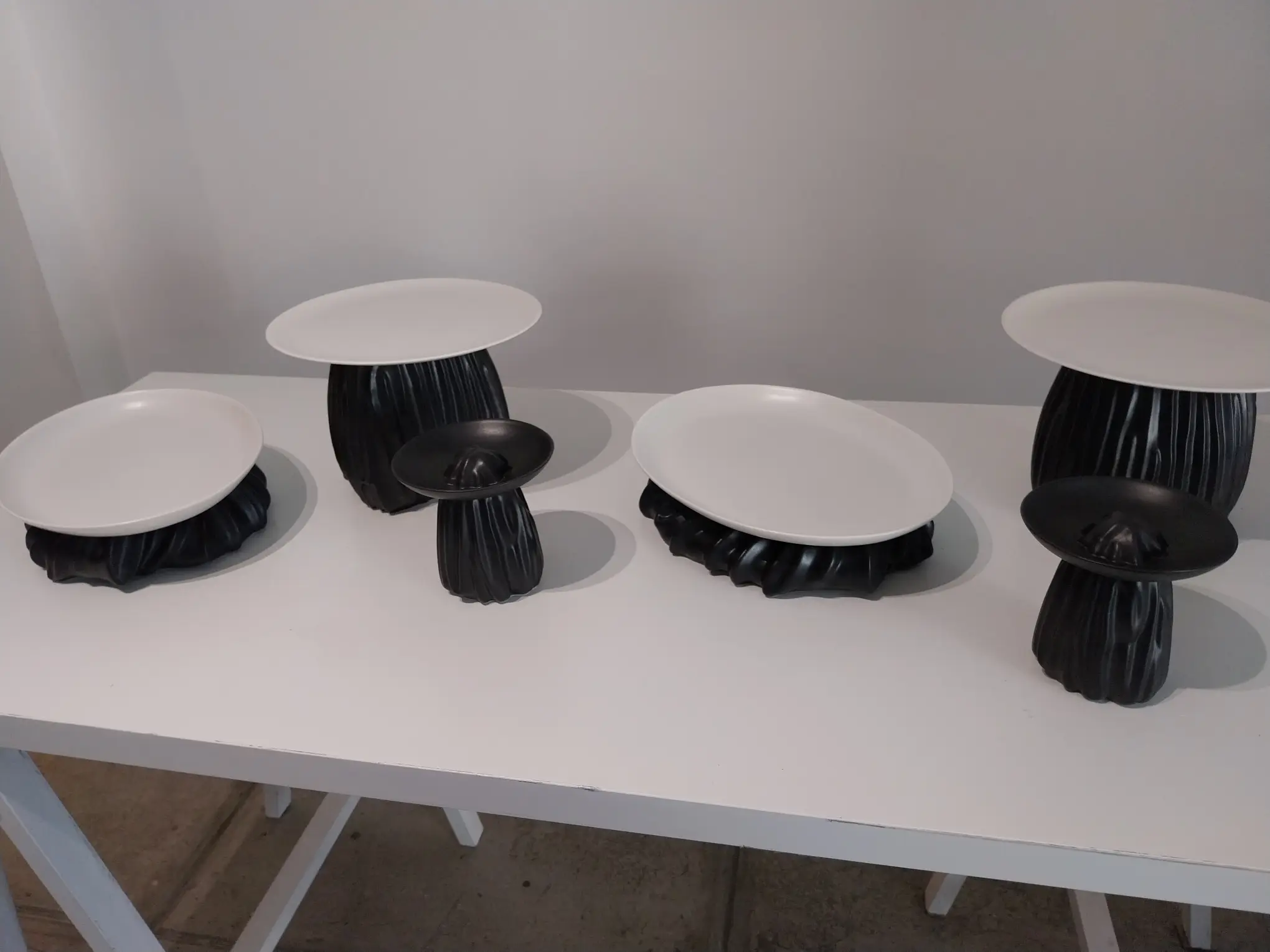
A recurring theme for this exhibition is how environmentally-friendly many of these final designs are. Lichauco said that he saw these designers as deeply-aware of the resources available; thus, they strive towards sustainability without losing their vision or the functionality of the products.
“A lot of them are very environmentally conscious about what they produce, resourceful,” he said. “I think it’s not just about designing, but how: the challenge for them is not just design, but how do they make their designs come to reality.”
The Limitless Potential of Design Today
No Boundaries by NewFolk shows the seemingly-unlimited potential of the Filipino designer’s imagination, even with the limited capacities of our country’s infrastructure. It spotlights new talent and the singular ideas that they work with; how they integrate the special Filipino flavor that makes them stand out from the crowd.
Lichauco understands that many of these designs are “niche.” And yet he doesn’t just see them as important to our country’s future, but essential in differentiating our culture from the rest of the world. “Niche” designs, he said, allows the country to move away from trends; to set new standards instead that makes us leaders in the future of design instead of followers.
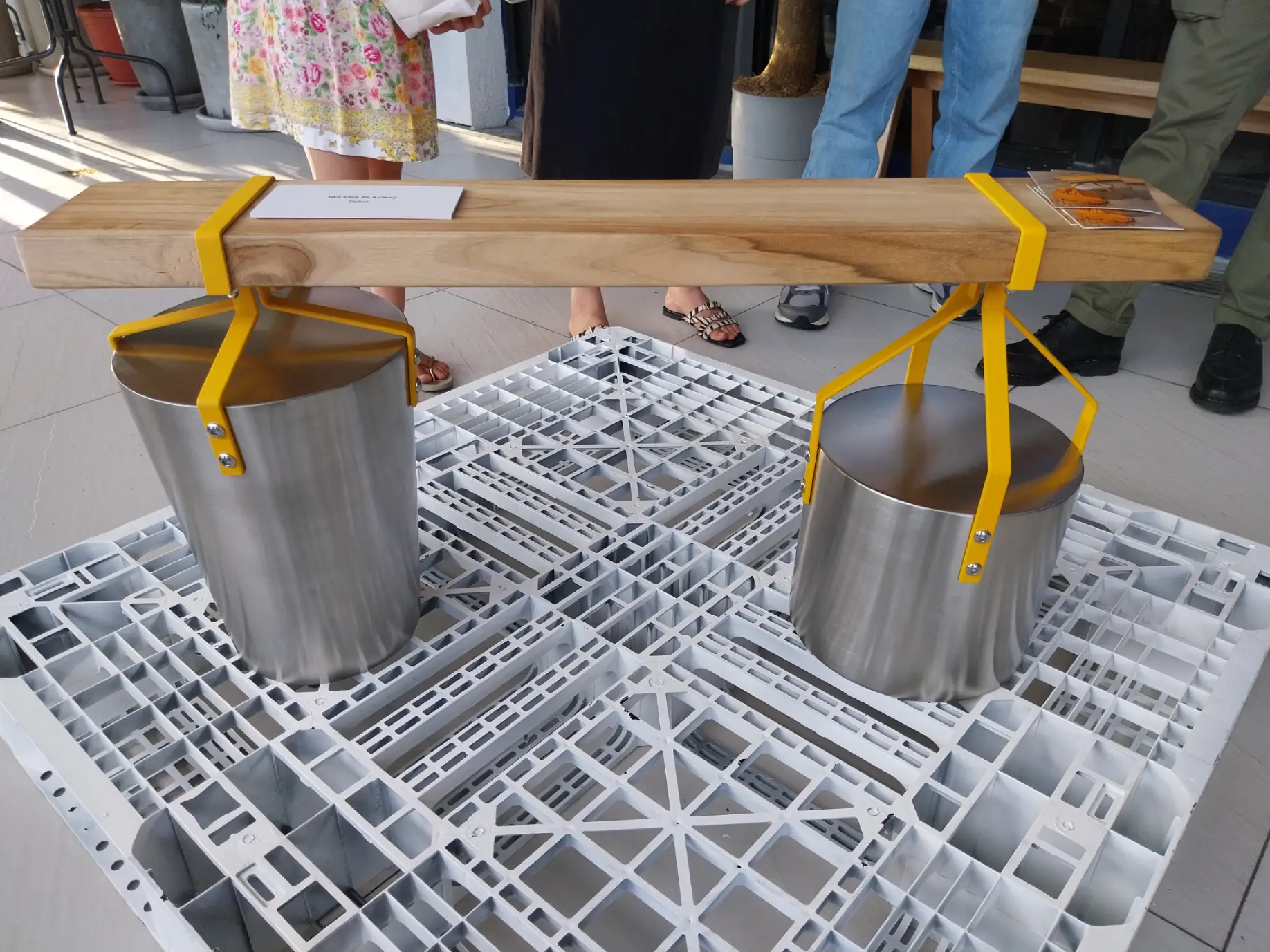
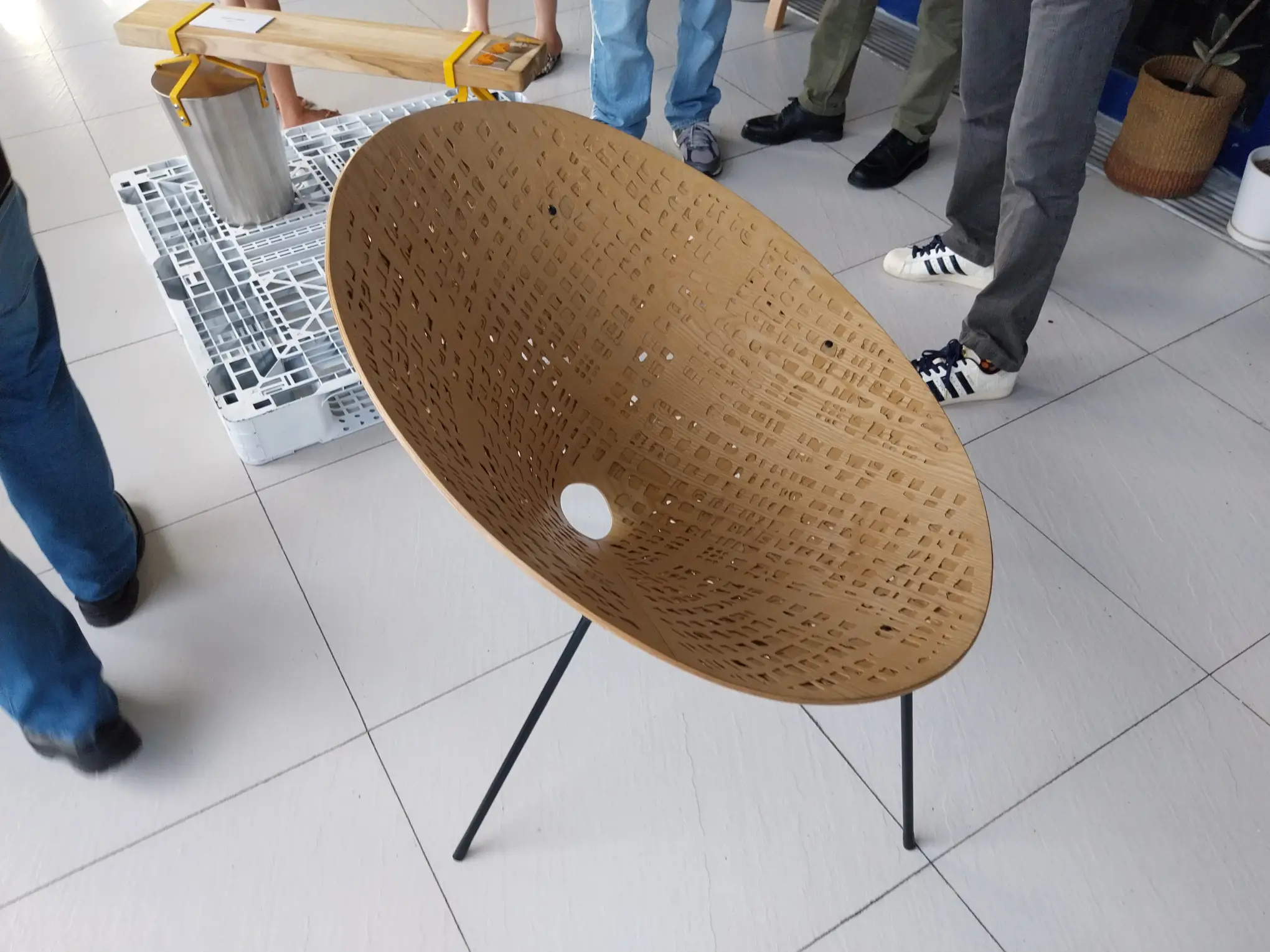
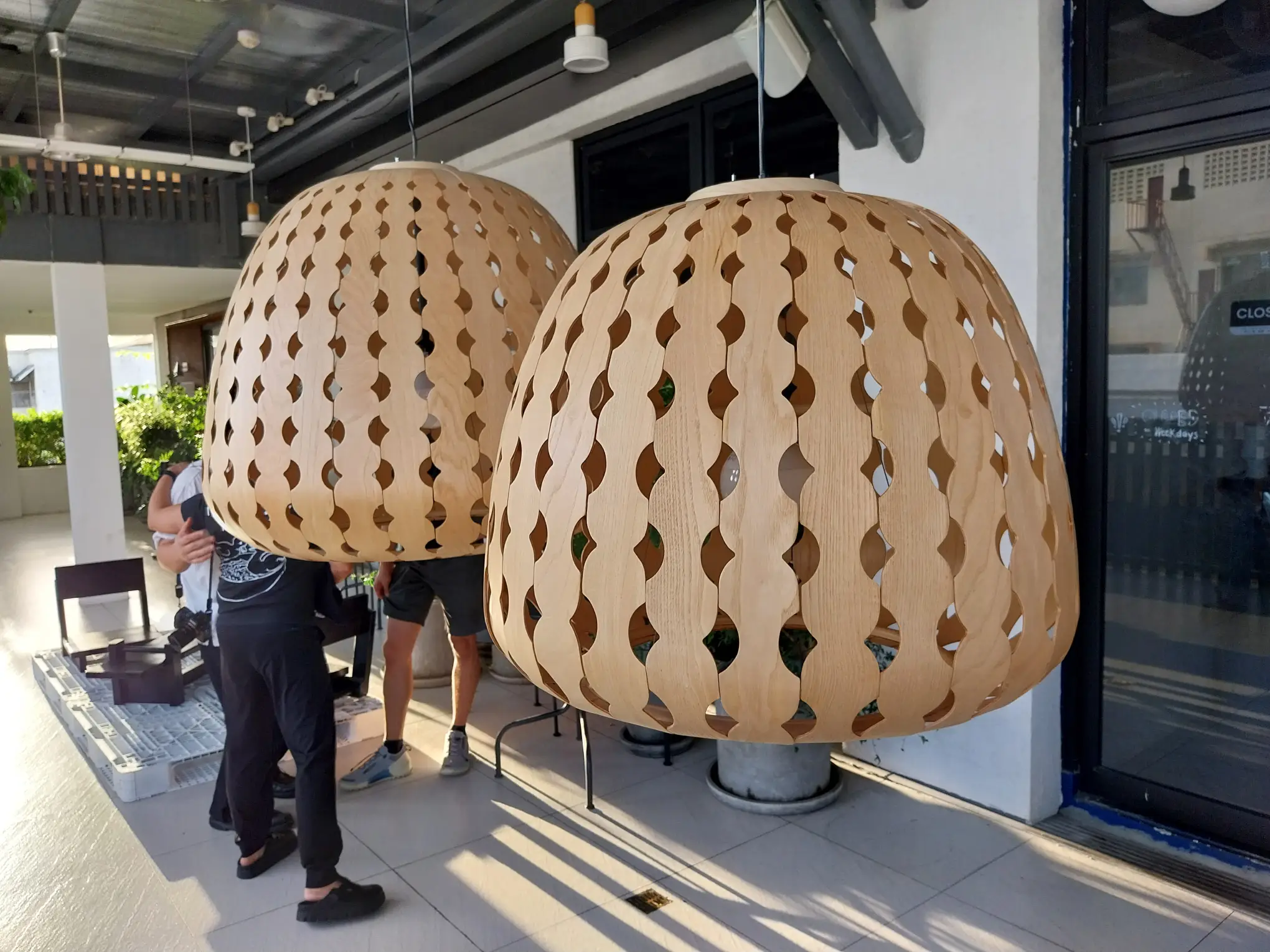
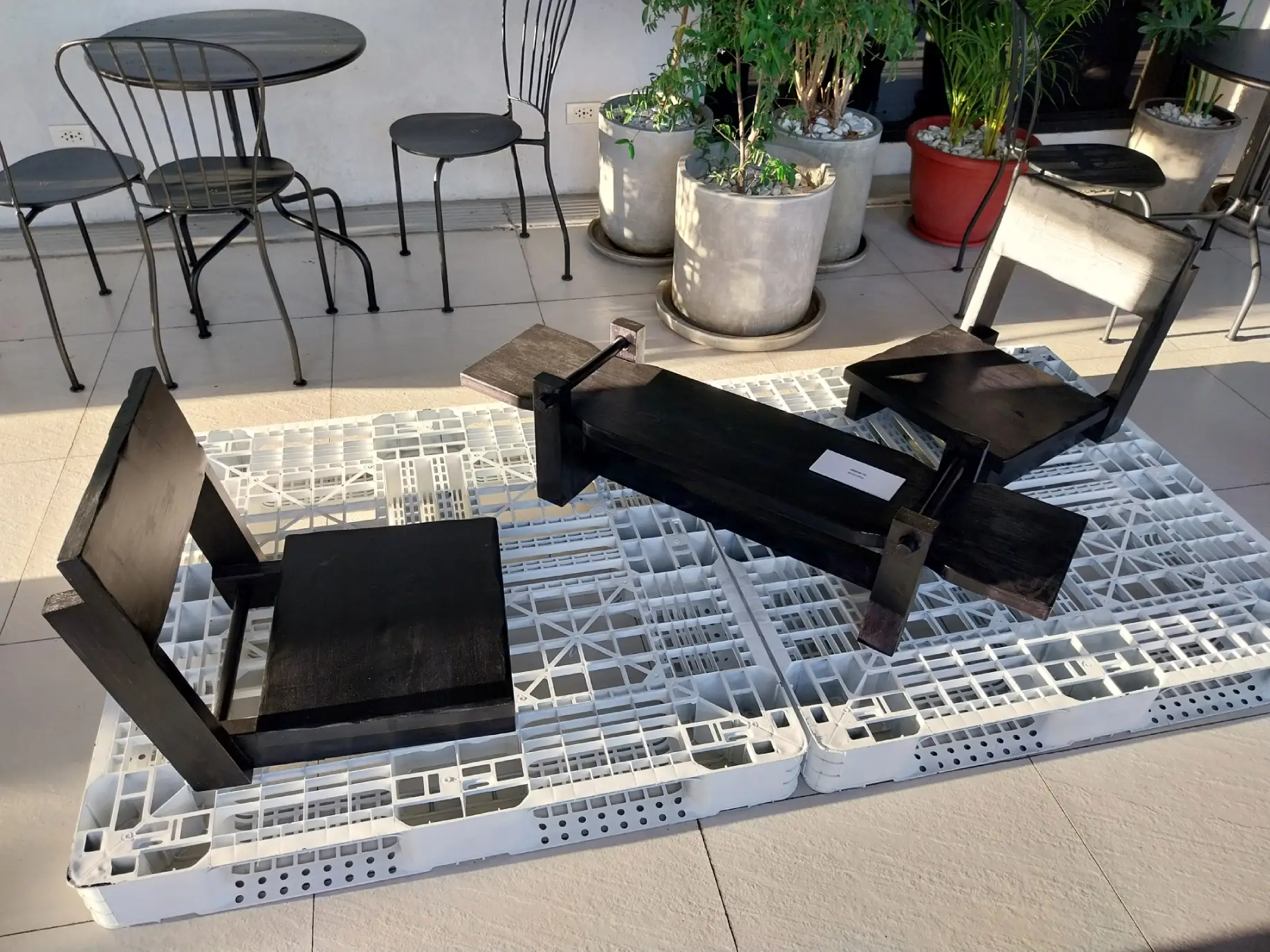
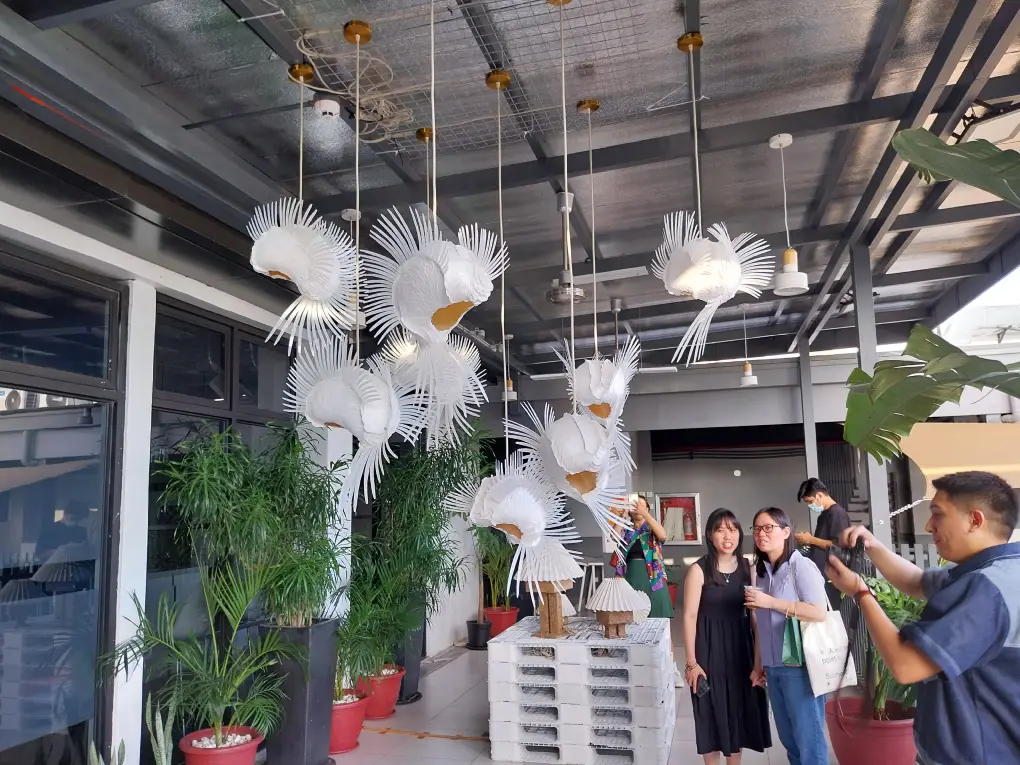
“Somebody said, what do you think of this show, [compared] with the shows abroad?” he said. “Like currently, next week is Milan Salon De Mobile. And I said, it’s very comparable, the concepts are good.
“In fact, a lot of the things in Salon are not even that great as well. Because if you’re in the show and if you’ve been there so many times, you know who’s good and who’s not,” he elaborated. “But yes, [this crop of designers], they do have a chance. And I think we are creating this new generation [that are] creating their own design language.”
Photos by Elle Yap.
Related reading: Must-See: Nazareno/Lichauco Showcase at JJ Acuña / Bespoke Studio
Frequently Asked Questions
Curated by Gabriel Lichauco, the exhibition serves as a vital platform to showcase and revitalize the work of emerging Filipino product designers. It aims to push the limits of local design by featuring innovative creators who might otherwise stop producing without a professional venue to display their ideas. By providing this “platform push,” the exhibit helps redefine the local design language for a new generation while addressing themes of community, sustainability, and heritage.
The exhibition is designed as a “concept café” centered around the kitchen, chosen because it is a universal gathering place in architecture and interior design. This baseline theme allows for a relaxed and casual environment where visitors are encouraged to touch, sit, and interact directly with the objects. By focusing on kitchen-related items, the designers explore how functional everyday objects—beyond standard modular systems—can create a new and unique composition within the home.
Lichauco notes that these emerging designers naturally embrace a “multidisciplinary” and “interdisciplinary” approach, which has become the norm for their generation. Unlike the traditional silos of architecture or interior design from previous decades, these creators merge various fields and digital processes into their work. For example, designer Bianca Carague conceptualized minimalist dishes by first building a virtual world, illustrating how digital environments now inform physical product aesthetics.
A recurring theme throughout the exhibition is environmental consciousness and the resourceful use of materials. Designers like Razel Mari use eco-friendly materials for her “Beard Nest” storage, while the brand Lamana collaborated with Patrick Kasingsing to create Brutalist-inspired hooks from offcut construction materials. This shift demonstrates that the current generation is deeply aware of limited resources and prioritizes the challenge of bringing sustainable designs to reality without sacrificing artistic vision.
Lichauco believes that focusing on “niche” designs is essential for differentiating Filipino culture and moving the country away from global trends. By fostering unique, singular ideas rather than following mass-market aesthetics, Filipino designers can set new standards and become leaders in the international design scene. He asserts that the concepts shown in “No Boundaries” are highly comparable to prestigious global events like Milan’s Salone del Mobile, proving that local talent has a strong chance on the world stage.
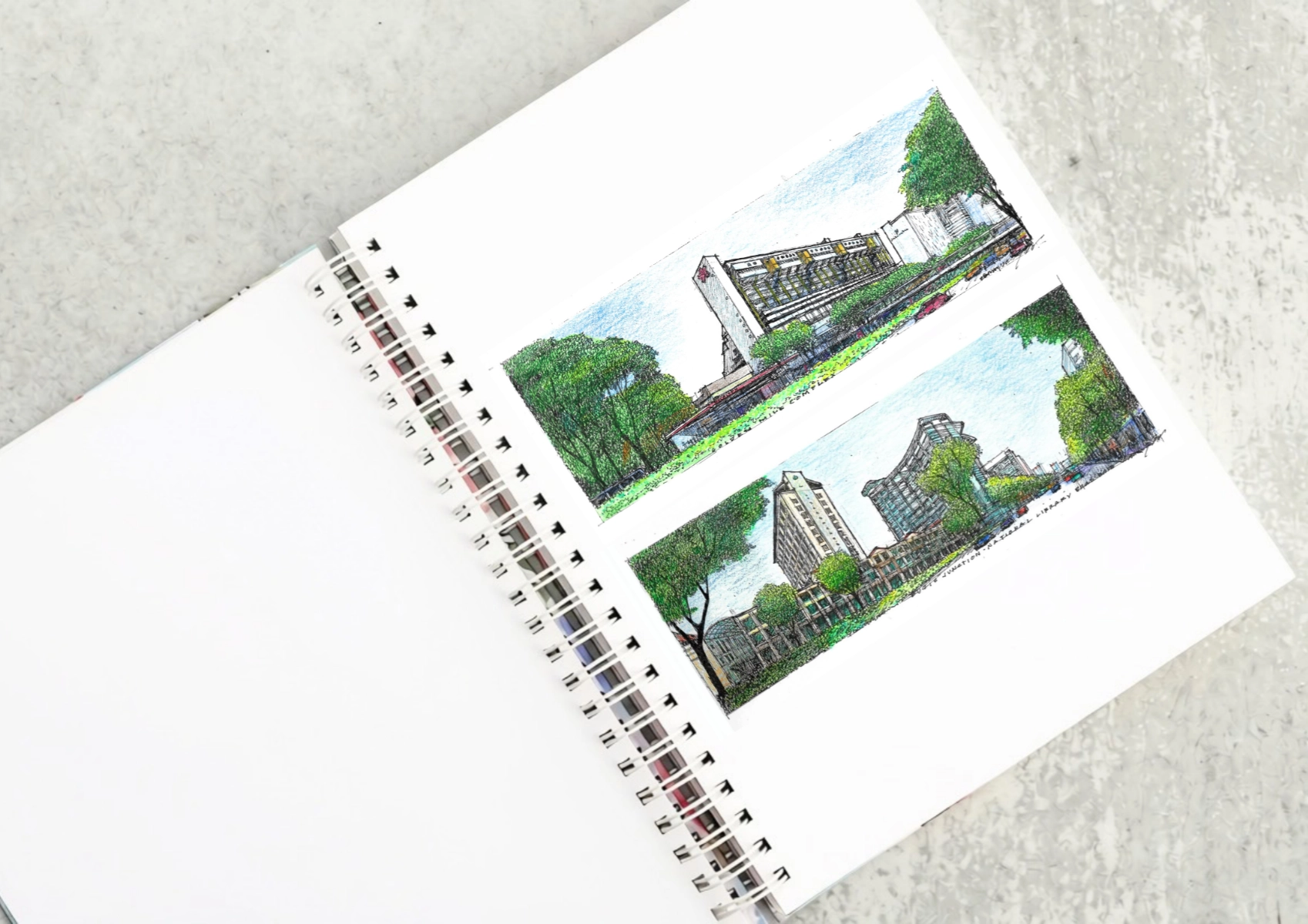
Two sketches of Singapore connect BluPrint Editor in Chief Paulo G. Alcazaren’s personal and professional history with Shared Ground: ArchitectureArchitectureThe art and science of designing and constructing buildings, structures, and spaces that are functional, safe, and aesthetically pleasing. It encompasses the planning, design, materials, and techniques used to createGo to Architecture Glossary of Care, Culture, […]
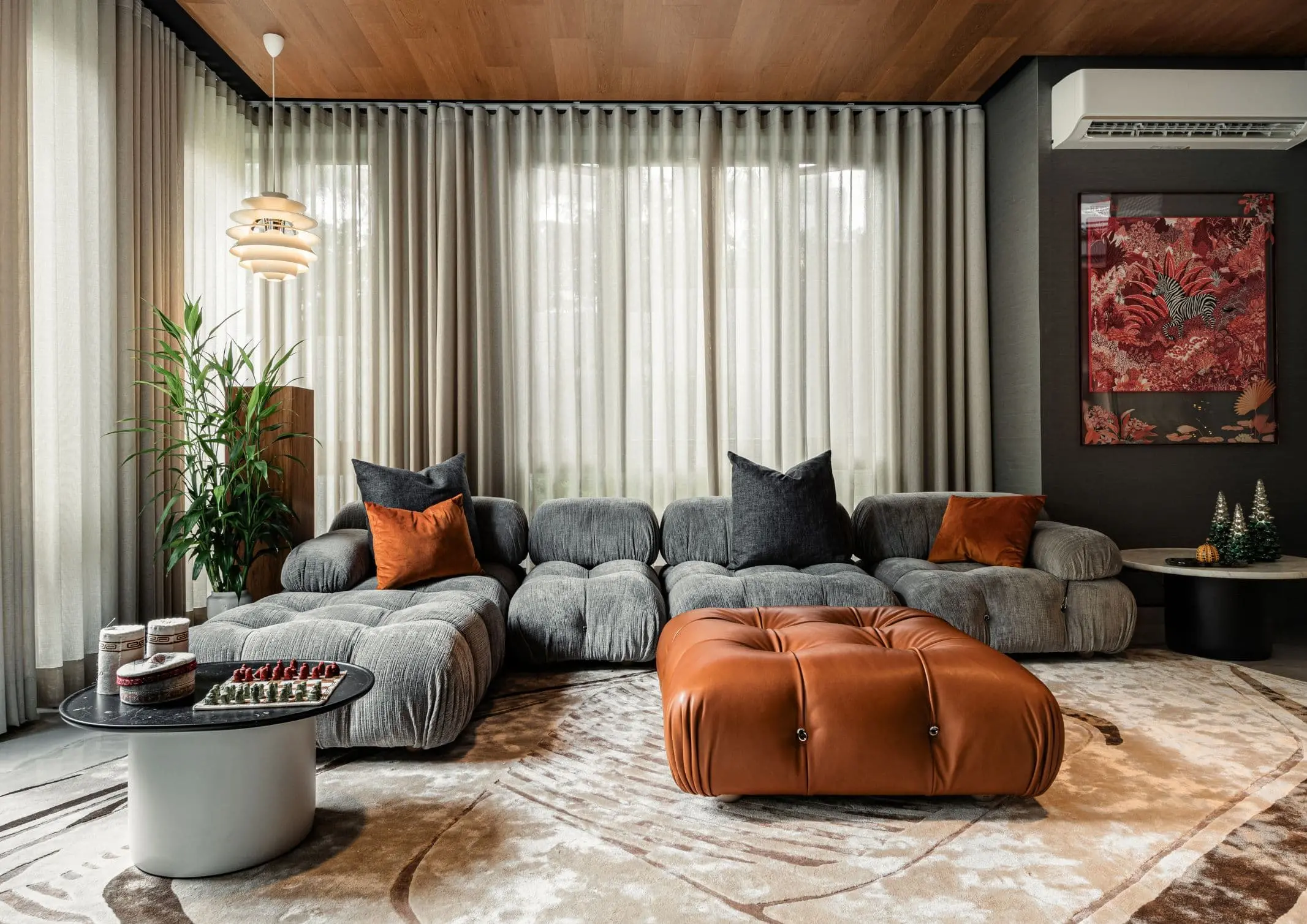
Some have become household names – Coleman, Oster, and KitchenAid – products that have found their way into Filipino kitchens, homes and family routines. In home furnishings, brands such as B&B Italia, Ethan Allen, Sub-Zero, Miele, SieMatic, Louis Poulsen, Hunter Douglas, Tempur, and Technogym, have helped shape the way Filipinos live. From everyday essentials to […]
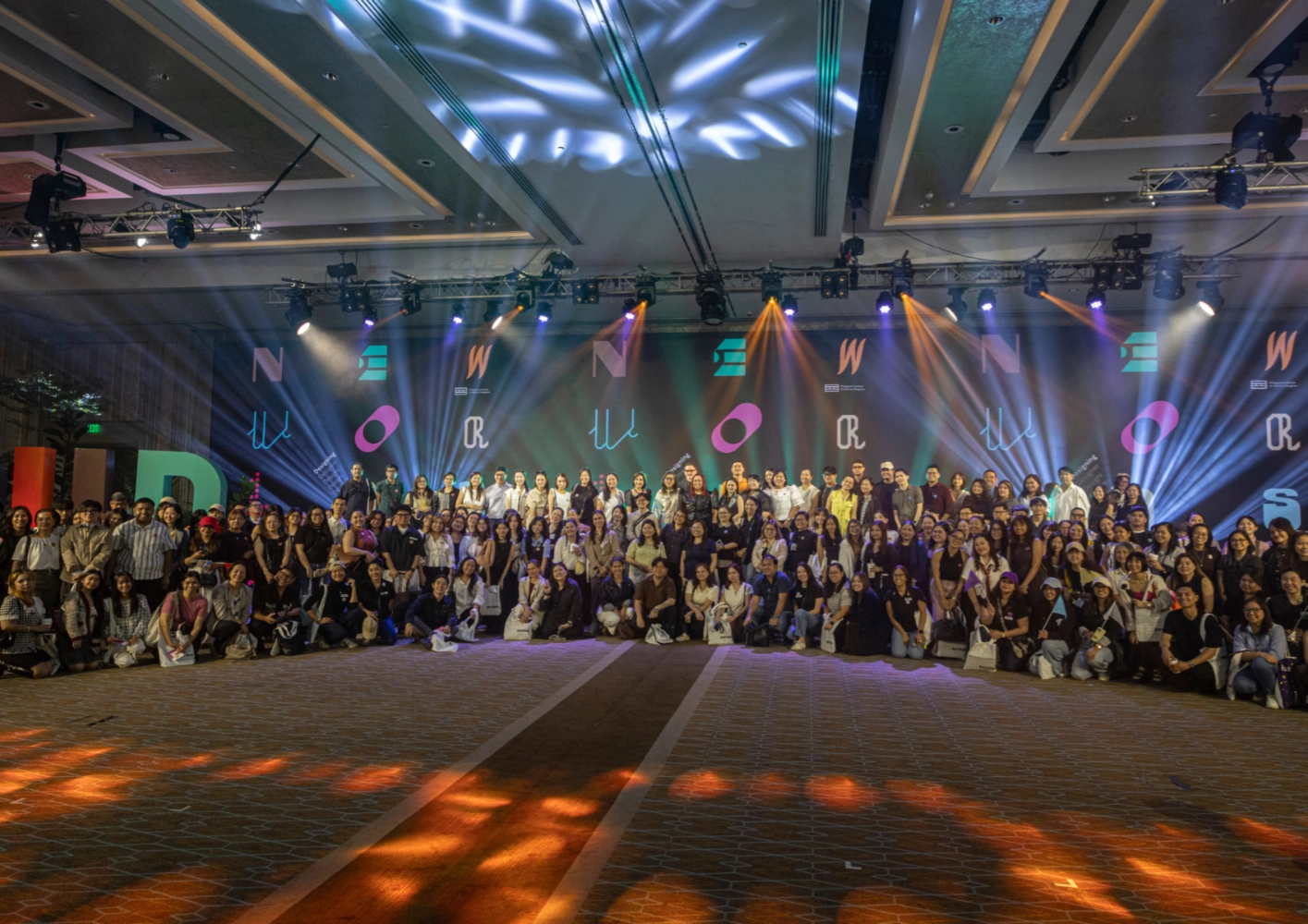
In a way, designers are the modern-day soothsayers and prophets. They design for the future, predicting how a room, a house, a building or a whole city will be used by people. They foresee how users will interact with a space, conjure exact shades of colors to elicit specific behavior and arrange furniture to build […]
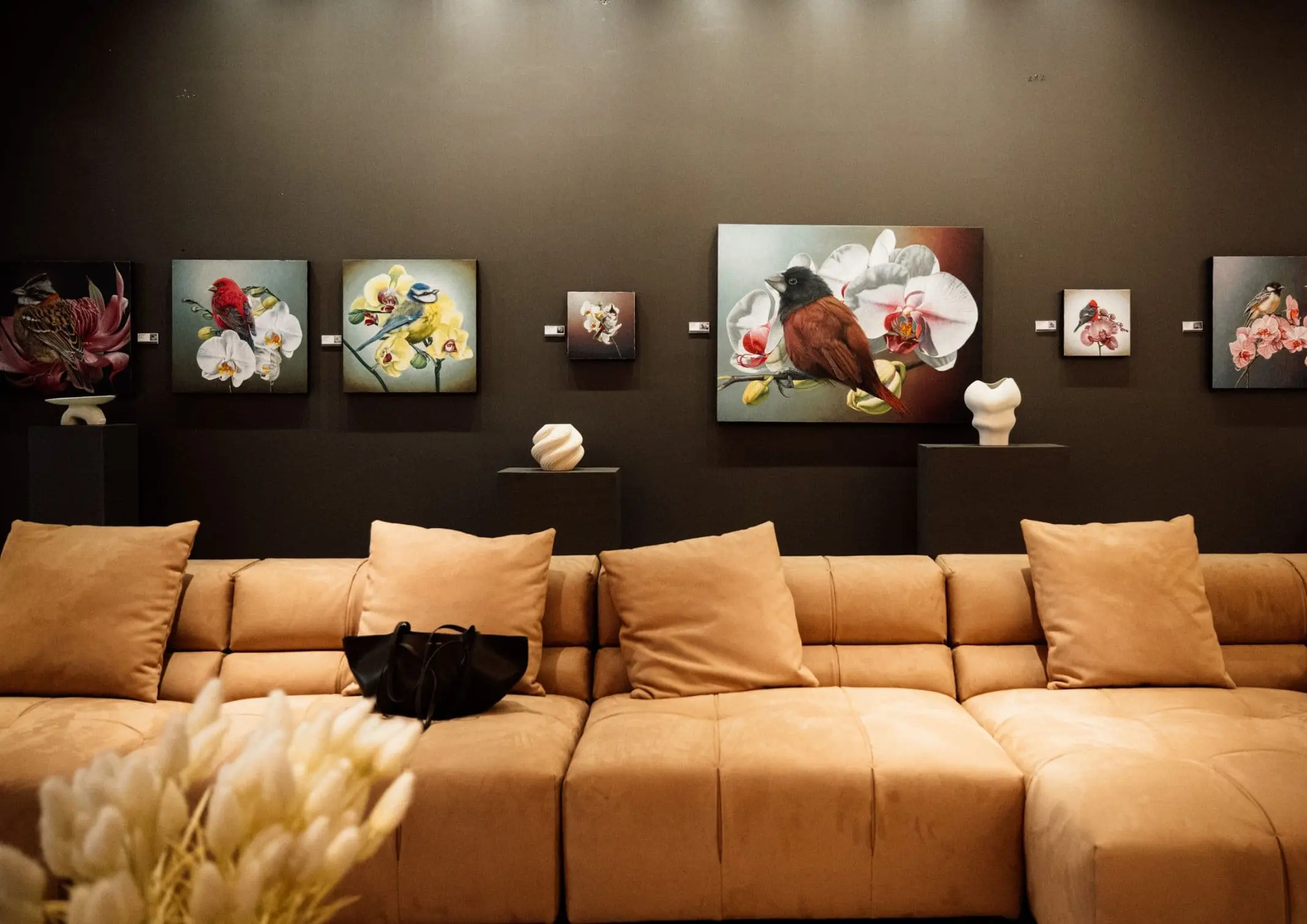
Art and furniture are often selected separately, yet their relationship can shape how a room looks and feels. The collaboration between Hooga and Galerie Joaquin explores how these elements can work together, bringing contemporary artworks into furnished residential settings at Hooga’s showroom in Uptown Mall, Bonifacio Global City. For Hooga, which curates furniture, lighting, and […]
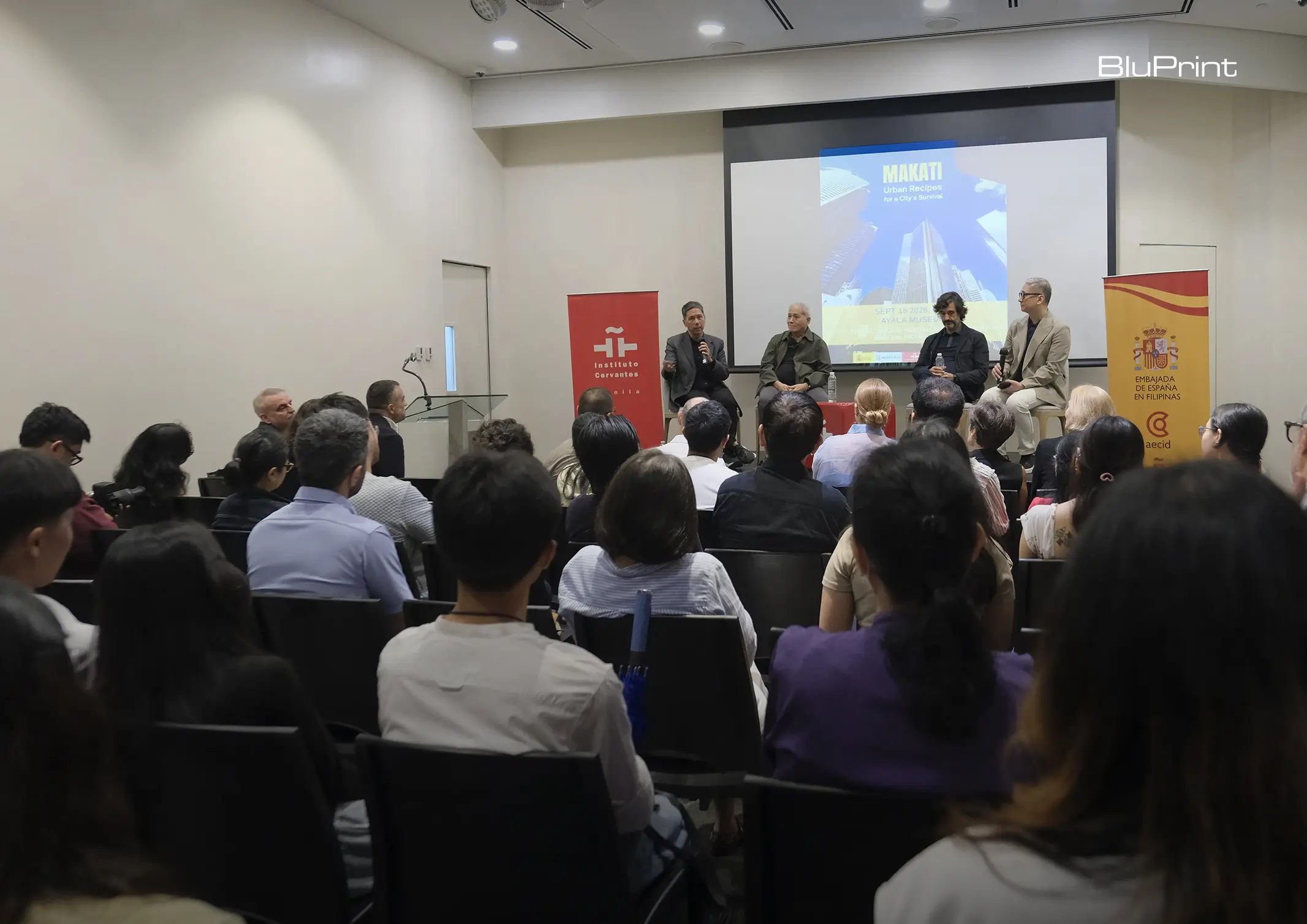
How can better-planned cities create the conditions for more creative, livable, and resilient urban environments? “Makati Urban Recipes for a City’s Survival,” a colloquium held at the Ayala Museum on September 15, brought together architects and practitioners from the fields of urbanism and the creative economy to discuss how design, planning, and collaboration can address […]
Read the issues.

Collect the volumes.

Recommended Video
Tap to Unmute
Unmute
0:00
0:00