Bigkis is the act of binding. In Tagalog, the word can refer to something used to bind or encircle, as well as a bundle formed by tying several separate elements together. Figuratively, it can also mean a bond, union, or unity. The meanings move from the physical act of joining things together to the connection […]
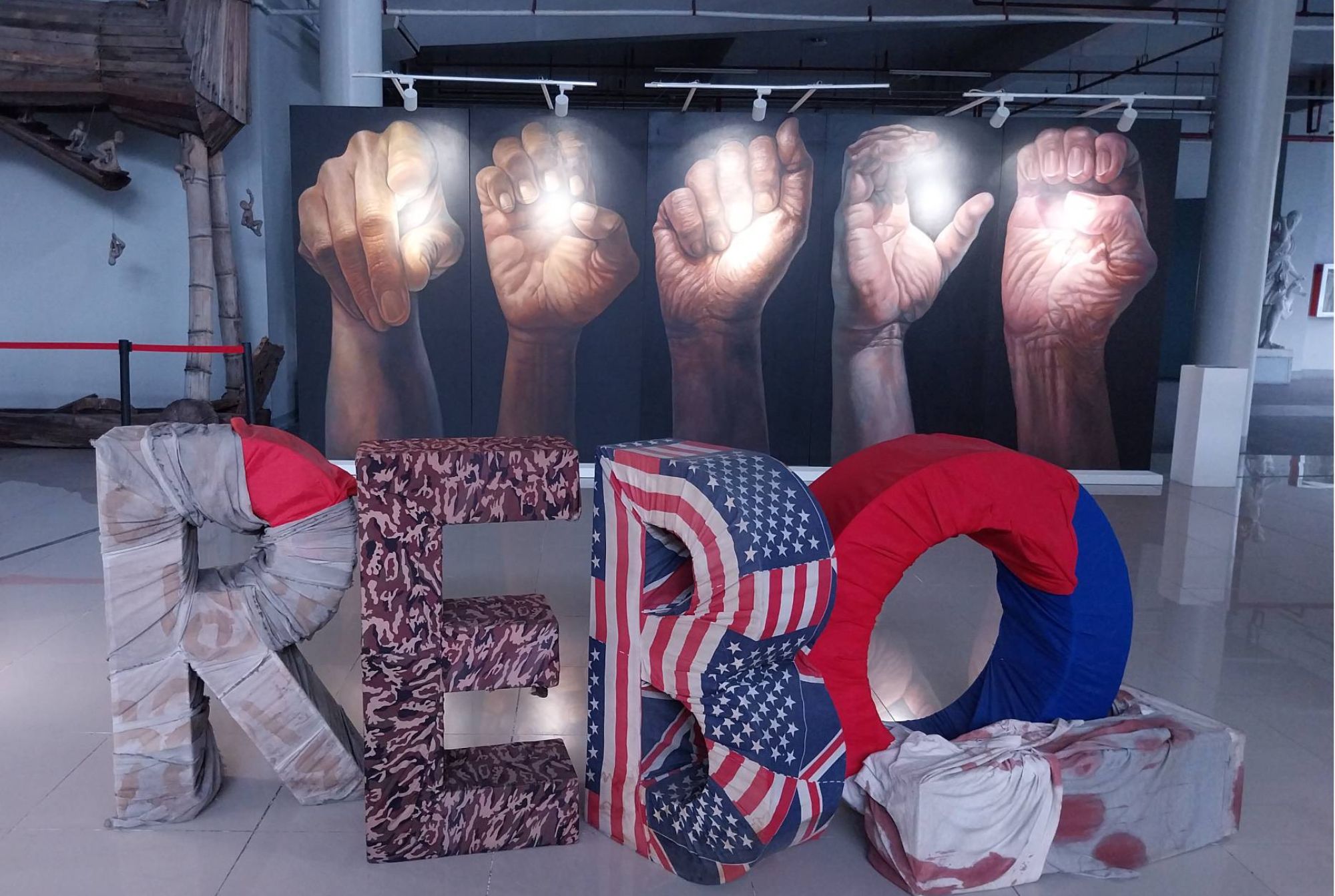
ABAY Tribute Exhibit Showcases the Artist’s Role in Resistance



Kasalukuya’t Kasaysayan ng Artista ng Bayan (ABAY), 1985-1994, is an important historical exhibit in today’s stormy political times. Containing twenty-one artists and former members of Martial Law-era group ABAY, it displays the important work of cultural workers in mass movements in changing the world today.
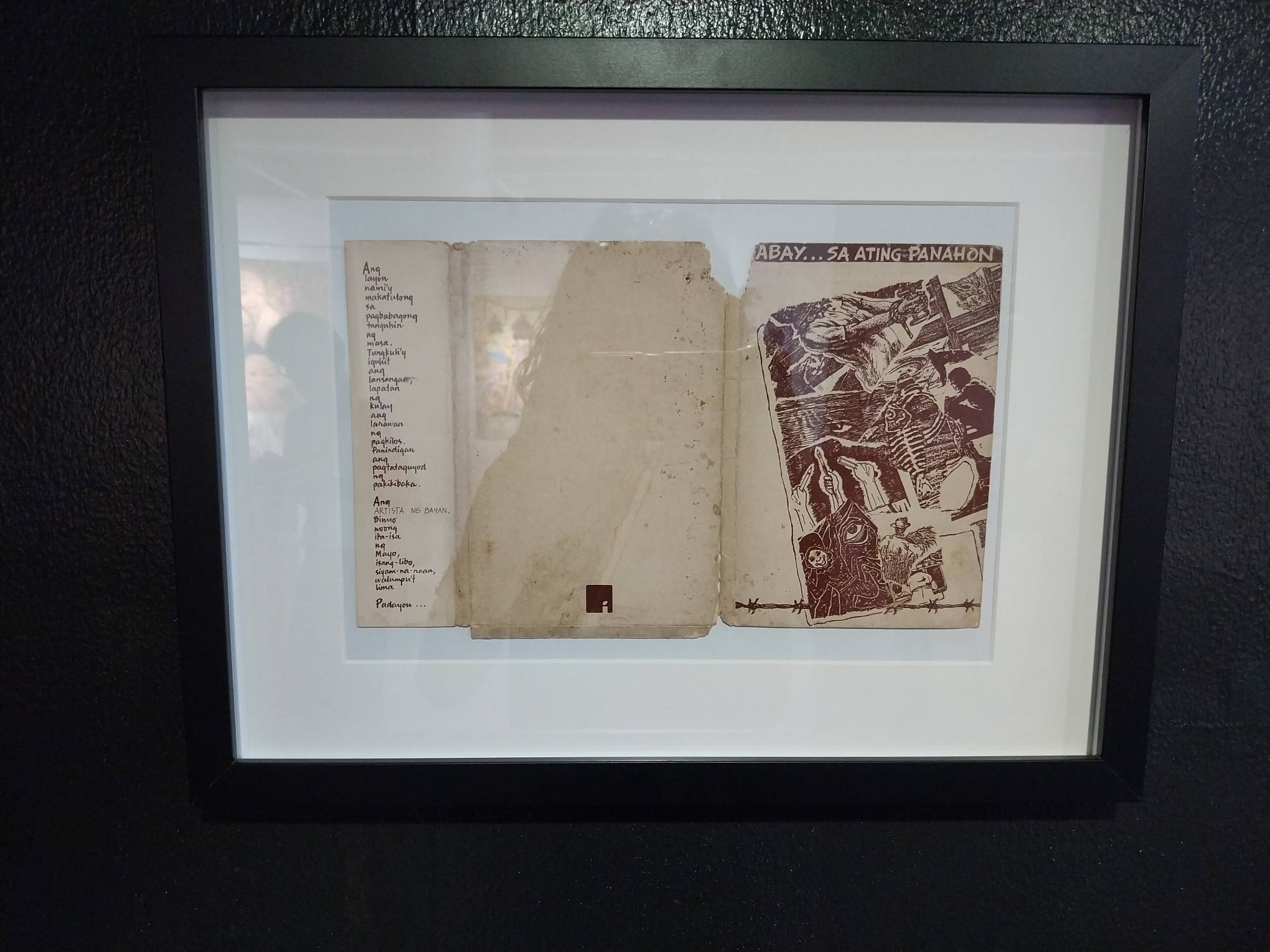
Lisa Ito curated the works of the exhibit. In a write-up describing the history of the group, Ito describes them as a part of a long line of cultural workers that emerged during Martial Law to protest the first Marcos regime’s oppression. This same lineage birthed institutions like the Concerned Artists of the Philippines.
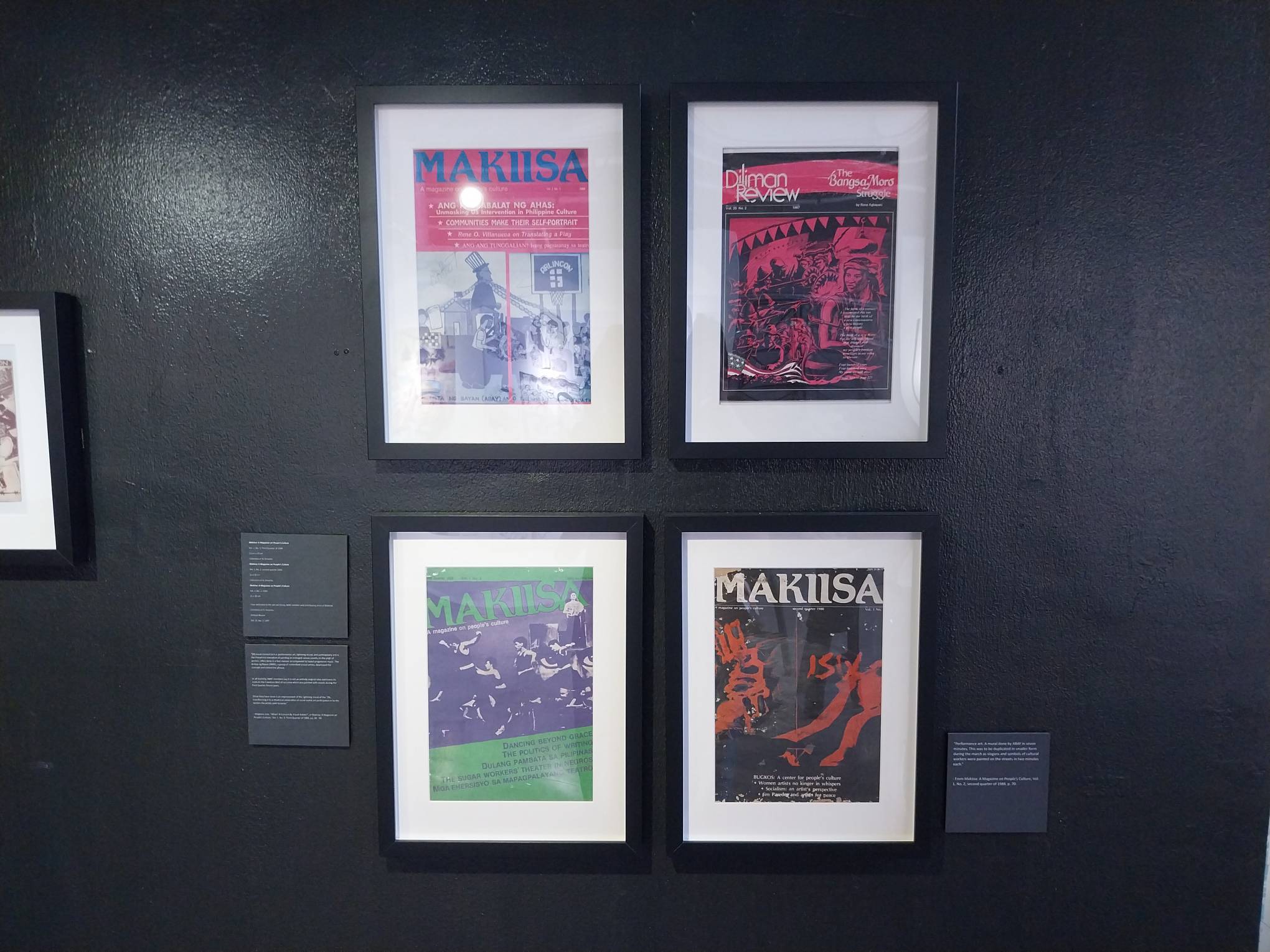
“ABAY was founded to organize young art students to provide design services for non-government institutions and to complement the cultural work of the mass movement,” Ito wrote.
Speaking for the Downtrodden
ABAY’s tribute exhibit contains a unique showcase of protest art and how it resists easy formulation and categorization. The portrayal of angry protestors, of the downtrodden, of Uncle Sam and Christian imagery, mutates and meshes into works that deepen our own understanding of how these images affect us.
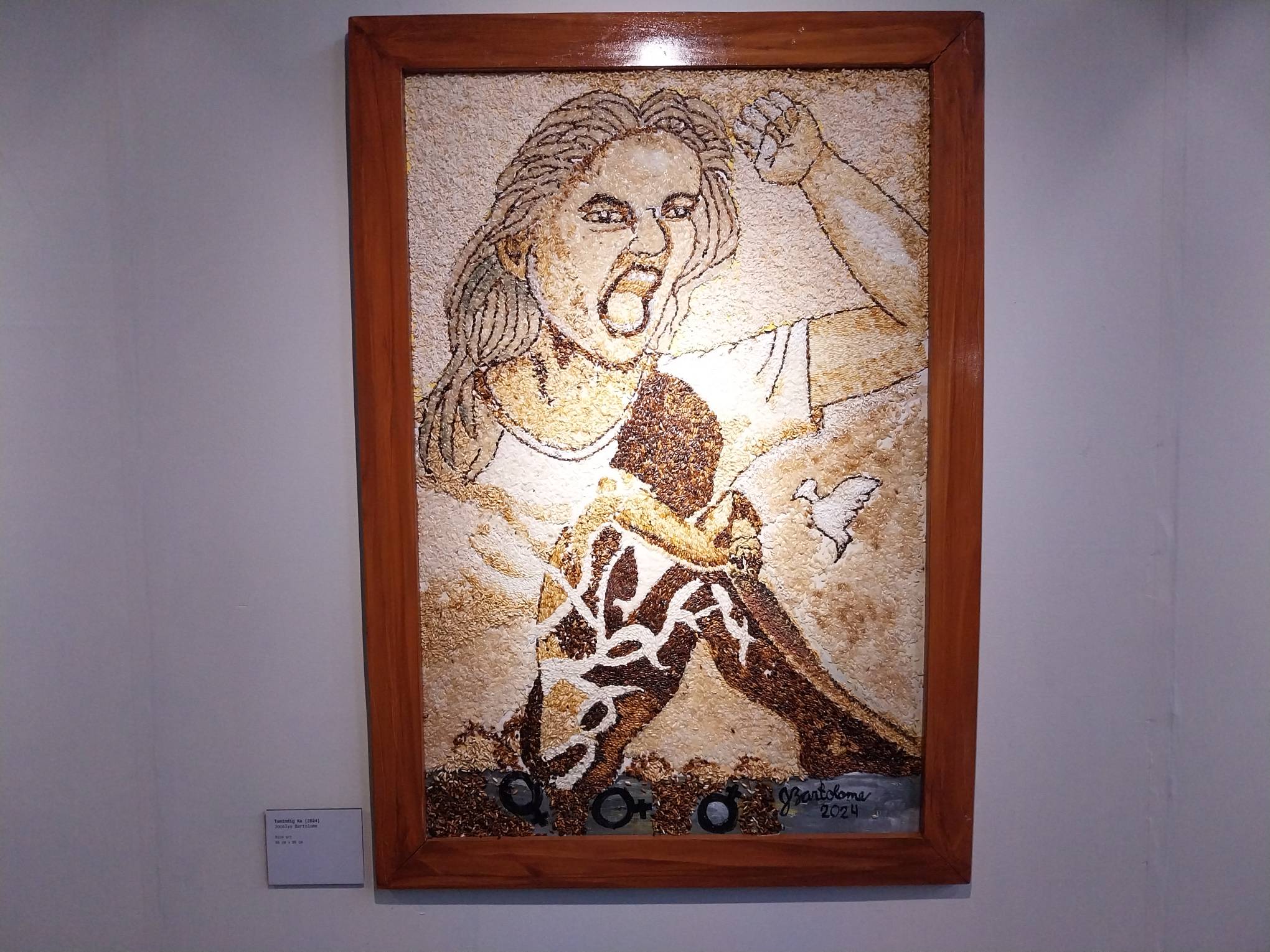
For example, Jocelyn Bartolome’s two contributions to the exhibit utilize dry rice in its composition of traditional Filipino images of protest and motherhood. It properly links these images to the long-standing agrarian reform movement—finding solidarity in the common cause of human rights.
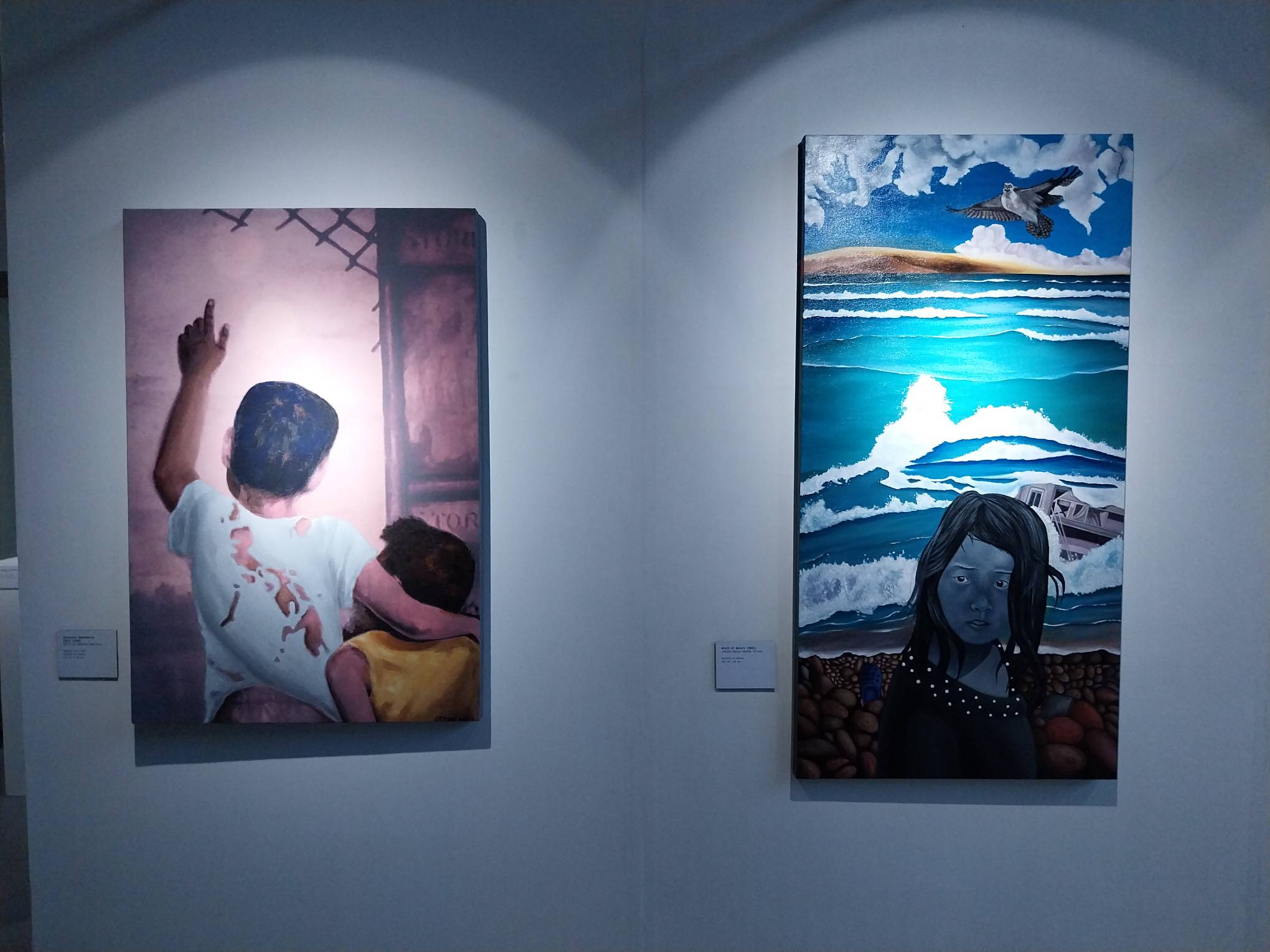
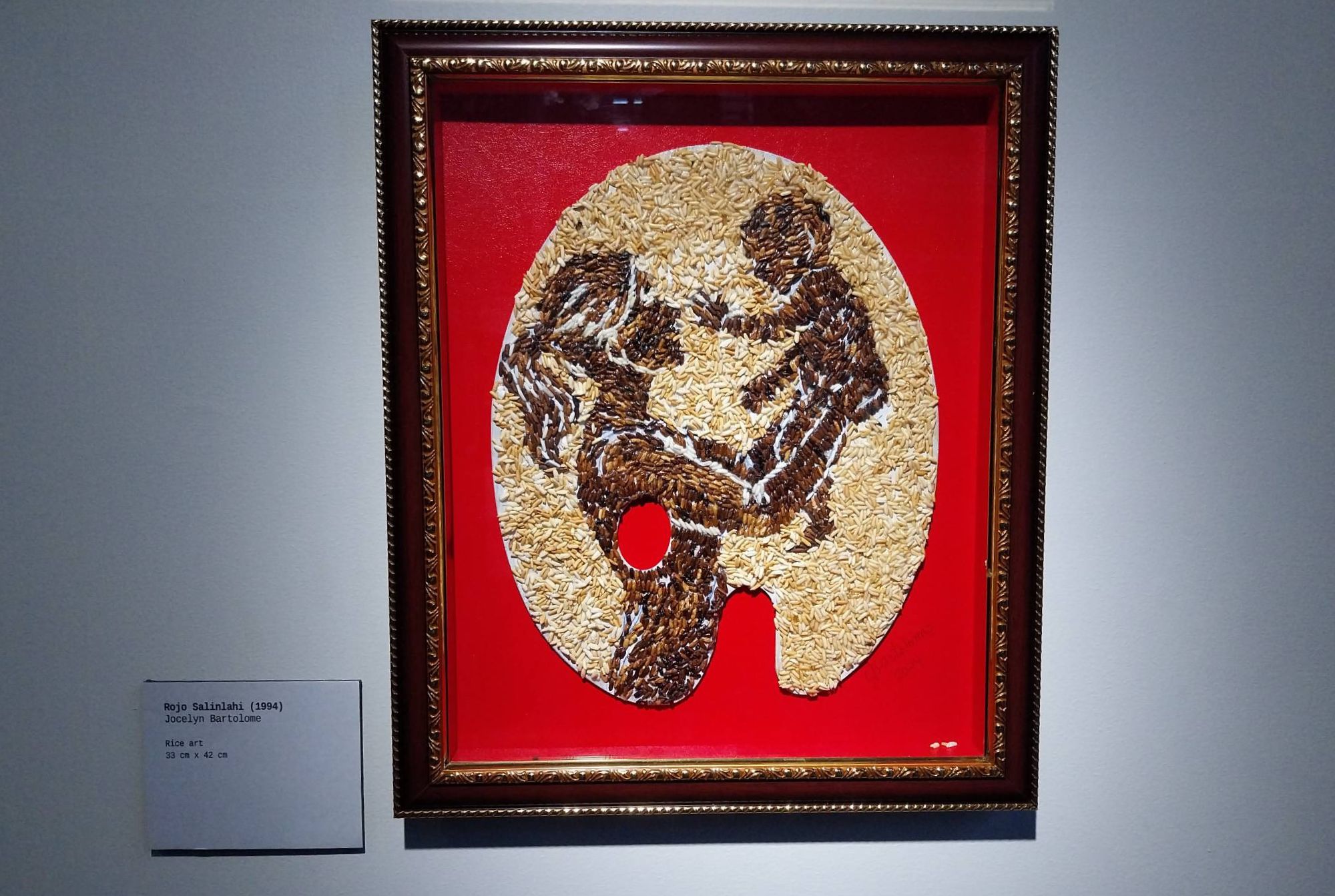
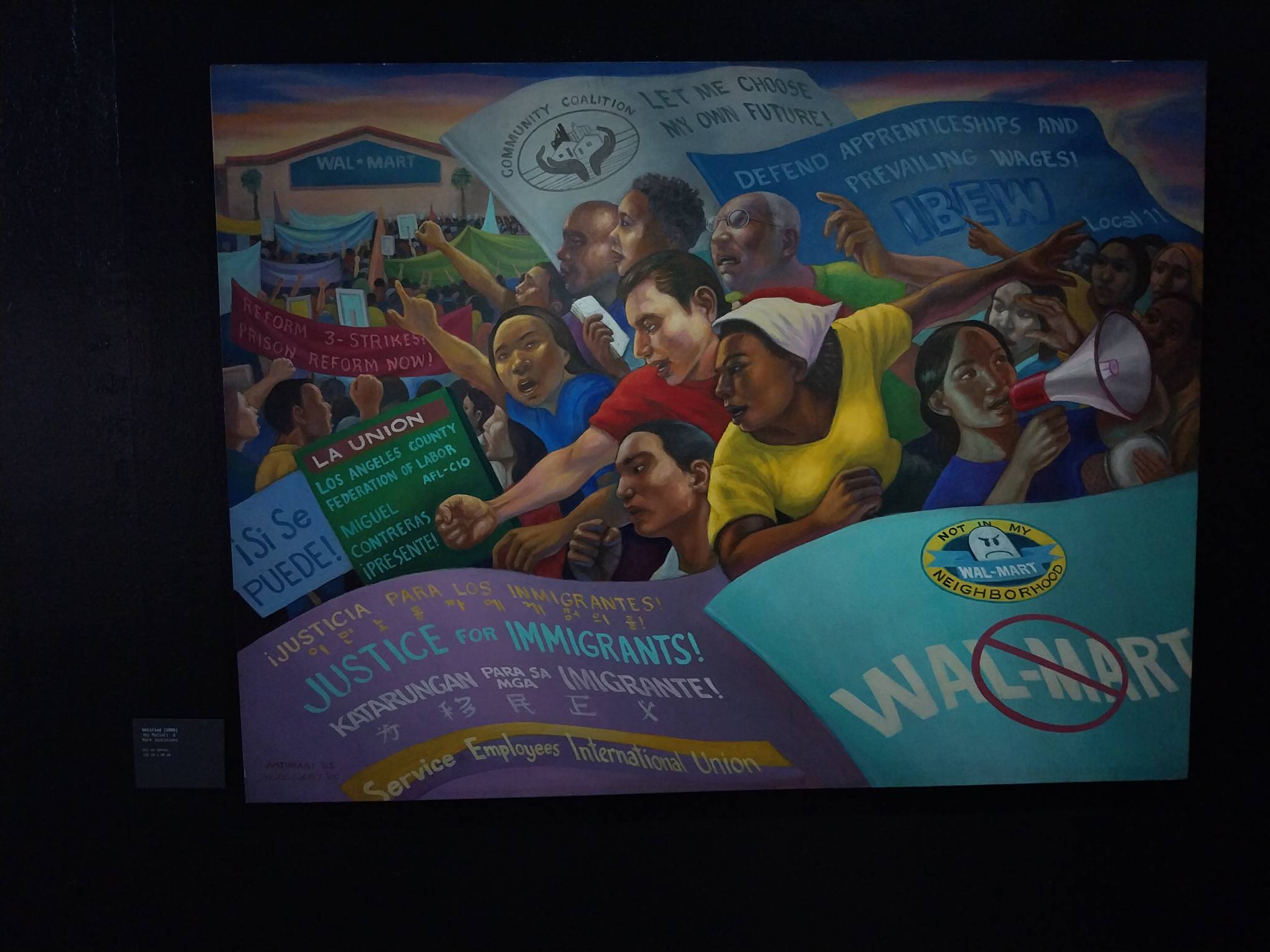
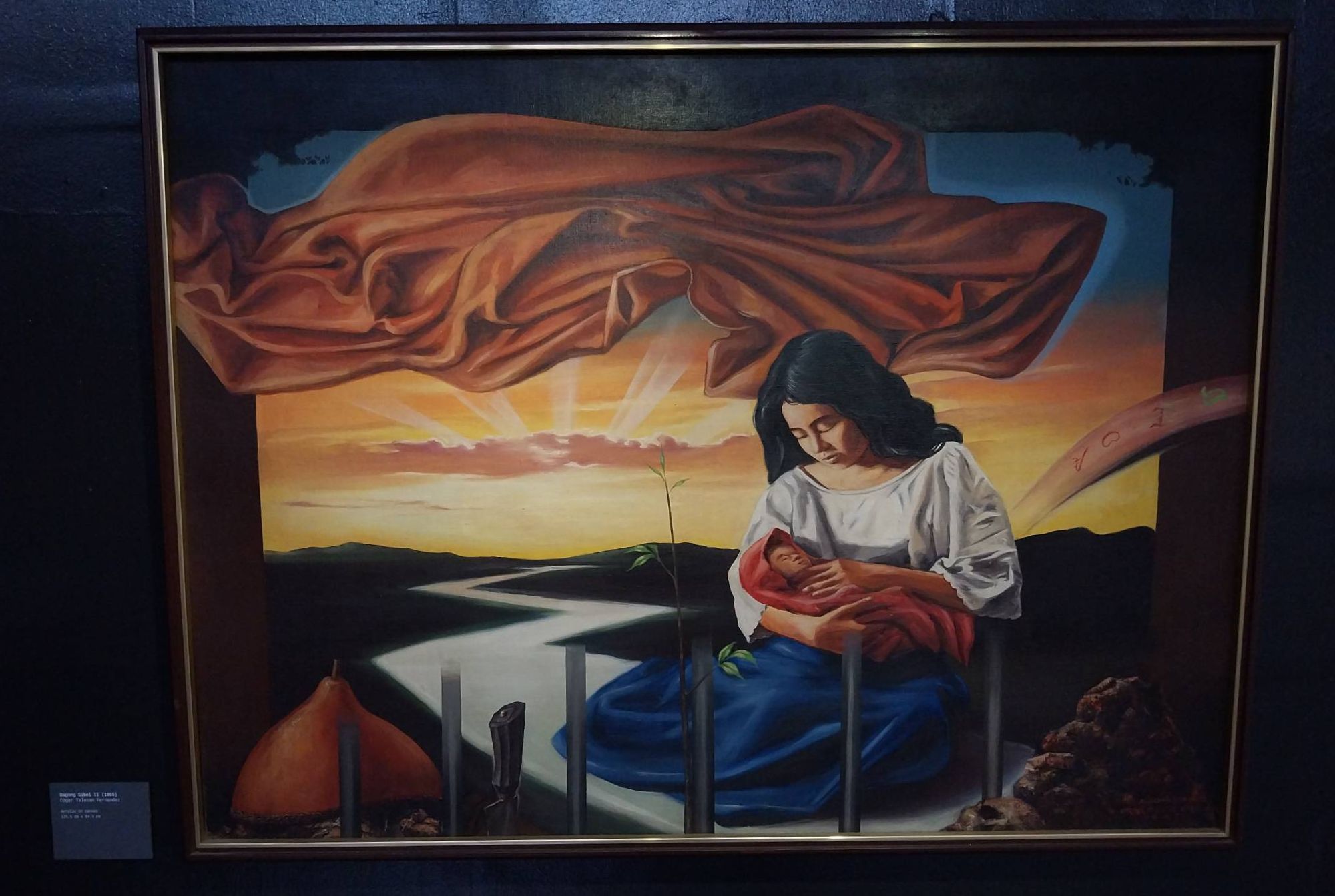
One untitled artwork by Joy Mallari and Mark Justiani portrays migrants fighting for better working conditions in a Californian Walmart. Two paintings by Patricia Sanchez-Bautista and Judith Alluso represent the innocence of childhood, and how it can shape our own perspectives in the art we create.
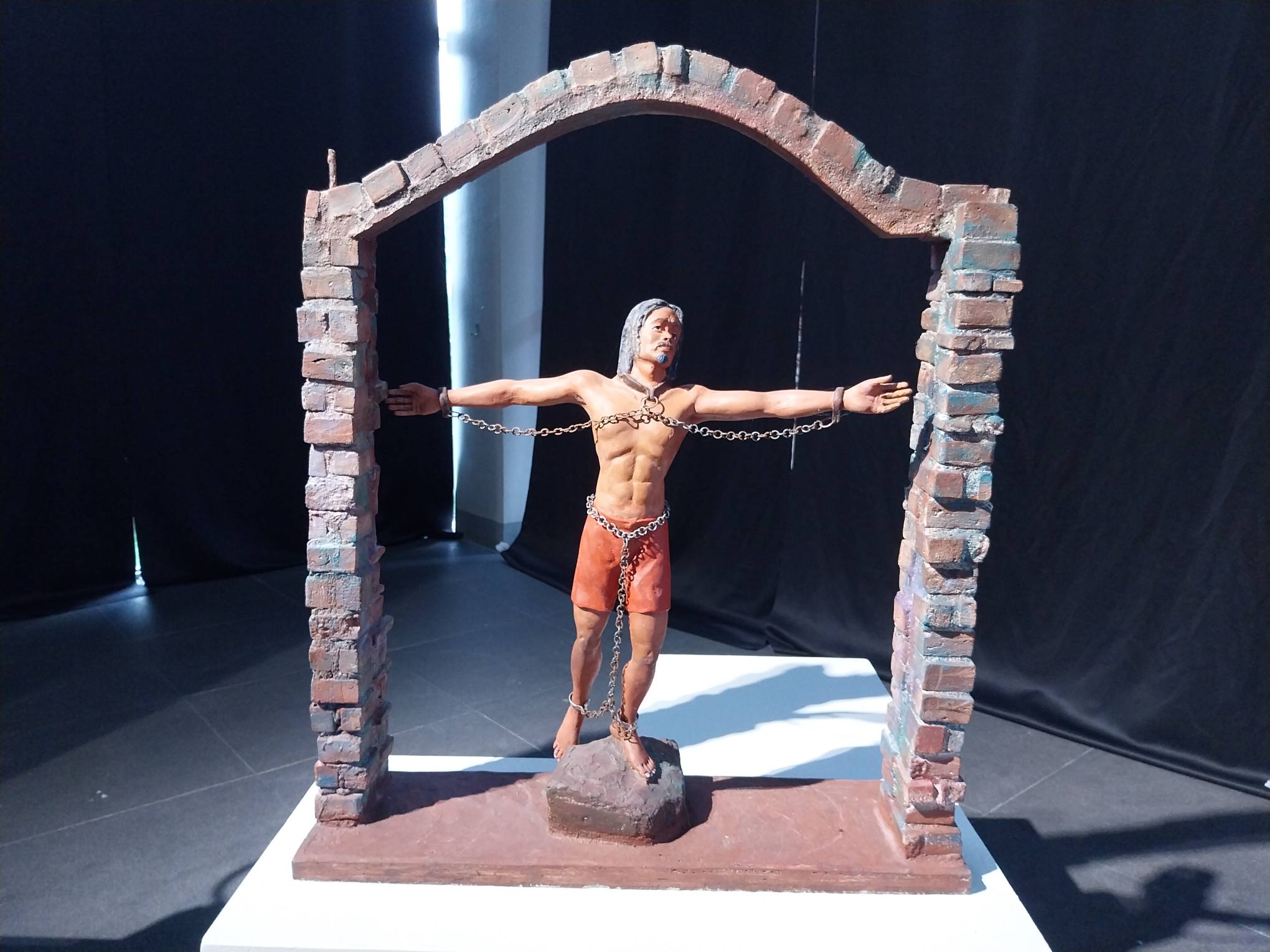
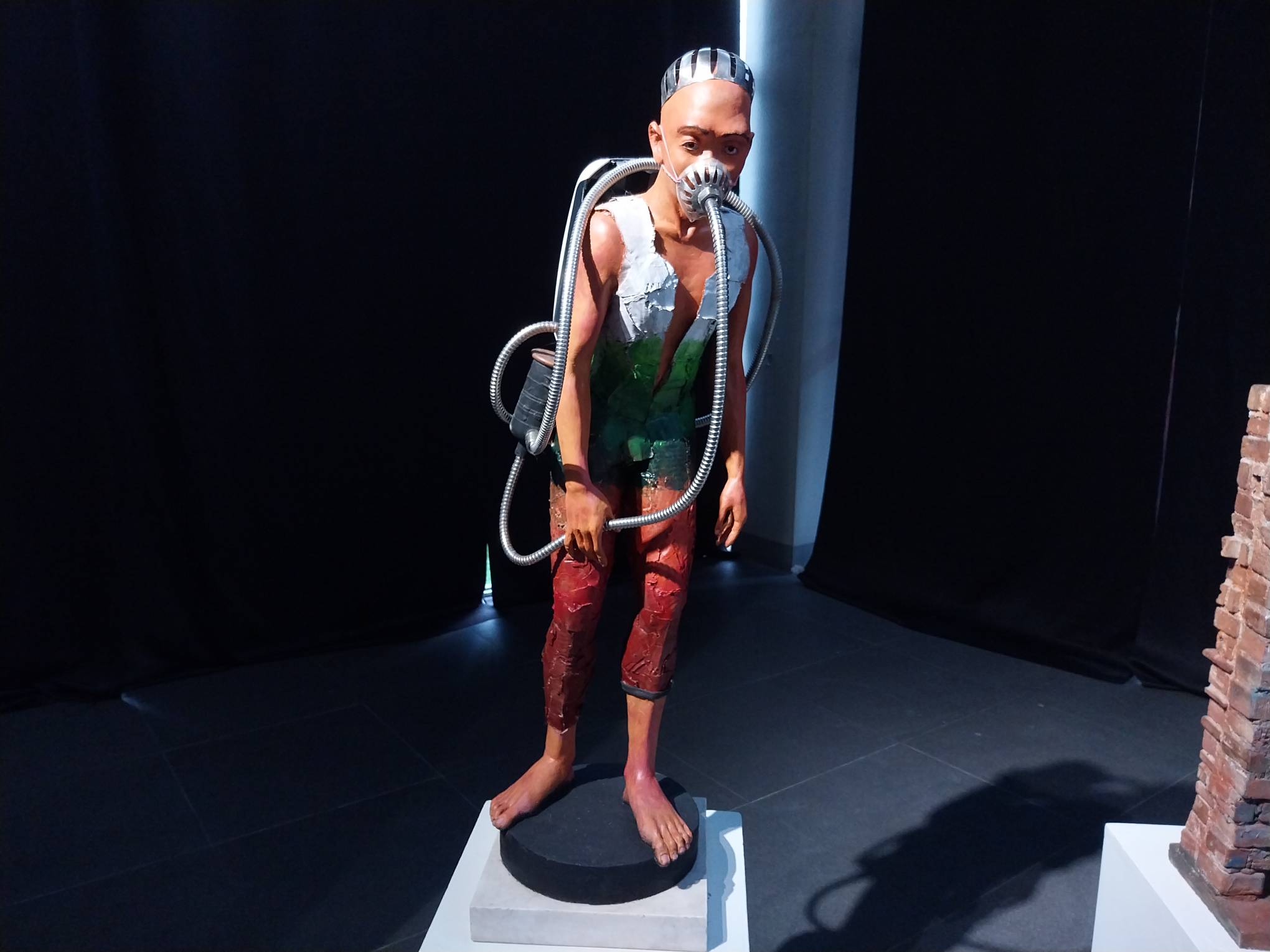
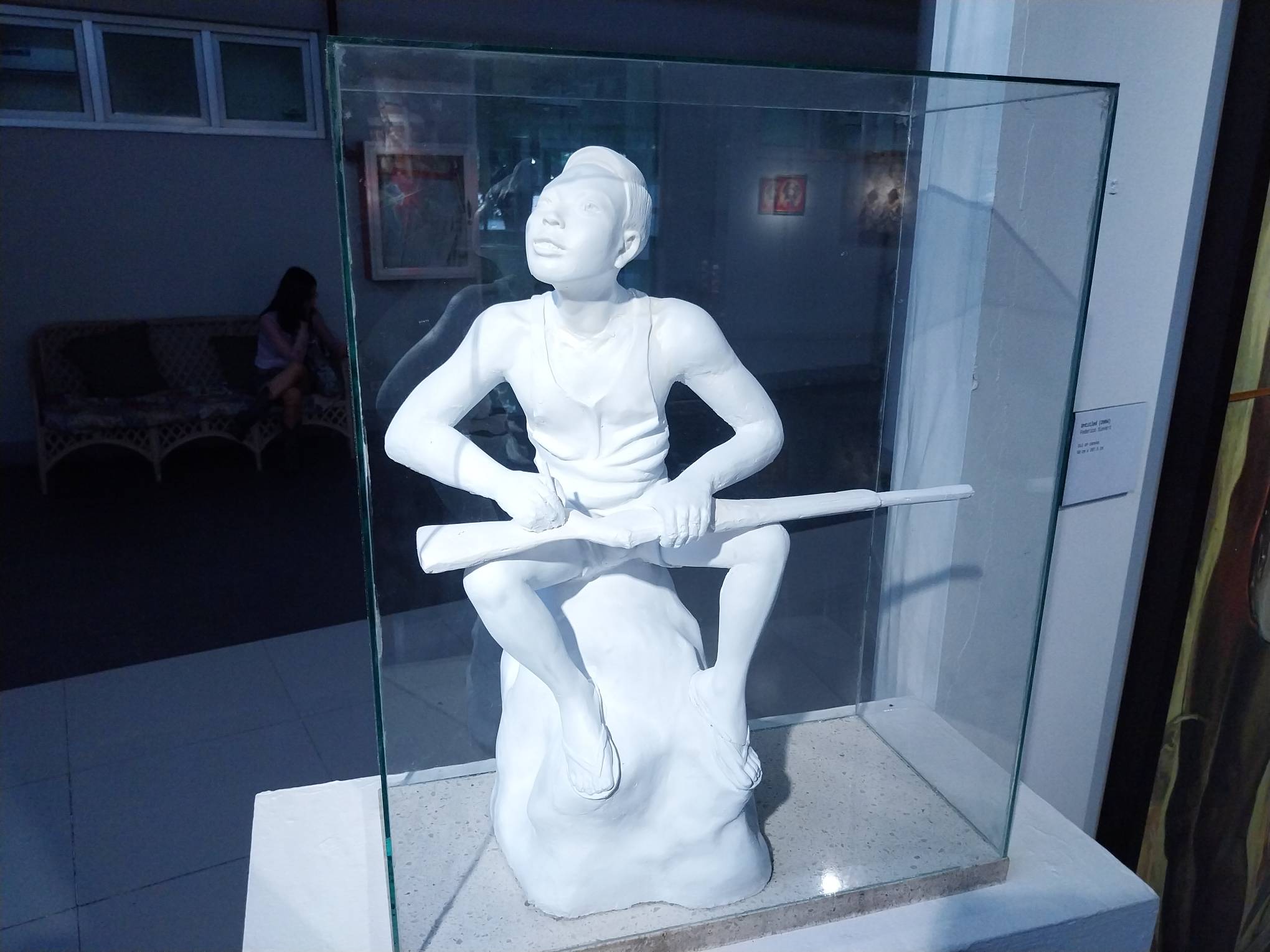
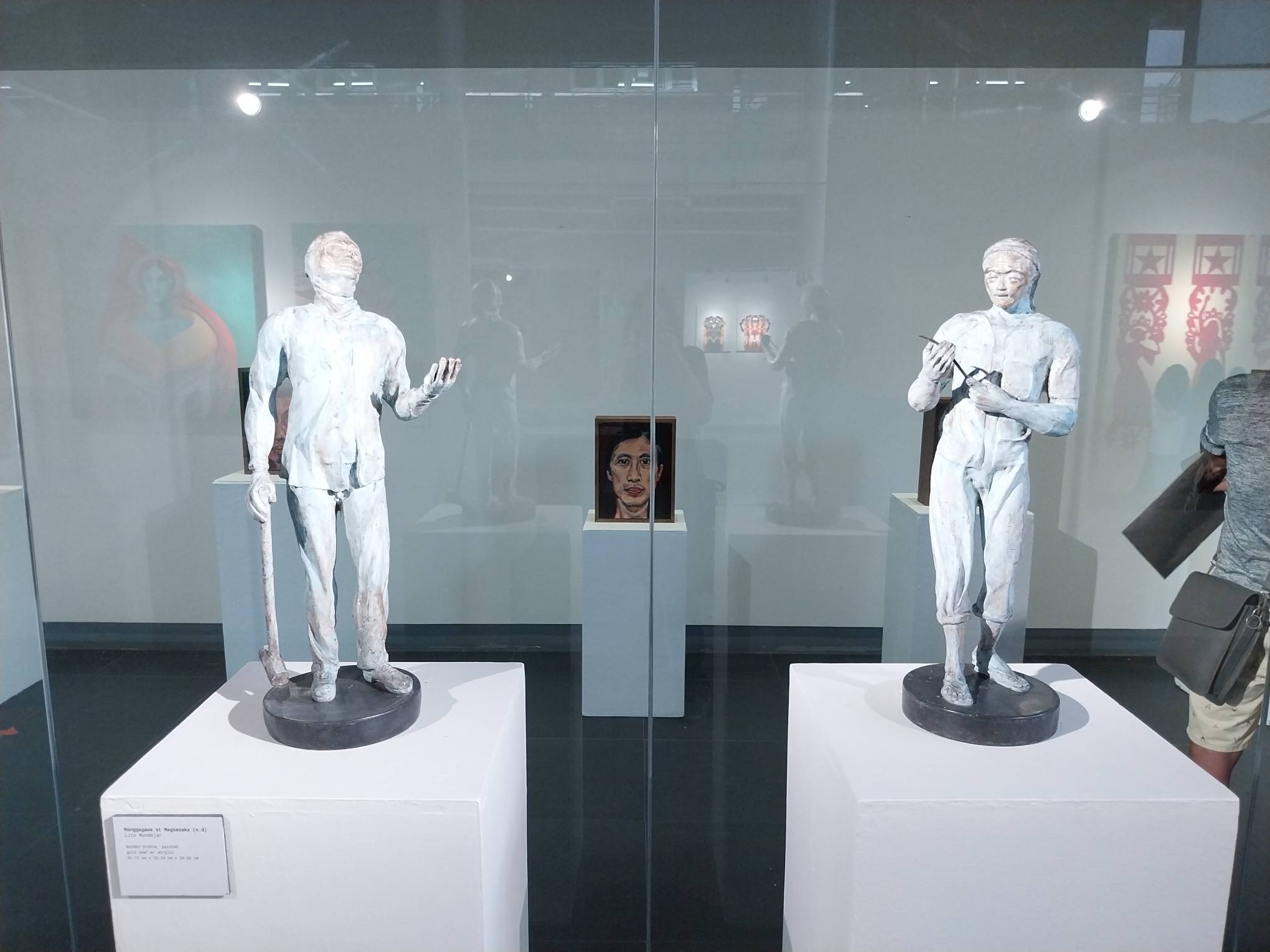
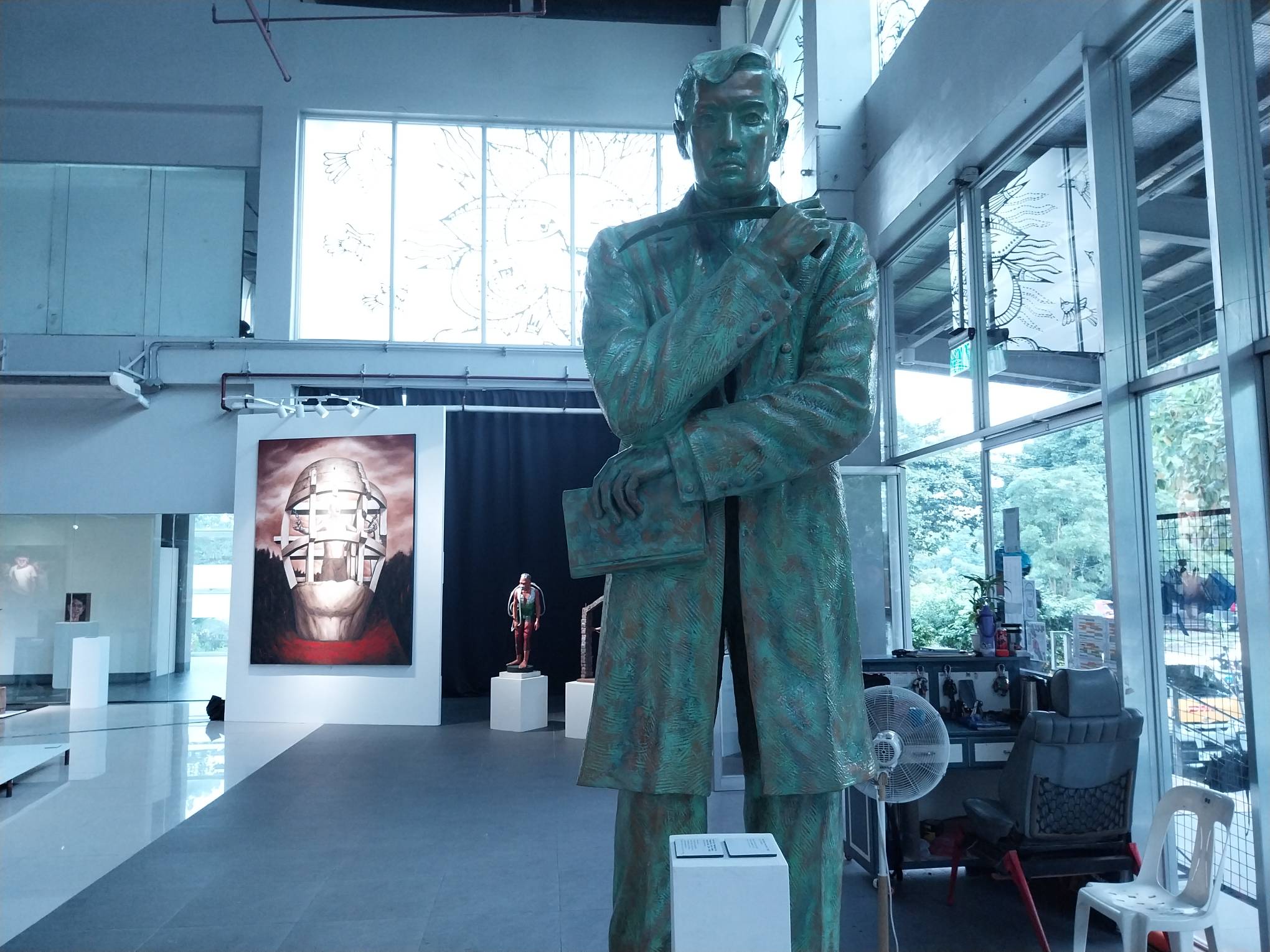
A variety of sculptures by Lito Mondejar depict Filipinos in different situations, looking defiant or defeated at times as they traverse through different contexts. These include a larger-than-life depiction of Jose Rizal, and smaller statues portraying peasant workers and child soldiers.
These artworks move away from the tradition of deifying the poor and their plight. Instead, it characterizes their reality and shows them ripping through the shackles to demand their rights and humanity be upheld. One can feel a certain sense of inspiration seeing the masses fight against these oppressive systems.
Art in Service of the People
A whole section memorializes the passing of five artists who were members of ABAY. The artists are Will Dulay, Manny Gutierrez, Claire Tumabli-Zapata, Federico Sievert, and Edgar Talusan Fernandez. These paintings show the fighting spirit of the Filipino people, putting protestors in near-mythical poses and situations that exemplify their contribution to the human rights movement.
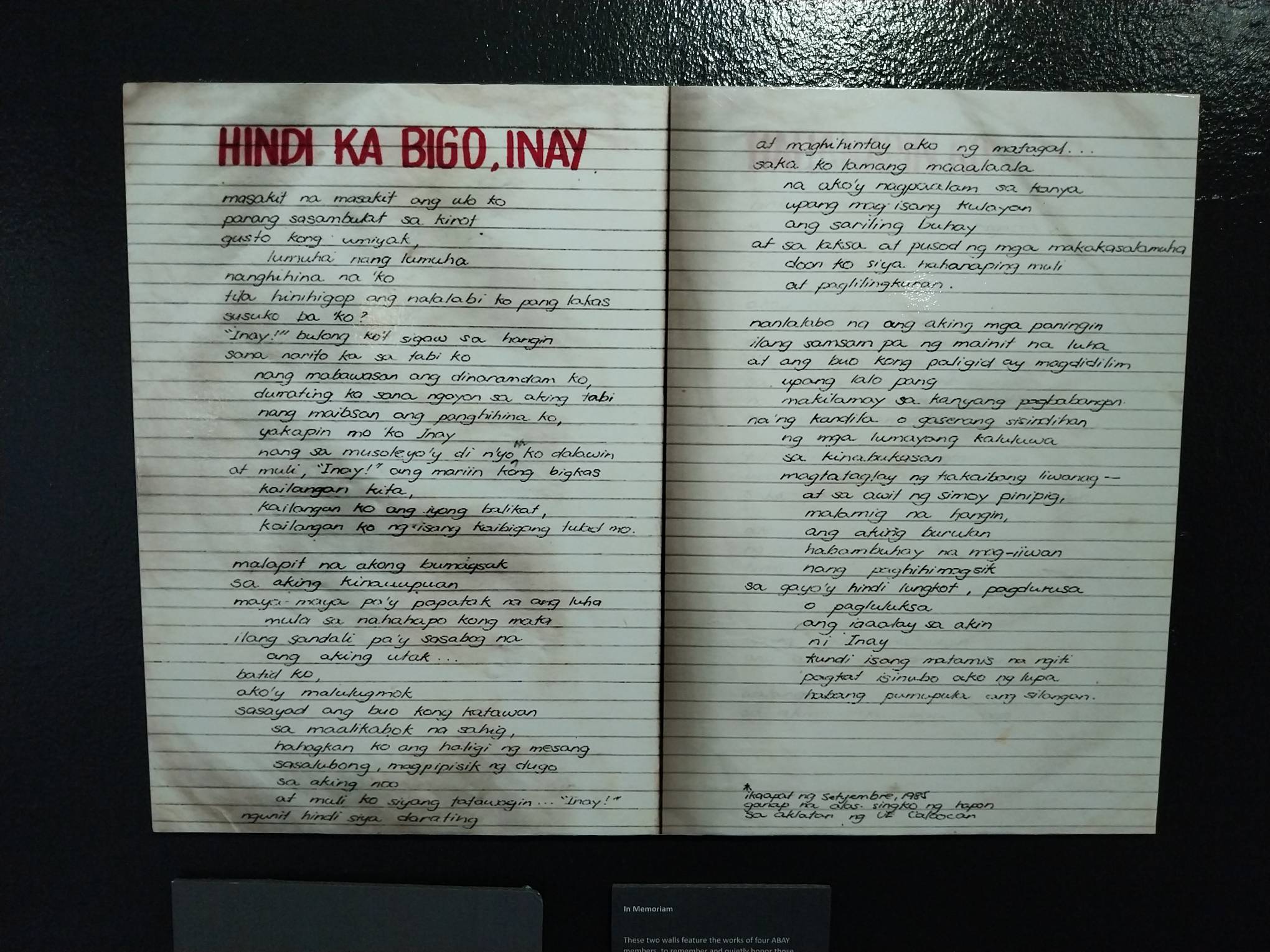
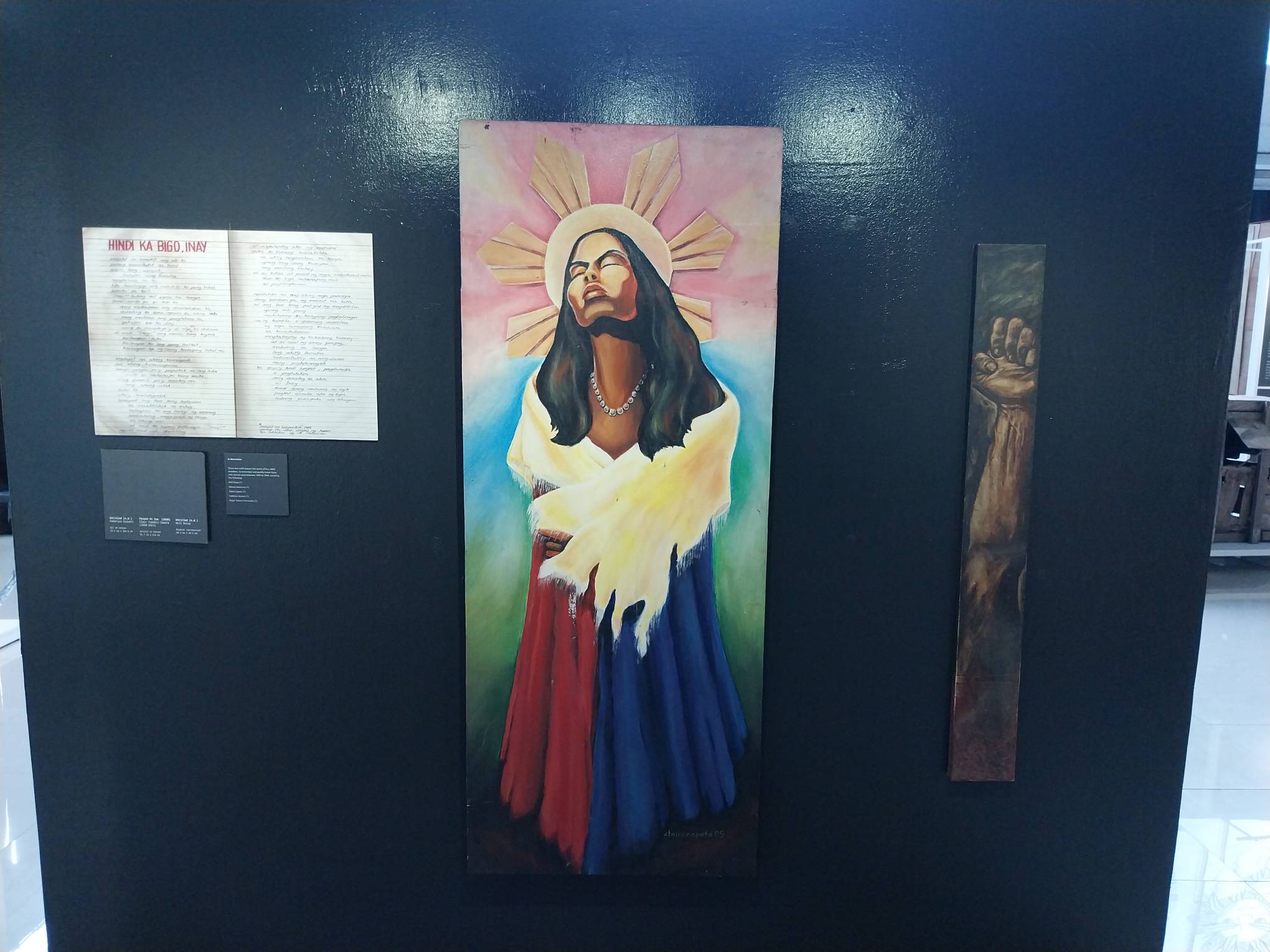
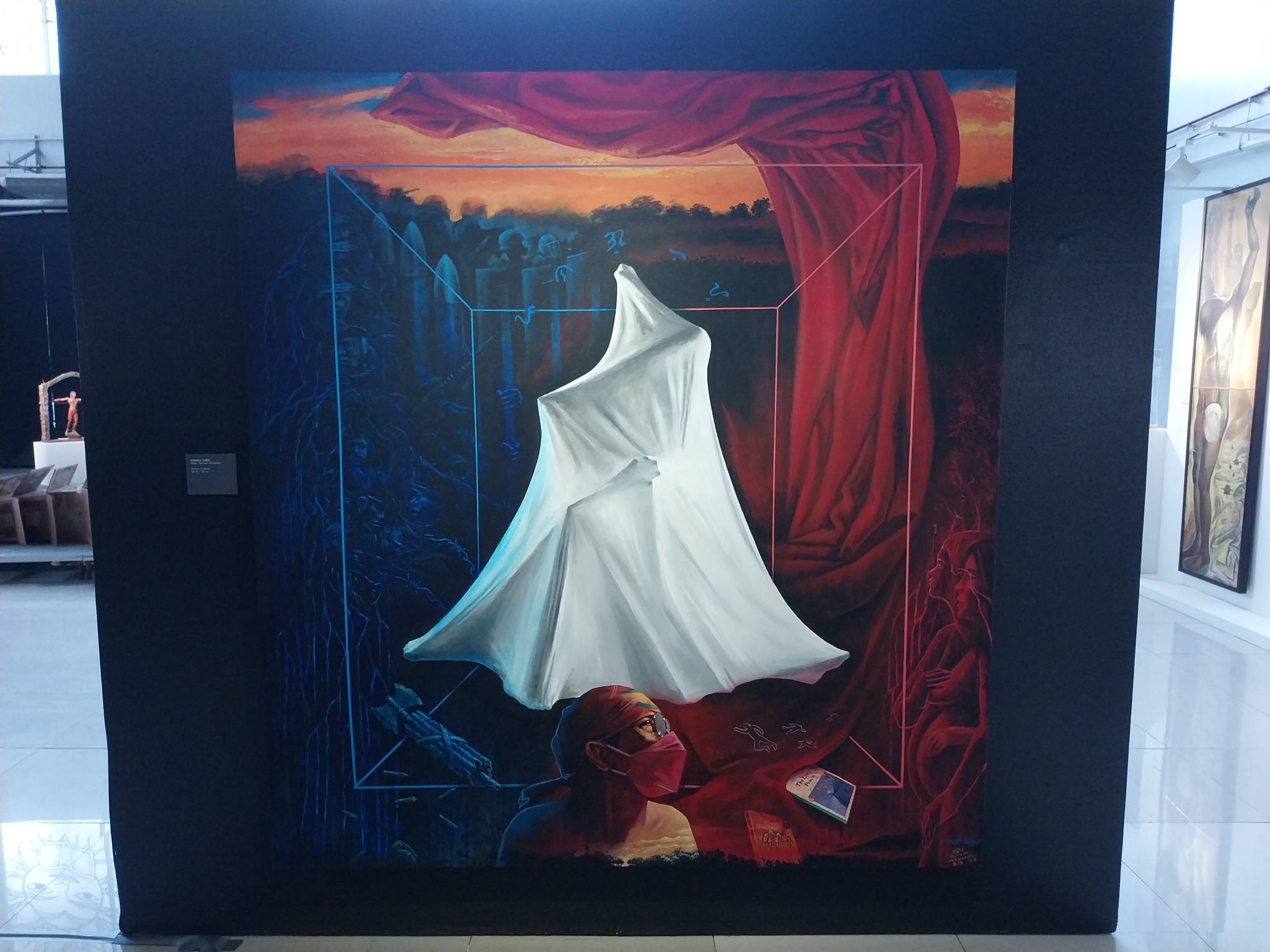
Altogether, the exhibit really harps on the need of cultural work to help concretize a movement’s causes. It gives people looking from the outside an entry point to empathize with these experiences. From that point of empathy, people can work together to form mass movements that forces the government to listen to their causes and needs.
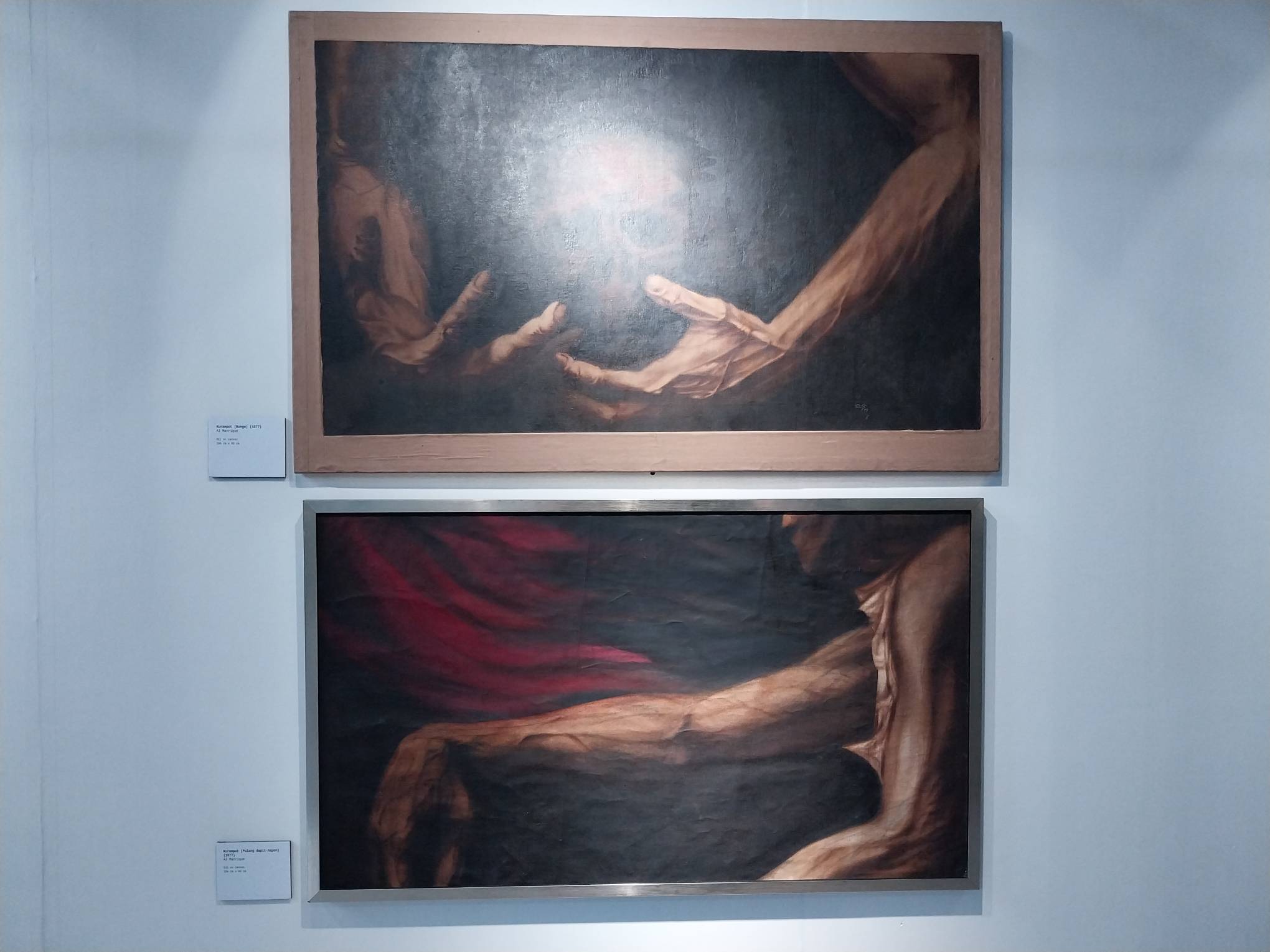
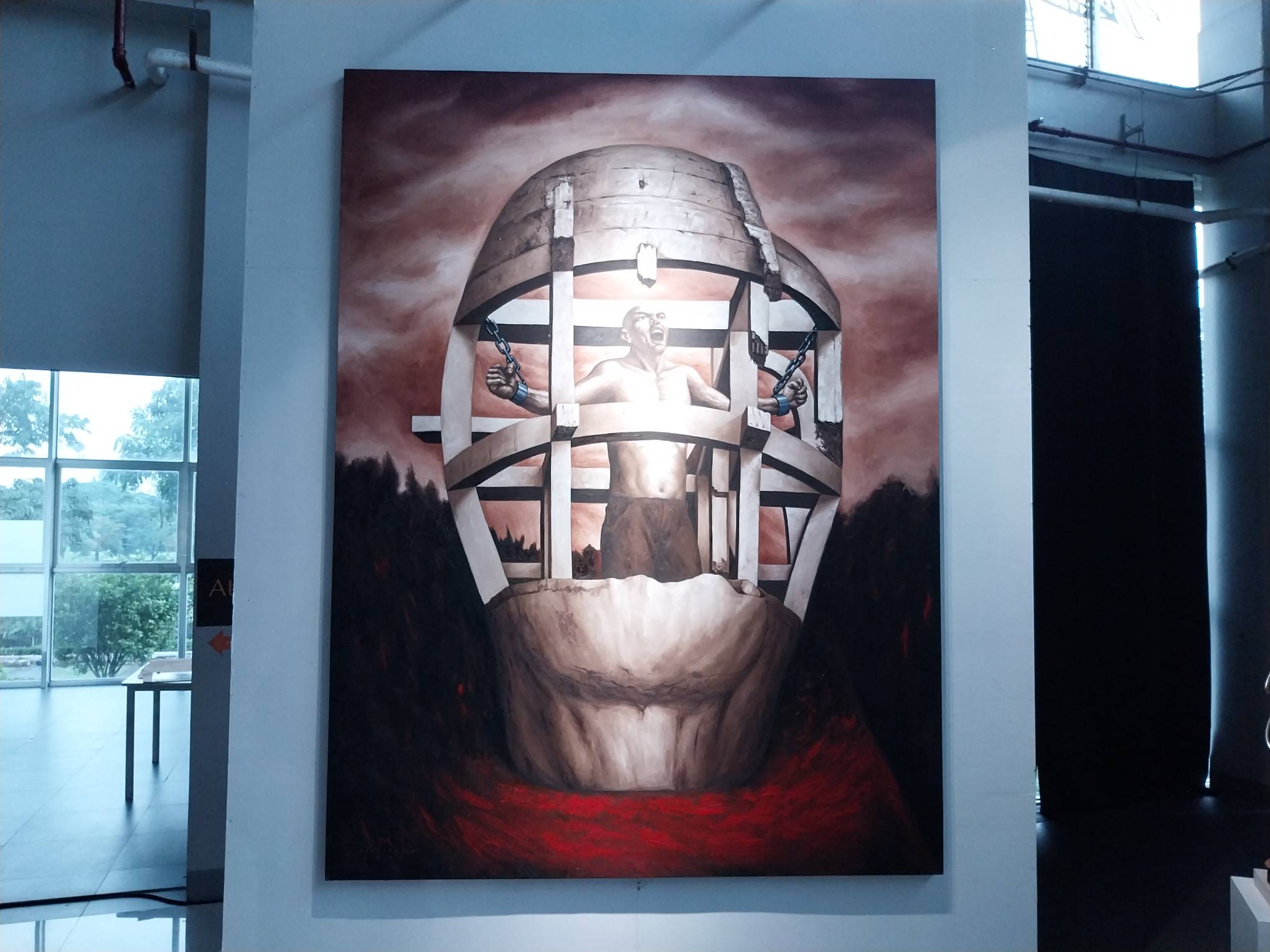
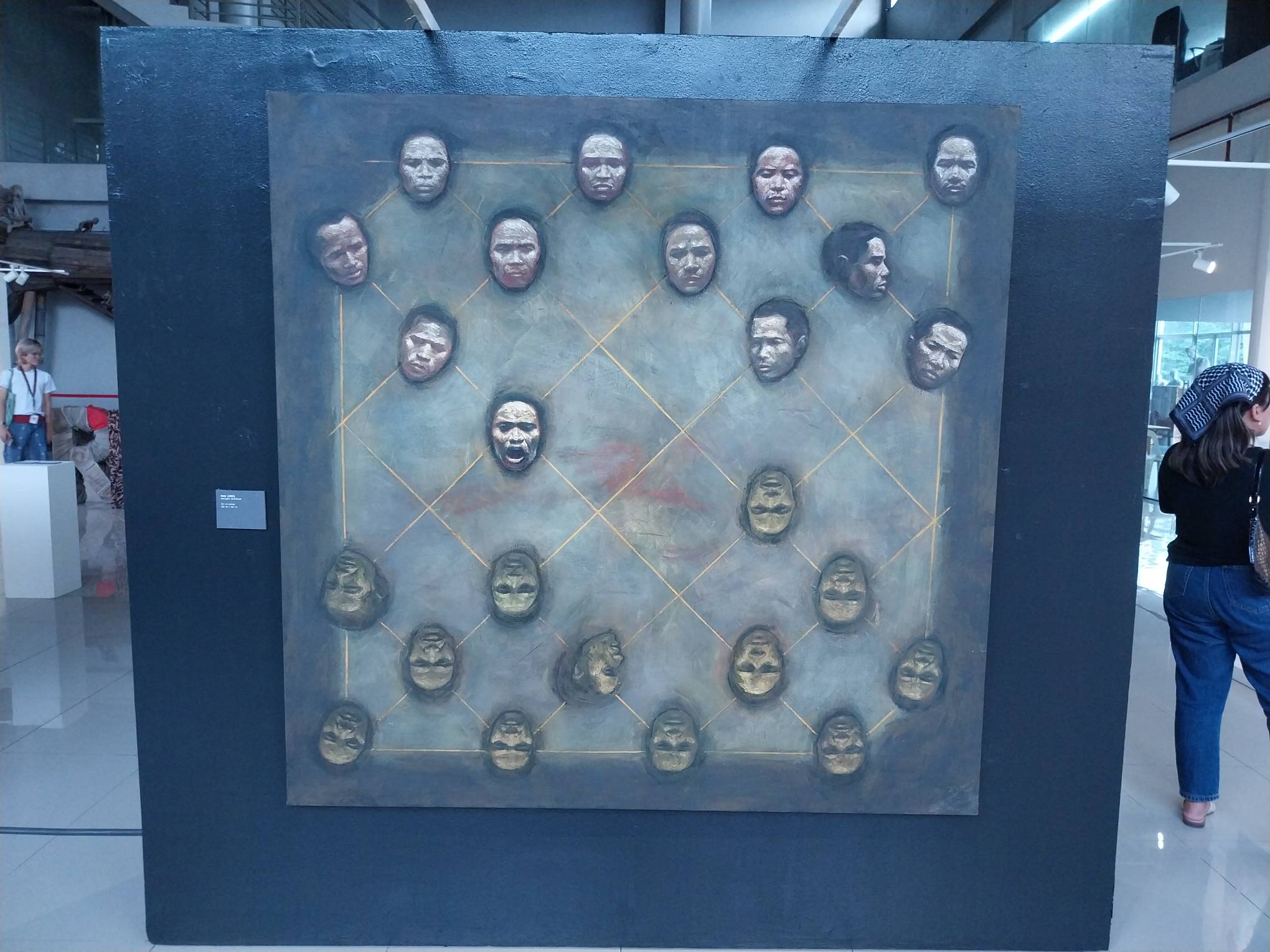
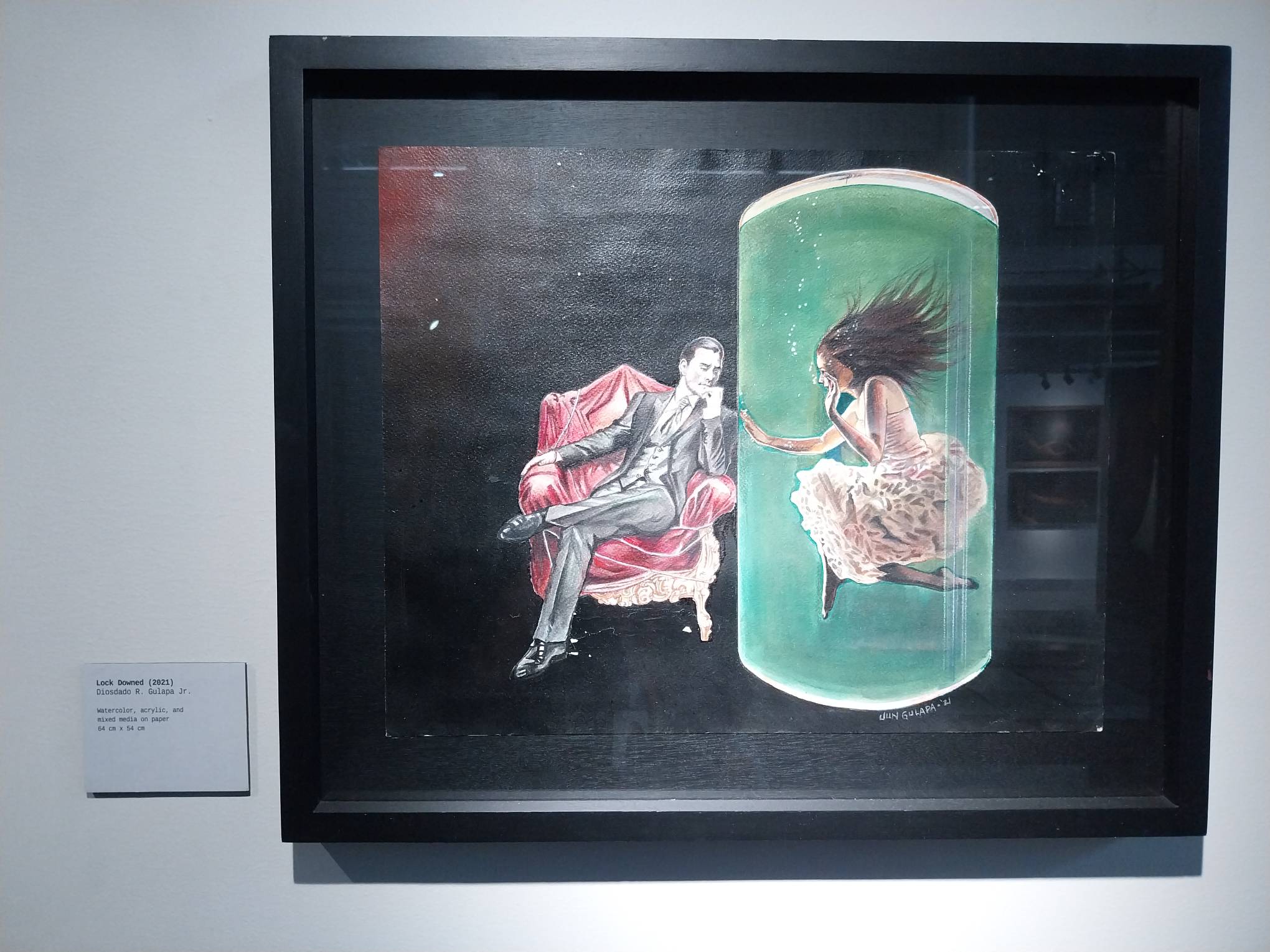
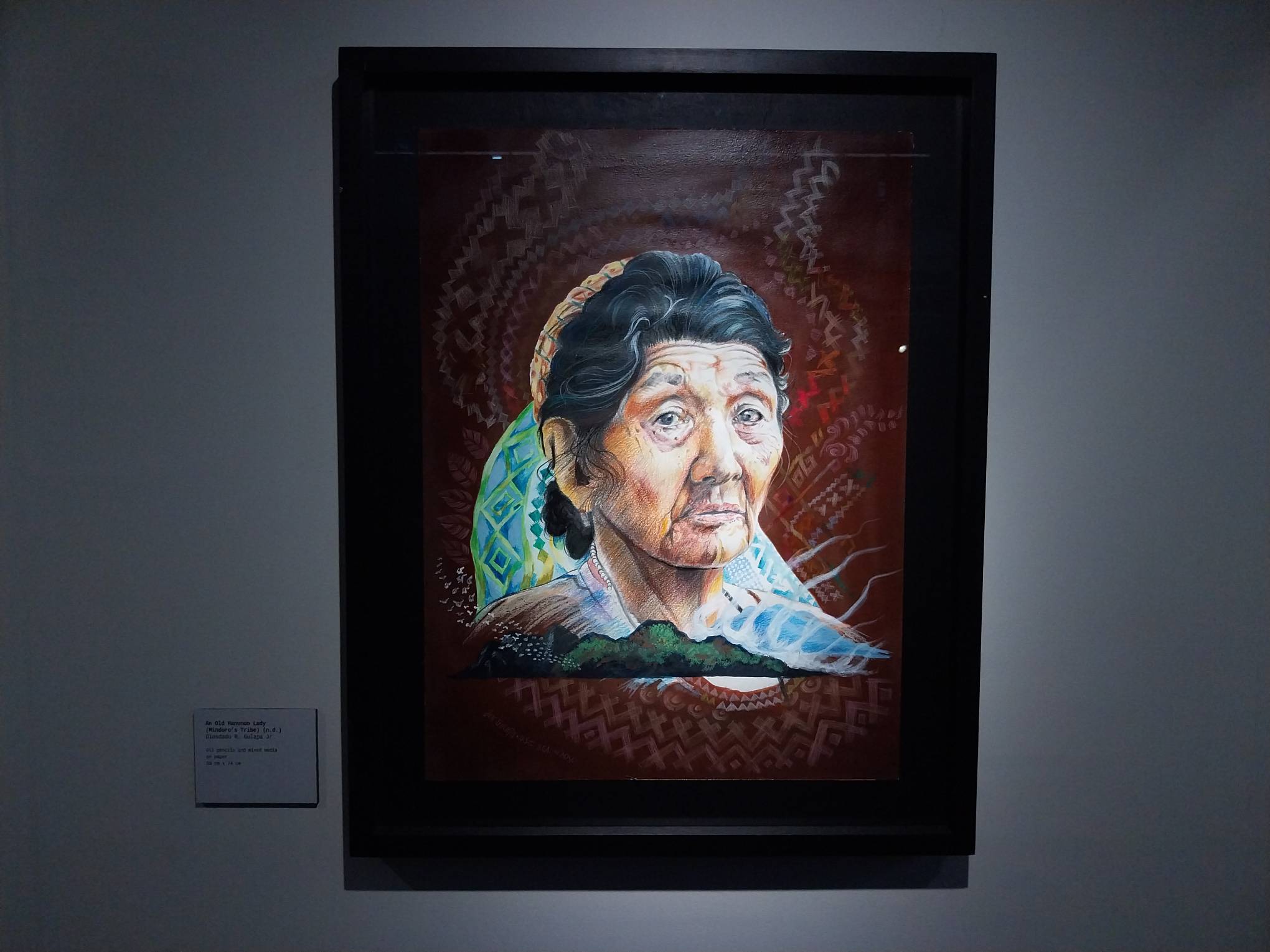
These great artworks illustrate the success of the mass movements in ending Martial Law, and its current necessity today. The experiences of the masses haven’t really changed since then, even with the advent of technologies supposed to help our lives. The politics remain dirty, many farmers still don’t own their own land, and the poor’s lack of opportunity prevails.
“At a period when forgetting, censorship, disappearances, underdevelopment, and poverty are again on the rise, ABAY’s gathering is a homecoming long deserved, a postscript with lessons learned, and an affirmation of art serving the people,” Ito wrote.
Kasalukuya’t Kasaysayan ng Artista ng Bayan (ABAY), 1985-1994 is open until October 23.
Photos by Elle Yap.
Related reading: ‘Ilog Hanggang Laot’ Demands Empathy and Action for War-Weary Palestinians
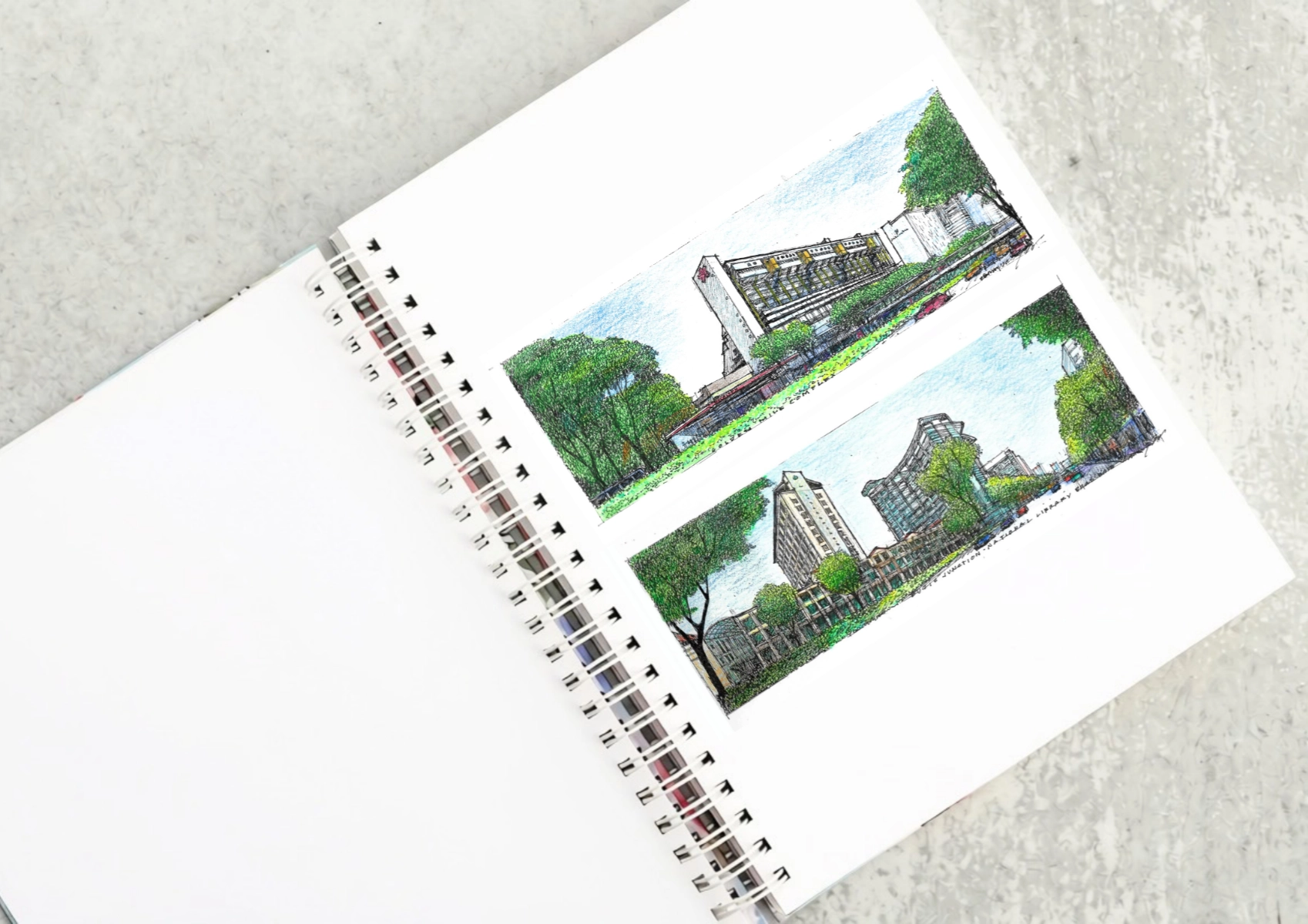
Two sketches of Singapore connect BluPrint Editor in Chief Paulo G. Alcazaren’s personal and professional history with Shared Ground: ArchitectureArchitectureThe art and science of designing and constructing buildings, structures, and spaces that are functional, safe, and aesthetically pleasing. It encompasses the planning, design, materials, and techniques used to createGo to Architecture Glossary of Care, Culture, […]
In a way, designers are the modern-day soothsayers and prophets. They design for the future, predicting how a room, a house, a building or a whole city will be used by people. They foresee how users will interact with a space, conjure exact shades of colors to elicit specific behavior and arrange furniture to build […]
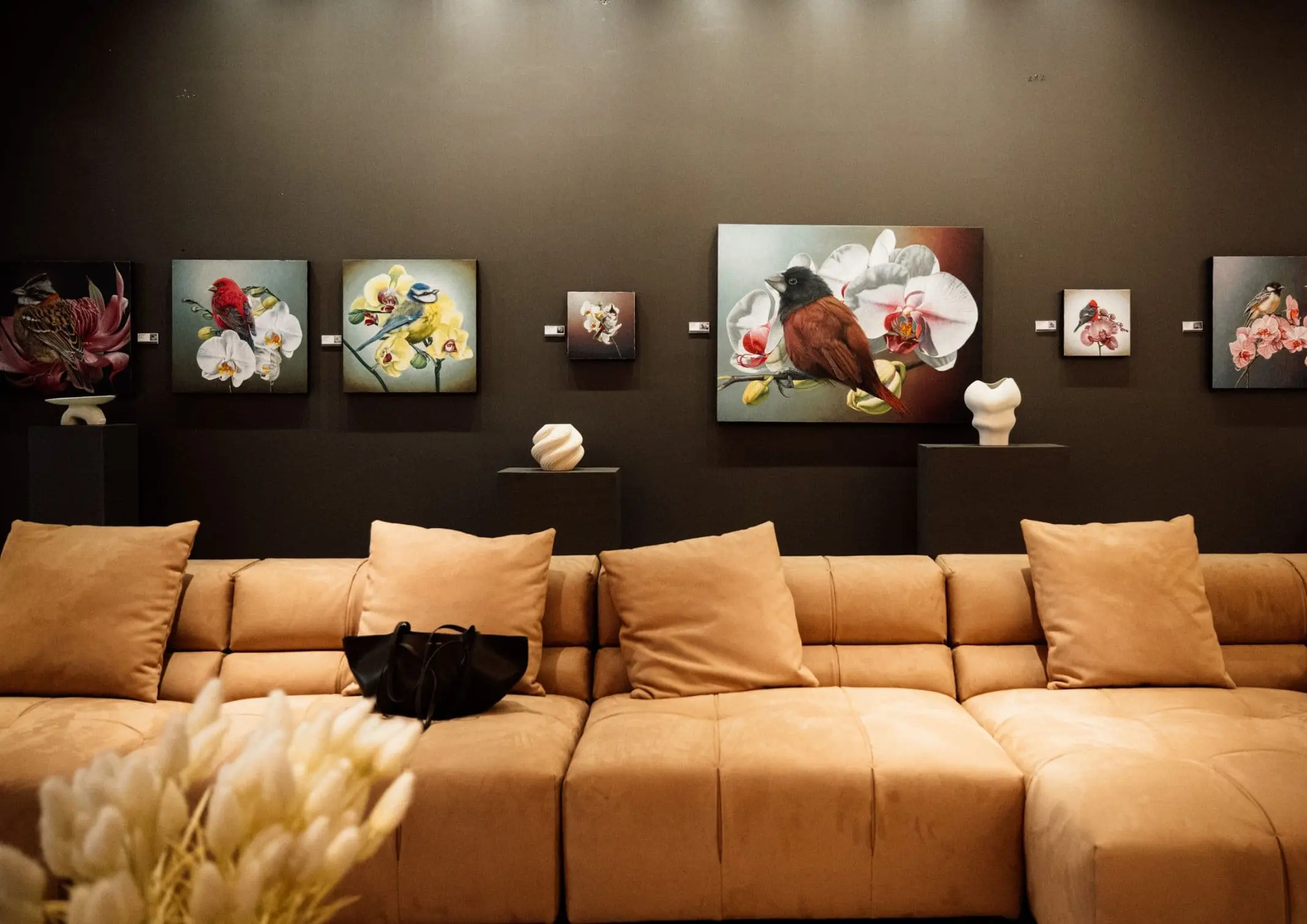
Art and furniture are often selected separately, yet their relationship can shape how a room looks and feels. The collaboration between Hooga and Galerie Joaquin explores how these elements can work together, bringing contemporary artworks into furnished residential settings at Hooga’s showroom in Uptown Mall, Bonifacio Global City. For Hooga, which curates furniture, lighting, and […]
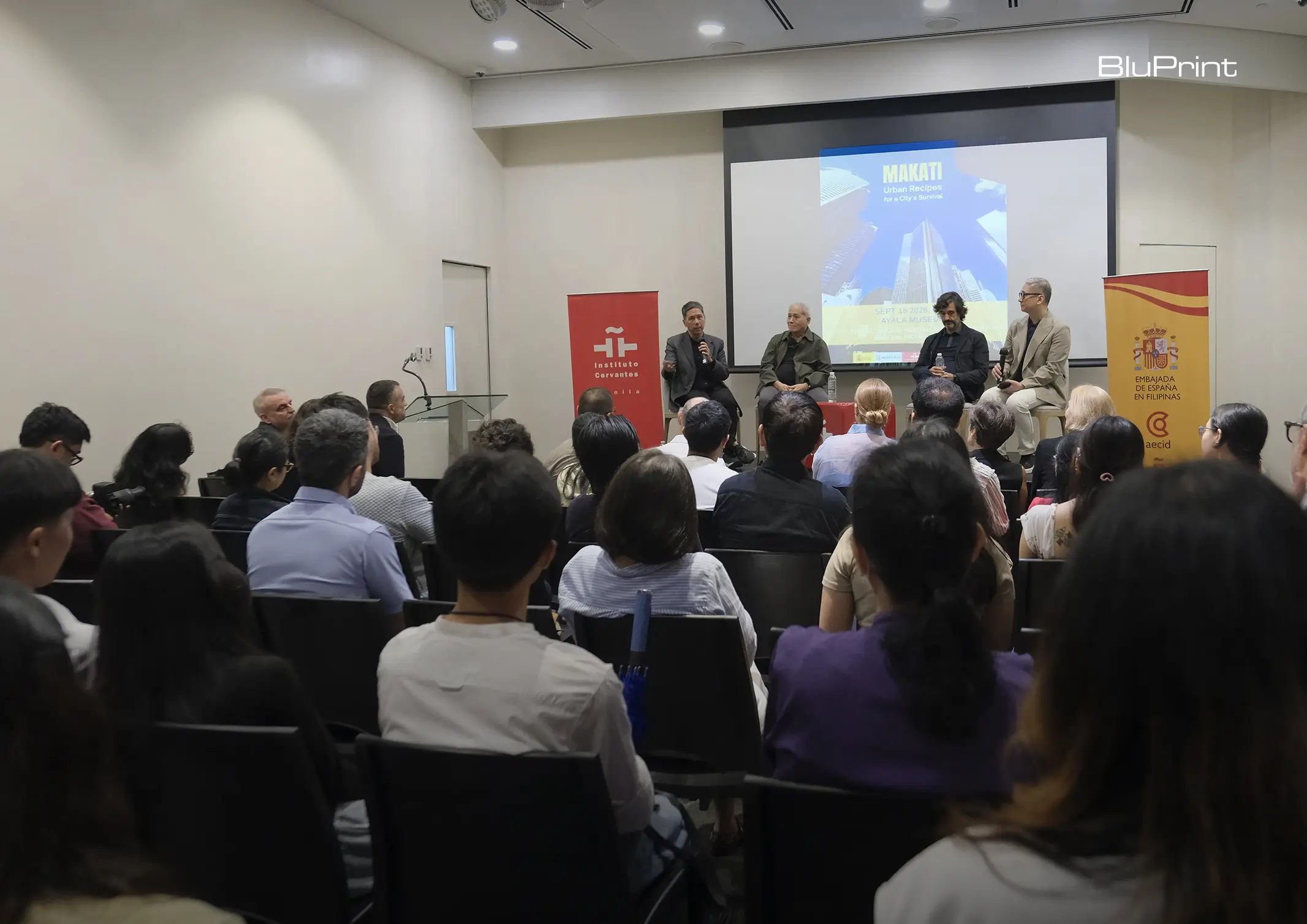
How can better-planned cities create the conditions for more creative, livable, and resilient urban environments? “Makati Urban Recipes for a City’s Survival,” a colloquium held at the Ayala Museum on September 15, brought together architects and practitioners from the fields of urbanism and the creative economy to discuss how design, planning, and collaboration can address […]
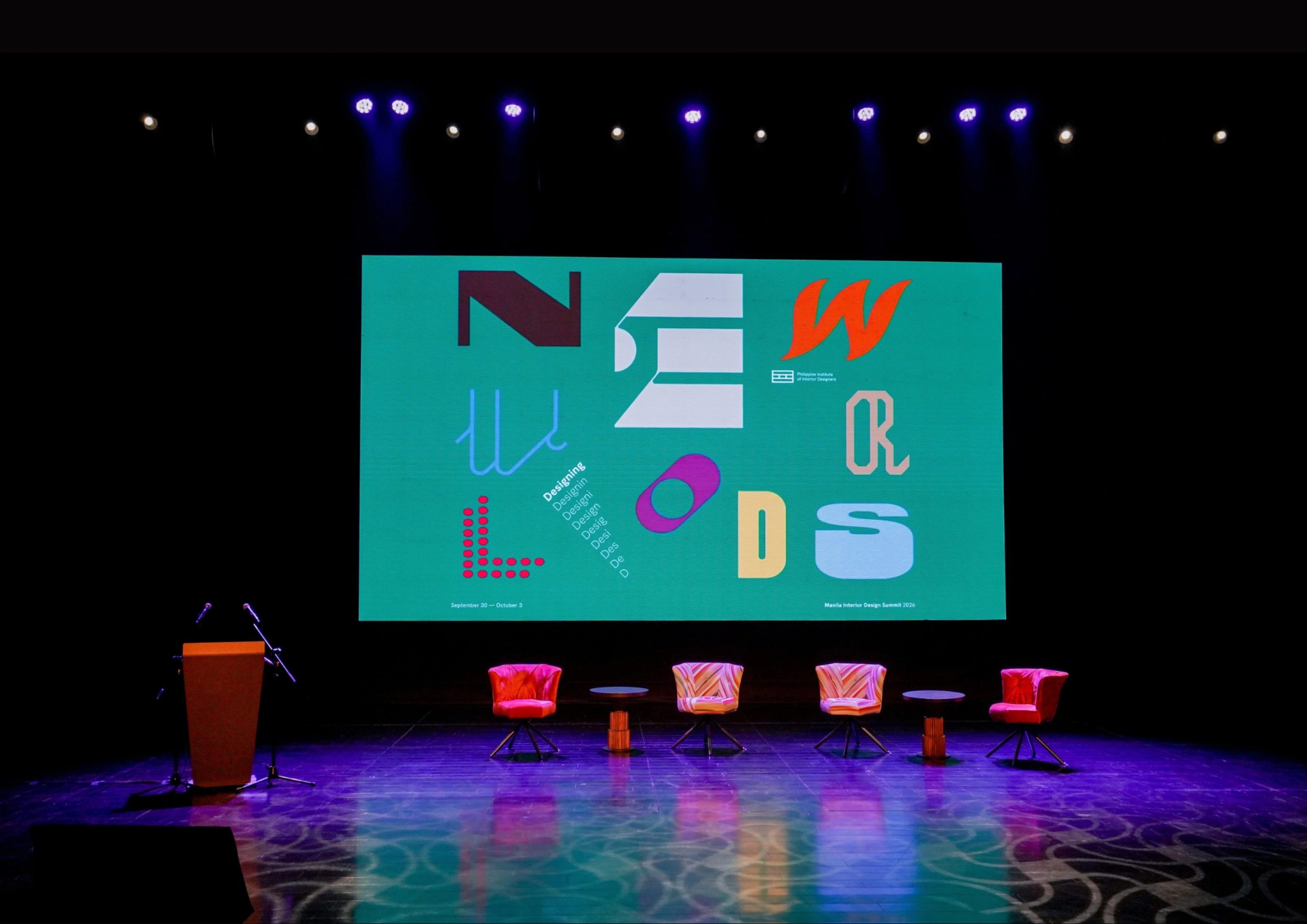
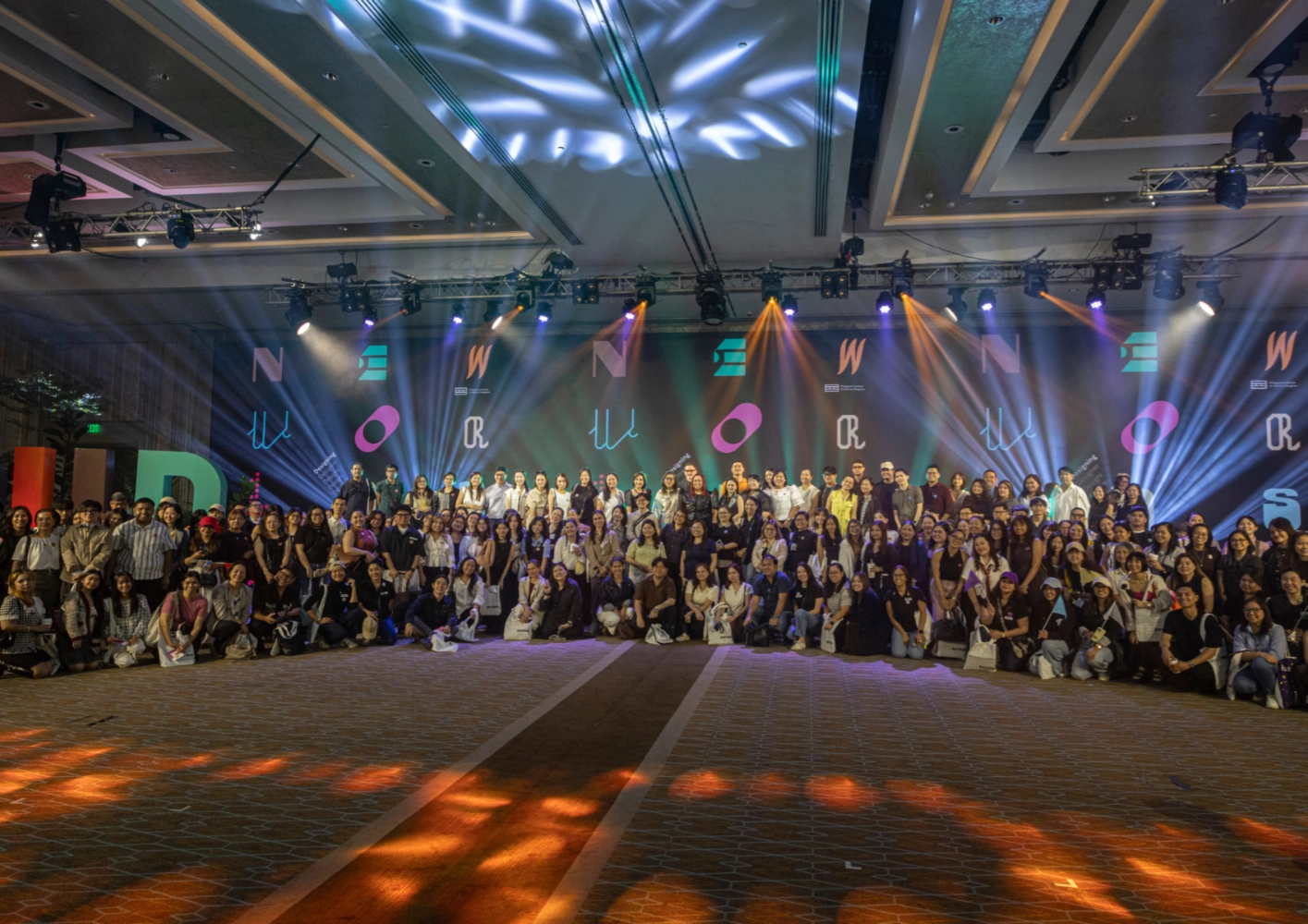
The fourth Manila Interior DesignInterior DesignThe discipline of planning and shaping interior spaces for function, comfort, safety, and beauty. It covers layout, lighting, materials, finishes, furniture, and color, and in the Philippines is a licensedGo to Interior Design Glossary Summit (MIDS) brought together more than 300 delegates for four days of conversations, exhibitions, and design […]
Read the issues.

Collect the volumes.

Recommended Video
Tap to Unmute
Unmute
0:00
0:00