Bigkis is the act of binding. In Tagalog, the word can refer to something used to bind or encircle, as well as a bundle formed by tying several separate elements together. Figuratively, it can also mean a bond, union, or unity. The meanings move from the physical act of joining things together to the connection […]
‘Horror Vacui’: Two Artists Transform Personal Anxieties into Escapism



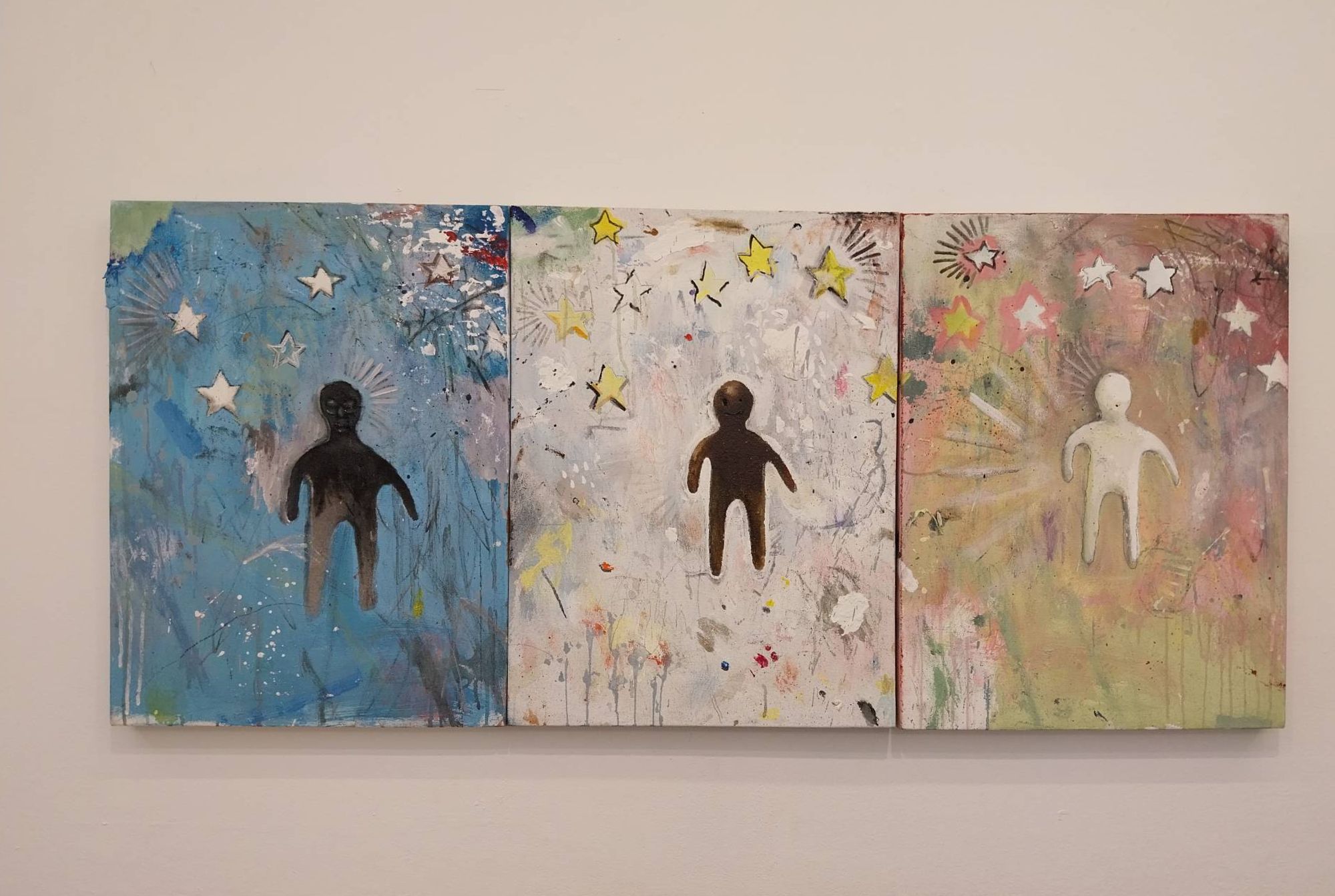
Horror Vacui, painter Paolo Torres’s newest exhibit at Vinyl at Vinyl, is goofy and animated, reminiscent of old Looney Tunes shorts. Torres’s work brings this new spin at cartoonish anarchy that hides deeper feelings of anxiety in its frenetic look.
Torres collaborates with poet Ray Santiago, who provides multiple poems that link to specific paintings within the exhibit. Both seem intent on carving out a place where artistry stands in for the anxiety they feel, never stating out loud the specificity of these emotions.
“These cartoonish figures bare incompleteness, alluding to the strength in vulnerability, as packaged in the artist’s rough and intricate style,” the exhibit write-up said. “The poems depict a voice that is in recollection – a carousel of memories that, at its core, bear a scathing poignance of loneliness.”
Anxieties Put to Bed
Horror Vacui translates in Latin as “fear of empty spaces.” And one does see that ethos in Torres’s work, with their expertly-handled chaotic scenery evocative of psychedelic art and underground comix.
For the artist, they describe the stylistic choices as “brooding torsos; decapitated; riddled with stains and scribbles to emulate emotions like emptiness and uncertainty.”
The works drip with stars and abstract backgrounds of dirtied-up, muted colors. These disheveled backgrounds contain nothing linear about its presentations. At times, the stormy background reminds one of old, scratched-up film.
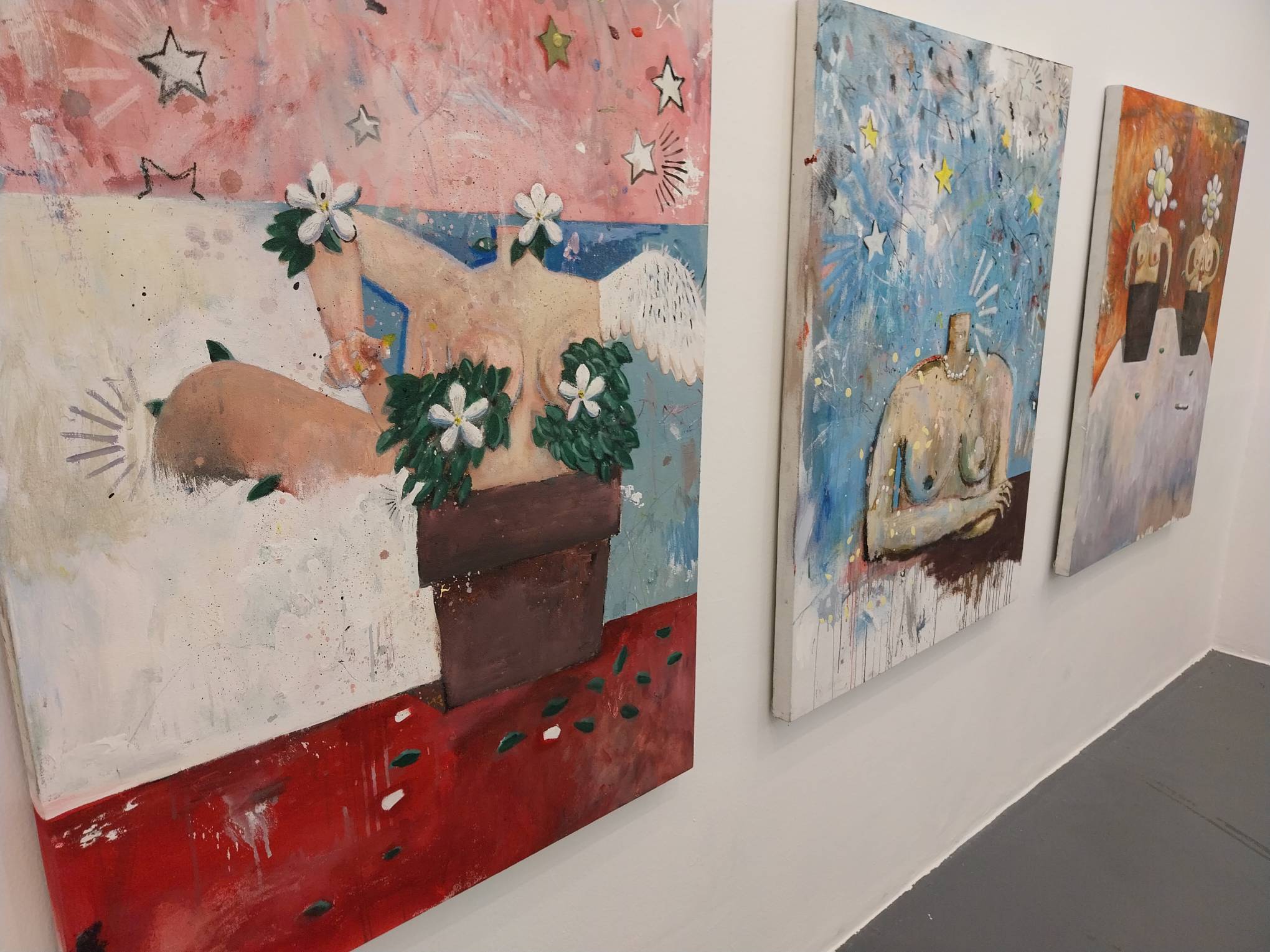
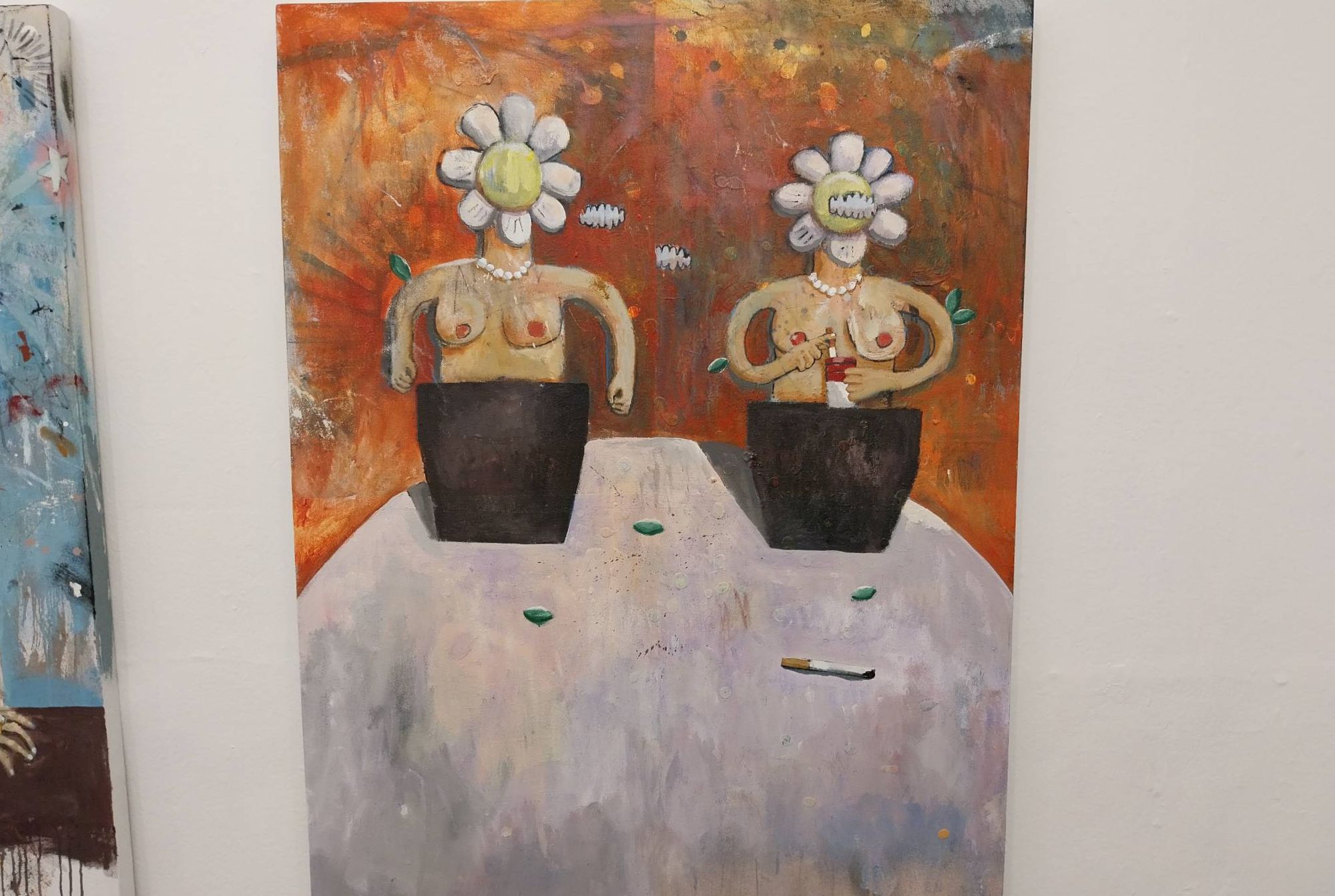
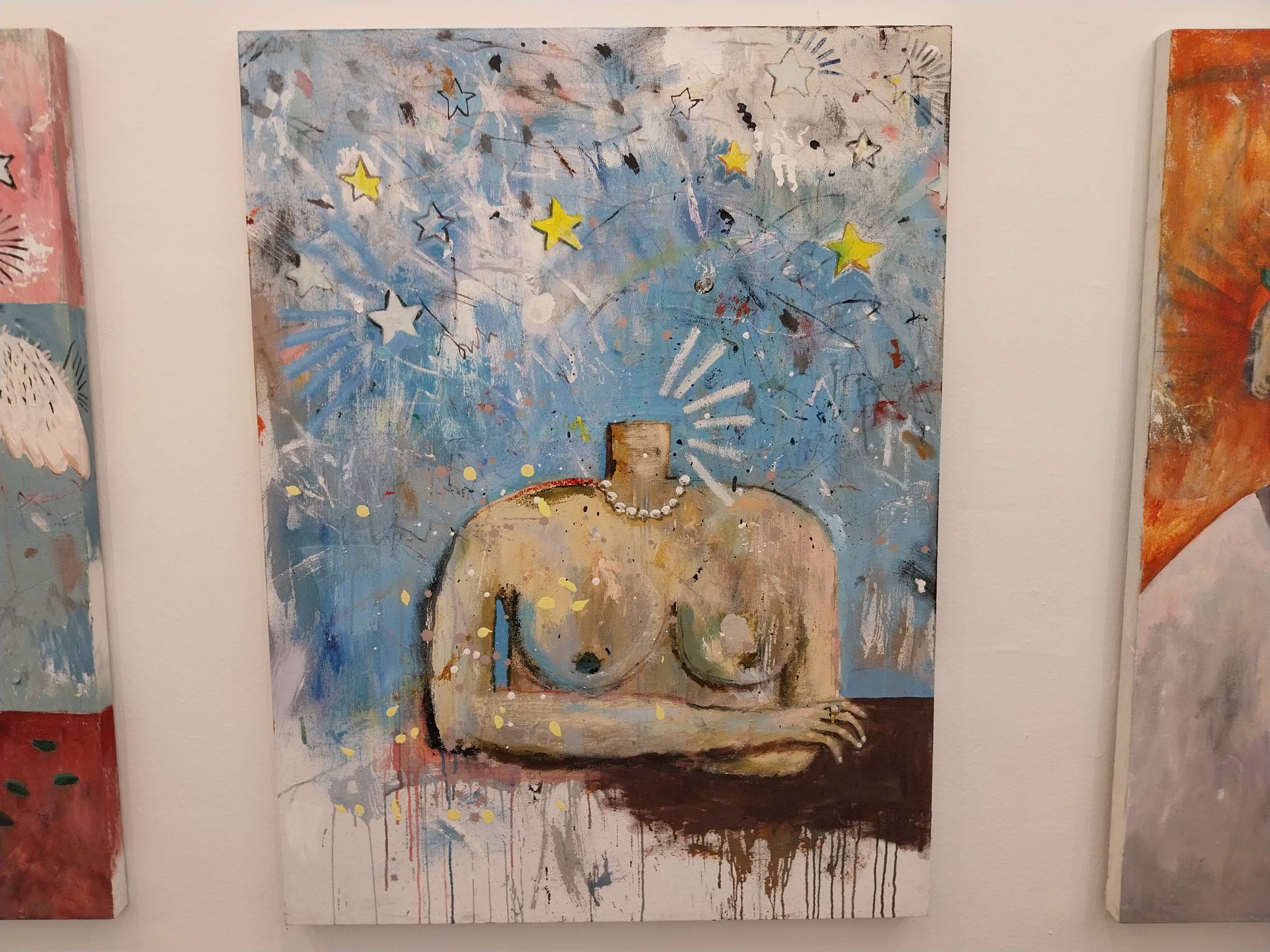
Torres fills the paintings with eccentric, headless figures that appear to represent the destructive lack of agency people have. A headless cat gets a pair of eyes and a mouth floating in front of where its face should be; one painting gives a couple flower heads while they smoke.
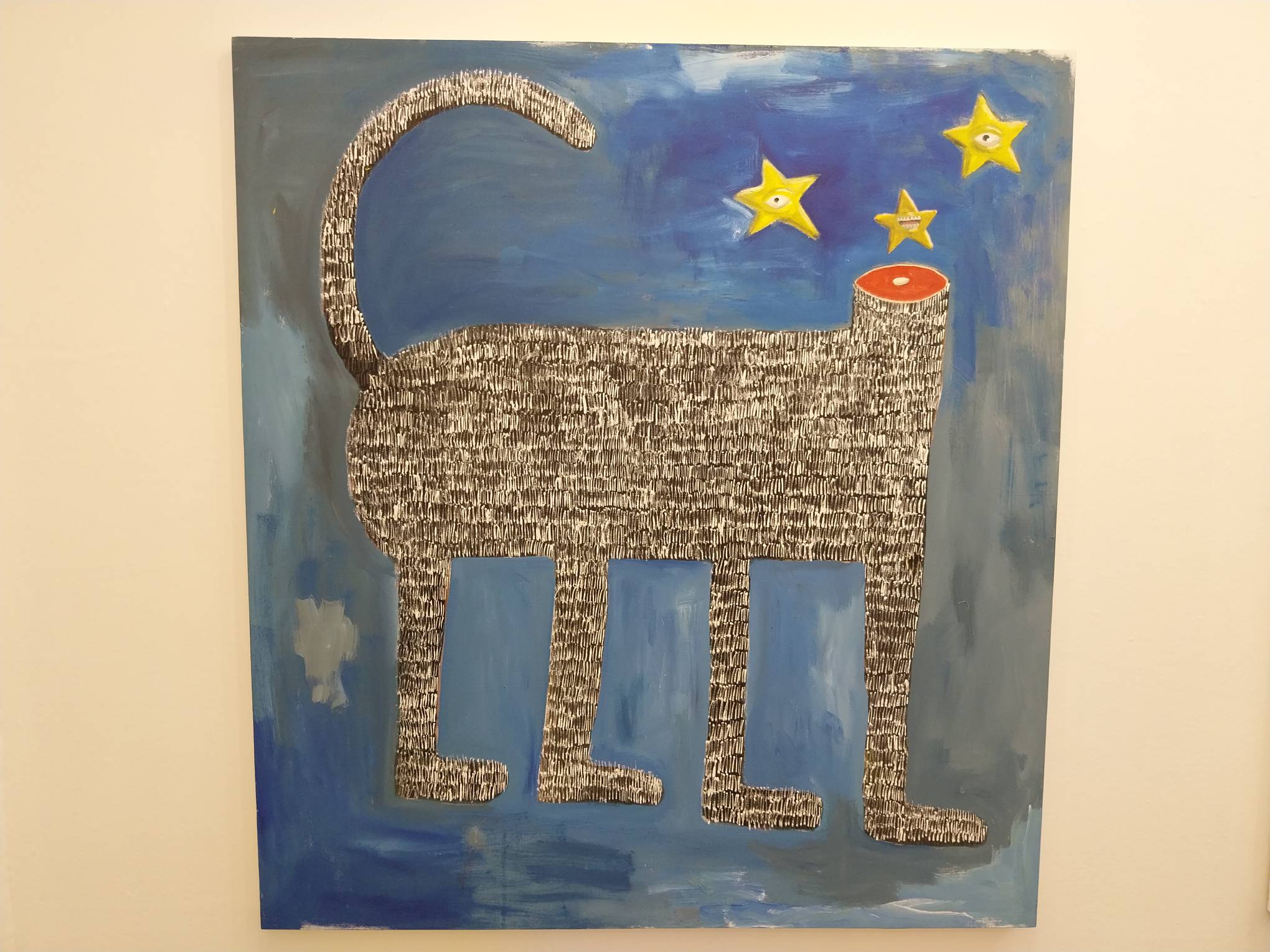
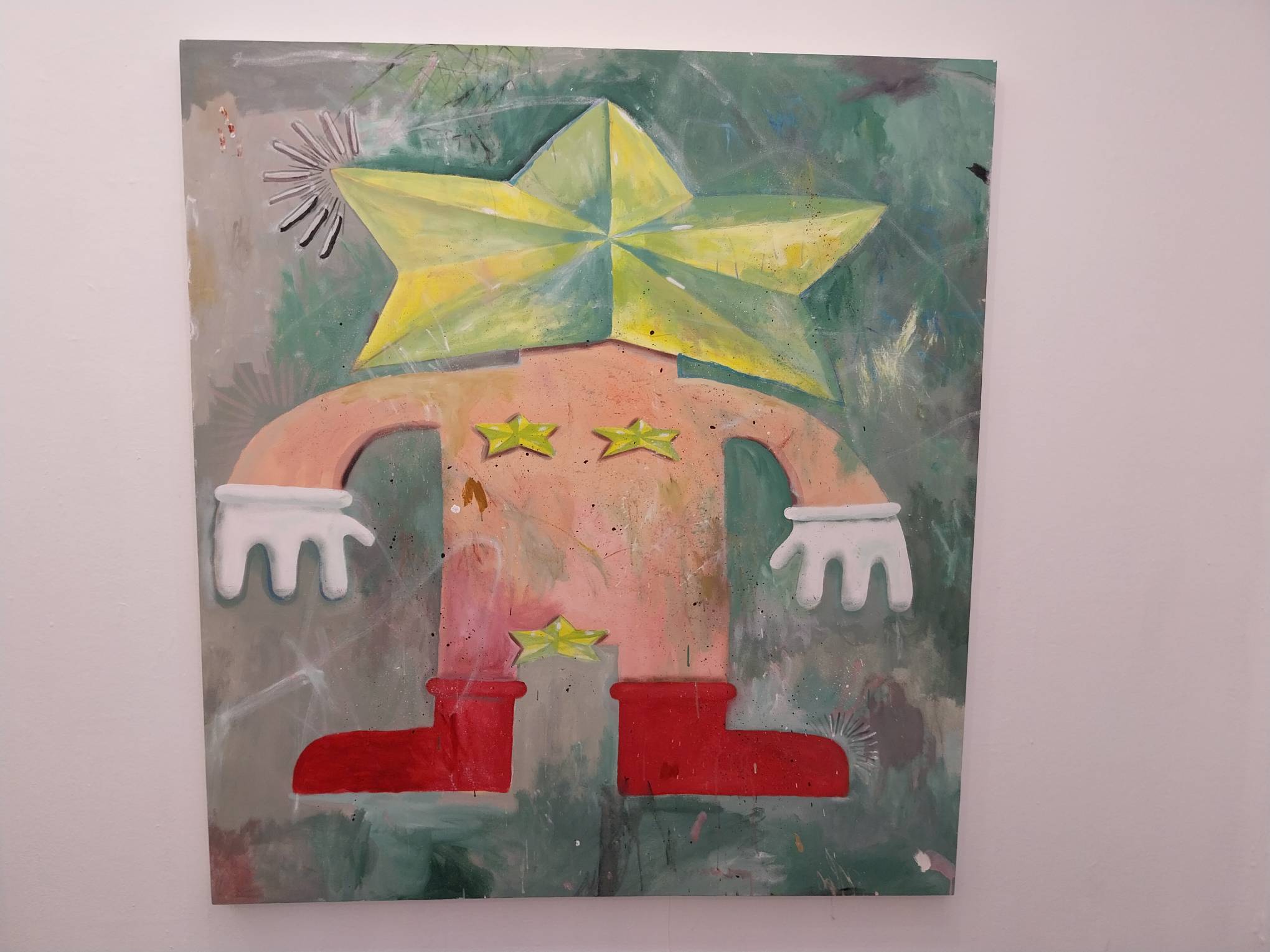
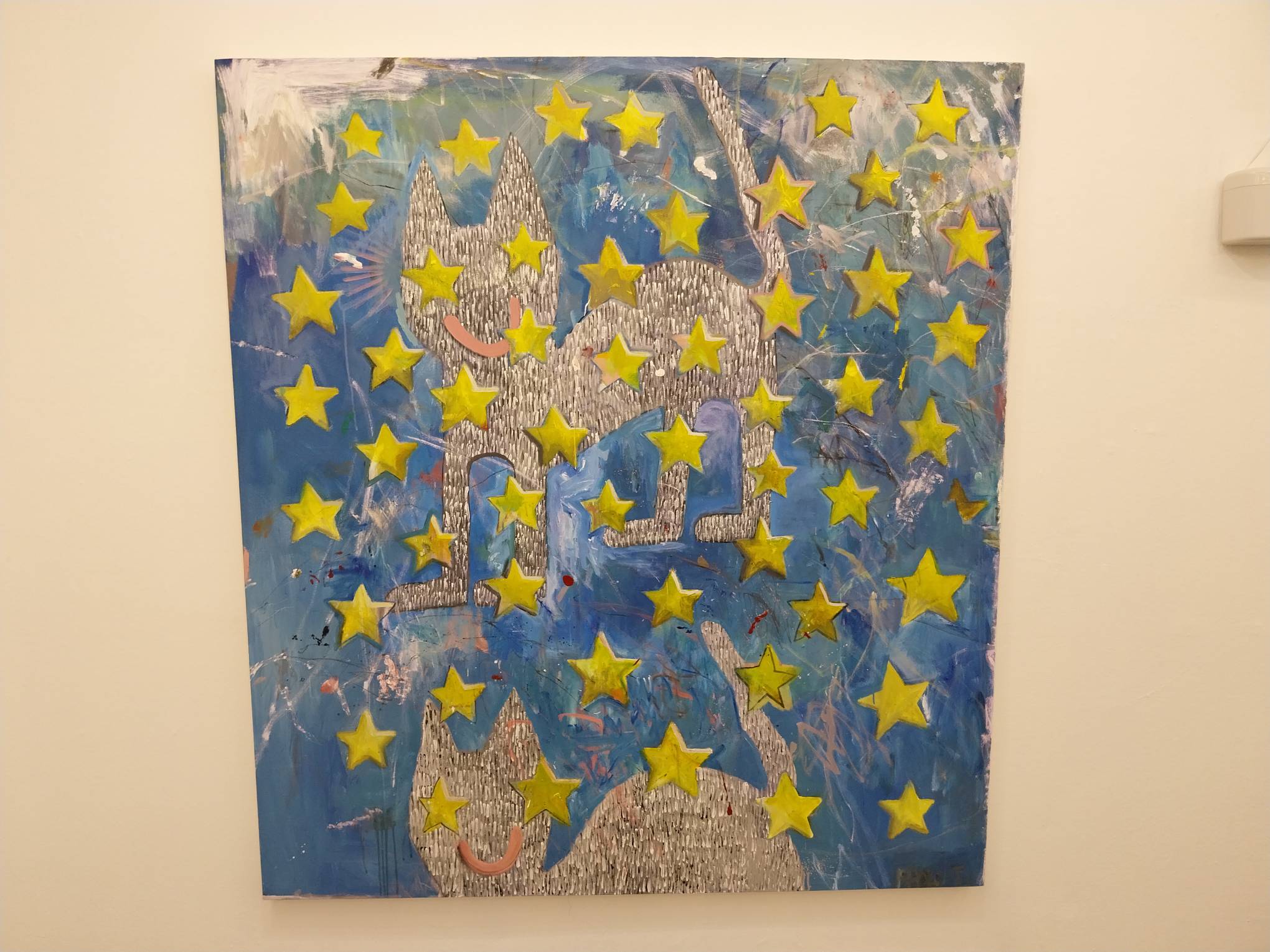
The artist draws these figures with peculiar poses and dimensions that make them look energetic. One painting gives audiences a whole body that looks like a nude Mario figure, with stars covering its head and other nude areas of the body in strategic ways. Pairing the background and the figures together add up to a memorable experience for viewers of the pieces.
Comfort for the Vulnerable
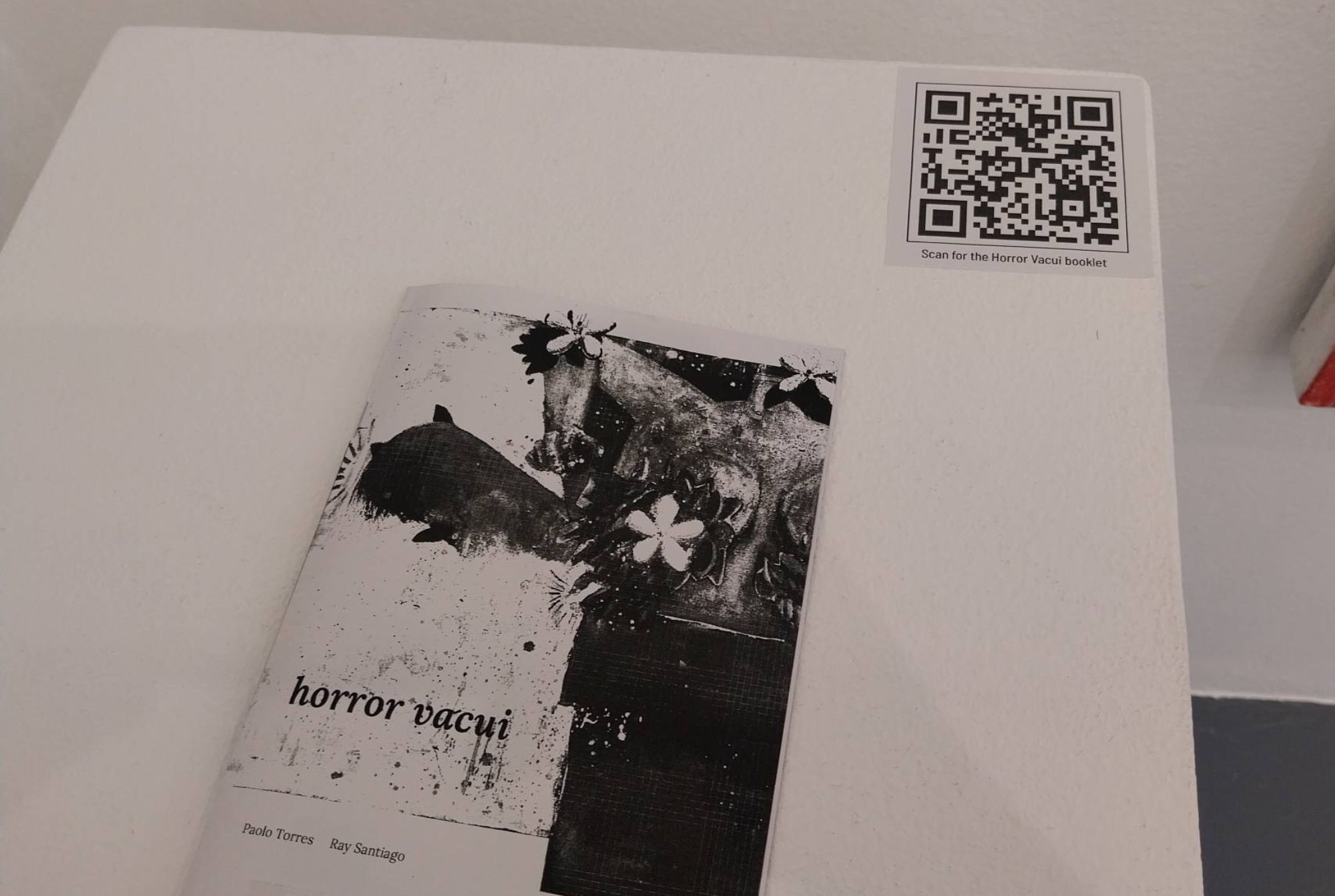
Each painting appears to join itself with a poem from Santiago. The gallery gives visitors browsing copies with the poems as they enter the exhibition. Many of the poems talk of the despair of living, sometimes adding a new dimension to the paintings they are paired with.
One painting has a headless woman with a wing instead of a left arm, planted in a vase. Leaves and flowers cover the torso’s breasts as other white flowers grow around the body. Their corresponding poem, “Big Vase,” sets a theme of objects discarded by society.
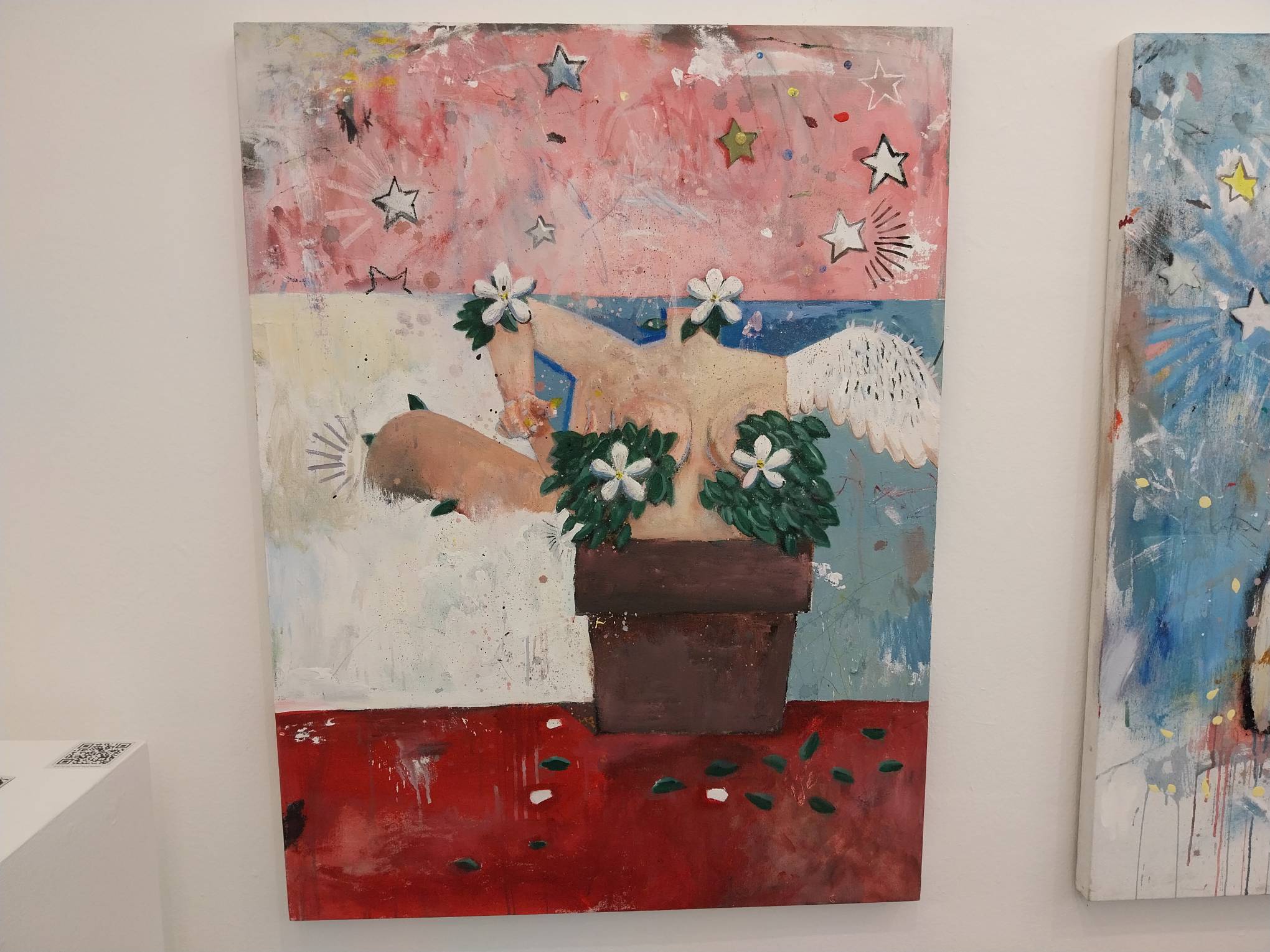
“a space for hiding, claustrophobic, crushing, comforting, embracing/ dreams buried, kept/ broken things, forgotten things, kept things, thrown things, and all things,” Santiago wrote.
The poems take on themes of abandonment, and imbue the paintings with grief existing below the veneer of anxious cartoony energy within it. The works are poignant and honest with how unbalanced the world makes them feel. “Maybe I am dying now. But I don’t want to remember,” Santiago wrote for the title poem “Horror Vacui.”
Horror Vacui explodes with grief, finding comfort in the bizarre, fun grotesque pieces that the two artists fill the world with. Visitors can be dazzled with the eccentric artworks, and devastated with the piercing poems. However one sees the works, it allows us enjoyment in art that visualizes the personal demons of its artists.
Related reading: ‘Rituals of Recovery’: Honing into the Practices of Self-Care
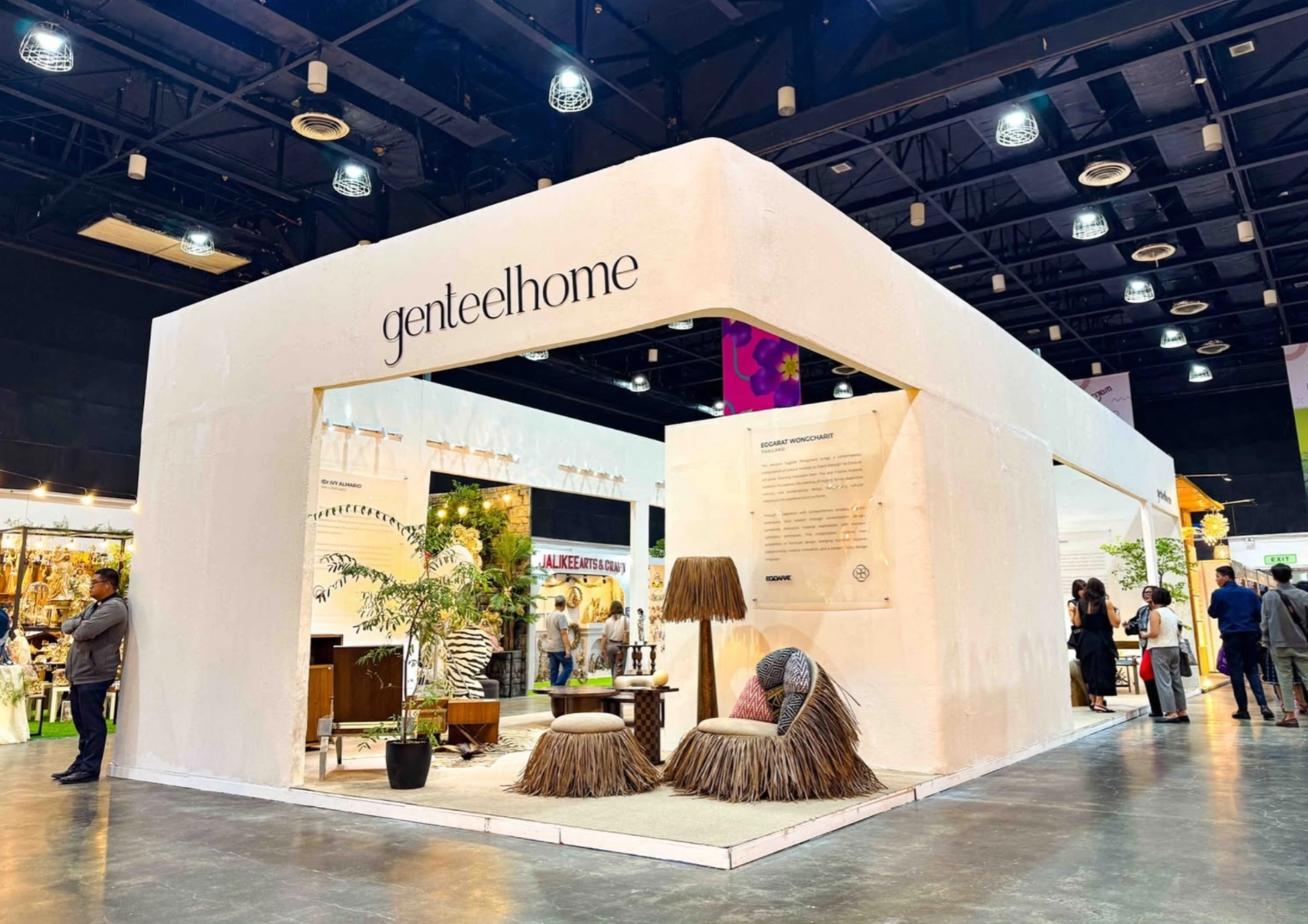
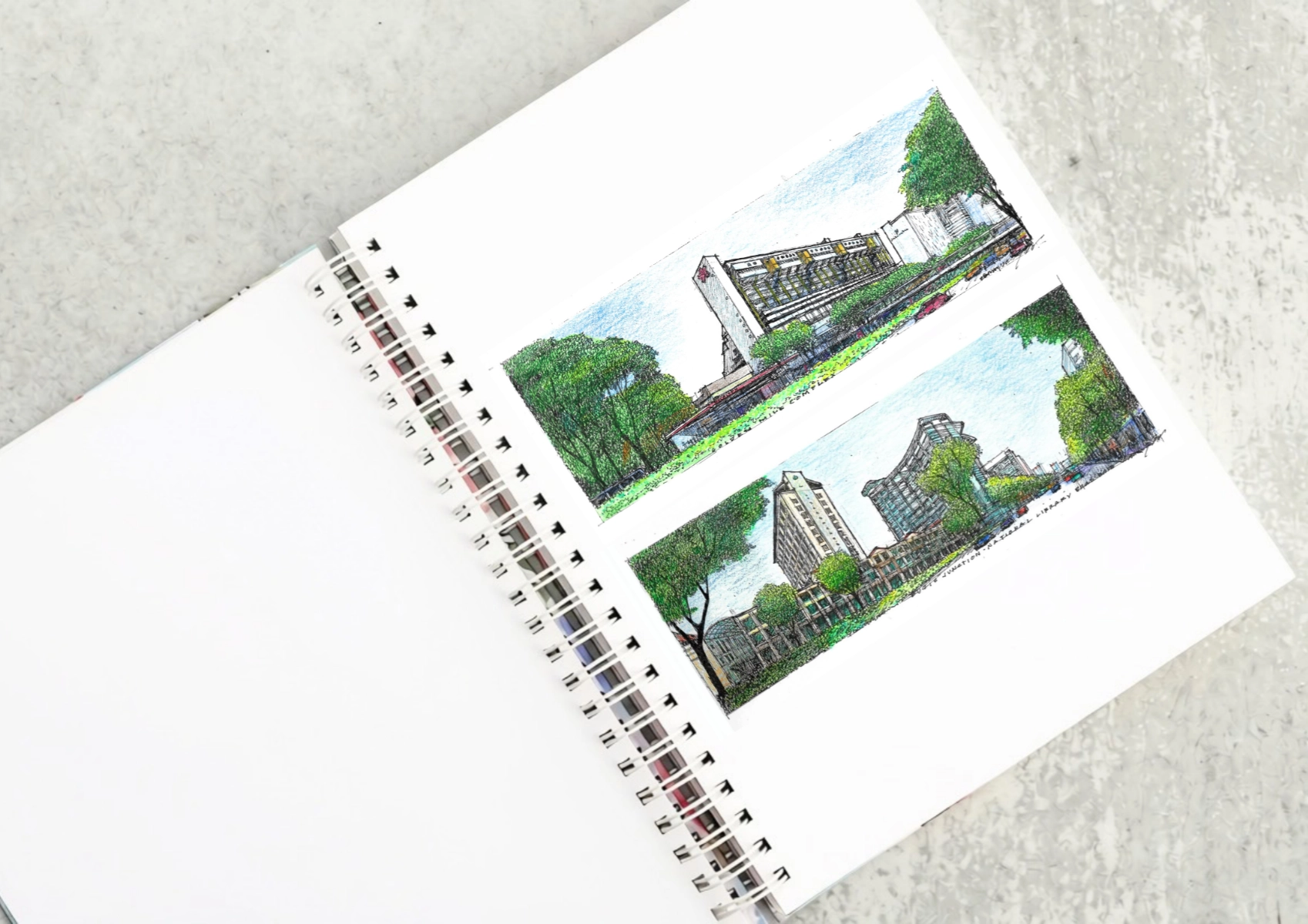
Two sketches of Singapore connect BluPrint Editor in Chief Paulo G. Alcazaren’s personal and professional history with Shared Ground: ArchitectureArchitectureThe art and science of designing and constructing buildings, structures, and spaces that are functional, safe, and aesthetically pleasing. It encompasses the planning, design, materials, and techniques used to createGo to Architecture Glossary of Care, Culture, […]
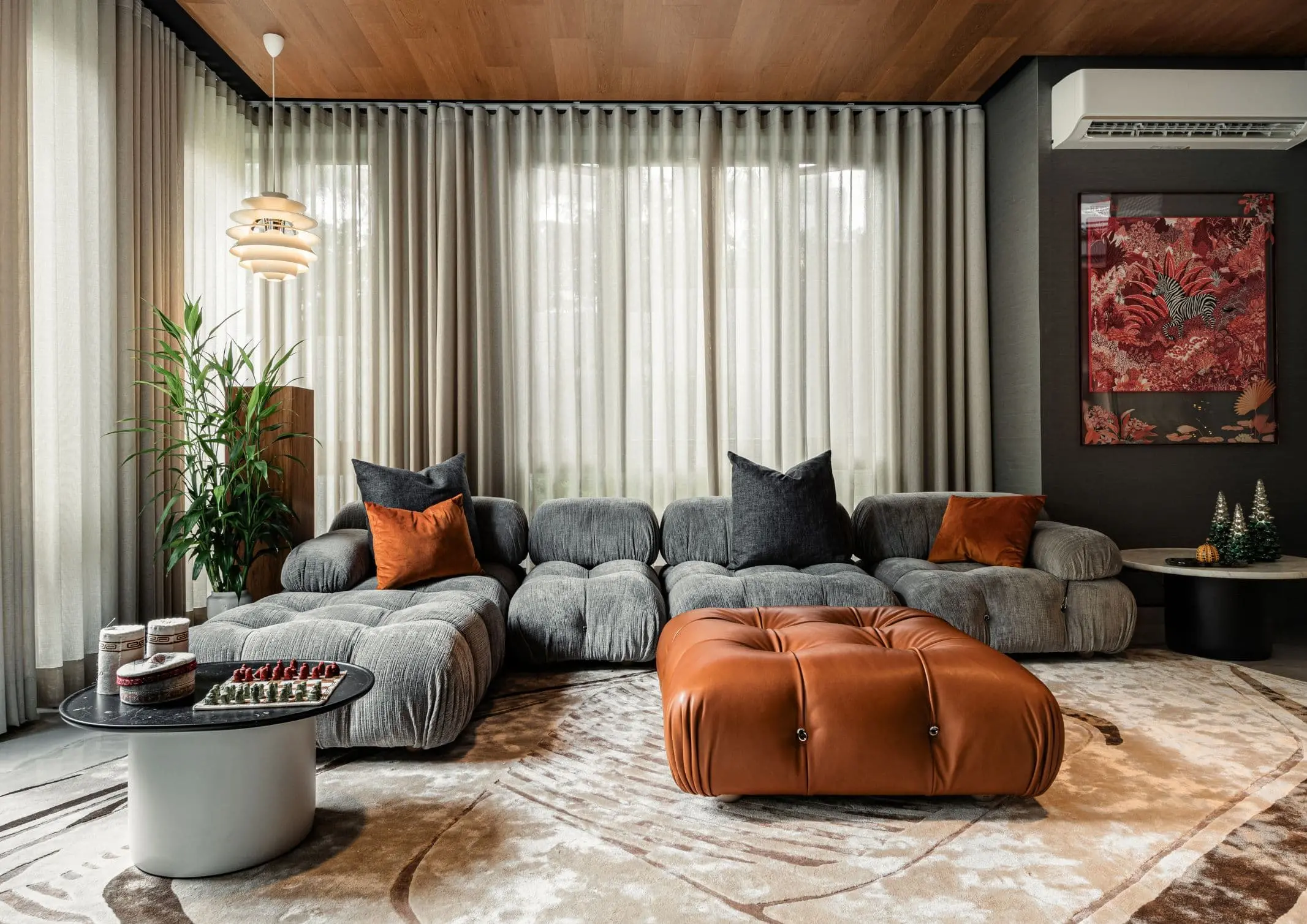
Some have become household names – Coleman, Oster, and KitchenAid – products that have found their way into Filipino kitchens, homes and family routines. In home furnishings, brands such as B&B Italia, Ethan Allen, Sub-Zero, Miele, SieMatic, Louis Poulsen, Hunter Douglas, Tempur, and Technogym, have helped shape the way Filipinos live. From everyday essentials to […]
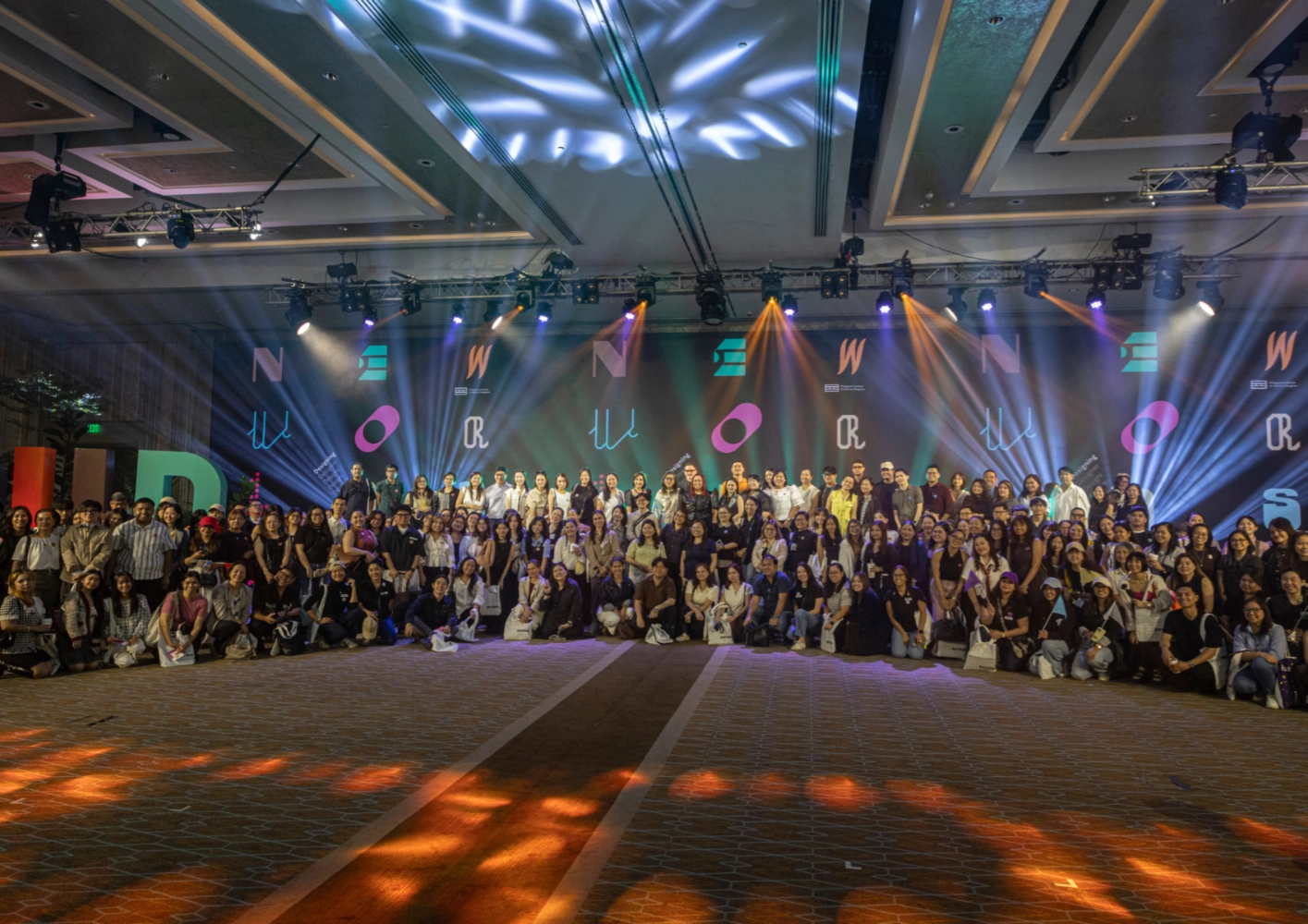
In a way, designers are the modern-day soothsayers and prophets. They design for the future, predicting how a room, a house, a building or a whole city will be used by people. They foresee how users will interact with a space, conjure exact shades of colors to elicit specific behavior and arrange furniture to build […]
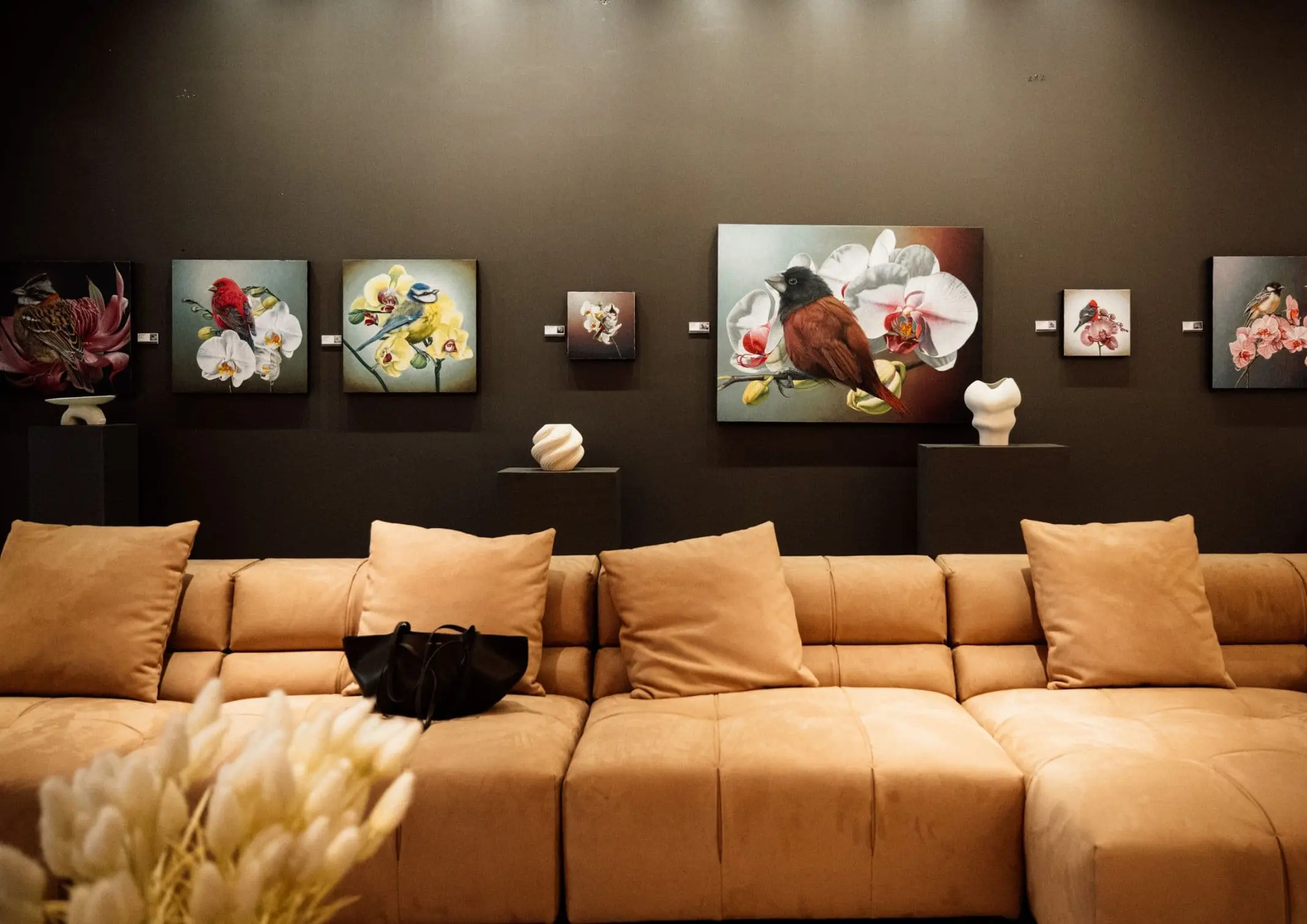
Art and furniture are often selected separately, yet their relationship can shape how a room looks and feels. The collaboration between Hooga and Galerie Joaquin explores how these elements can work together, bringing contemporary artworks into furnished residential settings at Hooga’s showroom in Uptown Mall, Bonifacio Global City. For Hooga, which curates furniture, lighting, and […]
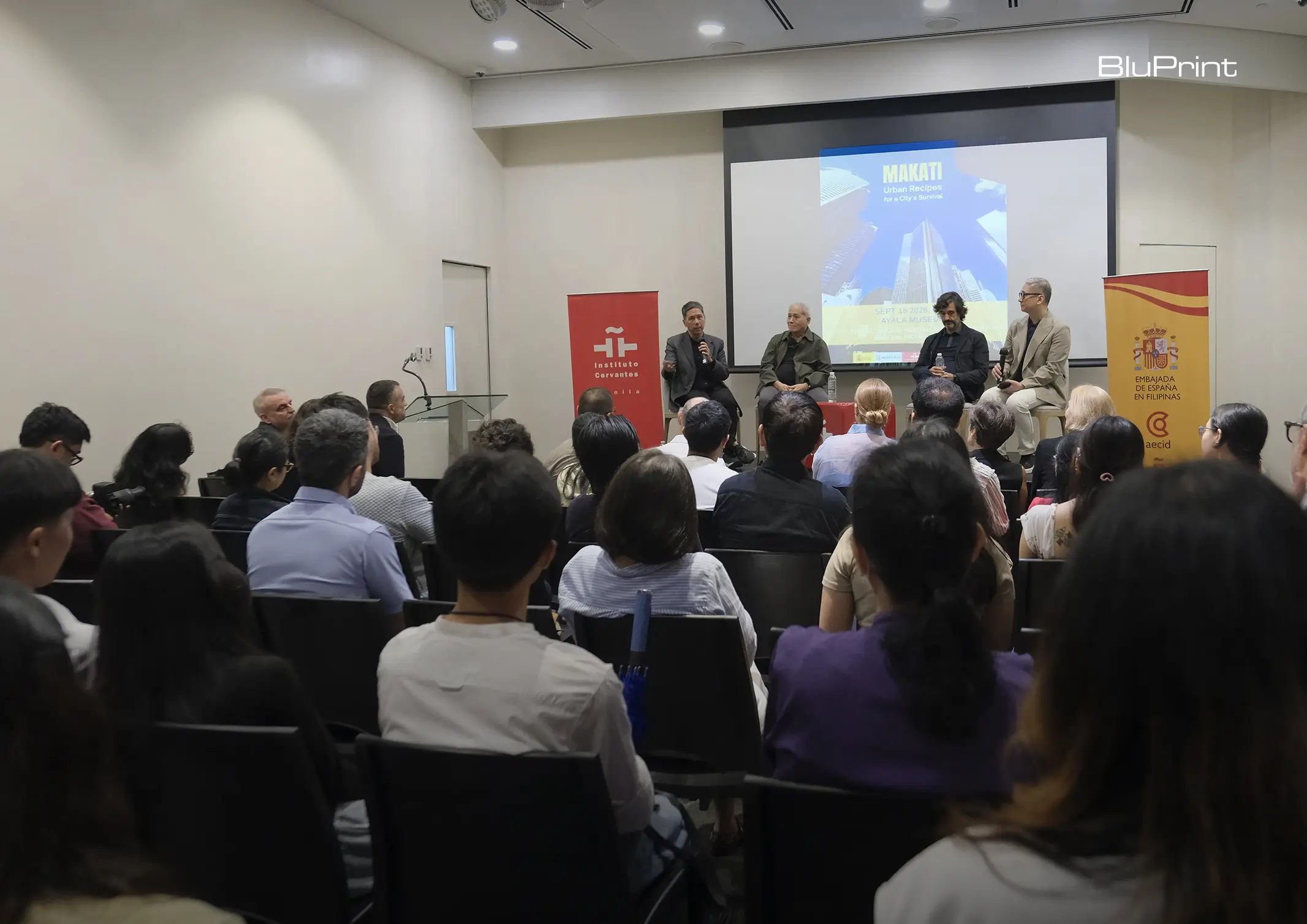
How can better-planned cities create the conditions for more creative, livable, and resilient urban environments? “Makati Urban Recipes for a City’s Survival,” a colloquium held at the Ayala Museum on September 15, brought together architects and practitioners from the fields of urbanism and the creative economy to discuss how design, planning, and collaboration can address […]
Read the issues.

Collect the volumes.

Recommended Video
Tap to Unmute
Unmute
0:00
0:00