Bigkis is the act of binding. In Tagalog, the word can refer to something used to bind or encircle, as well as a bundle formed by tying several separate elements together. Figuratively, it can also mean a bond, union, or unity. The meanings move from the physical act of joining things together to the connection […]
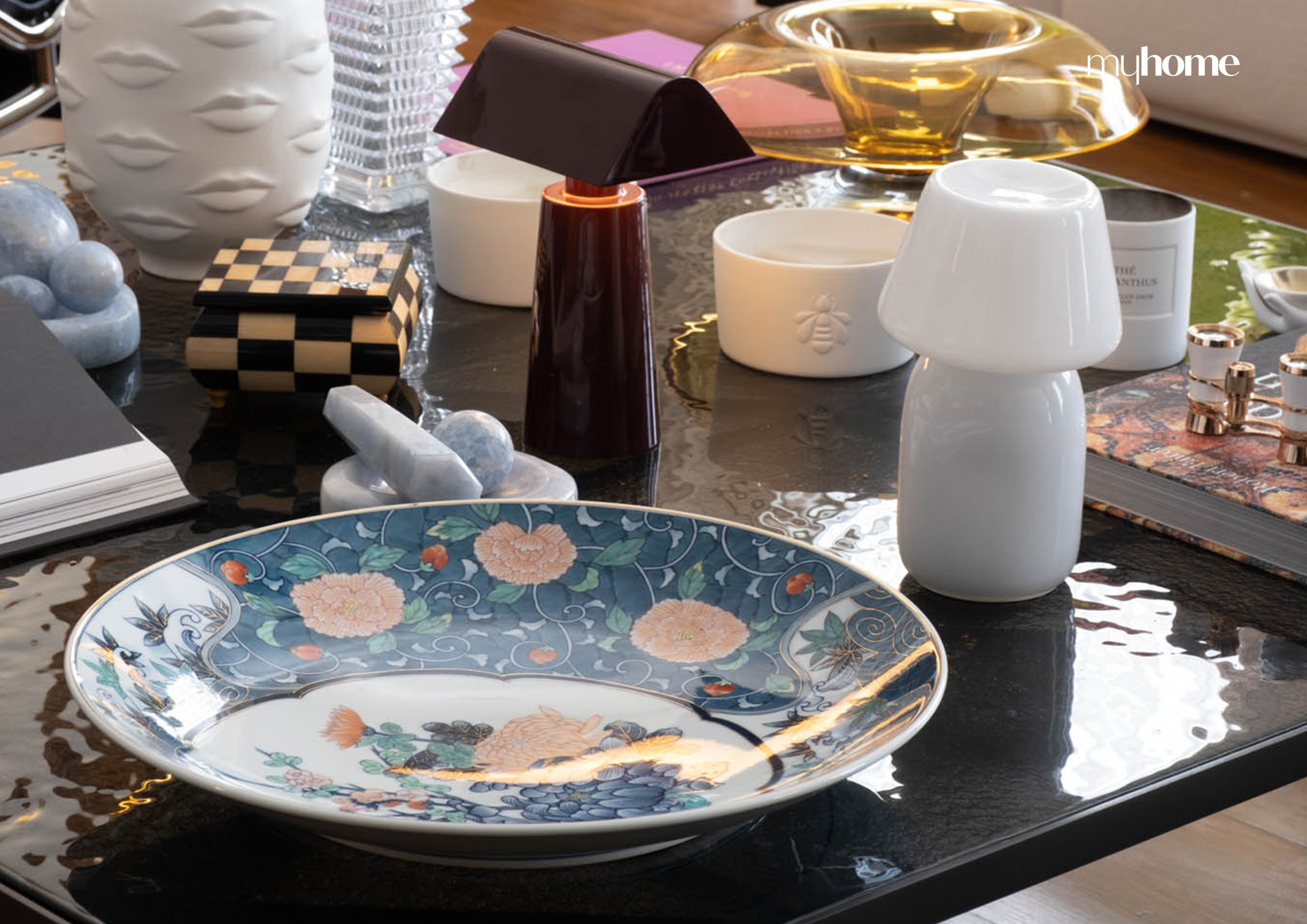
Anik-Anik at Home: Add Flavor to Your Spaces with Charming Little Knickknacks



Lately, anik-anik is everywhere—just look at all the cute charms people are adding to their bags. From tiny trinkets to quirky keepsakes, the trend is all about expressing personality through little touches. This anik-anik craze isn’t limited to accessories; it’s also making its way into homes.
Walk into a Filipino home, and you’re bound to spot some anik-anik. These cute little knickknacks that give a space character and warmth. In the Philippines, anik-anik is a catch-all term that refers to small, often quirky items. While they don’t necessarily serve a purpose, they bring a personal touch to any room. It’s a term that feels uniquely Filipino, capturing a love for the quirky and charming little things that make a home feel lived-in and loved.
What Exactly is Anik-Anik?
In Filipino, anik-anik comes from ano-ano which translates to “anything” or in this context, “odds and ends” or “little nothings.” But it’s far more endearing than that. These are the tiny treasures, the conversation starters, and the sentimental trinkets that may not seem essential but turn a house into a home. While some might see them as clutter, to many Filipinos, they’re memories, souvenirs, and expressions of personality. In the world of anik-anik, every item has its own story, no matter how small or kitschy it might seem.
Why Filipinos Love Anik-Anik
The Filipino love for anik-anik is more than just a fondness for pretty objects—it’s a cultural habit that speaks to the value of memories, heritage, and personal stories. Often, these small items are picked up from travels, gifted by friends, or passed down from family members. Each one holds a memory or a connection, making it not just decor, but a piece of a person’s life journey. This love for anik-anik reflects the warm, welcoming spirit of Filipino homes, where there’s always room for one more item (or five) that brings joy.
Fun Anik-Anik to Add Personality to Your Home
If you’re looking to add a little character to your own space, here are some popular anik-anik items that are both adorable and easy to integrate into any home:
1. Decorative Plates
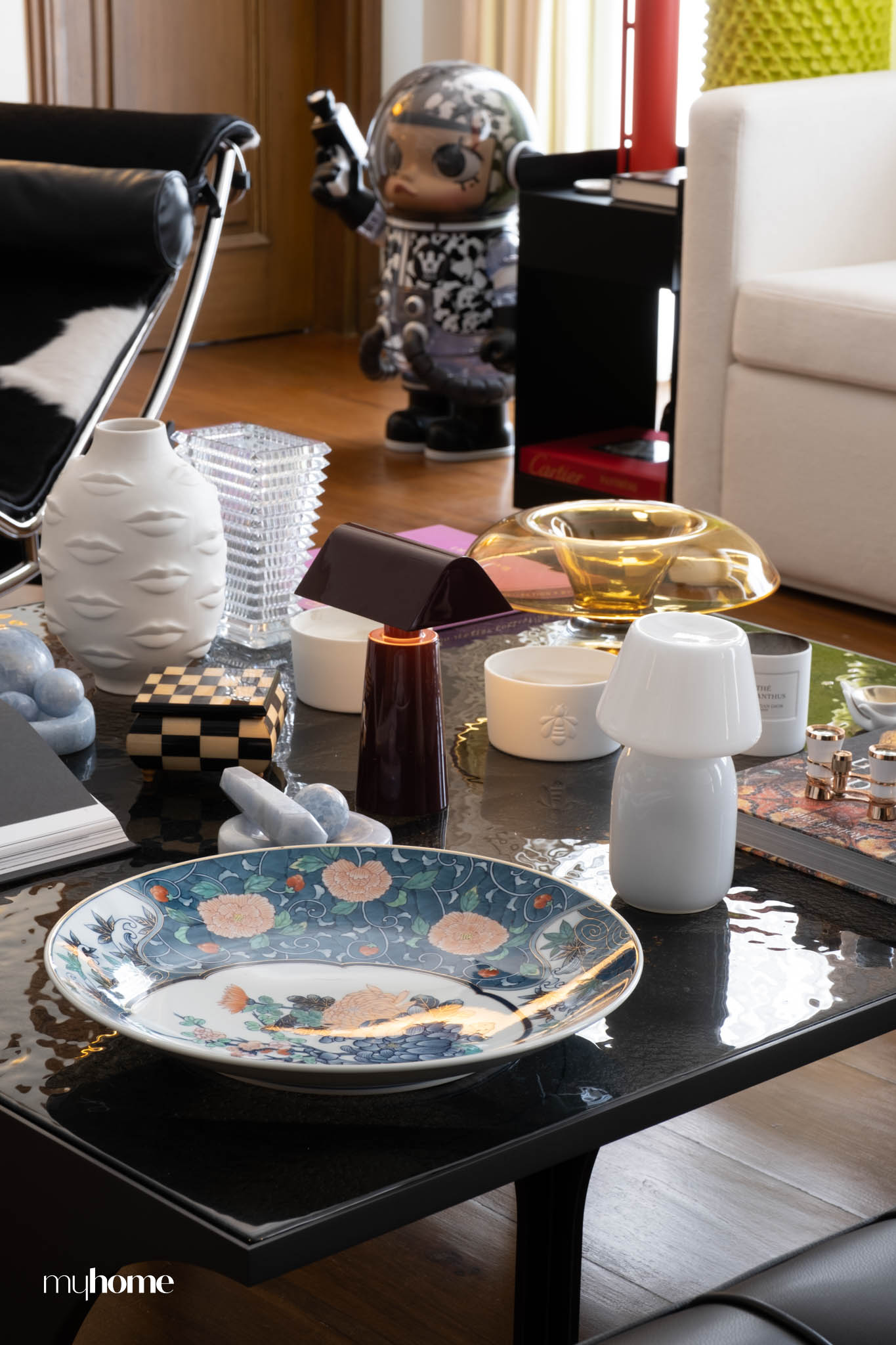
Displaying decorative plates has become a staple in Filipino homes. Whether they’re hand-painted with intricate designs or stamped with quirky phrases, these plates add a playful twist to your walls or cabinets. You might find plates featuring local flora and fauna, traditional patterns, or modern takes on classic designs. These plates bring an artistic element to dining rooms or kitchens, perfect for the artsy and the sentimental alike.
2. Vintage Finds
From old radios and vinyl records to antique telephones, vintage finds are a common form of anik-anik that add a nostalgic vibe. Filipinos often love the charm of old-school items, especially those that remind them of a simpler time or something their grandparents might have owned. Not only do these vintage treasures add style, but they also bring a sense of history into the home.
3. Quirky Items
The Filipino sense of humor is well-reflected in quirky anik-anik. Think tiny figurines, kitschy decor pieces, or silly signs with funny sayings. These items, while seemingly random, bring a lighthearted spirit into the space. You might see these on office desks or bookshelves, where they can prompt a smile or spark a bit of fun in the middle of a busy day.
4. Collectibles
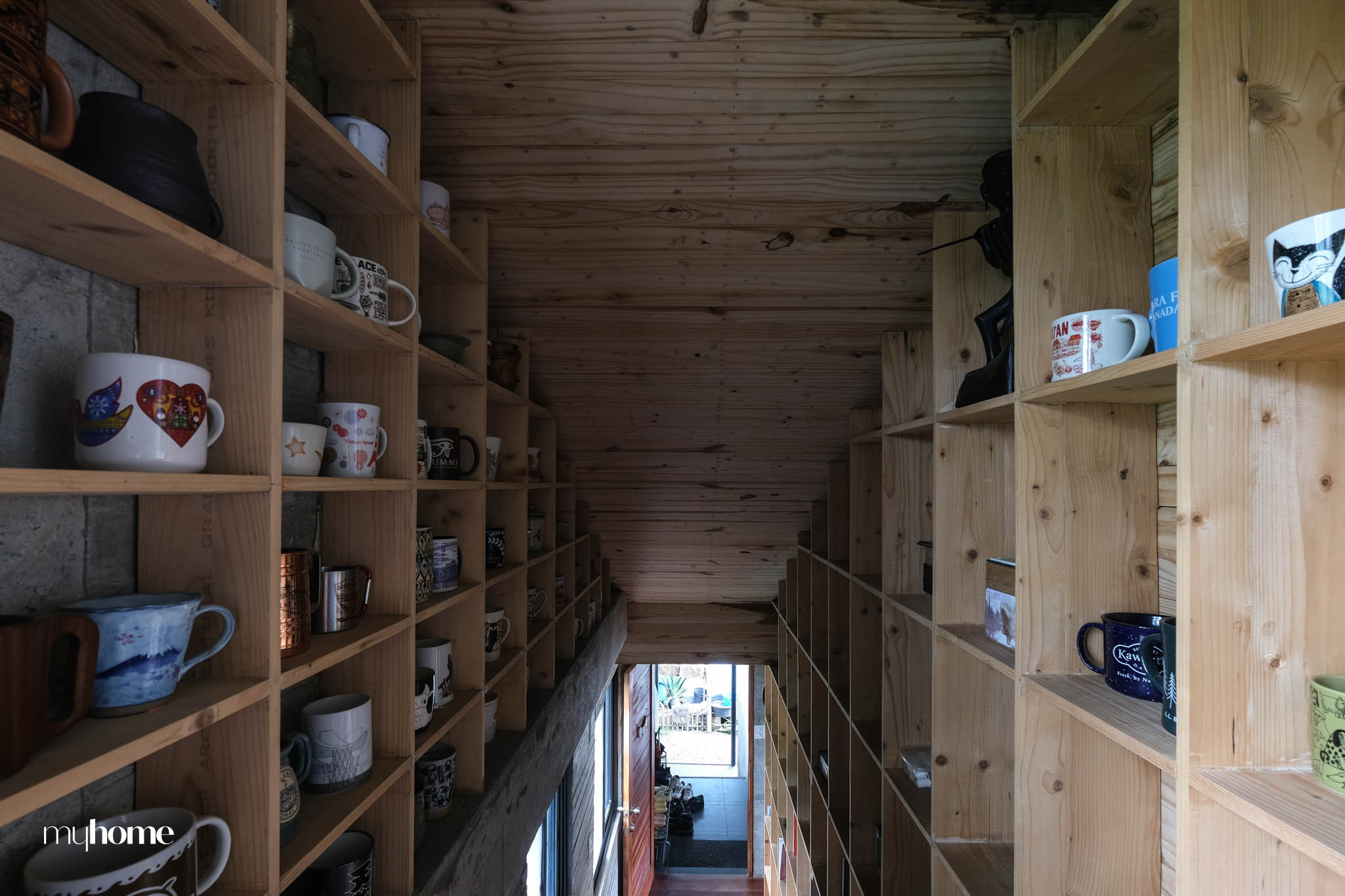
Whether it’s figurines, action figures, or a lineup of Funko Pops, collectibles are a huge part of Filipino anik-anik. Fans of pop culture love displaying their favorite characters, superheroes, or nostalgic toys on their shelves. These are perfect conversation starters, and they reveal a lot about the homeowner’s passions, be it Marvel superheroes or classic Star Wars icons.
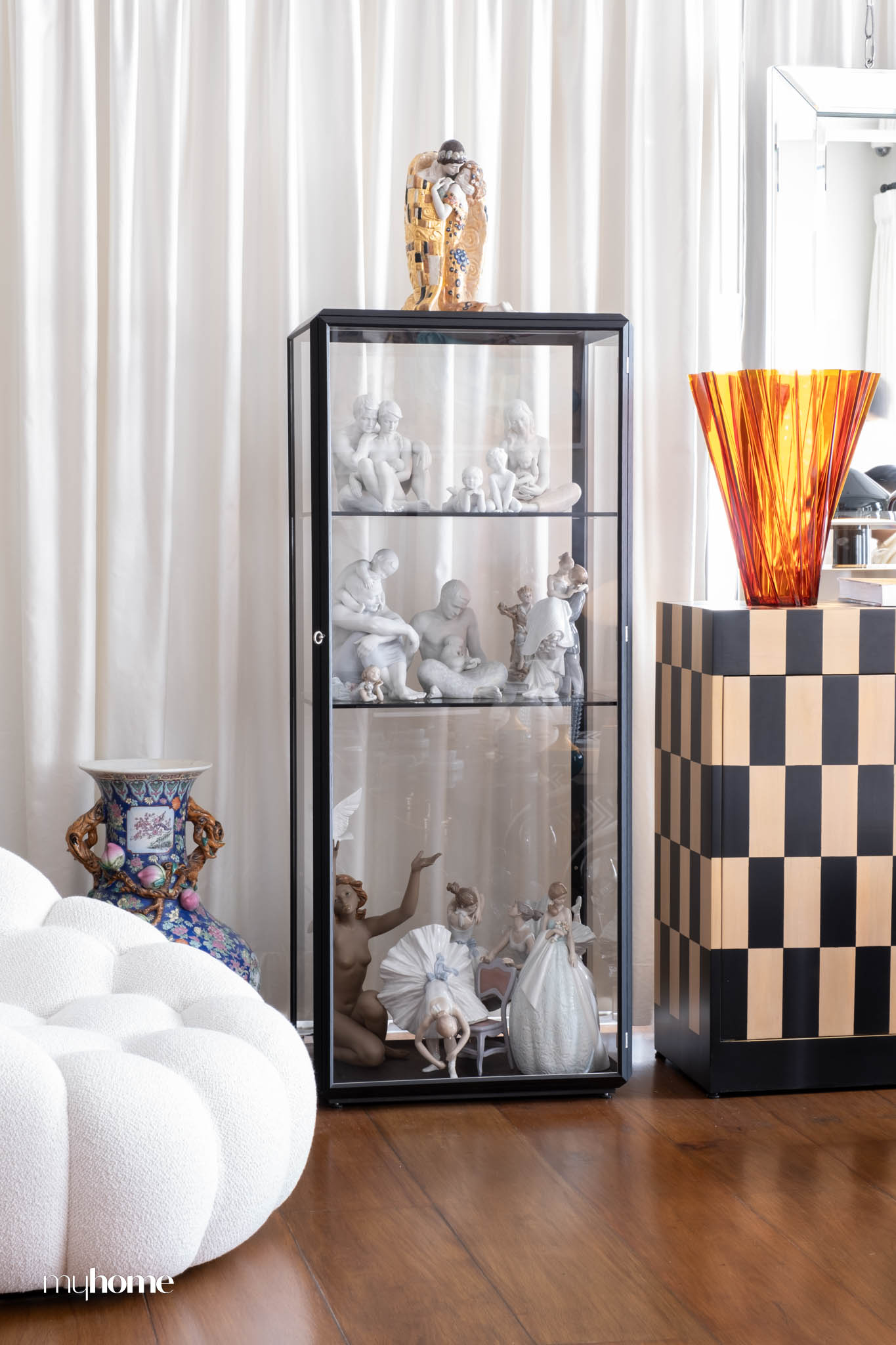
5. Travel Souvenirs
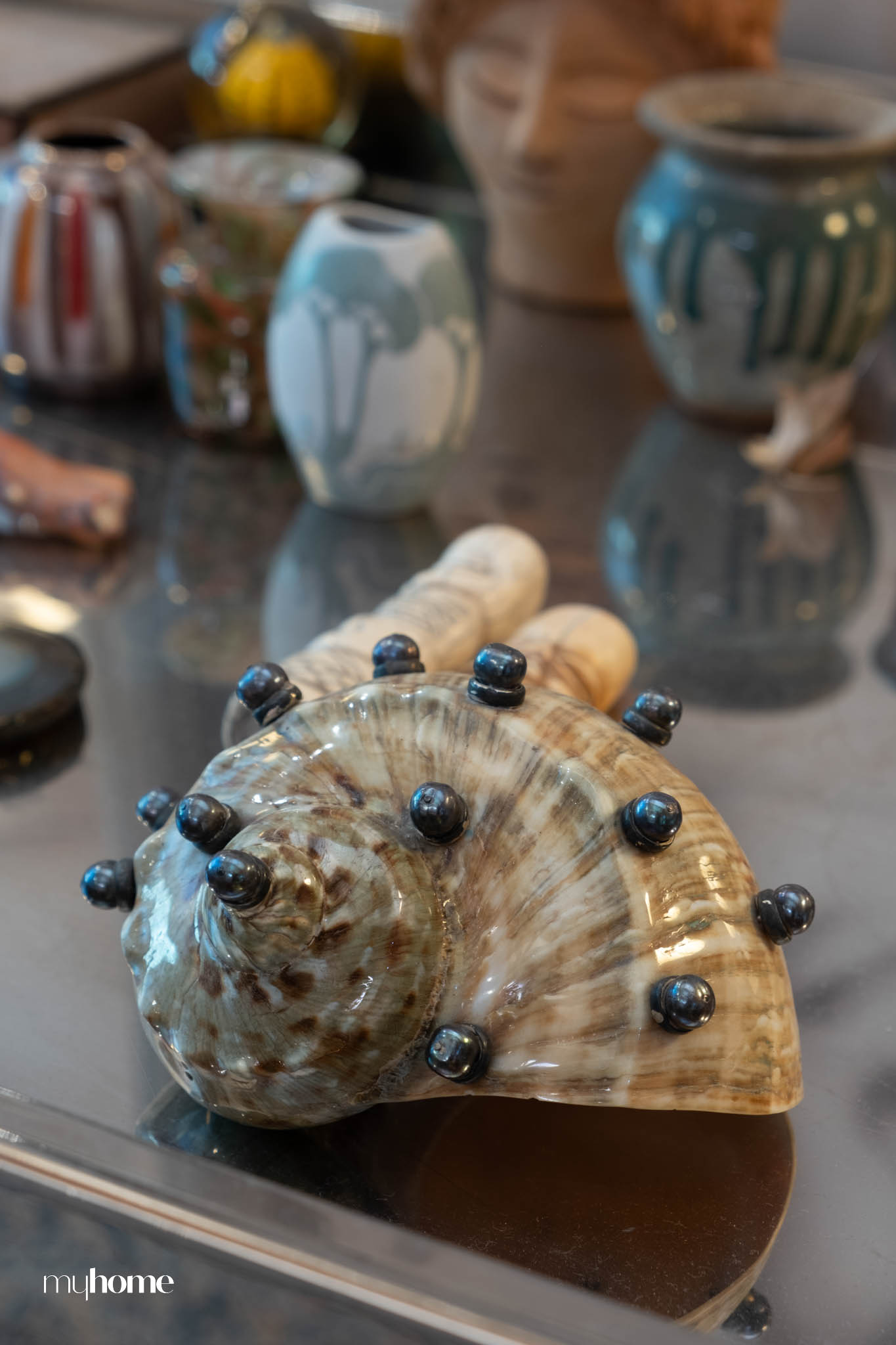
No Filipino vacation is complete without bringing home a few pasalubong souvenirs, and these often turn into anik-anik. From ref magnets to keychains, these mementos serve as reminders of adventures taken. A fridge full of magnets from different cities and countries becomes a map of cherished memories. Small figurines and handicrafts add an exotic flair to side tables and cabinets.
6. Framed Photos and Small Artworks
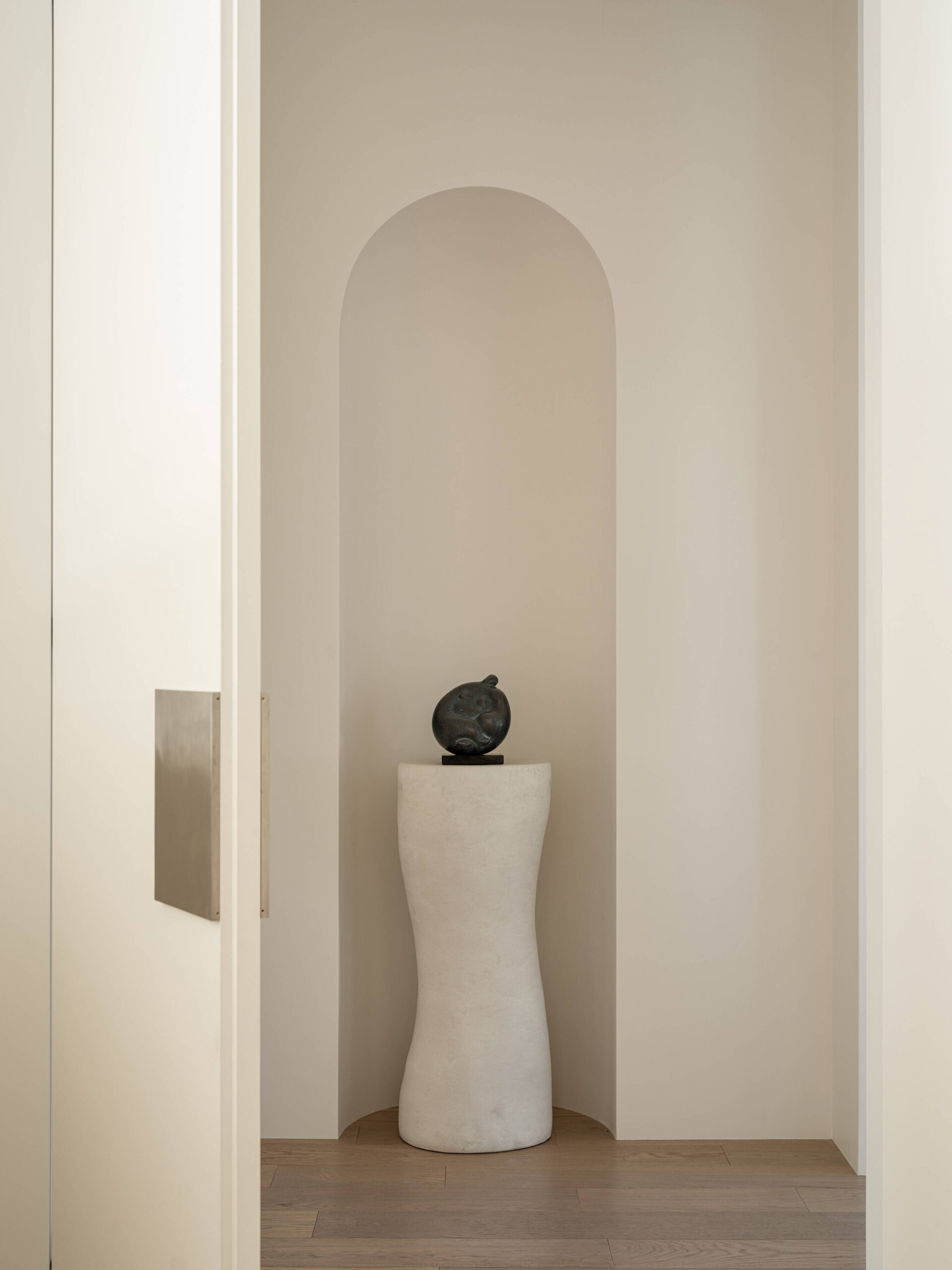
Filipinos are sentimental, and it’s common to see framed photos on every available surface, from tabletops to walls. These photos—family gatherings, graduations, or childhood snapshots—celebrate relationships and milestones. Small artworks, such as prints from local artists, also make for excellent anik-anik, adding personality and beauty to any nook or cranny.
7. Plants and Planters
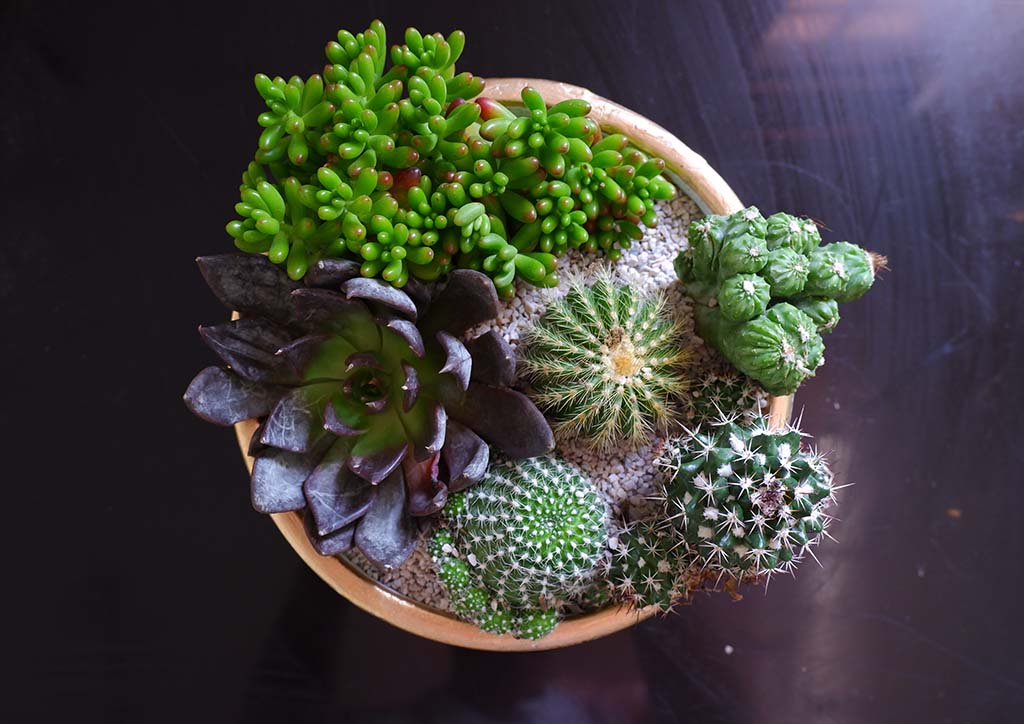
While plants are hardly “little nothings,” miniature succulents and cacti can be a type of anik-anik that add a burst of green without taking up much space. Tiny plants in unique, handcrafted planters give life to a room, with planters often as unique as the plants they hold.
Embracing the Anik-Anik Culture
The love for anik-anik is a reminder that a home isn’t just about functionality—it’s also about feeling. These small, often whimsical items are proof that beauty and meaning can be found in the simplest things. They tell stories, bring joy, and reflect the personalities of those who live there.
So, if you find yourself debating whether to bring home that quirky figurine or colorful decorative plate, go for it. A little anik-anik can add just the right touch of warmth and personality to make your space feel a bit more like home.
Read more: The Tiny Art Trend and Its Big Impact on Interiors
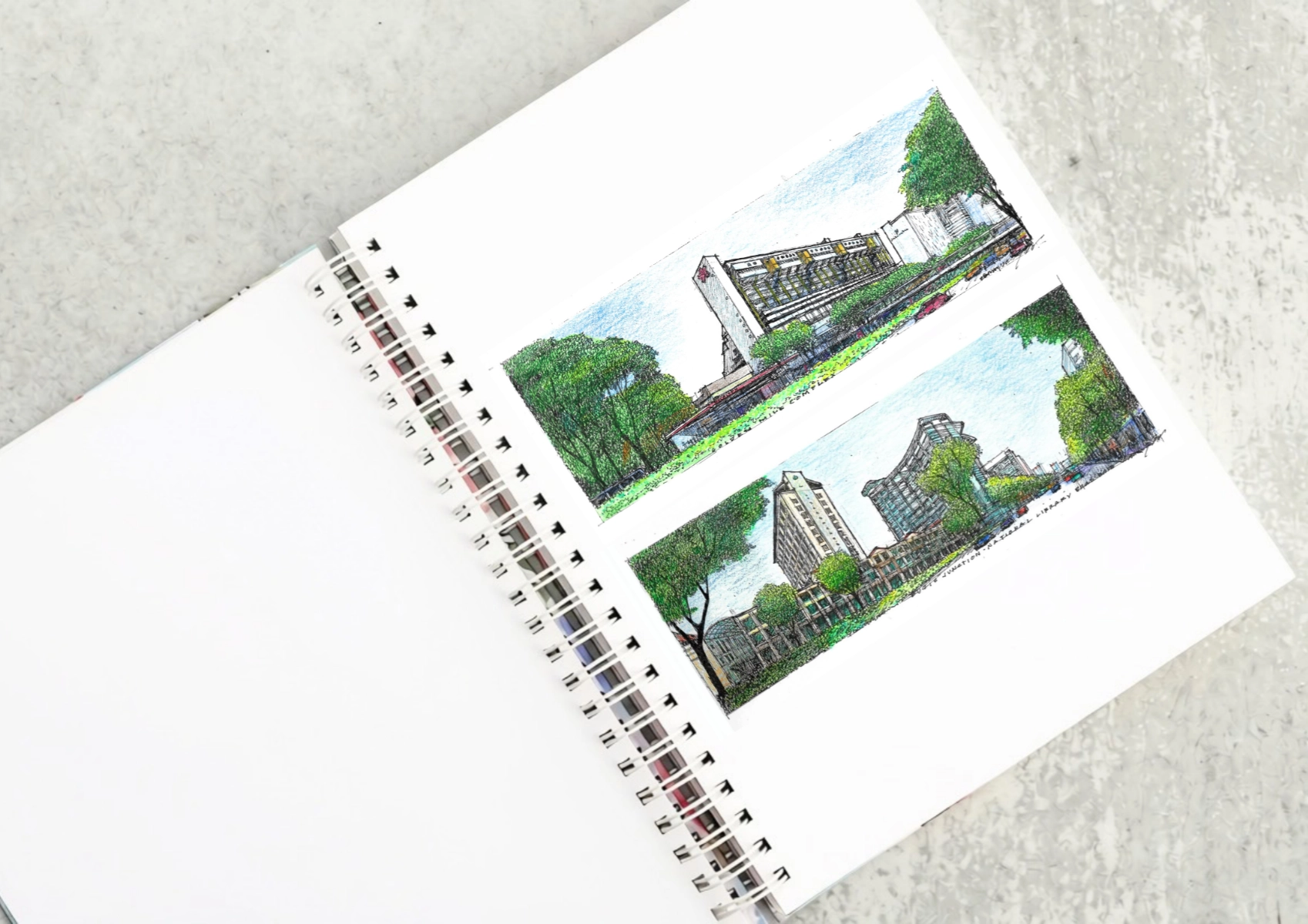
Two sketches of Singapore connect BluPrint Editor in Chief Paulo G. Alcazaren’s personal and professional history with Shared Ground: ArchitectureArchitectureThe art and science of designing and constructing buildings, structures, and spaces that are functional, safe, and aesthetically pleasing. It encompasses the planning, design, materials, and techniques used to createGo to Architecture Glossary of Care, Culture, […]
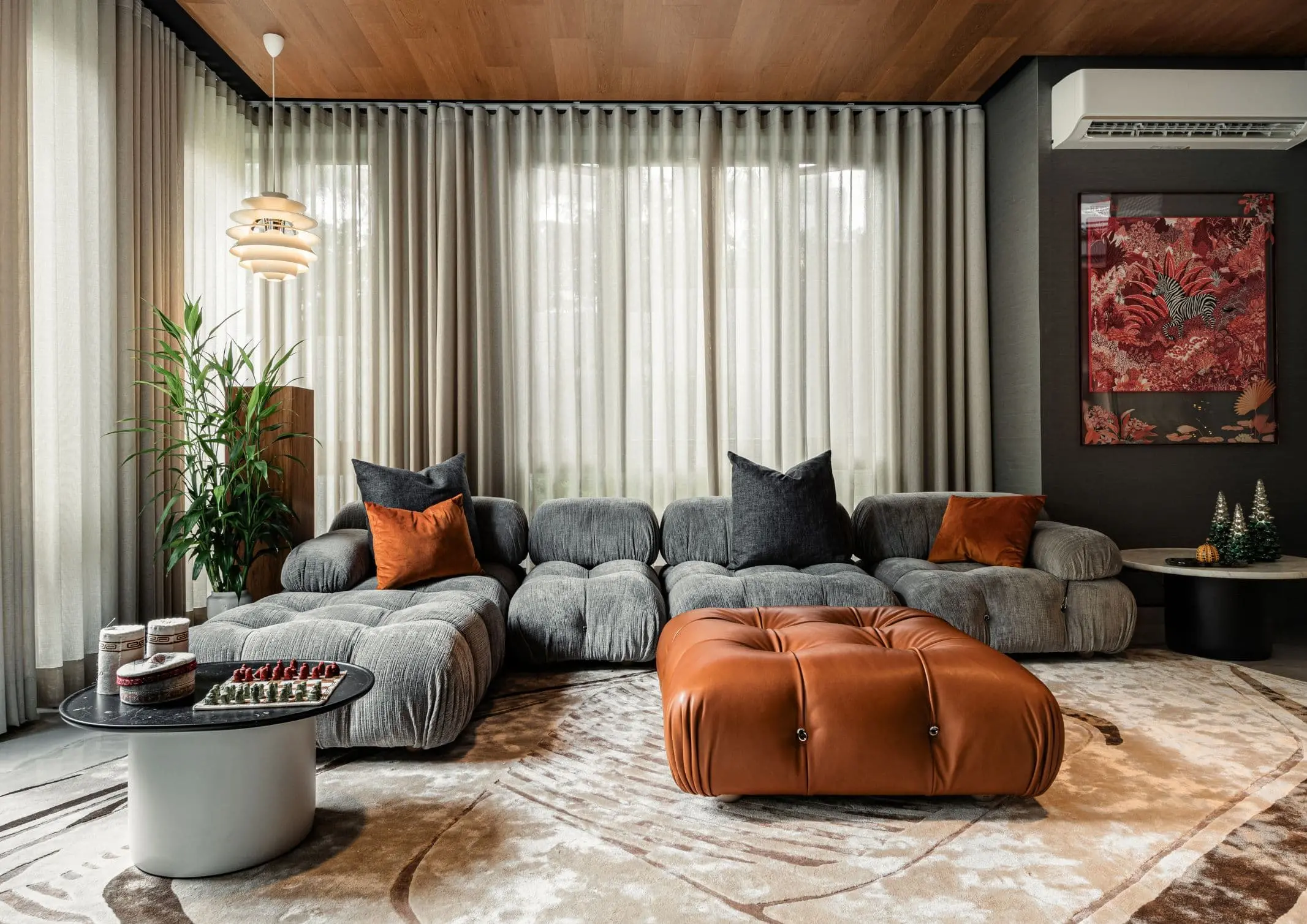
Some have become household names – Coleman, Oster, and KitchenAid – products that have found their way into Filipino kitchens, homes and family routines. In home furnishings, brands such as B&B Italia, Ethan Allen, Sub-Zero, Miele, SieMatic, Louis Poulsen, Hunter Douglas, Tempur, and Technogym, have helped shape the way Filipinos live. From everyday essentials to […]
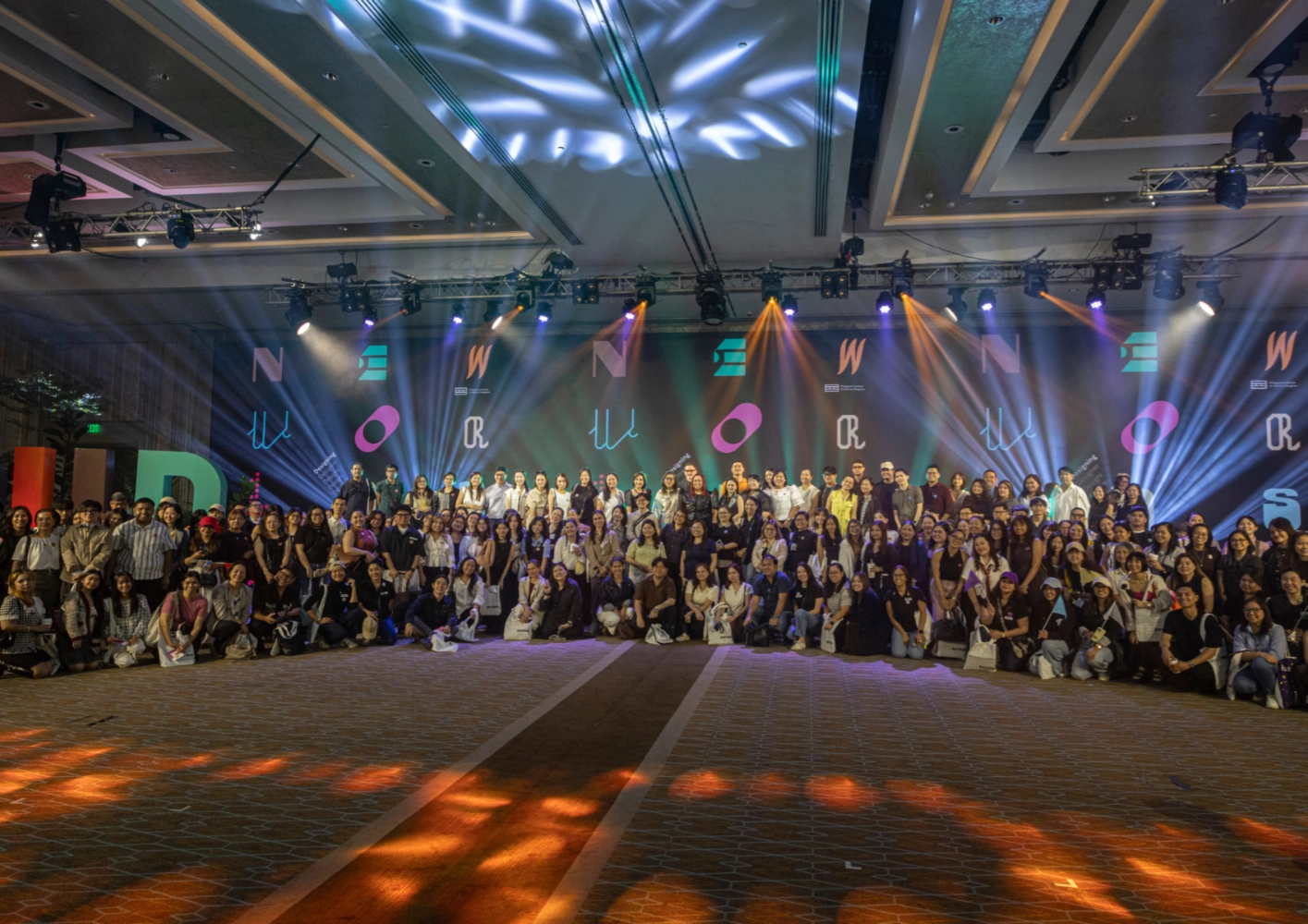
In a way, designers are the modern-day soothsayers and prophets. They design for the future, predicting how a room, a house, a building or a whole city will be used by people. They foresee how users will interact with a space, conjure exact shades of colors to elicit specific behavior and arrange furniture to build […]
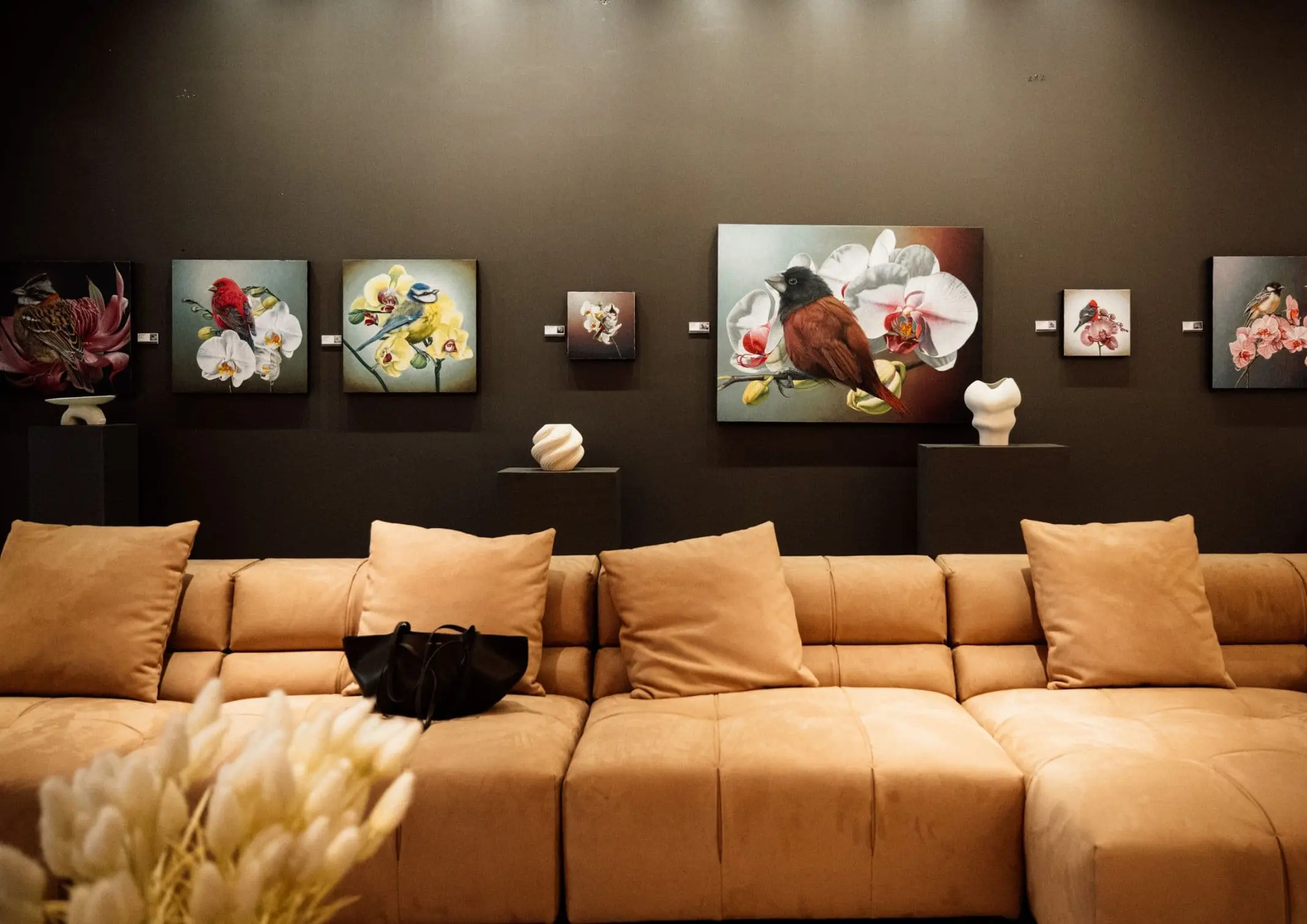
Art and furniture are often selected separately, yet their relationship can shape how a room looks and feels. The collaboration between Hooga and Galerie Joaquin explores how these elements can work together, bringing contemporary artworks into furnished residential settings at Hooga’s showroom in Uptown Mall, Bonifacio Global City. For Hooga, which curates furniture, lighting, and […]
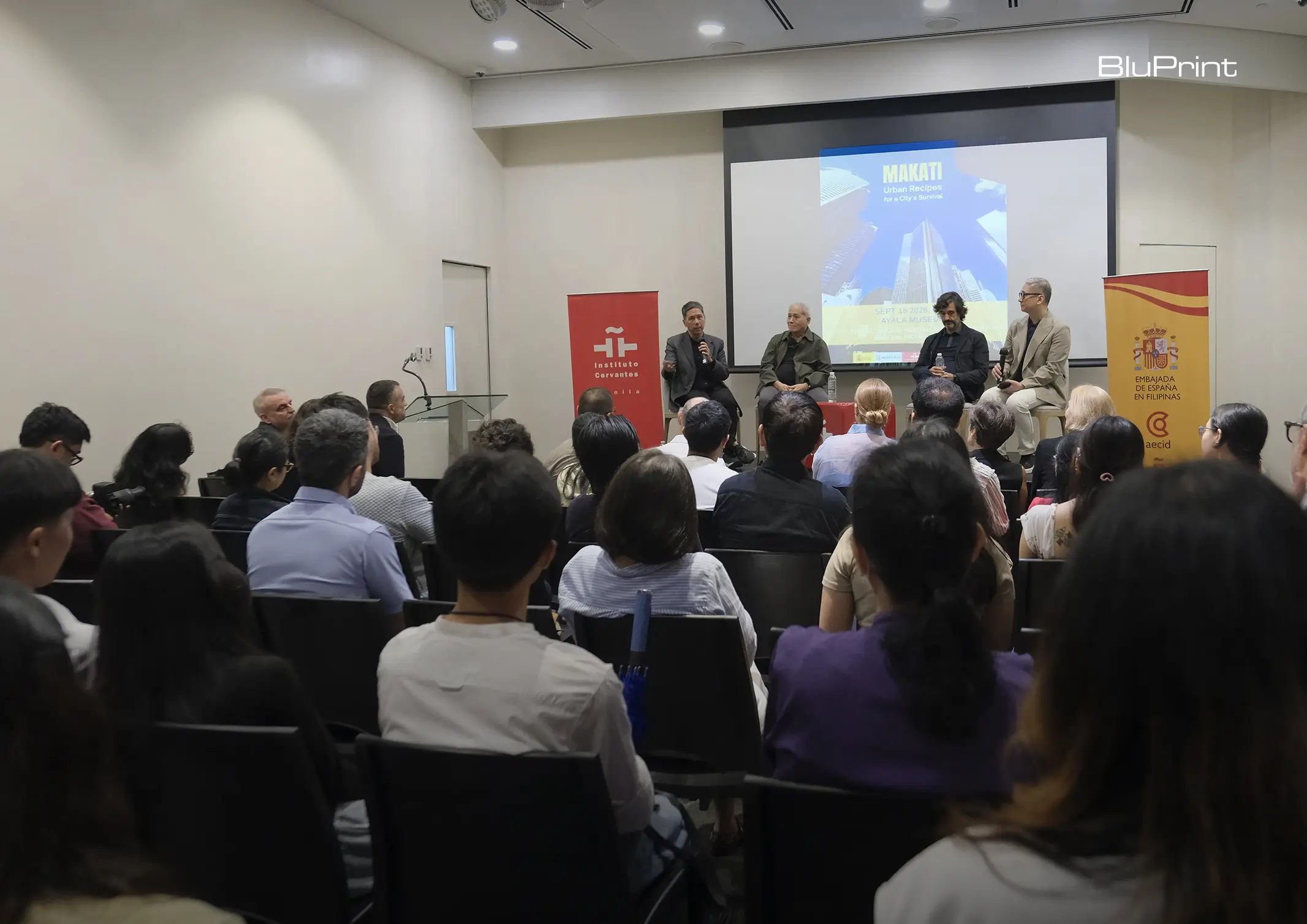
How can better-planned cities create the conditions for more creative, livable, and resilient urban environments? “Makati Urban Recipes for a City’s Survival,” a colloquium held at the Ayala Museum on September 15, brought together architects and practitioners from the fields of urbanism and the creative economy to discuss how design, planning, and collaboration can address […]
Read the issues.

Collect the volumes.

Recommended Video
Tap to Unmute
Unmute
0:00
0:00