In a curated event presented by Focus Global Inc. and co-hosted by BluPrint, Technogym unveiled its Sand Stone Collection to the Philippine market at Bigger Pictures in Mandaluyong City. The launch brought together over 100 guests, including architects, designers, and media representatives, for an introduction to the collection and its approach to fitness equipment. The […]

Dust-Free Open Shelves: Easy Cleaning Hacks for the Perfect Display


Every homeowner knows how quickly open shelves accumulate dust and dirt. And with all your ornaments and trinkets displayed, dusting these tricky gaps can turn into a precarious game of Jenga. If only there’s a way to clean them without knocking every knick knack over or having to move and reshuffle them all the time. Fret no more! Here’s a guide on how to remove dust on open shelves safely and efficiently.
Gather the Right Tools

If you’re thinking of simple dusters and cloths, think again. Not all of them do the same job in getting rid of dust from your open shelves.
Contrary to popular belief, feather dusters aren’t as effective as you think they are. Despite being lightweight and aesthetically pleasing, they actually just relocate the dust without actually eliminating it, making them practically useless.
Instead, use a lambswool duster to gently and successfully remove fine particles. Made from natural wool fibers, these dusters can easily pick up and trap dust rather than just spreading it around. Moreover, they’re great for dusting delicate items and those hard-to-reach areas. In this way, you can save time by not having to move things around.
Accumulated dust can quickly become a pile of grime, and even as powerful a duster as a lambswool can’t clean it. If you’ve noticed the corners and ornament crevices beginning to get darker and starting to fade in color, that’s the sign for a deep clean. If that is the case, then you need a microfiber cloth.
Microfiber cloths are great for removing dust, dirt, and fingerprints effectively, even when used dry. They’re also lint-free, preventing them from leaving any residue behind. Since they’re made of polyamide, they won’t scratch surfaces even with a hard wipe. Additionally, the polyester material makes them durable after many uses.
To reach high shelves and tight spaces, extendable dusters are your best choice. On the other hand, compressed air dusters set in short bursts are for safely dusting electronics and fragile items.
Apply Effective Dusting Techniques

The first step in dusting open shelves is to start from the top down. Tackle the items placed at the back first to ensure that dust and dirt fall in one direction and don’t settle back in cleaned areas.
For lambswool dusters, apply a gentle swirling motion rather than random oscillatory movements. This is particularly applicable to delicate items, ornate shelves, tight corners, and crevices.
As the swirling motion bends the wool’s fibers, the duster is able to conform to the contours of the object. On top of that, this dusting technique helps the lambswool’s innate mild static charge to attract dust particles. This also minimizes the possibility of knocking over or damaging items, specifically those placed closer to the edge.
Dry microfiber cloth traps more dust with long, straight wipes across the surface. You can divide the surface into manageable sections for better control and complete coverage. And as you dust, frequently flip the cloth to a clean side to prevent redistributing the dust you’ve picked up.
For tougher dust or grime, dampen (don’t soak) your microfiber with a little water. Wring out any excess before using. Unlike with dry microfiber, using damp cloth requires gentle circular motions to loosen and remove dust particles. Afterwards, you should follow with a dry microfiber cloth to remove any residue for a polished finish.
When cleaning microfiber, never use fabric softener as it reduces the cloth’s ability to trap dust. Furthermore, allow them to air dry or use a low heat setting in the dryer to prevent damaging the fibers.
Special Dusting for Special Items

Remember, some objects require special dusting treatment. These are items that are sensitive to moisture, particularly electronics, books, photos, and artworks.
For electronic items, use a compressed air duster. Set it in a short burst from a safe distance to avoid dislodging parts or blowing dust deeper. Always hold the can upright to avoid propellant liquid damaging delicate components.
But if they have exposed circuits, clean them with a small, soft-bristled artist brush or cotton swabs.
As for books, using a damp microfiber cloth is fine only if they’re hardbound or clothbound. But for paperbacks, a duster brush is your friend. You can alternately use micro vacuum cleaners for a deeper clean.
Similarly, framed photographs and artworks should be cleaned with caution. Use a slightly damp microfiber cloth if they have light smudges or visible fingerprints. Focus on the glass or frame and don’t let the damp cloth touch the actual photo or artwork. Wipe with light and even strokes to avoid leaving streaks or watermarks, ink bleeding, or warping the frame.
Dusting open shelves doesn’t always have to be a tricky and heavy task. With the right tools and techniques, you can achieve a sparkling clean surface without the time-consuming task of removing everything. Plus, you can further embrace the convenience of open storage and enjoy the visual appeal of your displayed items.
Read more: 5 Sneaky Ways Bugs Get in Your Home


The principles behind a well-designed home are not unlike those behind a tailored garment. Both begin with an understanding of the individual, balancing proportion, material, and function to create something suited to its user. This shared approach informed “The Art of Bespoke,” an event hosted by Boffi | DePadova and Focus Global Inc., in collaboration […]
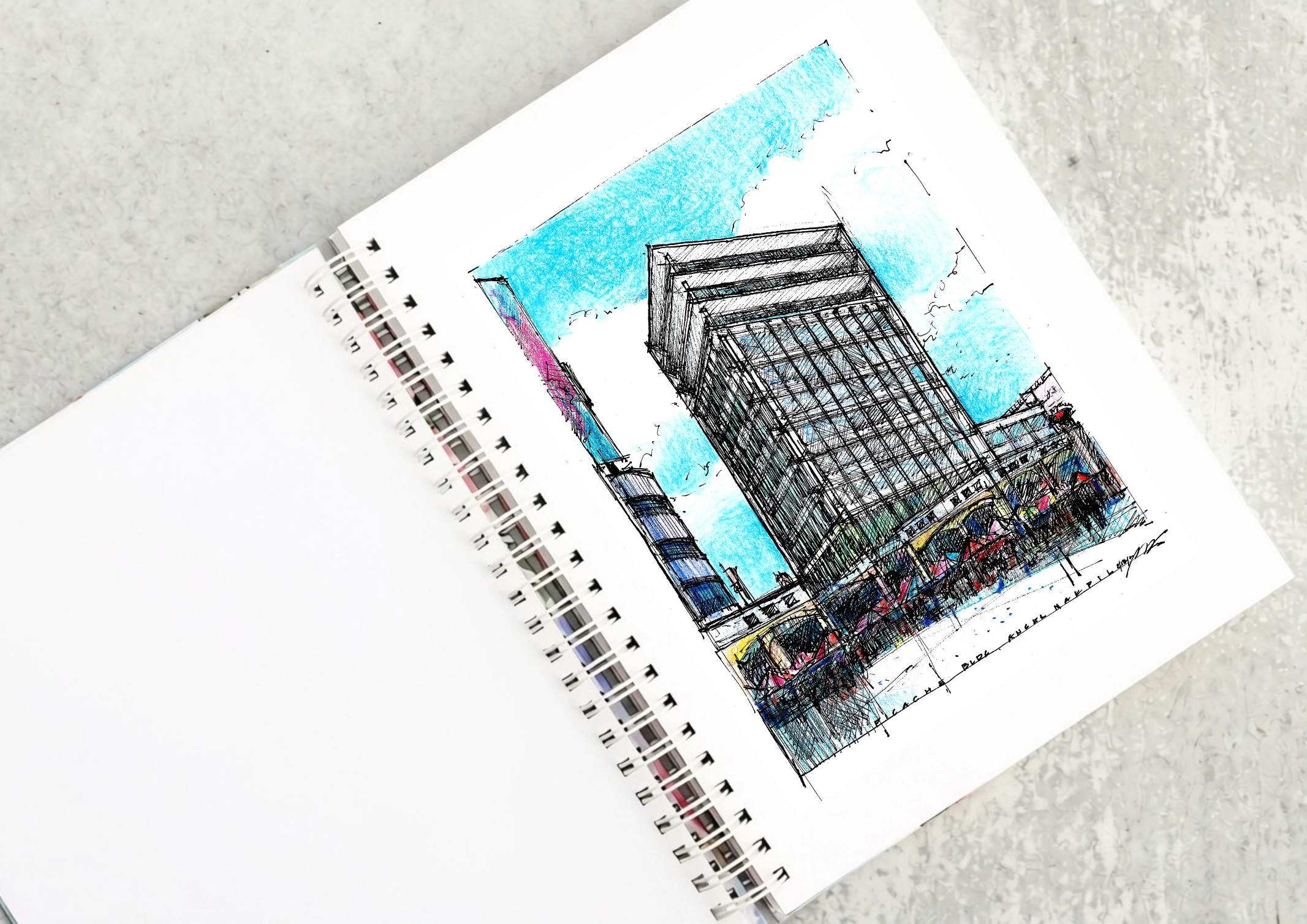
The Picache Building and the Rise of Manila’s First Skyscrapers Until Makati emerged as Metro Manila’s premier business, shopping, and entertainment district in the 1970s, downtown meant Quiapo in central Manila. From the Spanish colonial period to the late 1950s, the district was anchored by its historic Plaza Miranda and its eponymous church. It was […]

Architect Brian Ver was all set with the design for restaurateurs Dwight Co and Charlie Paw’s latest concept, National Bakeshop, when the contractor halted demolition. Brixter Builders, the general contractor of the project, discovered the original coffered ceilings after demolishing the drop ceiling of the previous tenant. The restaurant is located on the ground floor […]

Back for its third edition, the Philippine ArchitectureArchitectureThe art and science of designing and constructing buildings, structures, and spaces that are functional, safe, and aesthetically pleasing. It encompasses the planning, design, materials, and techniques used to createGo to Architecture Glossary and Allied Arts Festival (PAAAF) brought conversations around architecture and its related creative fields to […]

The future of design is not necessarily built by looking forward alone. Sometimes, it begins by looking back at the objects, traditions, and creative practices that have shaped generations. For Negros Design Week 2026, this relationship between the past and the future informed its theme, “50/50: A Hundred Years of Design.” The third edition of […]
Read the issues.

Collect the volumes.

Recommended Video
Tap to Unmute
Unmute
0:00
0:00