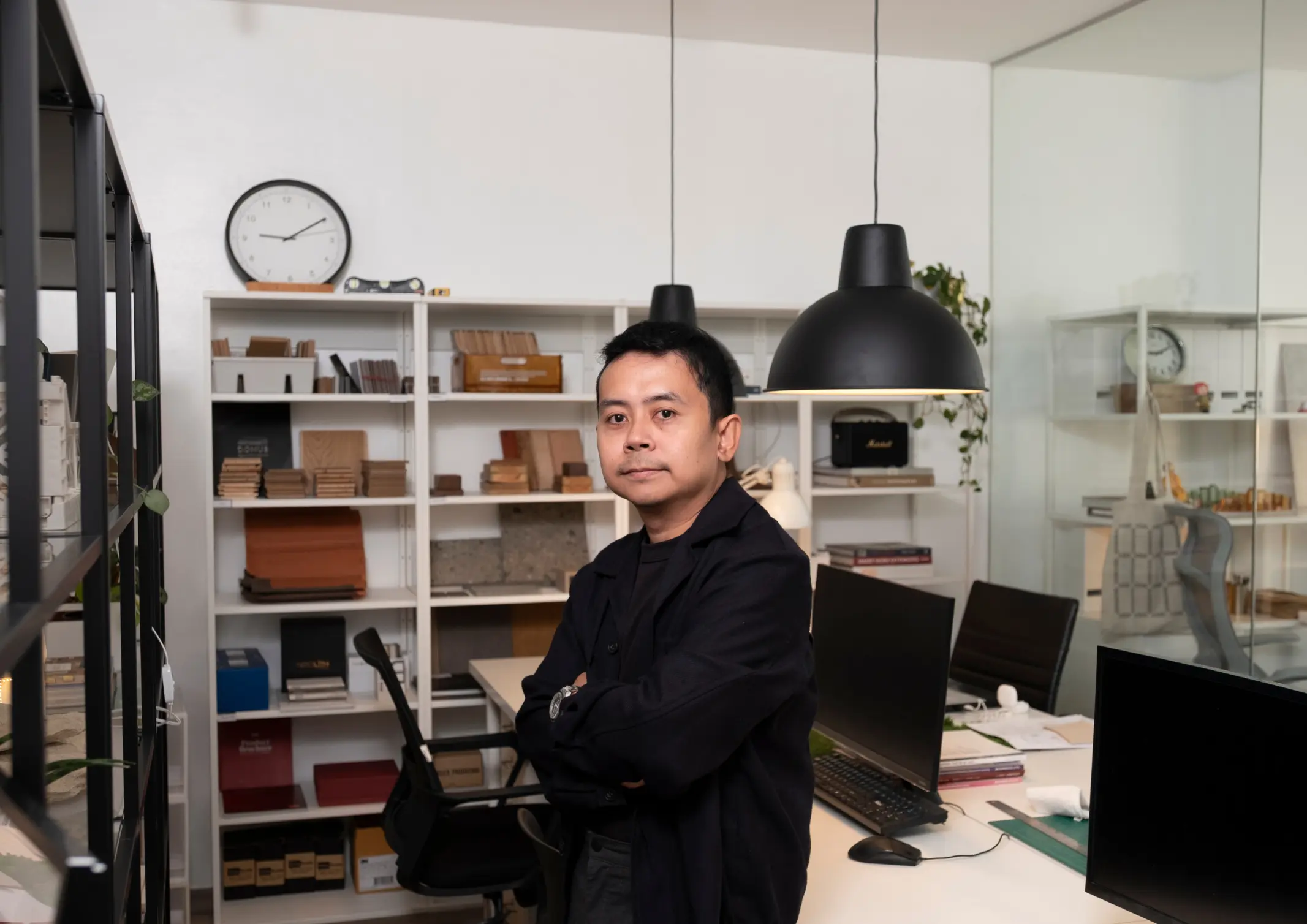
Breaking through in their respective careers is a daunting task for any young professional. For Architect Pierre Briones, architecture has always been an intentional pursuit. Having spent much of his childhood around construction sites, Briones’s environment shaped his interest in architecture, including his fascination with how structures and buildings are built. “Choosing architecture was never […]
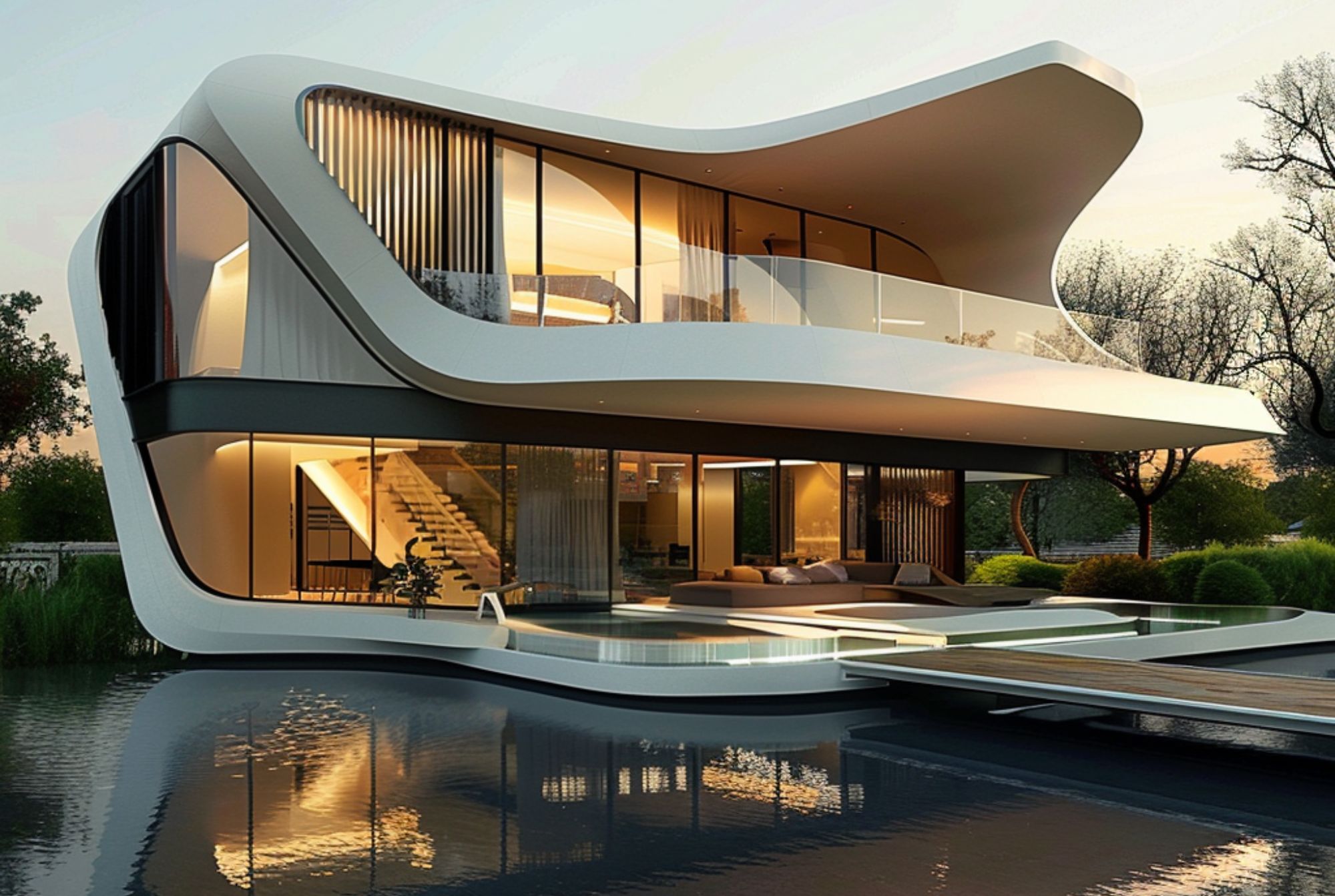
The Ultimate Guide to Future Proofing Your Home



Future proofing focuses on improving your home in order to prepare it for the challenges and opportunities of the future. Along with this, this concept also maximizes your comfort and enjoyment today with smart design choices and innovative technologies.
This may come in different styles and priorities depending on the users’ interest and needs. But its key principles remain consistent, and you can use them as a future proofing guide to design your home for tomorrow.
Embrace Sustainability
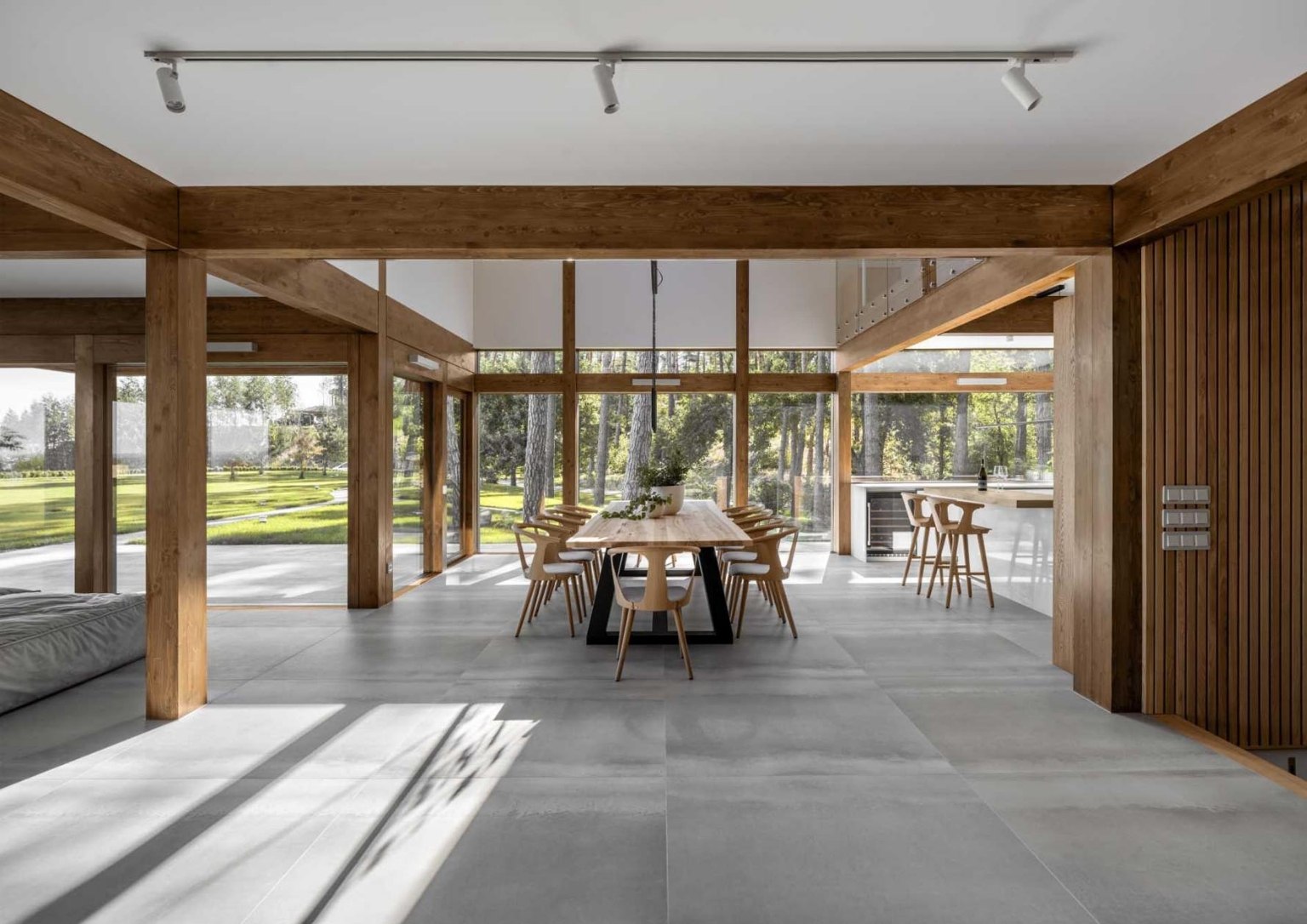
You can start future proofing your home by choosing eco-friendly materials. For wood, gmelina, bamboo, rubberwood, and albizia are some of the fast-growing tree species in the country. But if you want to use other types of wood, look for the Forest Stewardship Council certification or label to ensure they’re responsibly sourced from managed forests.
Advertisement
Natural and durable stones like granite, marble, and limestone reduce the need for regular replacements. You can also substitute rare and virgin metals with the recycled ones such as steel, aluminum, and copper. And since the Philippines have these resources in abundance, utilizing them also contributes to creating lesser waste.
You can also consider sourcing materials from local manufacturers to minimize transport emissions and support a community of homegrown producers. And if you want to add reclaimed touches, opt for salvaged wood, vintage furniture, or recycled bricks.
Aside from materials, sustainability can also be attained through efficient energy usage. Harness the power of the sun by installing larger windows to maximize natural lighting. But if you don’t want to do major renovations, simply open your windows during the day and use voile, linen, sheer, and lace curtains or roller shades.
Advertisement
As for appliances, look for the Energy Star label when purchasing new ones. These models are significantly more energy-efficient, saving you money on your utility bills and reducing your environmental footprint.
Programmable or smart thermostats allow you to regulate your home’s temperature more efficiently, preventing unnecessary heating or cooling when you’re not there. And since the Philippines has a well-positioned geographic location to harness solar energy, explore options like solar panels for cheaper electricity generation.
Design for Flexibility
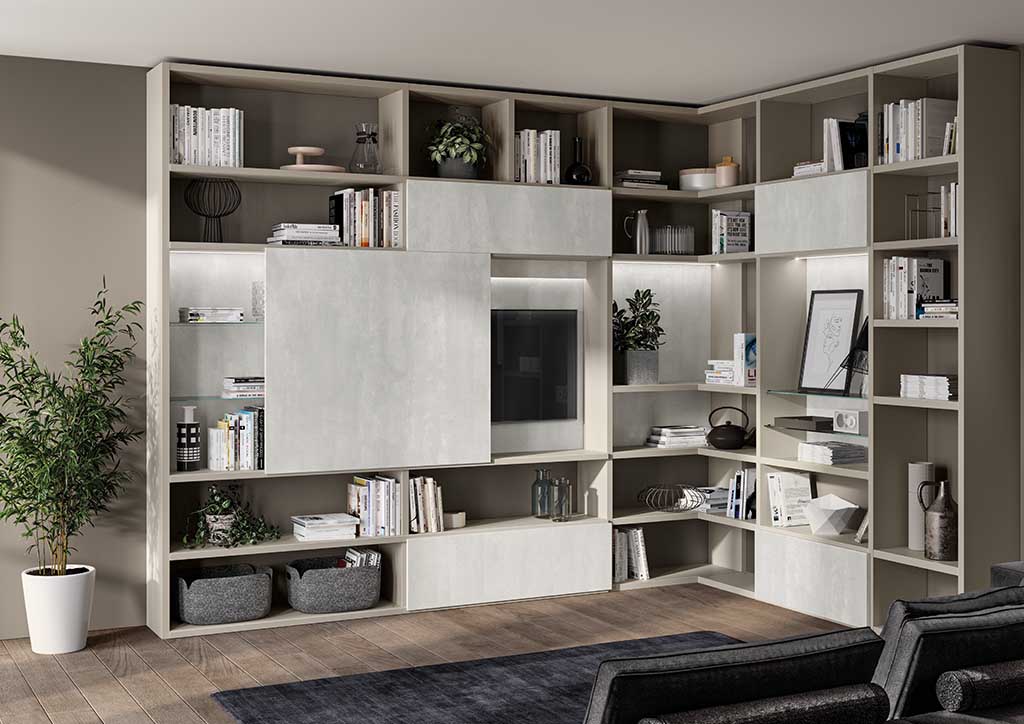
Future proofing aims for adaptability. And to achieve this, this future proofing guide encourages you need to think beyond the common and original functions of furniture and spaces.
Advertisement
Ottomans with built-in storage can serve as extra seating, footrests, or even coffee tables when needed. You can also look for nesting tables that tuck away neatly when not in use, or modular shelving units that can be rearranged to create different configurations.
For areas, a dining room can double as a workspace with a cleverly designed expandable table that folds up when not in use. A guest room can become a workout space with a Murphy bed that disappears into the wall when not needed.
Since we’re talking about future proofing, you should also think about your future needs. Plan your home’s design for different life stages. For instance, a young couple’s home might prioritize open space for entertaining. But with future plans for children, consider incorporating flexible dividers or movable walls to create separate areas.
Advertisement
A home office that can be easily converted into a nursery ensures your space can adapt as your family grows. Universal design principles, like wider doorways and accessible bathrooms with grab bars, can make your home comfortable for everyone, regardless of age or physical ability.
Furthermore, invest in furniture that can be easily adjusted or reconfigured. Height-adjustable desks can accommodate different users, while modular sofas allow for various seating arrangements.
Weave Nature Indoors
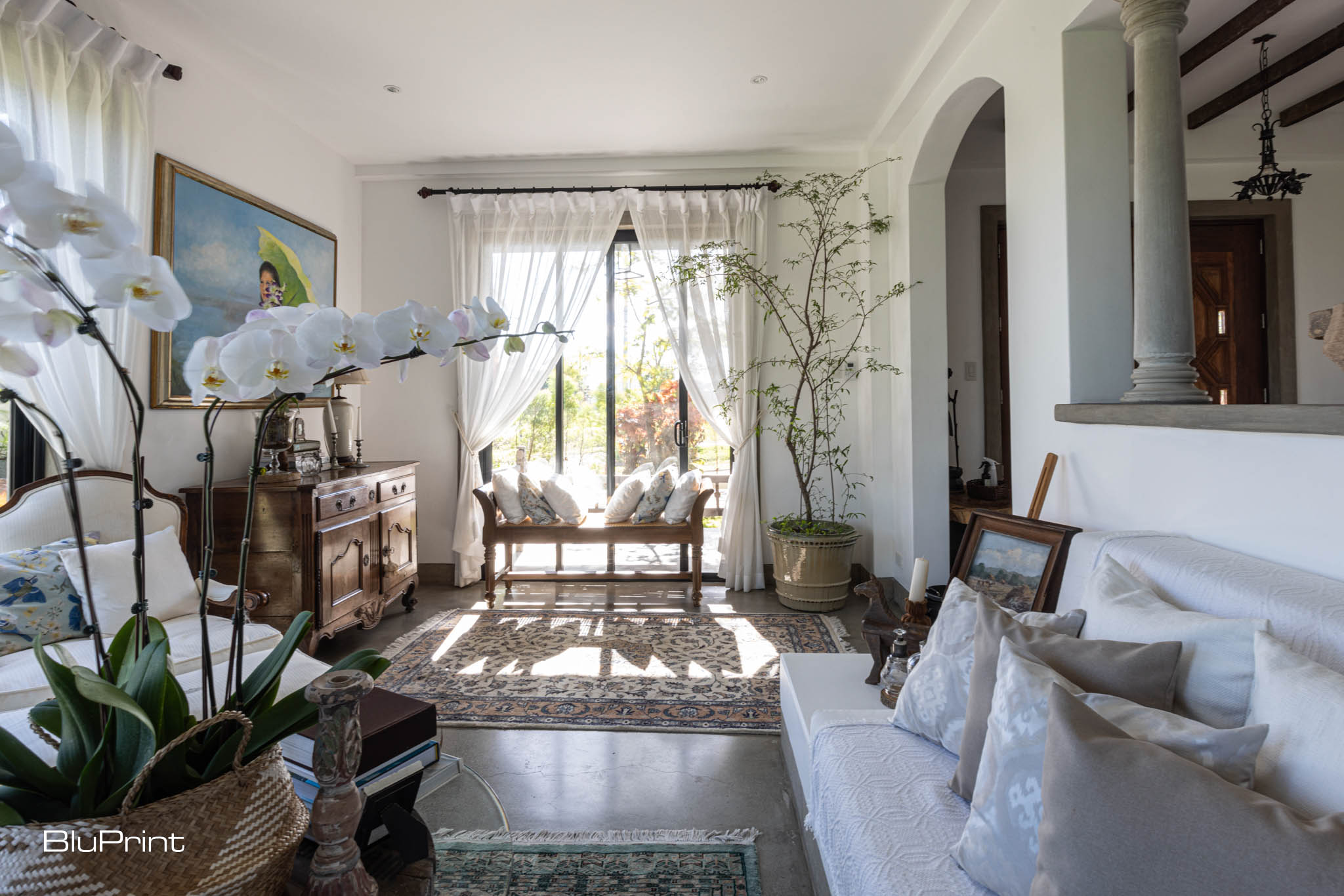
Biophilia, the innate human connection with nature, is a powerful concept in future proofing your home. Studies have shown that houseplants can purify the air, reduce stress, and boost mood. Choose a variety of plants suitable for the light conditions in your space. Consider low-maintenance options like snake plants or spider plants for beginners.
But biophilic design doesn’t only feature plants. You can also bring the outdoors in with natural materials like wood, stone, and woven elements. Wood furniture, exposed brick walls, or a woven sisal rug can add warmth, texture, and a connection to nature.
The sound of trickling water can be incredibly soothing. Consider a tabletop fountain, a small indoor pond, or even a wall-mounted water feature to create a sense of tranquility in your space.
Moreso, adopt biomimicry for inspiration. Taking cues from nature’s design principles like curved lines, organic shapes, and natural color palettes can create a calming and harmonious atmosphere. You can additionally surround yourself with artwork like botanical prints, natural scenes, or calming landscapes.
Essentialism with Personality
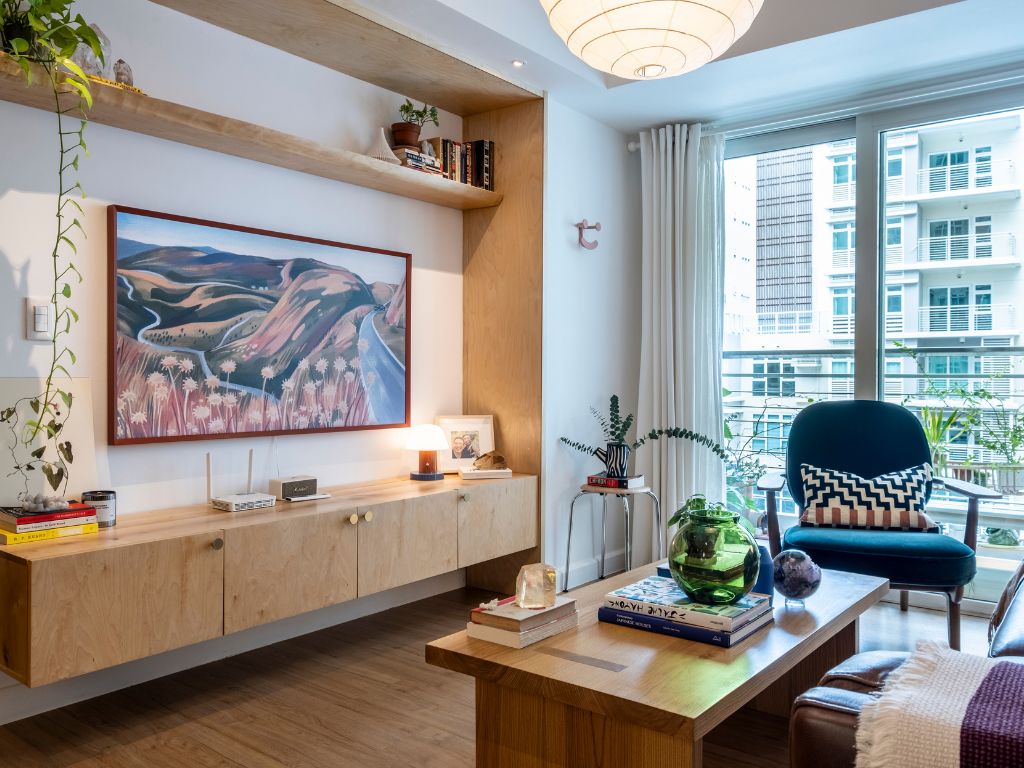
Essentialism is another core principle of this future proofing guide, but it shouldn’t translate to a sterile or impersonal space. Begin by decluttering your nonfunctioning belongings to create a clean and spacious foundation. Embrace hidden storage by utilizing built-in solutions and cabinets with doors to maintain order.
Then, reclutter by including statement pieces that reflect your style and taste. This could be anything from a bold painting, a unique sculpture, or a vintage furniture find. Use pops of color through throw pillows, accent rugs, or artwork to add visual interest.
As for lighting, don’t settle for just one type or overly relying on big lights. Adopt lampscaping by layering ambient, task, and accent lighting allows you to create different moods and cater to various activities.
And to further embody the cleanliness and orderliness of minimalism, opt for durable, low-maintenance materials. For floors, choose engineered hardwood, tile, vinyl planks, or polished concrete. Quartz, granite, or solid surfaces work great for countertops. Choose washable paint for areas prone to spills and dirt like the bathroom and kitchen. And opt for stain-resistant fabrics like organic cotton, linen, bamboo linen blends, wool, and recycled polyester.
Future Proofing with Smart Technology
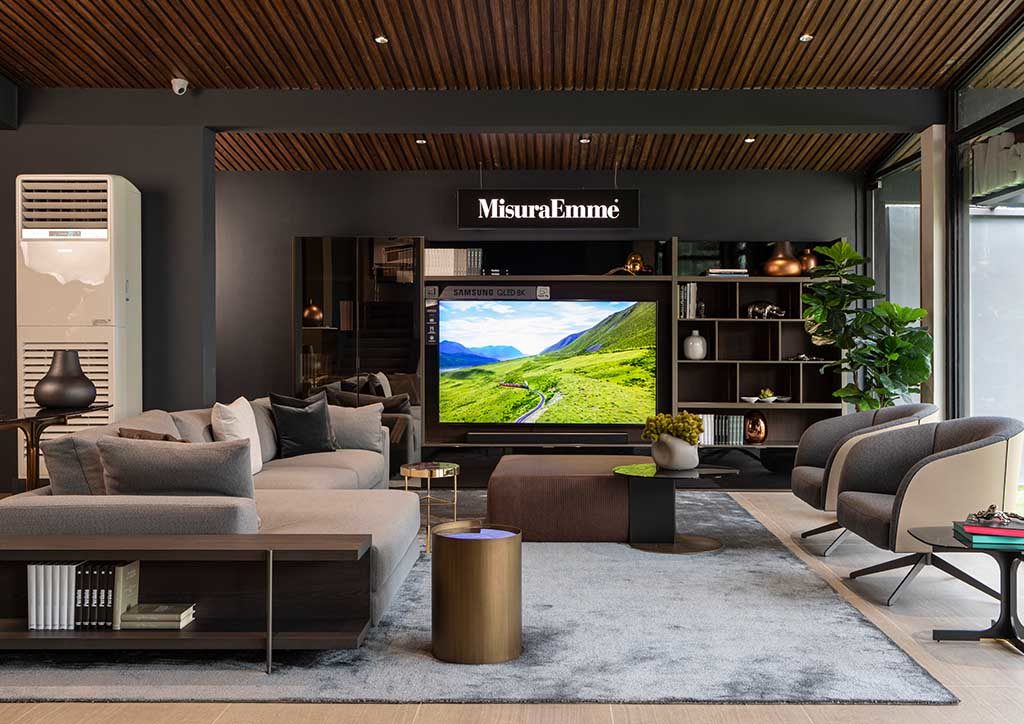
Lastly, integrating smart technology features can play a major role in creating a comfortable, convenient, and adaptable home.
This future proofing guide allows you to take advantage of automation. Control your lights with your voice or phone. Set schedules to automatically turn your lights and appliances on and off based on the time of day or activity.
You can also automate repetitive tasks for a more seamless experience. Program your thermostat to your schedule or preferences. Utilize smart locks for keyless entry or remote access. Investing in appliances with smartphone, built-in touch screen, voice, and Wi-Fi controls can additionally help ease the burden of your daily chores.
For a peak automated experience, use voice-activated virtual assistants to control various aspects of your home. Set them to adjust lighting, temperature, play music, and even control smart appliances.
Aside from convenience, integrate smart security cameras, door/window sensors, and motion detectors for peace of mind. Receive alerts on your phone and remotely monitor your home.
However, before switching to this setup, consider that smart home systems are generally more expensive. You should also ensure they have robust security features to protect your data and privacy.
It’s also crucial to take note of their compatibility. Better to choose systems that operate on open platforms. This allows for easier integration with various devices and future technologies. You can also look for systems that adhere to industry standards like Zigbee or Z-Wave to give you more flexibility in choosing smart home devices.
Most importantly, opt for smart home systems with modular components. So, you can start with a few key features and gradually expand your smart home setup as you get comfortable.
Read more: Typhoon Proofing: How to Make Your Home Safe during Storms

Not many people know this, but during the Martial Law era, National Artist for Architecture Bobby Mañosa was also a toy designer. He had an iconic line of toys, called “Bobi Toys,” that he sold in Makati during the 1970s and 1980s, which he discontinued as his own kids grew older. His toys have not […]

Cloud Grey Gallery put together two esteemed artists, Manuel Ocampo and Ronald Ventura, for Dialogo. As a gallery located at the Grand Hyatt Manila, Cloud Grey has a more forward-thinking approach to contemporary art movements at the time. “They’re provocations,” the gallery declared as they described their approach, “invitations to see the familiar transformed.” For […]
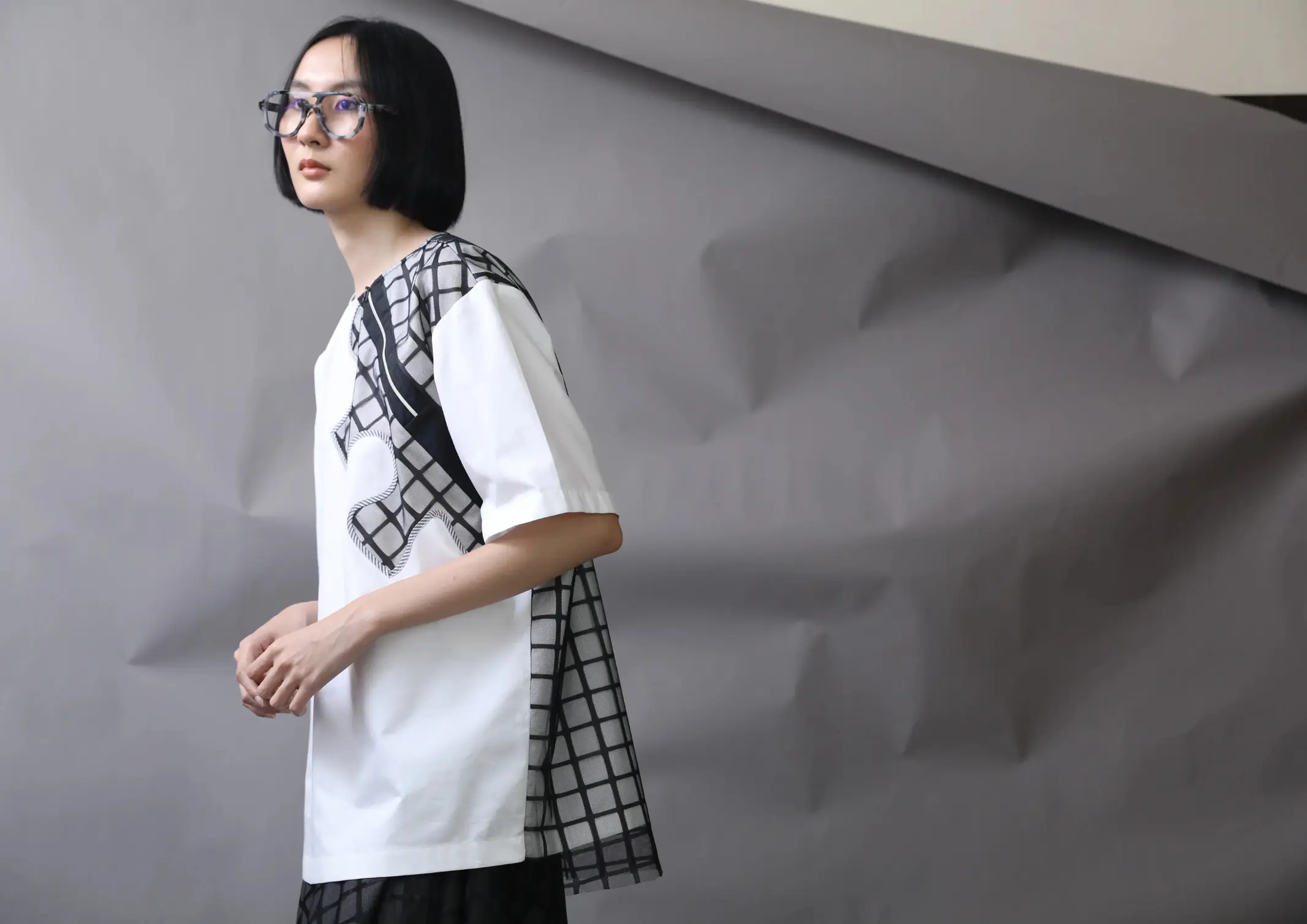
Ivarluski x Bitagcol, a pop-up store at Power Plant Mall, showcases the new collaborative fashion line from the two Filipino designers, as they seek to expand their design horizons and update their aesthetic hallmarks for the present day. The collaboration came about as the two designers, Ivarluski Aseron and Jo Ann Bitagcol, discussed their attraction […]
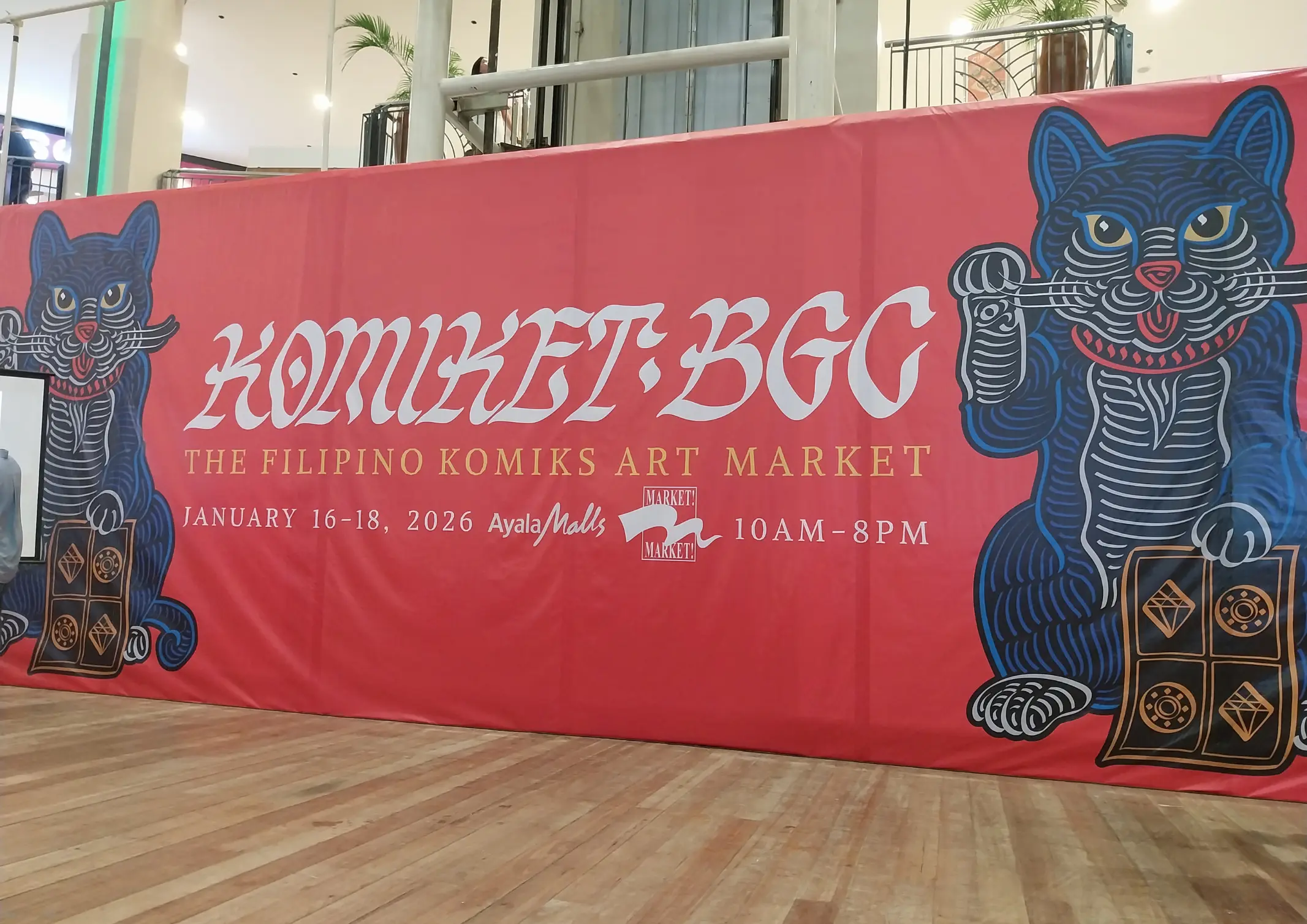
As the country’s local arts community grows steadily beyond the confines of galleries and museums, art markets have become a booming market for young artists and old artists alike. A variety of crafts, whether it’s fabric works or paintings or prints or whatnot, have become the new way of showcasing new, personal styles for a […]
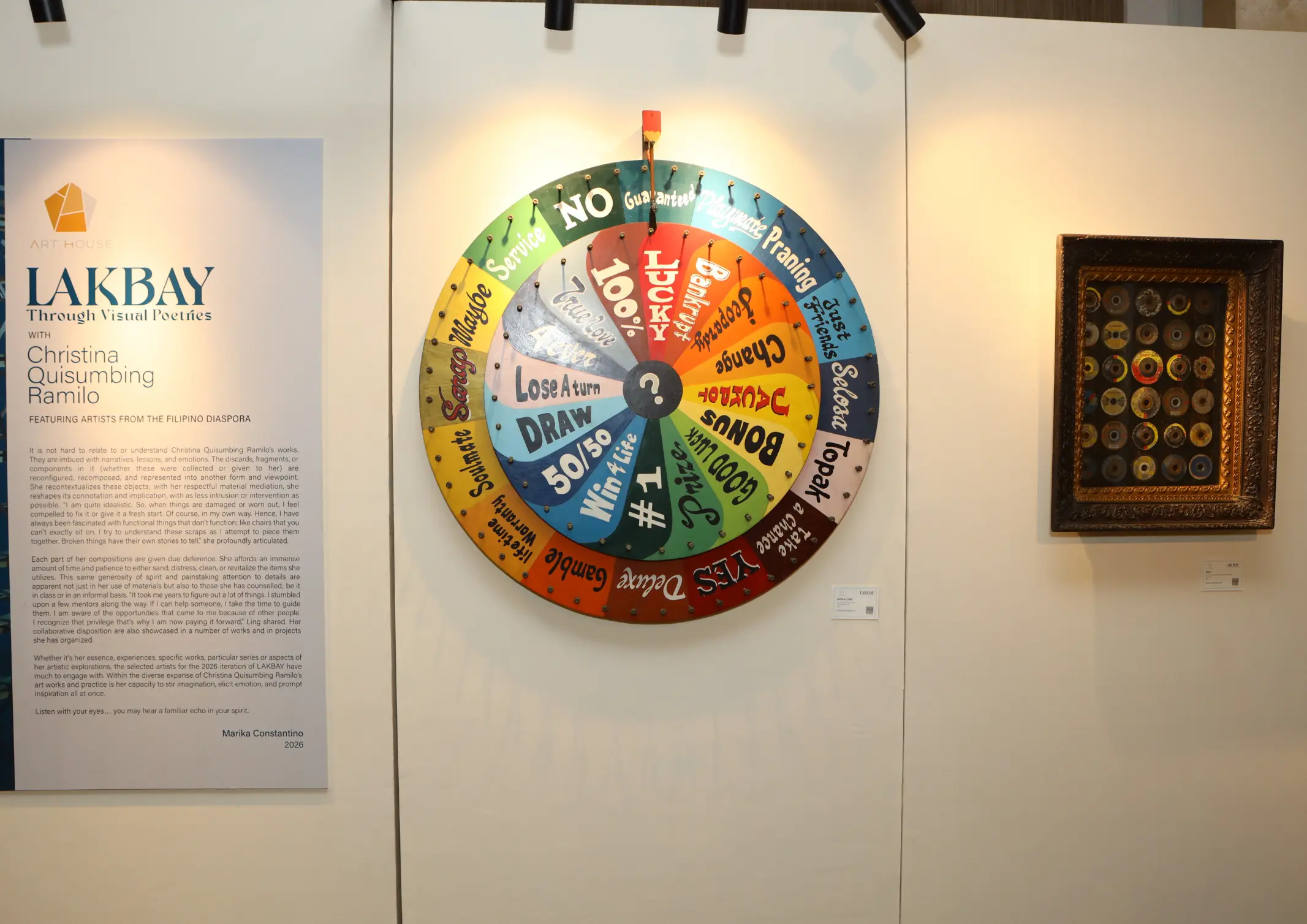
Art House’s LAKBAY series is now on its second iteration with a celebration of artist Christina “Ling” Quisumbing Ramilio’s artistic journey. In Through Visual Poetries, Quisumbing explores the Filipino diaspora experience—the longing, sense of displacement, and search for identity and expression. LAKBAY began last year with the belief that the Filipino diaspora is home to […]
Download this month's BLUPRINT magazine digital copy from:



Subscribe via [email protected]