Bigkis is the act of binding. In Tagalog, the word can refer to something used to bind or encircle, as well as a bundle formed by tying several separate elements together. Figuratively, it can also mean a bond, union, or unity. The meanings move from the physical act of joining things together to the connection […]
Recluttering Is the Anti-Minimalist’s Guide to Reclaiming Your Space



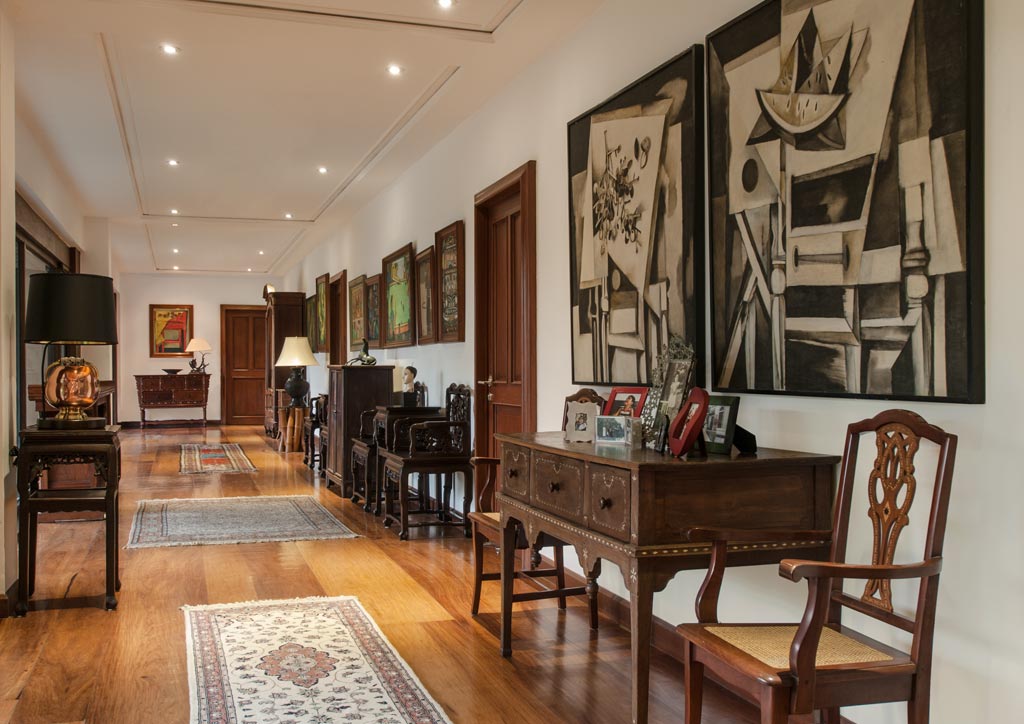
Every homeowner knows the struggle of maintaining a clean and organized space. It’s an undeniable fact that as you continuously bring in new items, clutter always creeps in like an uninvited guest. You might be thinking that decluttering is the sole solution to prevent heaps of objects from occupying your space. But the answer might actually be claiming and embracing your belongings again through a design trend called “recluttering.”
What is Recluttering?

Recluttering deviates from the obsessive cleaning and minimalist fixation of getting rid of everything. It’s about surrounding yourself with items that bring you joy and hold sentimental value. Similar to the cluttercore and clustering trend, recluttering captures the essence of mismatched and eclectic pieces. It’s even regarded as the “course correction” and the “antithesis” to decluttering gone overboard.
However, you shouldn’t confuse it with the mindless method of throwing every single piece back into your home. Rather than letting the chaos of assorted objects accumulate in your space, recluttering promotes intentional curation of more valuable items. It lets you choose what things to keep and display in a way that’s both beautiful and functional.
But it doesn’t mean resurrecting that chipped mug you never use or that stack of old magazines you haven’t touched in years. Instead, it focuses on showcasing collections, meaningful objects, and pieces that always spark happiness. Think of it as a curated museum of your life, displayed throughout your home.
The Therapeutic Benefit of Retrieving
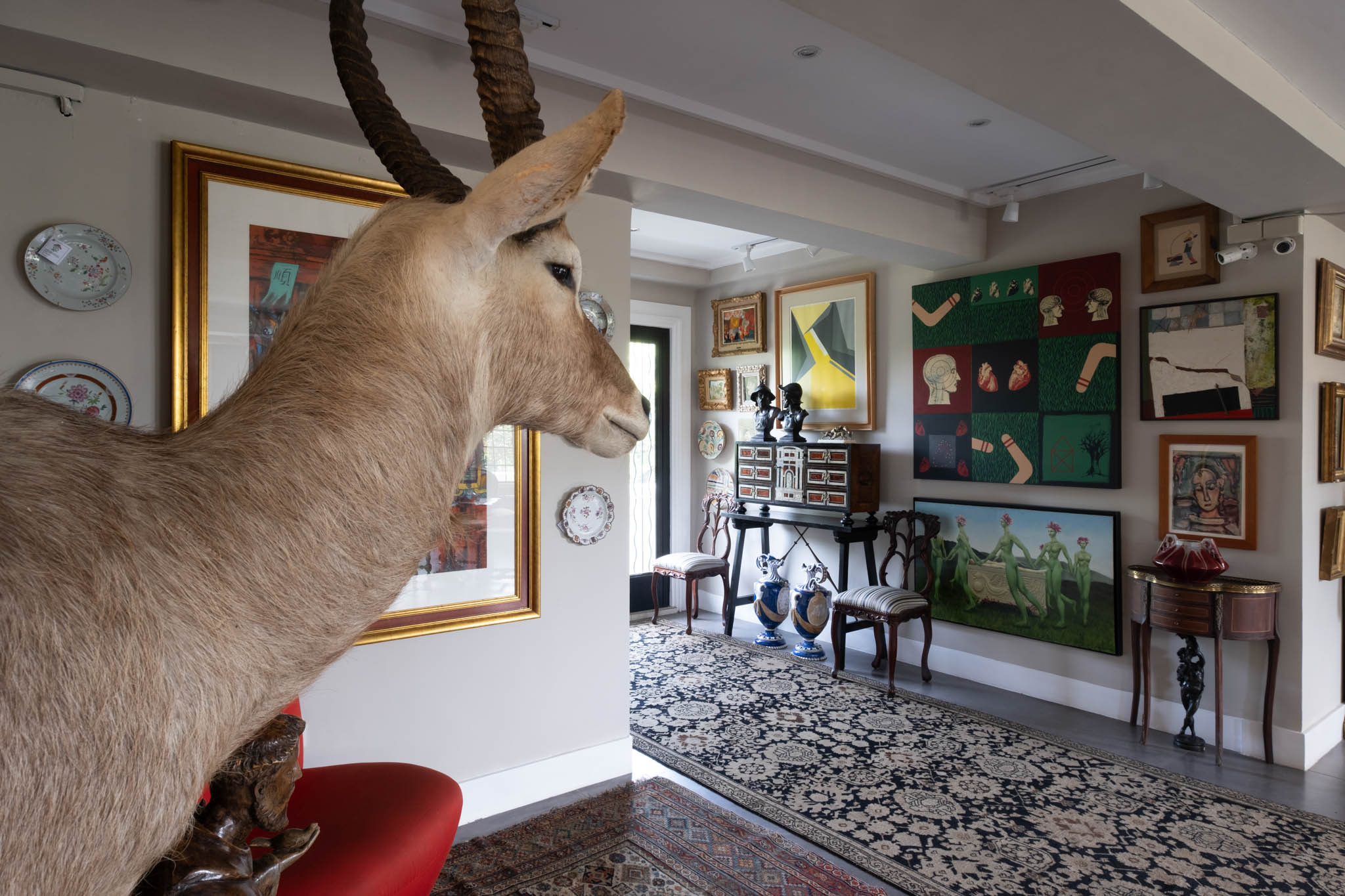
While decluttering is proven to improve mental health, not letting go of your belongings can be equally beneficial to your well-being.
Recluttering lets you surround yourself with items that bring back happy memories and tell your life story. Having that comforting environment increases your sense of ownership over your space. It feels less like a generic living area and more like a true reflection of you.
A curated display of things you love and regularly use additionally boosts your creativity. The mixed textures, colors, and personal touches can be visually stimulating. And this can lead to a more inspiring space ideal for brainstorming or pursuing hobbies since it contains pieces that reflect your passions and interests.
More than creating a warm and lived-in ambiance, it can also reduce decision fatigue. Decluttering can sometimes lead to bare spaces that lack personality. But recluttering allows you to keep items that have a purpose, reducing the need to constantly search for things you regularly use.
How to Reclutter
Professional home organizer Diana Quintana revealed that forcing yourself to embrace a minimalist style and stripping your home of things you consider as “clutter” might lead to increased inclination to recluttering. But you don’t have to go through that whole process to adopt this design. Here are some tips to achieve a striking balance between minimalismMinimalismA design philosophy centered on simplicity, restraint, and the idea that less is more. Minimalist spaces reduce ornament and clutter, favoring clean lines, open space, limited palettes, and carefully chosenGo to Minimalism Glossary and overwhelming clutter.
1) Declutter
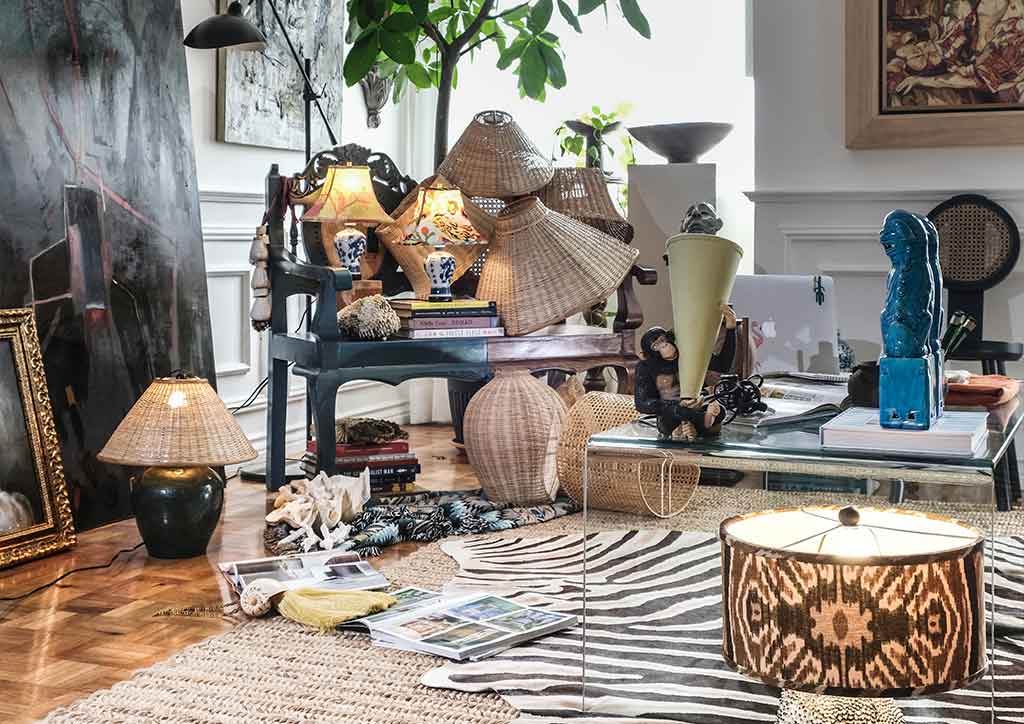
Yep. You read that right. The first step to recluttering is actually its nemesis—decluttering. But you have to do it with genuine intention. Instead of aiming for an empty space, focus on letting go of items that no longer serve you, don’t bring you joy, or are simply duplicates. Be honest with yourself about what you truly use and love. This creates space for the things that will shine in your recluttered environment.
Better to ask yourself if you’re just keeping an item for the sake of social obligation. Maybe it’s a gift or passed down piece. But if they’re just giving off neutral or negative emotions, it might be the time part with them.
2) Select and Edit
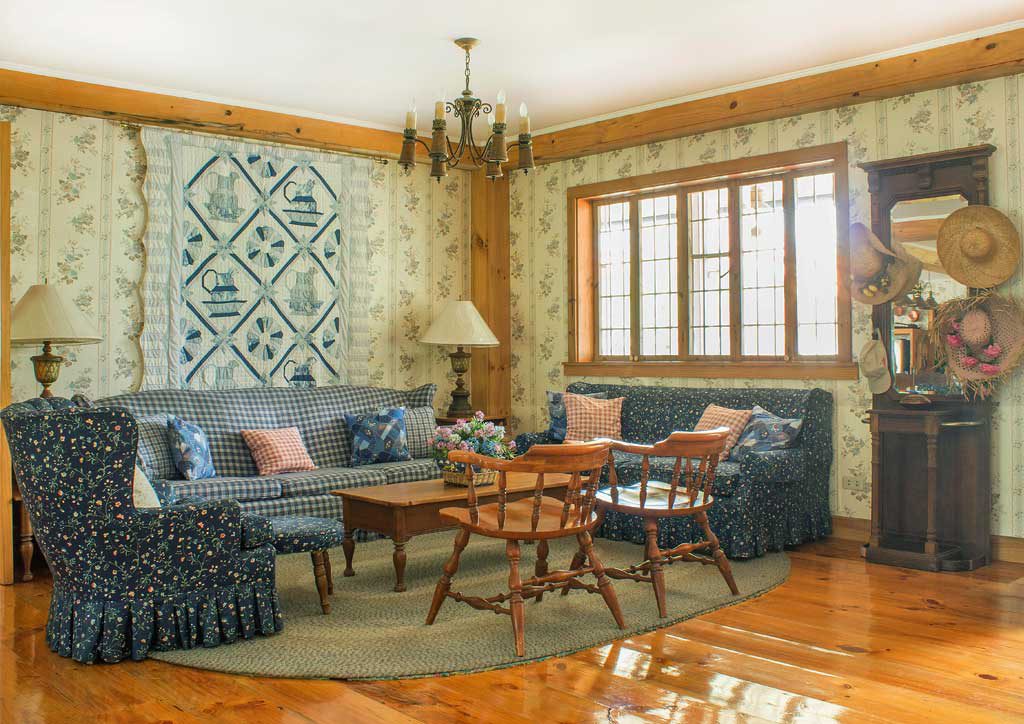
Imagine your home as a museum dedicated to you. Now, you wouldn’t put everything you own on display, would you? You shouldn’t repeat your previous mistake of over collecting. The same goes for recluttering.
The rule of thumb is to be as consciously choosy as possible. Select only the items that are truly and personally meaningful to you. In this phase, you can disregard the function and appearance as long as it sparks joy and tells your story. These could be collections exhibiting your passion, family heirlooms, and beloved everyday items.
But don’t feel pressured to include every beloved item. You can select and edit through progressive filtering. Start with a rough selection of items that might be considered for display. Then, refine your choices by considering their significance and how they fit the overall curation.
3) Present Thoughtfully
Curation is what separates recluttering from simply cluttering because you can turn mismatched objects into a visually appealing display. And there are three ways to do it:
Grouping. Create visual harmony by grouping similar items according to color, type, theme, or function. For instance, dedicate a space for your mug collection and group family photos in a separate place. You can also arrange them chronologically by name or collection date to visually tell a story.
Layering. This adds visual dimension and prevents a flat, monotonous look. You can particularly do this in bookshelves, where you prop some books upright and layer objects in front of others. Combining different textures and patterns additionally brings depth and visual dynamic. For example, you can decorate a rustic wooden table with a smooth ceramic vase with a woven basket tucked underneath.
Highlighting. It’s natural to have some favorites even among your favorite things. And it’s only right to give them the spotlight they deserve. A vintage camera collection displayed on a custom shelf becomes a conversation starter and a focal point in the room. You can consider using decorative stands as well to elevate these treasured pieces. This special treatment emphasizes the significance of these items and makes them immediately stand out.
4) Embrace Storage Solutions
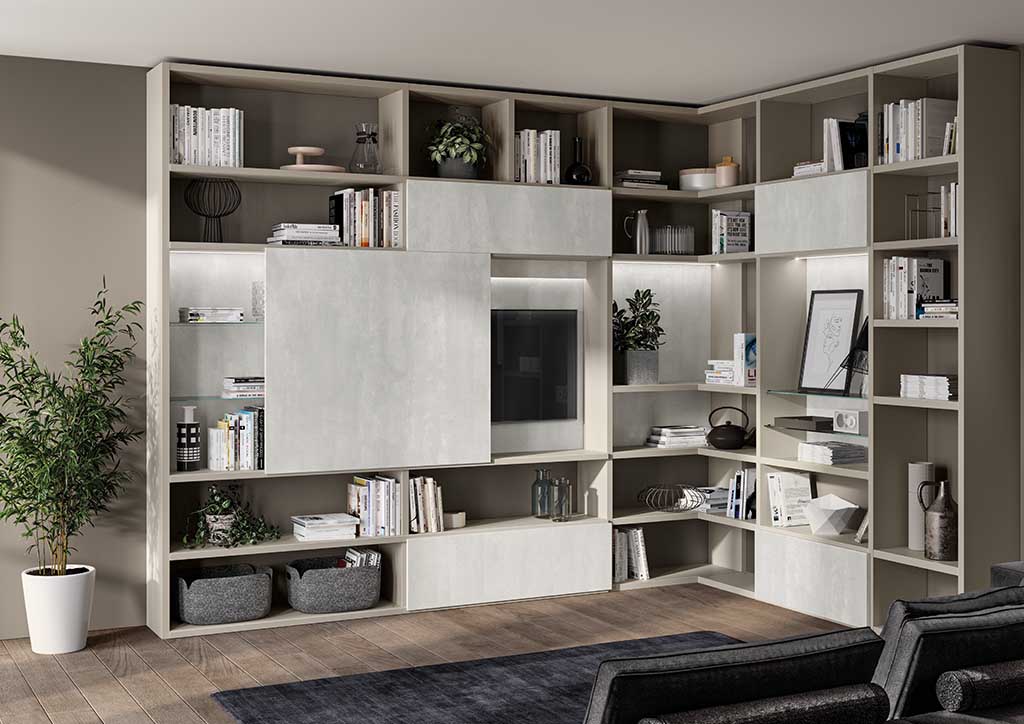
Recluttering doesn’t mean sacrificing practicality and functionality. Utilize stylish storage solutions like baskets, ottomans with hidden compartments, or decorative shelves to keep clutter at bay. You can also consider clear containers to still see what’s inside while keeping them dust-free. Use stackable boxes or drawer dividers to maximize storage space and keep things organized. This ensures your curated space remains pleasing to look at.
But storage shouldn’t always be shoving things out of sight. Items you use daily should be readily accessible while off-season items can be stored away. For example, storing cookbooks near the kitchen or keeping frequently used electronics within easy reach.
The recluttering trend proves that retrieving “clutter” isn’t always a bad thing. With proper curation, it allows you to embrace your collections, display those mementos with pride, and let your home be a testament to your personality. After all, your home should be a reflection of you, not a blank canvas waiting to be filled.
Read more: Dark Academia: A Complete Guide to a Moody Scholarly Style
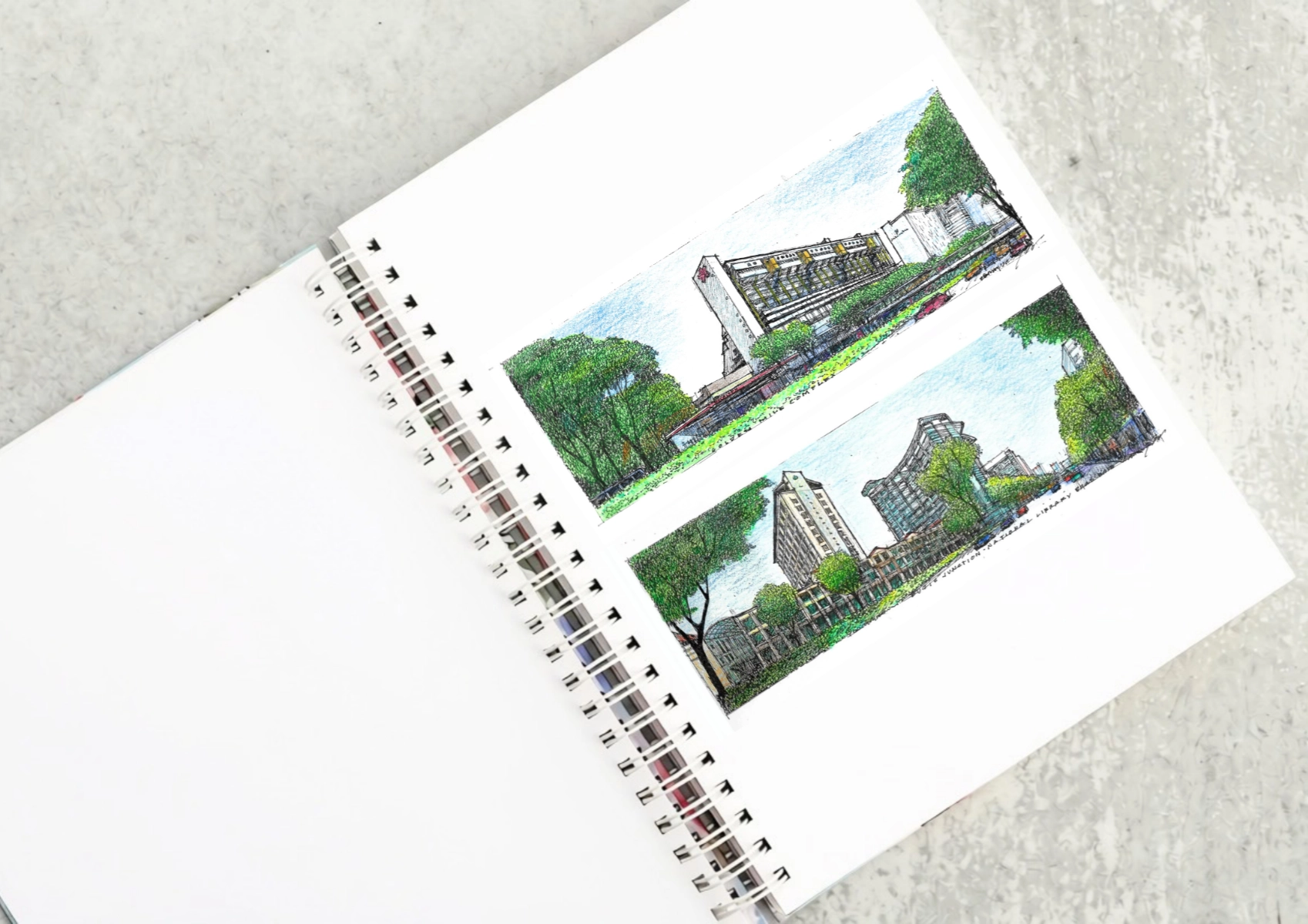
Two sketches of Singapore connect BluPrint Editor in Chief Paulo G. Alcazaren’s personal and professional history with Shared Ground: ArchitectureArchitectureThe art and science of designing and constructing buildings, structures, and spaces that are functional, safe, and aesthetically pleasing. It encompasses the planning, design, materials, and techniques used to createGo to Architecture Glossary of Care, Culture, […]

In a way, designers are the modern-day soothsayers and prophets. They design for the future, predicting how a room, a house, a building or a whole city will be used by people. They foresee how users will interact with a space, conjure exact shades of colors to elicit specific behavior and arrange furniture to build […]
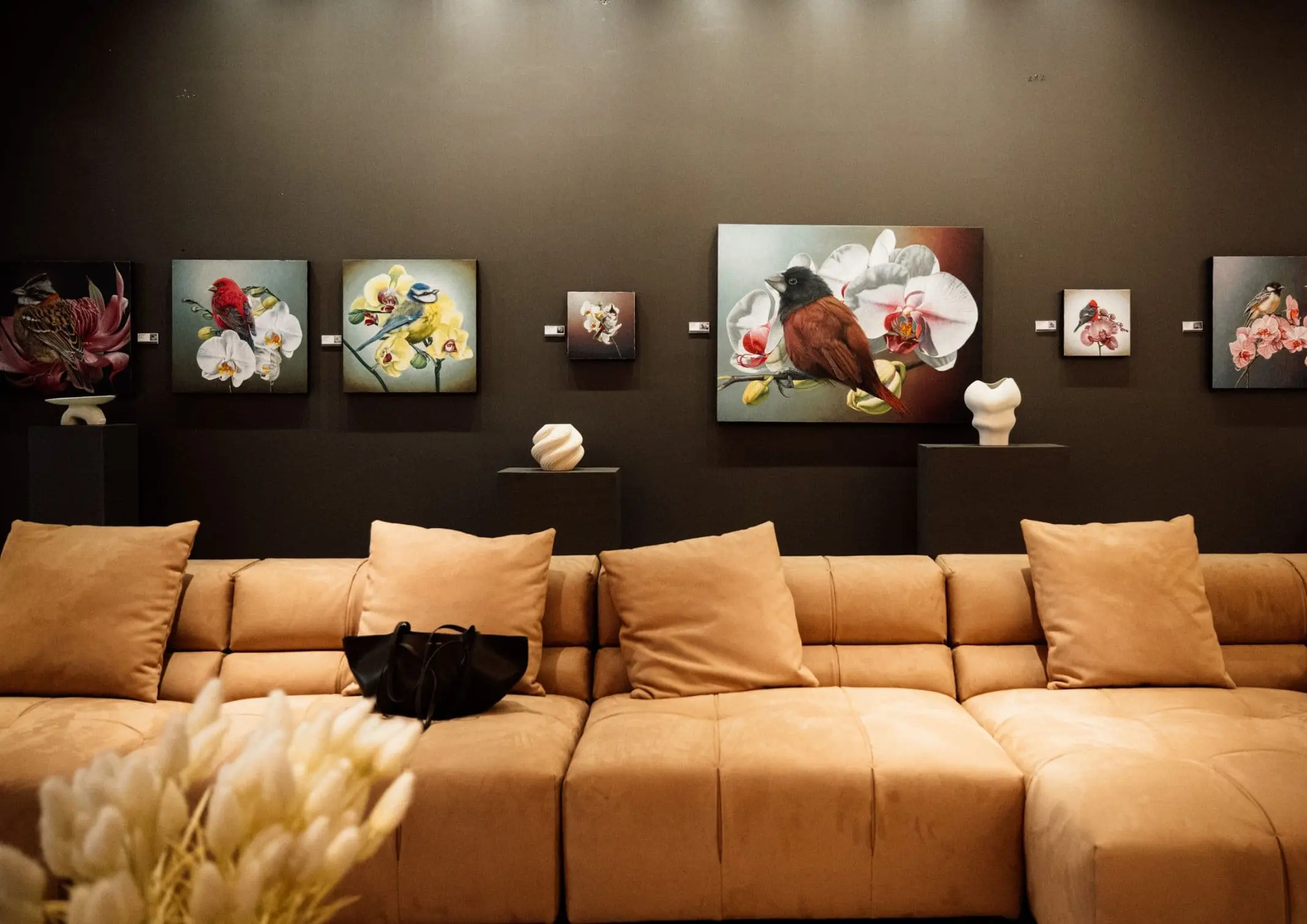
Art and furniture are often selected separately, yet their relationship can shape how a room looks and feels. The collaboration between Hooga and Galerie Joaquin explores how these elements can work together, bringing contemporary artworks into furnished residential settings at Hooga’s showroom in Uptown Mall, Bonifacio Global City. For Hooga, which curates furniture, lighting, and […]

How can better-planned cities create the conditions for more creative, livable, and resilient urban environments? “Makati Urban Recipes for a City’s Survival,” a colloquium held at the Ayala Museum on September 15, brought together architects and practitioners from the fields of urbanism and the creative economy to discuss how design, planning, and collaboration can address […]
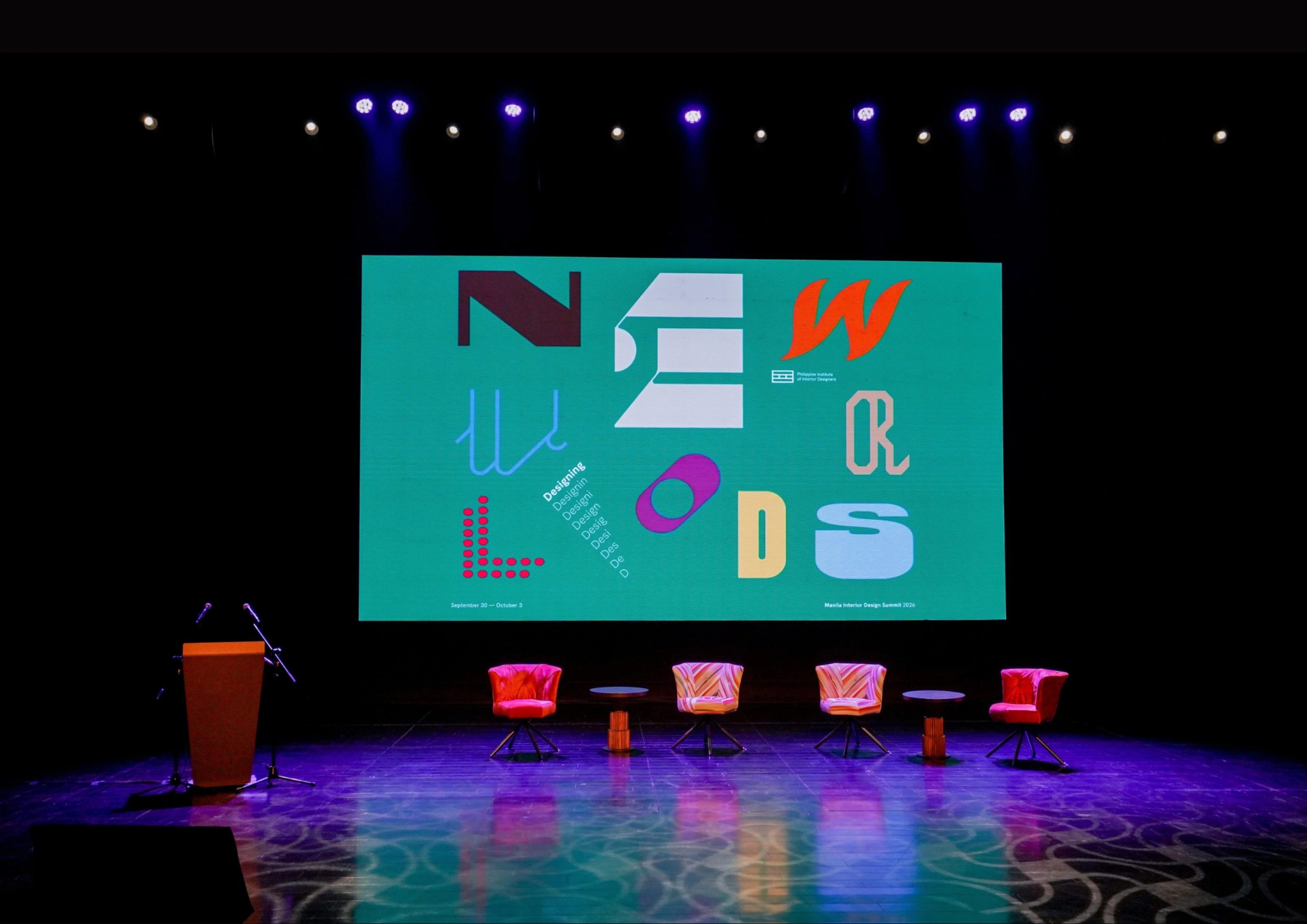
The fourth Manila Interior DesignInterior DesignThe discipline of planning and shaping interior spaces for function, comfort, safety, and beauty. It covers layout, lighting, materials, finishes, furniture, and color, and in the Philippines is a licensedGo to Interior Design Glossary Summit (MIDS) brought together more than 300 delegates for four days of conversations, exhibitions, and design […]
Read the issues.

Collect the volumes.

Recommended Video
Tap to Unmute
Unmute
0:00
0:00