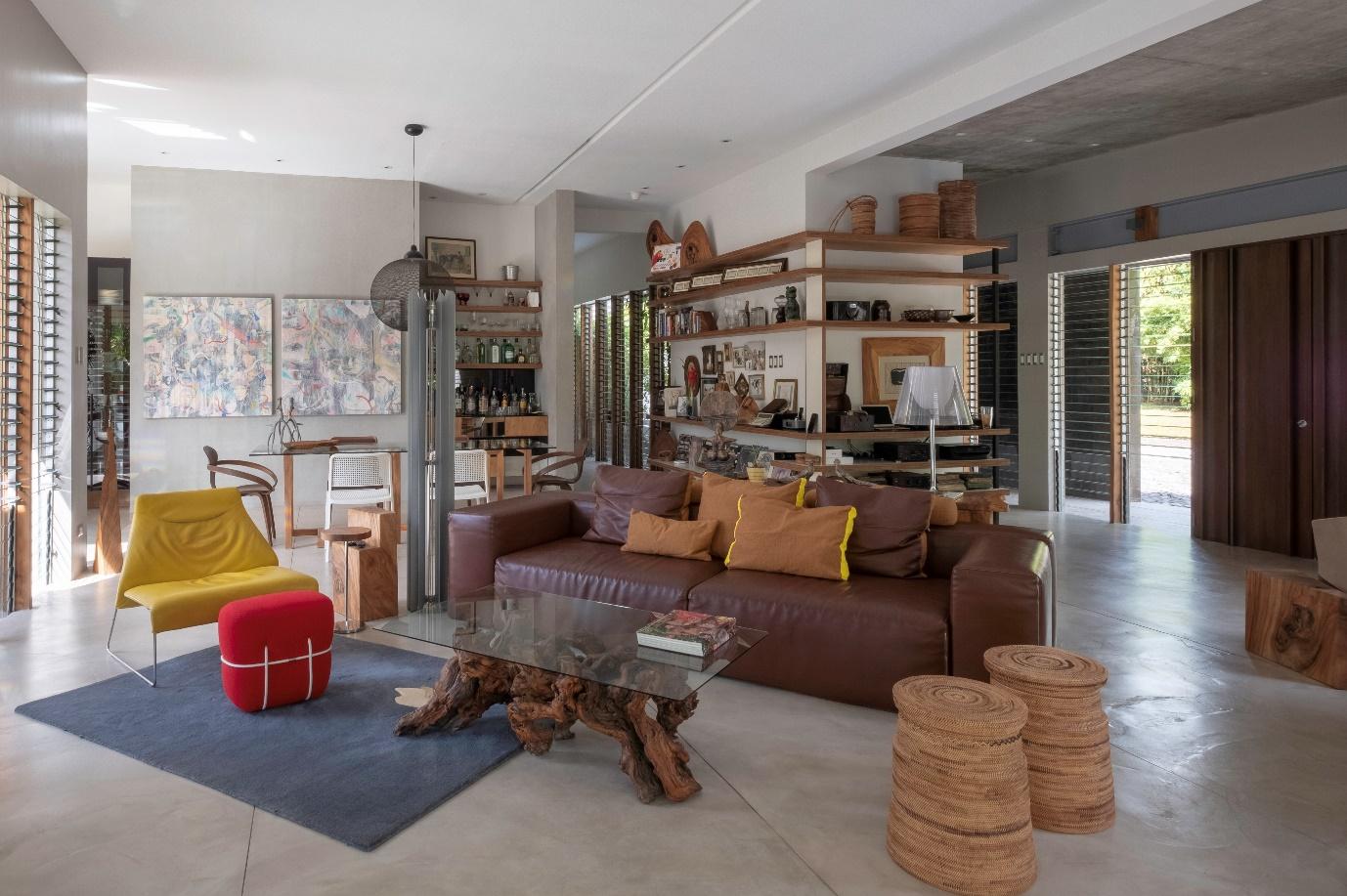
It’s a rule of thumb to combine items and features that complement together when designing a space. This ensures everything appears intentional and prevents a chaotic and random look. Think of it like putting on a pair of shoes that perfectly match your outfit—it completes the look and makes you feel confident. But what happens when you wear the wrong shoes? The Wrong Shoe Theory is a design principle that encourages mismatching pieces to create a more dynamic and visually interesting home.
Coined by author and stylist Allison Bornstein, the Wrong Shoe Theory breaks away from the rules of uniformity. It challenges the obvious matching sets by adding something odd or out of place. However, it doesn’t necessarily mean integrating flashy or eclectic details. At the very least, the goal is to create visual dissonance in a room that easily draws attention.
This design philosophy first trended in the fashion scene, where slightly off shoes complete the outfit. Common examples include flip-flops with tailored trousers or ballet flats with maxi dresses. But it’s not just limited to footwear. This theory can also be in the form of accessories, like bags and jewelry, or pairing socks with heels.
Advertisement
In the context of interior design, it translates to injecting unexpected colors, patterns, textures, form, or materials into a space. This could mean pairing a vintage velvet armchair with a minimalist mid-century modern coffee table or hanging a contemporary art piece in a traditional room.
In a way, the Wrong Shoe Theory suggests a rebellious way to elevate the home’s overall aesthetic. Bornstein described it as the “little push” against the limitations of conventional design to find the perfect missing piece that feels more like you.
What Makes a Wrong Shoe Right?
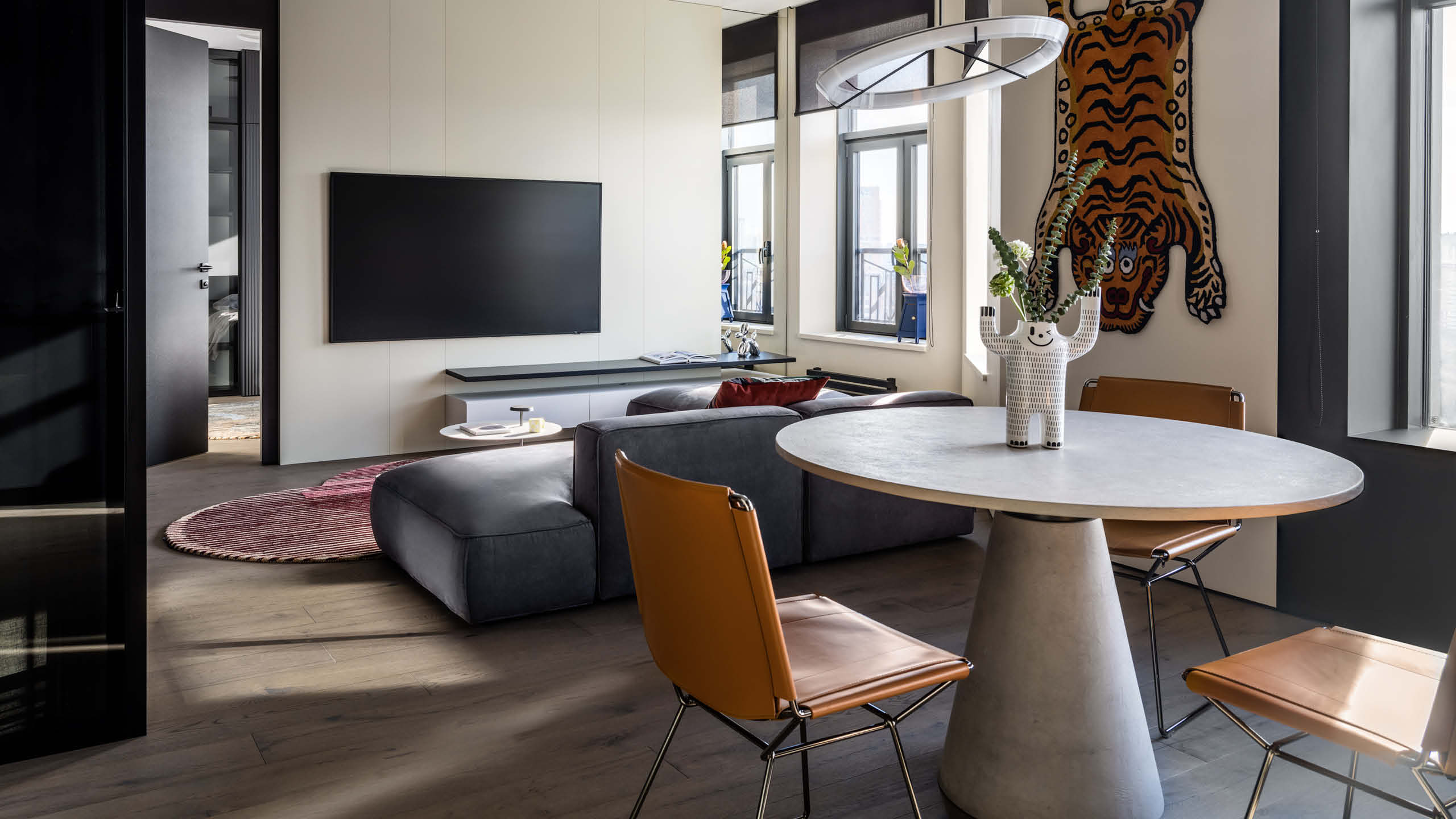
Photo by Evgenii Kulibaba
The good thing about the Wrong Shoe Theory is that it’s not a one-size-fits-all approach, especially in interior design. Any type of furnishing can be the right “wrong shoe” when integrated in appropriate conditions. Bornstein even encourages to use what you already have and experiment with combining different pieces in unexpected ways.
Advertisement
Since the human brain is wired to recognize deviations from patterns, rooms with “wrong shoes” easily piques curiosity and attention. And to make your home as visually interesting and memorable, there are various ways to adhere to this design principle.
Keep the Wrong Shoes Minimal
At its core, the Wrong Shoe Theory interrupts the interior’s visual flow to create a moment of surprise and intrigue. However, introducing plenty of mismatched elements will not fully deliver this goal.
It’s best to limit yourself to one or two larger items, or use multiple yet similarly styled smaller ones. For instance, you may include an espresso table in a room draped with lighter neutrals. Or decorate with vintage figurines in a space with clean and sleek lines.
Advertisement
This ensures every element has its own visual space, making it easier to spot pieces that don’t fit in. Plus, it allows the “wrong shoe” to stand out more since there are fewer or smaller slightly off details.
Play With Style Combinations
Another way to adopt this theory is by adding elements from different interior styles. Given their distinct color palette, materials, and shapes, blending them in a space with a contrasting aesthetic immediately commands attention.
A contemporary interior, for example, would have something unexpected if you hang an antique painting. An industrial home adorned with bohemian handcrafted items is also something out of the ordinary.
Advertisement
Switch Placements
You may also stick to using elements from a single interior style. But to spice things up, change their usual location.
You can break up the functionality of your kitchen by hanging a large mirror or artwork on the wall. Additionally, you can consider adding a bookshelf in the bathroom or mounting a small rug as an art piece.
Such rule-defying placements can add a touch of whimsy and personality to your home. However, it’s important to keep in mind that your routine shouldn’t be affected even when you switch things around.
Advertisement
Wrong Shoe Ideas
As mentioned above, the Wrong Shoe Theory applies to any element in any interior style. And you can expect to see them in the most unexpected places you could’ve imagined. Here are a few ideal applications of this design principle.
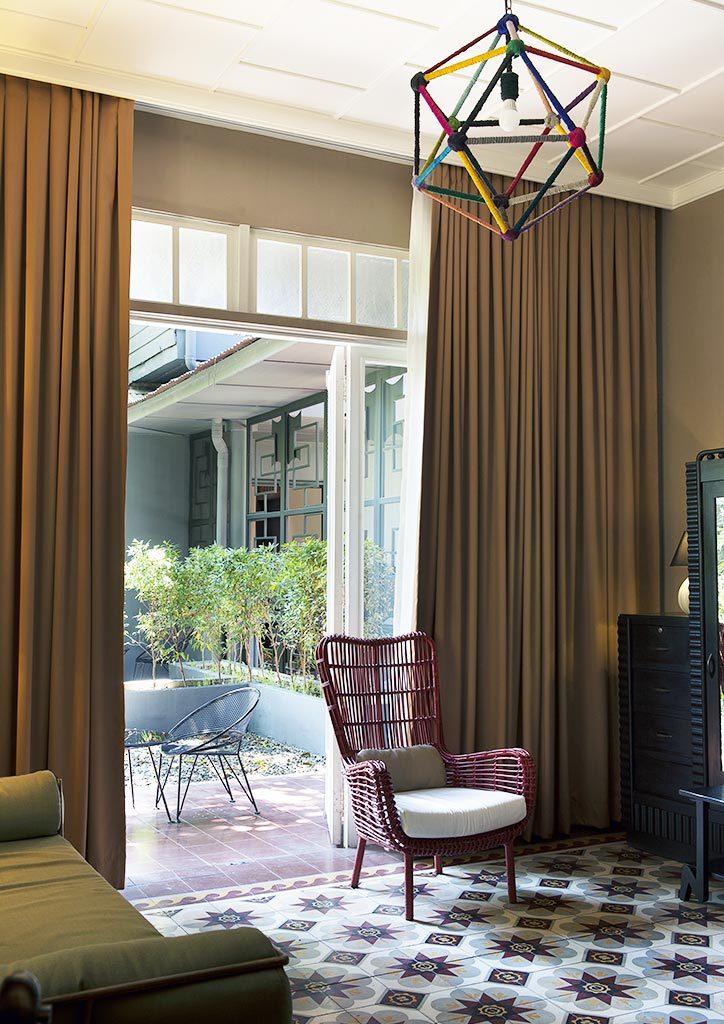
Mid-Century Geometric Lighting Fixture in a Transitional House
Photographed by Ed Simon
From the ceilings, curtains, and walls down to the furniture and floor, all elements exude a harmonious blend of old and new aesthetics. But a seemingly misplaced mid-century modern geometric lighting fixture jars the transitional interior. Among the neutral and earth-toned details, this particular colorful and complex decor breaks the expectations of this style. That’s why the room becomes even more interesting and visually stimulating.
Vibrant Peach Accent Wall Surrounded by Warm Wood Tones
Photo credits to Justin Sebastian
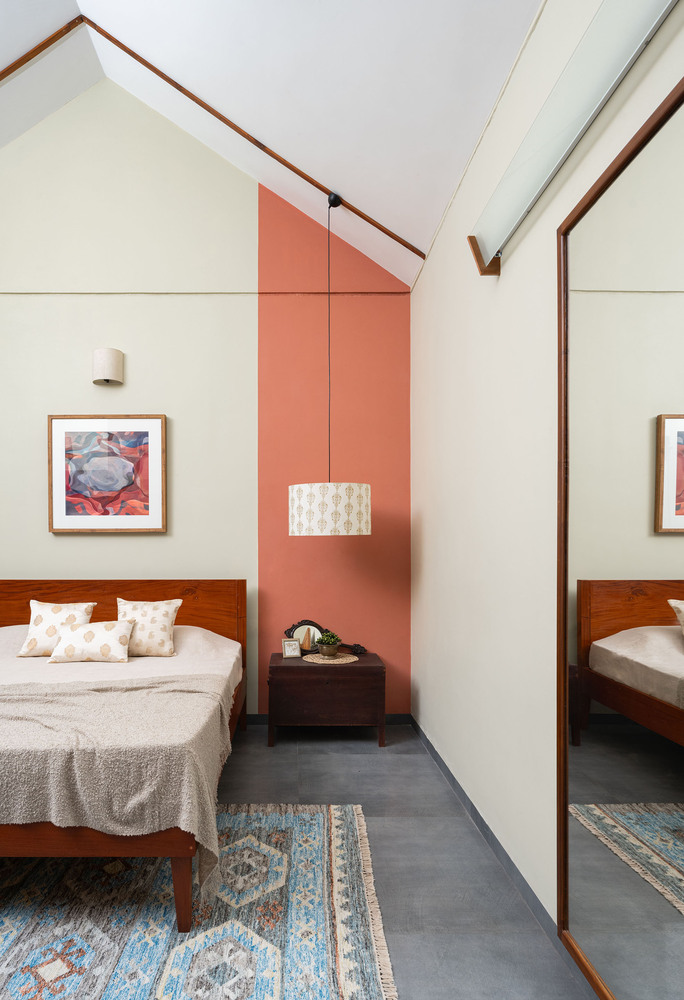
In this bedroom, the white walls and ceilings paired with warm wood tones already creates a balanced interior. But with the peach accent wall, the room’s design gives off a fragmented appearance.
Advertisement
Without complementary colors to balance the peach out, this makes that specific wall area isolated. While visually distinct and imbalanced, the accent wall actually complements the overall look by highlighting the hanging bedside lamp. Although it might seem out of place, it serves a practical purpose emphasizing one of the bedroom’s eye-catching features.
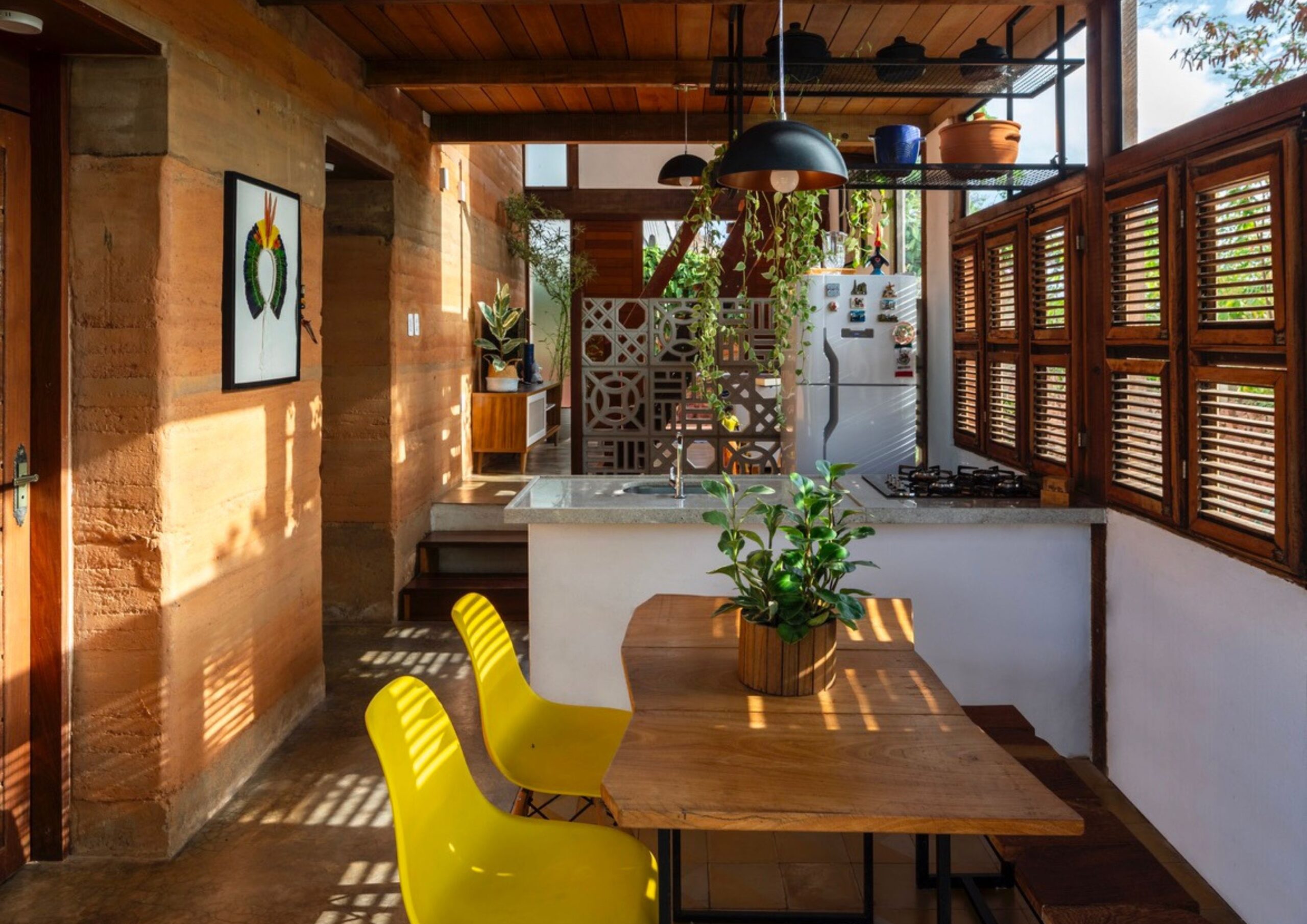
Minimalist Yellow Chairs in a Rustic Interior
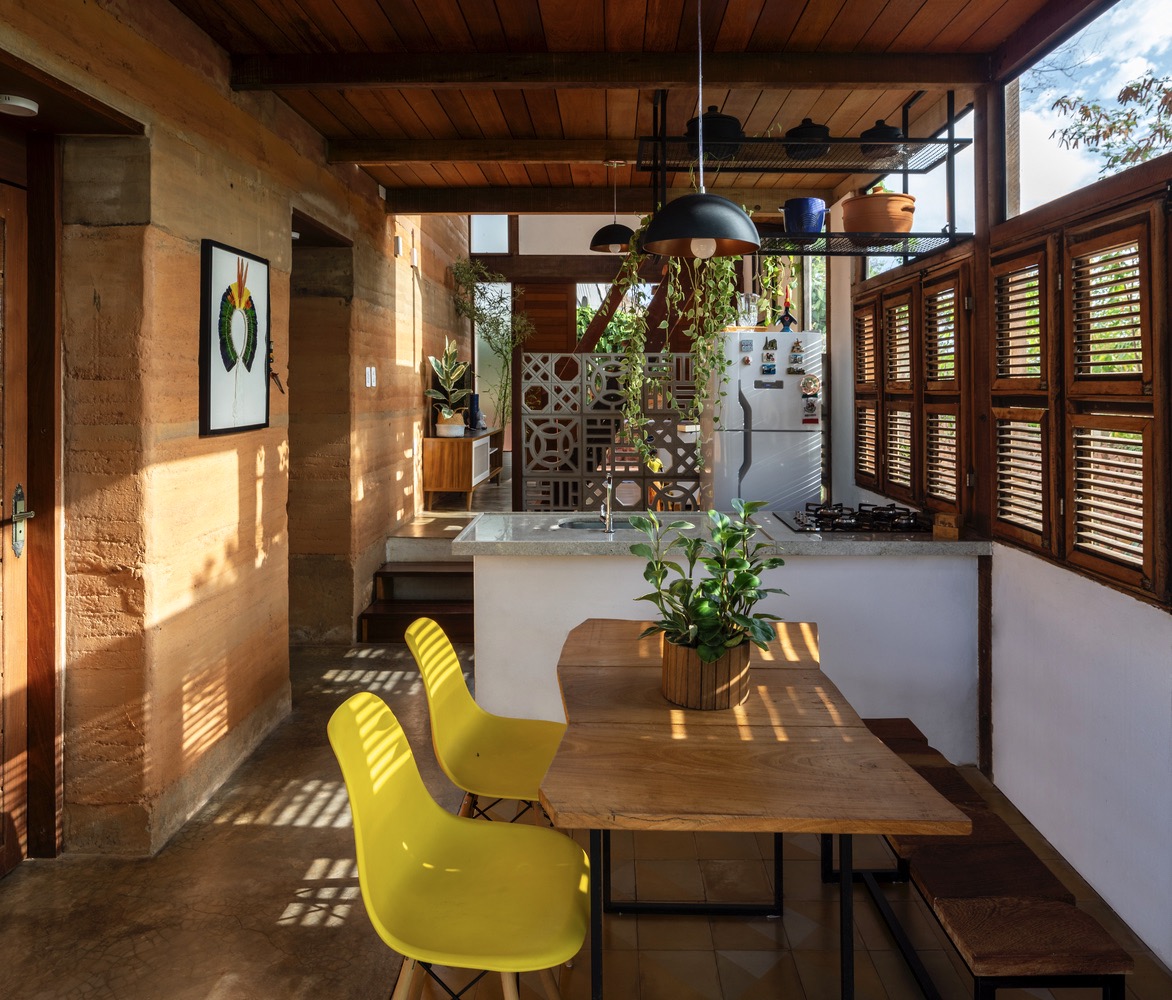
Without a doubt, these dining and kitchen areas showcase a rustic interior style. However, you can’t also resist looking at those two vibrant yellow chairs disrupting the general design scheme. And the reason why they stand out among other elements in the space is their saturated color and plain curvy form.
Since the room is predominantly neutral and earthy, it creates a striking contrast against the modern furniture, making them more noticeable. This unexpected pop of color adds a playful and energetic element to the space, preventing it from feeling too plain and typical.
Advertisement
The Wrong Shoe Theory offers a refreshing departure from the confining traditional interior design principles. More than a theory, it’s a new perspective proving that sometimes adding the “wrong” elements is the right design choice.
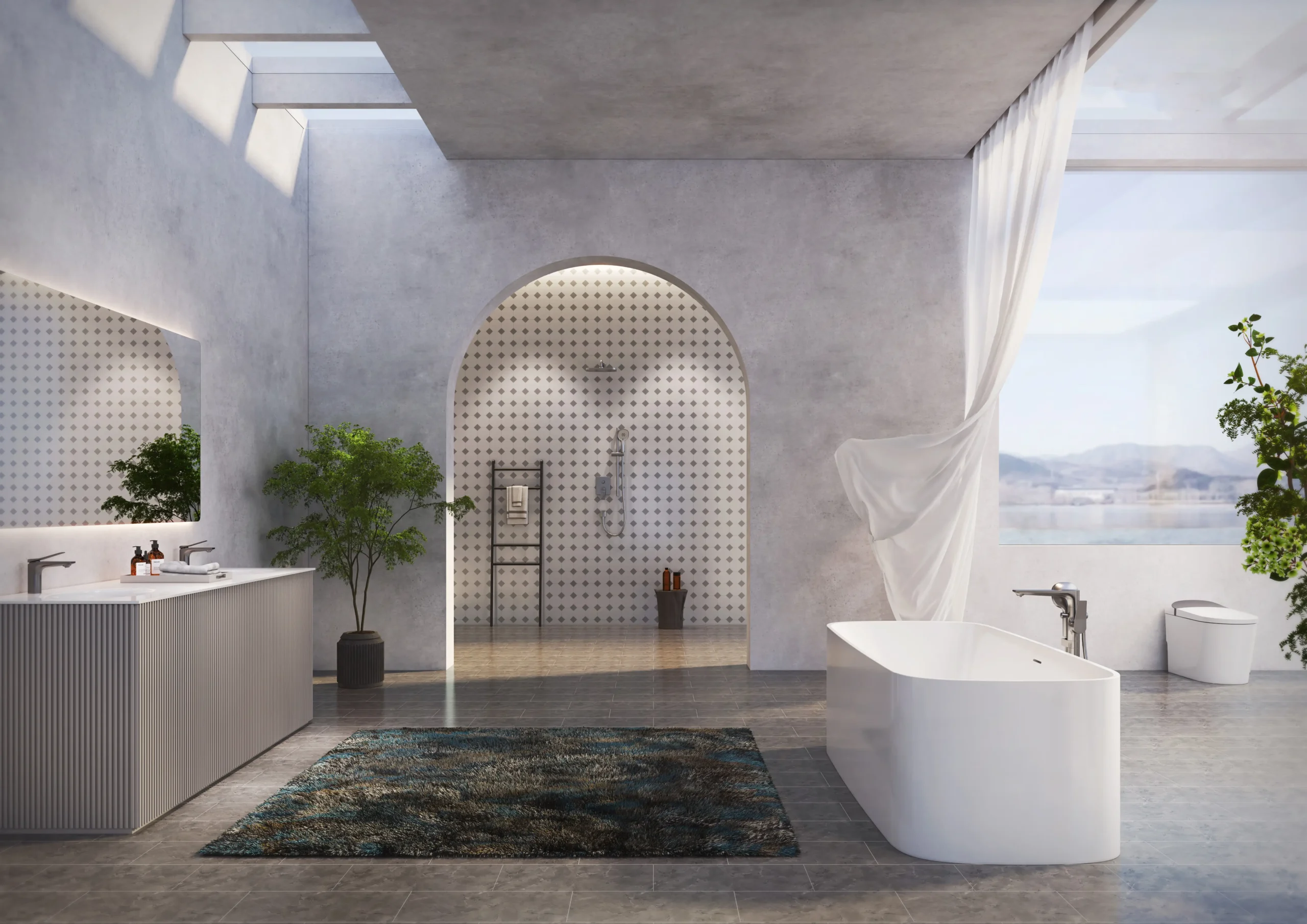
Modern bathrooms are no longer purely functional spaces. Increasingly, they are being designed as environments that support cleanliness, ease, and quiet restoration within the home. As daily life becomes more demanding and health awareness continues to rise, homeowners are beginning to expect more from the spaces where daily rituals begin and end. For architects and […]
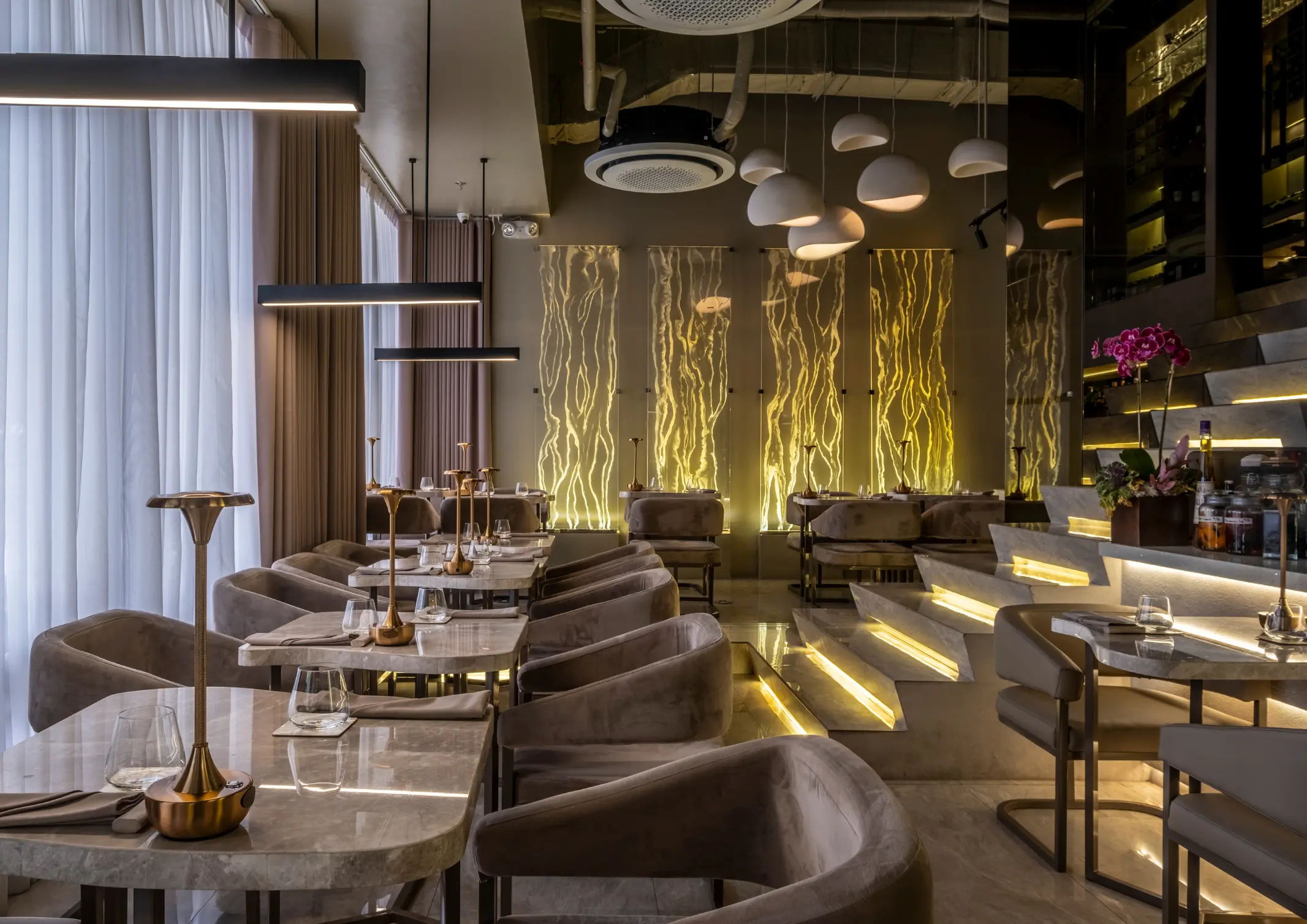
From the moment a diner steps through the door, each detail shapes how a meal is experienced. Restaurant design has evolved, with architects and culinary professionals collaborating to create built spaces that are as intentional as the menu itself. The spatial atmosphere acts as an additional ingredient that can define the culinary experience. Taupe and […]
With climate change and global warming, the Philippine climate is in constant evolution. Consequently, it is important for Filipinos to have living spaces that respond to the local environment. In this article, BluPrint lists down Filipino architects who are reimagining the tropical house, aligning the built and natural environment. BAAD Studio Principal architects Benjee Mendoza […]
Ventilation involves the introduction of outdoor air into a room, providing occupants with their needs. Proper ventilation allows for the moderation of internal temperatures, the creation of better airflow, the dilution of carbon dioxide to acceptable levels, and the removal of contaminants. This addresses health risks associated with indoor air pollution, such as respiratory problems […]
WORLDBEX 2026, running from March 12 to 15, 2026, proves itself as the Philippines’ leading construction and design expo as it wrapped its 29th edition. It drew together 1,000 local and international exhibitors under one theme, “Building Opportunities: Sustaining Lives.” Organized by Worldbex Services International (WSI), in support of the ABS-CBN Foundation Inc., the event […]
Located near the equator, factors such as heat and humidity are the norm in the Philippines. This tropical climate has shaped the development of architecture in the country. As Leandro V. Locsin stated: “The first consideration of the Filipino builder and certainly the most evident in his architecture, which is after all an outgrowth of […]