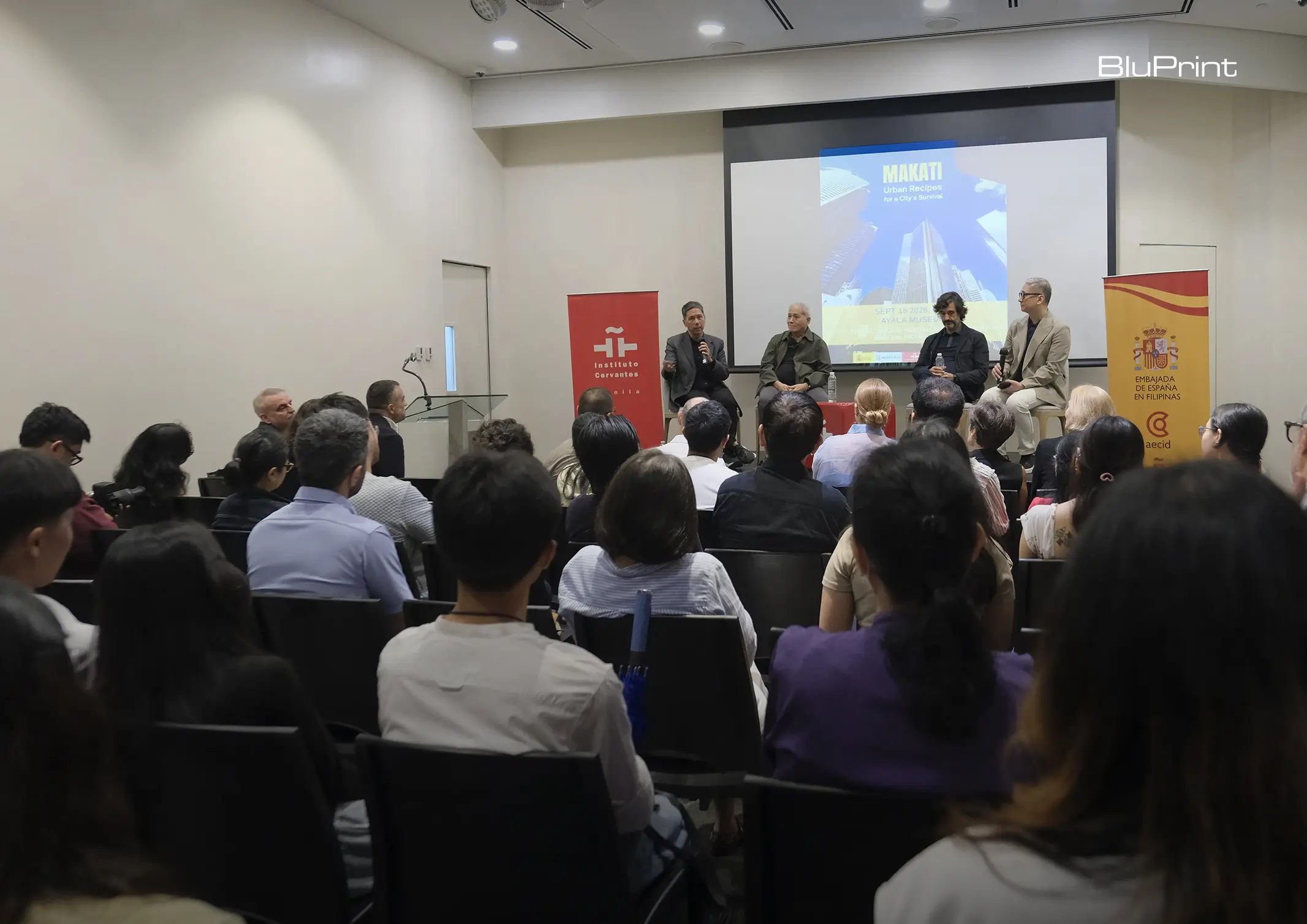
How can better-planned cities create the conditions for more creative, livable, and resilient urban environments? “Makati Urban Recipes for a City’s Survival,” a colloquium held at the Ayala Museum on September 15, brought together architects and practitioners from the fields of urbanism and the creative economy to discuss how design, planning, and collaboration can address […]
Wrong Shoe Theory: How to Break Interior Rules Through Mismatches



It’s a rule of thumb to combine items and features that complement together when designing a space. This ensures everything appears intentional and prevents a chaotic and random look. Think of it like putting on a pair of shoes that perfectly match your outfit—it completes the look and makes you feel confident. But what happens when you wear the wrong shoes? The Wrong Shoe Theory is a design principle that encourages mismatching pieces to create a more dynamic and visually interesting home.
Matching Mismatches
Coined by author and stylist Allison Bornstein, the Wrong Shoe Theory breaks away from the rules of uniformity. It challenges the obvious matching sets by adding something odd or out of place. However, it doesn’t necessarily mean integrating flashy or eclectic details. At the very least, the goal is to create visual dissonance in a room that easily draws attention.
This design philosophy first trended in the fashion scene, where slightly off shoes complete the outfit. Common examples include flip-flops with tailored trousers or ballet flats with maxi dresses. But it’s not just limited to footwear. This theory can also be in the form of accessories, like bags and jewelry, or pairing socks with heels.
In the context of interior designInterior DesignThe discipline of planning and shaping interior spaces for function, comfort, safety, and beauty. It covers layout, lighting, materials, finishes, furniture, and color, and in the Philippines is a licensedGo to Interior Design Glossary, it translates to injecting unexpected colors, patterns, textures, form, or materials into a space. This could mean pairing a vintage velvet armchair with a minimalist mid-century modern coffee table or hanging a contemporary art piece in a traditional room.
In a way, the Wrong Shoe Theory suggests a rebellious way to elevate the home’s overall aesthetic. Bornstein described it as the “little push” against the limitations of conventional design to find the perfect missing piece that feels more like you.
What Makes a Wrong Shoe Right?
The good thing about the Wrong Shoe Theory is that it’s not a one-size-fits-all approach, especially in interior design. Any type of furnishing can be the right “wrong shoe” when integrated in appropriate conditions. Bornstein even encourages to use what you already have and experiment with combining different pieces in unexpected ways.
Since the human brain is wired to recognize deviations from patterns, rooms with “wrong shoes” easily piques curiosity and attention. And to make your home as visually interesting and memorable, there are various ways to adhere to this design principle.
Keep the Wrong Shoes Minimal
At its core, the Wrong Shoe Theory interrupts the interior’s visual flow to create a moment of surprise and intrigue. However, introducing plenty of mismatched elements will not fully deliver this goal.
It’s best to limit yourself to one or two larger items, or use multiple yet similarly styled smaller ones. For instance, you may include an espresso table in a room draped with lighter neutrals. Or decorate with vintage figurines in a space with clean and sleek lines.
This ensures every element has its own visual space, making it easier to spot pieces that don’t fit in. Plus, it allows the “wrong shoe” to stand out more since there are fewer or smaller slightly off details.
Play With Style Combinations
Another way to adopt this theory is by adding elements from different interior styles. Given their distinct color palette, materials, and shapes, blending them in a space with a contrasting aesthetic immediately commands attention.
A contemporary interior, for example, would have something unexpected if you hang an antique painting. An industrial home adorned with bohemian handcrafted items is also something out of the ordinary.
Switch Placements
You may also stick to using elements from a single interior style. But to spice things up, change their usual location.
You can break up the functionality of your kitchen by hanging a large mirror or artwork on the wall. Additionally, you can consider adding a bookshelf in the bathroom or mounting a small rug as an art piece.
Such rule-defying placements can add a touch of whimsy and personality to your home. However, it’s important to keep in mind that your routine shouldn’t be affected even when you switch things around.
Wrong Shoe Ideas
As mentioned above, the Wrong Shoe Theory applies to any element in any interior style. And you can expect to see them in the most unexpected places you could’ve imagined. Here are a few ideal applications of this design principle.
Mid-Century Geometric Lighting Fixture in a Transitional House
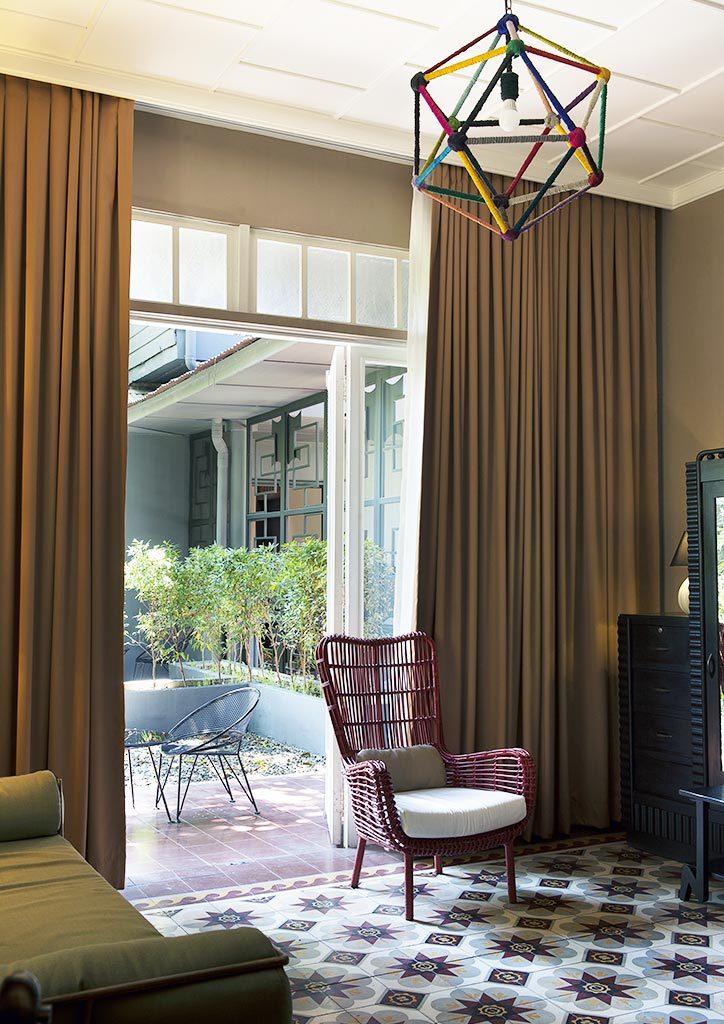
From the ceilings, curtains, and walls down to the furniture and floor, all elements exude a harmonious blend of old and new aesthetics. But a seemingly misplaced mid-century modernMid-Century ModernA design movement from roughly the 1940s to the 1960s, known for clean lines, organic curves, open plans, and a close relationship between indoors and outdoors. Filipino architects such asGo to Mid-Century Modern Glossary geometric lighting fixture jars the transitional interior. Among the neutral and earth-toned details, this particular colorful and complex decor breaks the expectations of this style. That’s why the room becomes even more interesting and visually stimulating.
Vibrant Peach Accent Wall Surrounded by Warm Wood Tones
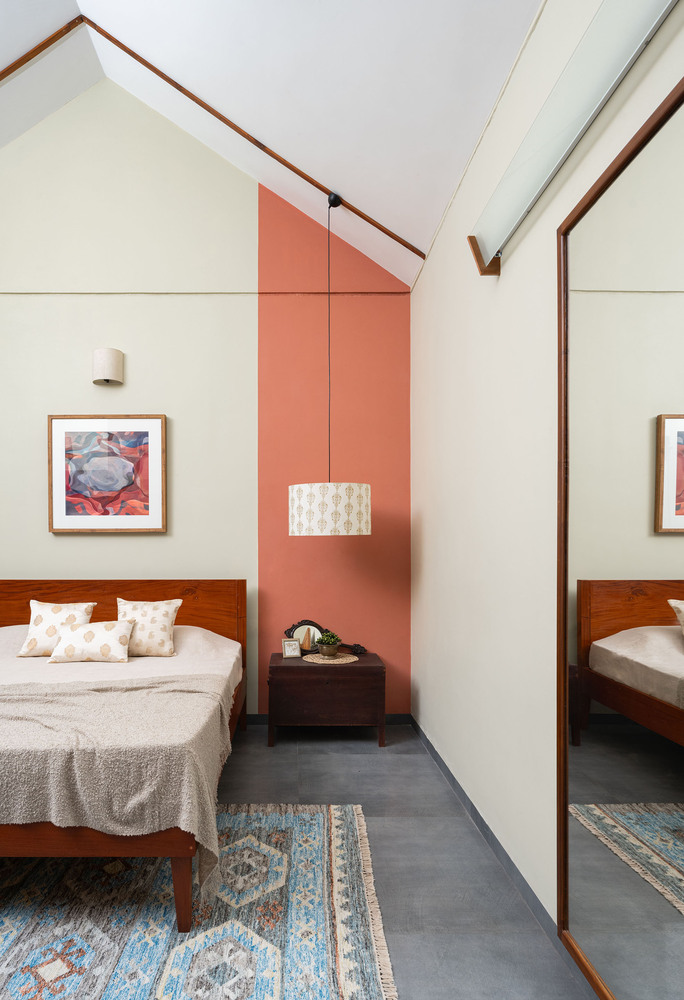
In this bedroom, the white walls and ceilings paired with warm wood tones already creates a balanced interior. But with the peach accent wall, the room’s design gives off a fragmented appearance.
Without complementary colors to balance the peach out, this makes that specific wall area isolated. While visually distinct and imbalanced, the accent wall actually complements the overall look by highlighting the hanging bedside lamp. Although it might seem out of place, it serves a practical purpose emphasizing one of the bedroom’s eye-catching features.
Minimalist Yellow Chairs in a Rustic Interior
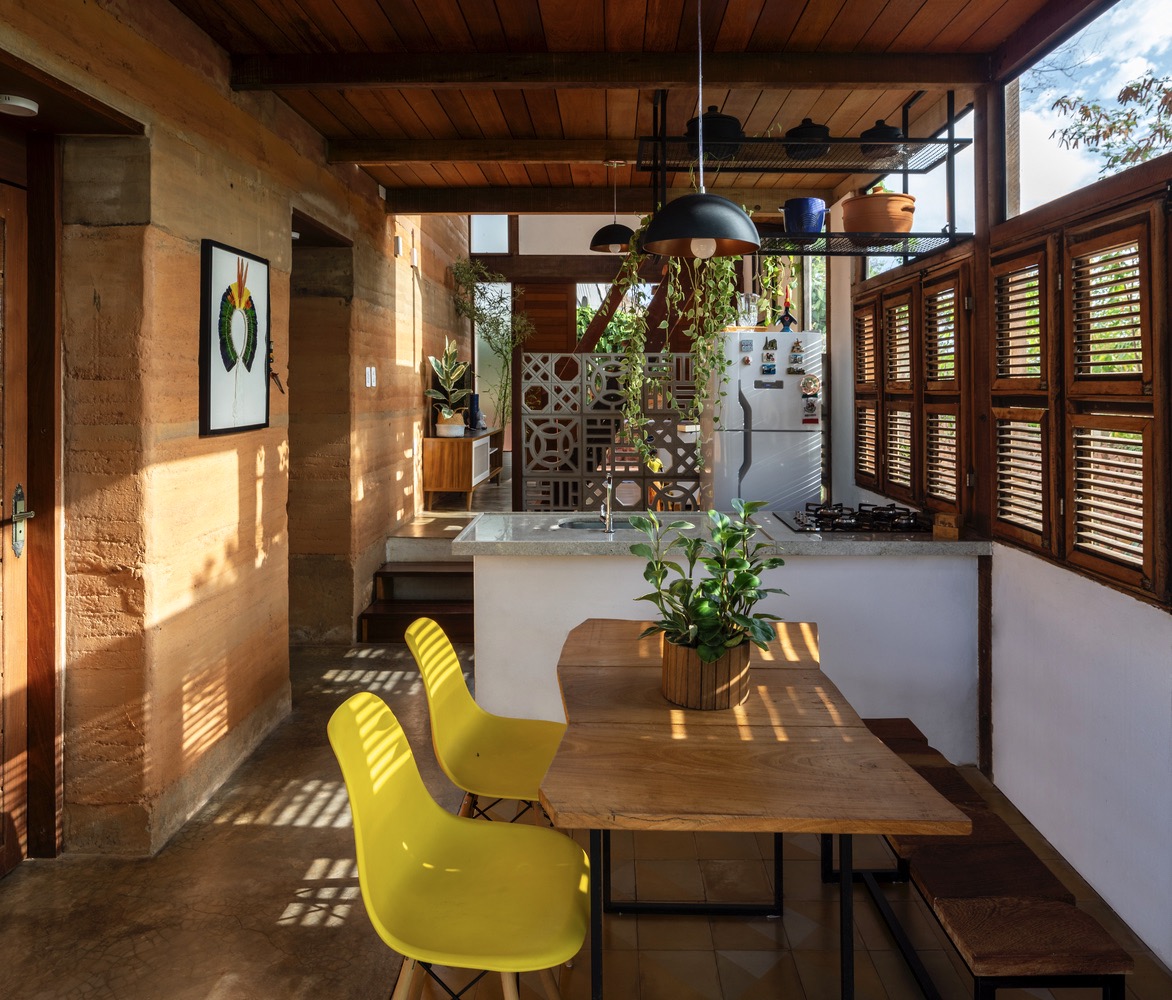
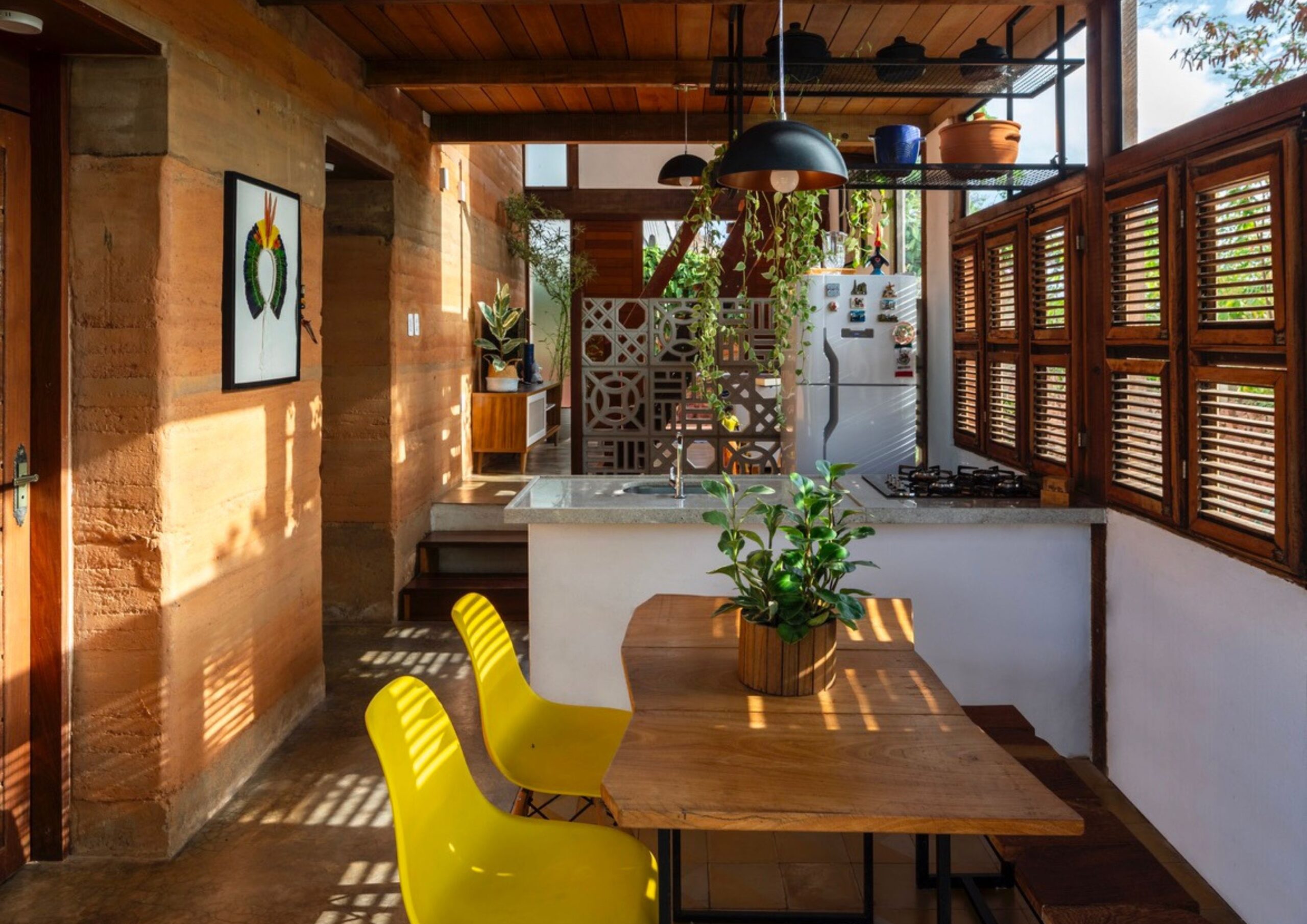
Without a doubt, these dining and kitchen areas showcase a rustic interior style. However, you can’t also resist looking at those two vibrant yellow chairs disrupting the general design scheme. And the reason why they stand out among other elements in the space is their saturated color and plain curvy form.
Since the room is predominantly neutral and earthy, it creates a striking contrast against the modern furniture, making them more noticeable. This unexpected pop of color adds a playful and energetic element to the space, preventing it from feeling too plain and typical.
The Wrong Shoe Theory offers a refreshing departure from the confining traditional interior designInterior DesignThe discipline of planning and shaping interior spaces for function, comfort, safety, and beauty. It covers layout, lighting, materials, finishes, furniture, and color, and in the Philippines is a licensedGo to Interior Design Glossary principles. More than a theory, it’s a new perspective proving that sometimes adding the “wrong” elements is the right design choice.
Read more: Ferndale Project: A Unique Family House with an Industrial Brutalist Twist
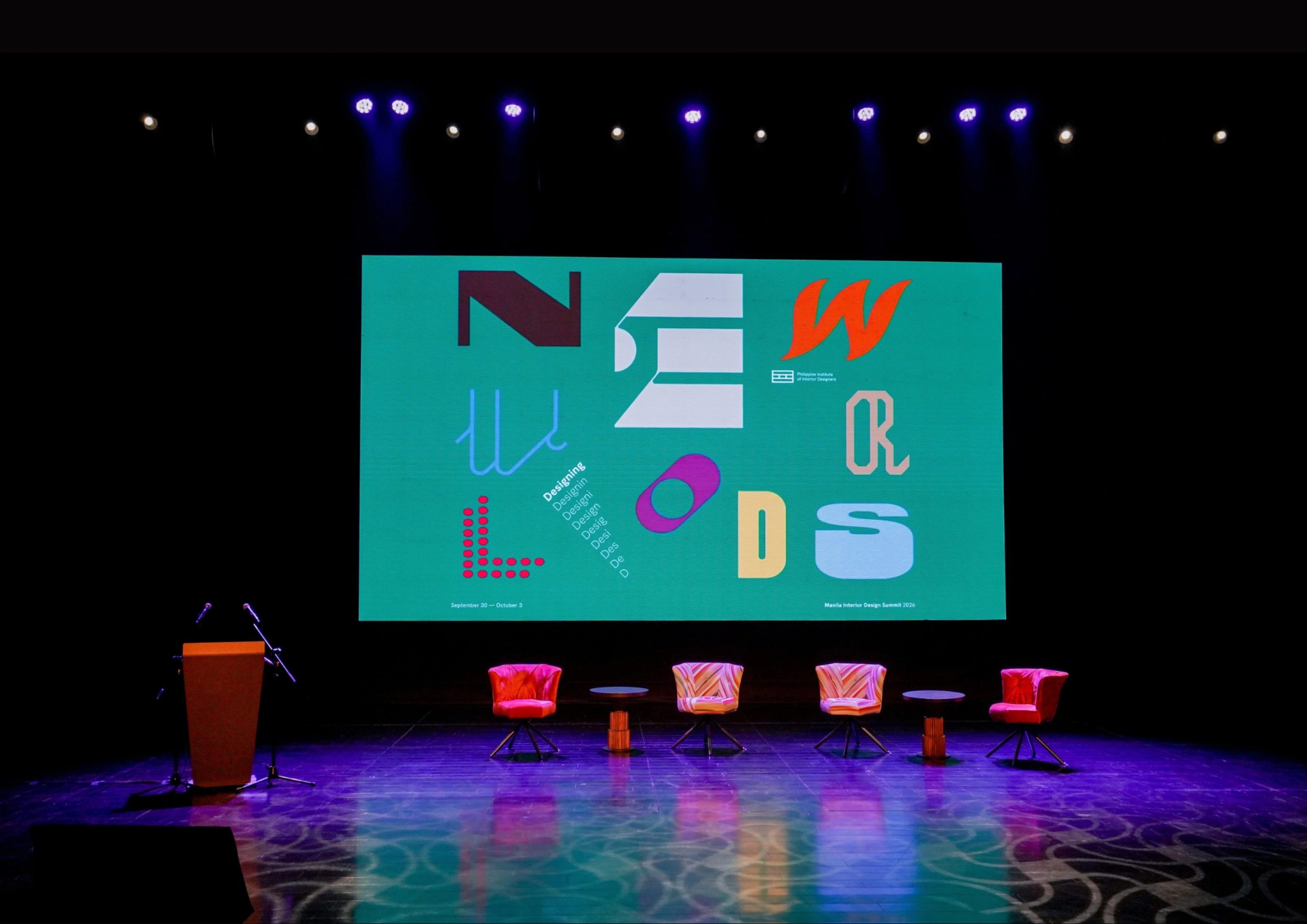
The fourth Manila Interior DesignInterior DesignThe discipline of planning and shaping interior spaces for function, comfort, safety, and beauty. It covers layout, lighting, materials, finishes, furniture, and color, and in the Philippines is a licensedGo to Interior Design Glossary Summit (MIDS) brought together more than 300 delegates for four days of conversations, exhibitions, and design […]
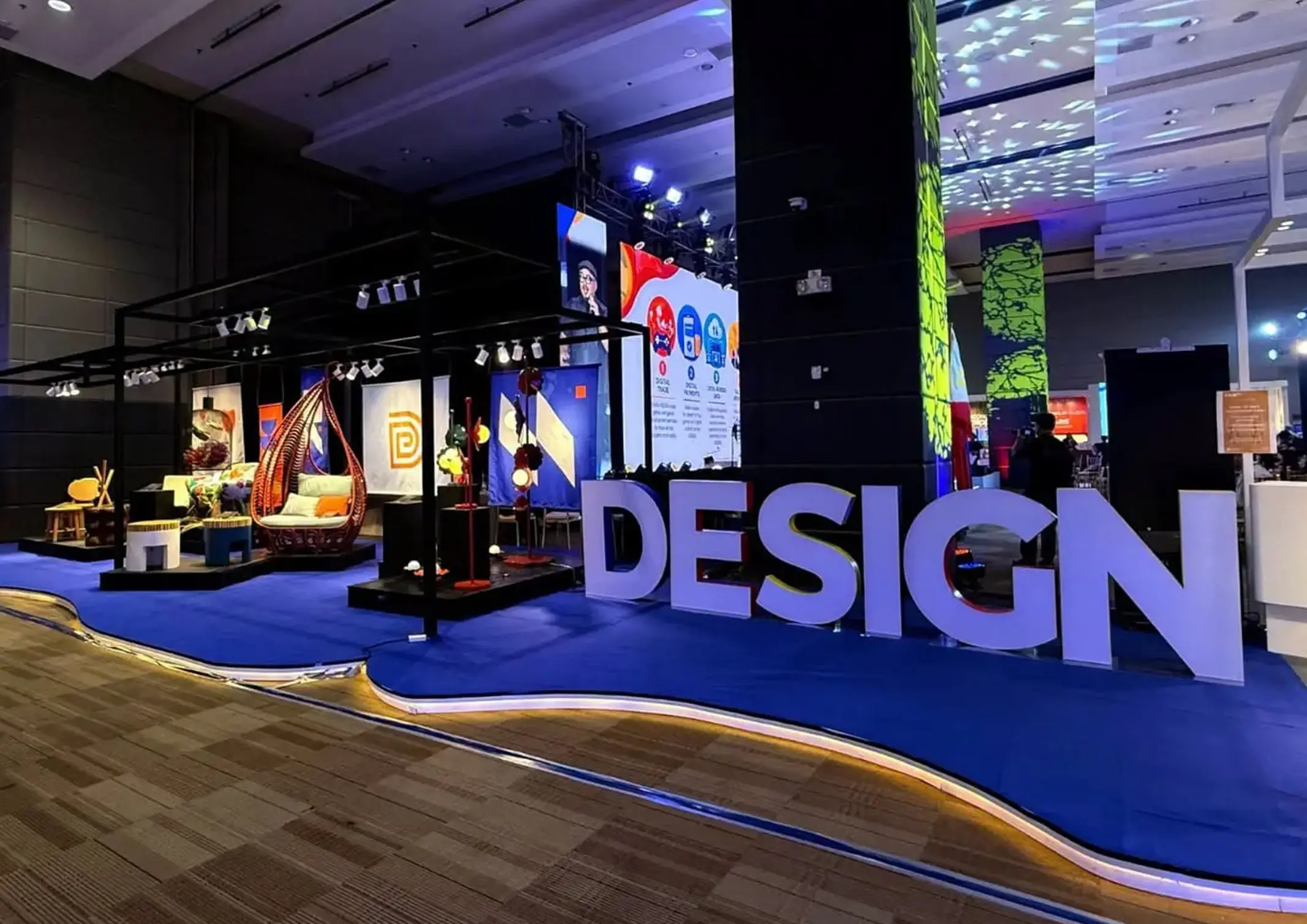
Held at the SMX Convention Center Aura in Taguig City, the first ASEAN Creative Industries Expo by Malikhaing Pinoy (ASEAN MPEx) features nine creative domains, including design, visual arts, digital interactive media, and performing arts. Organized by the Department of Trade and Industry (DTI), the event includes exhibitions, cultural performances, industry talks, and pitching sessions […]
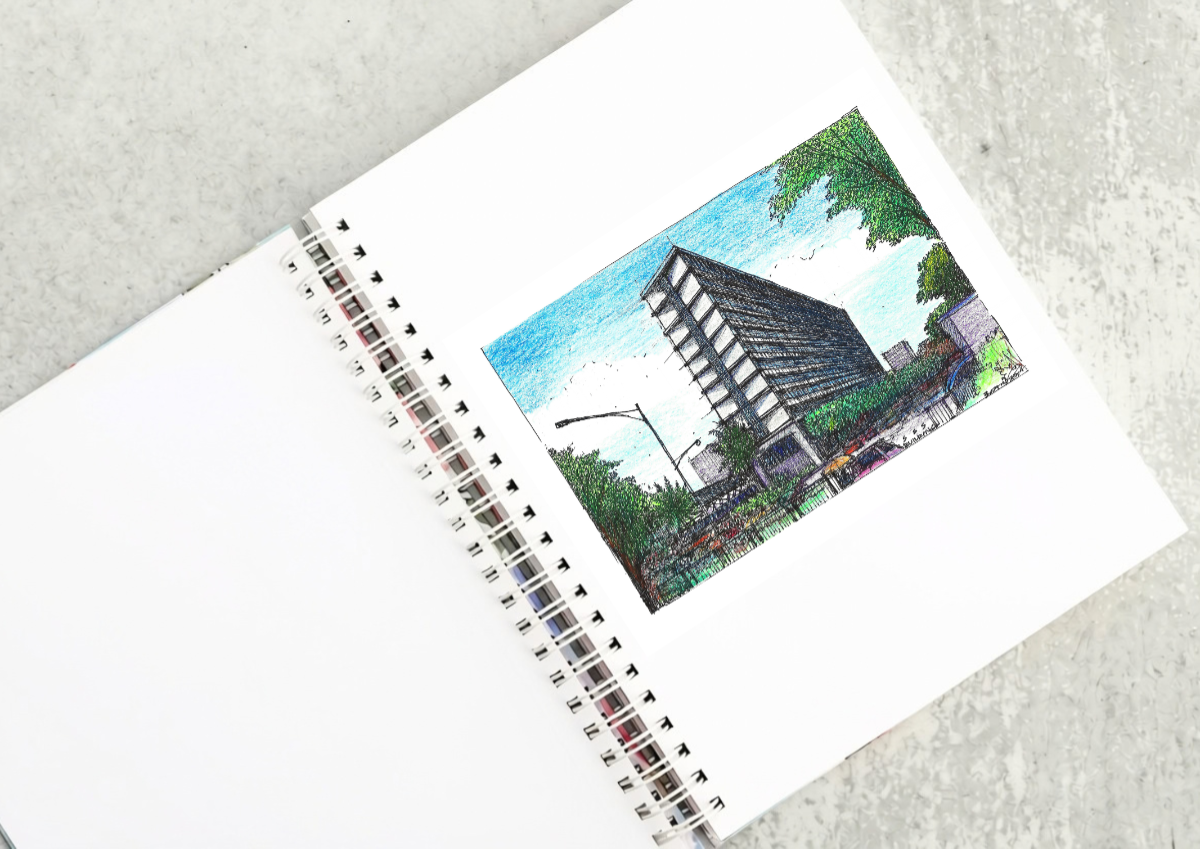
The SSS Building as an Expression of Civic Modernism My favorite modernist landmark in Quezon City is the SSS building on East Avenue. Designed by National Artist for ArchitectureArchitectureThe art and science of designing and constructing buildings, structures, and spaces that are functional, safe, and aesthetically pleasing. It encompasses the planning, design, materials, and techniques […]

Archie G. Carrasco, Chairman and CEO of AGC Power Holdings Corp. (AGC PHC), has been named to The BoF 500 Class of 2026 under the Media category, joining The Business of Fashion’s global community of individuals shaping the fashion industry. Carrasco is among 100 new members from 33 countries and 48 nationalities selected for the […]
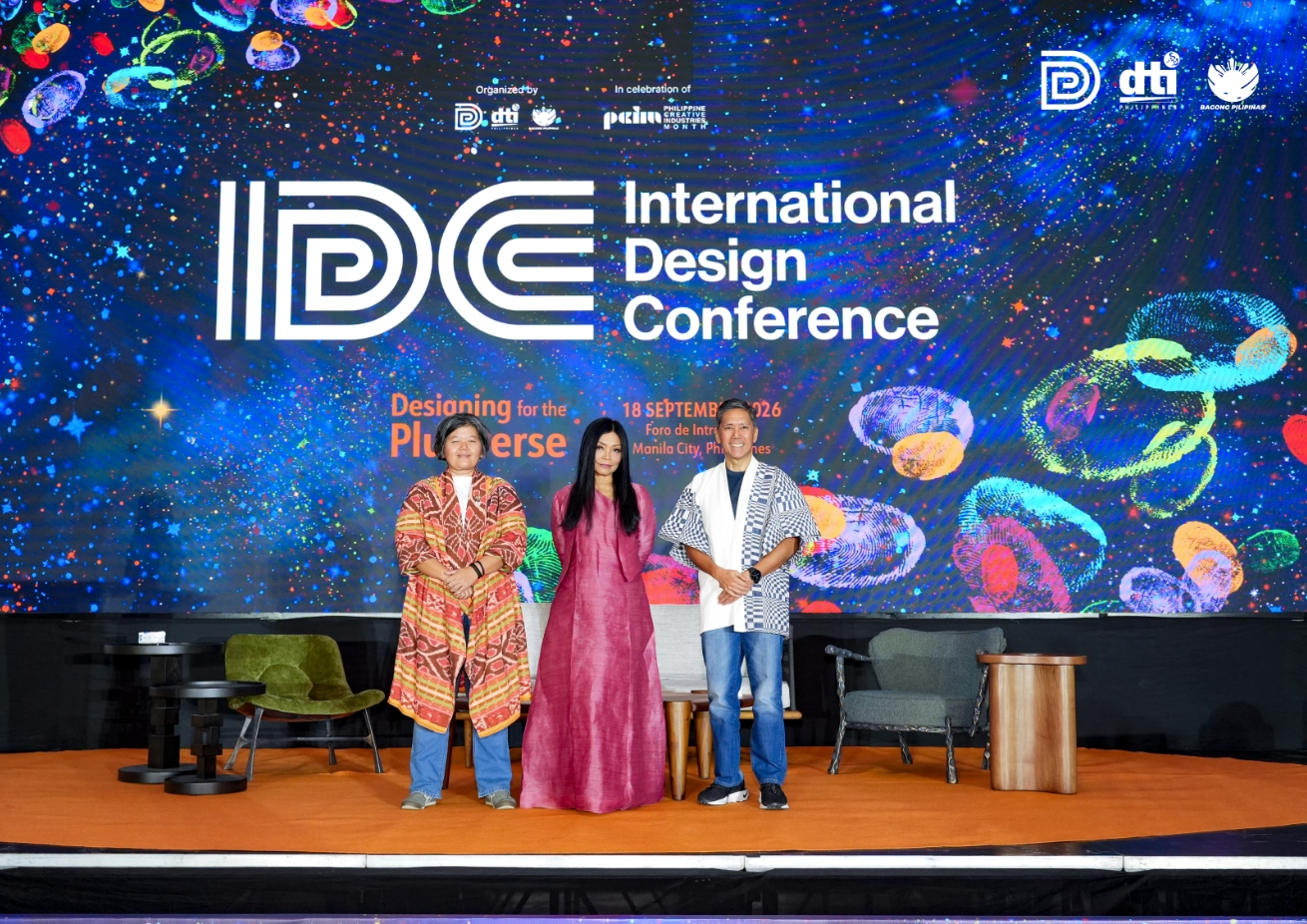
Culture in design does not always announce itself through a recognizable motif, material, or symbol. It can also be embedded in the relationships designers build, the knowledge they listen to, the materials they choose, and the decisions they make in response to communities and their environments. This distinction emerged throughout the 2026 International Design Conference […]
Read the issues.

Collect the volumes.

Recommended Video
Tap to Unmute
Unmute
0:00
0:00