Bigkis is the act of binding. In Tagalog, the word can refer to something used to bind or encircle, as well as a bundle formed by tying several separate elements together. Figuratively, it can also mean a bond, union, or unity. The meanings move from the physical act of joining things together to the connection […]
Ajuala Restaurant: A Culinary Haven Crafted with Local Flair



The Ajuala Restaurant creates a unique dining experience for its patrons through architectureArchitectureThe art and science of designing and constructing buildings, structures, and spaces that are functional, safe, and aesthetically pleasing. It encompasses the planning, design, materials, and techniques used to createGo to Architecture Glossary and culinary artistry. Portafoglio Grupo Arquitectónico + Grupo HCR forges a design that reflects the tastes of Chef Saverio Stassi. A contemporary sensibility accompanies a rustic charm that cooks up a destination to satisfy food enthusiasts and design aficionados alike.
A Home Cooked Design
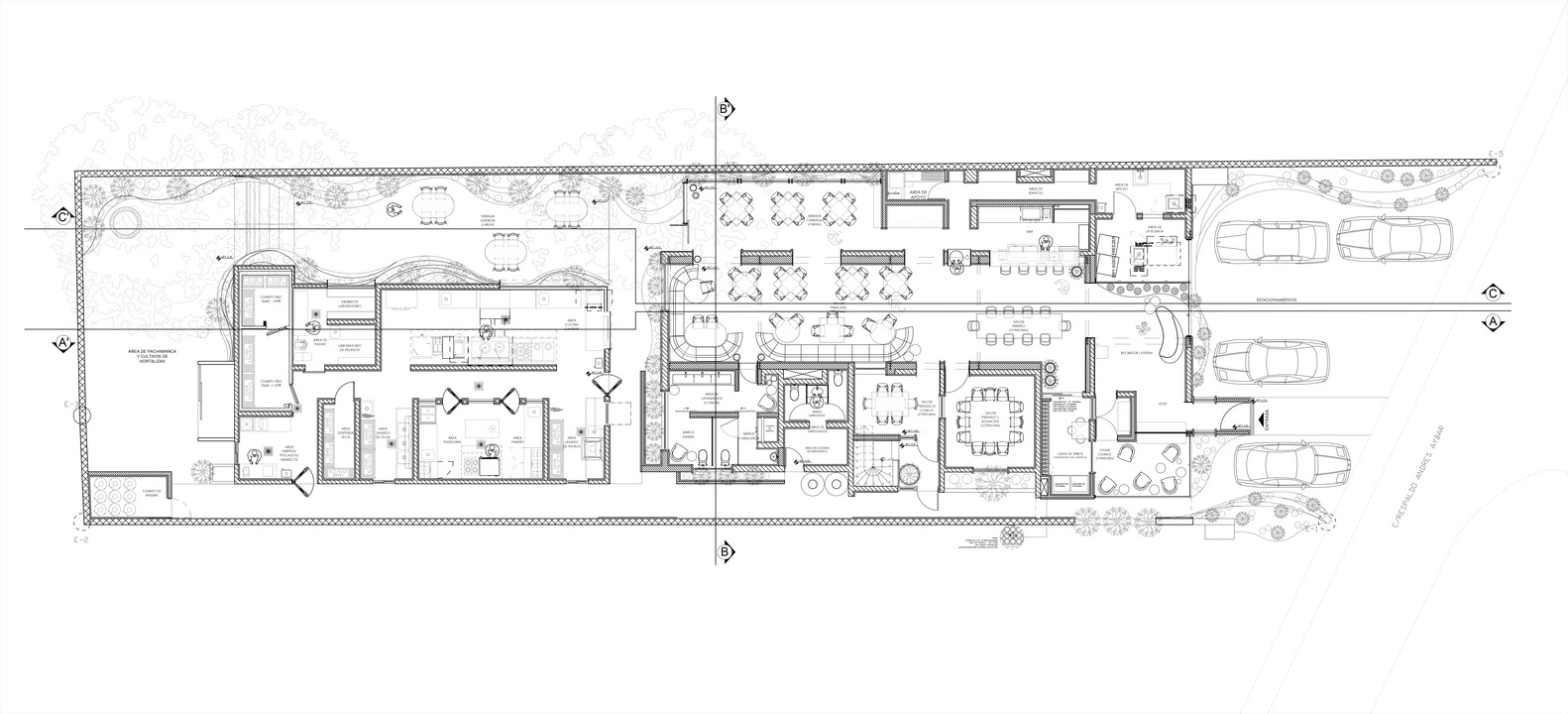
Located in the Dominican Republic, the Ajuala Restaurant is a repurposed residential house. The designers converted the existing structure while still keeping the characteristics of the previous home. It does this in a manner that meets with the needs to run a restaurant, using elements ranging from ambient yearnings to functional requirements. Doing so adds a compelling sustainability component to the project as it reduces the need to construct from scratch.
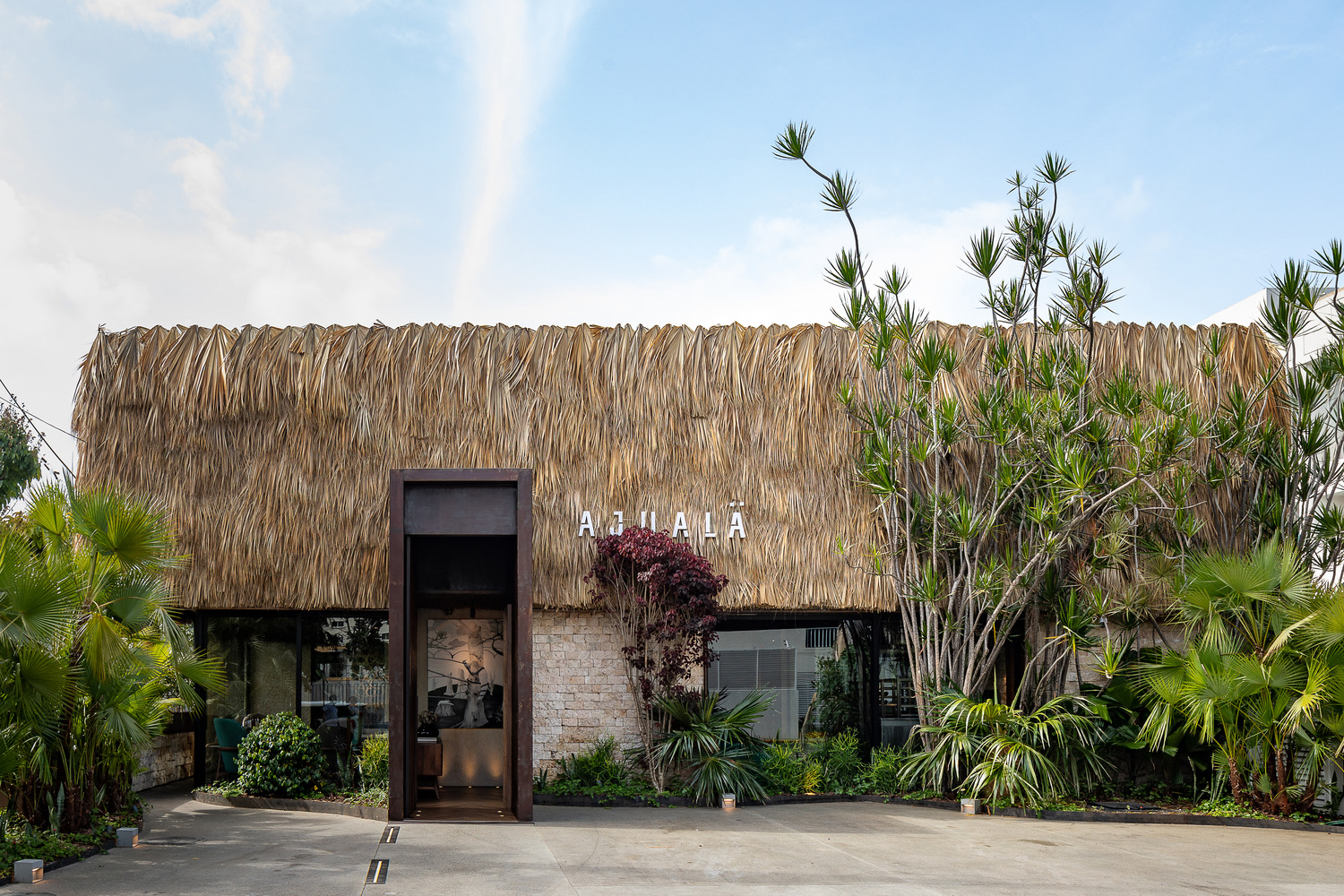
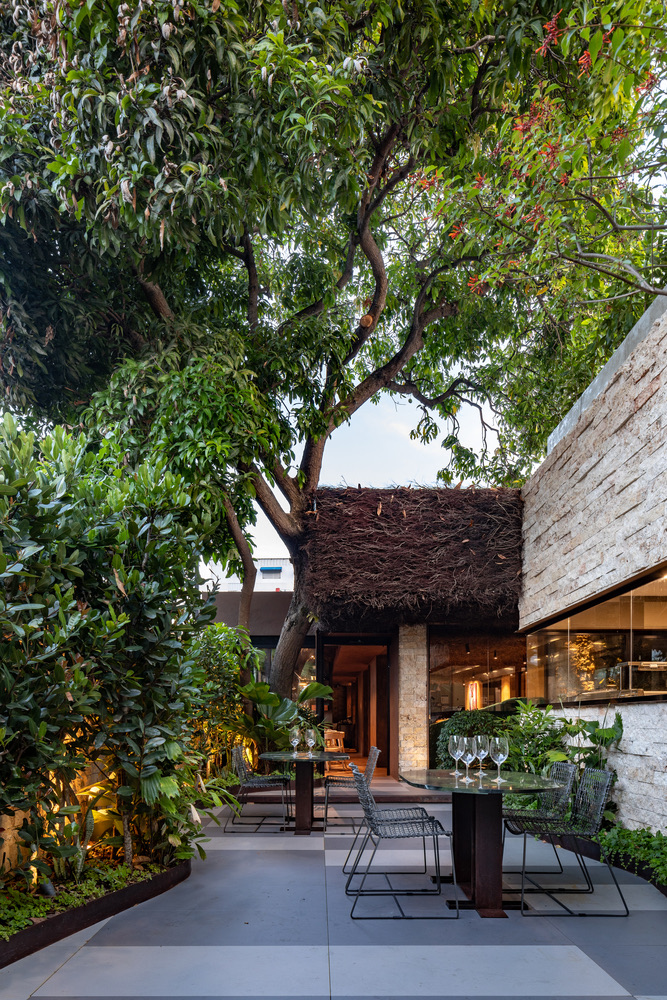
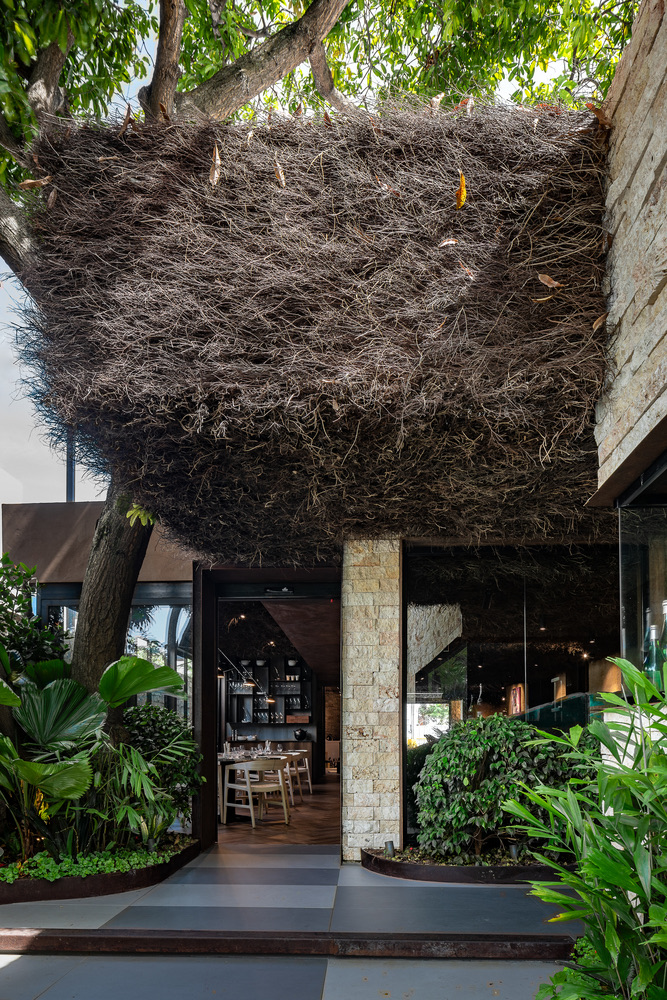
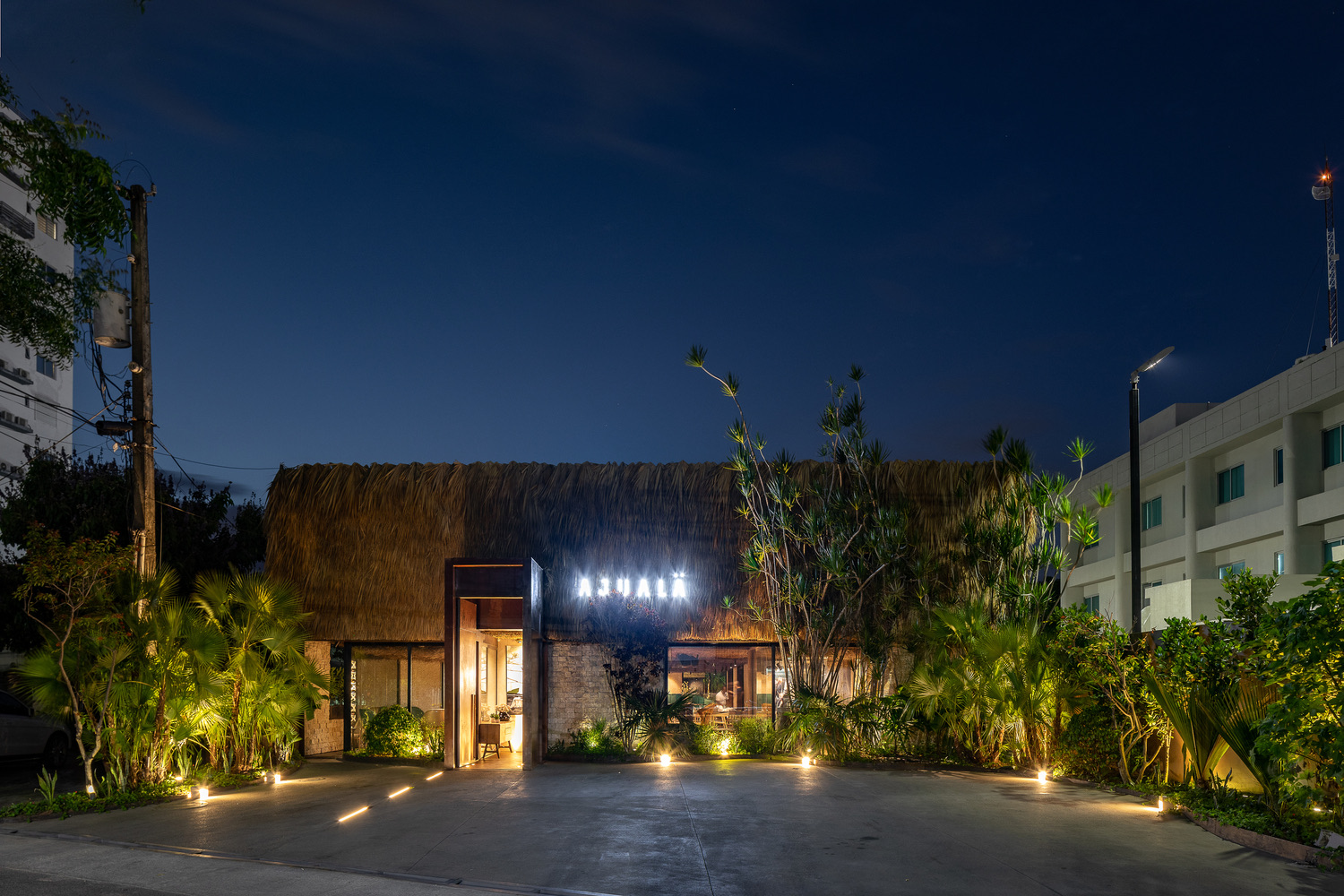
The restaurant proudly displays what it has to offer. Its design features local craftsmanship and materials that mirrors the flavors and cultural roots of its cuisine. A portico framed with aged steel tola announces the restaurant’s entrance. It stands tall as a modern element against the rustic backdrop formed by the thatch roof and ashlar finish. The building’s profile is rectangular and uniform in shape, putting these elements in the spotlight.
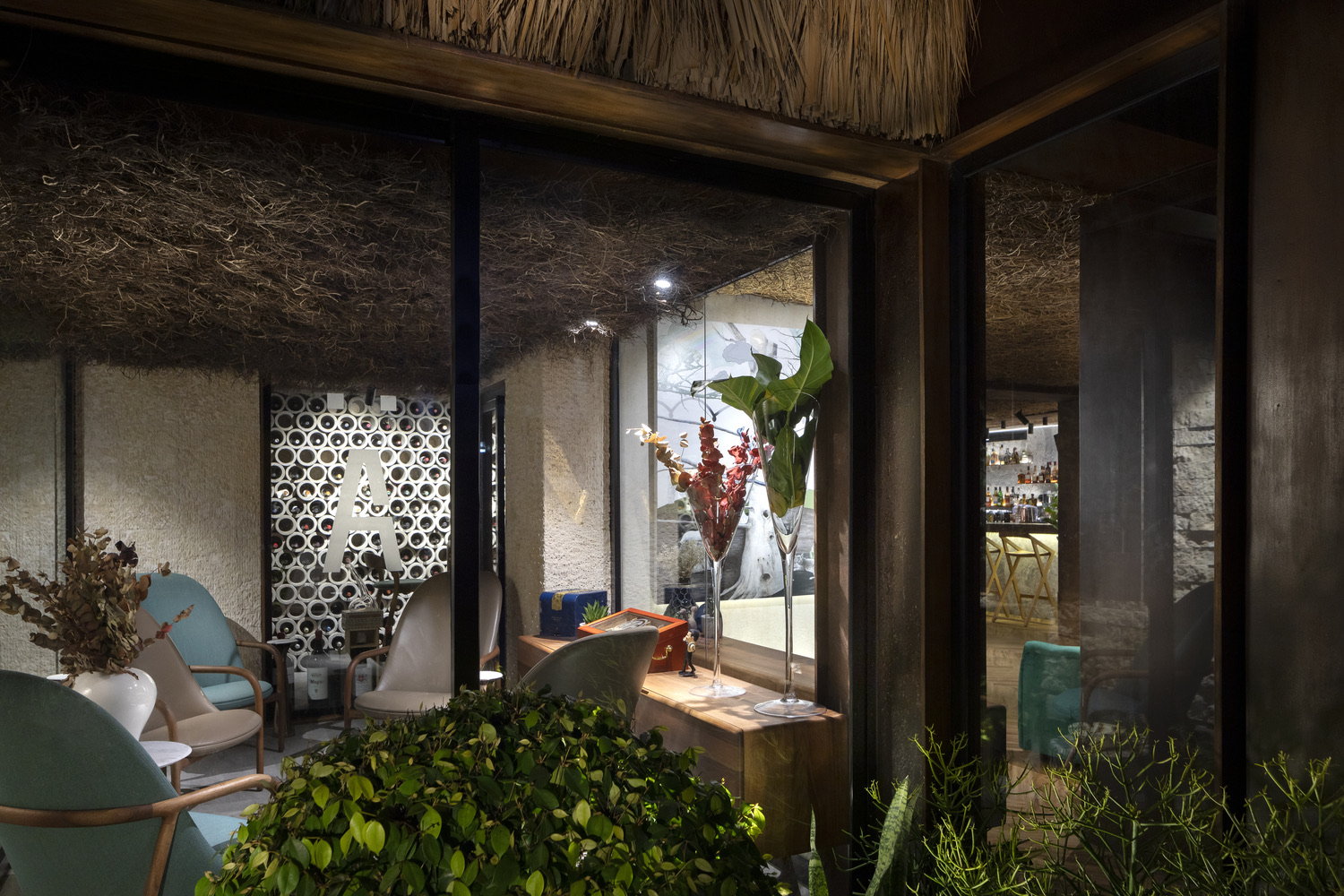
Alongside this, a wide variety of greenery stretches across the building’s frontage in a manner that softens the architectureArchitectureThe art and science of designing and constructing buildings, structures, and spaces that are functional, safe, and aesthetically pleasing. It encompasses the planning, design, materials, and techniques used to createGo to Architecture Glossary. Additionally, a sleek windows reveals an irregular shelf of mixed openings that gives onlookers a sample of what to expect inside.
Mixing Rural and Modern Design Ingredients
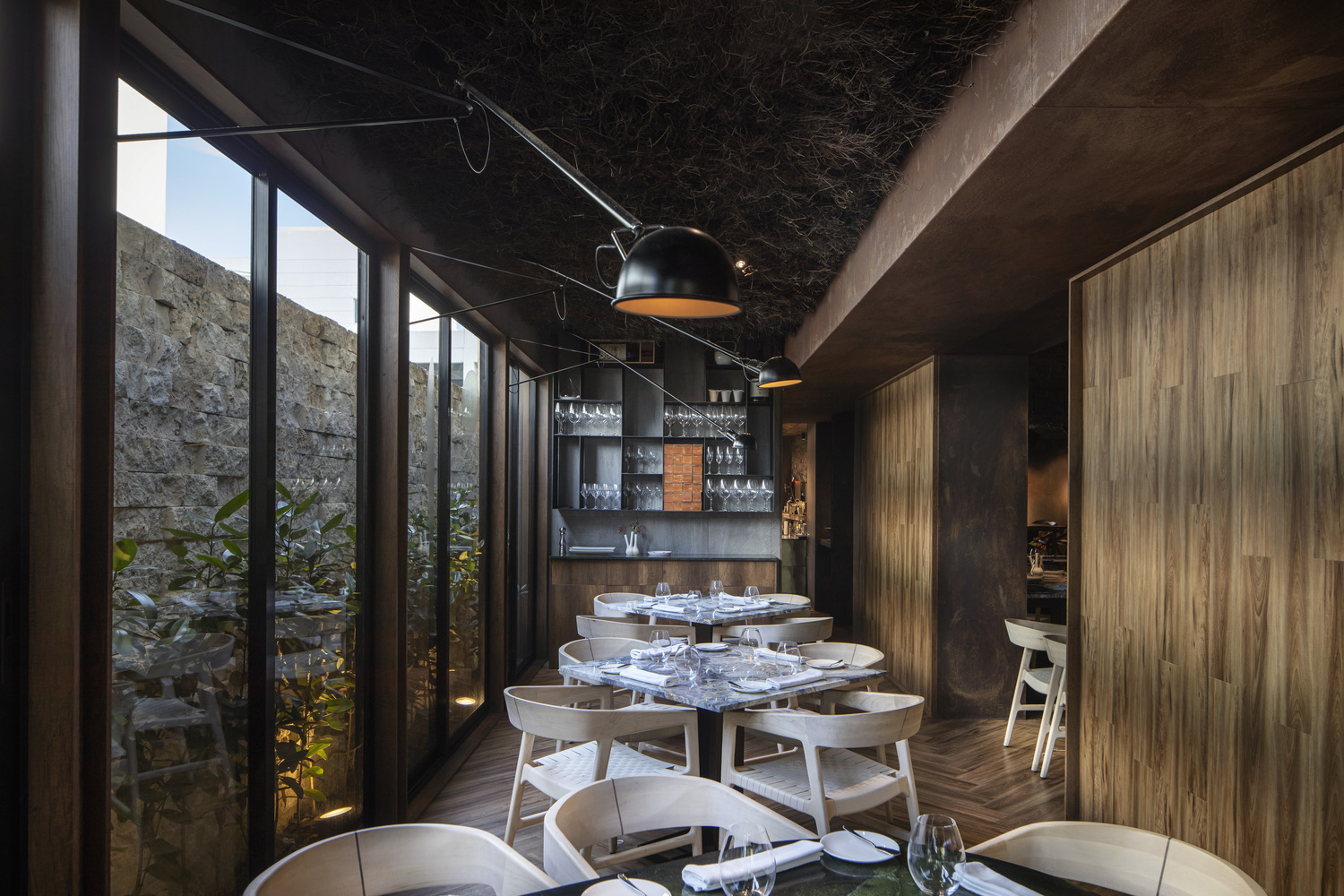
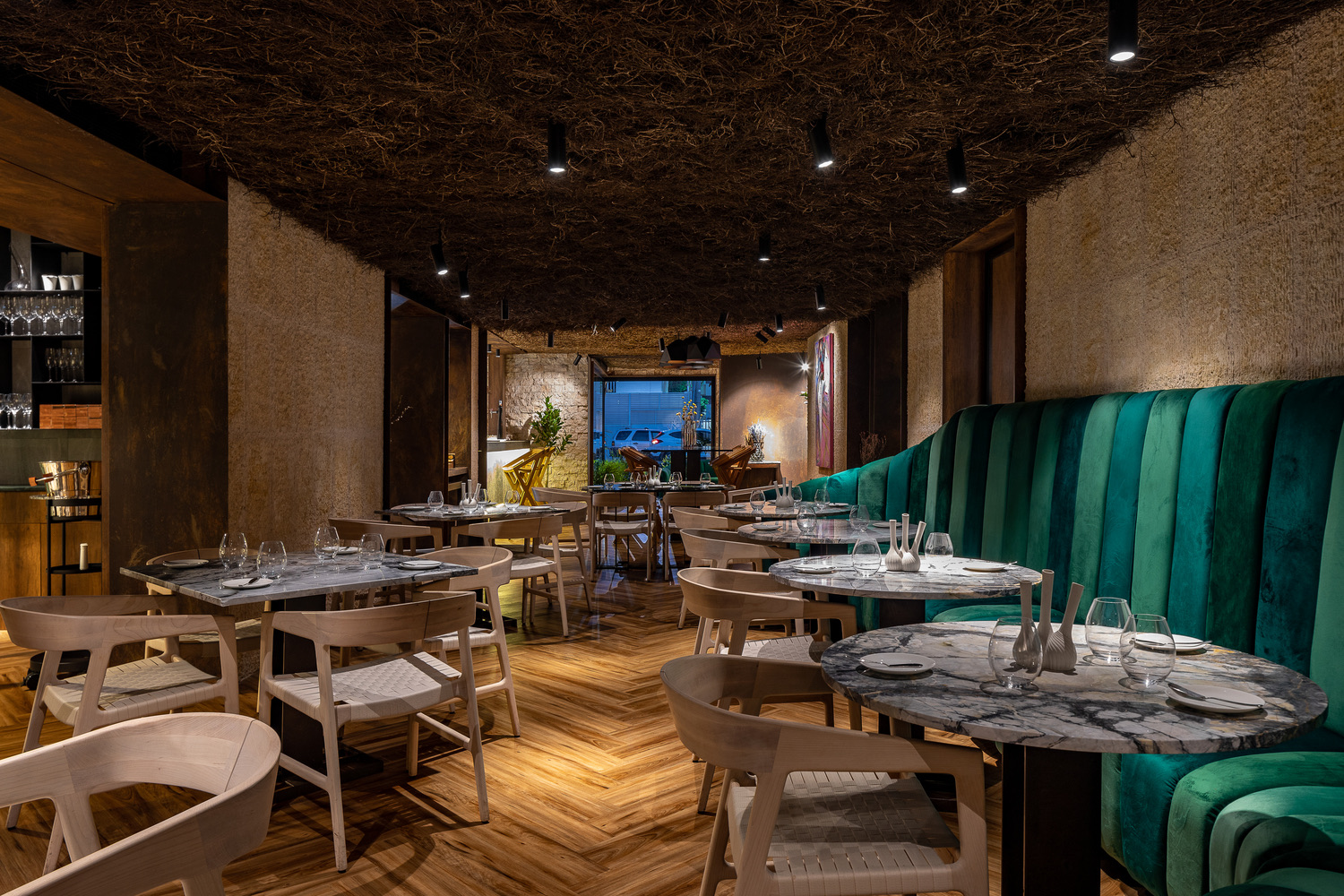
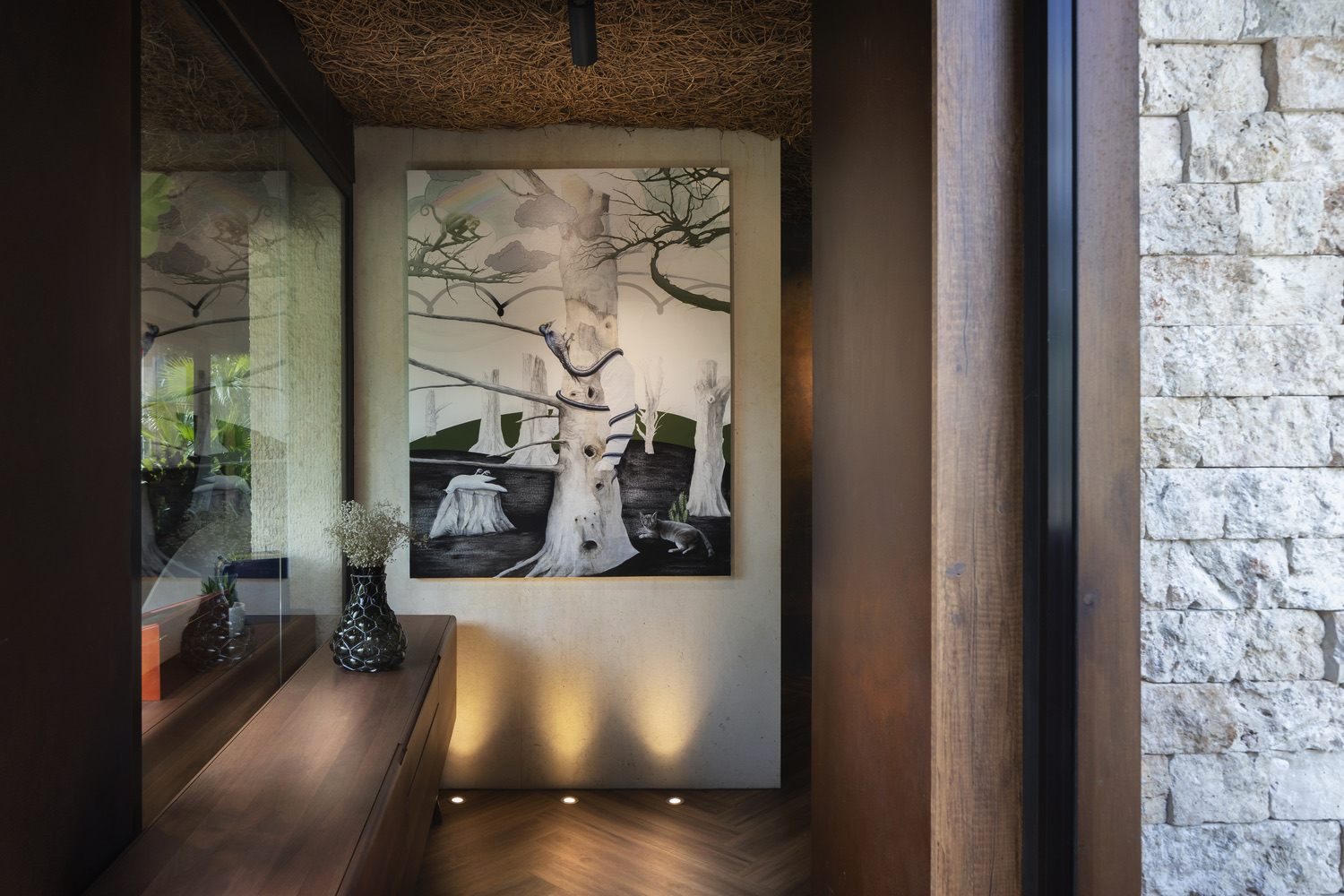
An inviting ambience formed by the Ajuala Restaurant’s interior designInterior DesignThe discipline of planning and shaping interior spaces for function, comfort, safety, and beauty. It covers layout, lighting, materials, finishes, furniture, and color, and in the Philippines is a licensedGo to Interior Design Glossary greets patrons. Rustic and modern design elements fuse together in homage to Dominican architecture. The straw-like ceiling is contrasted by sleek wooden finishings in conjunction with textured stone. An elegant choice in custom furnishing and art pieces further cements this effect.
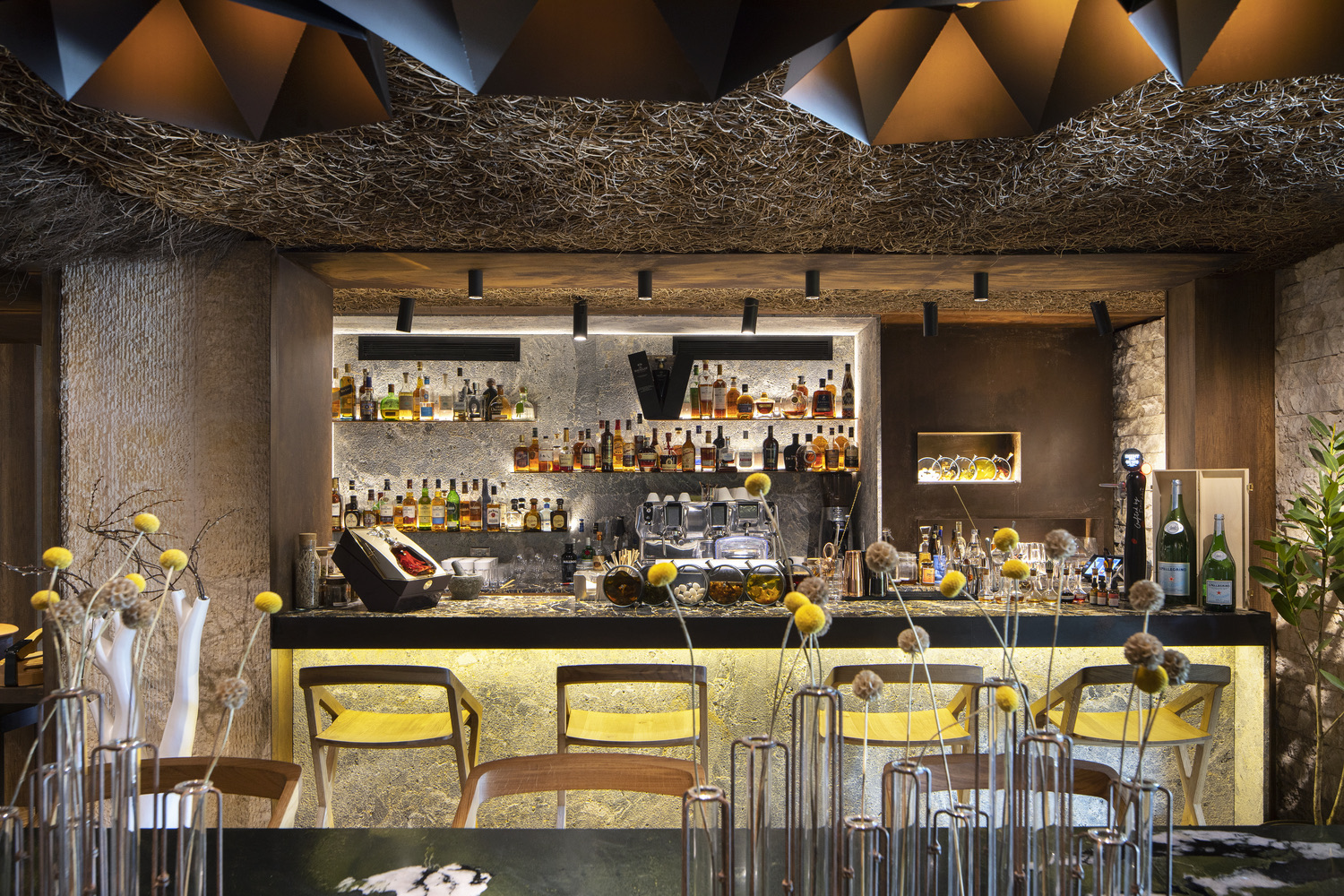
A strategic lighting plan uses sculptural dome pendant lights that highlight focal points in conjunction with track lighting over each table. Traditional Dominican wood block molds inspire the back bar shelving design. The flooring appears to be a classic pattern of herringbone wood planks. Different seating arrangements offer unique views, from the site’s greenery to the dynamic work seen from the open kitchen.
The single story elevation of the structure supports mobility and visibility requirements for managing a dining experience. An open layout connects the reception, bar, and the main dining room. At maximum capacity, a total of 40 guests can be accommodated. A sense of spaciousness is achieved through the wide floor-to-ceiling windows that are framed by perimeter gardens and walls.
Celebrating Dominican Flavors
The Ajuala Restaurant clearly reflects the environment that its chef wishes to create for his customers. It’s a clear expression of different aspects of cooking, whether it be in its cultural references, functional requirements, or the framing of the experience. The designers achieve this by a strong design concept that reinvigorates traditional Dominican flavors. This place utilizes the practices of modern day dining in tangent with local craftsmanship and materiality.
Read more: Madi Hiyaa: An Overwater Bamboo Restaurant
Photo credit: Onnis Luque
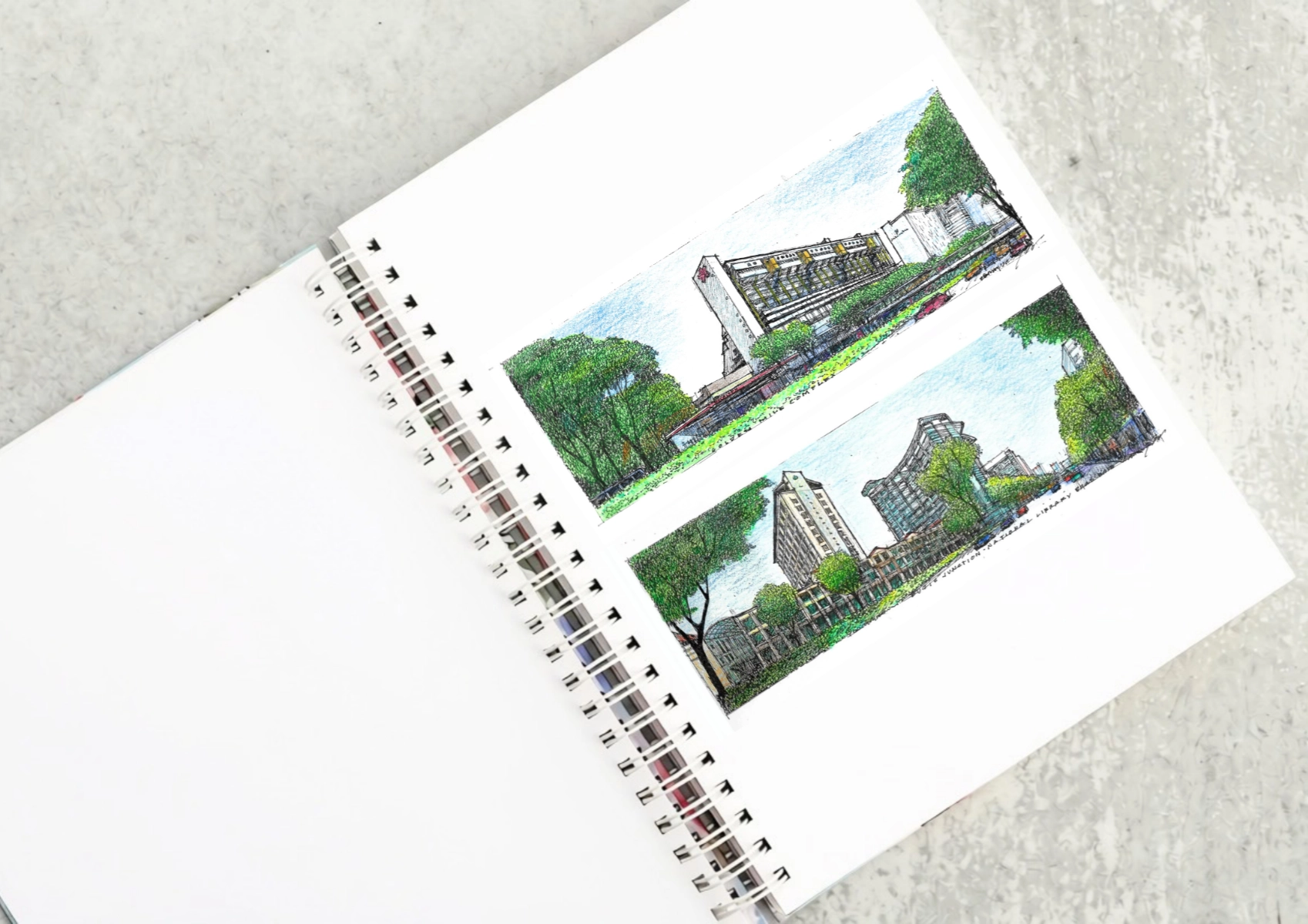
Two sketches of Singapore connect BluPrint Editor in Chief Paulo G. Alcazaren’s personal and professional history with Shared Ground: ArchitectureArchitectureThe art and science of designing and constructing buildings, structures, and spaces that are functional, safe, and aesthetically pleasing. It encompasses the planning, design, materials, and techniques used to createGo to Architecture Glossary of Care, Culture, […]
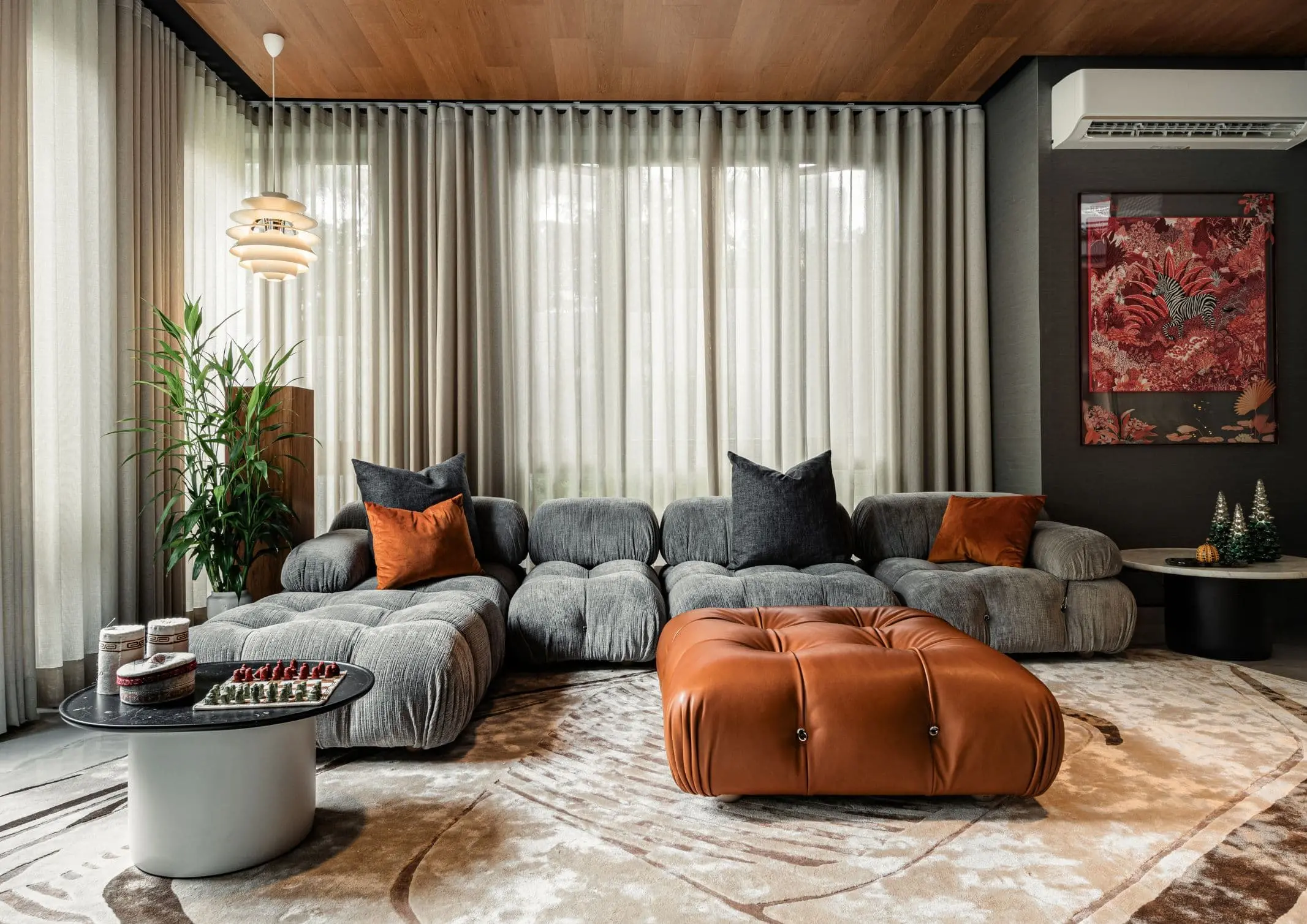
Some have become household names – Coleman, Oster, and KitchenAid – products that have found their way into Filipino kitchens, homes and family routines. In home furnishings, brands such as B&B Italia, Ethan Allen, Sub-Zero, Miele, SieMatic, Louis Poulsen, Hunter Douglas, Tempur, and Technogym, have helped shape the way Filipinos live. From everyday essentials to […]

In a way, designers are the modern-day soothsayers and prophets. They design for the future, predicting how a room, a house, a building or a whole city will be used by people. They foresee how users will interact with a space, conjure exact shades of colors to elicit specific behavior and arrange furniture to build […]
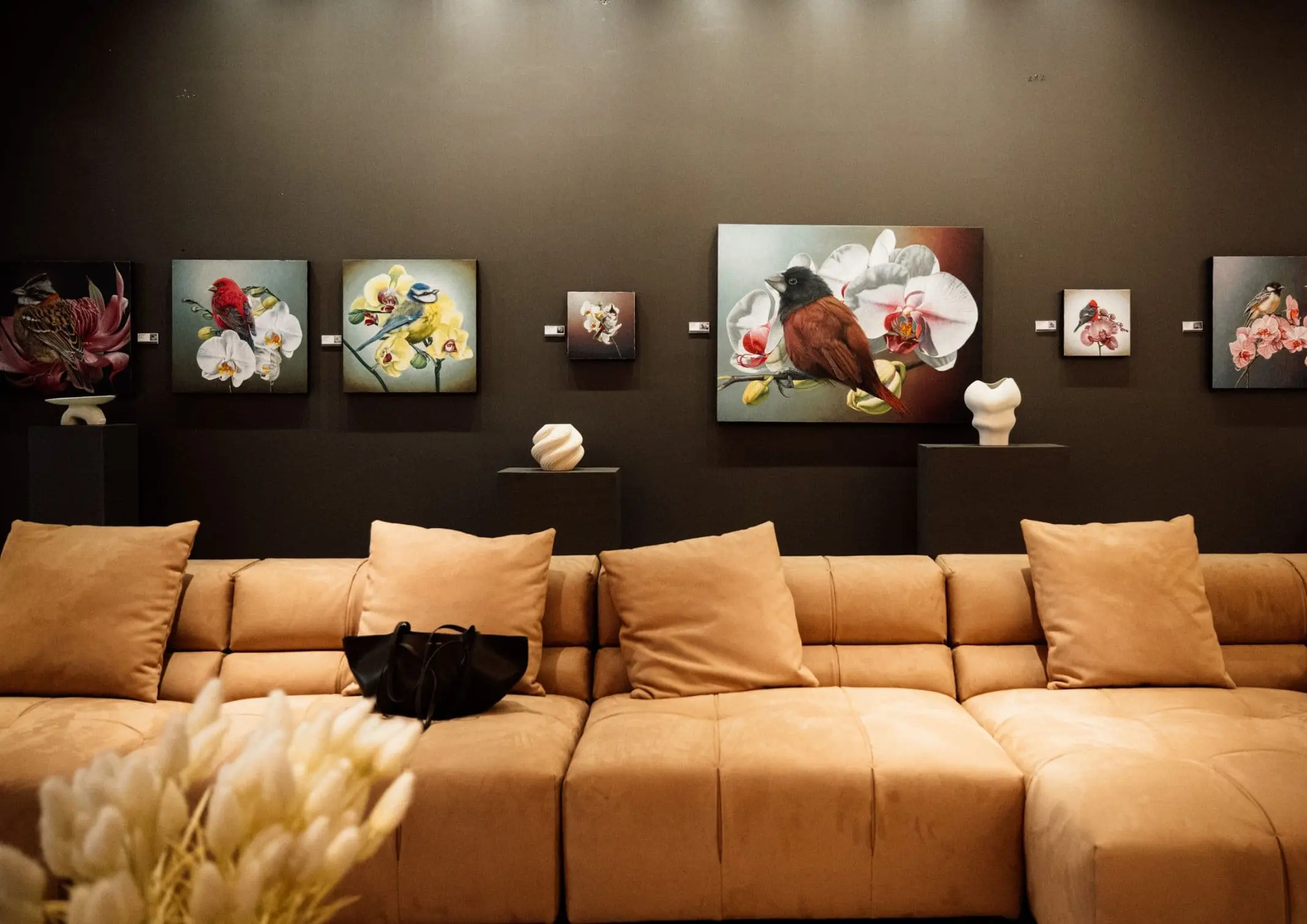
Art and furniture are often selected separately, yet their relationship can shape how a room looks and feels. The collaboration between Hooga and Galerie Joaquin explores how these elements can work together, bringing contemporary artworks into furnished residential settings at Hooga’s showroom in Uptown Mall, Bonifacio Global City. For Hooga, which curates furniture, lighting, and […]
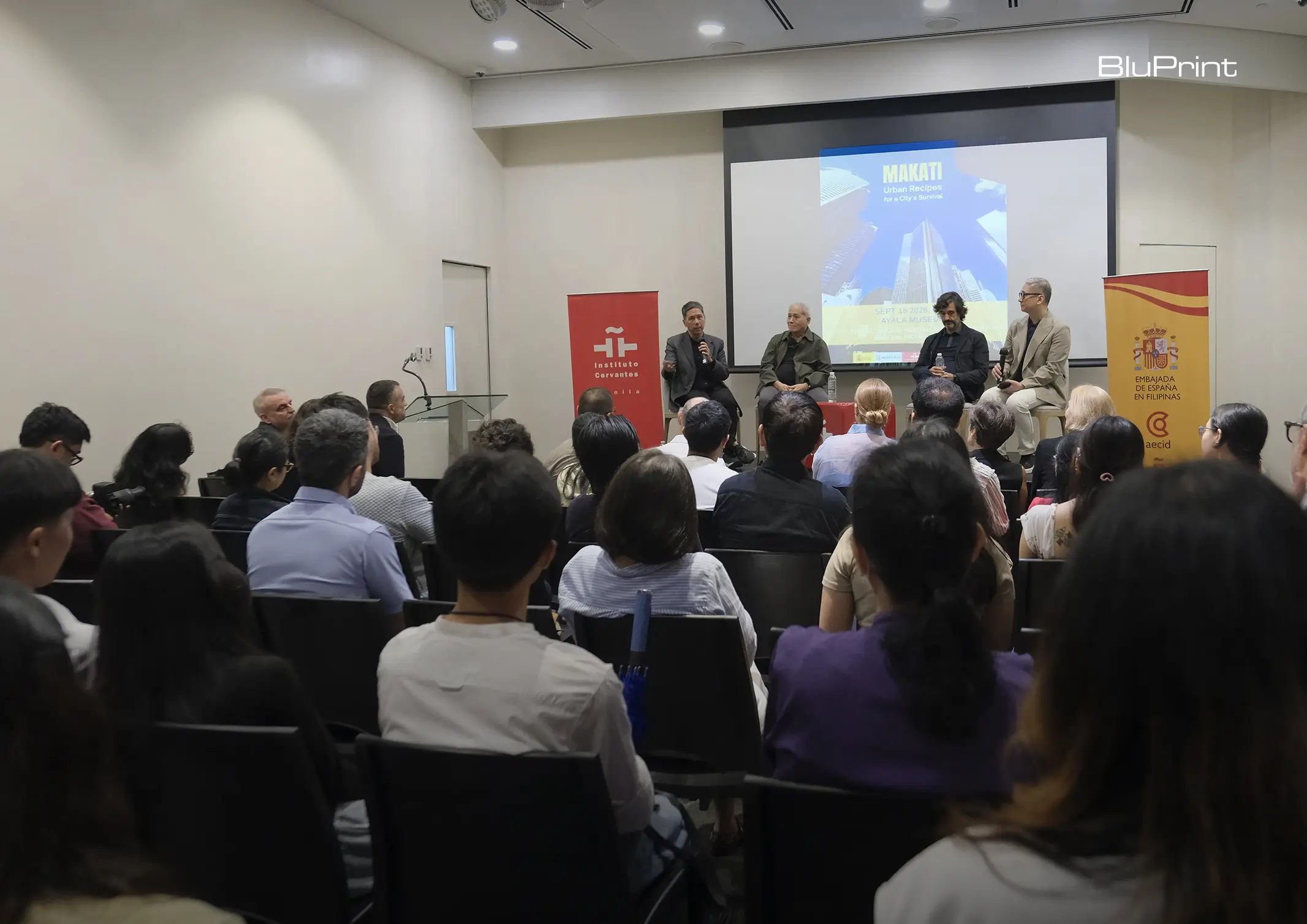
How can better-planned cities create the conditions for more creative, livable, and resilient urban environments? “Makati Urban Recipes for a City’s Survival,” a colloquium held at the Ayala Museum on September 15, brought together architects and practitioners from the fields of urbanism and the creative economy to discuss how design, planning, and collaboration can address […]
Read the issues.

Collect the volumes.

Recommended Video
Tap to Unmute
Unmute
0:00
0:00