Bigkis is the act of binding. In Tagalog, the word can refer to something used to bind or encircle, as well as a bundle formed by tying several separate elements together. Figuratively, it can also mean a bond, union, or unity. The meanings move from the physical act of joining things together to the connection […]
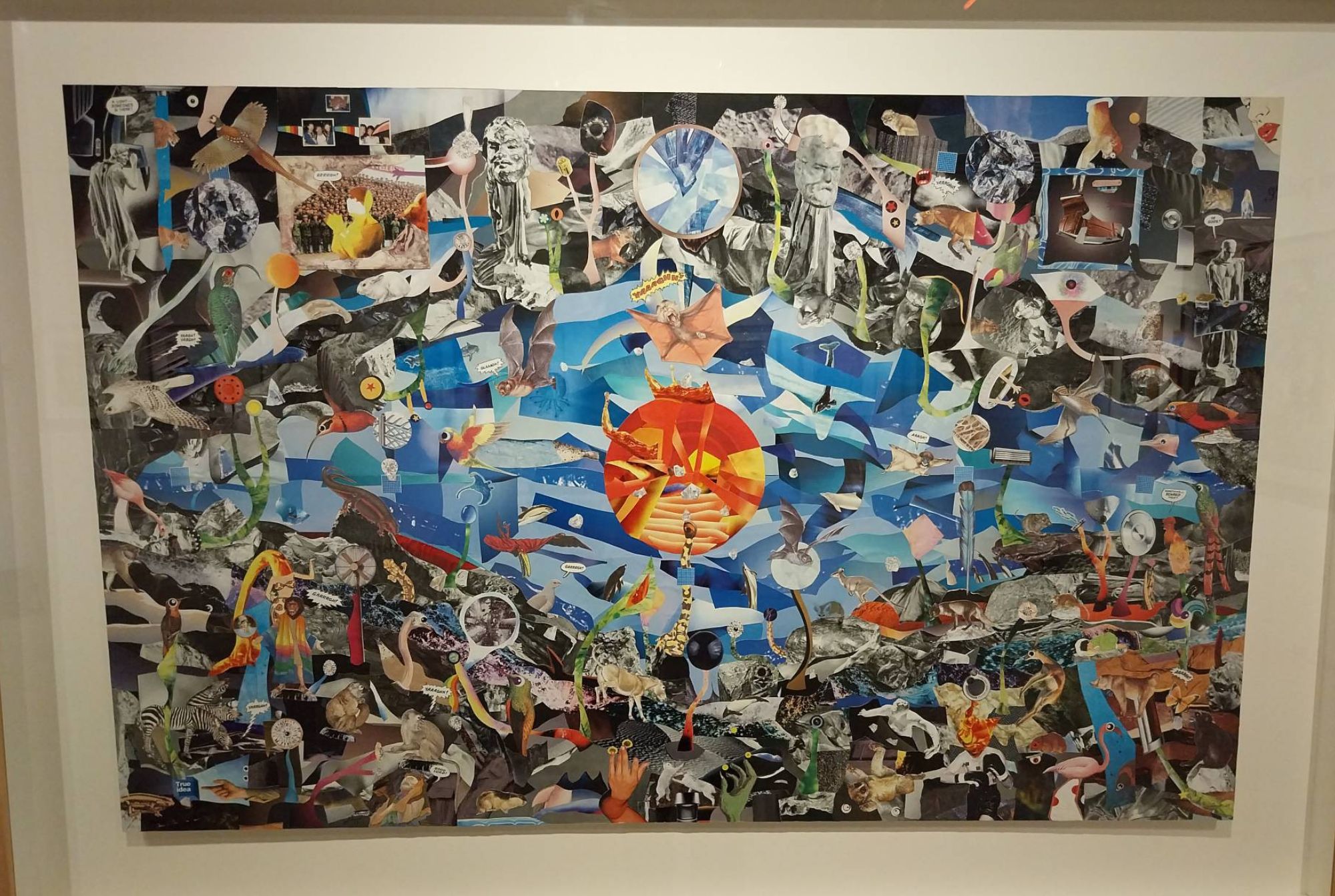
Artificial Intelligence and Its Effects in Art and Architecture



Artificial intelligence, and AI art specifically, continues to have a terrible impact and reputation in the art community. Despite efforts from artists to keep art human-focused, the data suggests that the industry has changed irrevocably for the worst.
The Harvard Business Review recently reported that they measured a 17% decrease in freelance art work since generative AI products like Midjourney and DALL-E penetrated the market. More than that, despite promises from AI companies that they would augment artists’ jobs instead of replacing them, the data they gathered suggests that artificial intelligence is, indeed, replacing artists instead.
“Additionally, we noticed that over time, there were no signs of demand rebounding, revealing a growing trend of job replacement,” the article said. “We compared this impact against both typical seasonal demand fluctuations on the job platform and the effects that automation had on traditional labor markets. The impact produced by gen AI tools was significantly more substantial.”
For BluPrint’s 2024 in Art year-end series, we showcase how our coverage of the AI phenomenon highlighted different discussions of the technology. More than that, we showcase the ways that artists in the country have used AI, whether in critique of the technology or as a way of augmenting their practice.
How BluPrint Covered AI in Architecture
BluPrint’s coverage of artificial intelligence in architectureArchitectureThe art and science of designing and constructing buildings, structures, and spaces that are functional, safe, and aesthetically pleasing. It encompasses the planning, design, materials, and techniques used to createGo to Architecture Glossary showcases experimentation coming from the profession, as well as the fears that dominate the technology’s continued adoption.
On the positive side, architects have been experimenting with the technology to create nontraditional designs. Rather than being weighed down by traditions and movements, they allow AI to create stranger, nonintuitive designs through their prompts. From here, many architects can move forward to creating something earnest and buildable.
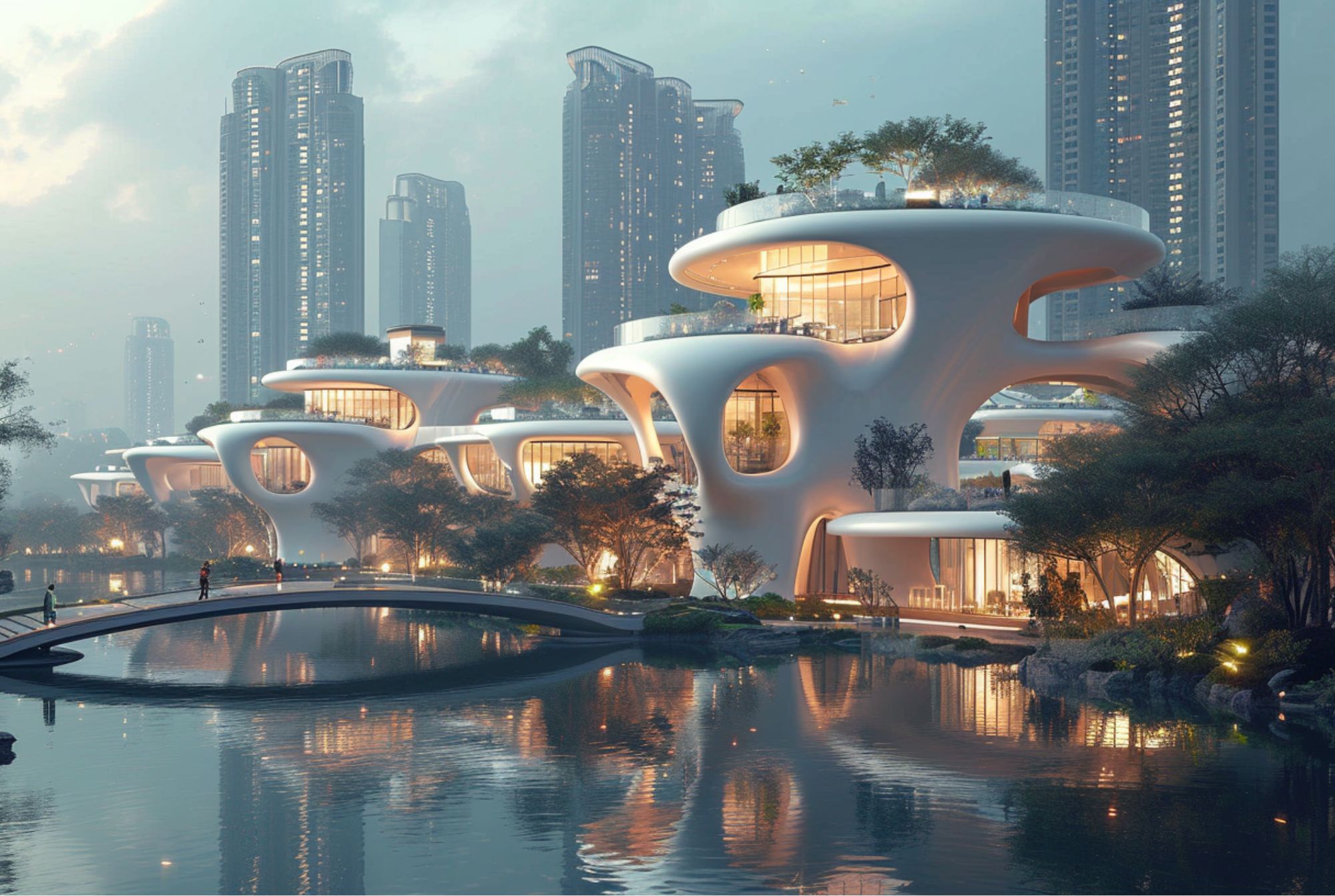
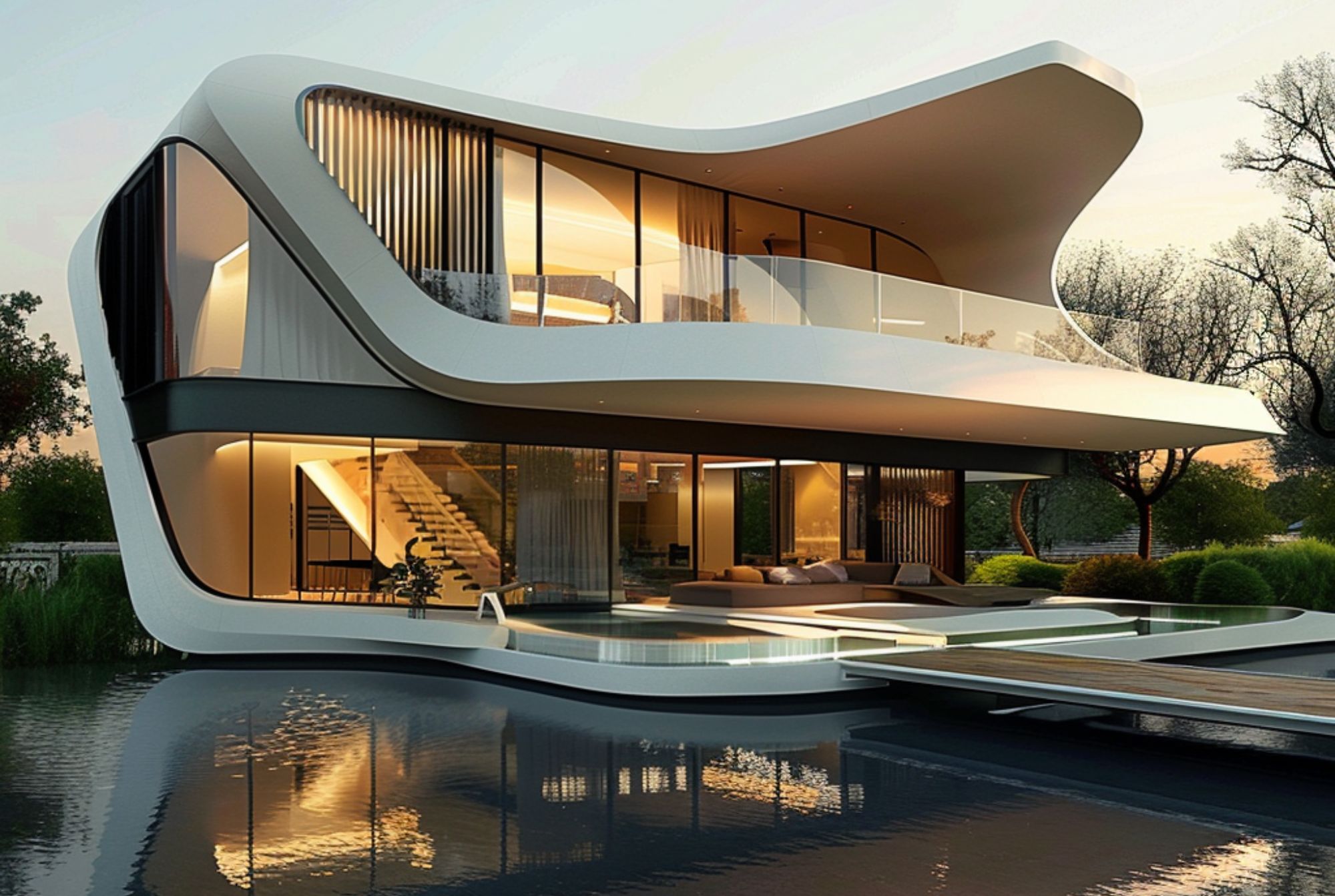
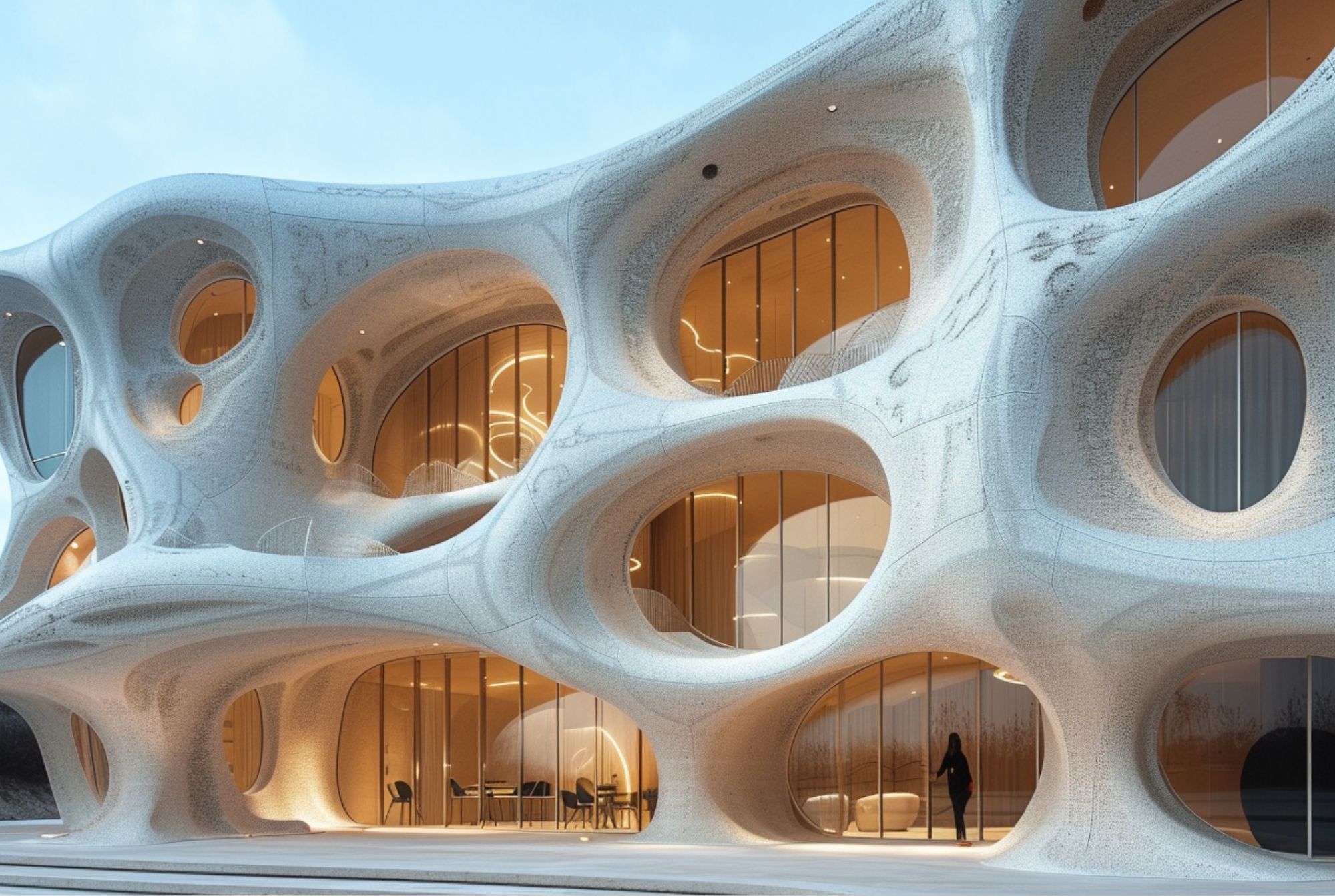
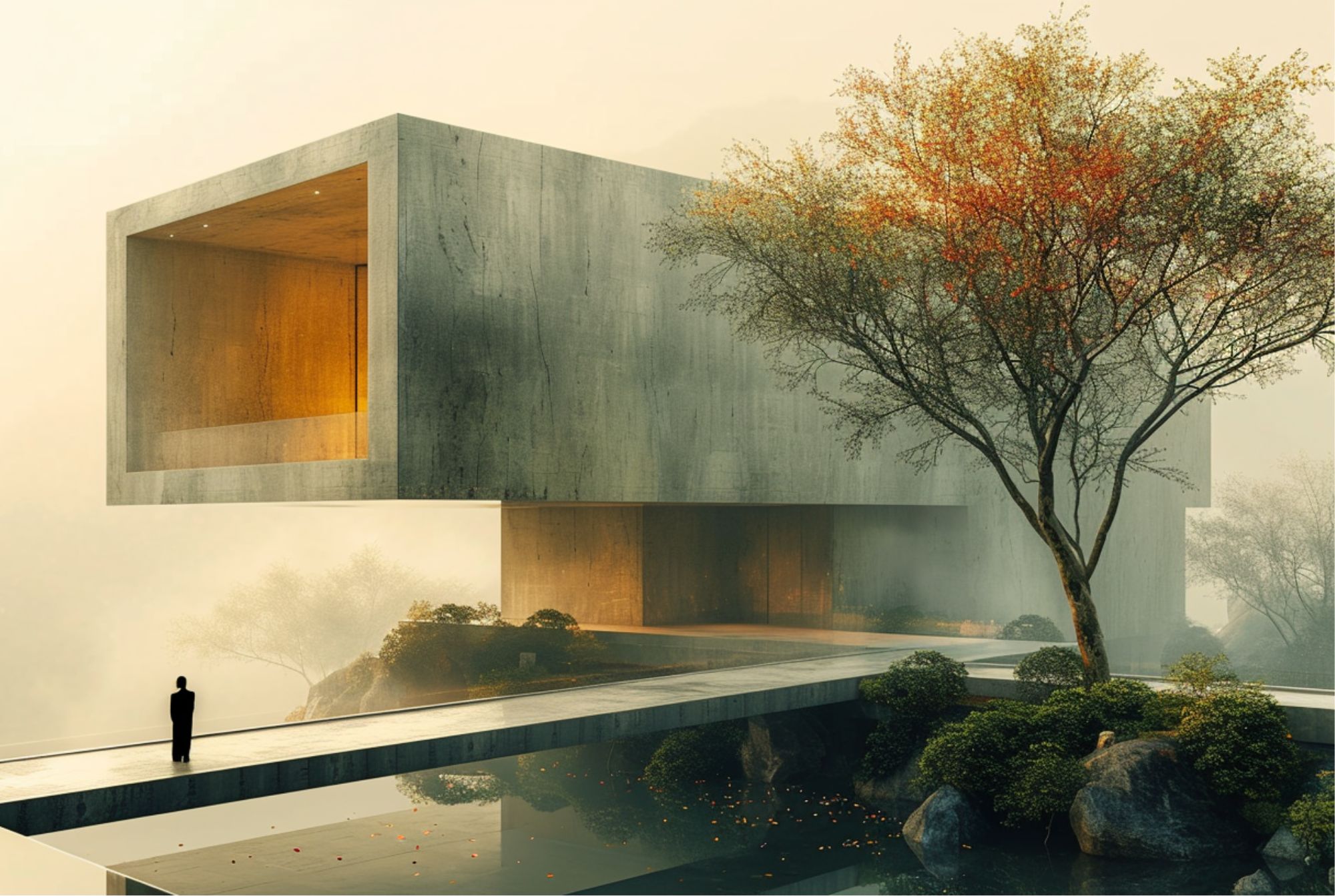
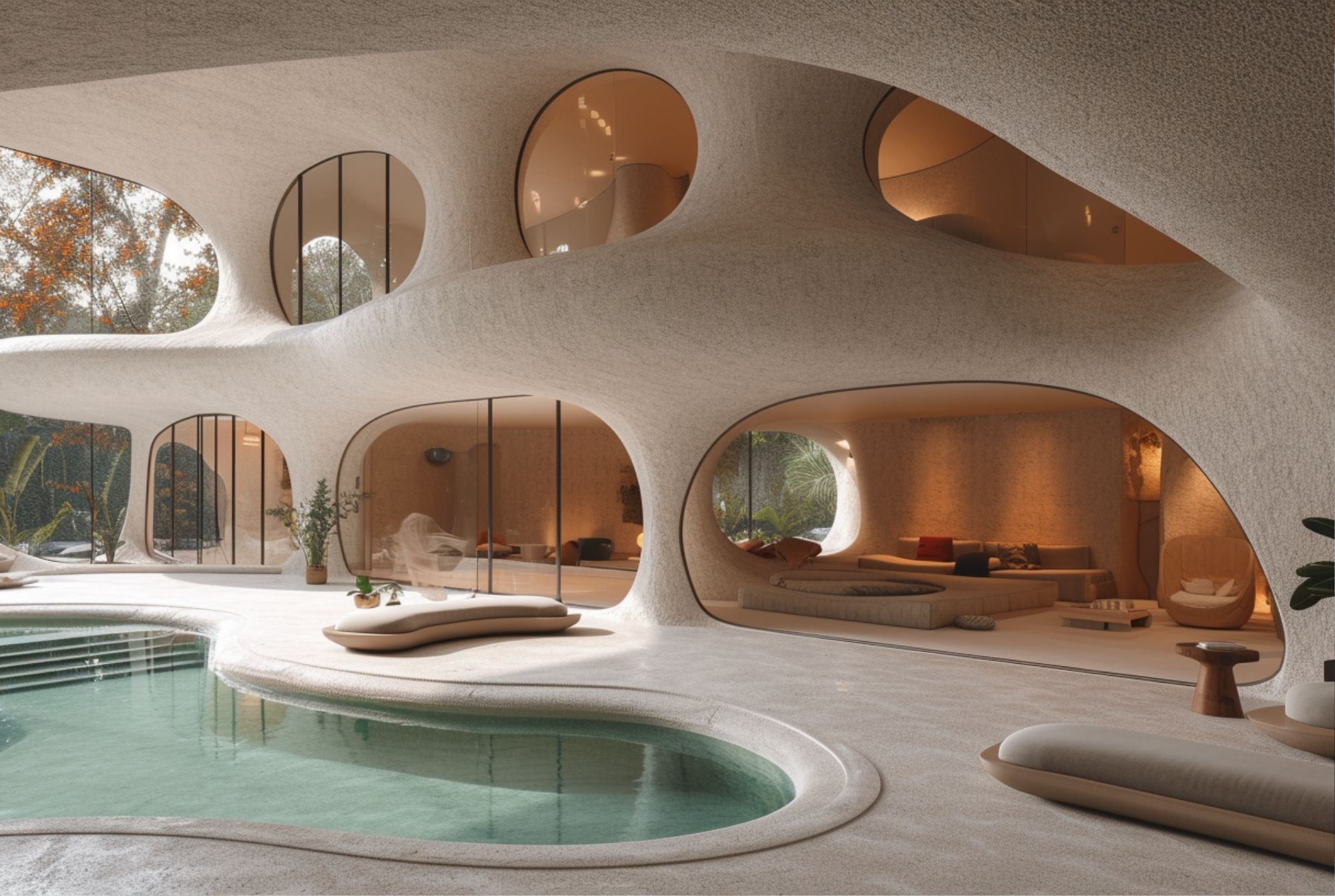
Some architects welcome artificial intelligence as a way of streamlining their workflows. Potentially, many see it as a tool that augments the sketches and designs that architects put forward in their work.
Read more: How Is Artificial Intelligence Disrupting the World of Architecture?
And yet, even with the supposed positive applications, the fear remains. In BluPrint’s last Ask the Expert panel, architect Sudarshan Khadka Jr. expressed his despair about artificial intelligence replacing our systems. He discussed how it may lead to lower fees for architects because of clients attempting to take over some of the design aspect of the work with generative AI—which is a significant part of an architect’s work.
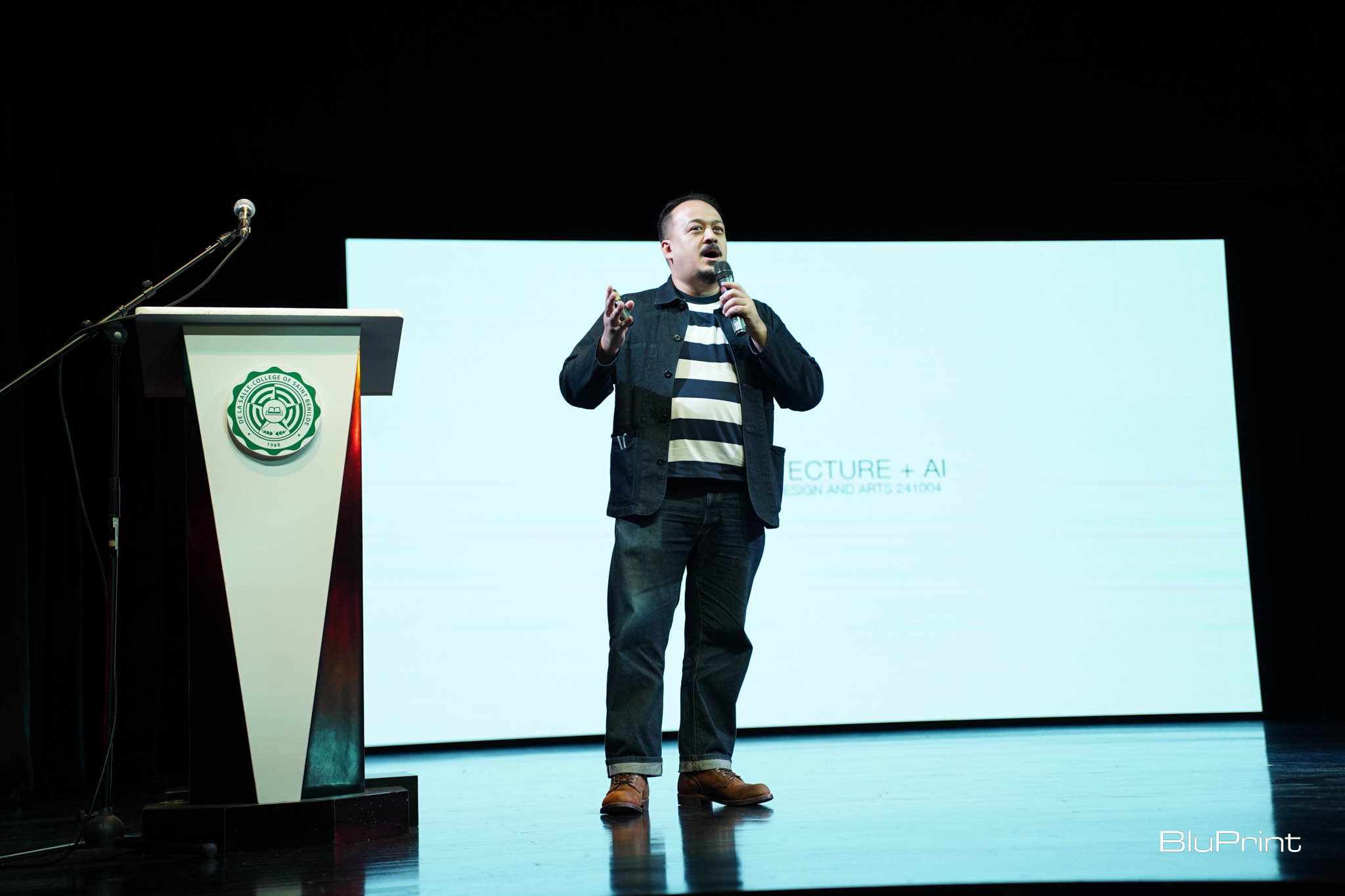
Khadka then said that this new age dawning upon us requires humanity to redefine the importance of art. Redefining, in this scenario, means exemplifying the human touch that’s so lacking in AI art.
“What is the spirit of our age and what is the freedom of our art?” he asked. A question that requires more soulsearching to find a true answer to.
Read more: BluPrint’s ‘Ask the Experts’ Probes the Role of AI in Architecture
Capturing the Soullessness of the Machine
Architects covered on BluPrint have more or less acclimated to the rise of artificial intelligence. Artists, however, continue to fight against the rising tide of machine-made art in opposition to what tech overlords say is inevitable. They capture the soullessness of AI art, and very much live to define the spirit and the freedom of our age, as Khadka desires.
The most prominent art exhibition about AI art this year was Terror Incognita, the collaborative exhibit between Indy Paredes, Jet Leyco, and Buen Abrigo. For this exhibit at Cartellino Art, there was a proper execution taking down AI art as derivative, fragmented, and altogether meaningless.
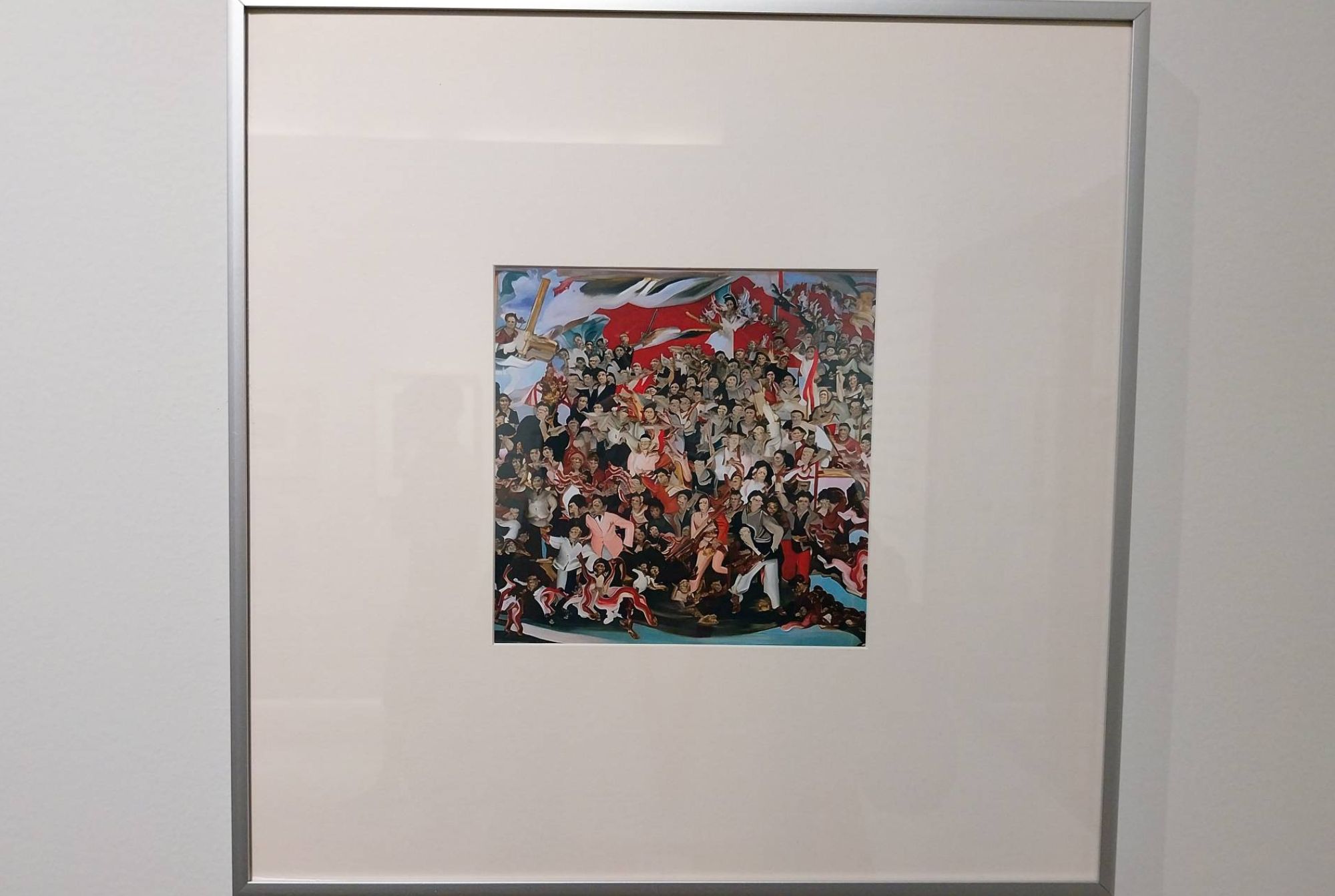
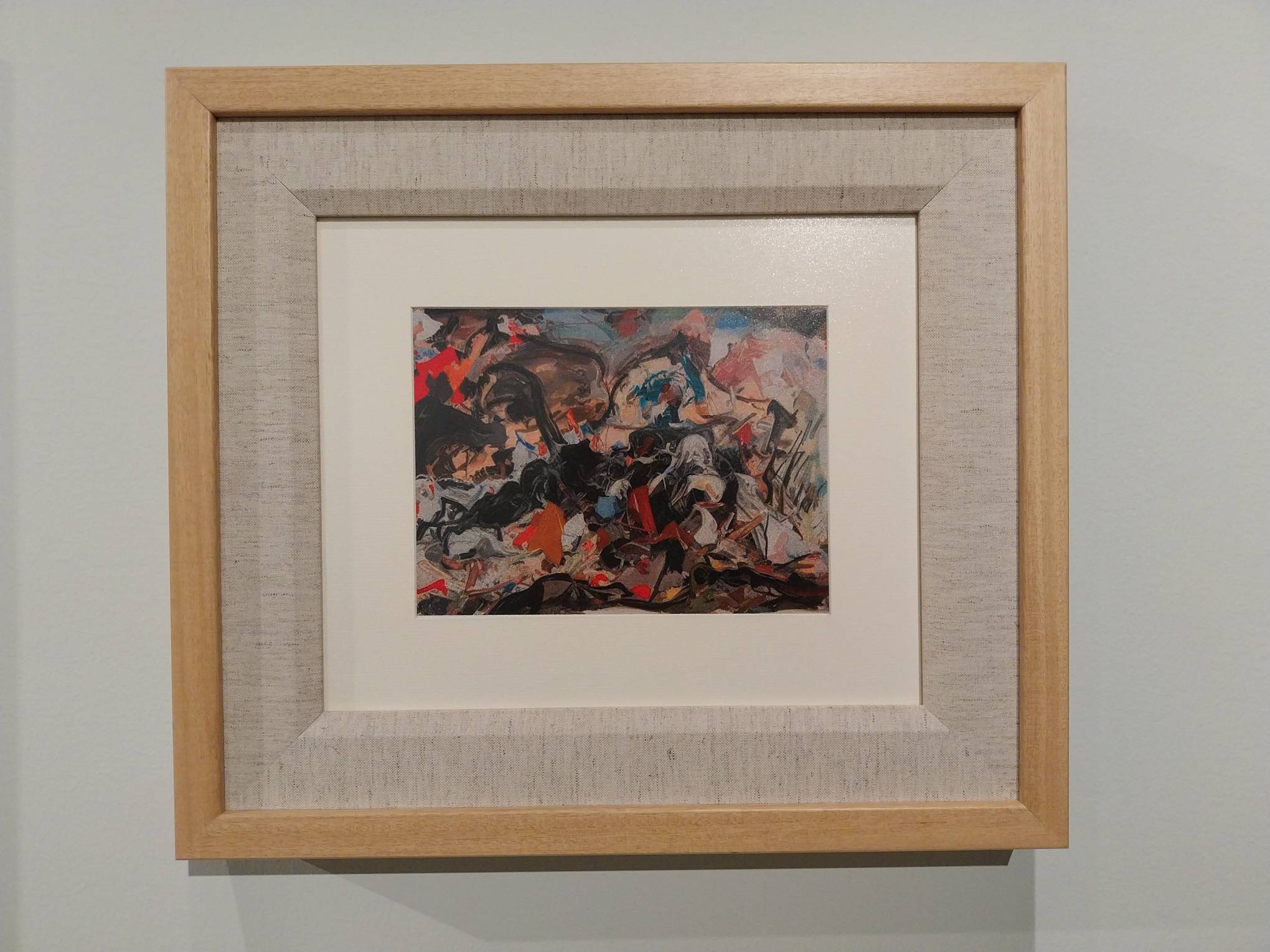
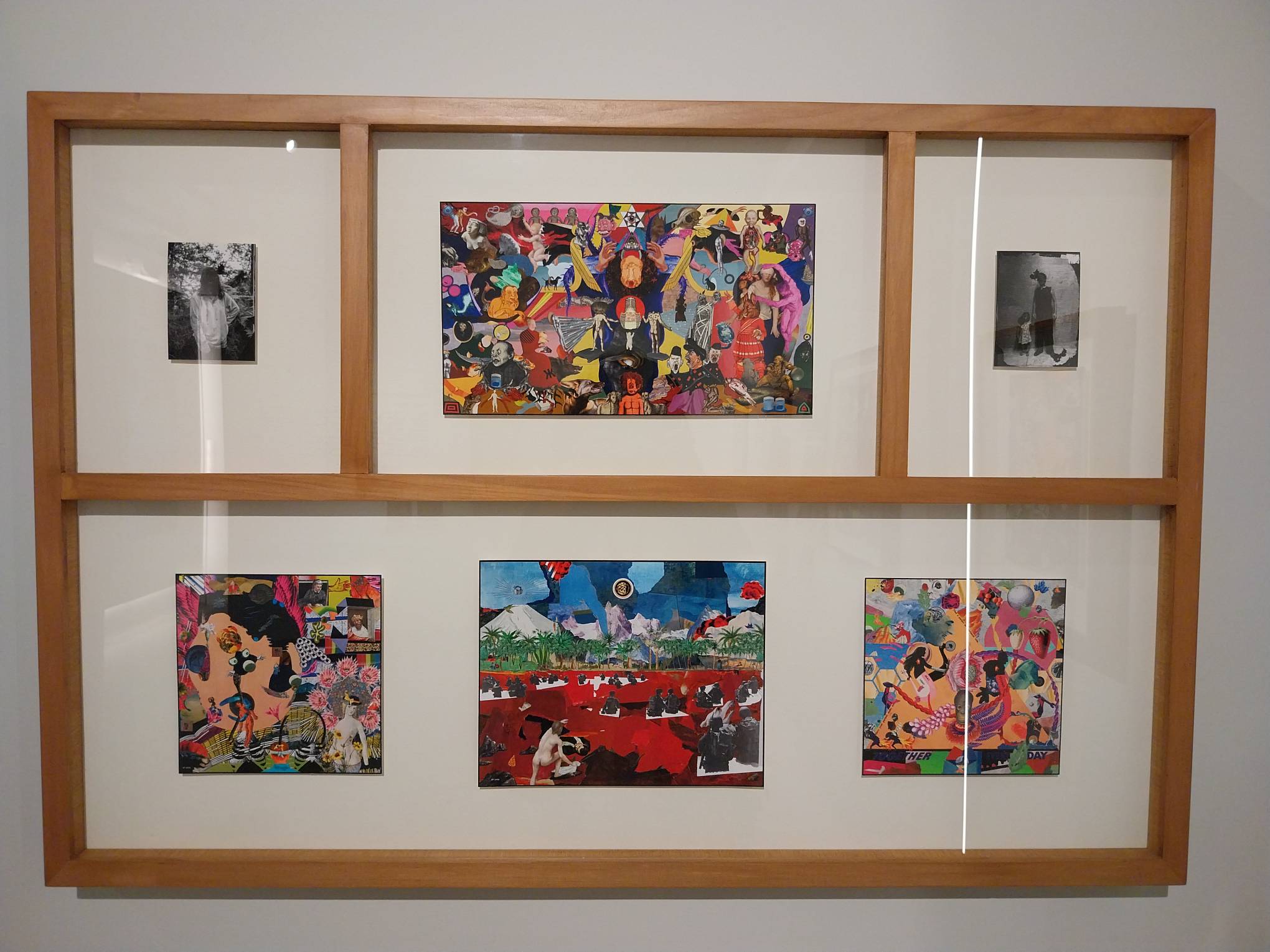
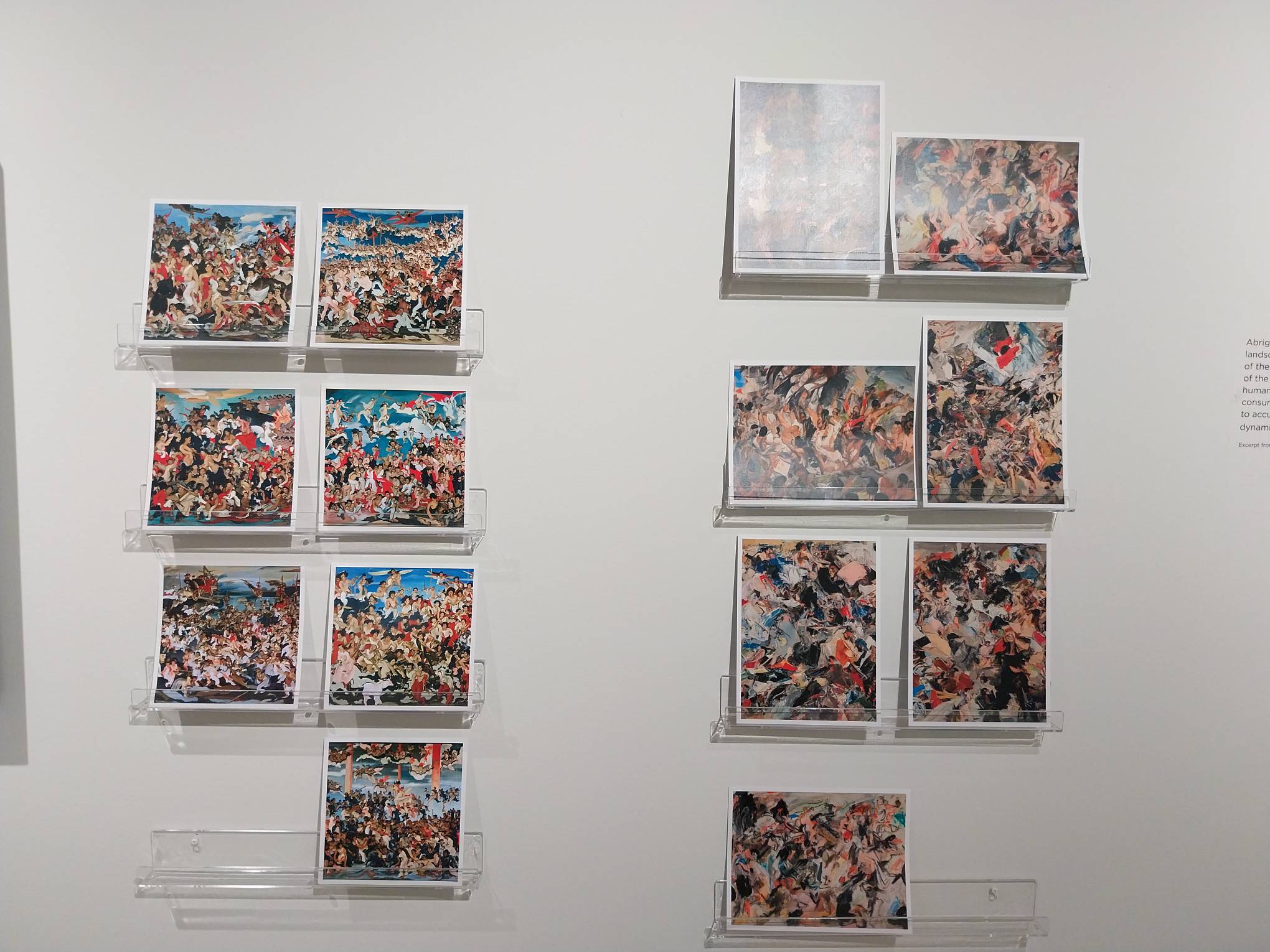
Abrigo’s work in the exhibit, for example, showed how AI art came without intentions or visions. Nothing more than a mishmash of styles connected to the prompt, none of the digitized pixels mean anything in the end. That lack of authorial intent means that AI art exists instead as an abstract blender, something we have to assign meaning to instead.
The Humanity of Creation
More than that, Paredes’s contribution utilizes physical, nondigital equipment to make its point about the need of human labor in the act of creation. As first established, AI art has no intent. With that in mind, it’s not really creation or artistry because no meaning has been assigned to it.
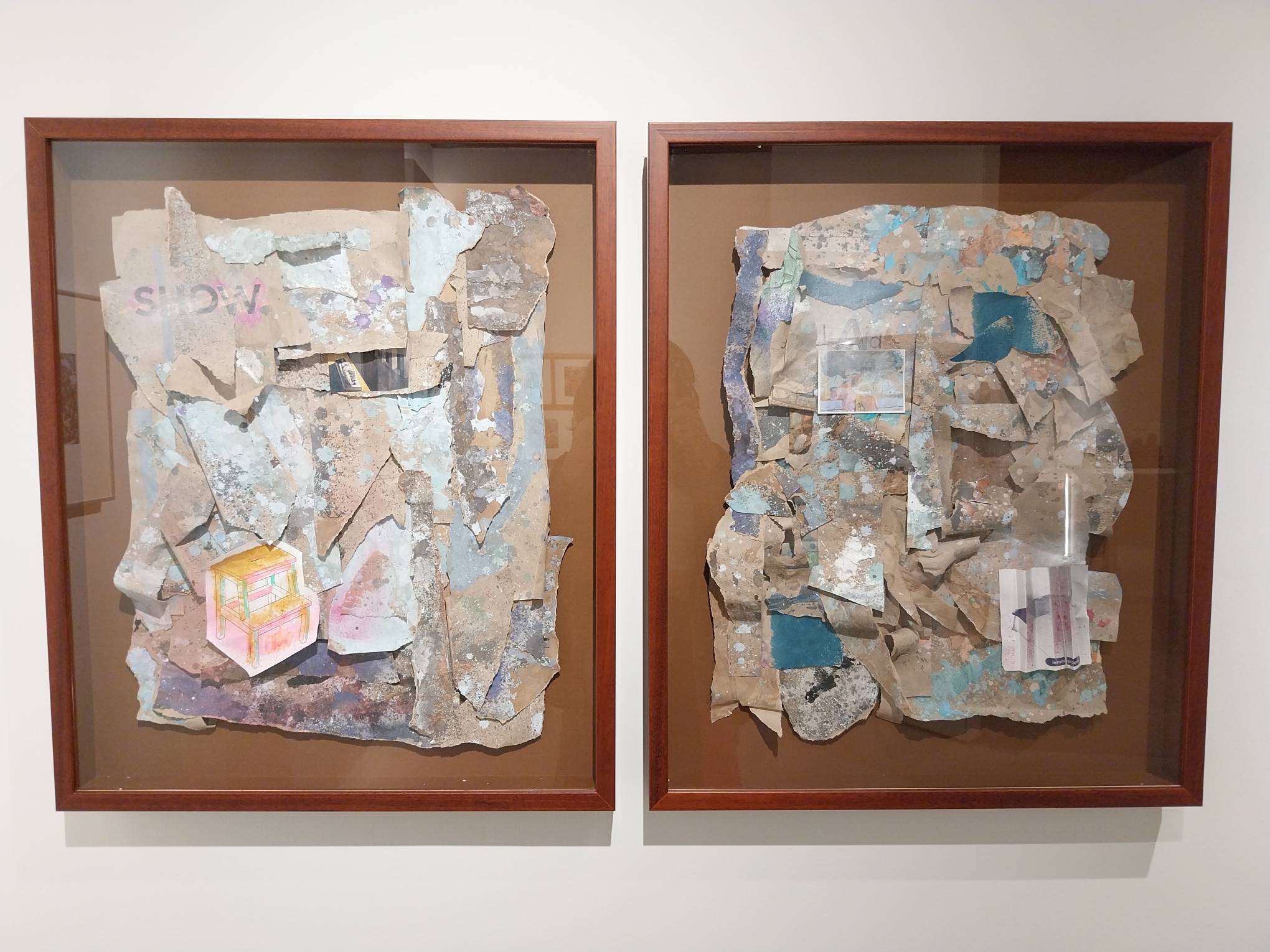
Parades’s contribution to the exhibit shows that even the least polished artworks made by a human stand above artificial intelligence because of the personal effort put in the human to mark its creation. It makes the point itself: human-made artworks are fantasies made real, carefully or haphazardly crafted in a way that the sanitized, derivative AI art cannot even imagine.
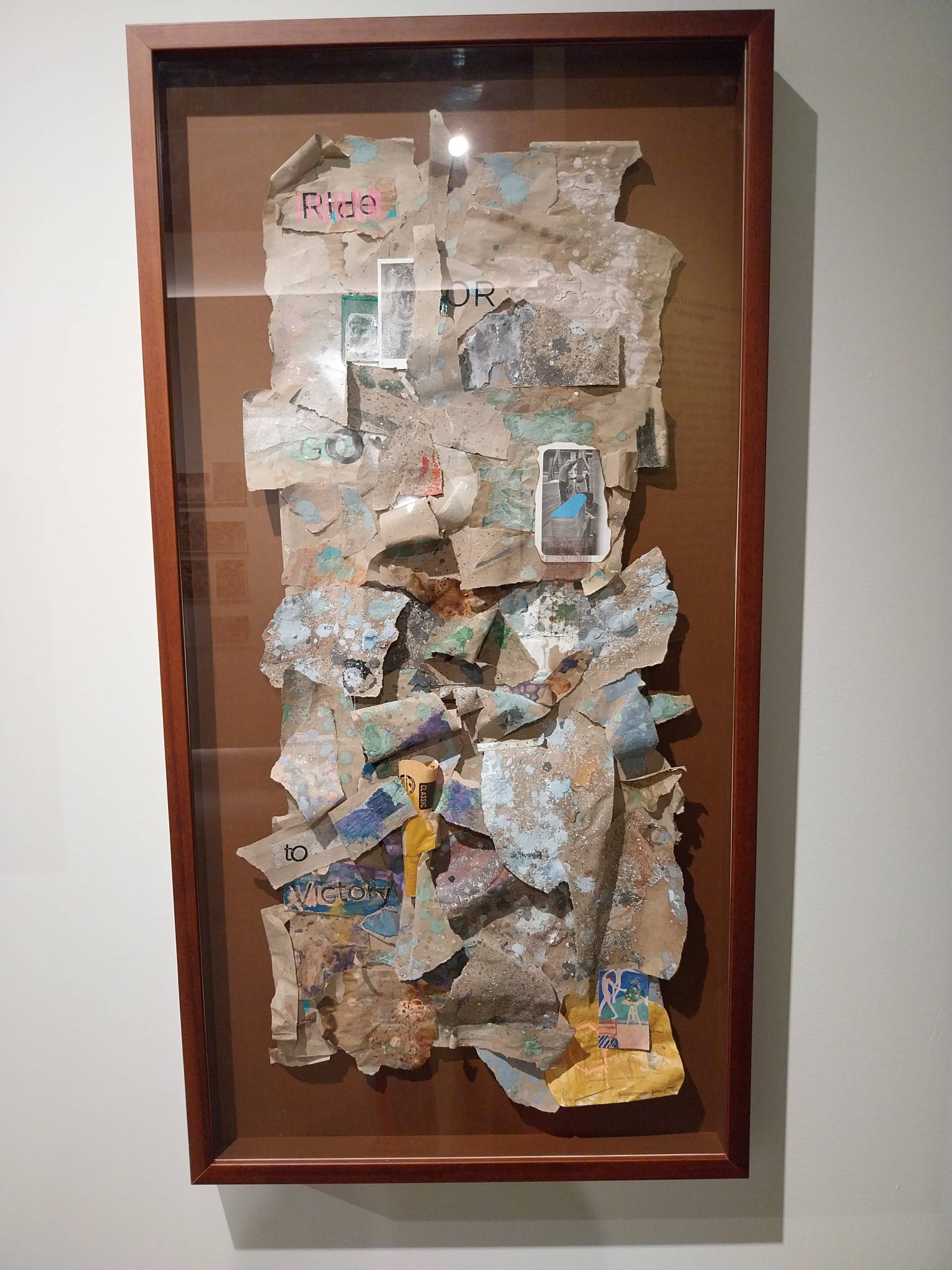
The spirit and freedom of our age, then, might be moving away from derivative works and trying something new, building on the past to reflect our times instead of churning out the same thing again and again to lessening results and satisfaction.
Read more: ‘Terror Incognita’ Shows How Generative AI Works Against Culture Creation
What the Future Holds
The fears and turmoil of AI in the creative community continue unabated. Questions still abound about its place in our future. Will this be integrated into our workflows as tools, will it end up replacing workers, or will people continue to rebel against its onslaught and refuse to work with it?
There is reason for humanity to be optimistic. For example, OpenAI is currently unable to increase its revenue or reduce its costs. In fact, most AI companies not named Google or Microsoft are operating at a huge loss with no clear path out. Nvidia’s AI chips, delayed to next year, are also having potential problems with cooling and scaling. And recently, AI training, presumed to be automatic, was revealed to be done with underpaid workers in places like Kenya.
Only time will tell, but right now, there is a mood that humanity may end up winning this war against the machines.
Related reading: Artists Pivot to Cara as Anti-AI Sentiment Grows Among Artists
Frequently Asked Questions
According to a report from the Harvard Business Review, there has been a 17% decrease in freelance art work since the introduction of generative AI tools like Midjourney and DALL-E. Data suggests that rather than simply augmenting roles, these tools are actively replacing artists, with no current signs of demand rebounding in traditional labor markets.
Architects are experiencing a duality of experimentation and fear, using AI to streamline workflows and generate non-intuitive, nontraditional designs that serve as starting points for buildable projects. However, experts like Sudarshan Khadka Jr. warn that AI could lead to lower professional fees and a loss of the “human touch,” urging a redefinition of the importance of human spirit in design.
“Terror Incognita” was a collaborative exhibit that served as a critical takedown of AI art, labeling it as derivative, fragmented, and devoid of authorial intent. Artists like Buen Abrigo and Indy Paredes used the showcase to argue that because AI lacks a vision or personal labor, it cannot be considered true creation, contrasting “sanitized” pixels with the meaningful effort of human artistry.
Critics argue that AI art functions as an “abstract blender” that merely mashes together existing styles based on prompts without a guiding consciousness or purpose. Because the machine does not understand the meaning behind the pixels it generates, the responsibility of assigning meaning falls entirely on the viewer, stripping the work of the traditional relationship between artist and creation.
Despite the technology’s rapid spread, many AI companies are operating at significant losses with no clear path to profitability, facing scaling issues and hardware delays. Furthermore, the “automatic” nature of AI training has been exposed as a manual process relying on underpaid labor in developing regions, raising serious ethical concerns about the sustainability and humanity of the industry.
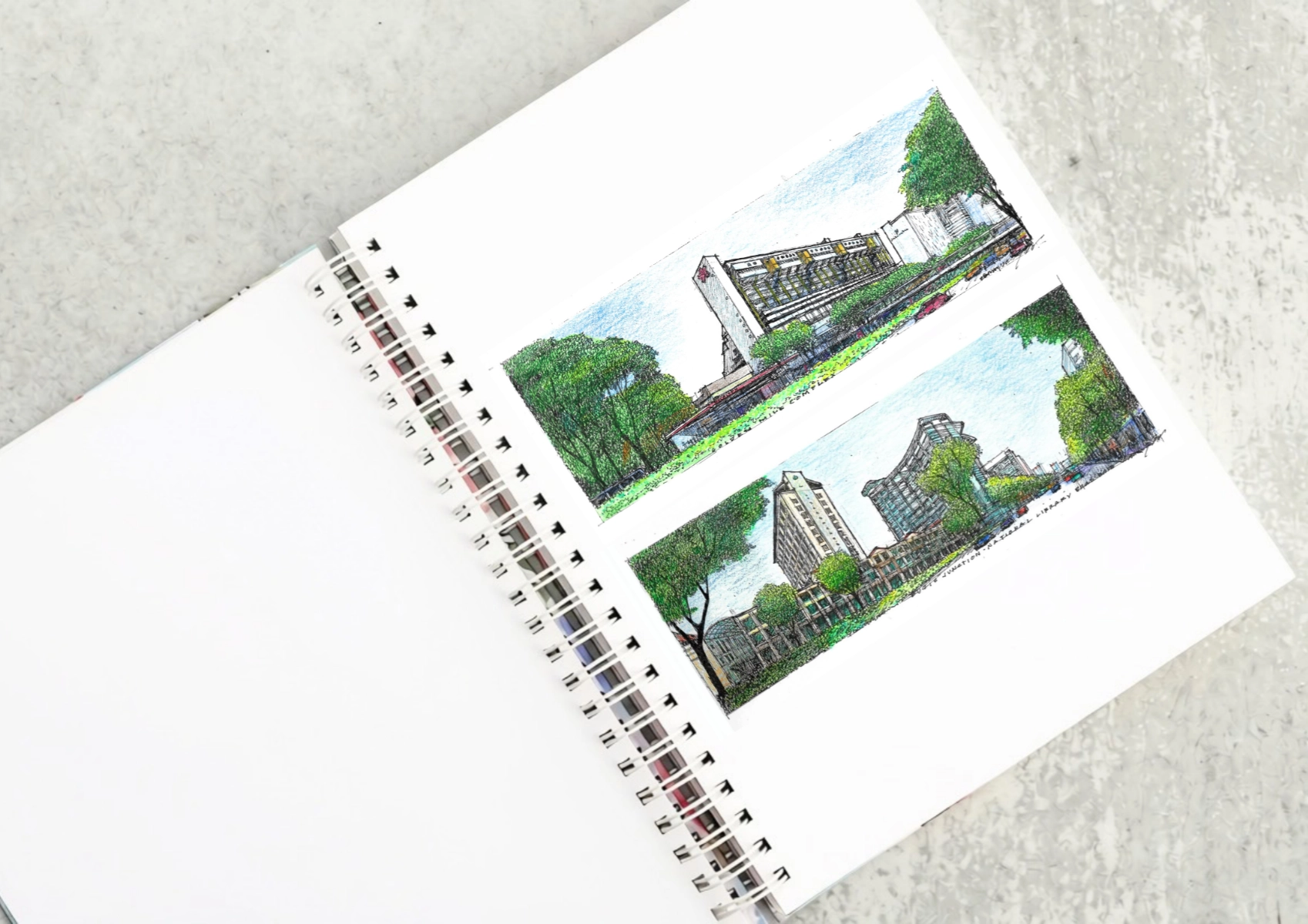
Two sketches of Singapore connect BluPrint Editor in Chief Paulo G. Alcazaren’s personal and professional history with Shared Ground: ArchitectureArchitectureThe art and science of designing and constructing buildings, structures, and spaces that are functional, safe, and aesthetically pleasing. It encompasses the planning, design, materials, and techniques used to createGo to Architecture Glossary of Care, Culture, […]
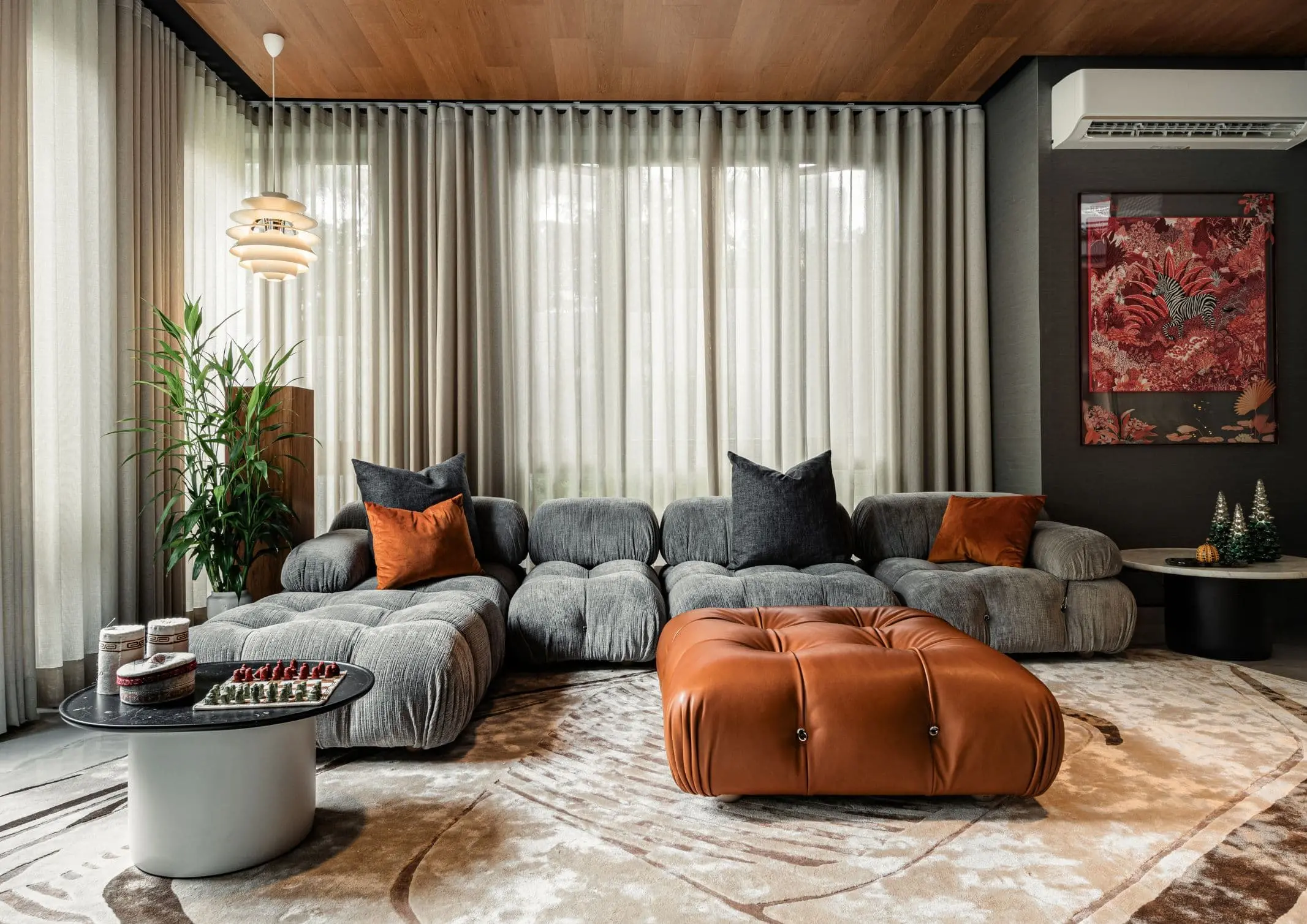
Some have become household names – Coleman, Oster, and KitchenAid – products that have found their way into Filipino kitchens, homes and family routines. In home furnishings, brands such as B&B Italia, Ethan Allen, Sub-Zero, Miele, SieMatic, Louis Poulsen, Hunter Douglas, Tempur, and Technogym, have helped shape the way Filipinos live. From everyday essentials to […]
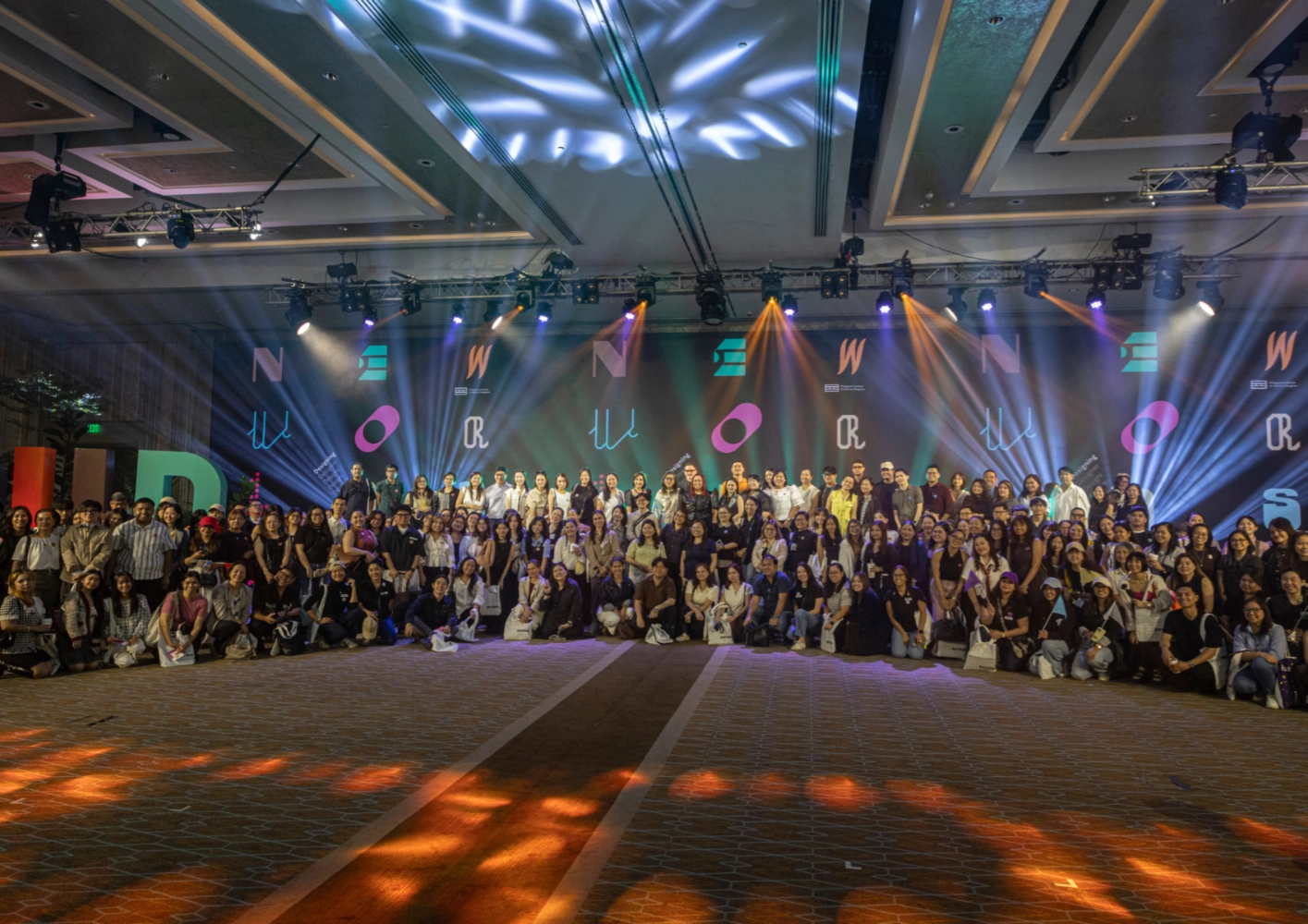
In a way, designers are the modern-day soothsayers and prophets. They design for the future, predicting how a room, a house, a building or a whole city will be used by people. They foresee how users will interact with a space, conjure exact shades of colors to elicit specific behavior and arrange furniture to build […]
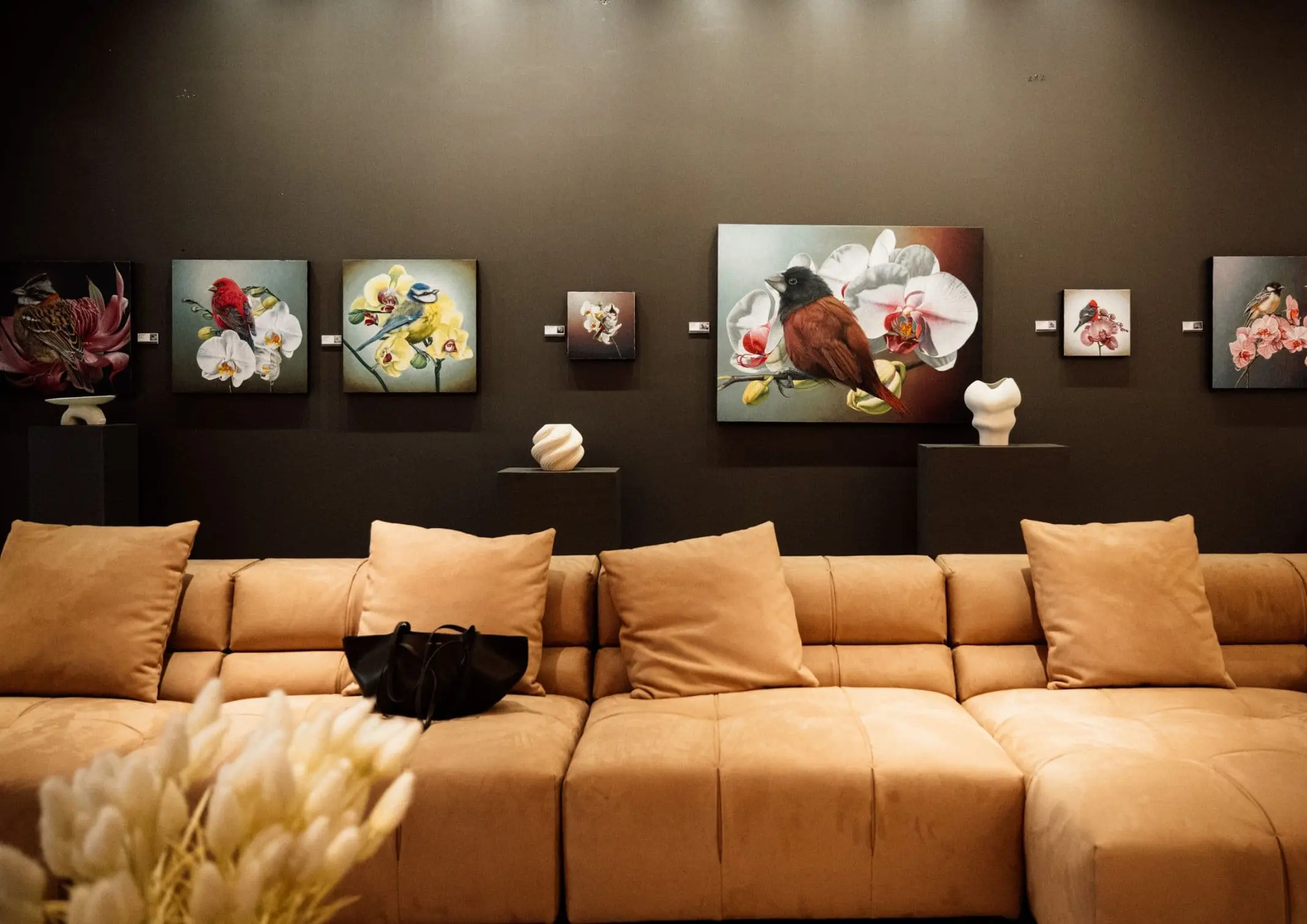
Art and furniture are often selected separately, yet their relationship can shape how a room looks and feels. The collaboration between Hooga and Galerie Joaquin explores how these elements can work together, bringing contemporary artworks into furnished residential settings at Hooga’s showroom in Uptown Mall, Bonifacio Global City. For Hooga, which curates furniture, lighting, and […]
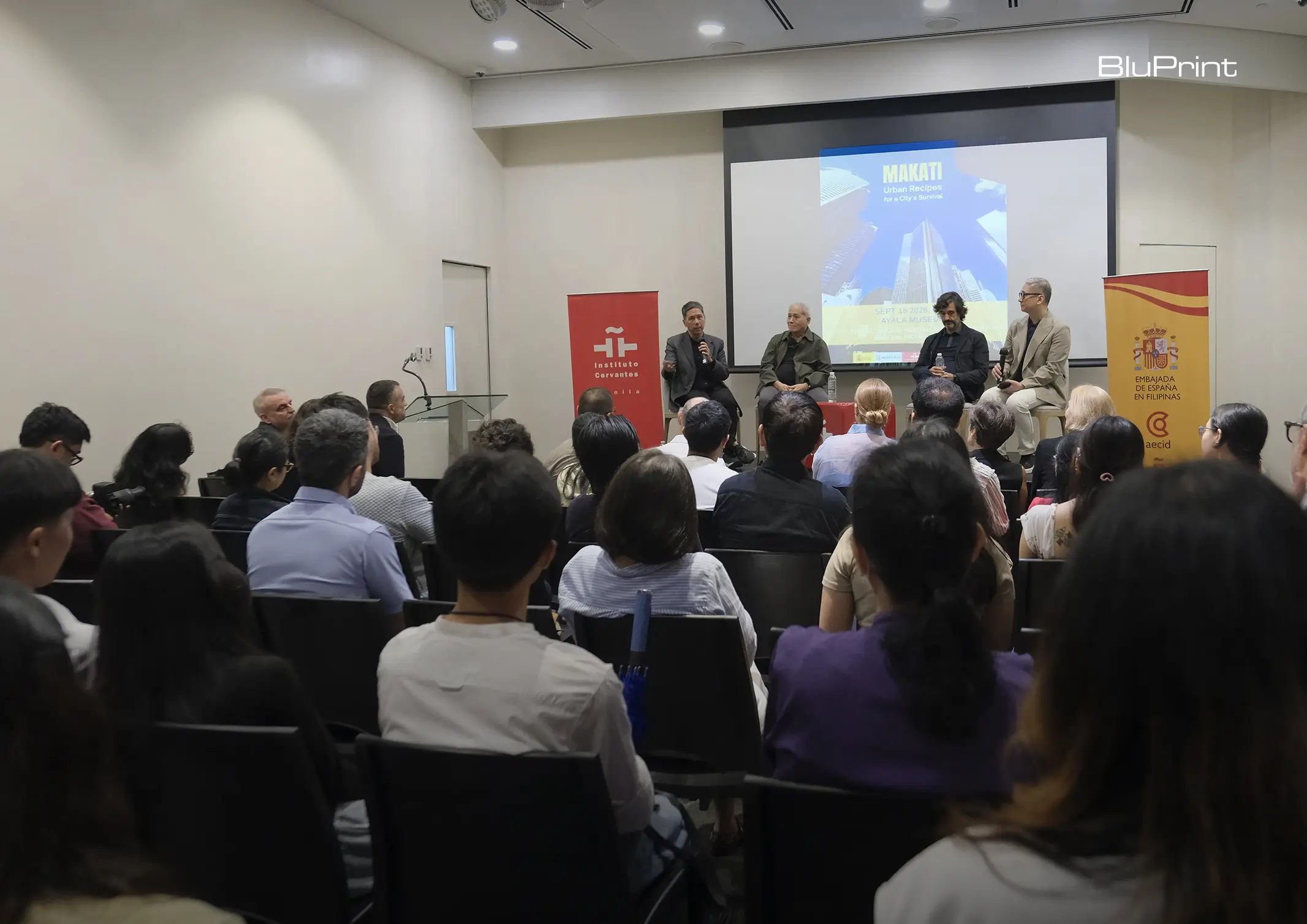
How can better-planned cities create the conditions for more creative, livable, and resilient urban environments? “Makati Urban Recipes for a City’s Survival,” a colloquium held at the Ayala Museum on September 15, brought together architects and practitioners from the fields of urbanism and the creative economy to discuss how design, planning, and collaboration can address […]
Read the issues.

Collect the volumes.

Recommended Video
Tap to Unmute
Unmute
0:00
0:00