Bigkis is the act of binding. In Tagalog, the word can refer to something used to bind or encircle, as well as a bundle formed by tying several separate elements together. Figuratively, it can also mean a bond, union, or unity. The meanings move from the physical act of joining things together to the connection […]
Atelier Oï Crafts Stories Through Objet Nomades by Louis Vuitton



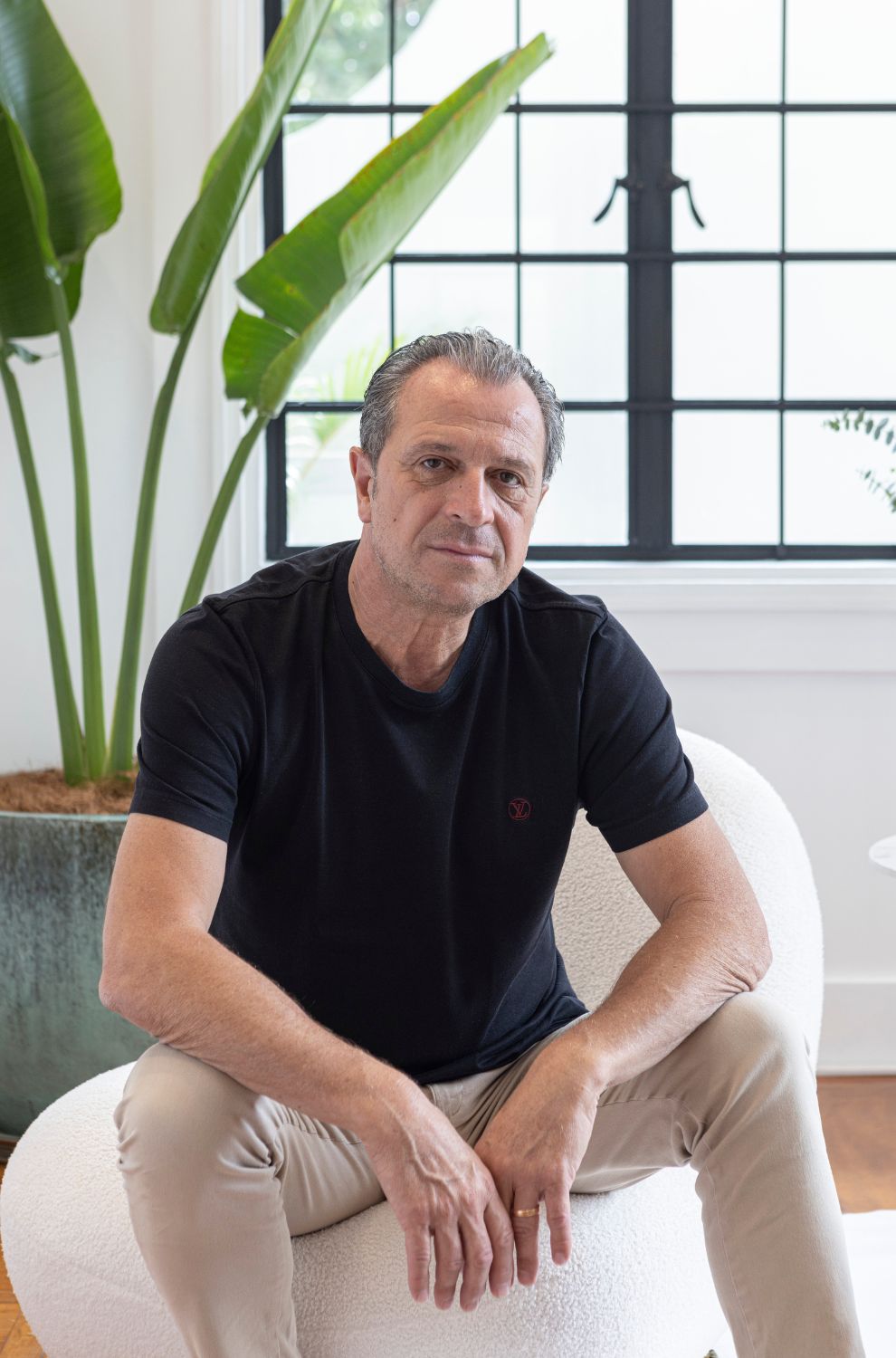
Swiss architect and designer Aurel Aebi, co-founder of atelier oï alongside Armand Louis and Patrick Reymond, brings a tactile, storytelling approach to design. Visiting Manila for the Louis Vuitton Savoir Rêver exhibition, Aebi shared insights into their philosophy and process, demonstrating how everyday objects can transform into elegant, functional art pieces.
At atelier oï’s studio in La Neuveville, Switzerland, the team’s creative process begins at their “möitel,” a vibrant workspace filled with prototypes and samples. Central to their work is the materiothèque, a library of 20,000 materials. “It’s prototype after prototype,” Aebi explains. “Even what looks simple can go through many iterations.” This meticulous approach is guided by their philosophy of storytexture—creating unique textures to narrate new stories in every design.
The Objet Nomades Collection
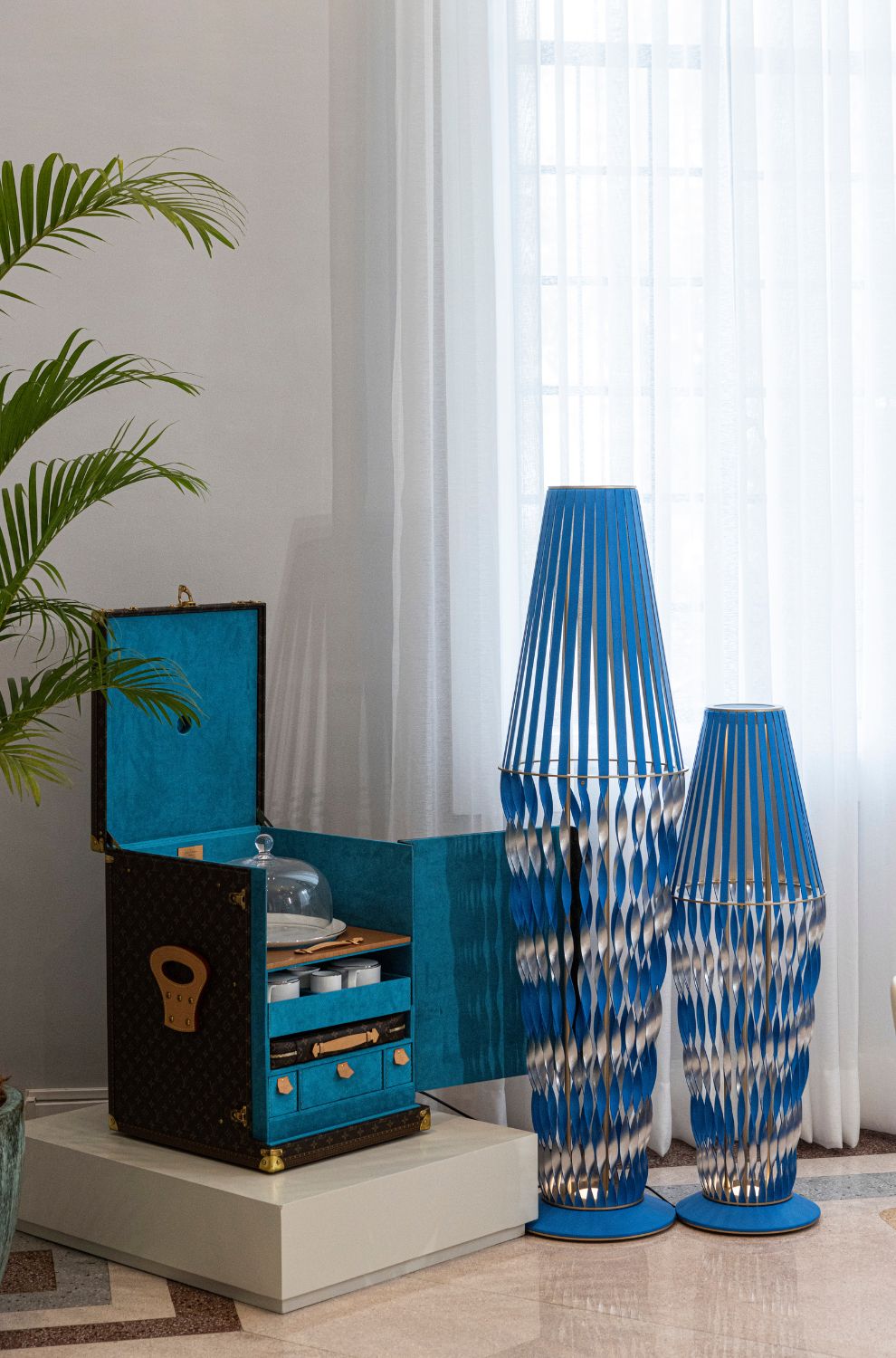
Since 2008, atelier oï has collaborated with Louis Vuitton on 13 projects, exploring the brand’s signature leather and craftsmanship. For the Objet Nomades collection, their designs embody artistry, functionality, and emotion, each piece reflecting Louis Vuitton’s heritage of travel and innovation.
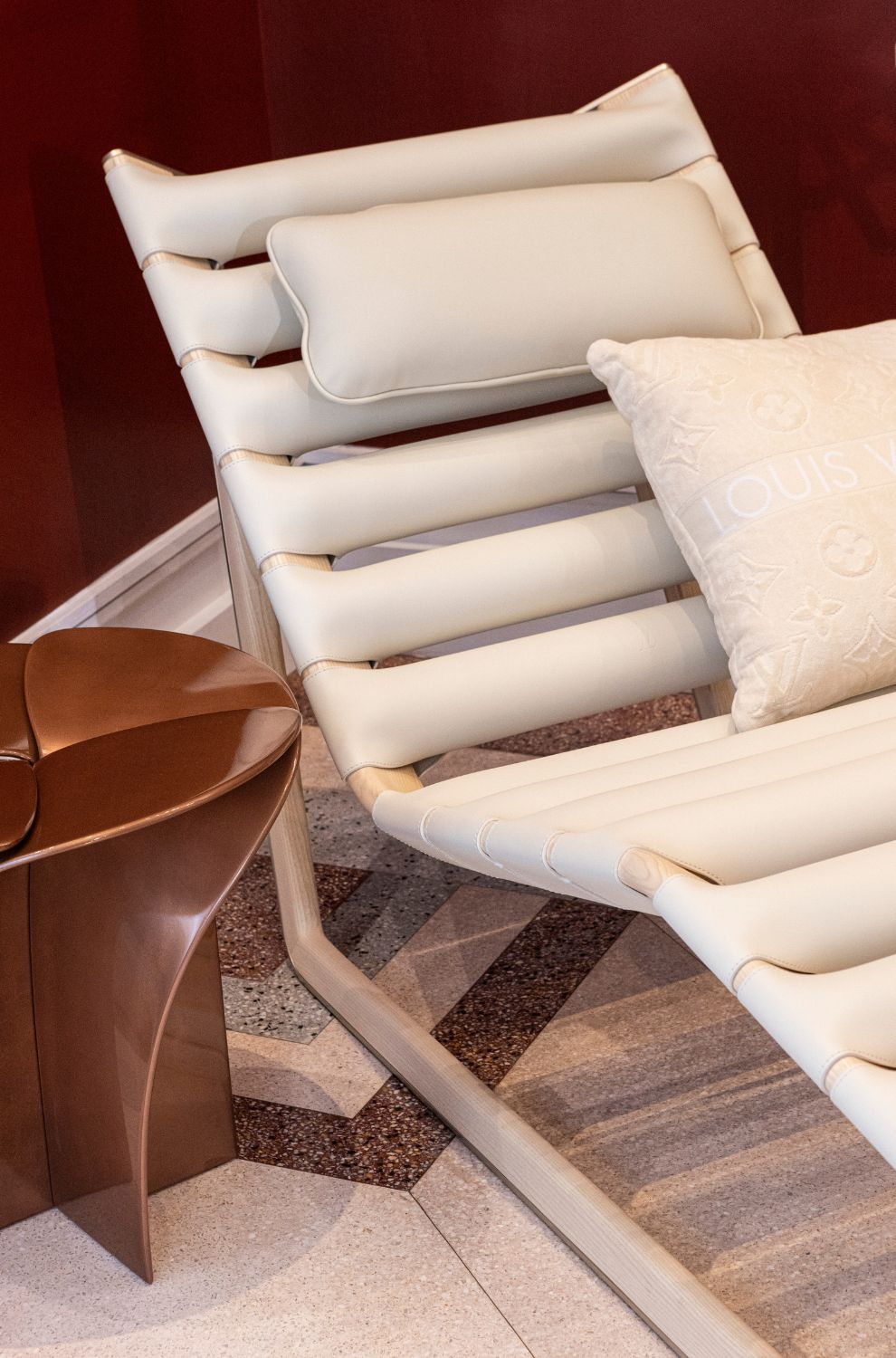
One standout piece, “The Hammock,” reimagines a daybed using interwoven Louis Vuitton leather strips secured by 786 engraved rivets. Inspired by farfalle pasta, the hammock captures the tactile and visual qualities of the Italian dish. “It’s one thing to feel the pasta, but tasting it gave us the structure,” Aebi recalls.
The “Serpentine Table,” another creation, reflects the fluidity of traditional dances. Its beveled glass top rests on walnut legs connected by blue leather straps. Available as a coffee or dining table, it symbolizes human connections. “Around the table, there’s a network,” Aebi explains. “We tried to represent that in its structure.”
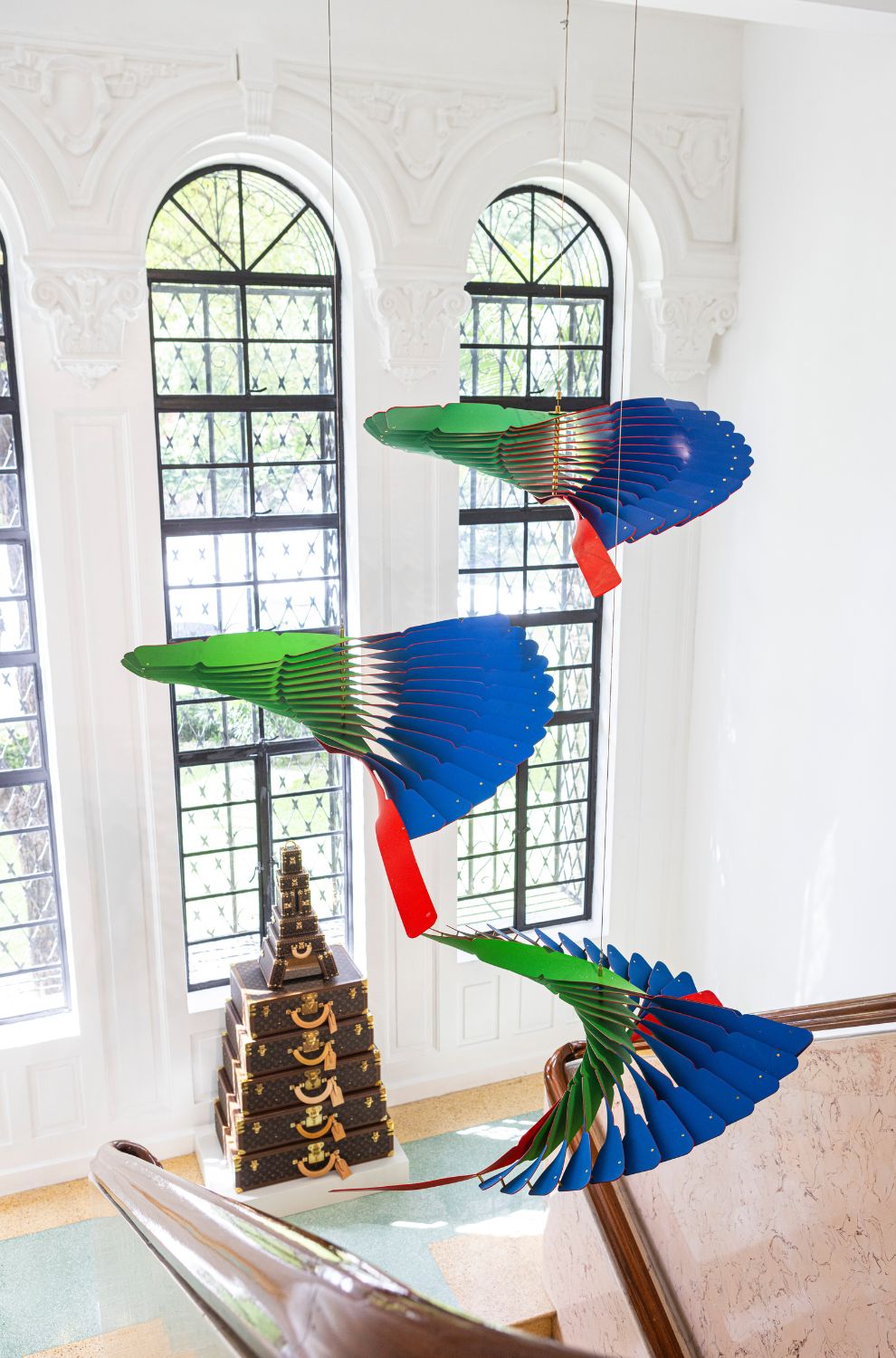
Other designs include the “Quetzal,” a hanging mobile inspired by Mexico’s sacred bird, with twisting leather feathers in vibrant blue, green, and red hues. The piece captures the bird’s dynamic flight, with a central red feather balancing the mobile’s striking symmetry.
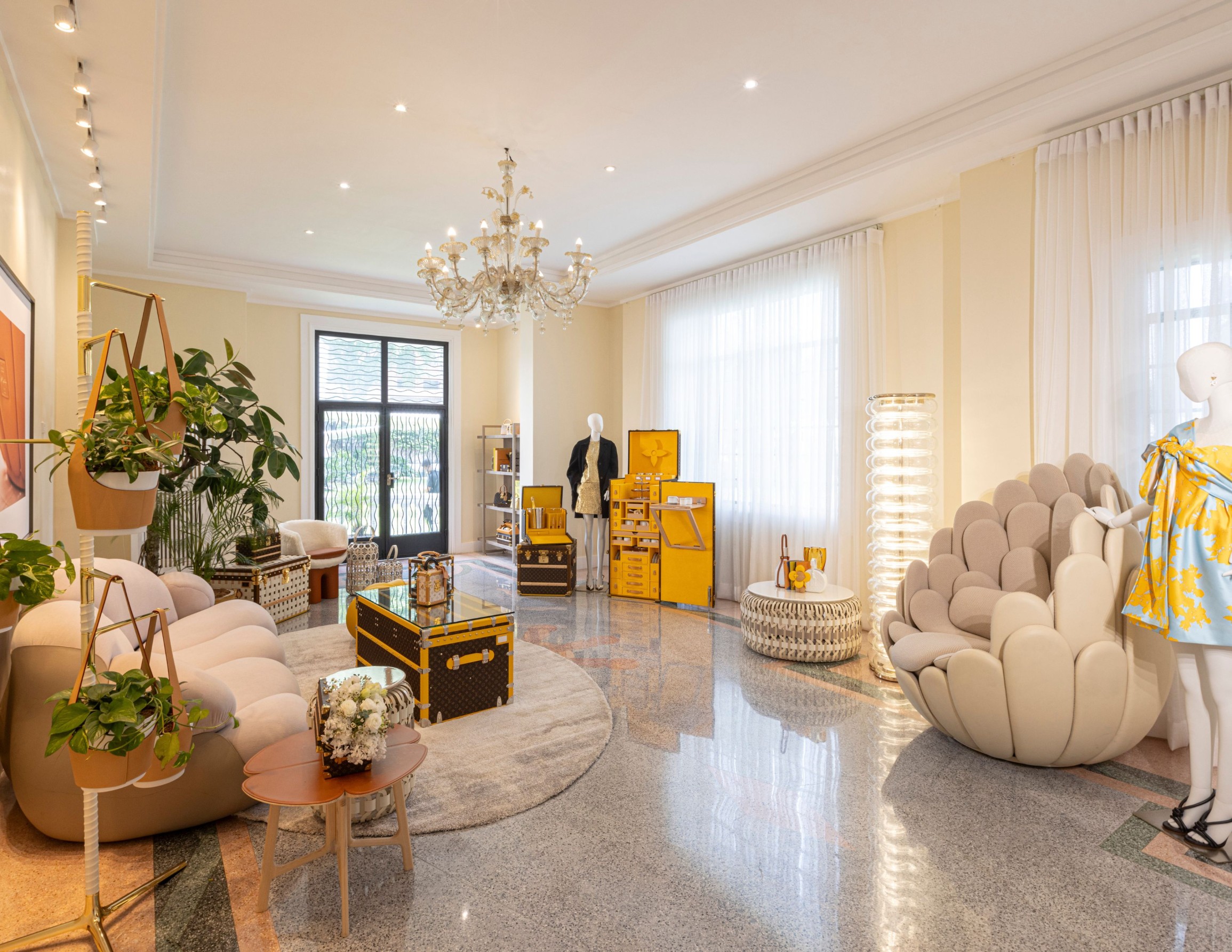
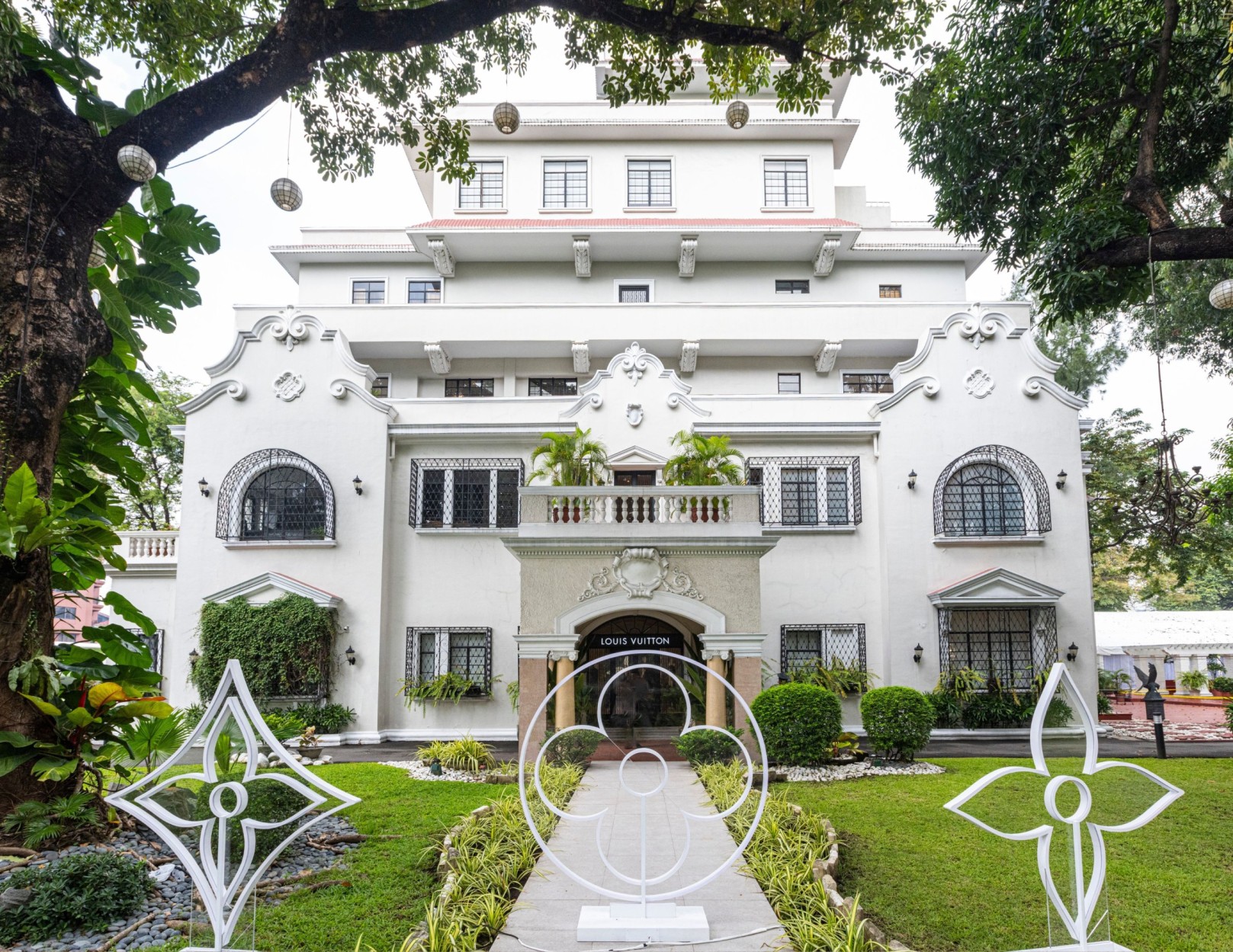
At Palacio de Memoria, Savoir Rêver transformed the neoclassical space into a labyrinth of artistry. Atelier oï’s creations, including the “Origami Flowers,” “Spiral Lamps,” and “Folding Stool,” stood alongside pieces by Campana Brothers, Marcel Wanders, and Marc Newson. Guests engaged with designs that bridged interaction and reflection, discovering Louis Vuitton’s heritage through new perspectives.
Leather as a Medium
For atelier oï, leather serves as both inspiration and medium. Aebi recalls their visit to Louis Vuitton’s birthplace in Asnières, France: “You see the brand differently there. It feels like coming back to your grandmother’s house.” Immersed in Louis Vuitton’s history and craftsmanship, the team drew inspiration for designs that evoke the spirit of travel and home.
This connection is exemplified in their “Swing Boat,” a hanging sofa inspired by collapsible boats on Switzerland’s Lake Biel. The piece features orange leather reminiscent of Vuittonite, Louis Vuitton’s waterproof material. “It reminded us of the lake and the brand’s inventiveness,” Aebi shares.
Aebi’s creative philosophy transcends physical forms. “I try not to design products, but moments—moments with special stories,” he says. At a Vogue Talks event in Manila, he emphasized the importance of observation in design. “Inspiration comes from material, design, or function. But with Louis Vuitton, the material guides us, showing us the depth we can reach.”
Atelier oï’s designs embody a seamless blend of artistry, craftsmanship, and storytelling, making their contributions to Louis Vuitton’s Objet Nomades collection a celebration of creativity and emotion. As Aebi concludes, “We bring moments of nomadism into your home, creating atmospheres that inspire connection and reflection.”
Photographed by Jar Concengco.
Read more: Designing a Dream: Michael Leyva Honors His Family Through His Home
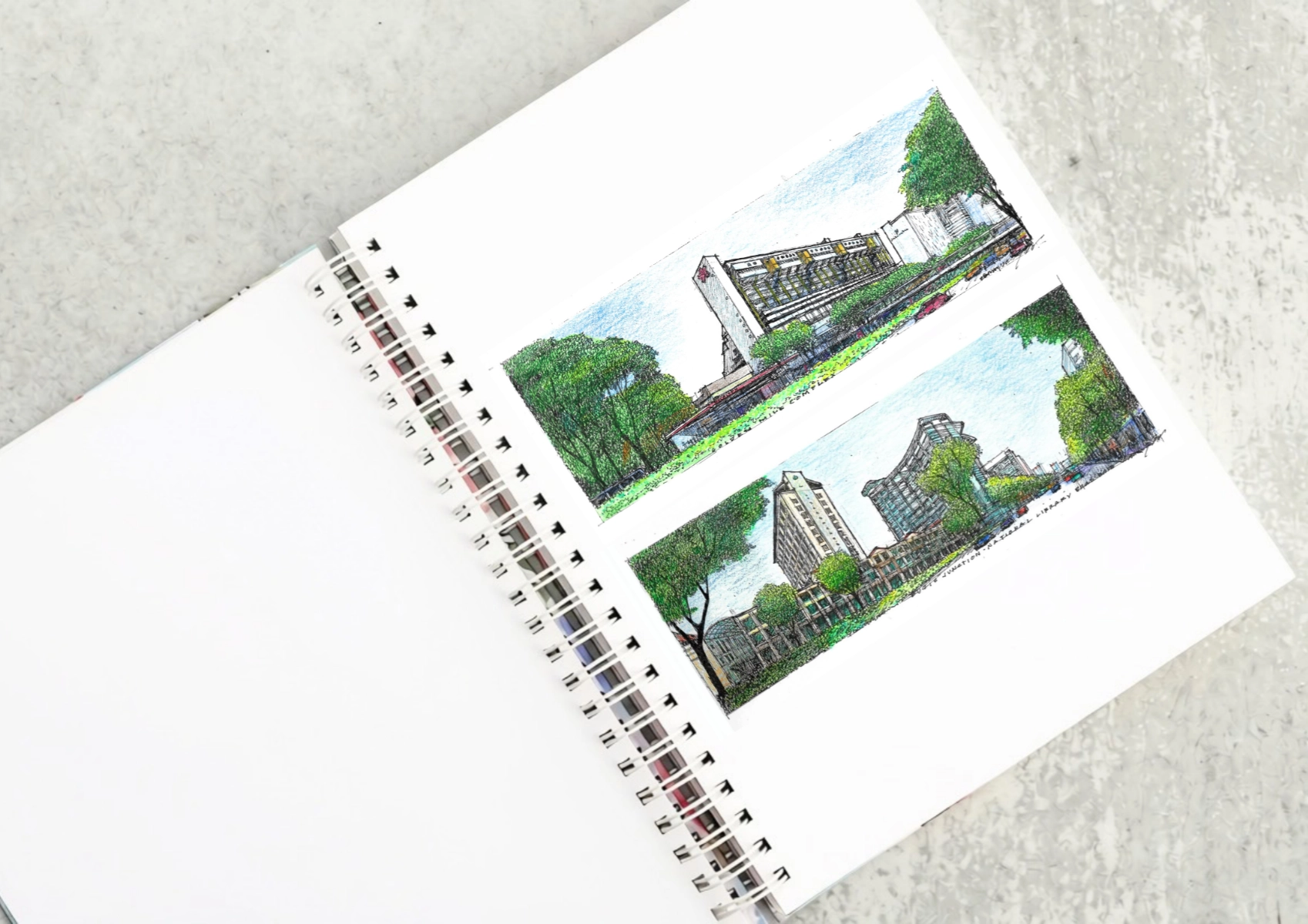
Two sketches of Singapore connect BluPrint Editor in Chief Paulo G. Alcazaren’s personal and professional history with Shared Ground: ArchitectureArchitectureThe art and science of designing and constructing buildings, structures, and spaces that are functional, safe, and aesthetically pleasing. It encompasses the planning, design, materials, and techniques used to createGo to Architecture Glossary of Care, Culture, […]
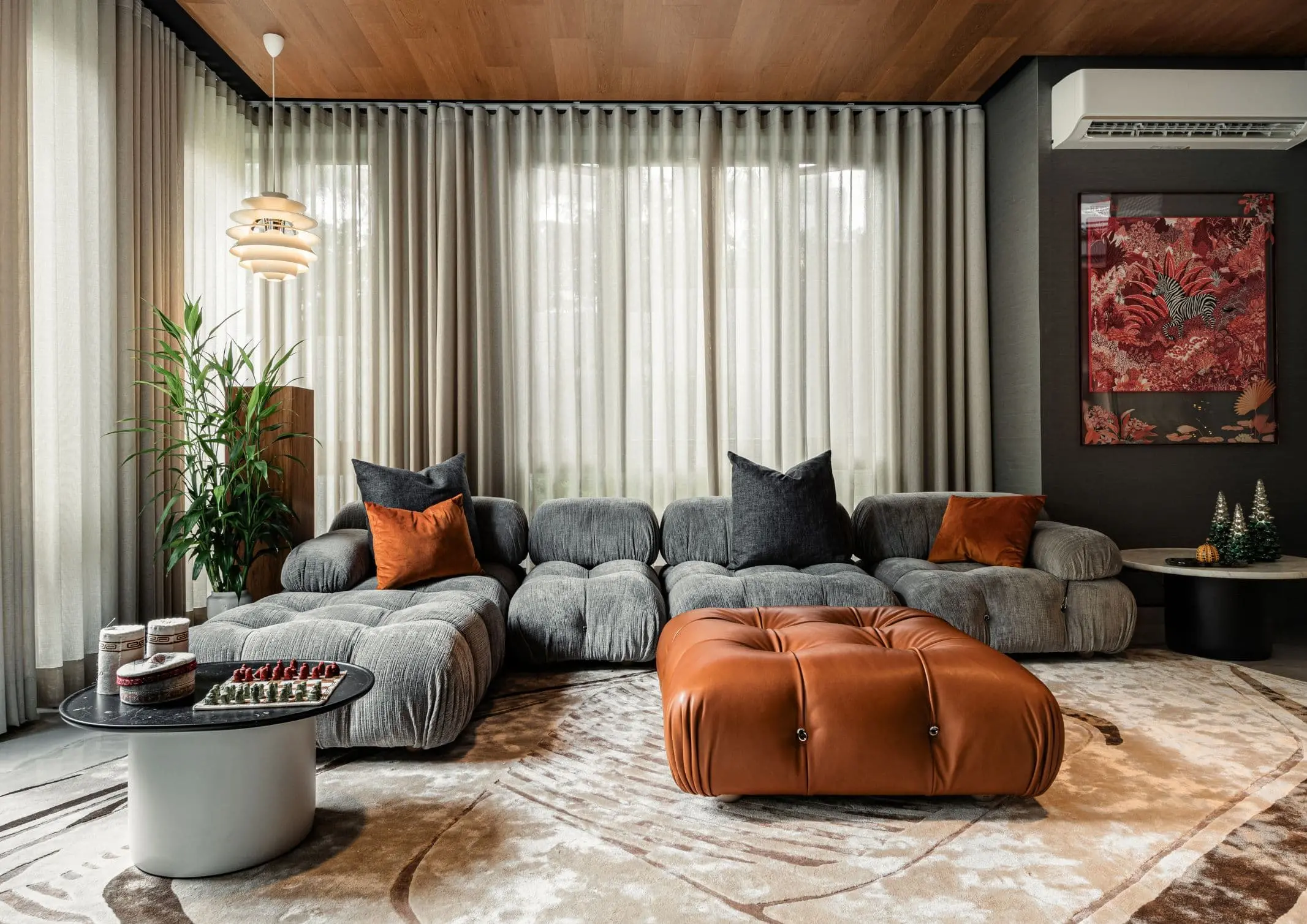
Some have become household names – Coleman, Oster, and KitchenAid – products that have found their way into Filipino kitchens, homes and family routines. In home furnishings, brands such as B&B Italia, Ethan Allen, Sub-Zero, Miele, SieMatic, Louis Poulsen, Hunter Douglas, Tempur, and Technogym, have helped shape the way Filipinos live. From everyday essentials to […]
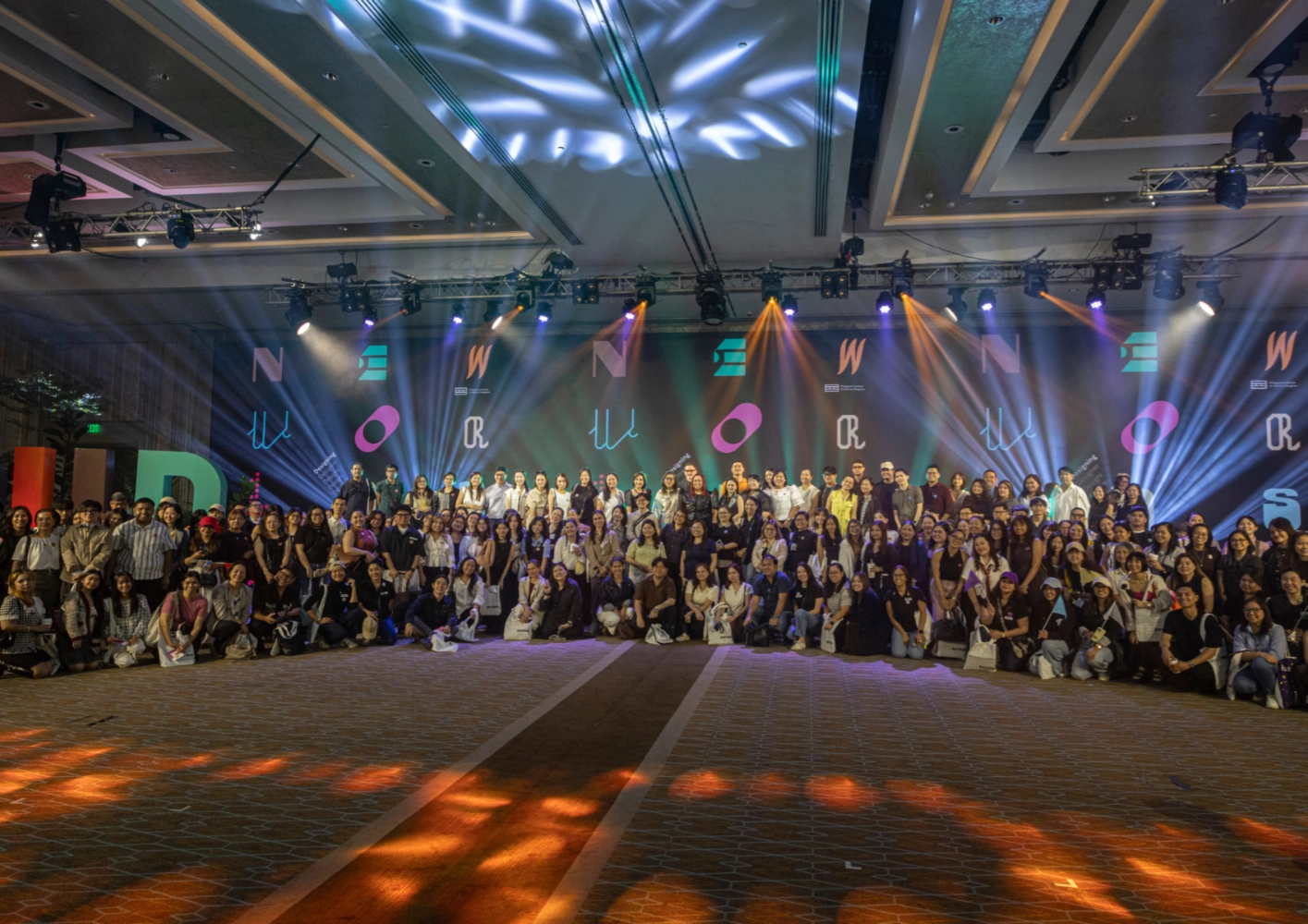
In a way, designers are the modern-day soothsayers and prophets. They design for the future, predicting how a room, a house, a building or a whole city will be used by people. They foresee how users will interact with a space, conjure exact shades of colors to elicit specific behavior and arrange furniture to build […]
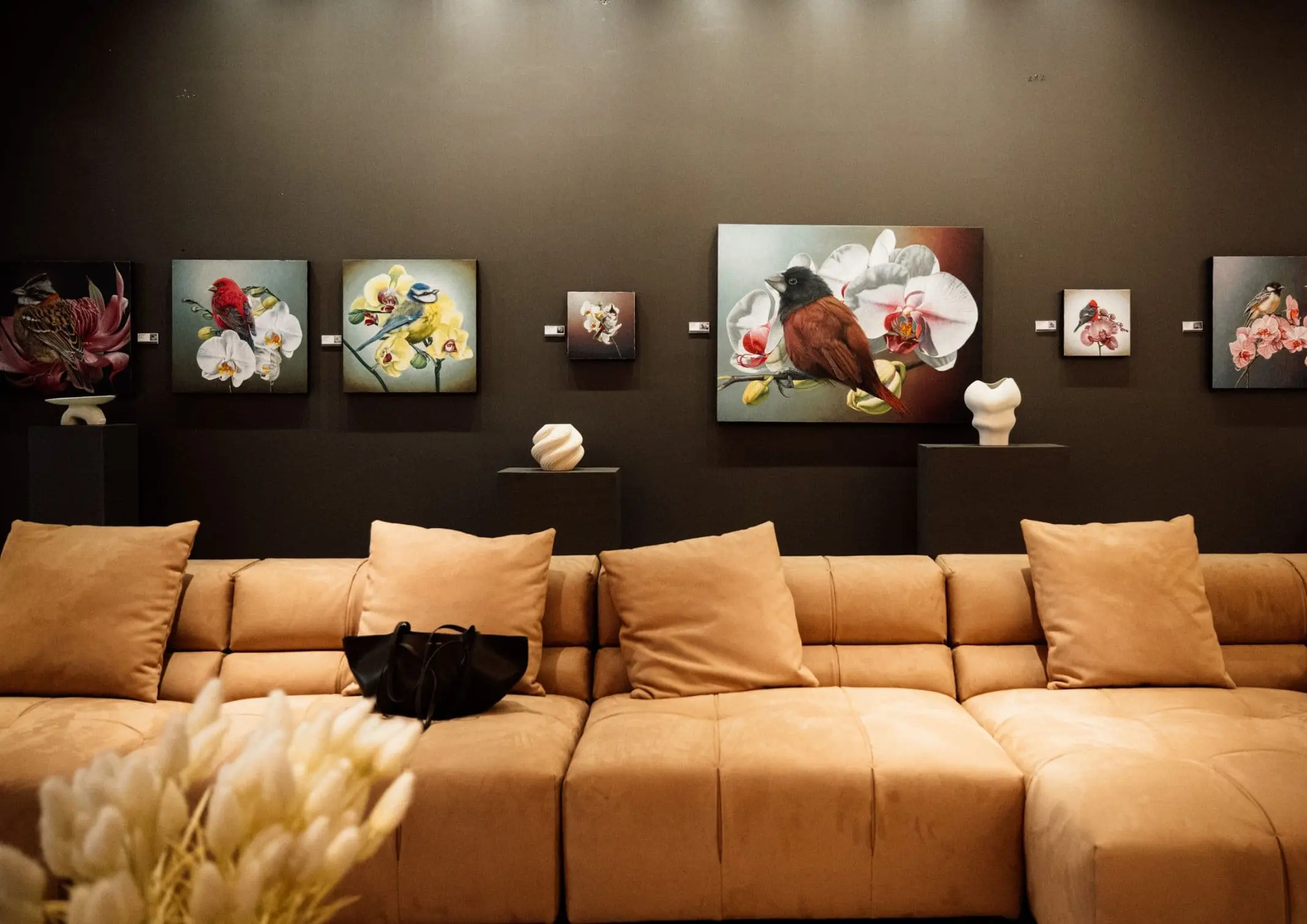
Art and furniture are often selected separately, yet their relationship can shape how a room looks and feels. The collaboration between Hooga and Galerie Joaquin explores how these elements can work together, bringing contemporary artworks into furnished residential settings at Hooga’s showroom in Uptown Mall, Bonifacio Global City. For Hooga, which curates furniture, lighting, and […]
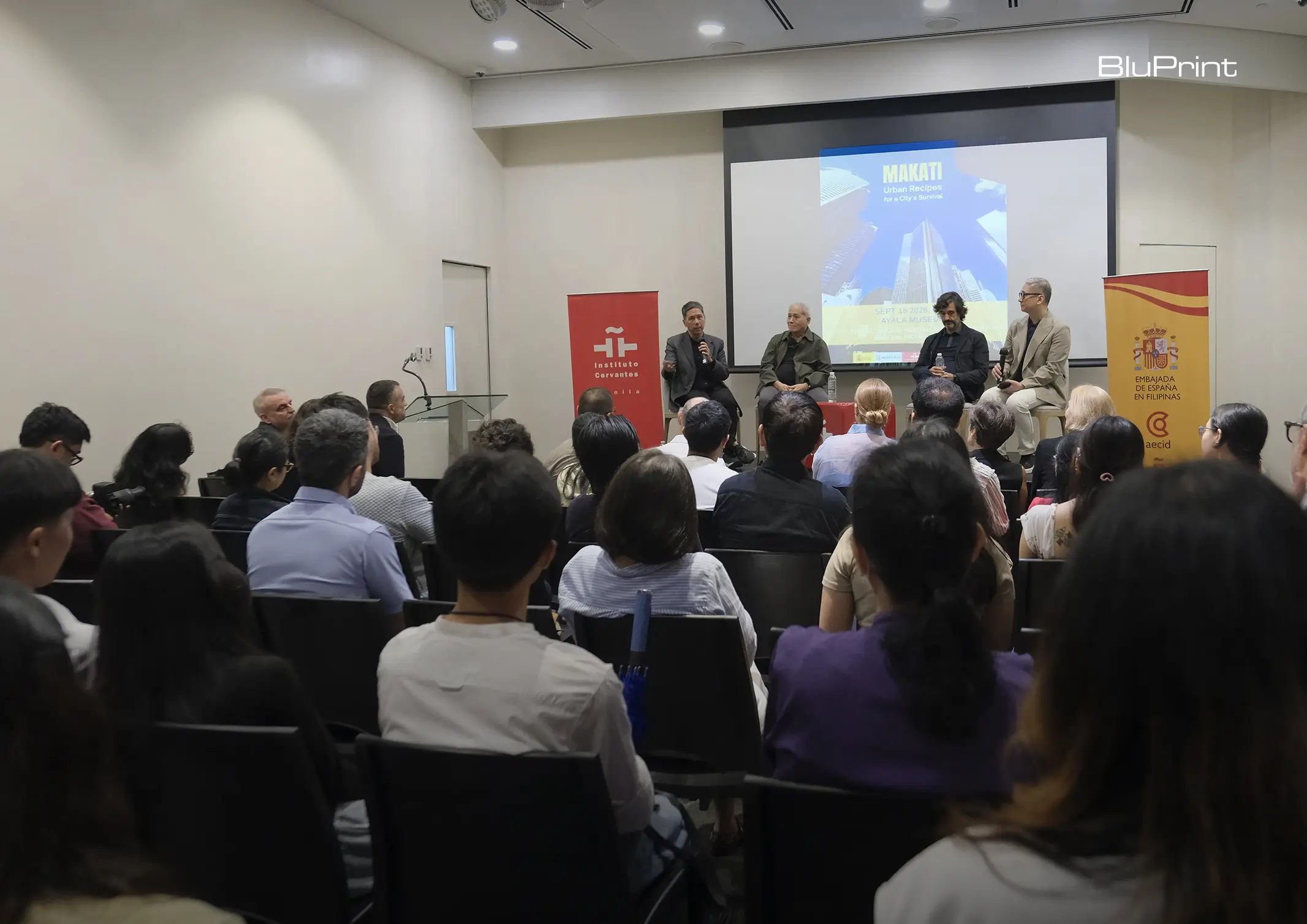
How can better-planned cities create the conditions for more creative, livable, and resilient urban environments? “Makati Urban Recipes for a City’s Survival,” a colloquium held at the Ayala Museum on September 15, brought together architects and practitioners from the fields of urbanism and the creative economy to discuss how design, planning, and collaboration can address […]
Read the issues.

Collect the volumes.

Recommended Video
Tap to Unmute
Unmute
0:00
0:00