Bigkis is the act of binding. In Tagalog, the word can refer to something used to bind or encircle, as well as a bundle formed by tying several separate elements together. Figuratively, it can also mean a bond, union, or unity. The meanings move from the physical act of joining things together to the connection […]
Heritage in Bloom: Louis Vuitton’s Ode to Japan



Louis Vuitton ushers in 2025 with a heartfelt celebration of Japan. Through immersive events at the World Expo in Osaka, exhibitions and fresh publications, the House salutes a century-old bond built on curiosity, craftsmanship and shared dreams of travel.
A Living Showcase at World Expo Osaka
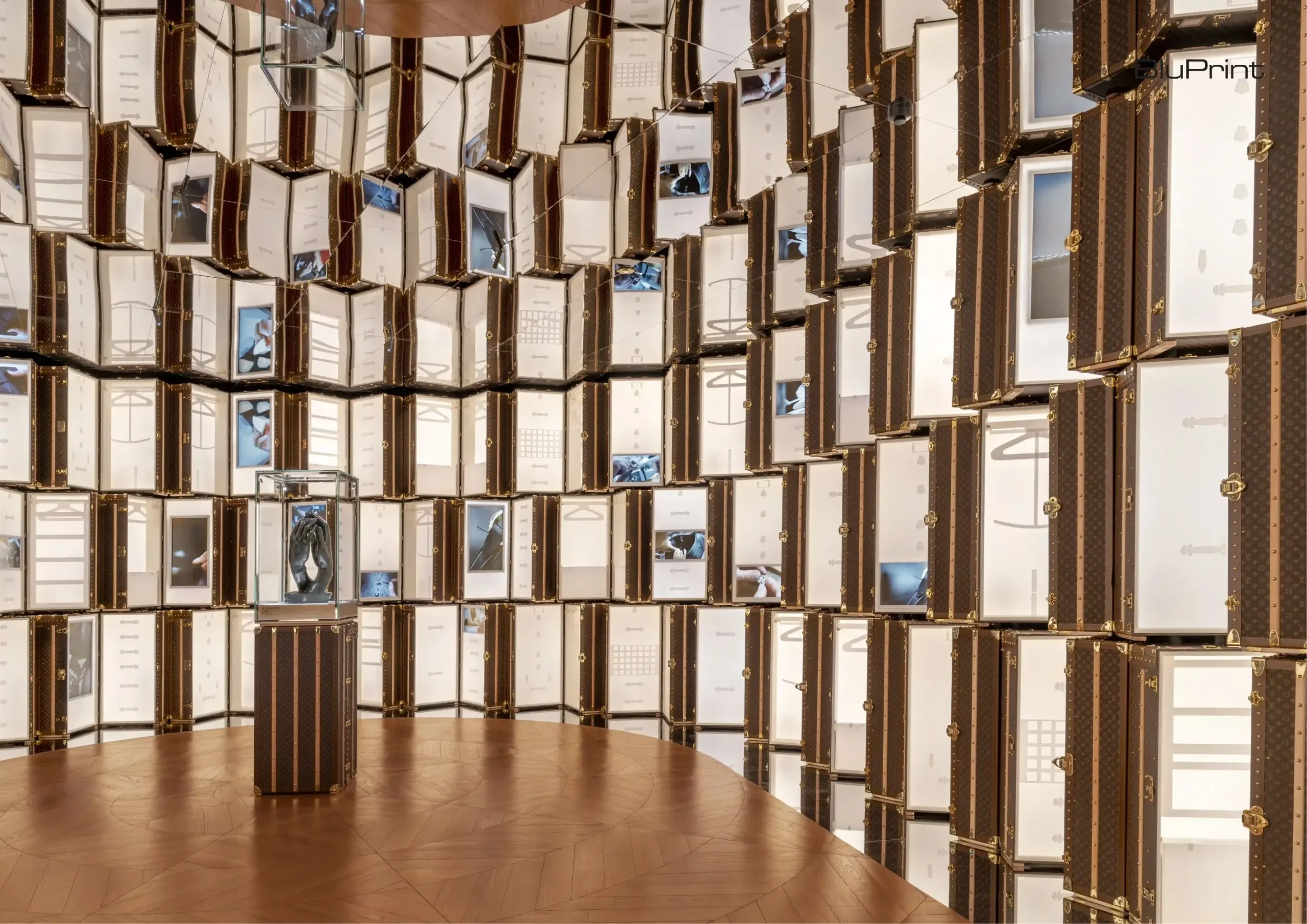
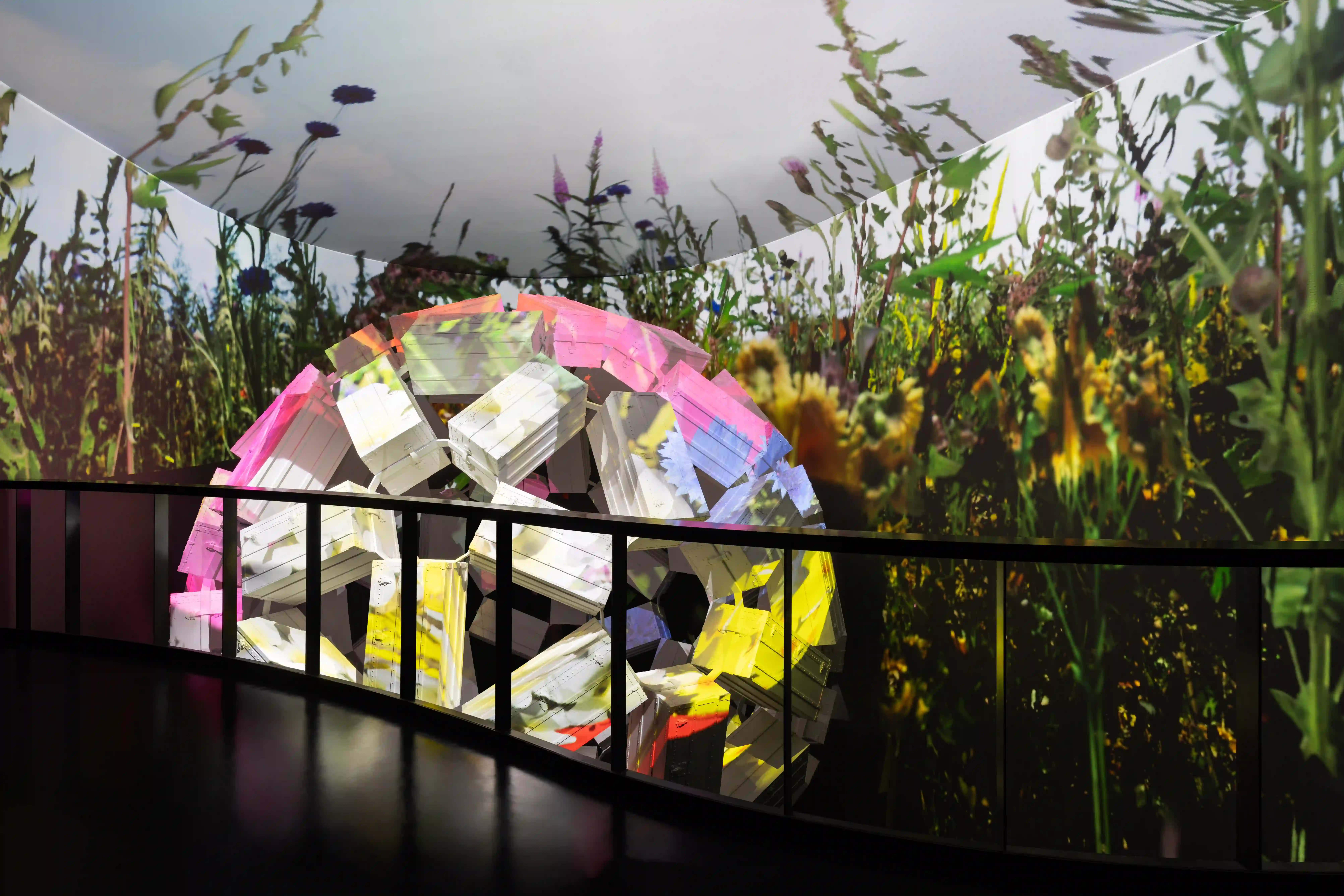

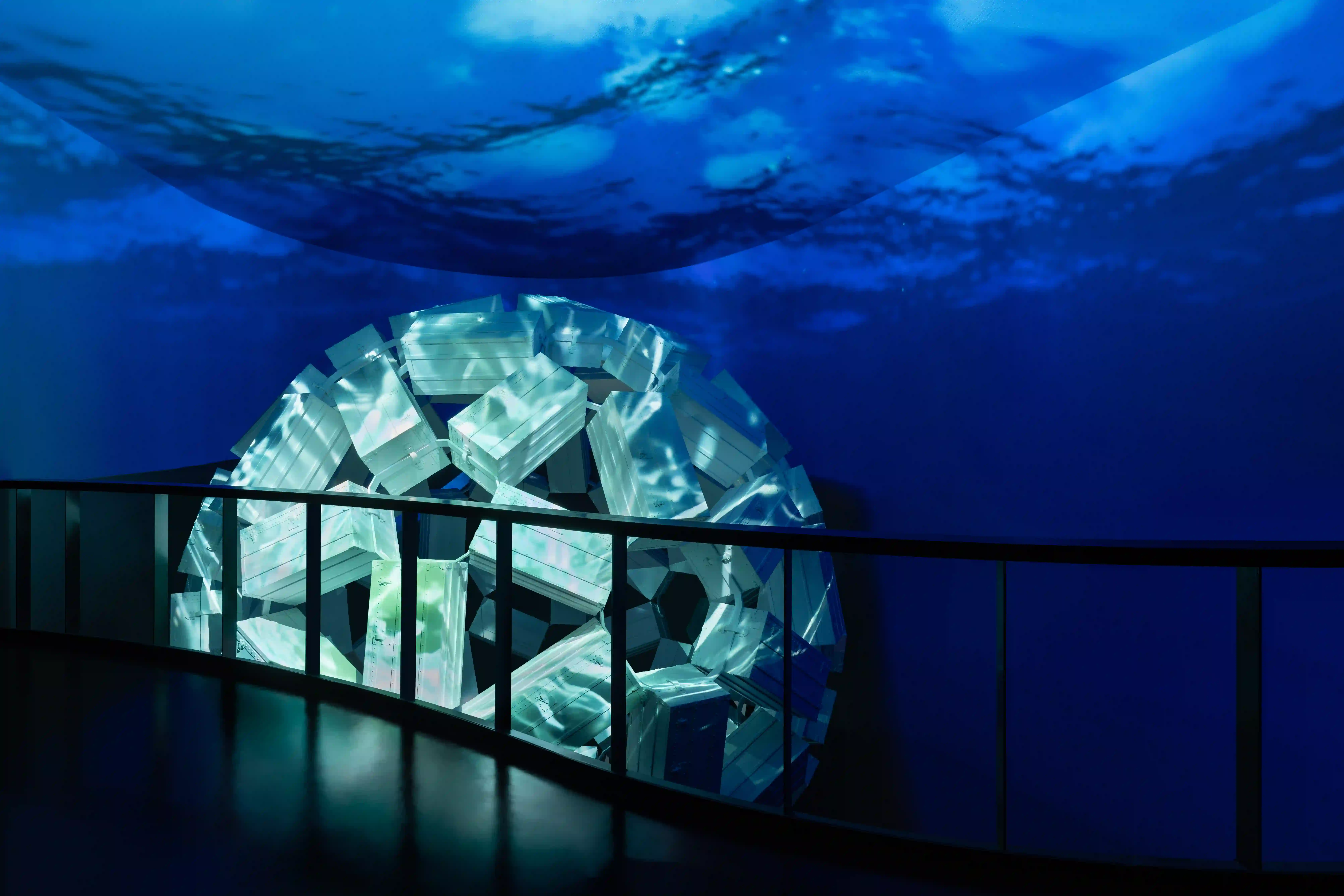
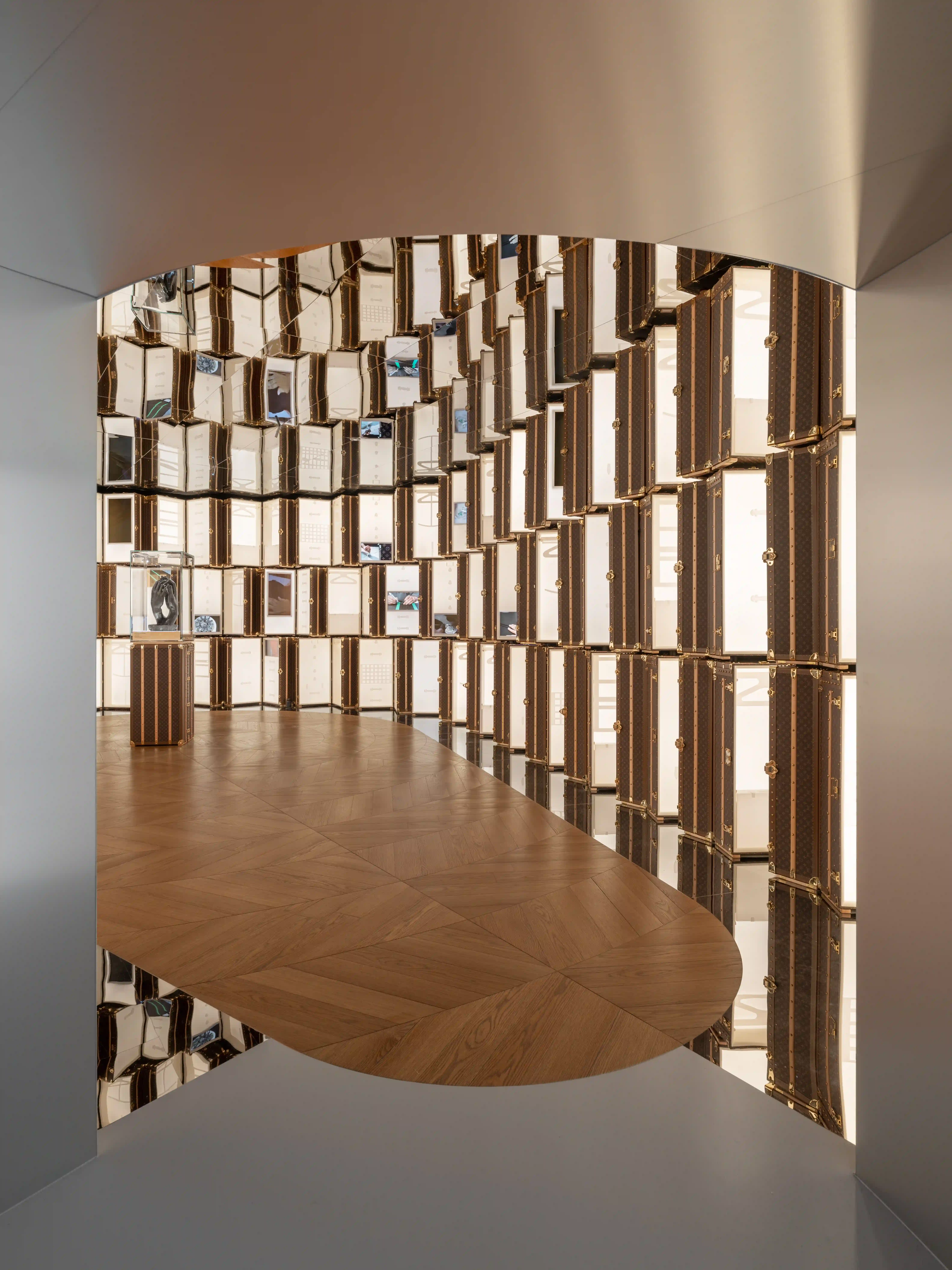
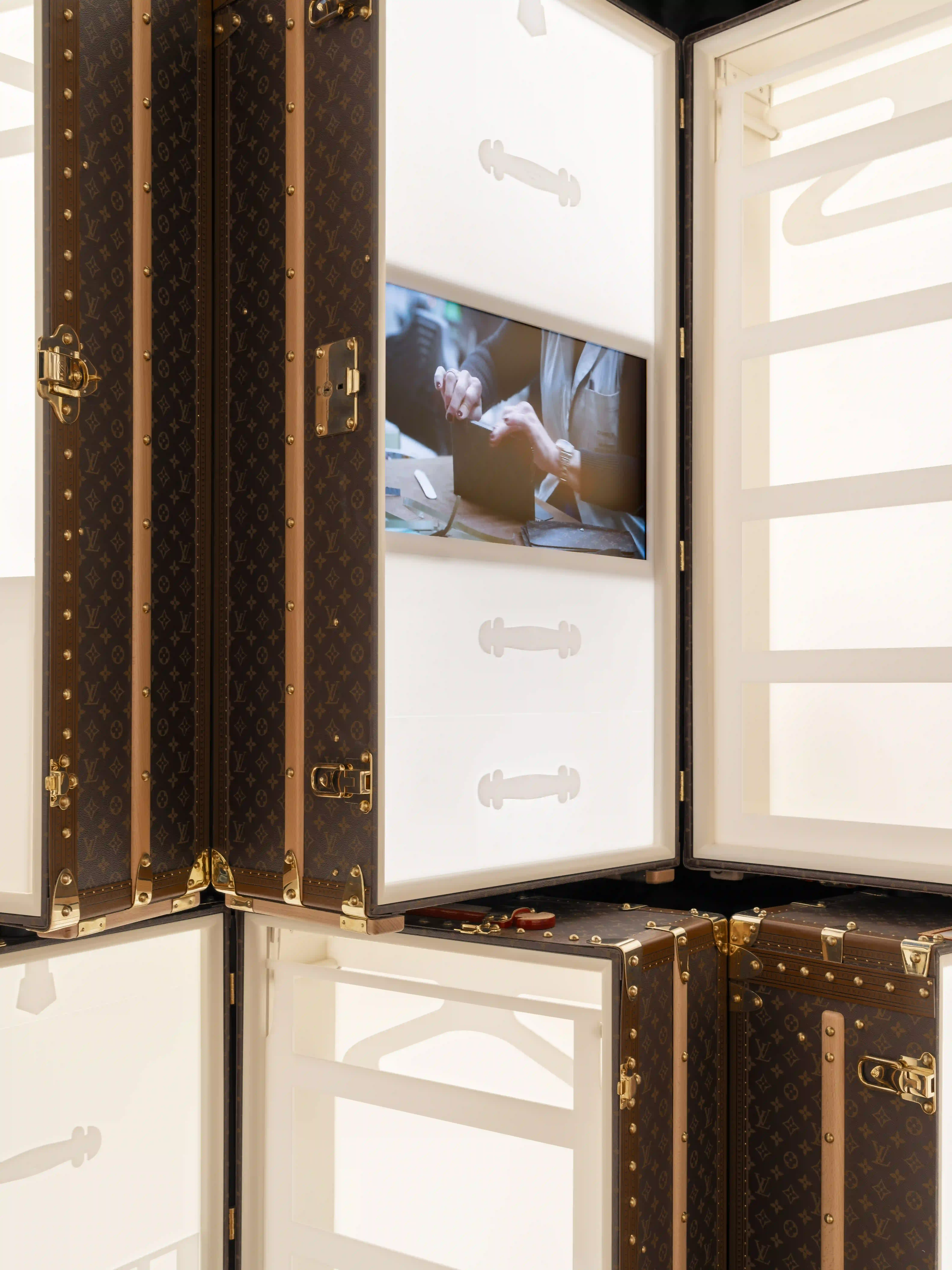
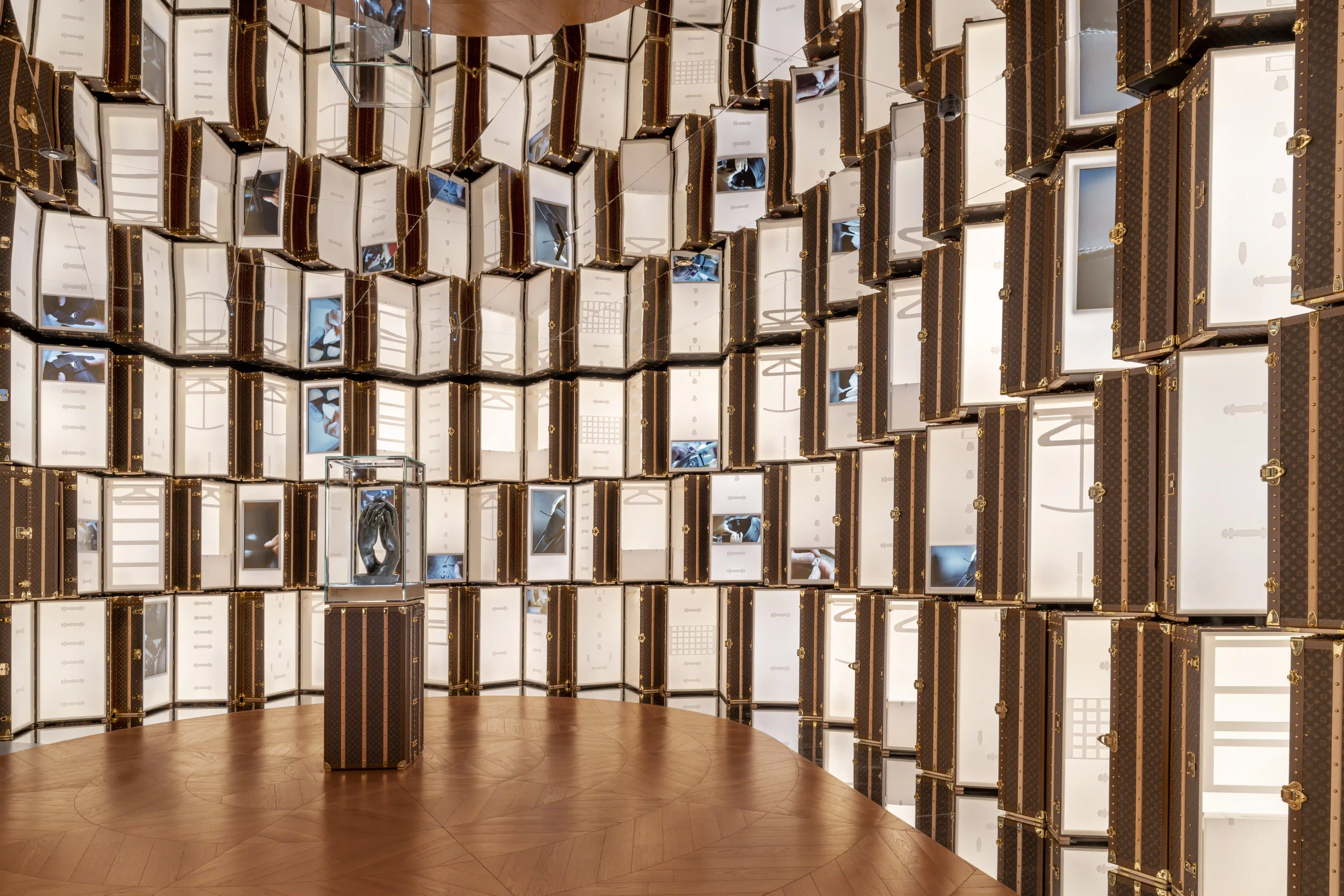
From April 13 to October 13, the French Pavilion at World Expo Osaka Kansai comes alive. Shohei Shigematsu of OMA shaped an installation around Rodin’s The Cathedral and 85 wardrobe trunks. Each trunk opens a window on Louis Vuitton’s atelier secrets, underscored by an original IRCAM soundtrack that captures workshop hums and rhythms. Beyond lies the “trunk sphere,” where Daito Manabe’s video and a bespoke soundscape wrap visitors in a dreamlike journey between past and future.
“Visionary Journeys” in Osaka
Between July 15 and September 17, the Nakanoshima Museum of Art hosts “Visionary Journeys.” Curator Florence Müller assembles heritage pieces with high-profile loans from Guimet and Quai Branly. Shohei Shigematsu designs a space where artisans’ tools stand beside personal stories. Among its treasures, the original Monogram canvas—rediscovered in Paris archives—glimmers in near-pristine condition. Together, these objects trace Louis Vuitton’s path from its roots to tomorrow’s innovations.
A Storied Connection
Paris first fell for Japan’s art in the 1870s. Around the same time, Japanese envoys discovered Louis Vuitton’s elegant trunks. In 1896, the Monogram canvas emerged, its patterns echoing Japanese family emblems. By 1921, Gaston-Louis Vuitton turned his Champs-Élysées window into a tribute garden for Crown Prince Hirohito. Fast-forward to 1978, and Louis Vuitton had rooted itself in Tokyo and Osaka. A sleek Ginza boutique soon followed. Since then, visionaries like Rei Kawakubo, Yayoi Kusama and Takashi Murakami have woven new threads into this ongoing dialogue. This year, Murakami’s beloved collection blooms anew at Osaka’s Café V and at Sugalabo V, the House’s first café and restaurant helmed by chef Yosuke Suga.
Guides to the City
Louis Vuitton Editions unveils two new volumes celebrating Osaka’s spirit. Fashion Eye Osaka by Jean-Vincent Simonet immerses readers in vibrant urban reveries. The Osaka City Guide maps nearly 200 top spots, from tucked-away gems to time-honored eateries, with insights by critic François Simon and Osaka native Verdy. Both books invite exploration, echoing Louis Vuitton’s enduring passion for discovery.
Through a rich tapestry of exhibitions, creative collaborations, and thoughtfully crafted publications, Louis Vuitton’s 2025 tribute to Japan reveals a relationship rooted in mutual respect, artistic exchange, and a shared pursuit of excellence. From the immersive experience at the French Pavilion to the museum showcase in Osaka and the intimate details captured in its latest books, the House continues to honor its deep connection with Japan—not just by looking back, but by reimagining what’s next. This season stands as both a celebration of heritage and a bold step into the future of cultural storytelling.
Images courtesy of Louis Vuitton.
Read more: Atelier Oï Crafts Stories Through Objet Nomades by Louis Vuitton
Frequently Asked Questions
The French Pavilion features an immersive installation designed by Shohei Shigematsu that showcases 85 wardrobe trunks and Rodin’s The Cathedral to reveal the House’s atelier secrets. Visitors experience a “trunk sphere” featuring video by Daito Manabe and a bespoke soundtrack that captures the rhythmic sounds of the workshop. This living showcase is designed to bridge the brand’s historical craftsmanship with future innovations through a dreamlike, multisensory journey.
Curated by Florence Müller, this exhibition displays rare heritage pieces alongside loans from the Guimet and Quai Branly museums, emphasizing the personal stories of artisans and their tools. A major highlight is the display of an original Monogram canvas discovered in Paris archives, maintained in near-pristine condition. The space, also designed by Shohei Shigematsu, serves as a chronological narrative of Louis Vuitton’s evolution from its founding roots to modern design.
The connection dates back to the 1870s when Japanese art gained popularity in Paris, leading to the 1896 creation of the Monogram canvas, which features patterns inspired by Japanese family emblems (mon). This aesthetic dialogue was furthered by Gaston-Louis Vuitton’s 1921 tribute to Crown Prince Hirohito and has since evolved through high-profile collaborations with contemporary Japanese artists like Yayoi Kusama and Takashi Murakami. These partnerships have effectively woven Japanese visual language into the permanent fabric of the House’s identity.
Louis Vuitton Editions has launched two new volumes: Fashion Eye Osaka by Jean-Vincent Simonet and a comprehensive Osaka City Guide. The Fashion Eye book offers a vibrant, artistic perspective on the urban landscape, while the City Guide provides a curated map of nearly 200 locations ranging from hidden gems to traditional eateries. These publications are part of the brand’s “Heritage in Bloom” celebration, encouraging travelers to explore the city through the lens of Louis Vuitton’s passion for discovery.
The 2025 celebration includes the revival of Takashi Murakami’s beloved designs at Café V and Sugalabo V, which represent the House’s first foray into the café and restaurant industry. Helmed by renowned chef Yosuke Suga, these venues alchemize art and gastronomy, allowing guests to dine within a space that reflects the creative synergy between Louis Vuitton and Japanese contemporary art. These locations serve as permanent symbols of the House’s deep-rooted presence in Tokyo and Osaka since the late 1970s.
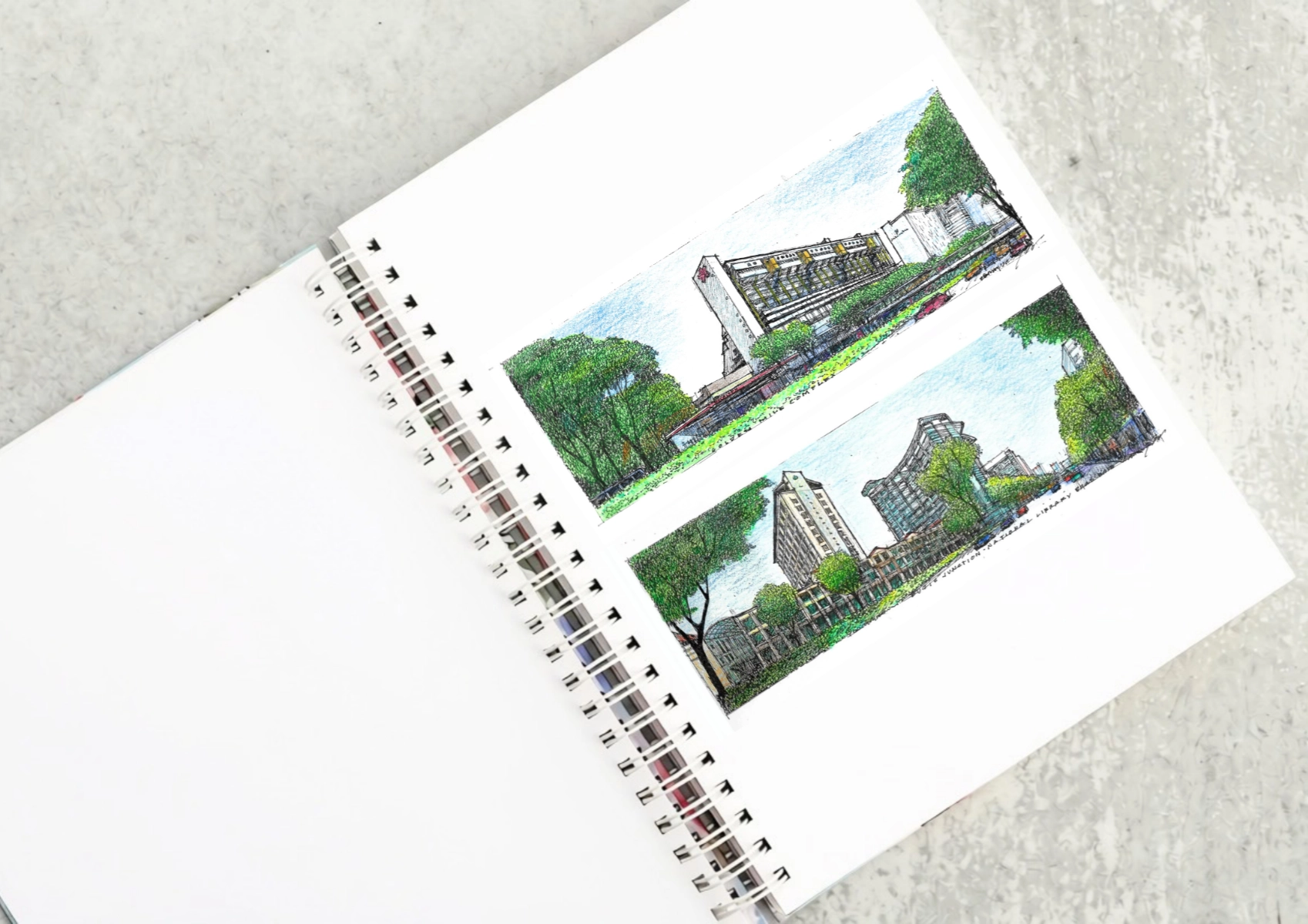
Two sketches of Singapore connect BluPrint Editor in Chief Paulo G. Alcazaren’s personal and professional history with Shared Ground: ArchitectureArchitectureThe art and science of designing and constructing buildings, structures, and spaces that are functional, safe, and aesthetically pleasing. It encompasses the planning, design, materials, and techniques used to createGo to Architecture Glossary of Care, Culture, […]
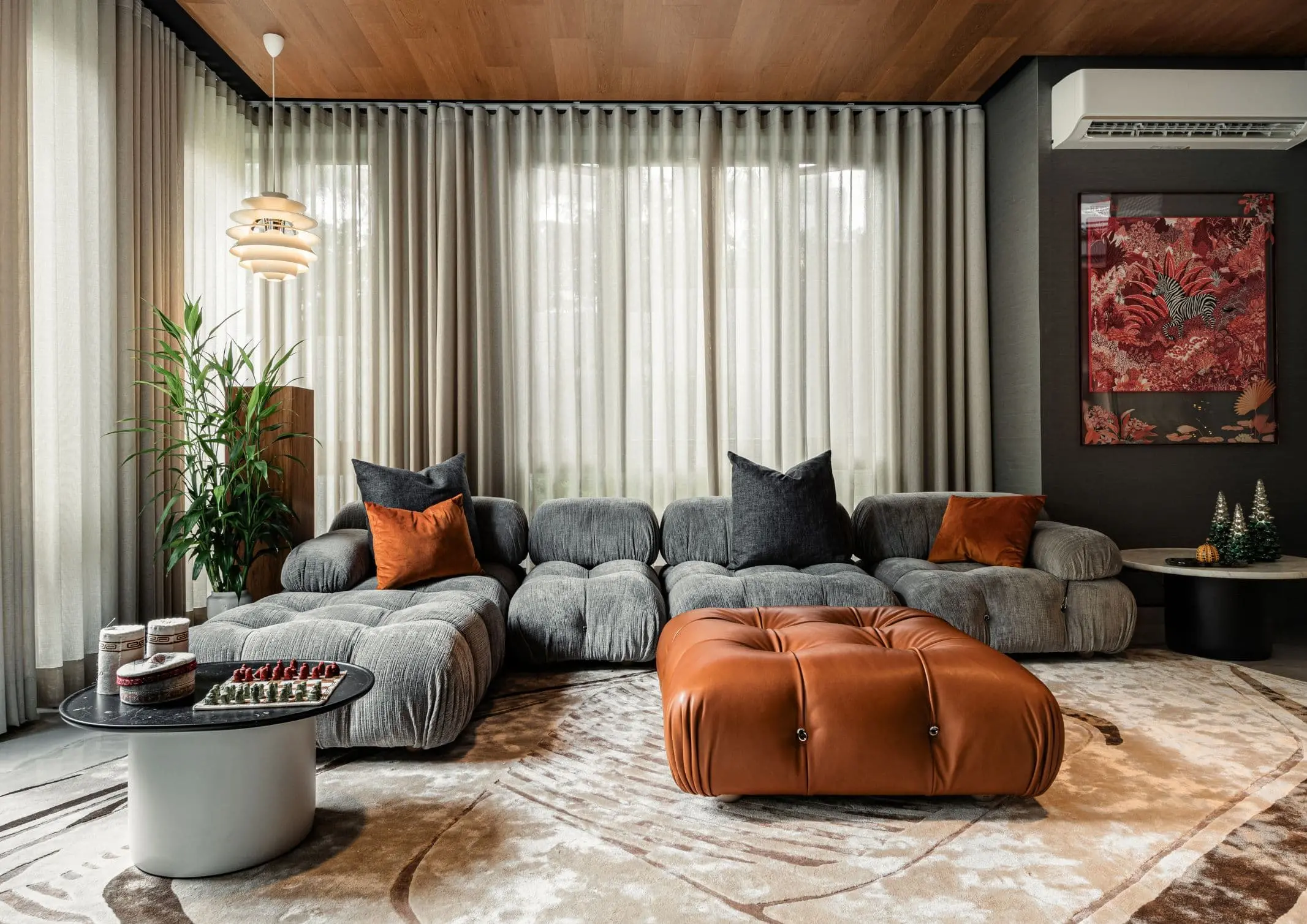
Some have become household names – Coleman, Oster, and KitchenAid – products that have found their way into Filipino kitchens, homes and family routines. In home furnishings, brands such as B&B Italia, Ethan Allen, Sub-Zero, Miele, SieMatic, Louis Poulsen, Hunter Douglas, Tempur, and Technogym, have helped shape the way Filipinos live. From everyday essentials to […]
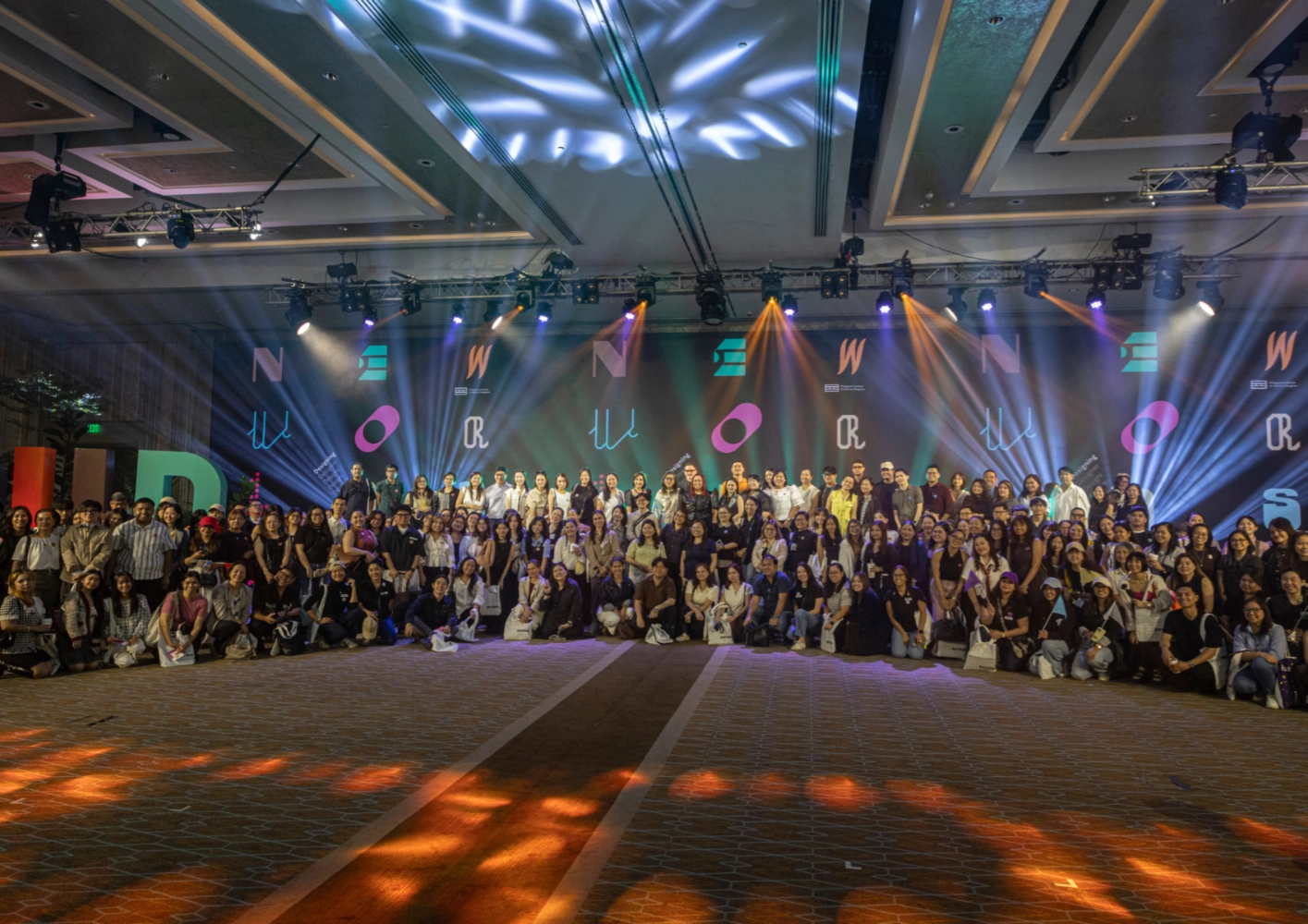
In a way, designers are the modern-day soothsayers and prophets. They design for the future, predicting how a room, a house, a building or a whole city will be used by people. They foresee how users will interact with a space, conjure exact shades of colors to elicit specific behavior and arrange furniture to build […]
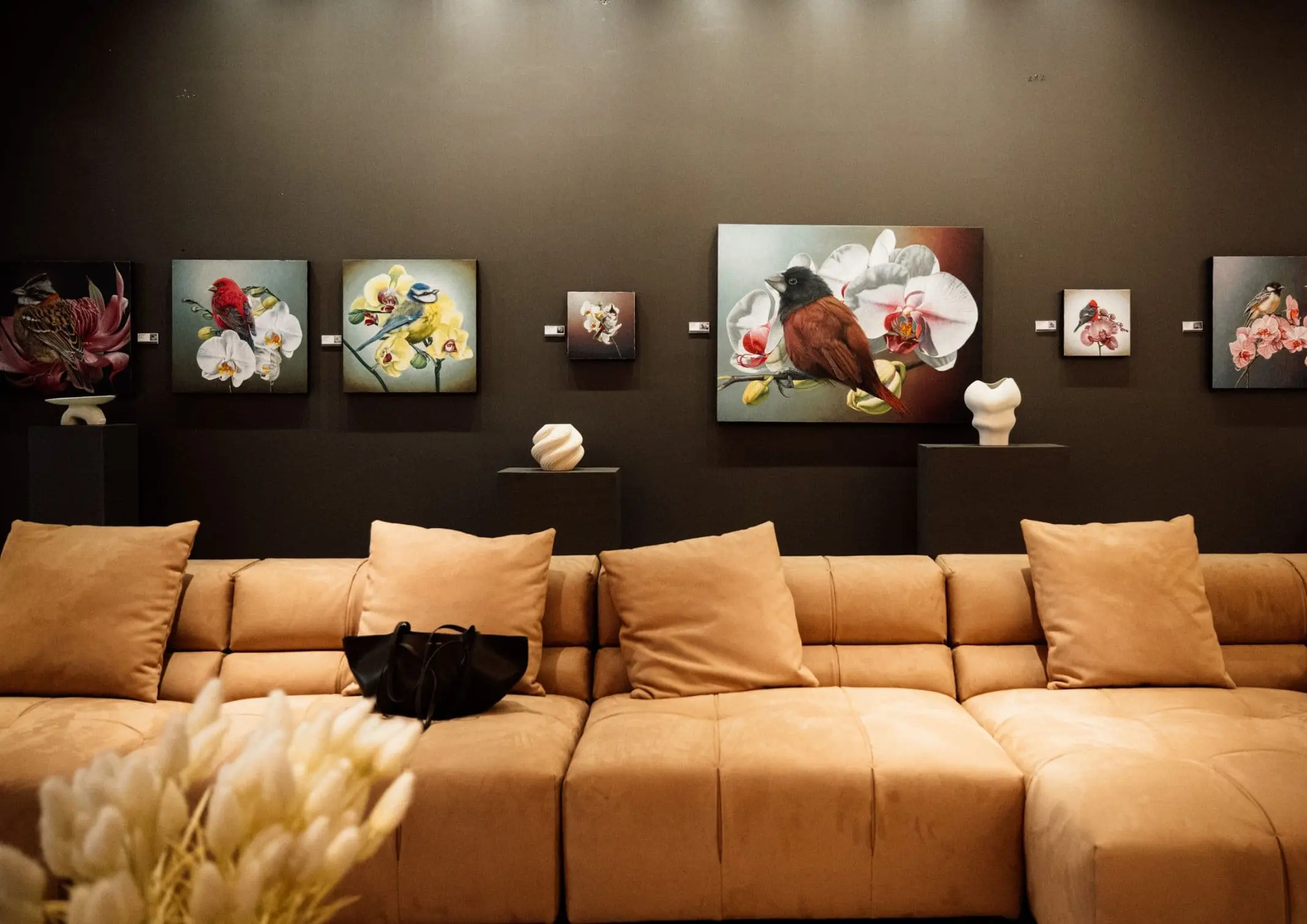
Art and furniture are often selected separately, yet their relationship can shape how a room looks and feels. The collaboration between Hooga and Galerie Joaquin explores how these elements can work together, bringing contemporary artworks into furnished residential settings at Hooga’s showroom in Uptown Mall, Bonifacio Global City. For Hooga, which curates furniture, lighting, and […]
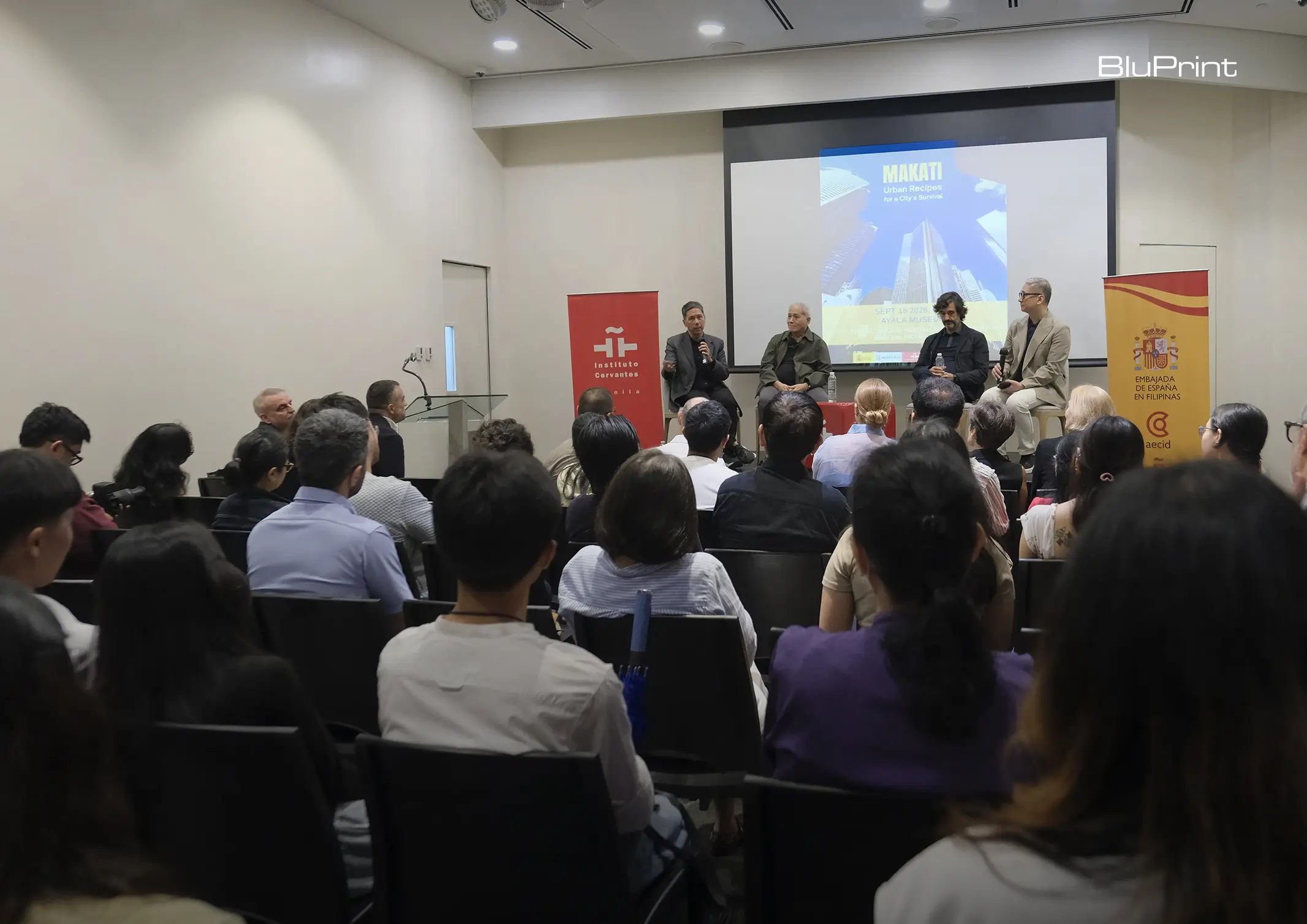
How can better-planned cities create the conditions for more creative, livable, and resilient urban environments? “Makati Urban Recipes for a City’s Survival,” a colloquium held at the Ayala Museum on September 15, brought together architects and practitioners from the fields of urbanism and the creative economy to discuss how design, planning, and collaboration can address […]
Read the issues.

Collect the volumes.

Recommended Video
Tap to Unmute
Unmute
0:00
0:00