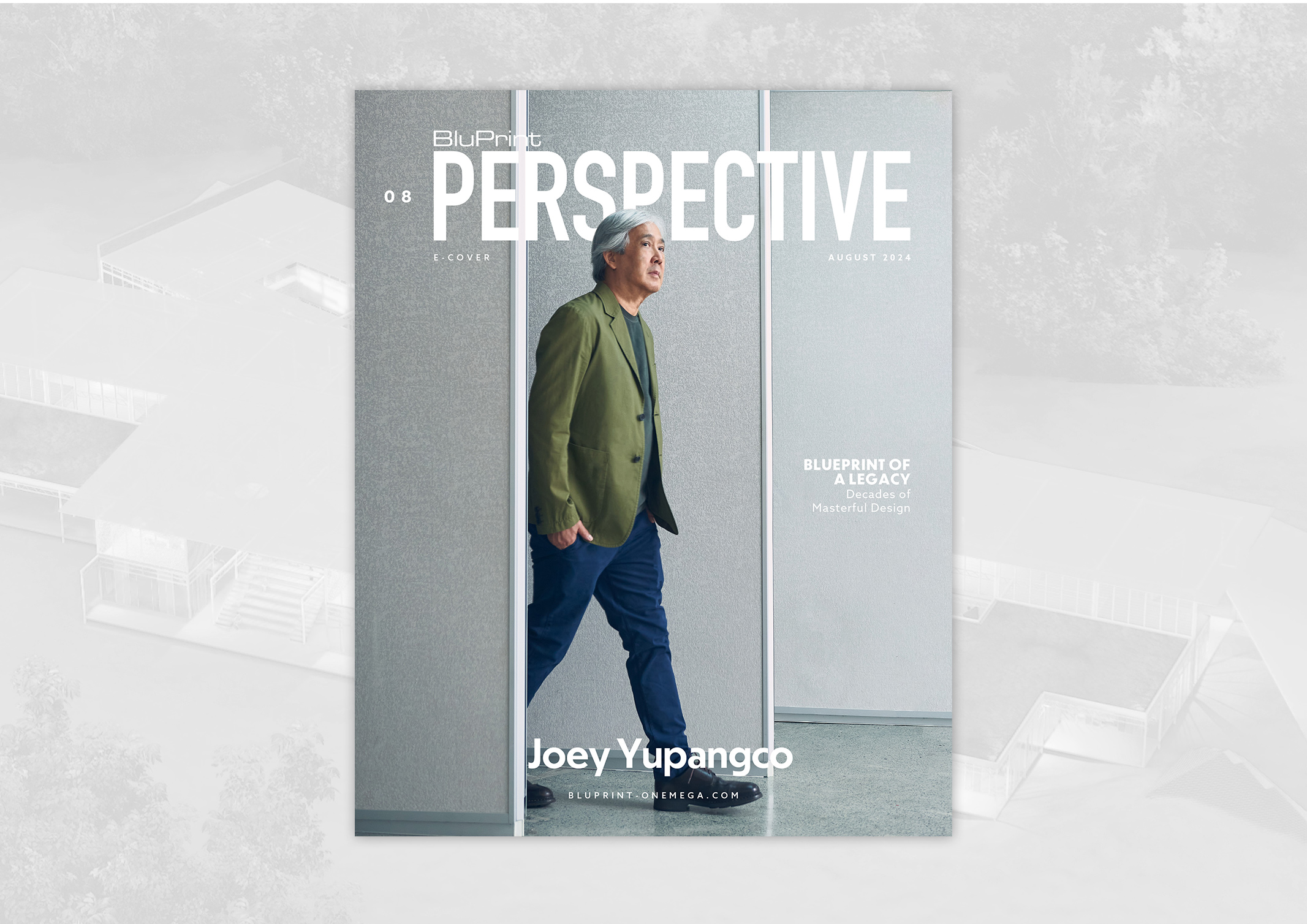



Bigkis is the act of binding. In Tagalog, the word can refer to something used to bind or encircle, as well as a bundle formed by tying several separate elements together. Figuratively, it can also mean a bond, union, or unity. The meanings move from the physical act of joining things together to the connection […]
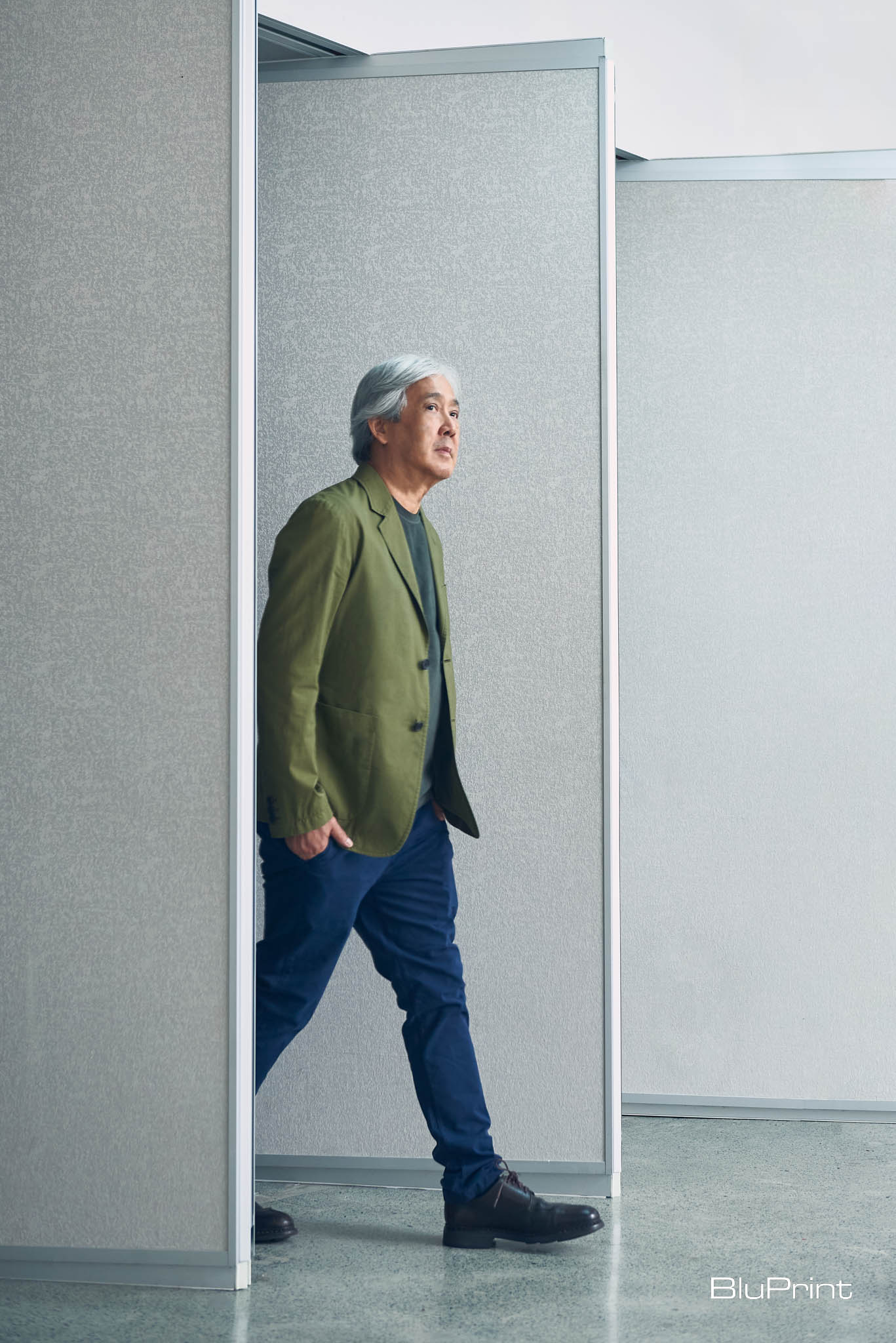
Joey Yupangco’s architectural journey is an inspiring tale of evolution, grounded in his deep-seated passion for design and the built environment. As the former dean of the College of Saint Benilde School of Design and Arts (CSB-SDA), he shaped the future of countless students and left an indelible mark on the architectural landscape of the Philippines. His story reflects persistence, discovery, and the pursuit of creative expression in a world that often demands conformity.
The Early Years: A Struggle Between Art and Tradition
Joey recalls, “In the beginning, I was young. I’ve always wanted to be an artist.” His early desire to forge a path in the arts faced resistance from his family, who were deeply entrenched in the music business. He shares, “Back then, my father told me we shouldn’t be doing that because we were in the music business. Back then, we used to make pianos.” The expectation was clear: Joey should follow in the family’s footsteps and not pursue a seemingly impractical dream.
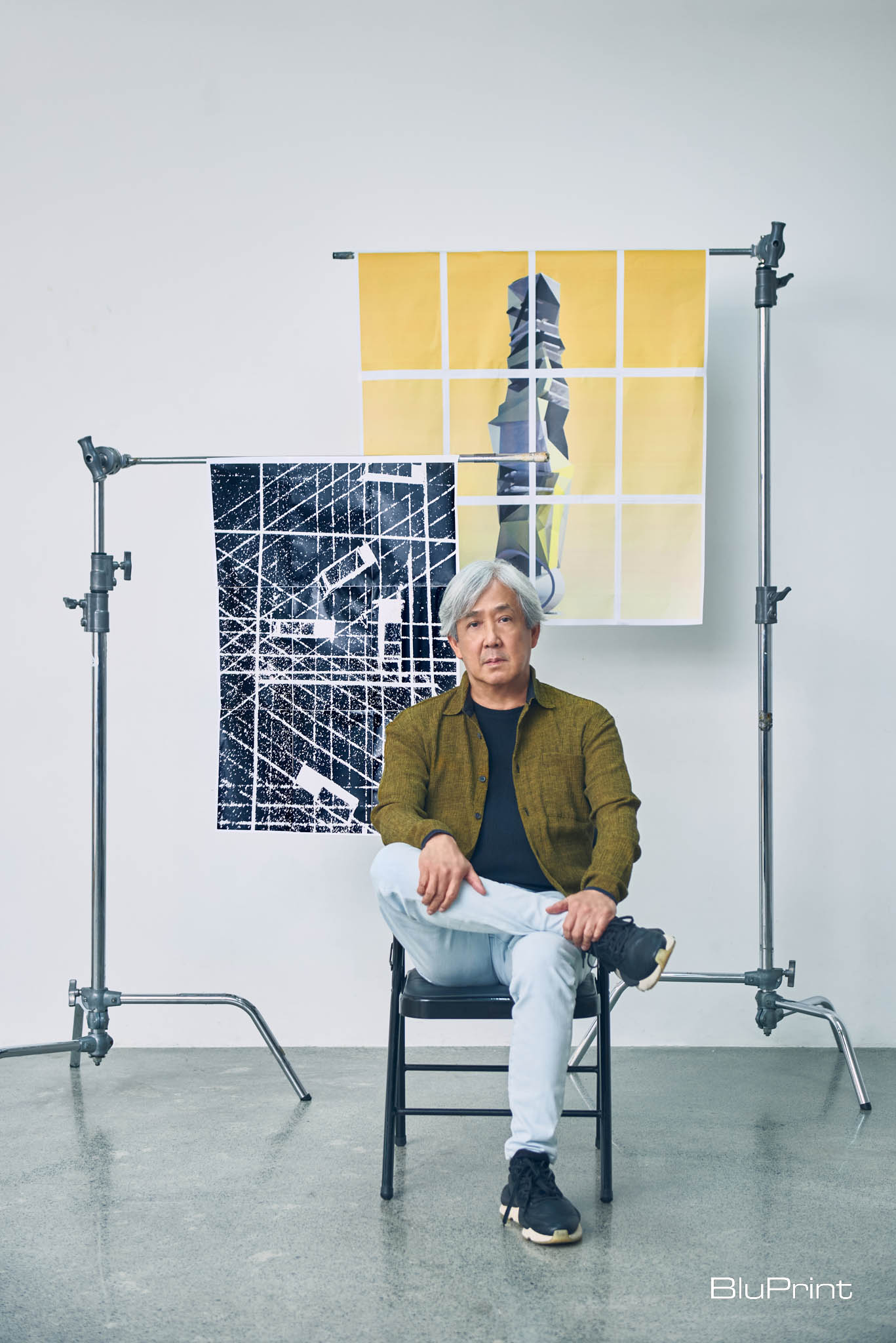
Yet, Joey’s creative spirit remained strong. Despite his father’s wishes, he felt drawn to the design world. This internal conflict between familial duty and personal passion set the stage for a lifelong journey of self-discovery and artistic expression.
A Detour into the Unknown: From A Bank to Industrial Design
After completing his studies at De La Salle in 1973, Joey worked in a bank. He found this experience challenging and ultimately unsatisfying. “After a couple of years, I thought that it was not the right venue for me to be in… I was really in a maze,” he admits. The bank’s rigid structure and demands clashed with his creative inclinations, leaving him feeling out of place and unfulfilled.
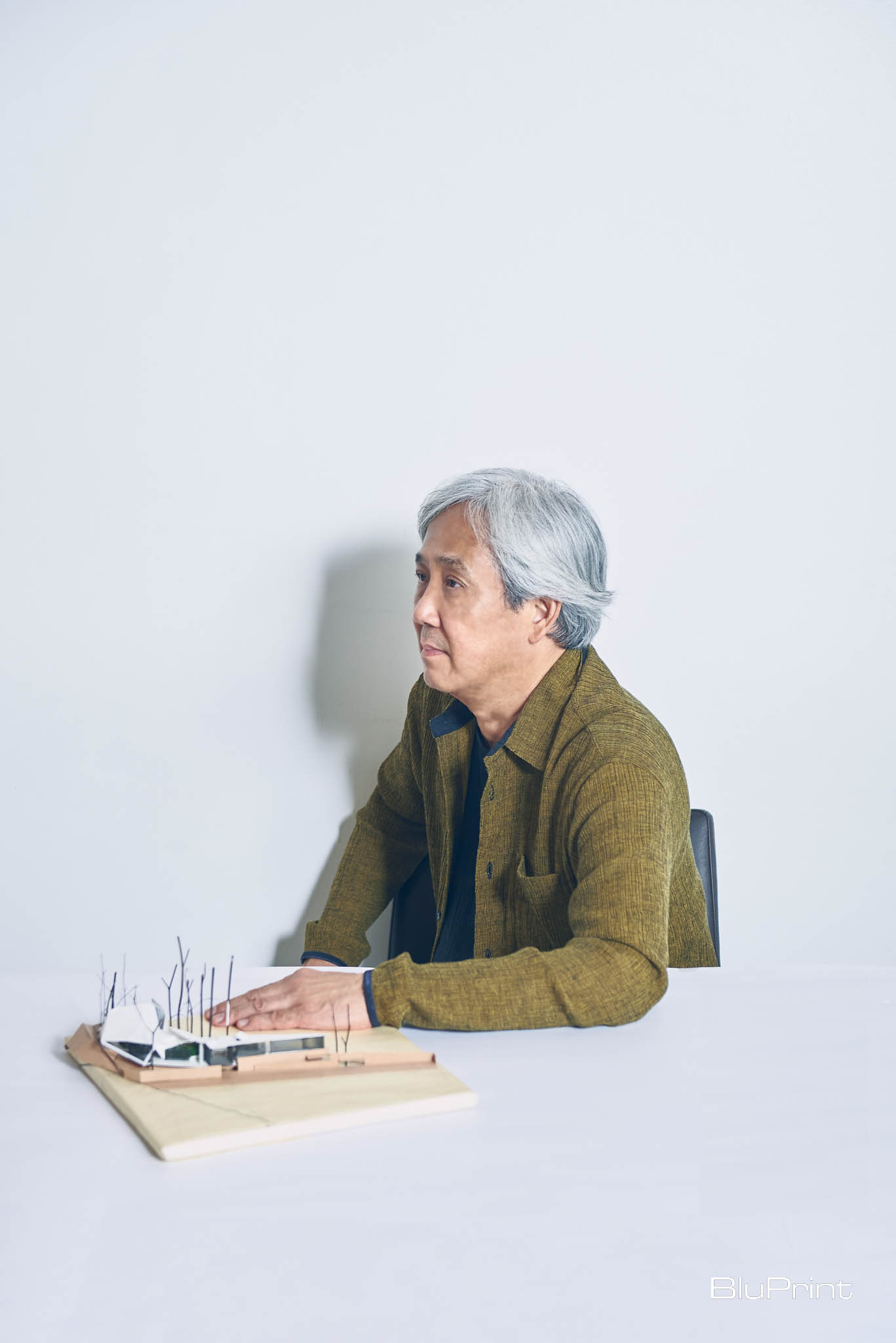
Holding one of his signature maquettes, Joey Yupangco uses these scale models to visualize and communicate his architectural concepts, ensuring every detail aligns with his vision and client needs.
A pivotal moment occurred when Joey reconnected with a friend, who introduced him to industrial design. This encounter led him to the Pratt Institute in New York. The field seemed to offer a compromise between his artistic ambitions and practical considerations. “I wanted to be an architect, but I believed that you have to be very good in math. So I went to Pratt and studied industrial design, only to find out that architectureArchitectureThe art and science of designing and constructing buildings, structures, and spaces that are functional, safe, and aesthetically pleasing. It encompasses the planning, design, materials, and techniques used to createGo to Architecture Glossary at Pratt was so far different from how I imagined architecture would be.”
Finding His Way: Education and Mentorship
Pratt Institute proved transformative for Joey. Under the mentorship of American designer Rowena Reed Kostellow, he delved deep into the study of space and form. This experience helped him develop a sophisticated understanding of design principles that would later inform his work in architectureArchitectureThe art and science of designing and constructing buildings, structures, and spaces that are functional, safe, and aesthetically pleasing. It encompasses the planning, design, materials, and techniques used to createGo to Architecture Glossary. “I was lucky to learn from Rowena Reed Kostellow, who formulated the entire design structure. She was about 84 when I met her, and she taught me something about spaces and everything.”
During his time at Pratt, Joey also explored other disciplines. He received a scholarship for Asian artists and used this grant to study lighting design at Parsons School of Design. Although the program was discontinued after a year, the training proved invaluable. “It did help me a lot when [designing] public spaces like offices and all that,” he says.
This diverse educational background allowed Joey to approach architecture with a unique perspective that valued both aesthetic beauty and functional practicality. His training emphasized solving problems through design—a philosophy central to his architectural practice.
The Return to the Philippines: Establishing a Design Philosophy
Upon returning to the Philippines, Joey faced the challenge of establishing himself in a competitive architectural landscape. Armed with the knowledge and skills he acquired abroad, he quickly made a name for himself. His design approach featured meticulous attention to detail and a commitment to creating spaces that served their function while telling a story.
Joey frequently uses maquettes and 3D abstractions as key tools in his design process. These models help him communicate his ideas to clients in a tangible way, making the design process more collaborative and interactive. “There’s always an evolution… If they didn’t like it, all we needed to do was make another model,” he explains. This iterative approach ensures that each project evolves naturally, responding to the needs and desires of those who will inhabit the space.
Notable Projects: A Testament to Versatility
Joey Yupangco’s projects showcase his versatility as a designer and architect, each reflecting a unique blend of creativity and problem-solving.
The Dark Room
During his senior year at Pratt Institute in 1984, Joey designed a modular darkroom inspired by his experiences in a photo lab. This project, likened to the mechanics of a camera, became a finalist in the 2nd Osaka International Design Competition. Although he chose not to send the model, this project marked the beginning of his journey into complex design challenges.
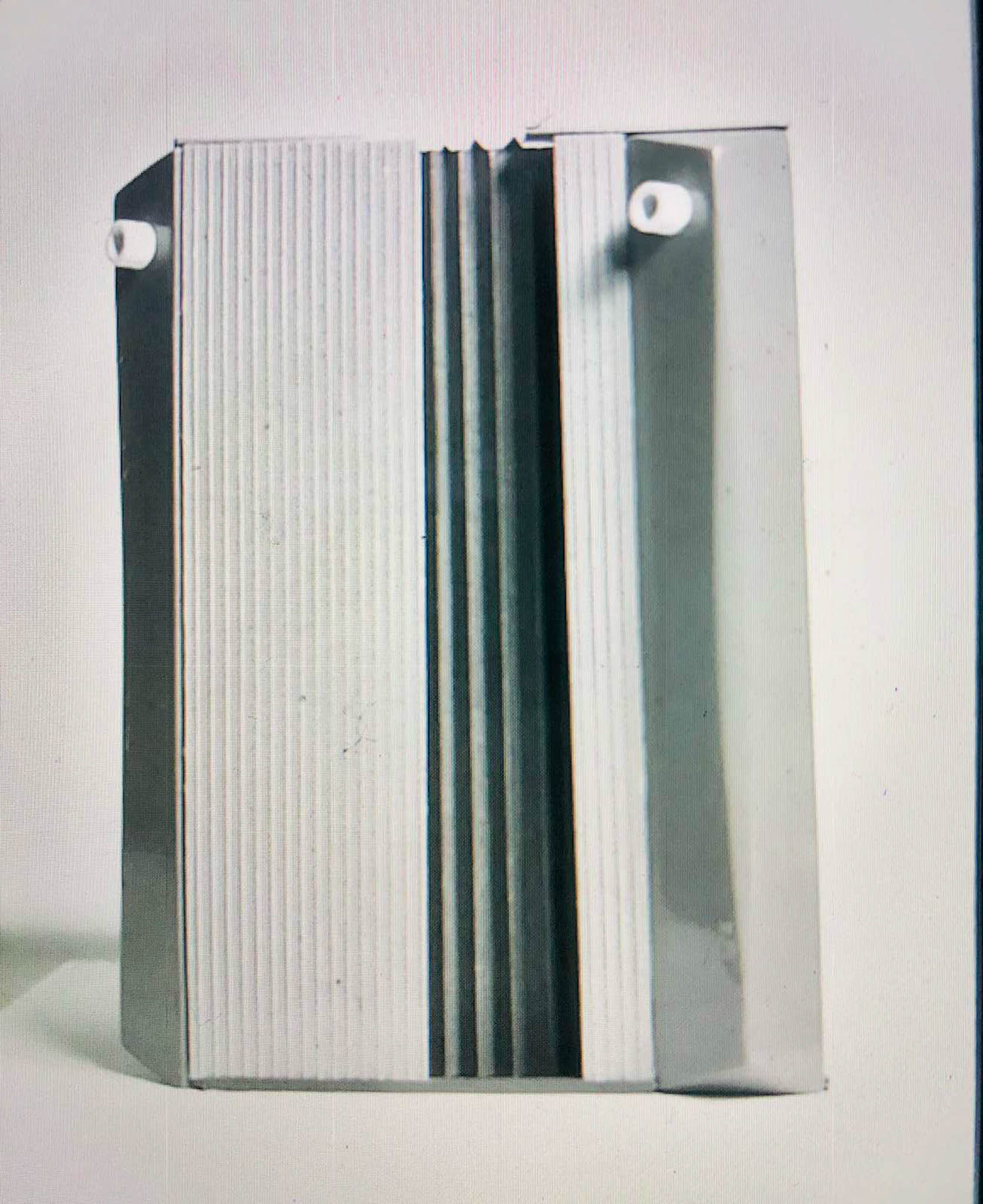
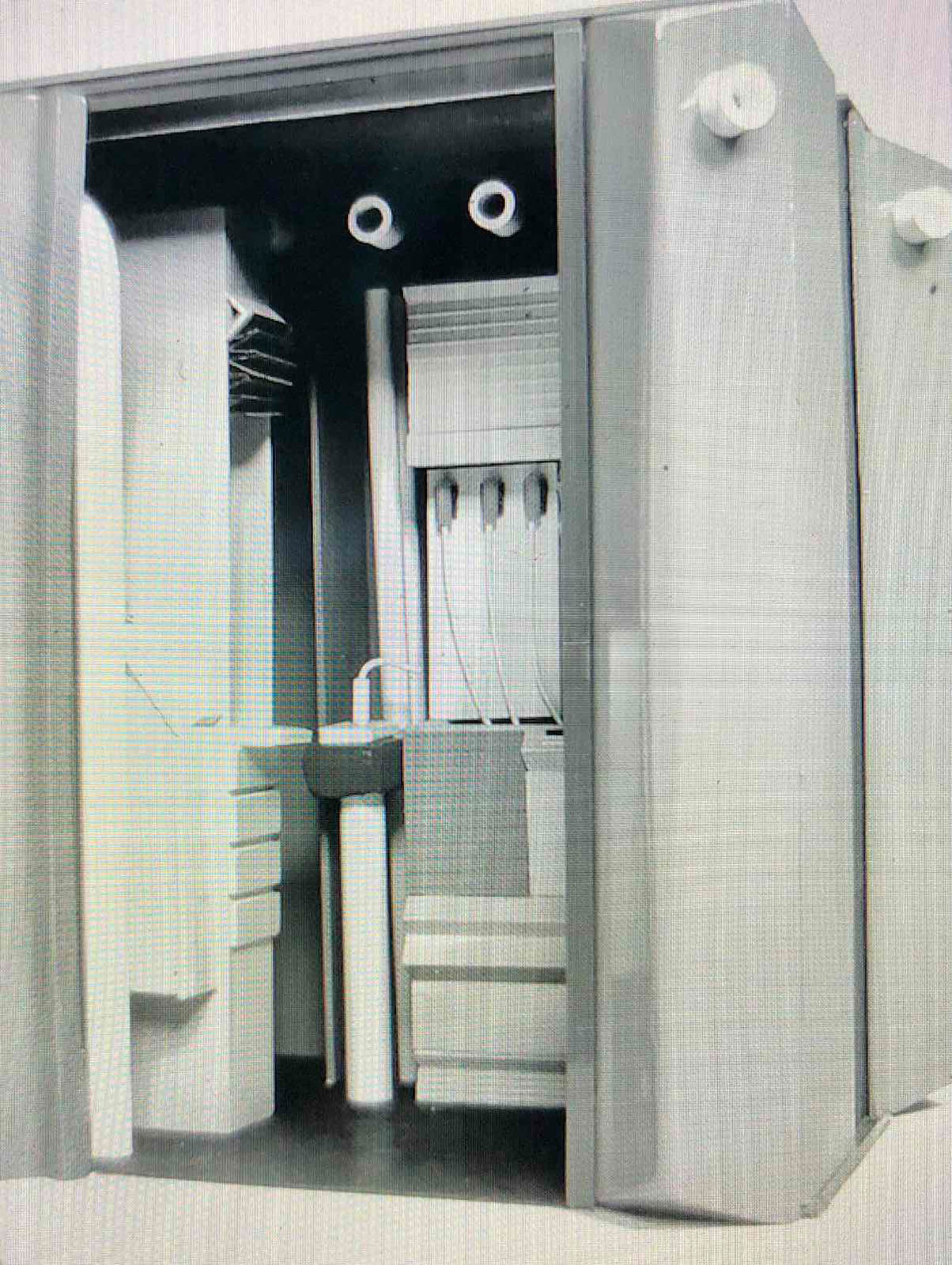
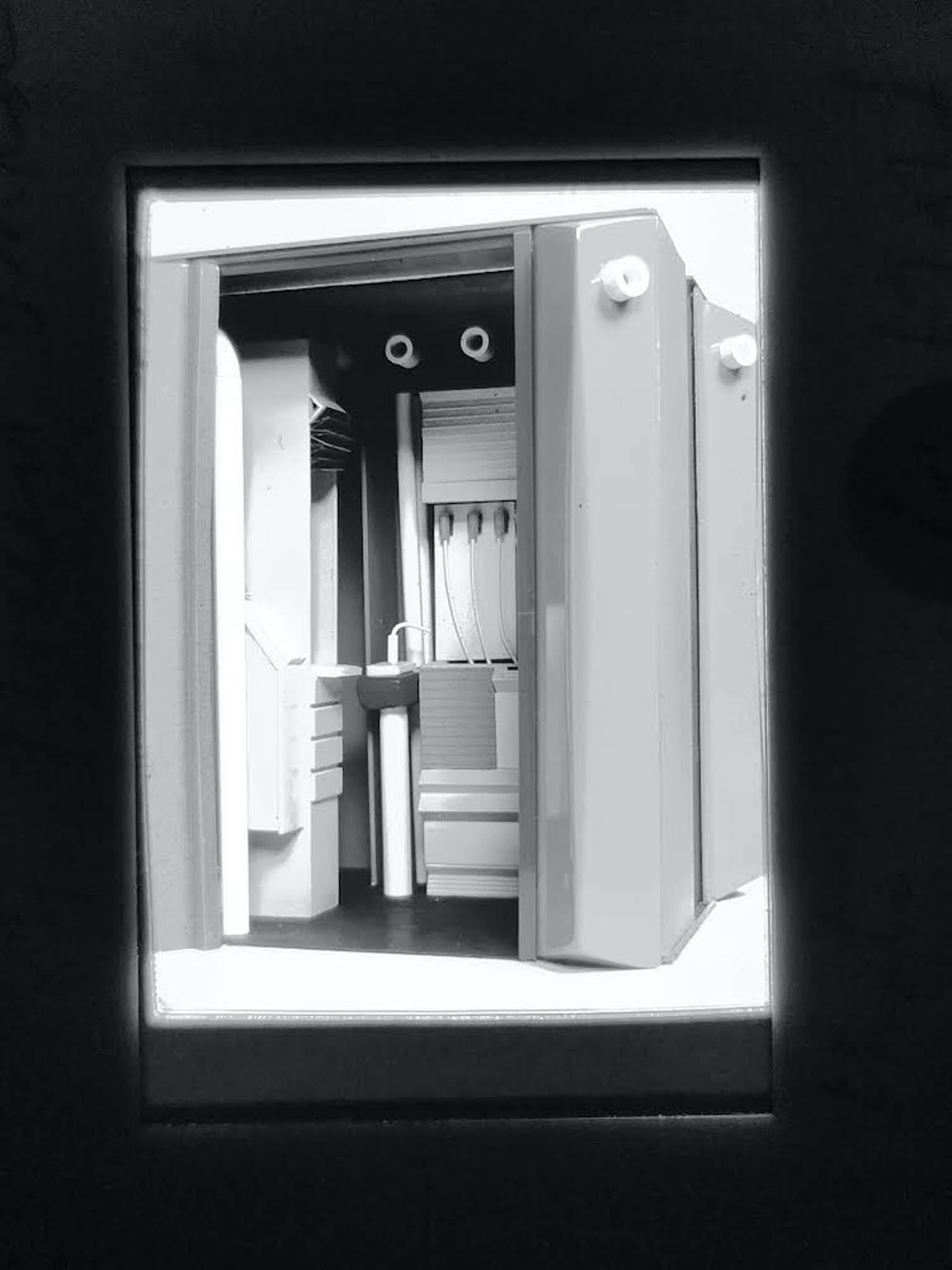
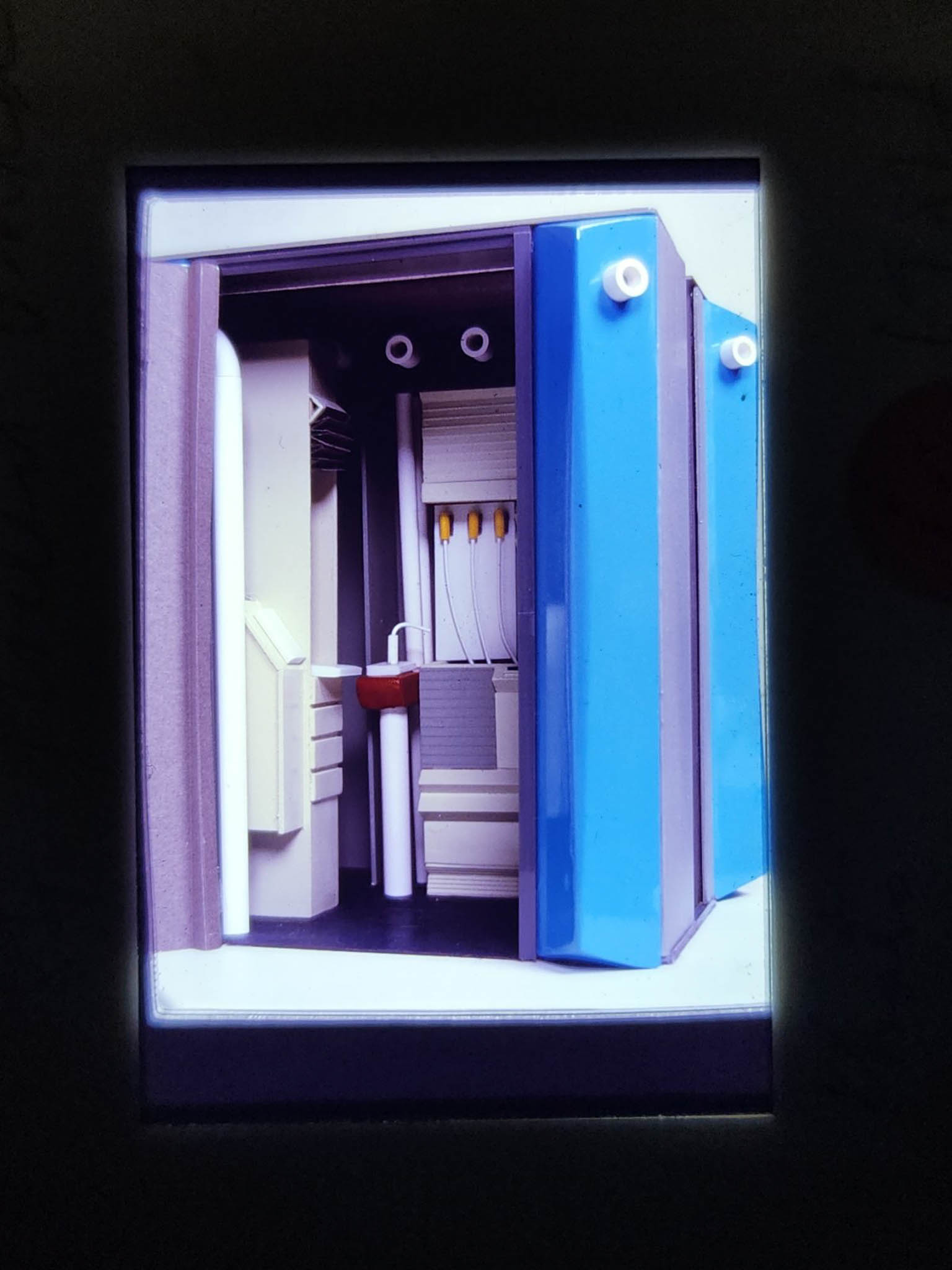
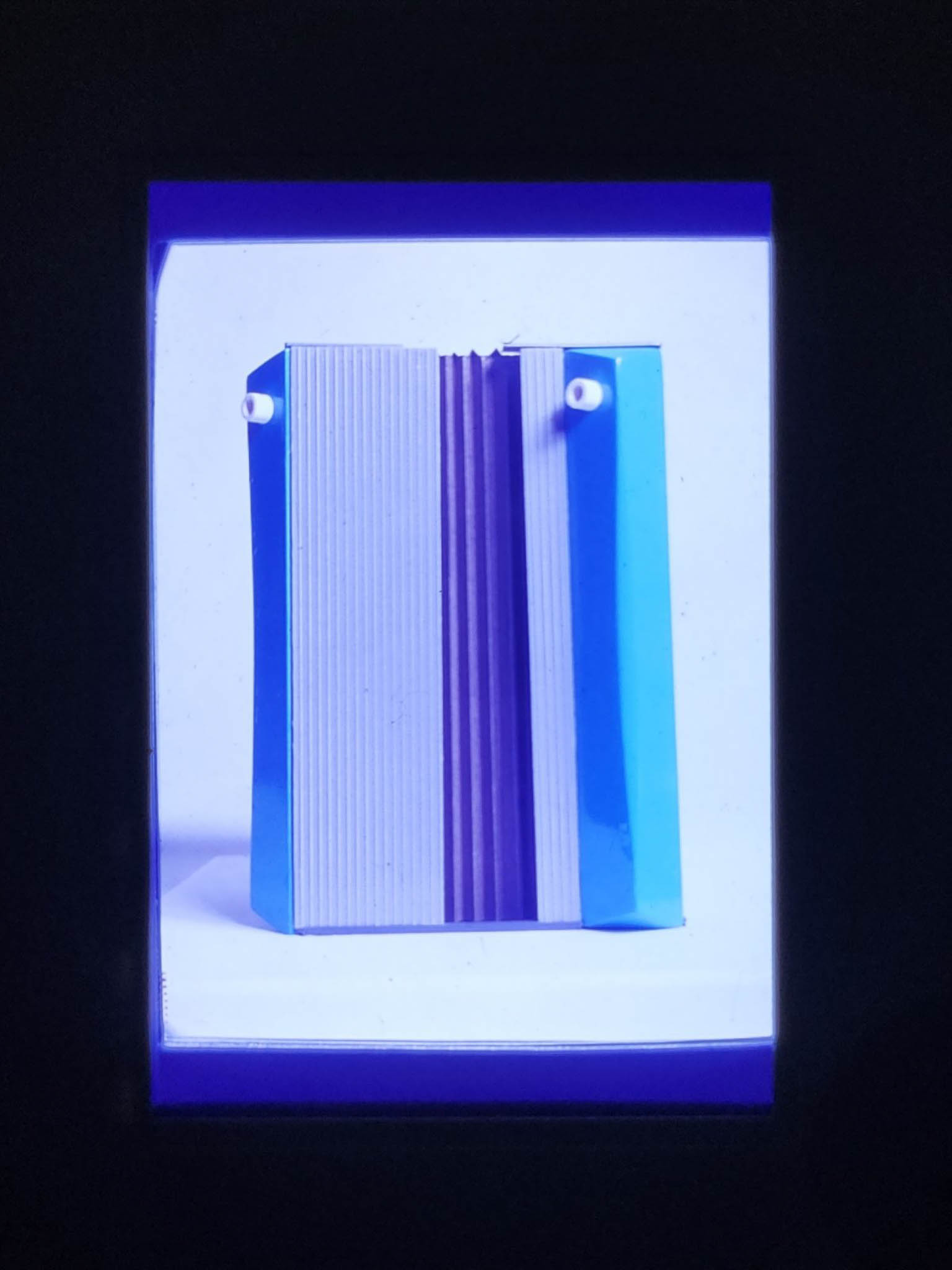
A modular darkroom designed by Joey Yupangco during his senior year at Pratt Institute. Inspired by his time in a photo lab, the design reflects the mechanics of a camera and was a finalist in the 2nd Osaka International Design Competition.
The Beau
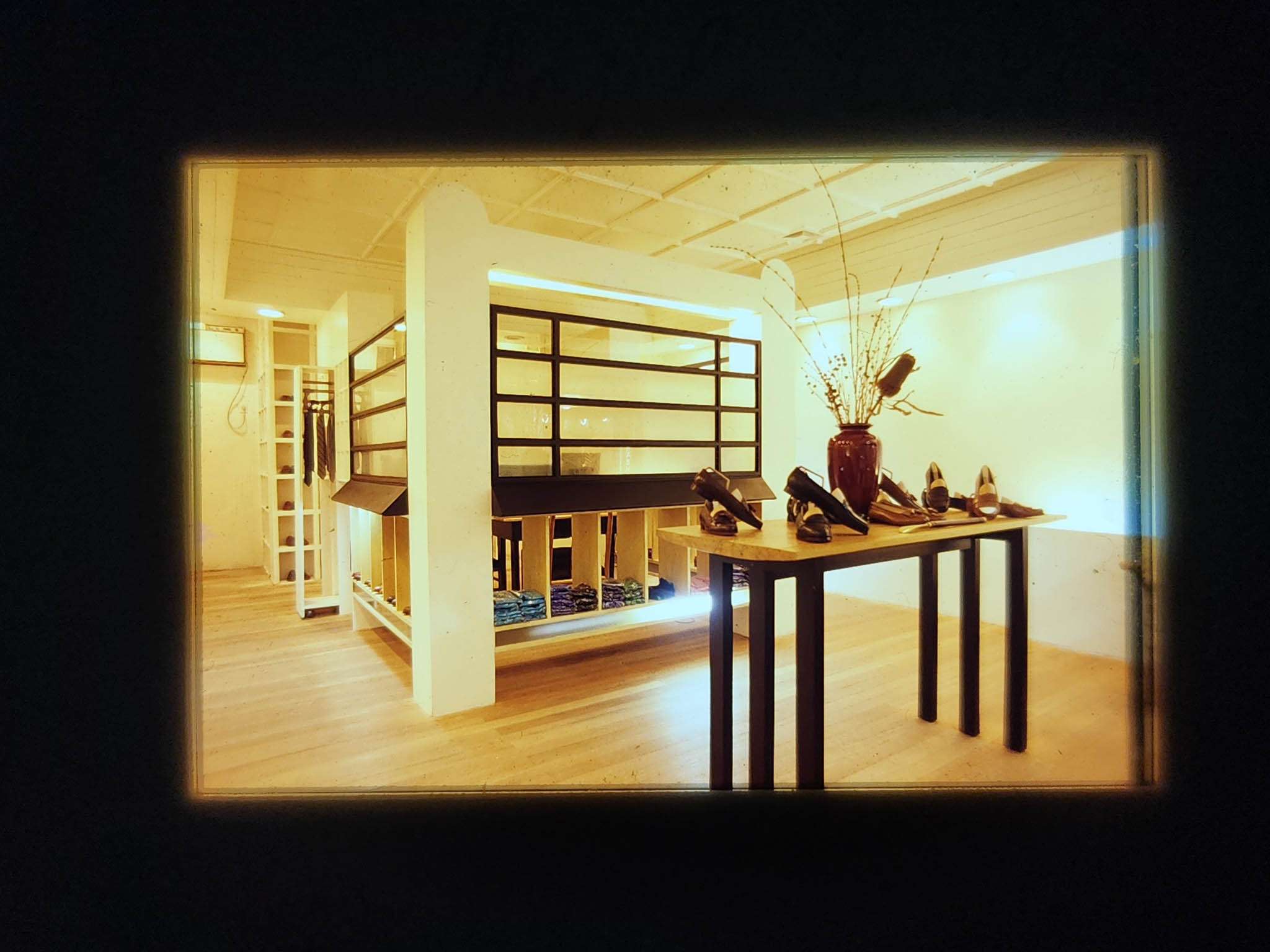
In 1988, Joey designed a compact retail space focusing on efficiency and elegance. His innovative use of flexible compartment systems and minimalistic design elements made the space feel larger and more engaging. This revolutionary approach to retail design earned him considerable attention and laid the foundation for future commissions.
AG House
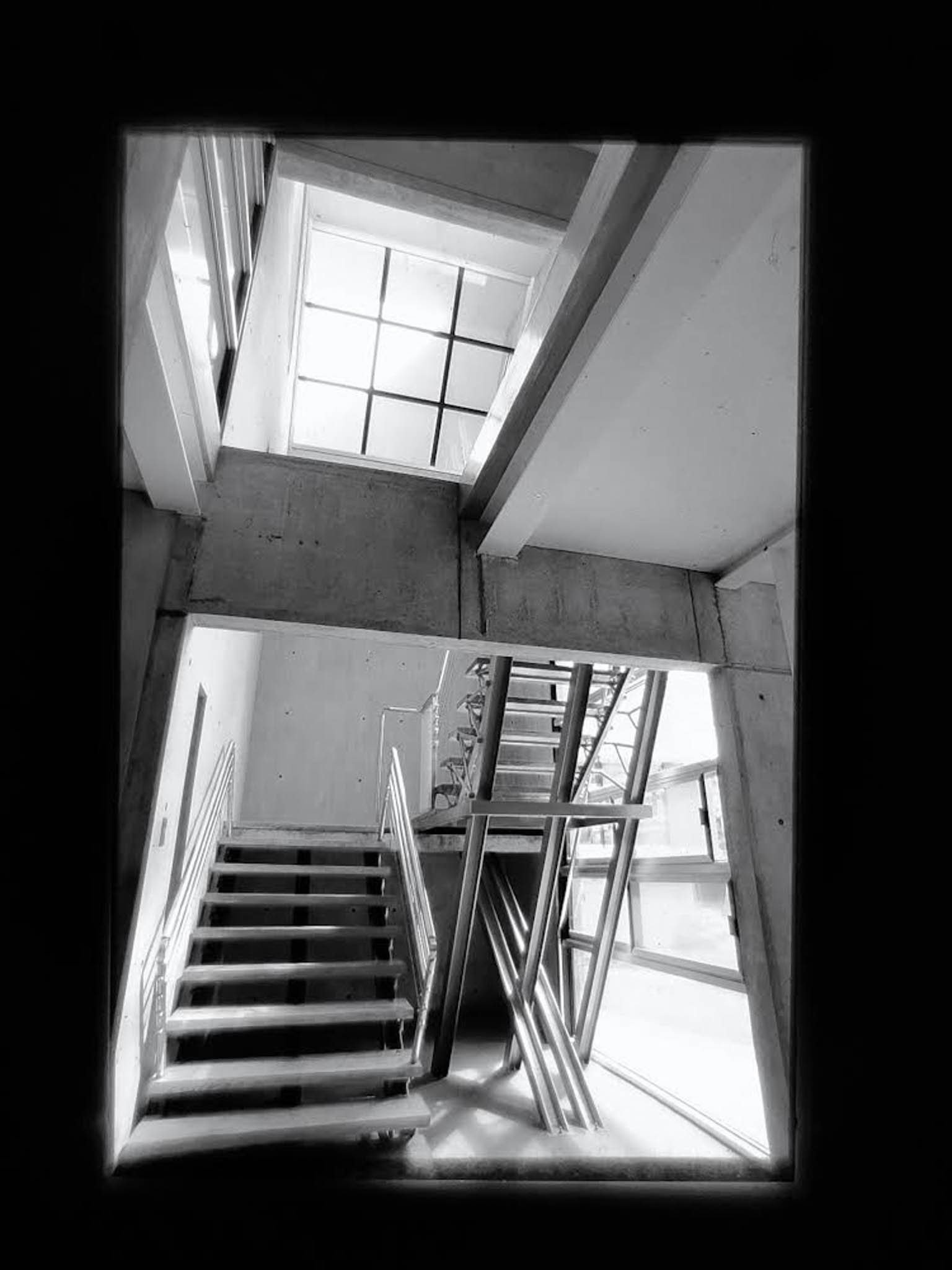
Upon returning from Italy, Joey embarked on his first residential project, the AG House. Known for its innovative use of light and space, the house featured a central void that allowed natural light to flood the interiors. This design created an open and airy atmosphere. The AG House became a defining project in his career, influencing other young architects and leading to projects like the BC House.
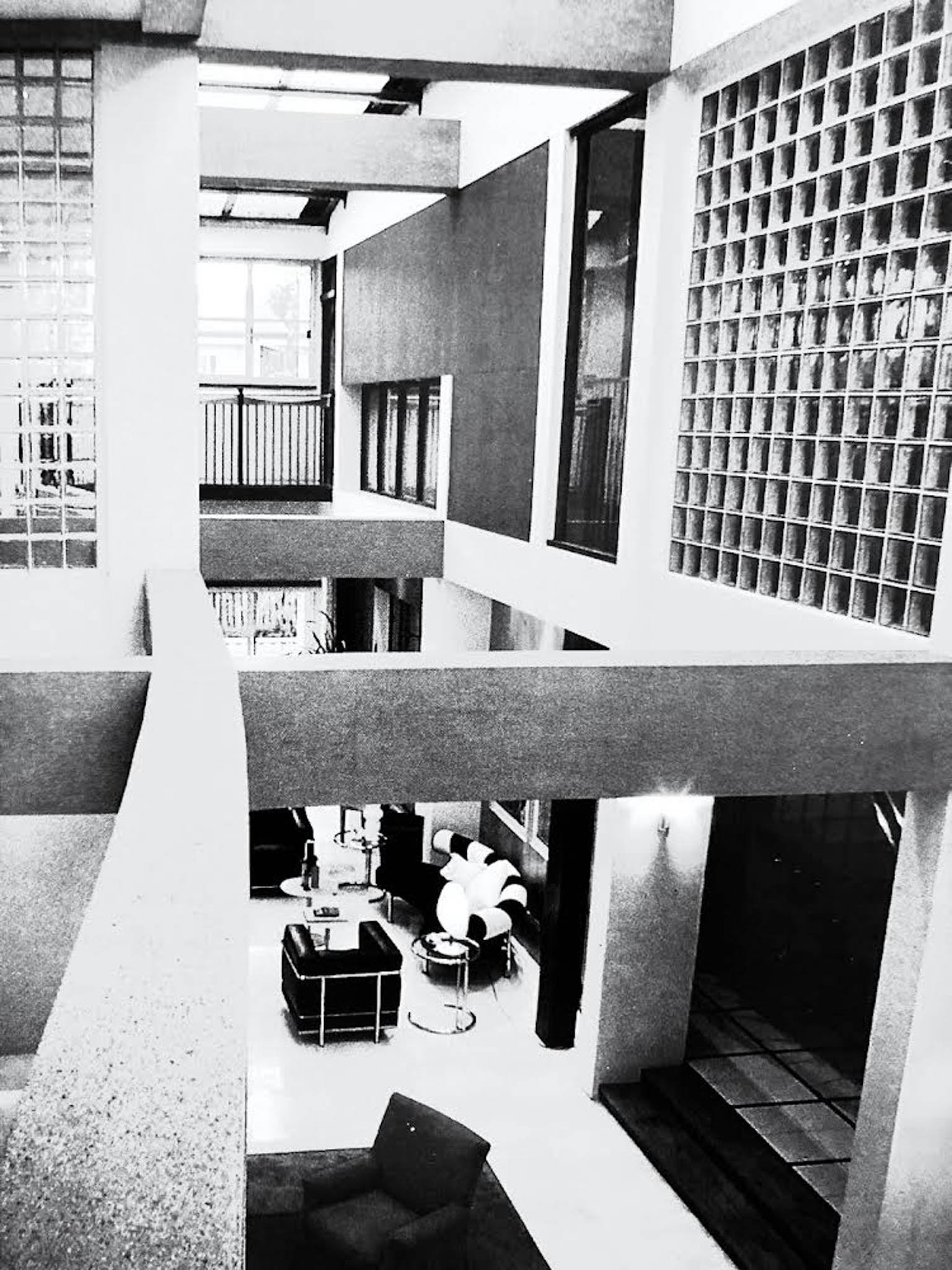
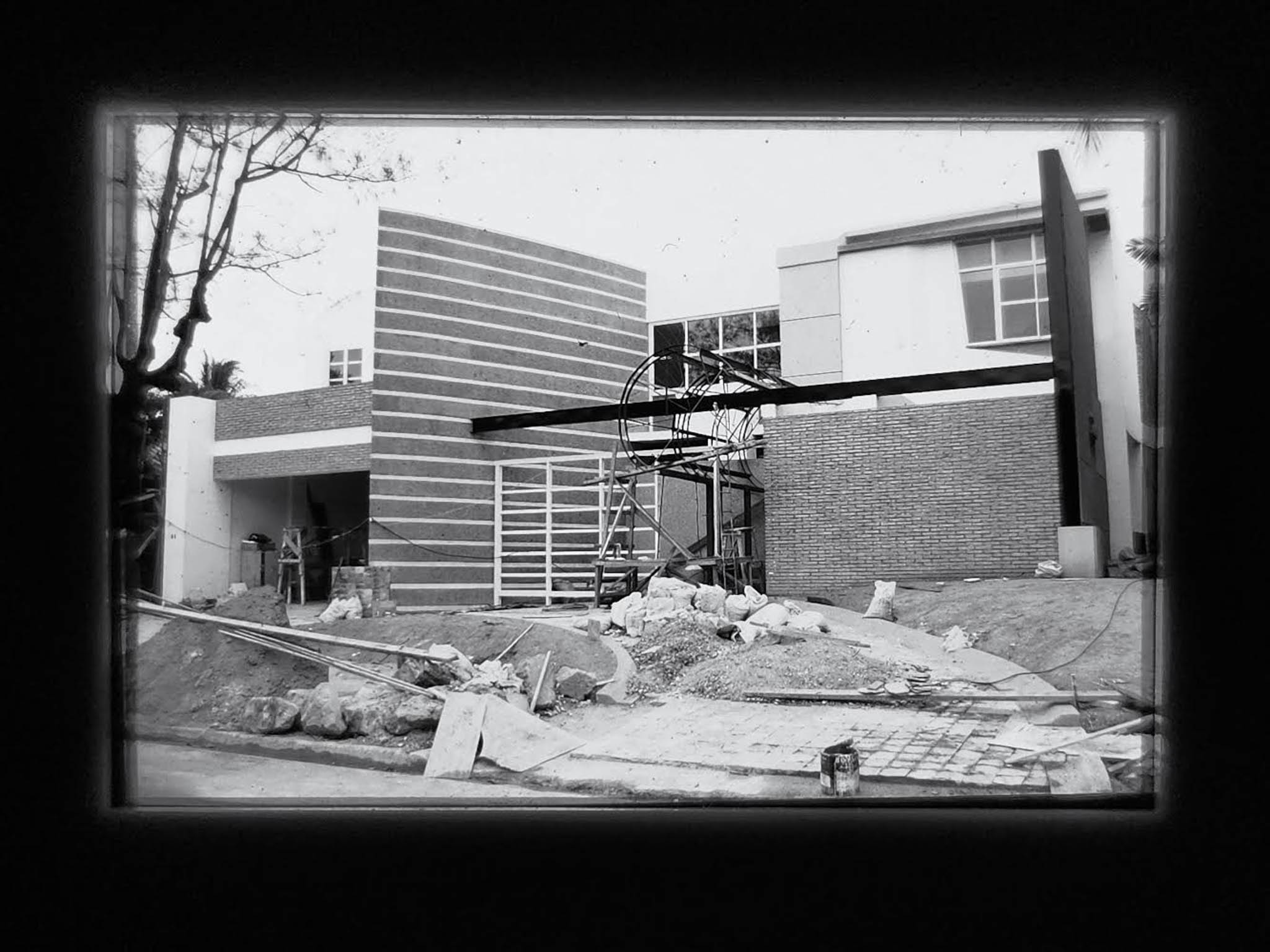
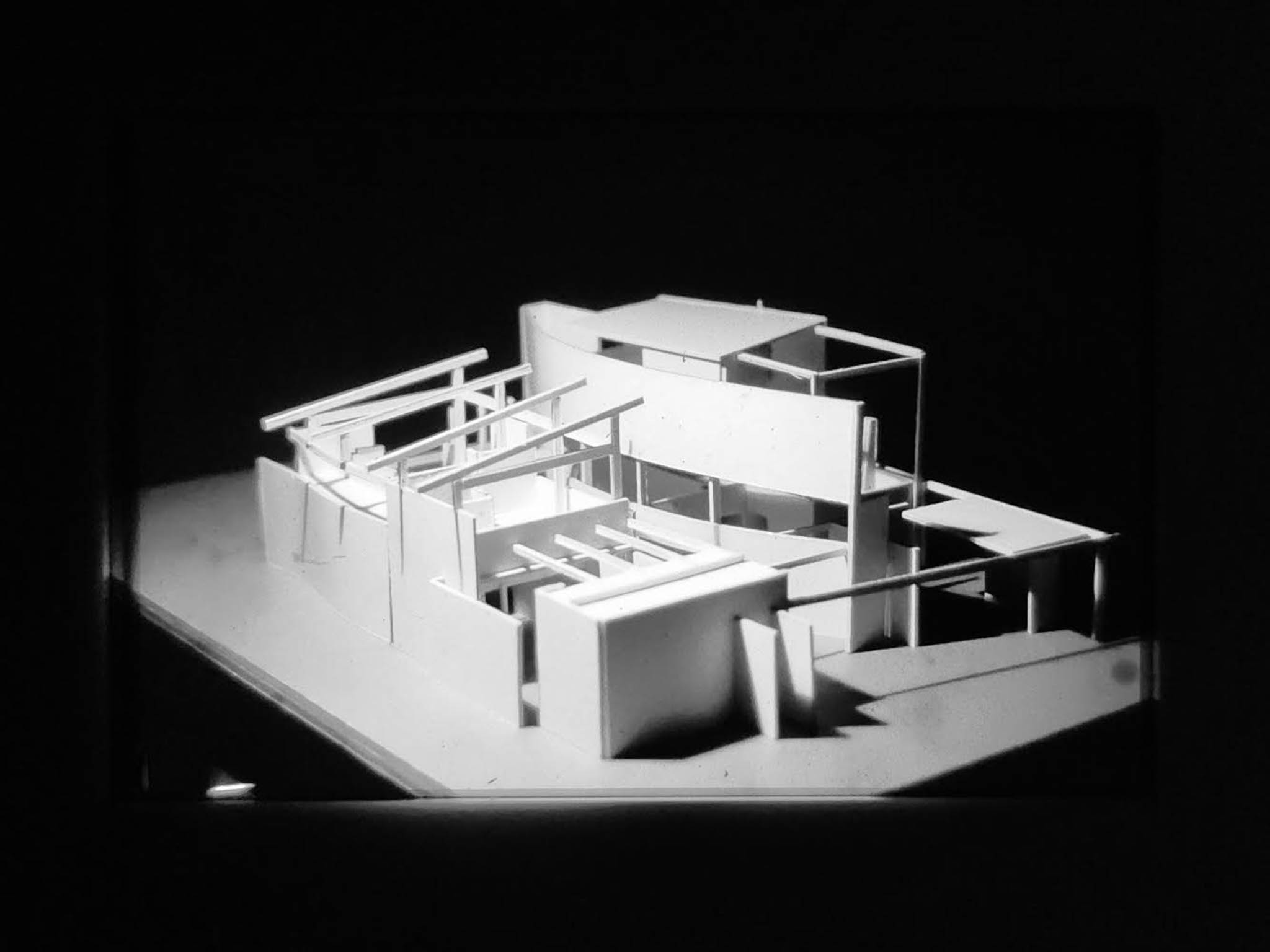
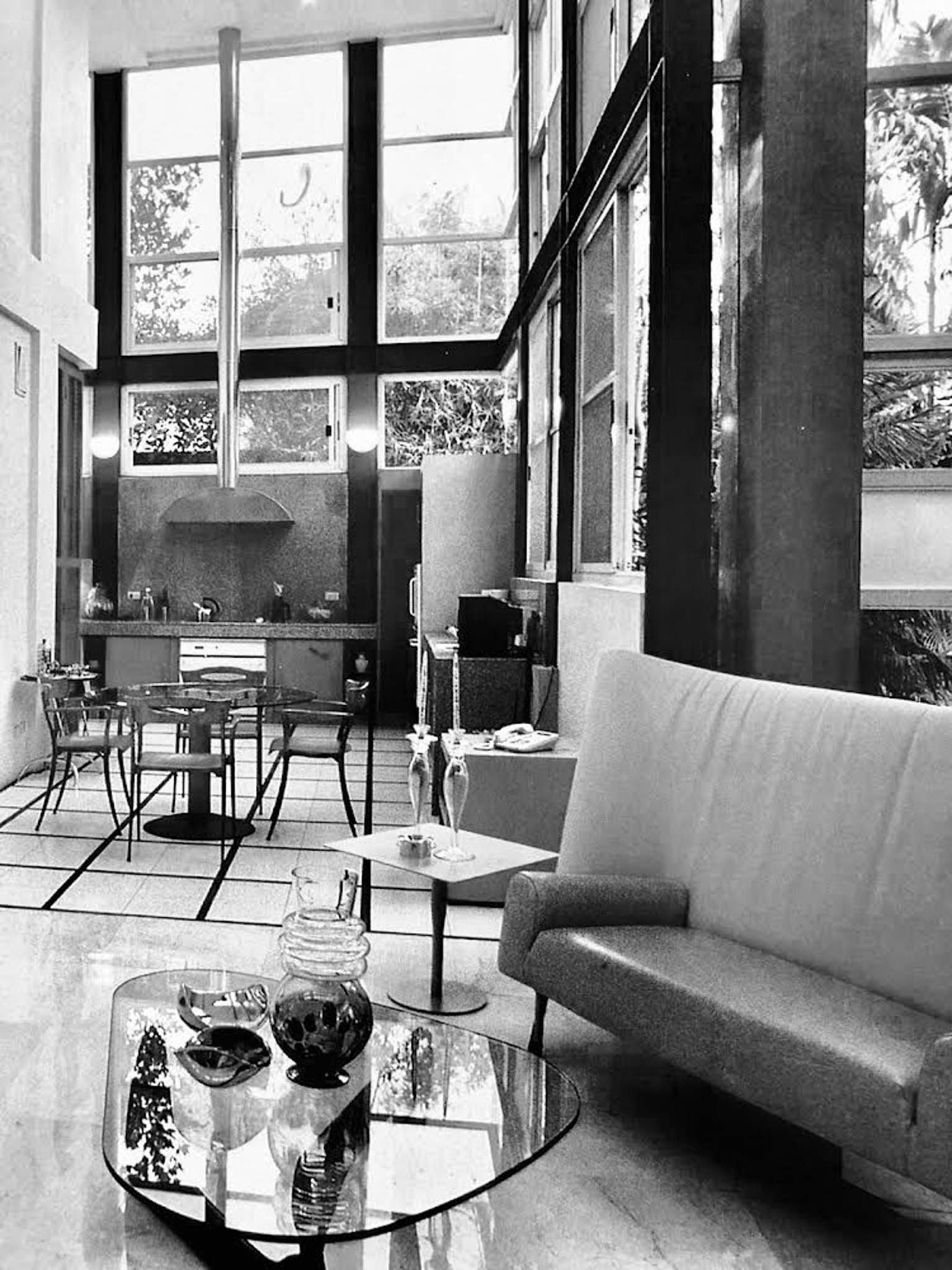
Joey Yupangco’s first residential project, characterized by its innovative use of light and space. The house features a central void that floods the interiors with natural light, creating an open and airy atmosphere.
BC House
The BC House spread horizontally across two lots, contrasting with the AG House. Joey’s focus on creating intimate private spaces while allowing for open, public areas showcased his ability to adapt designs to various contexts and client needs.
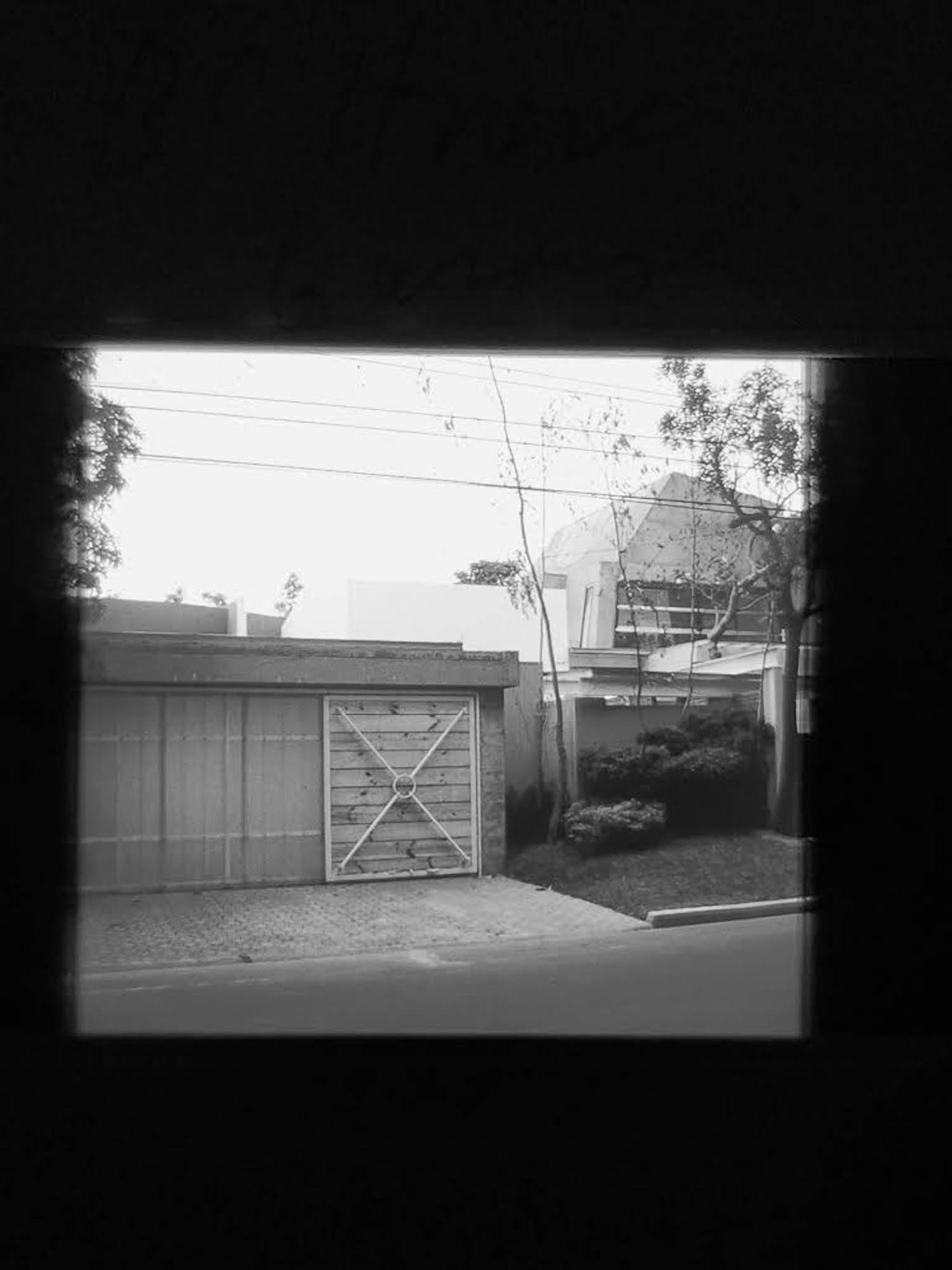
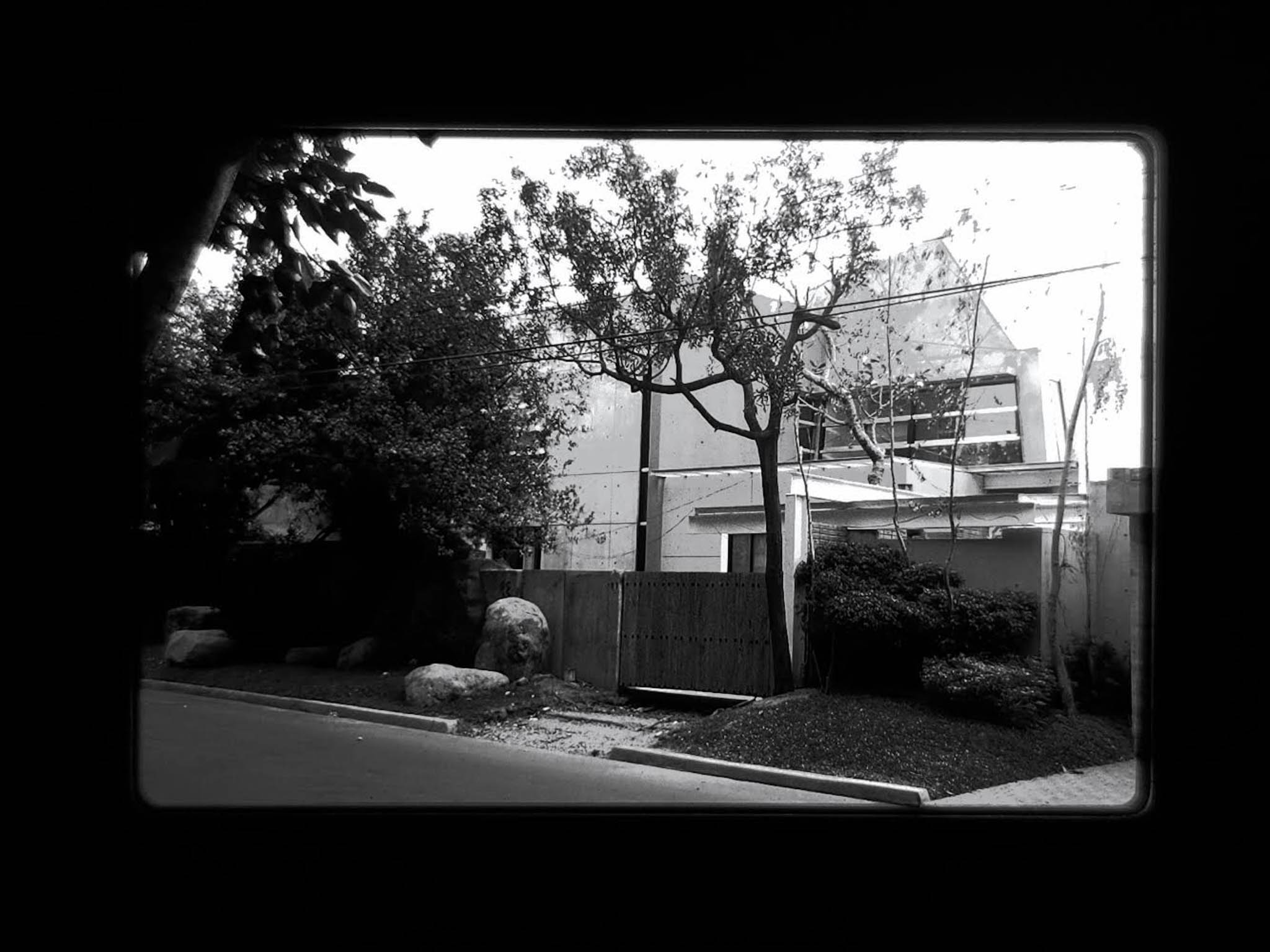
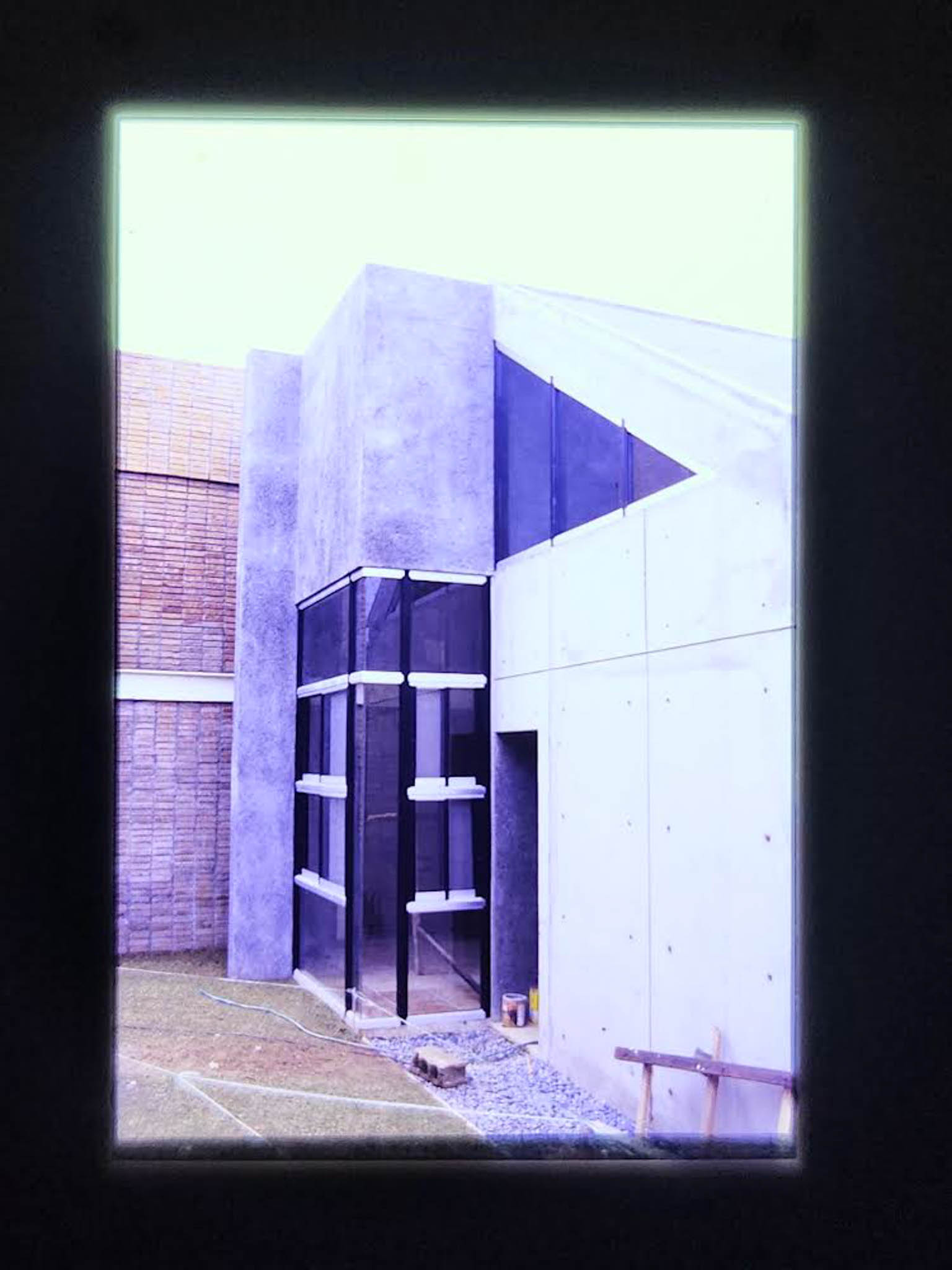
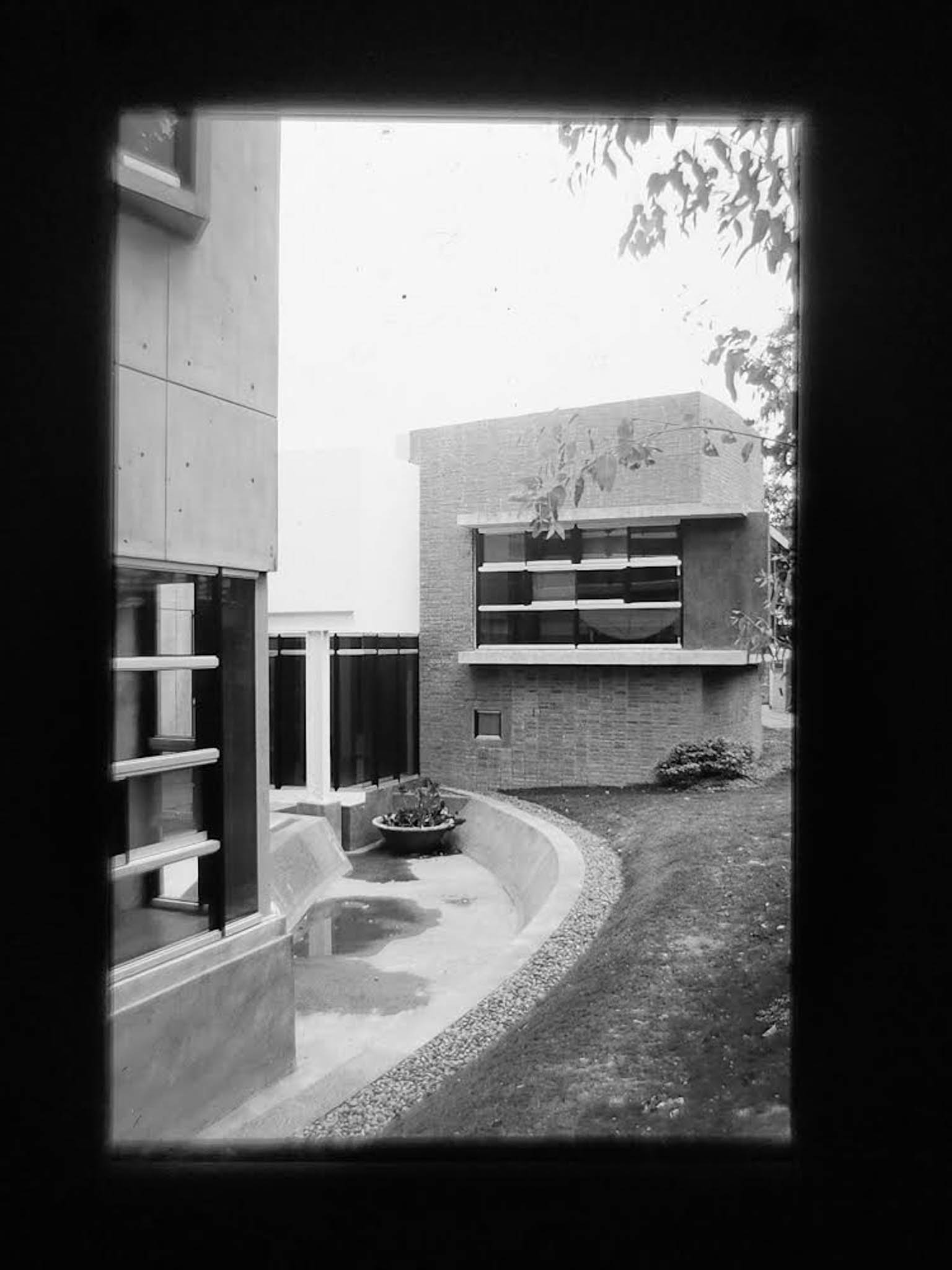
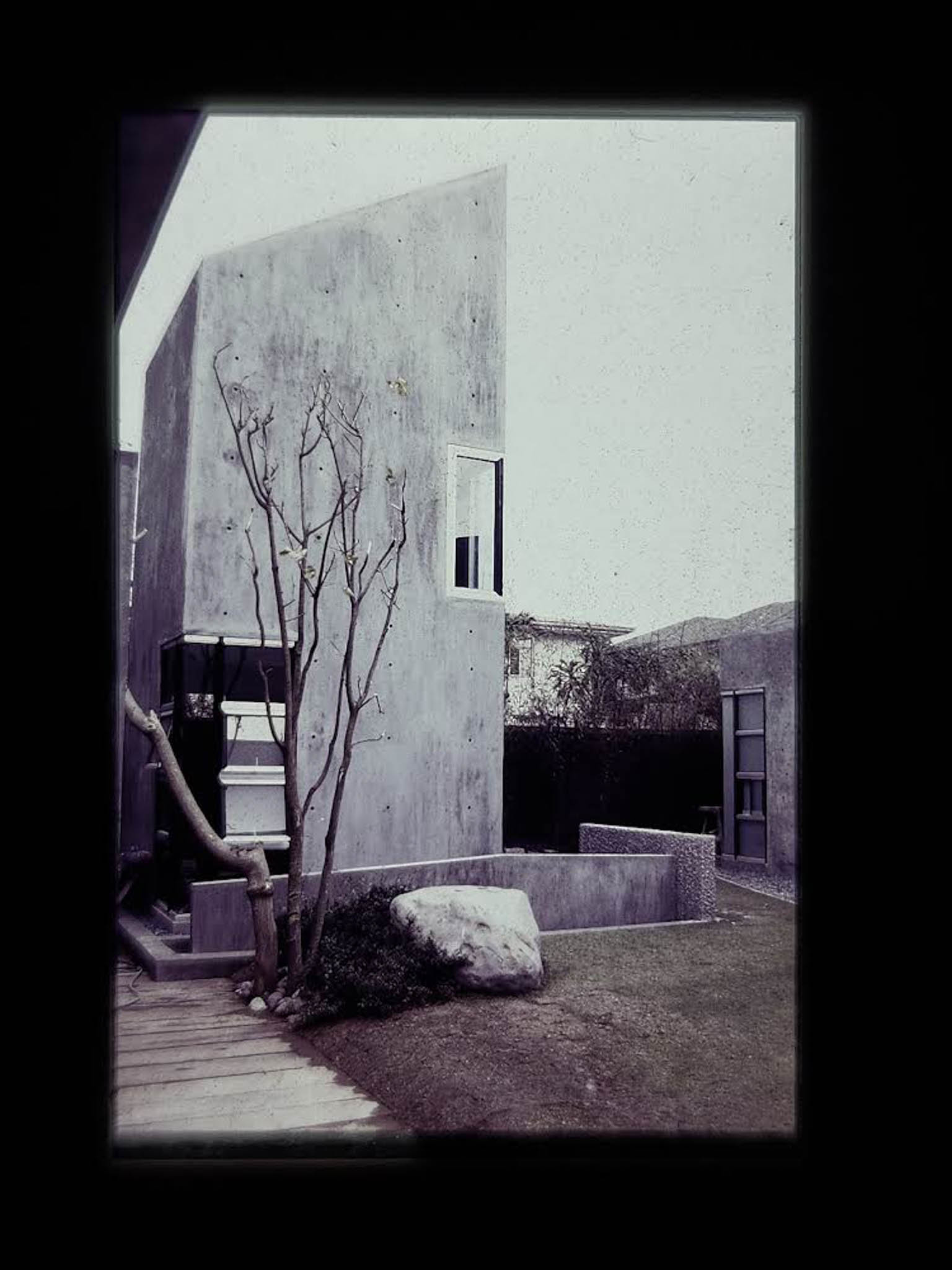
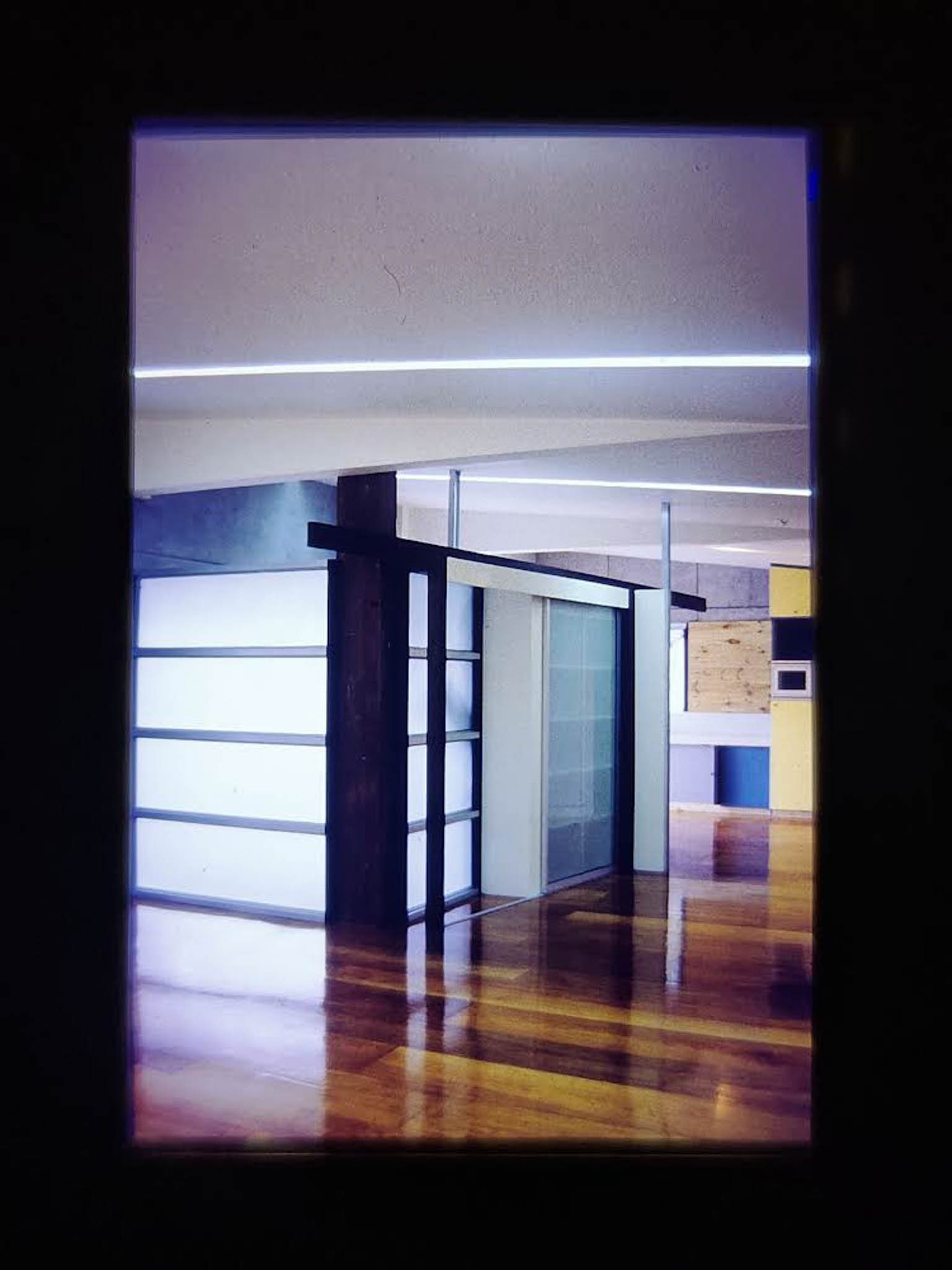
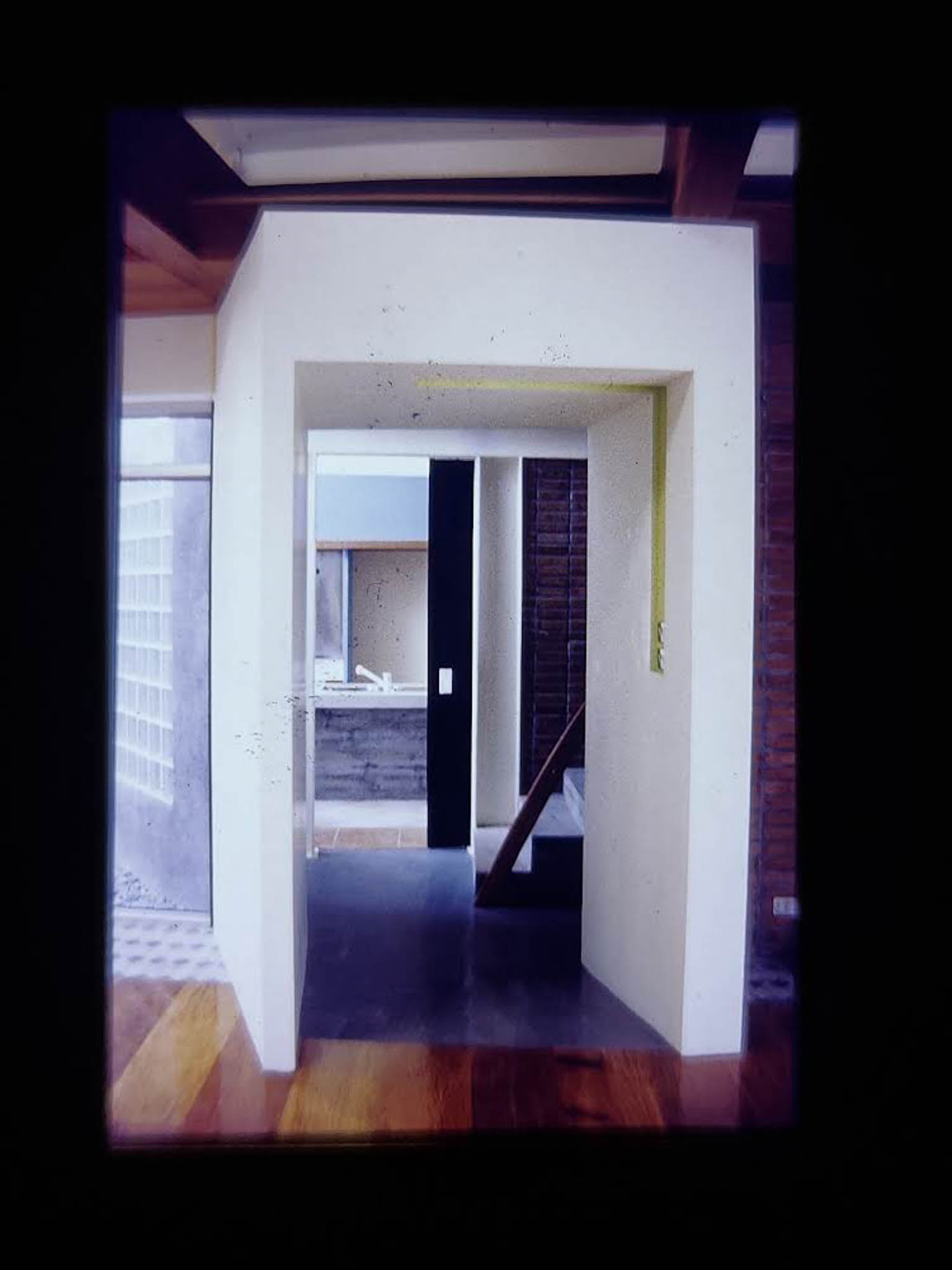
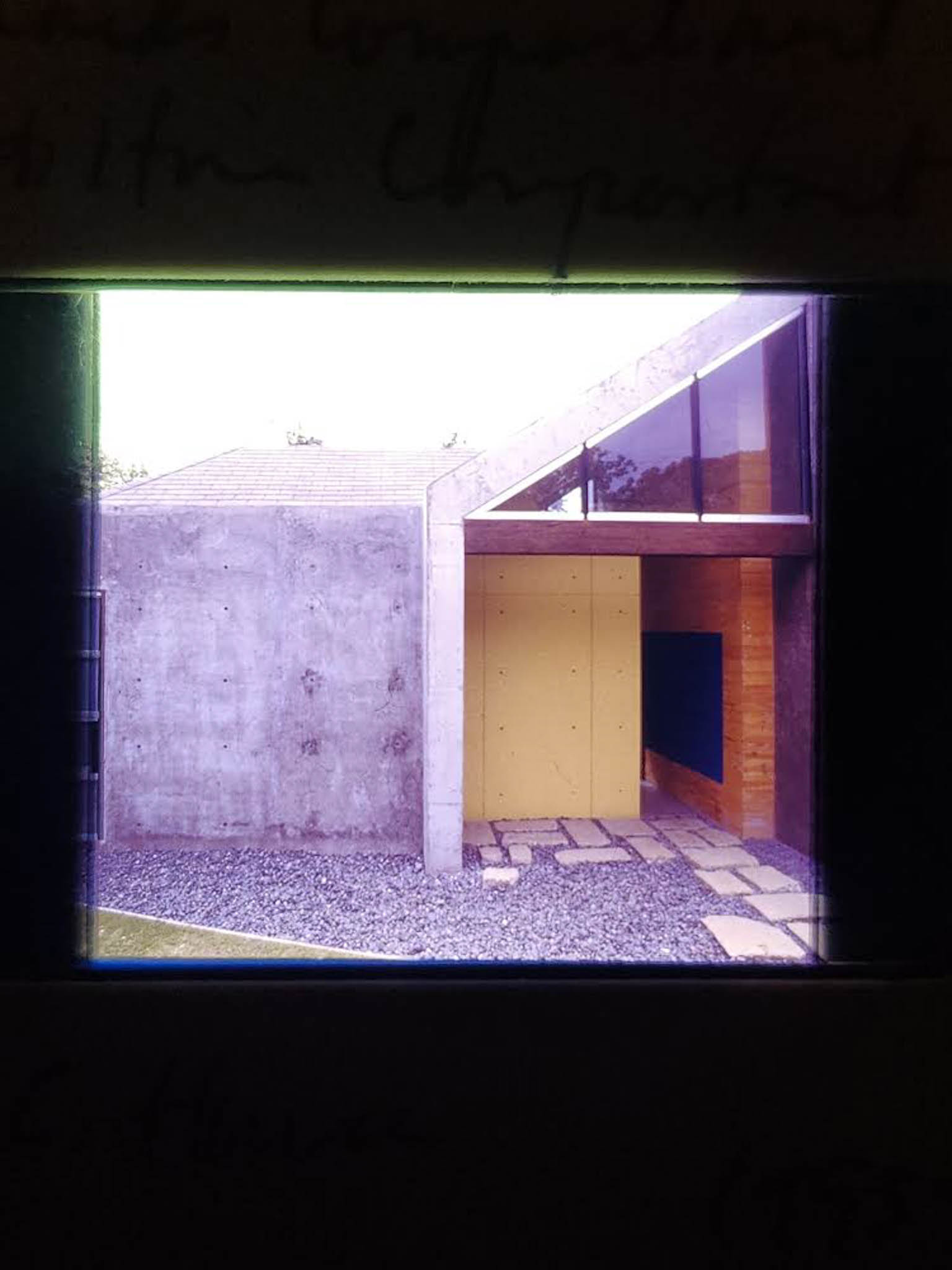
A horizontal residential project spanning two lots. The design contrasts with the AG House by emphasizing distinct architectural forms for different areas, balancing intimate private spaces with open public areas.
De La Salle University (DLSU) Lipa Campus Development Program
Joey rethought the master planning of the DLSU campus, emphasizing flexibility. The prospective plan involved adaptable spaces to meet the evolving needs of the academic environment. The project also integrated innovative teaching methods and flexible furniture, in collaboration with Steelcase, creating a dynamic and functional learning environment.
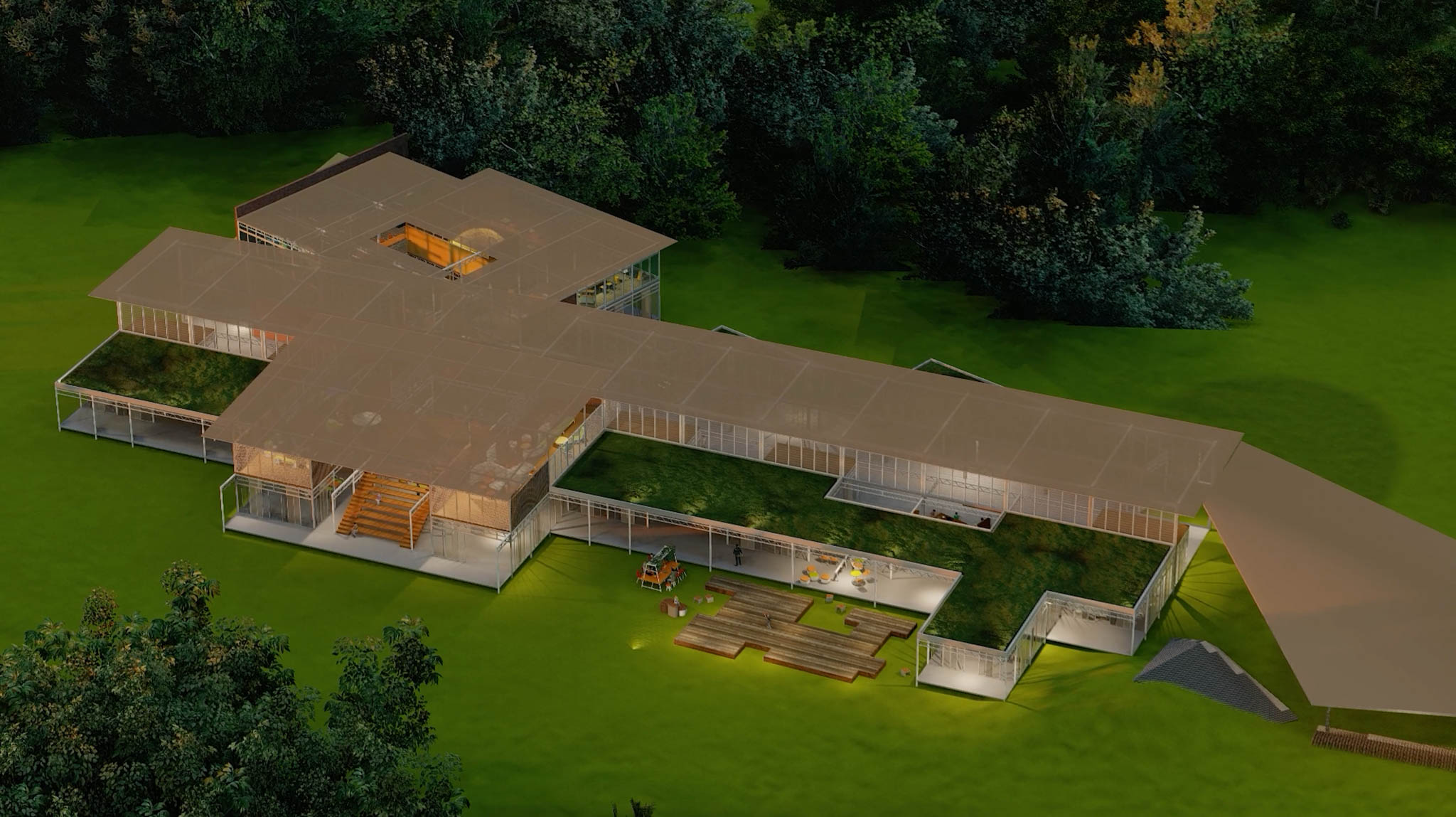
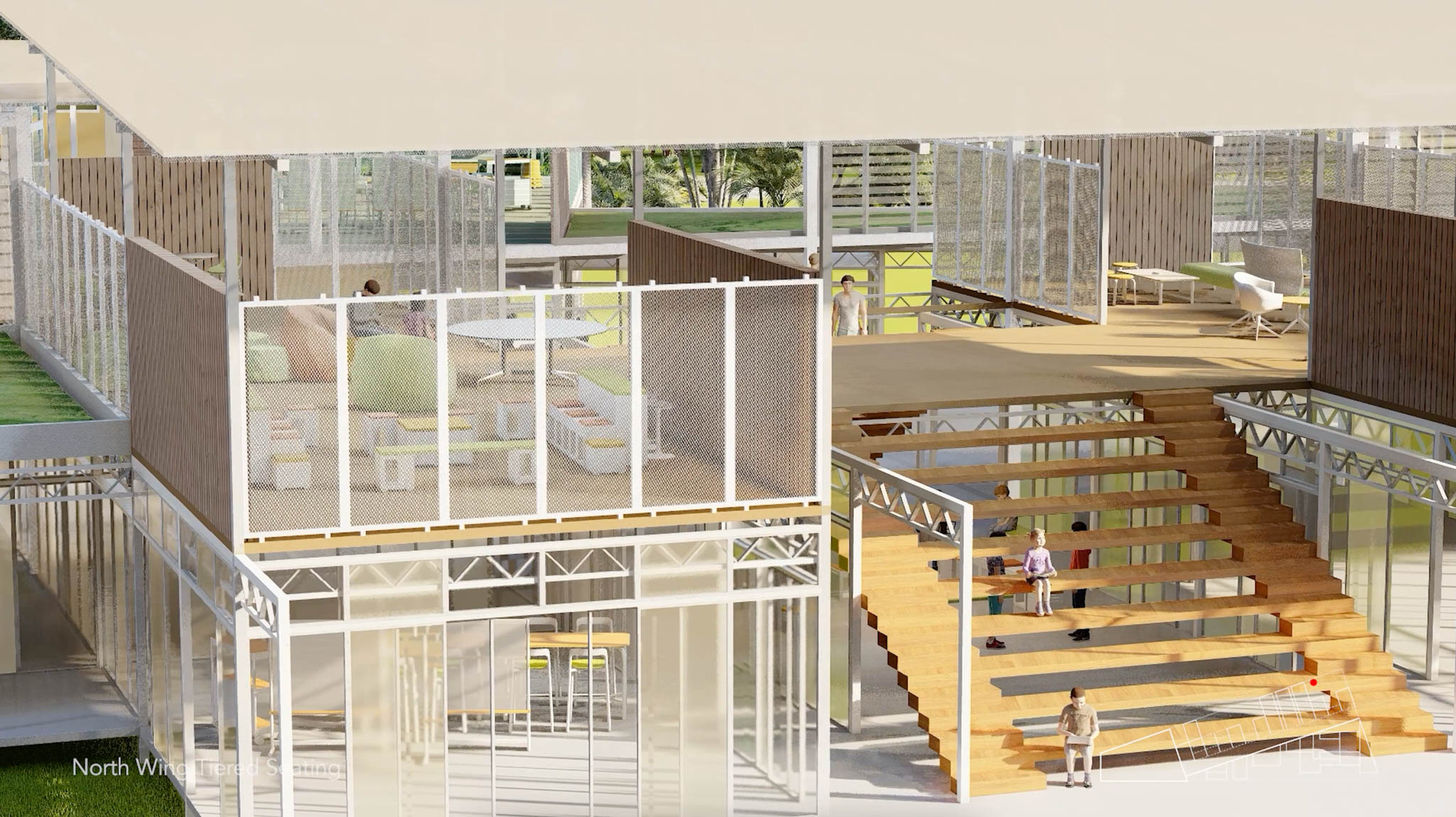
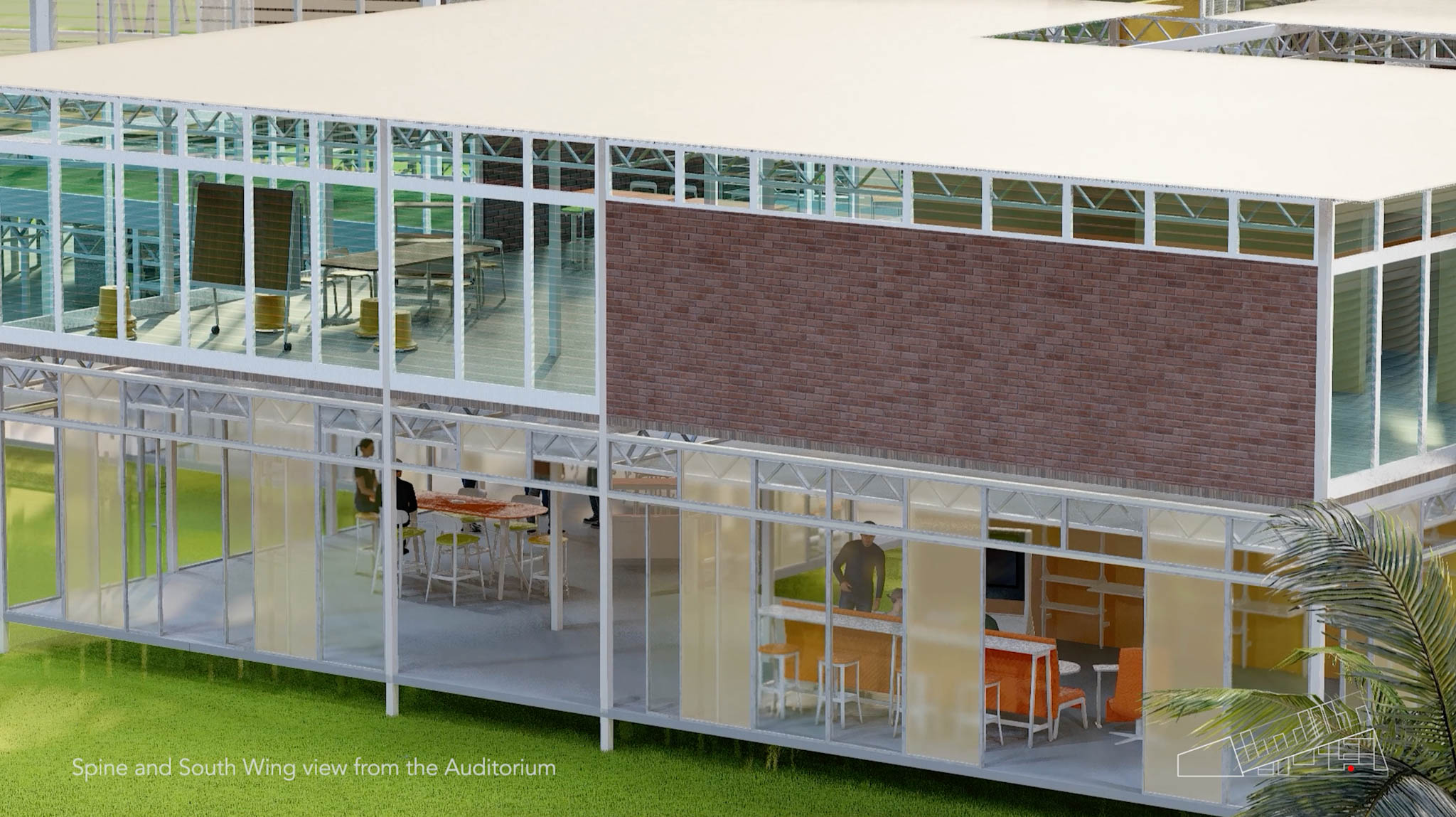
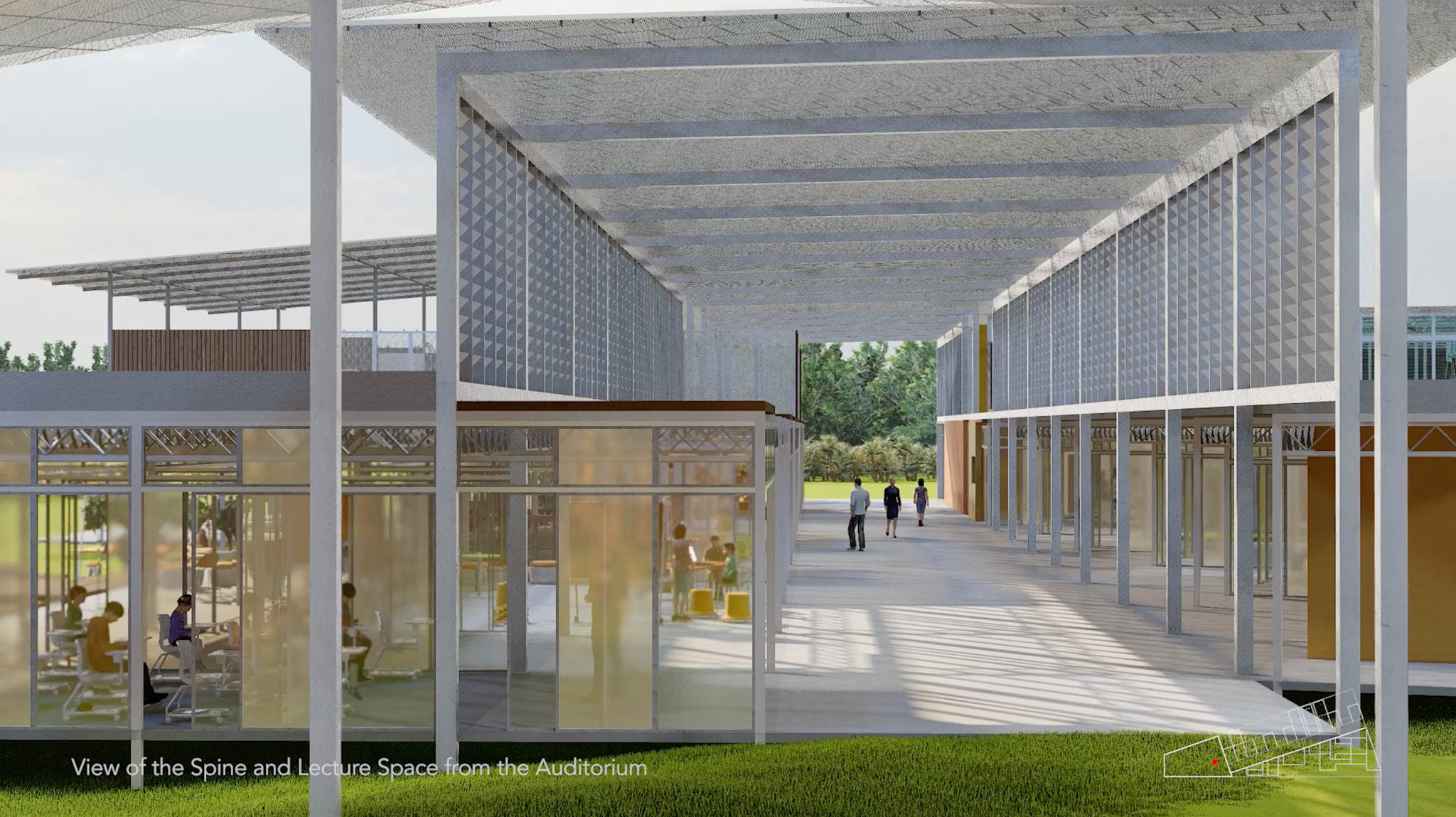
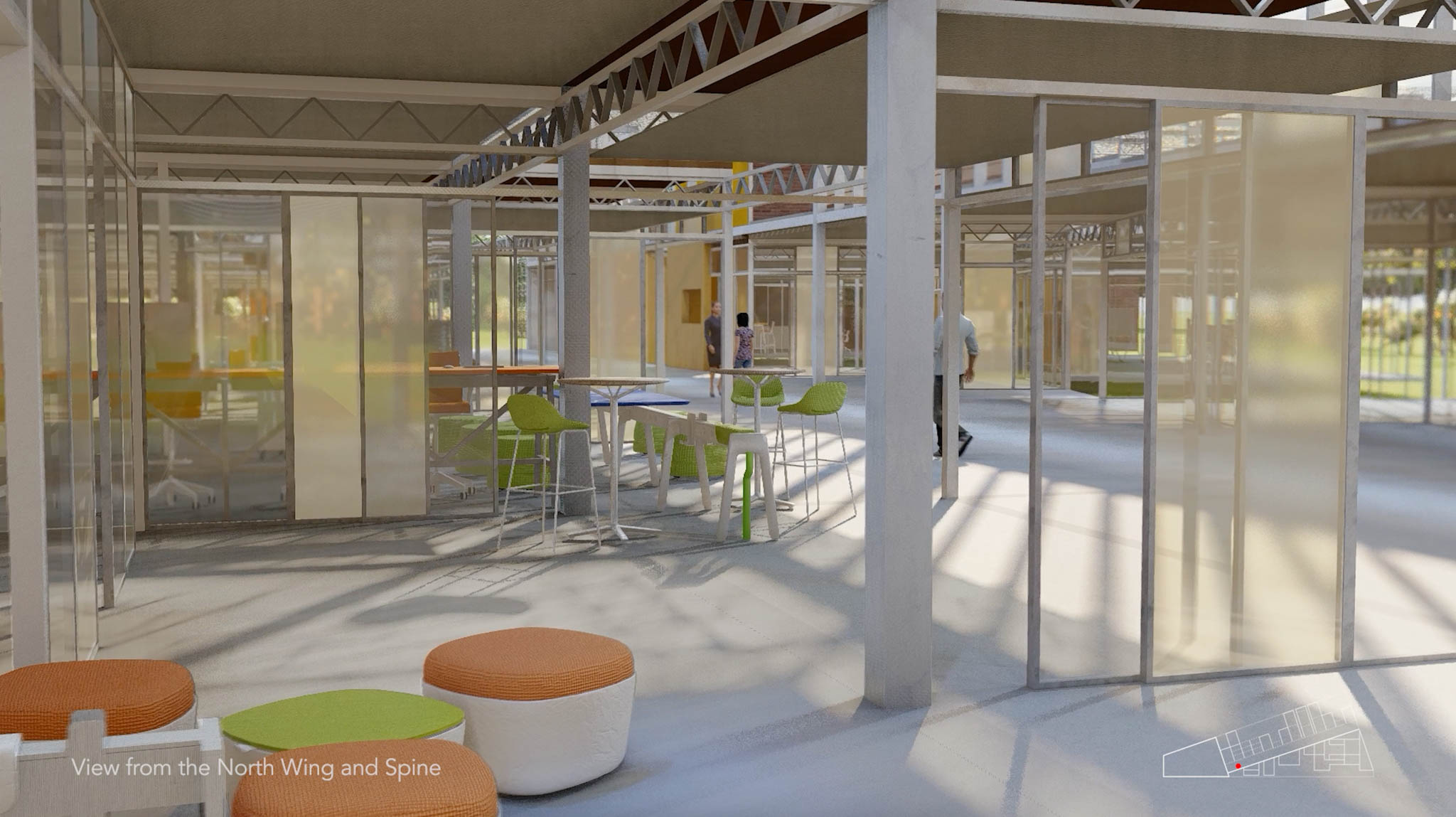
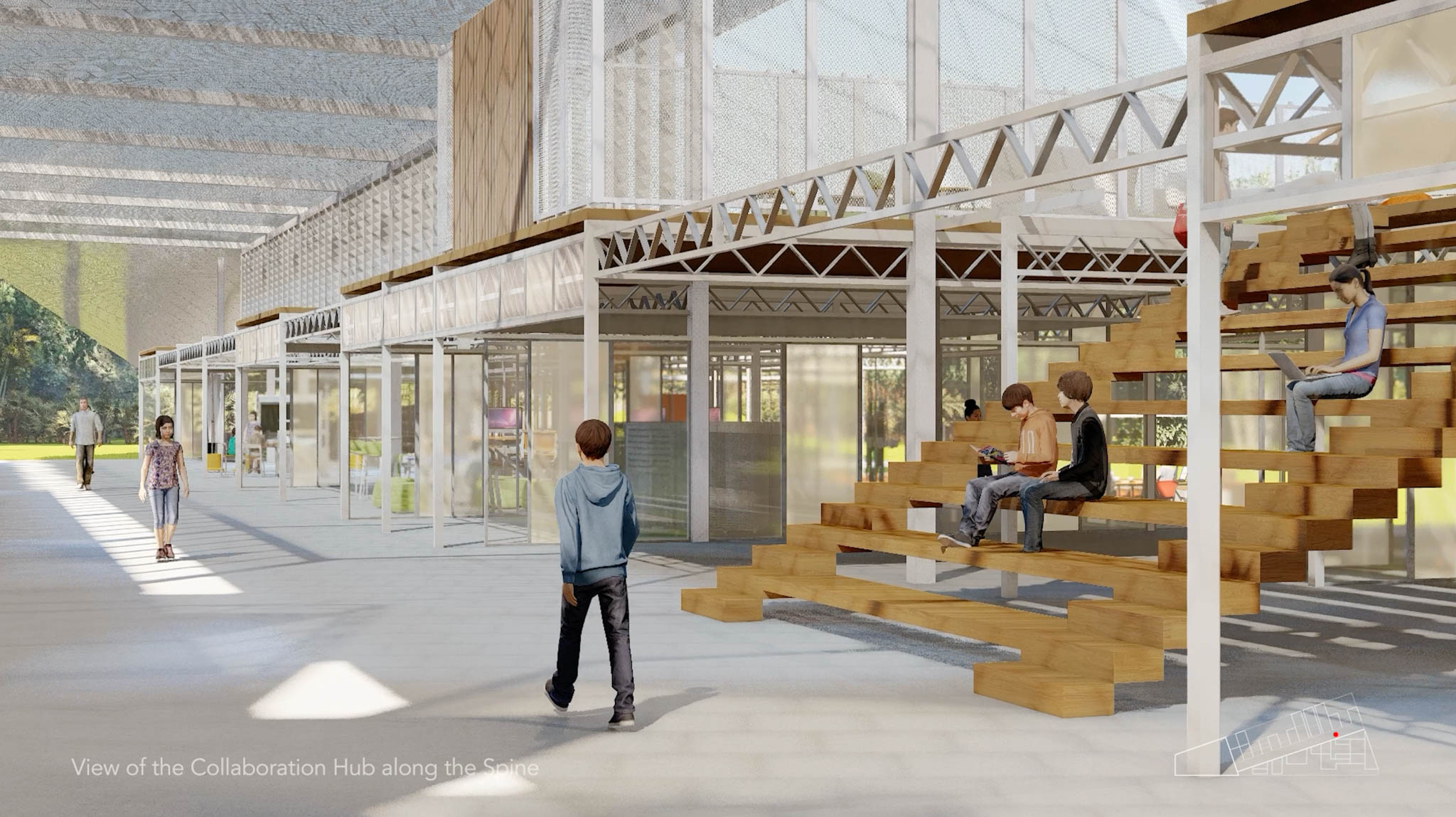
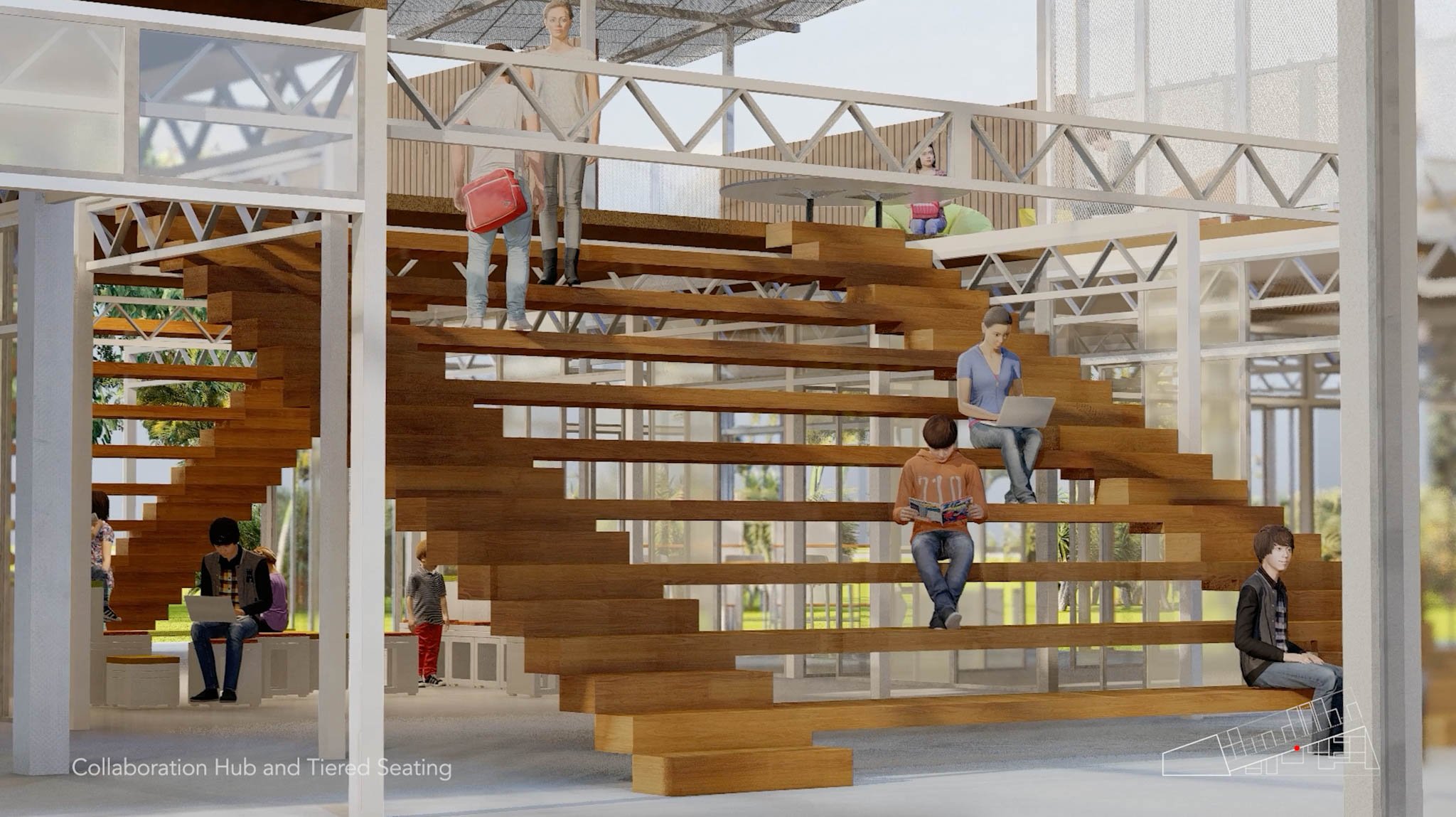
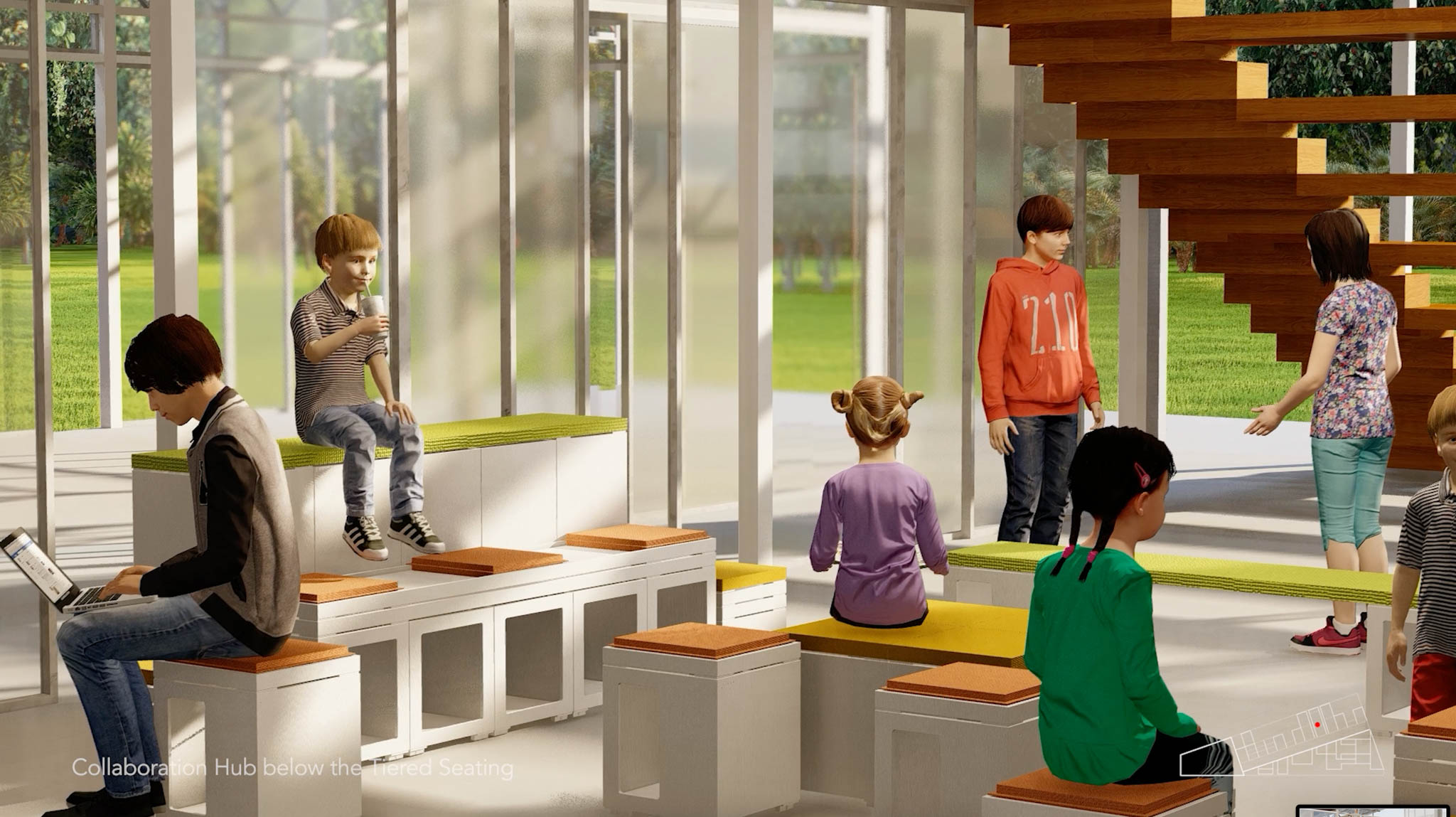
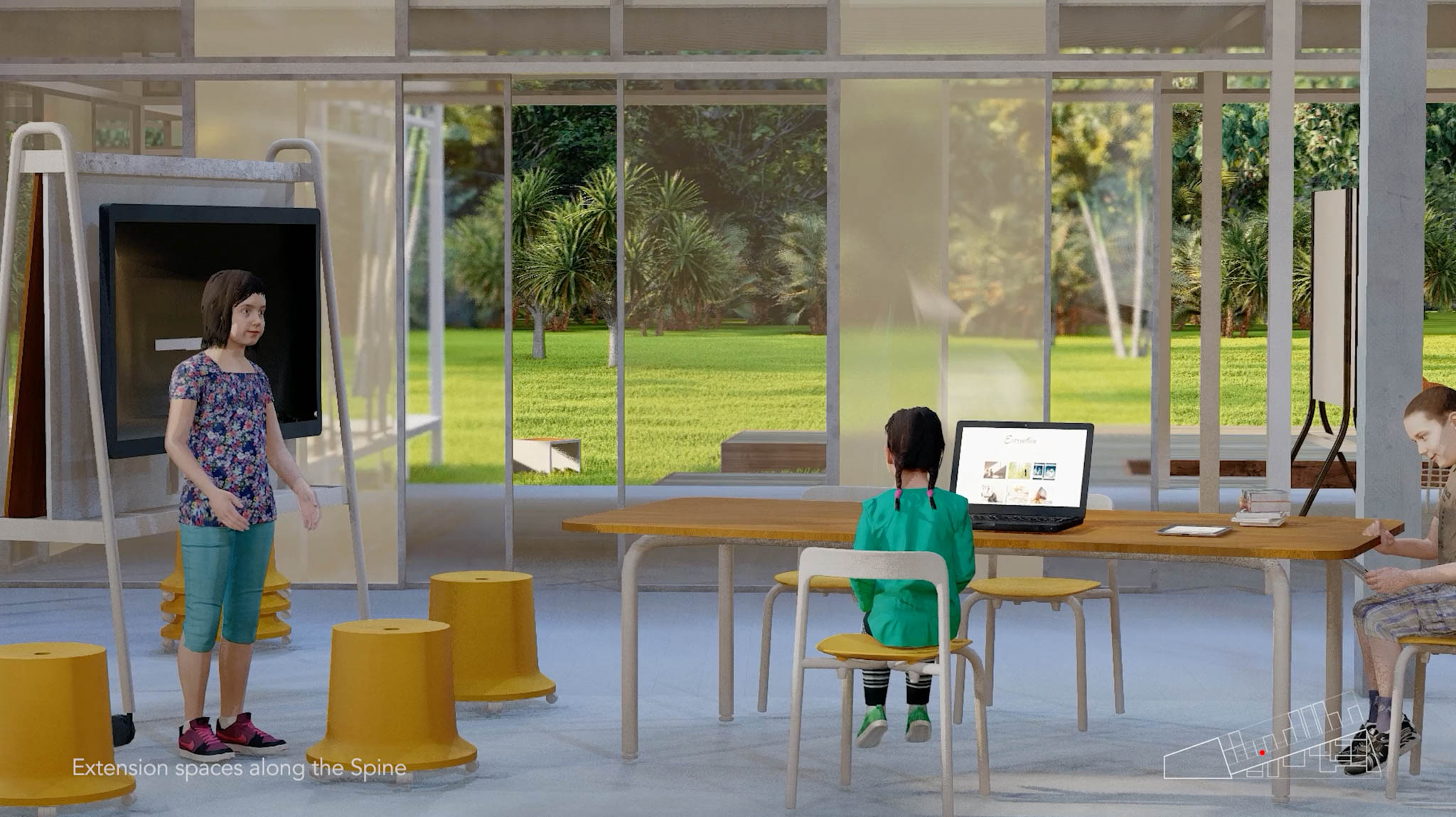
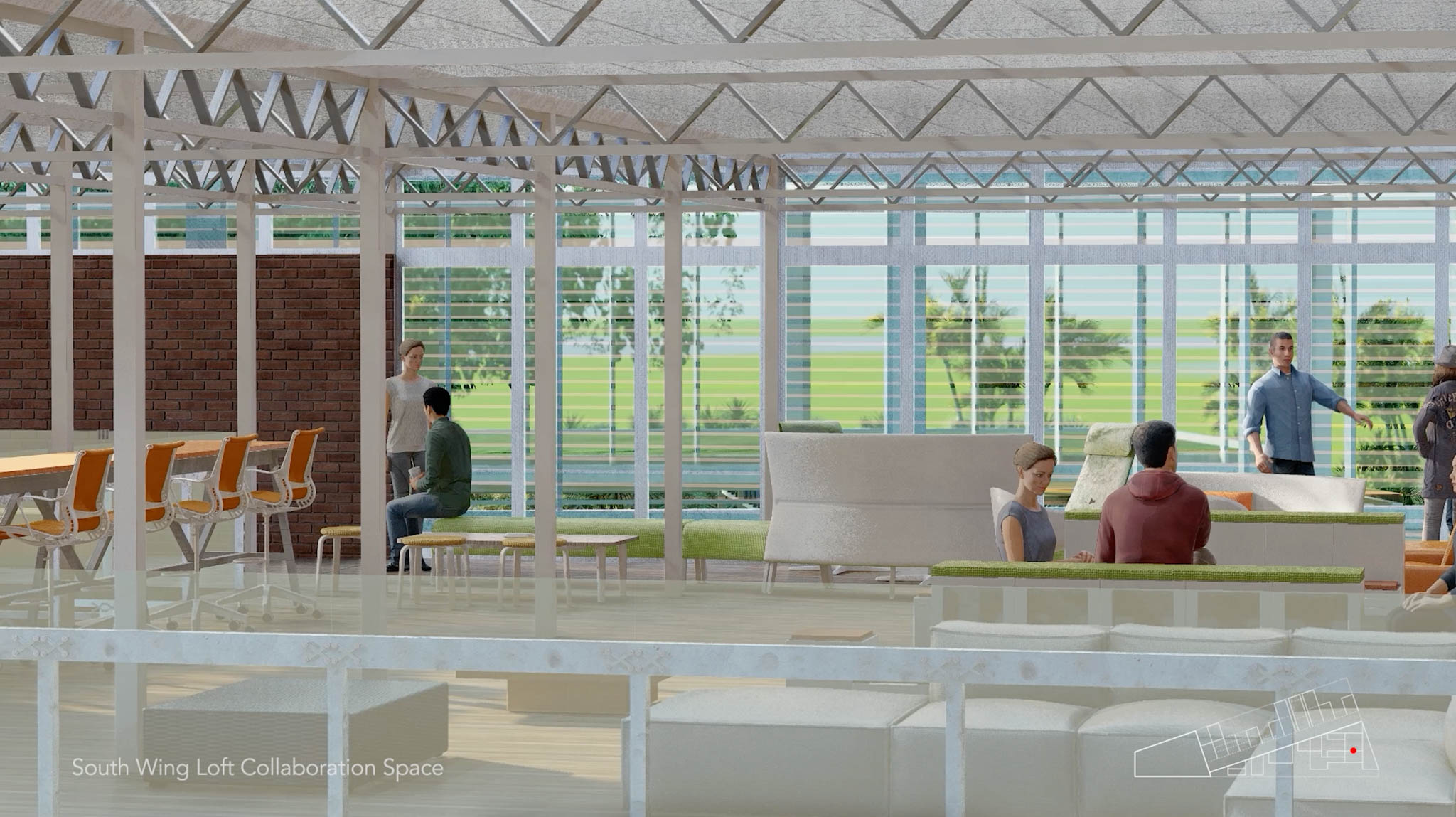
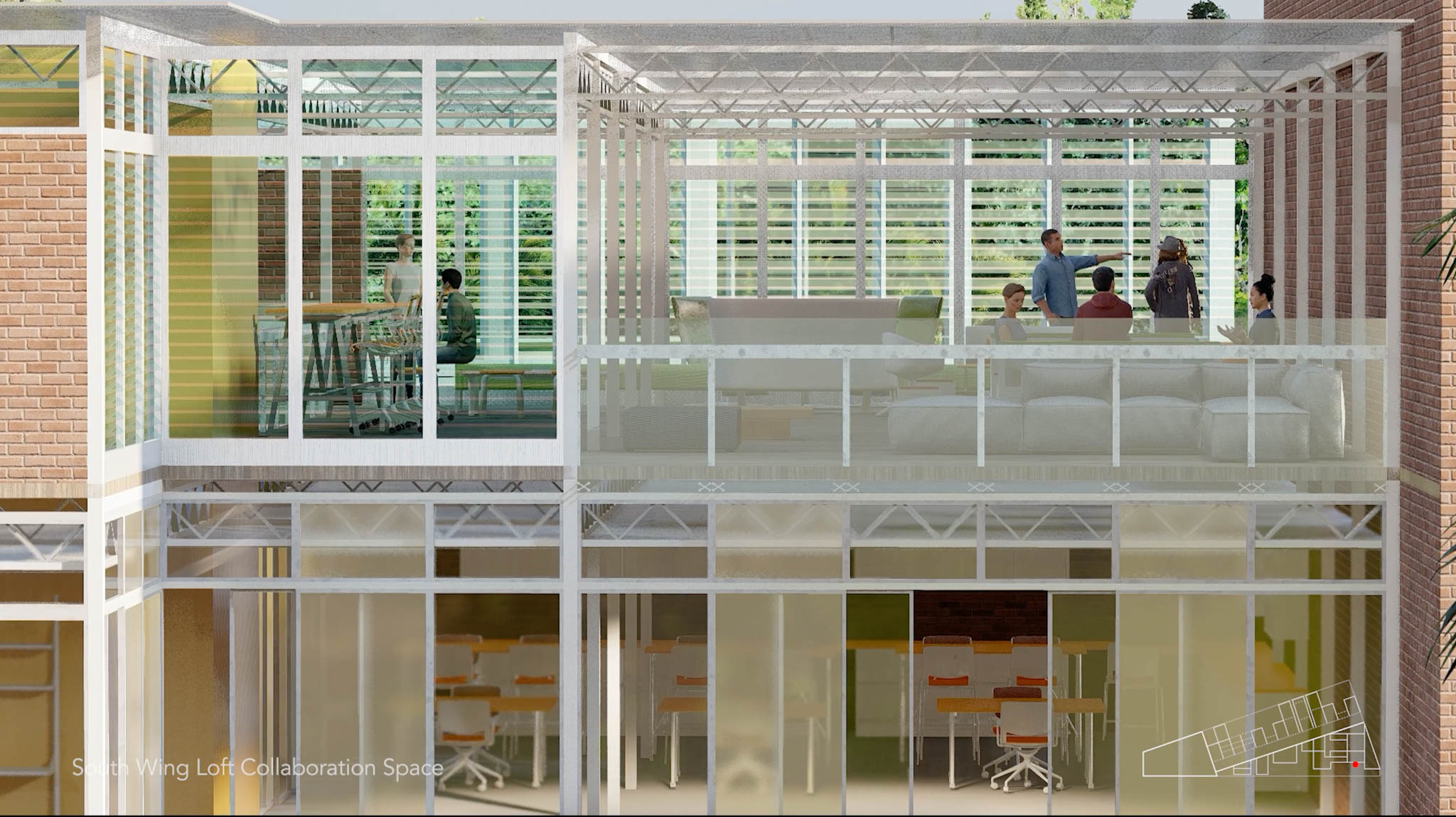
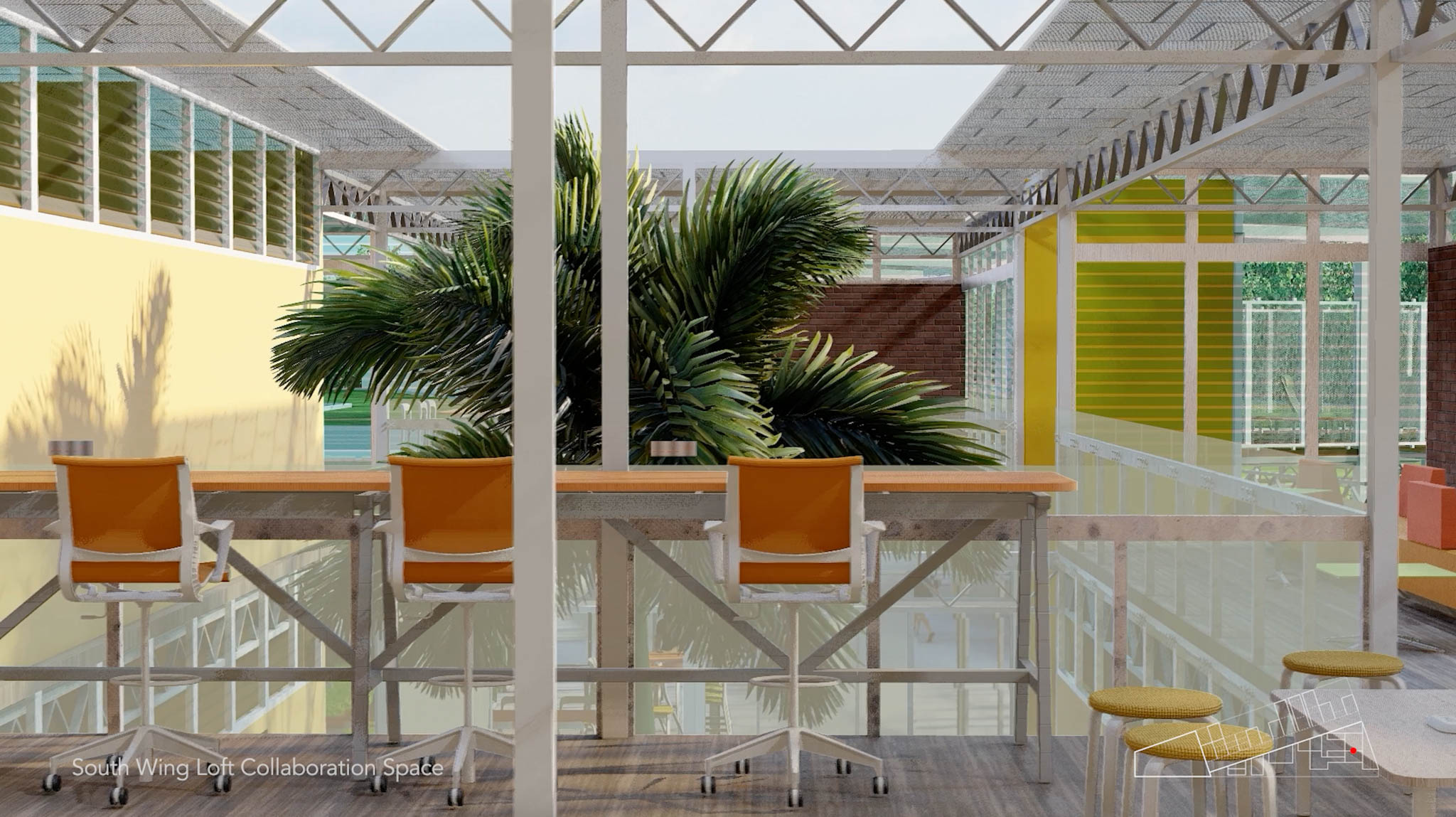
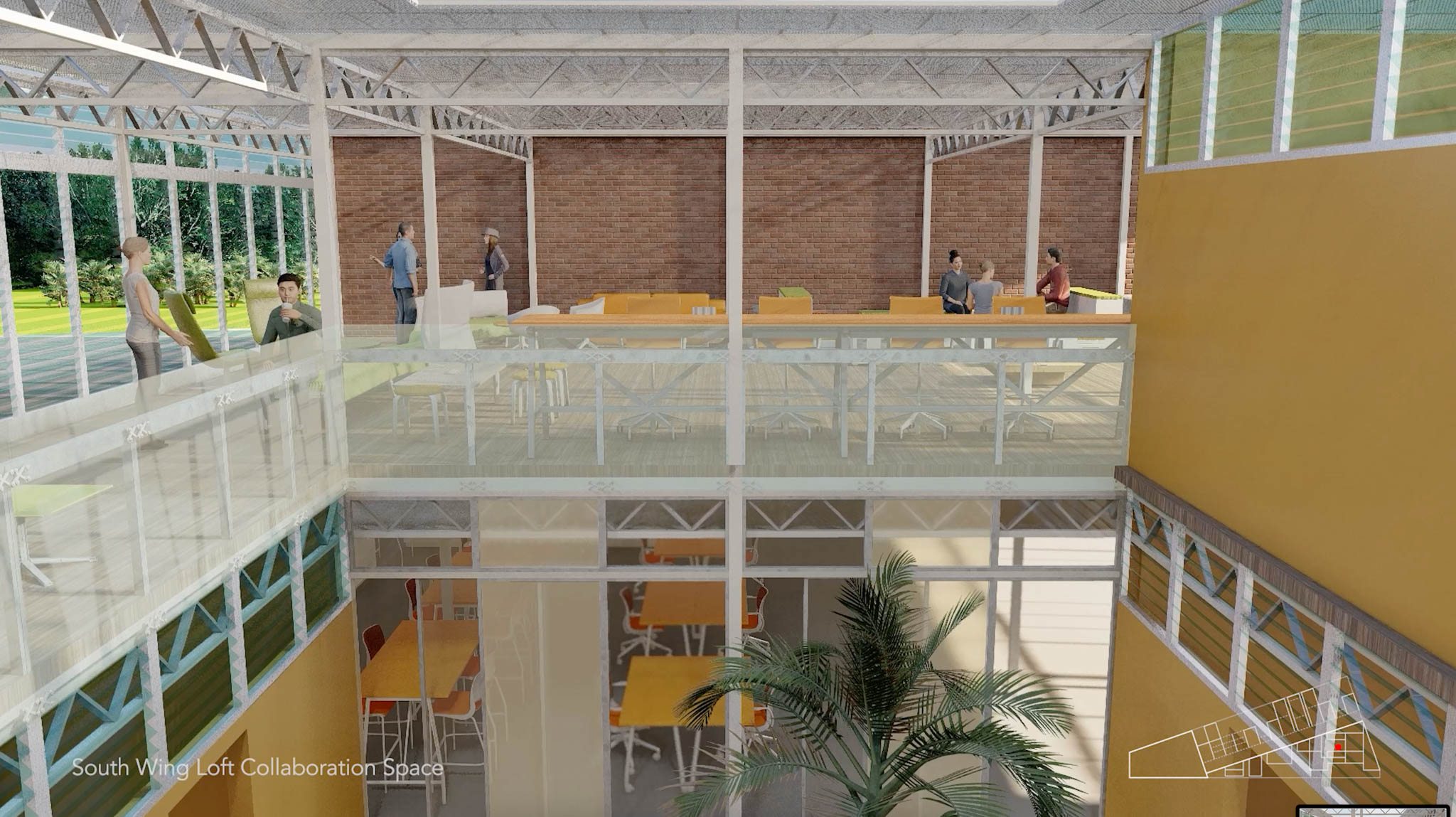
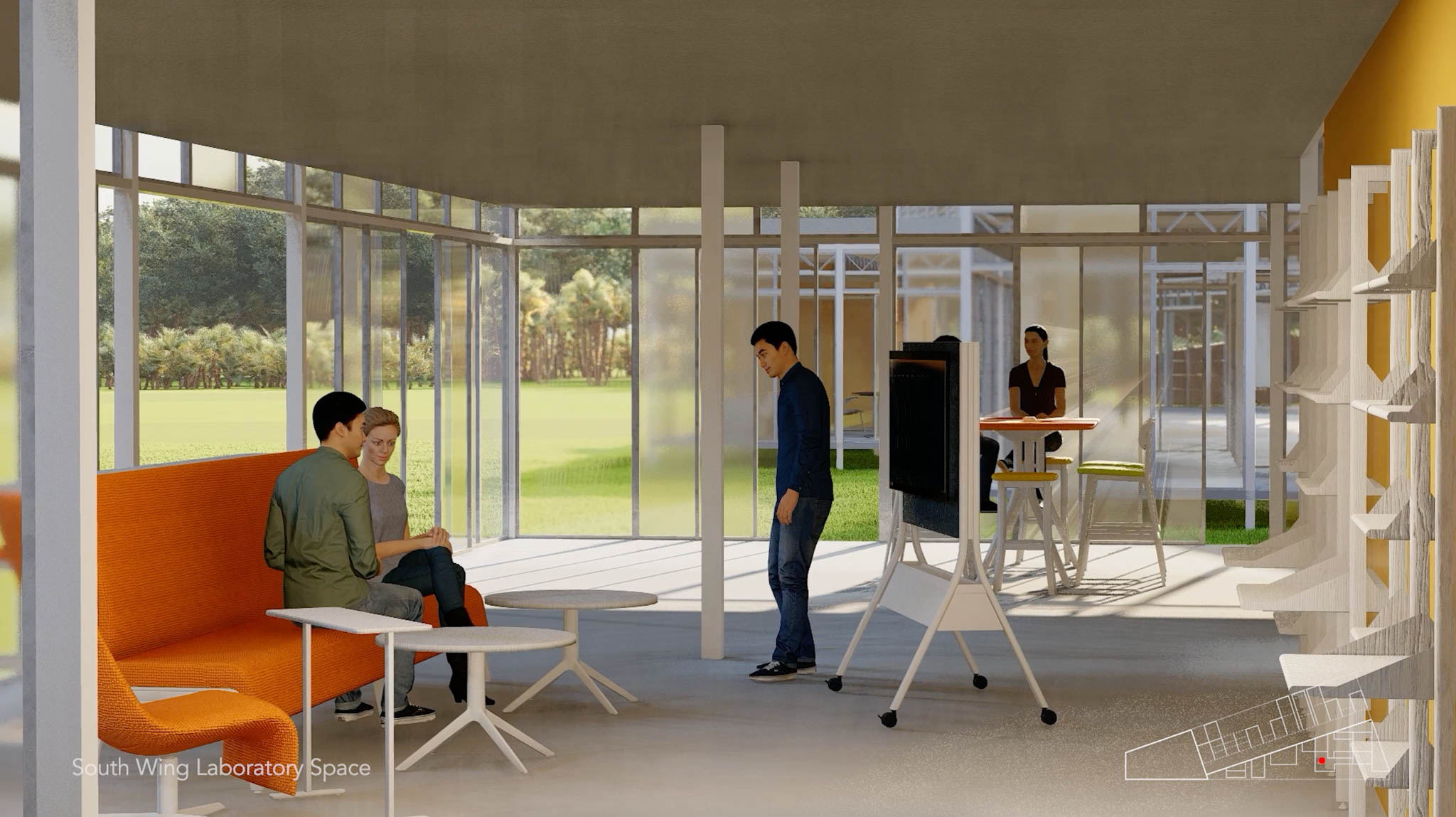
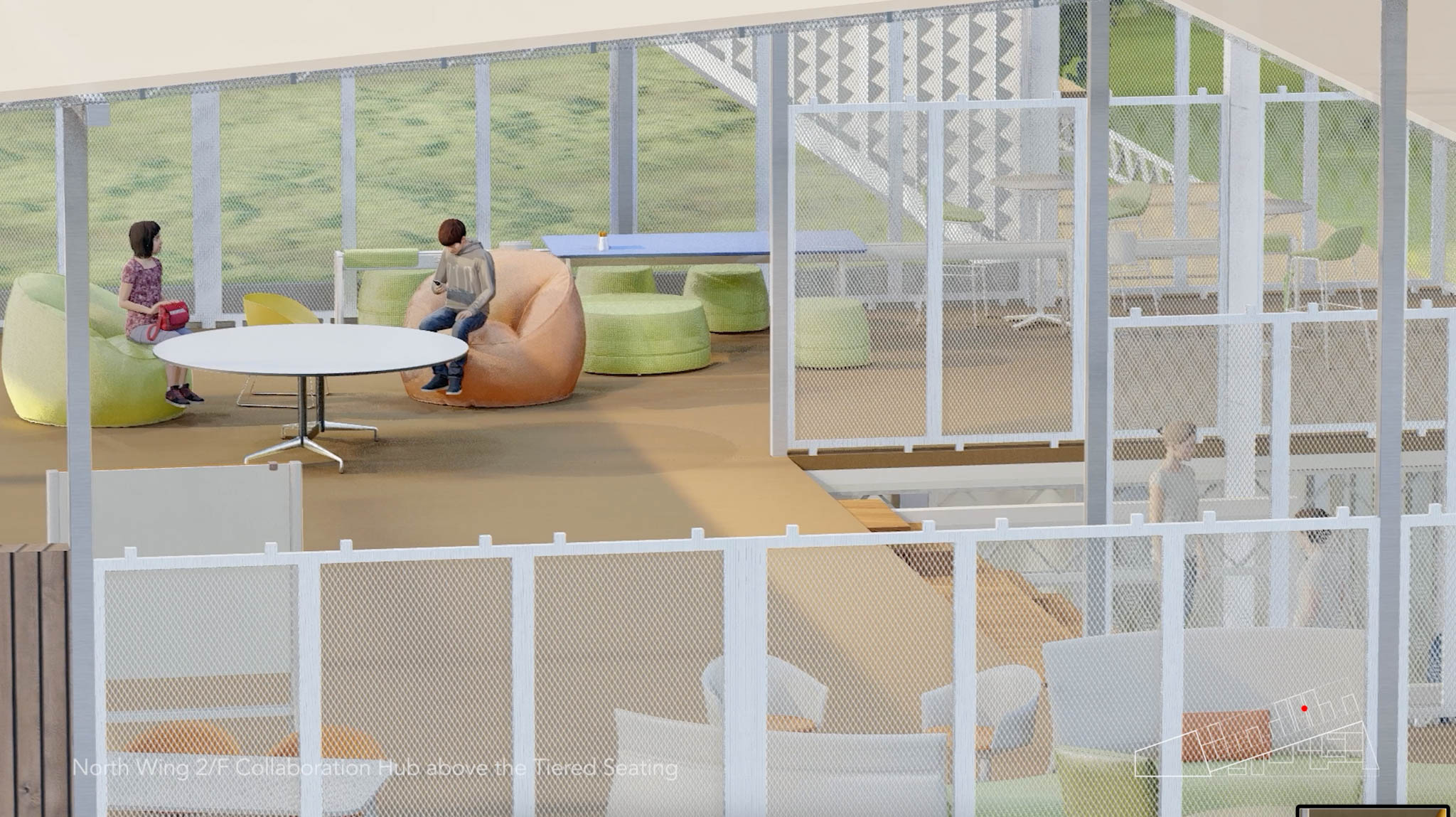
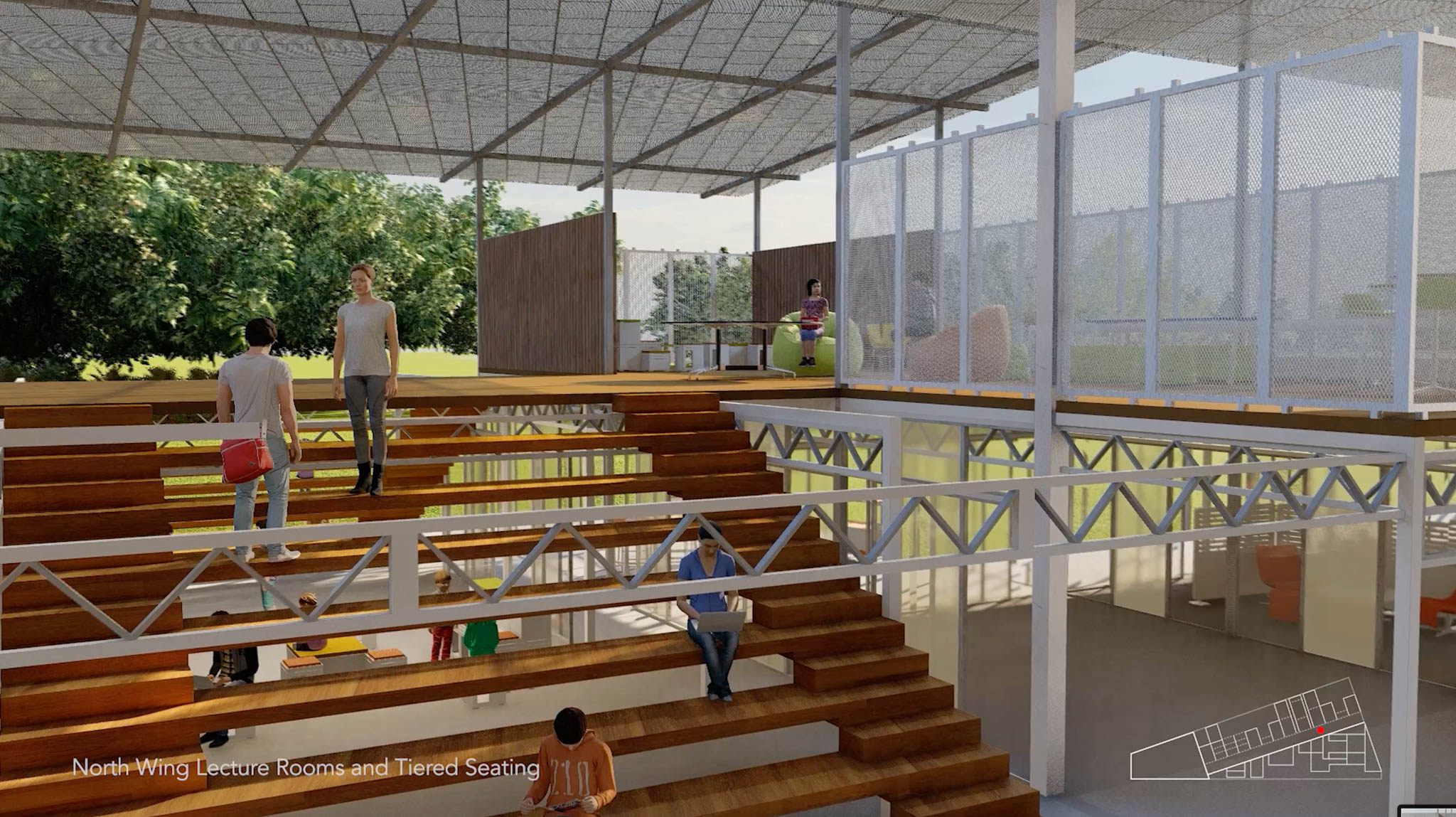
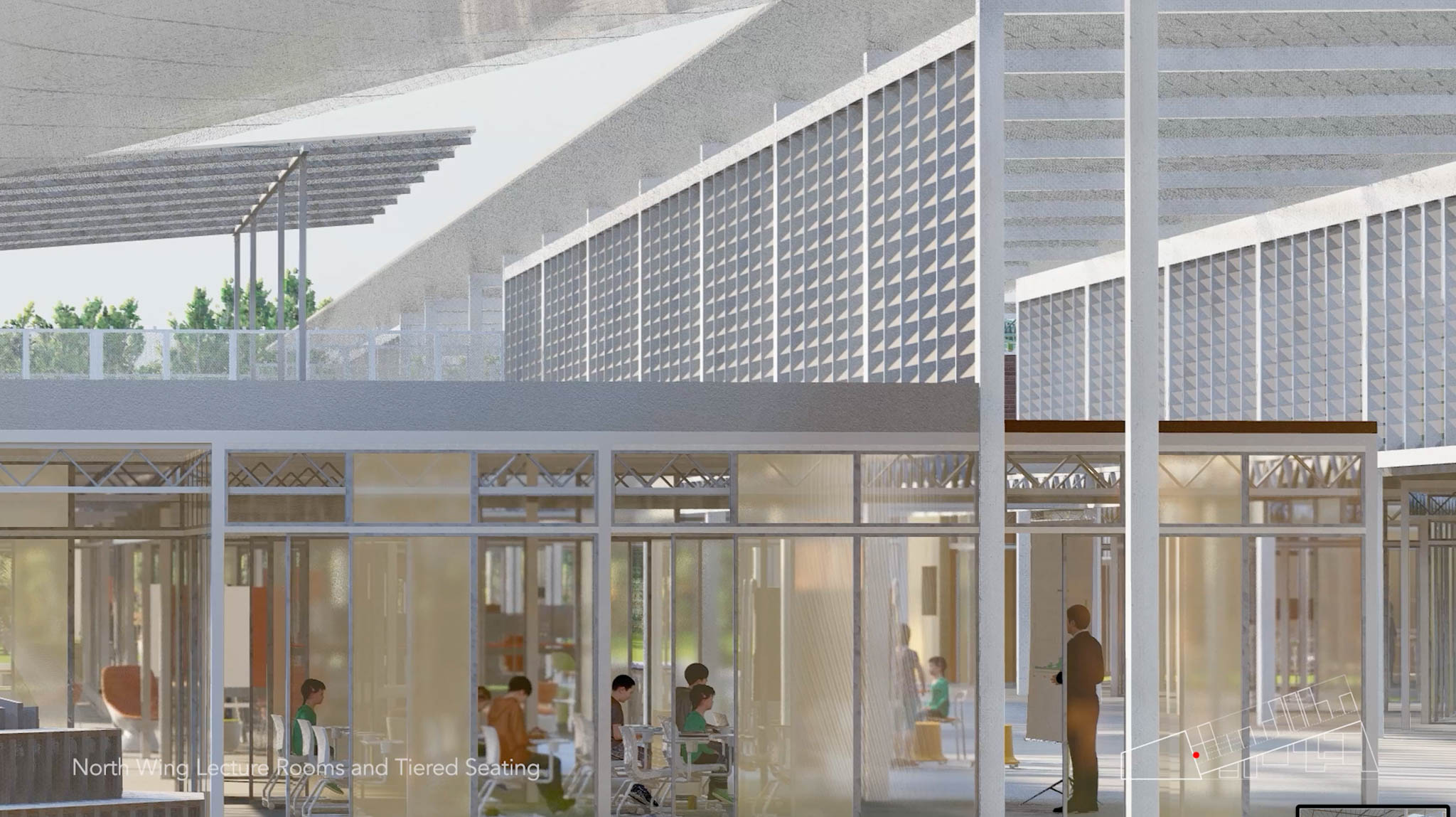
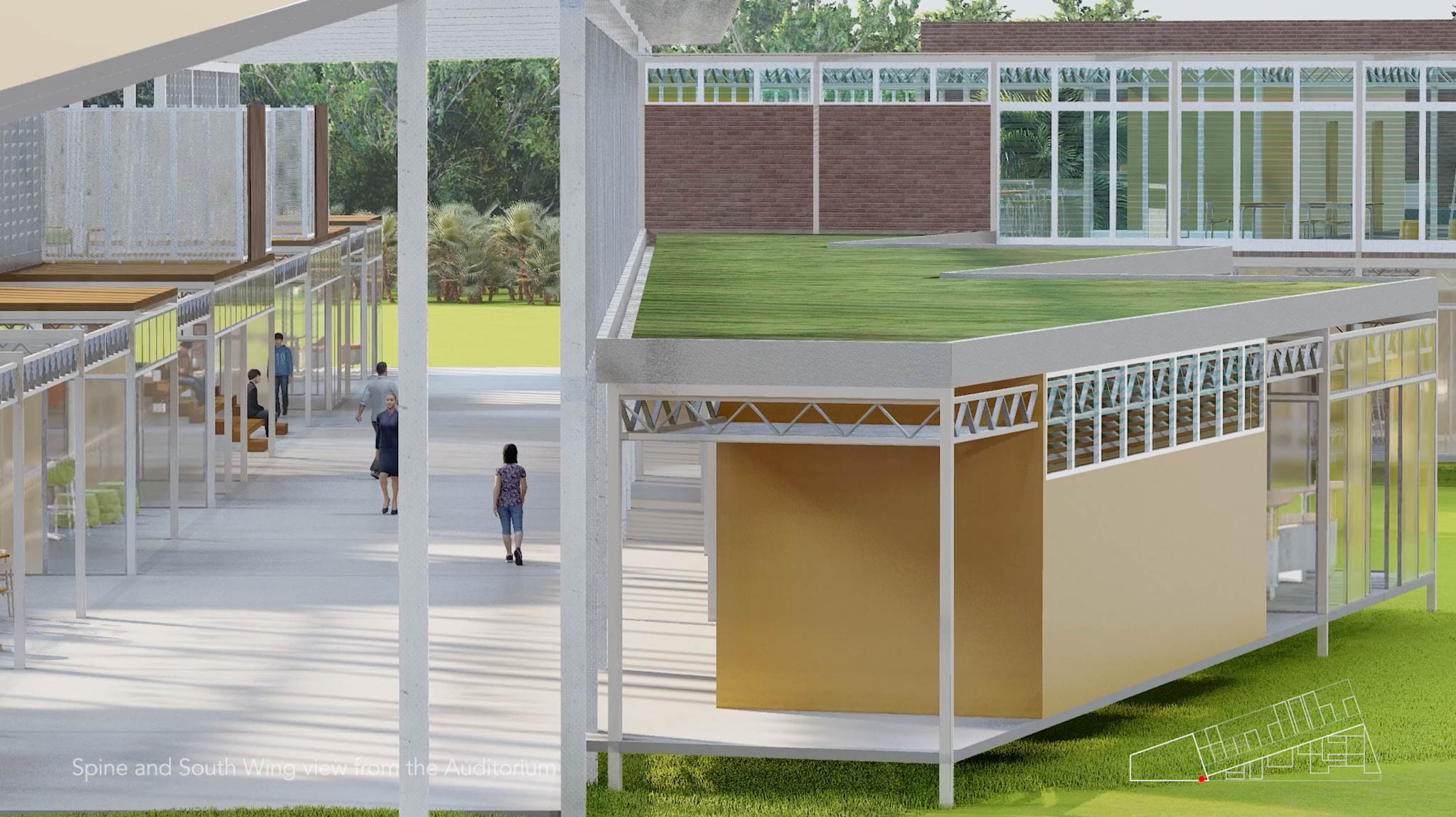
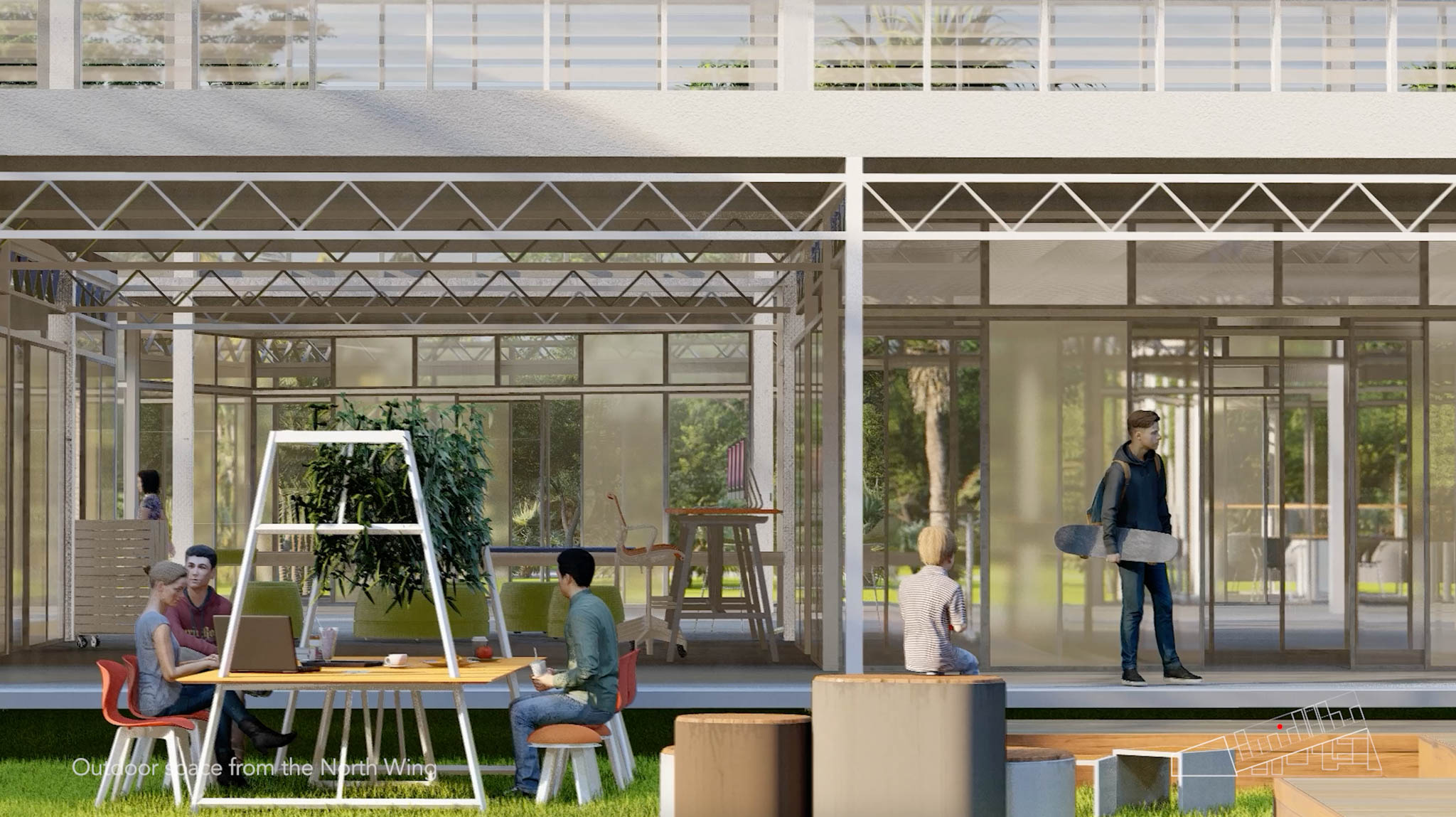
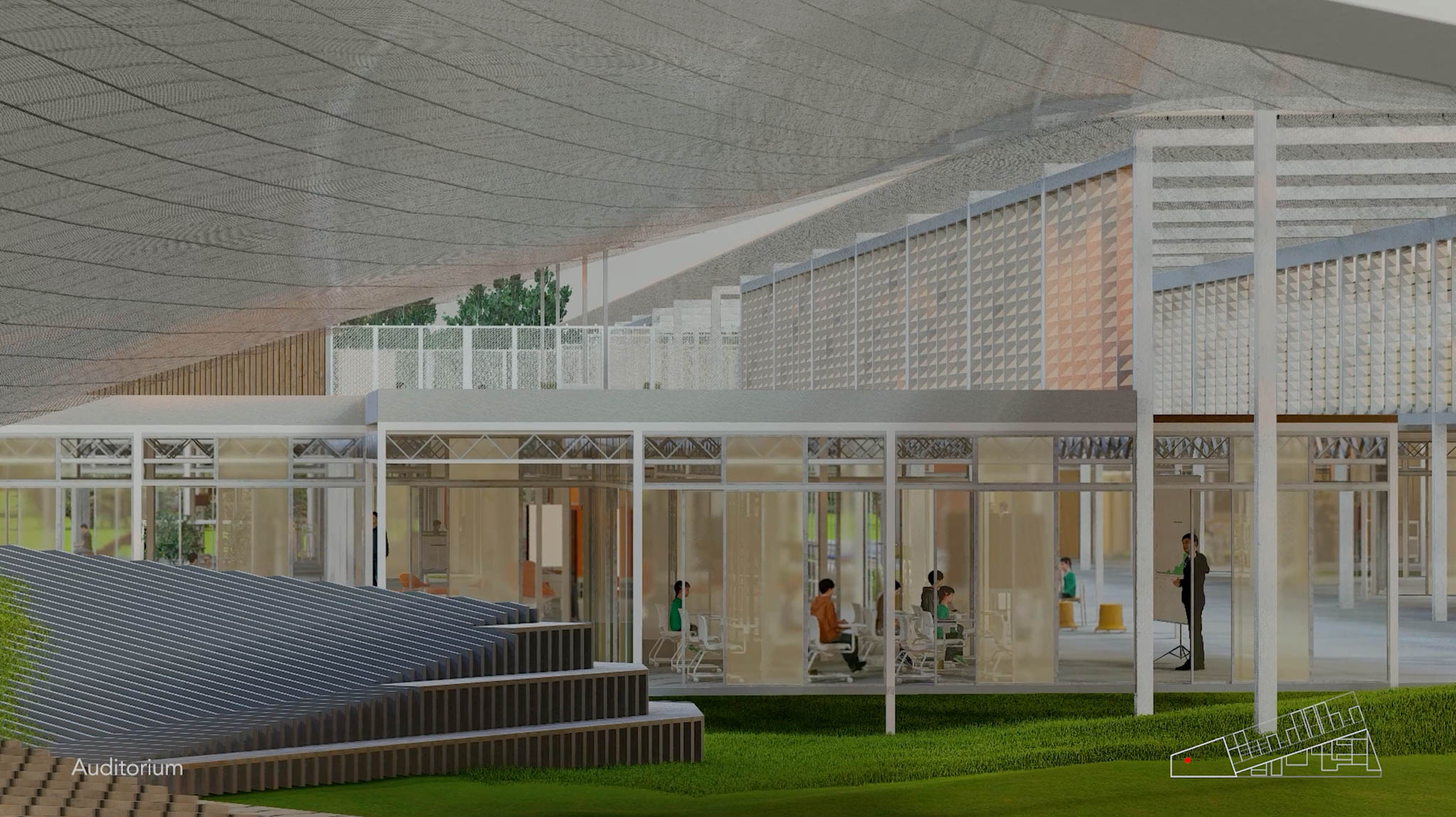
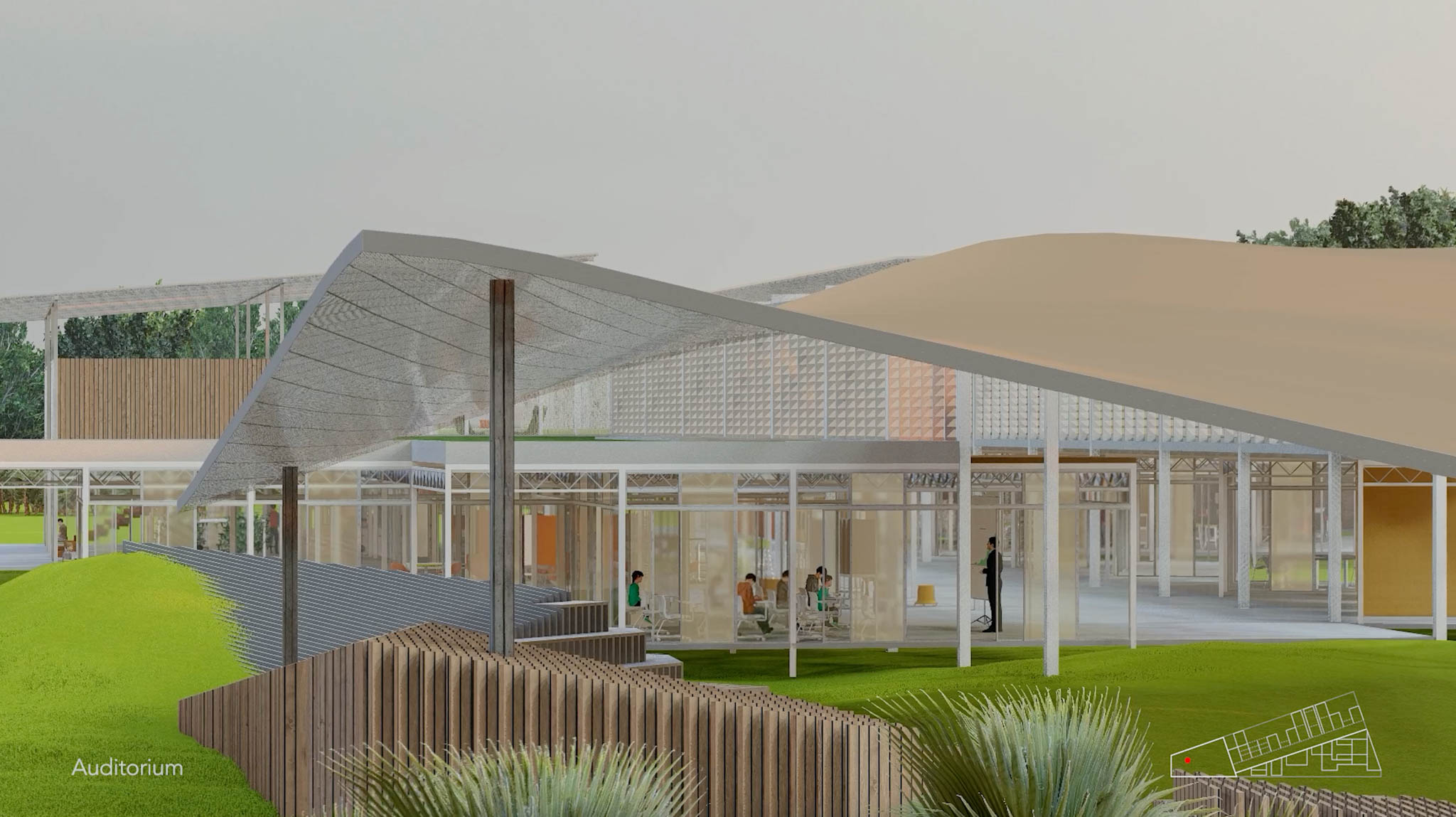
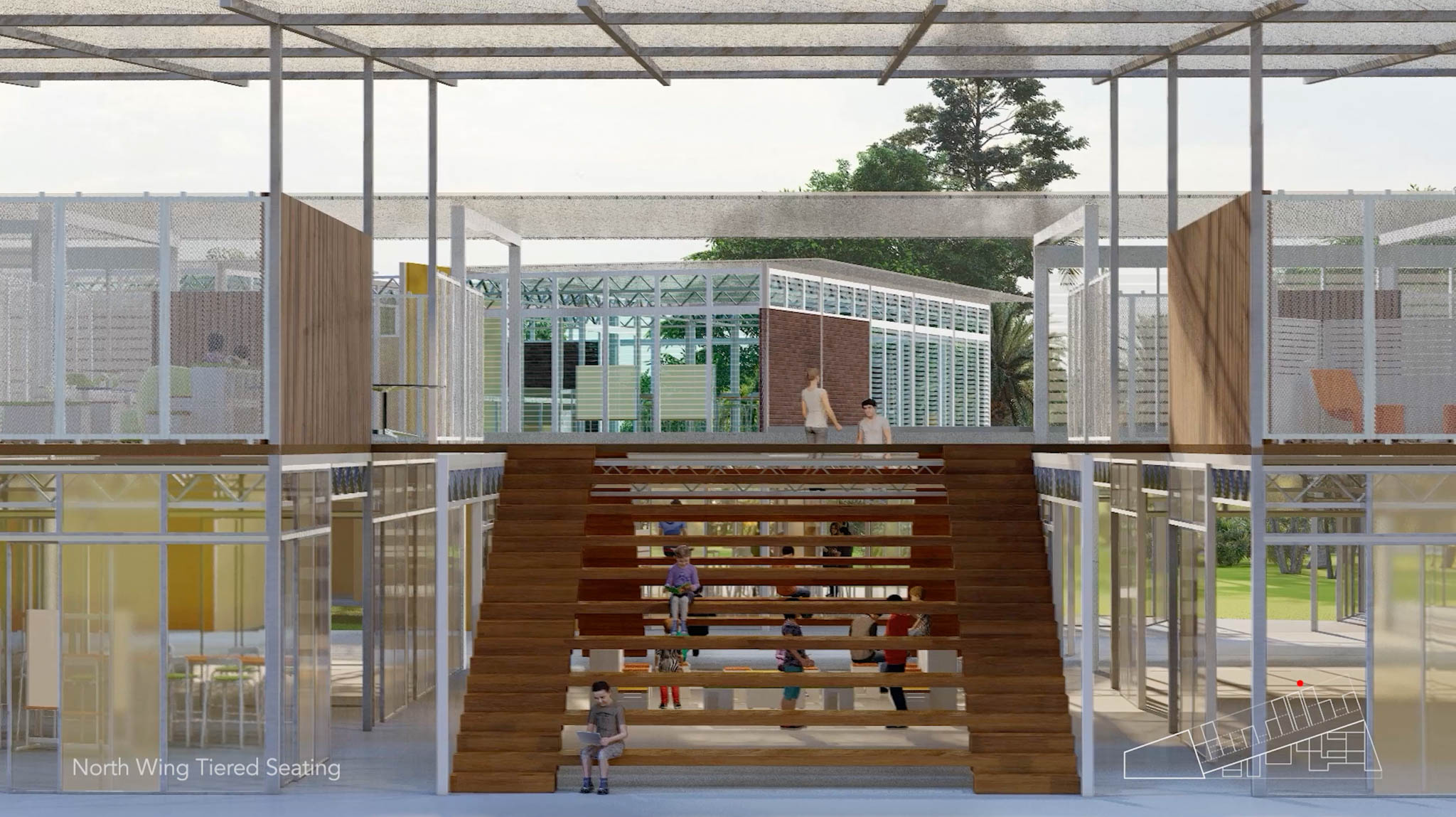
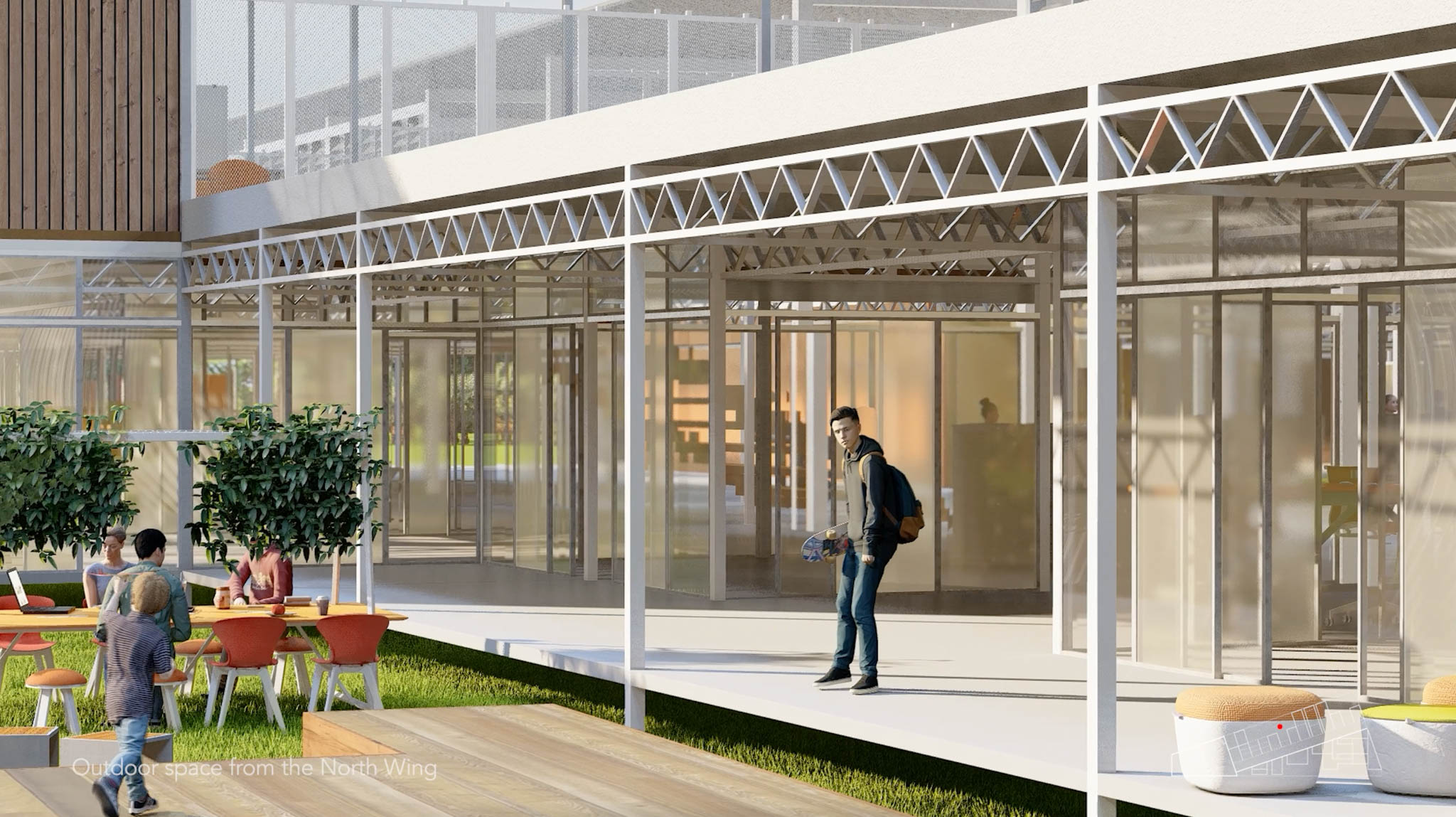
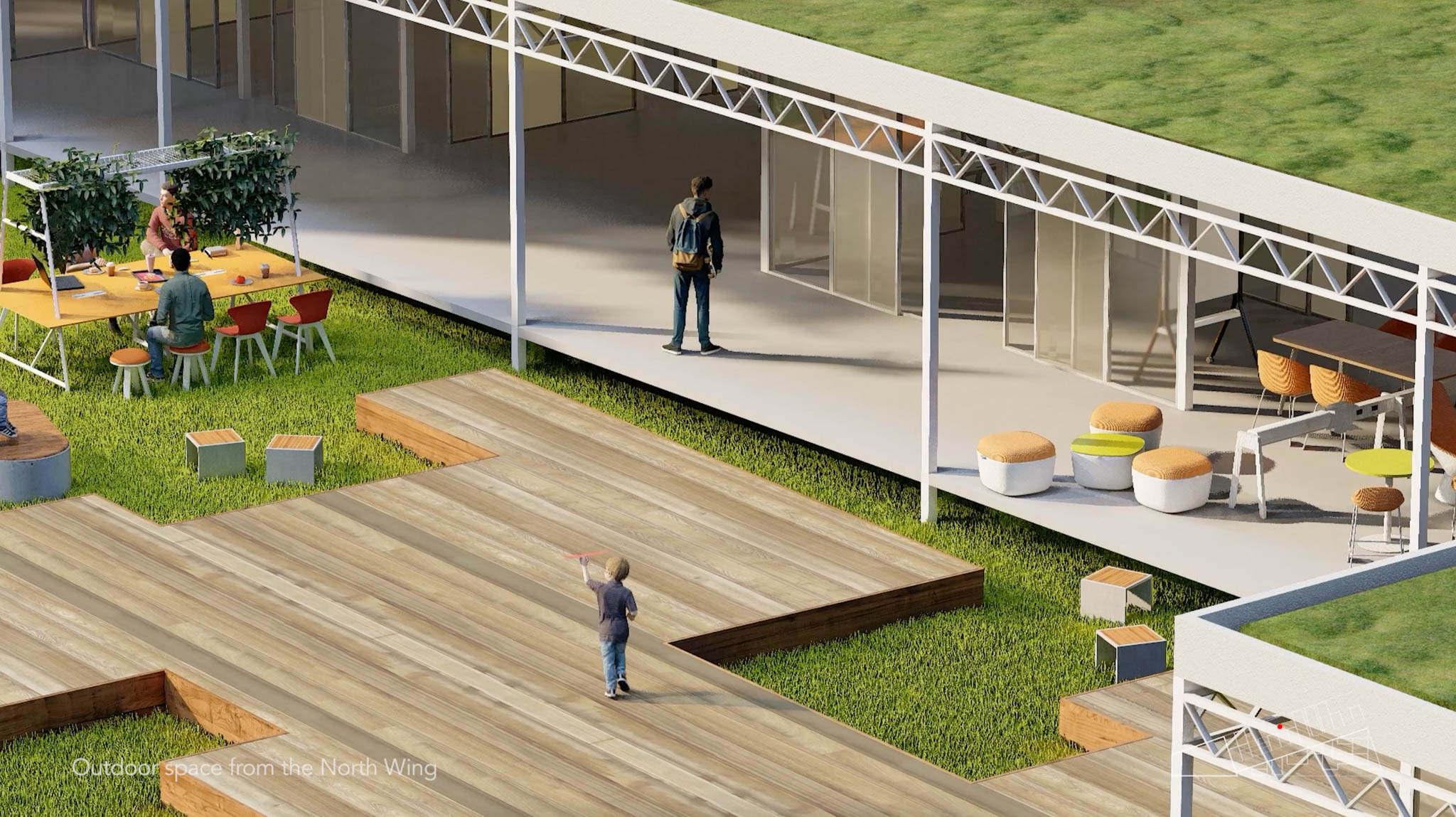
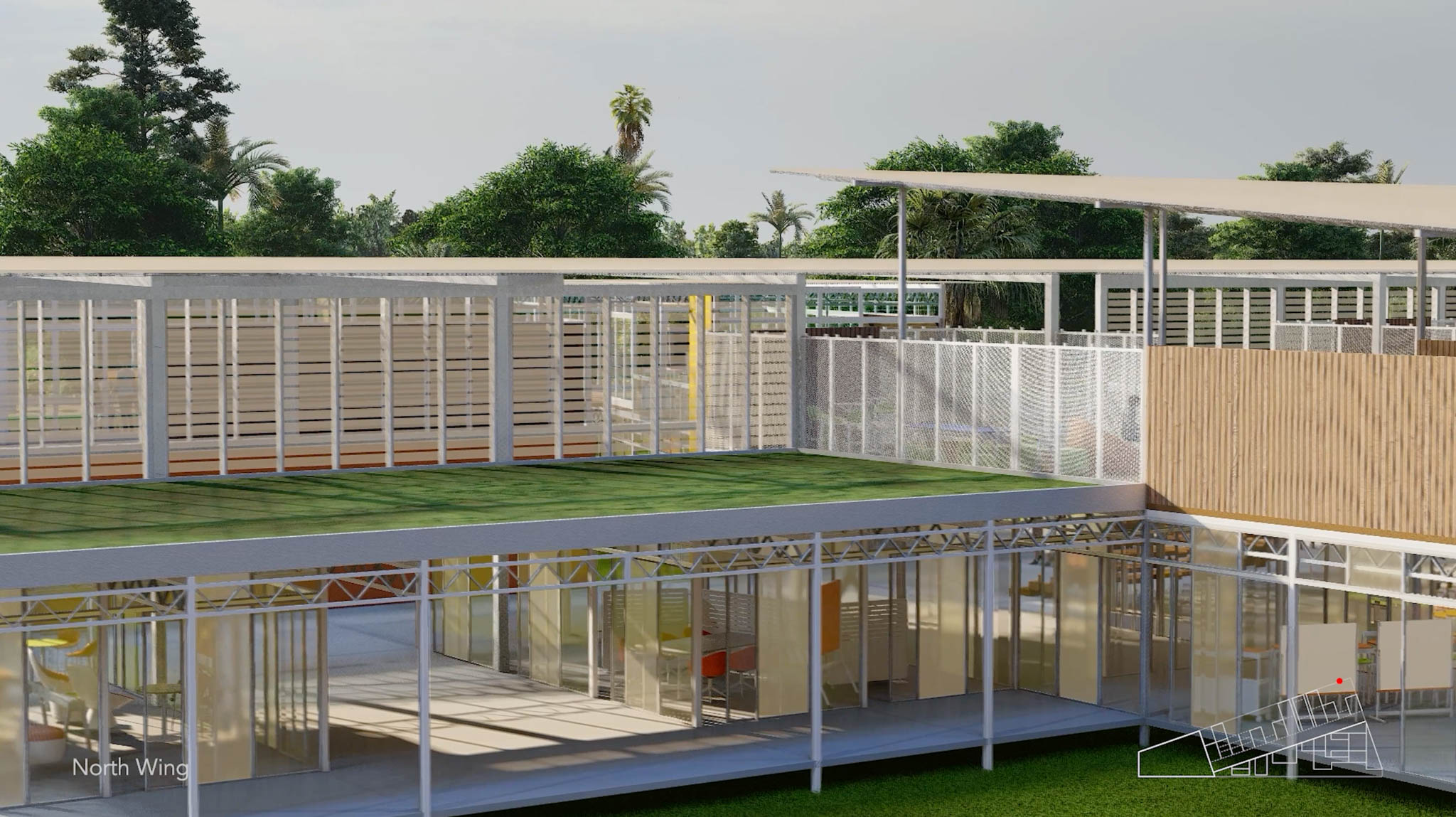
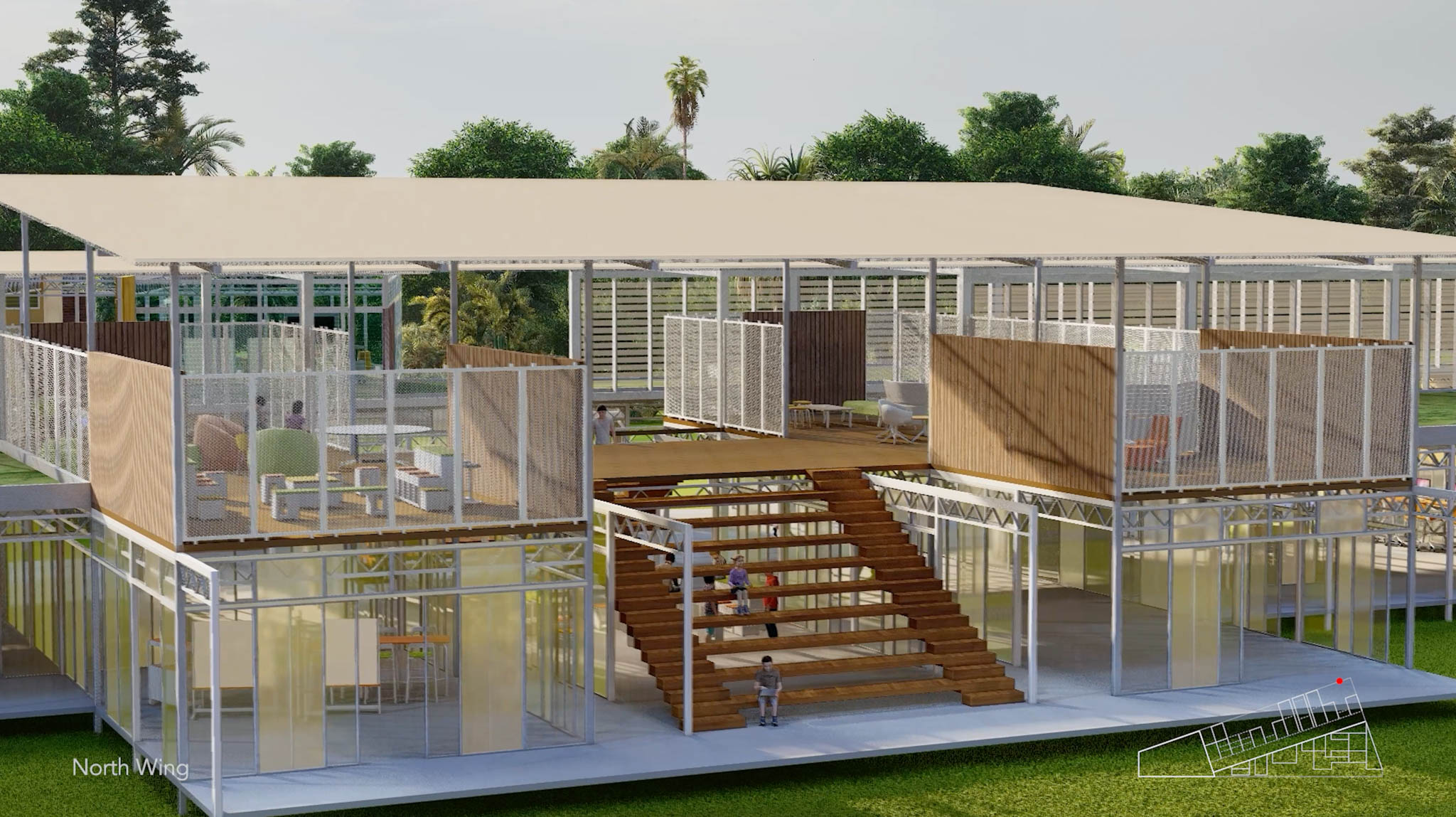
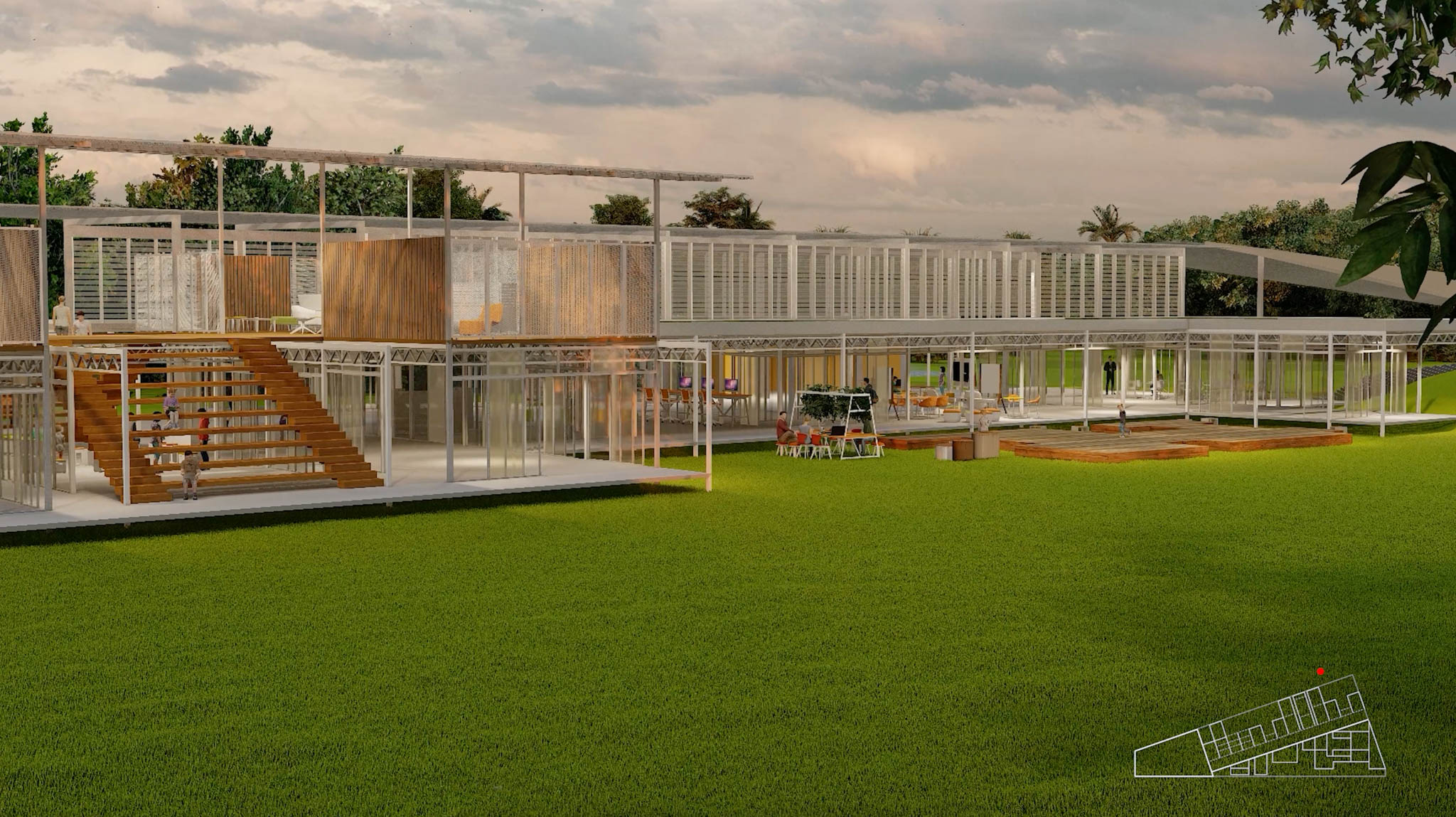
A master planning project for the De La Salle University Lipa Campus, where Joey Yupangco reimagined adaptable spaces to meet evolving academic needs, integrating innovative teaching methods and flexible furniture.
The Family Farmhouse: A Personal Project
Joey’s latest project, a farmhouse in Calaca, Batangas, reflects his design philosophy and connection to family heritage. This project is not just a home; it is a manifestation of Joey’s journey as an architect. It combines his architectural expertise with a deep appreciation for space and form. The farmhouse embodies his belief in creating spaces that resonate with personal values, offering a sanctuary that is both functional and meaningful.
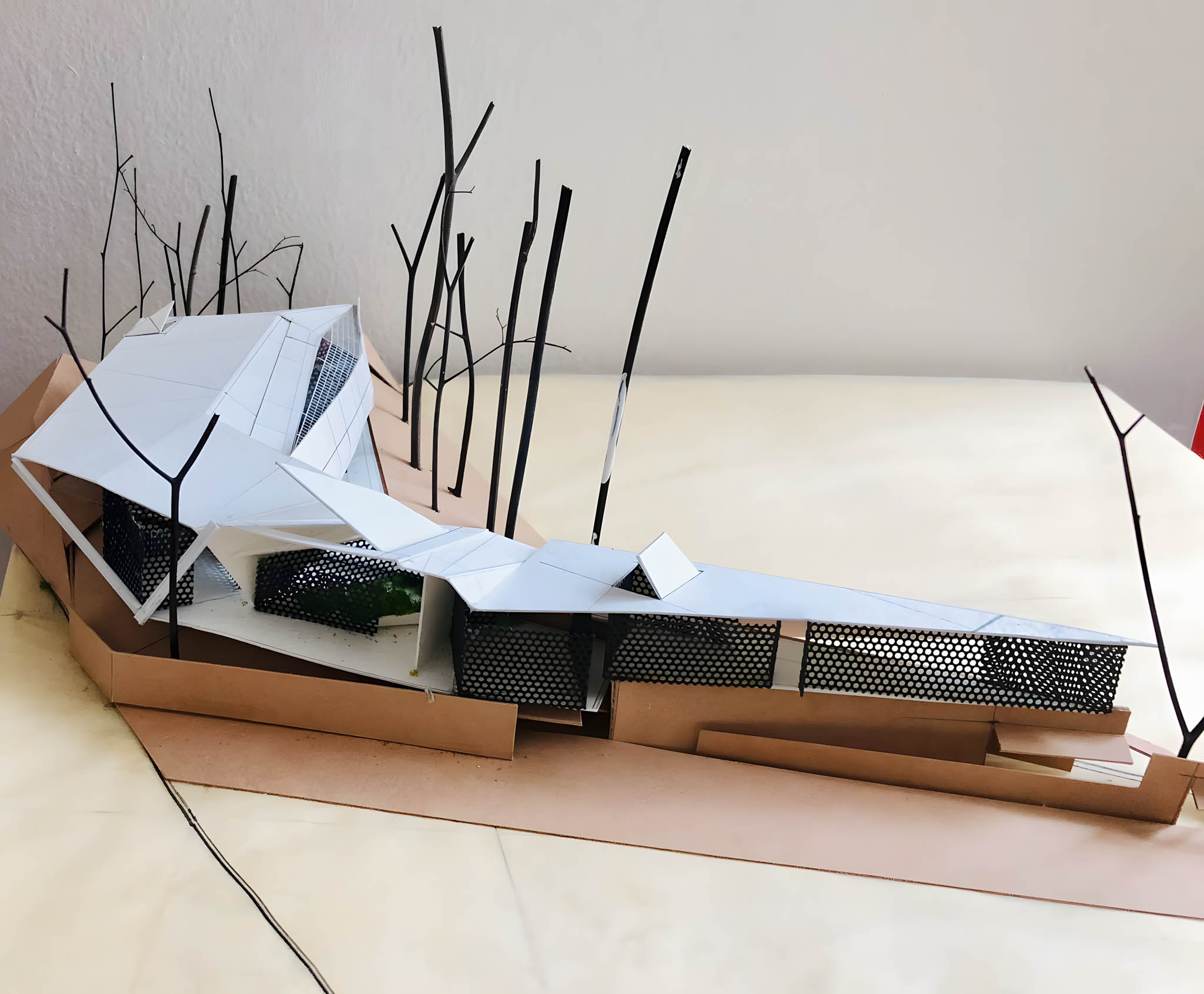
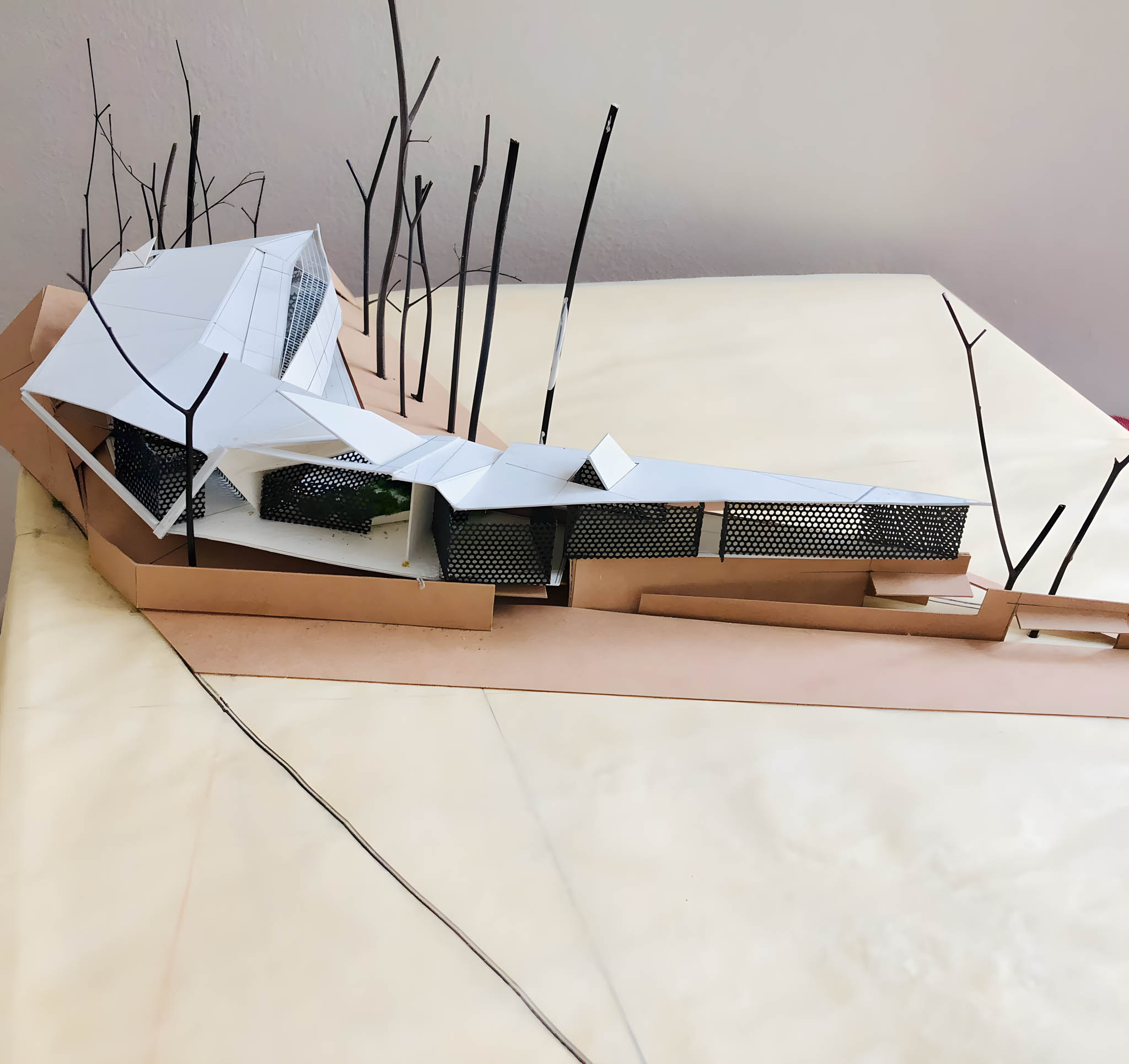
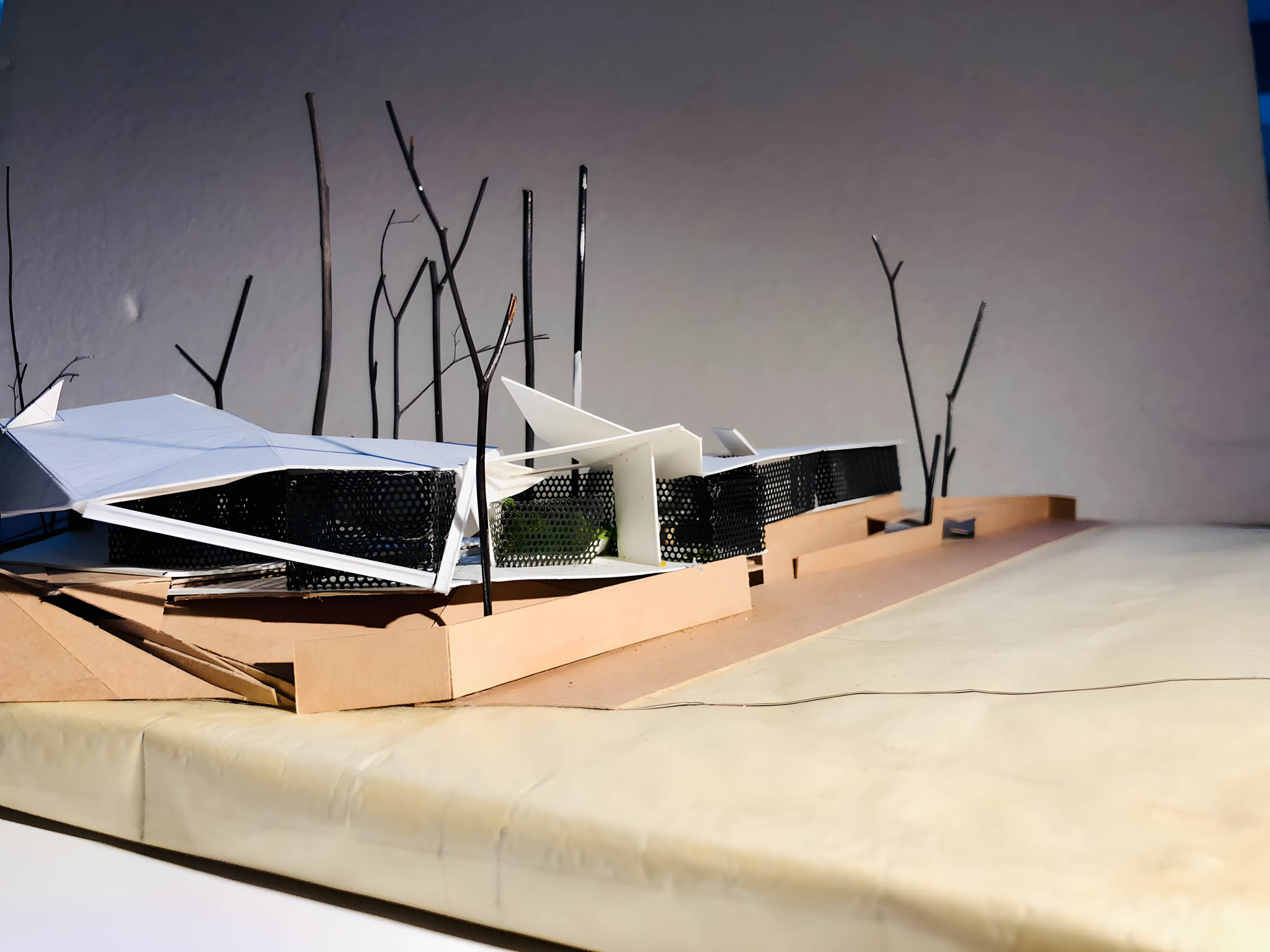
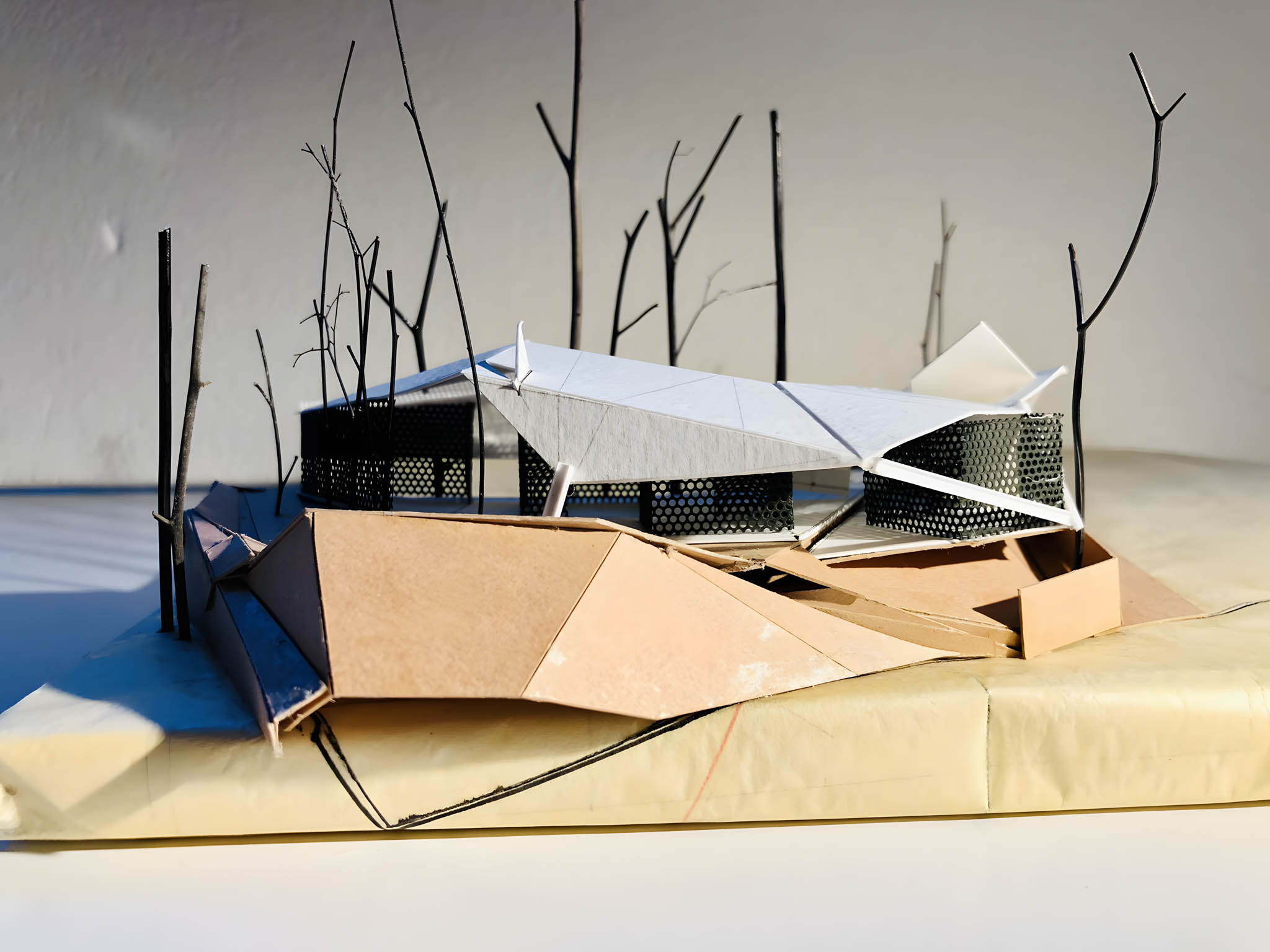
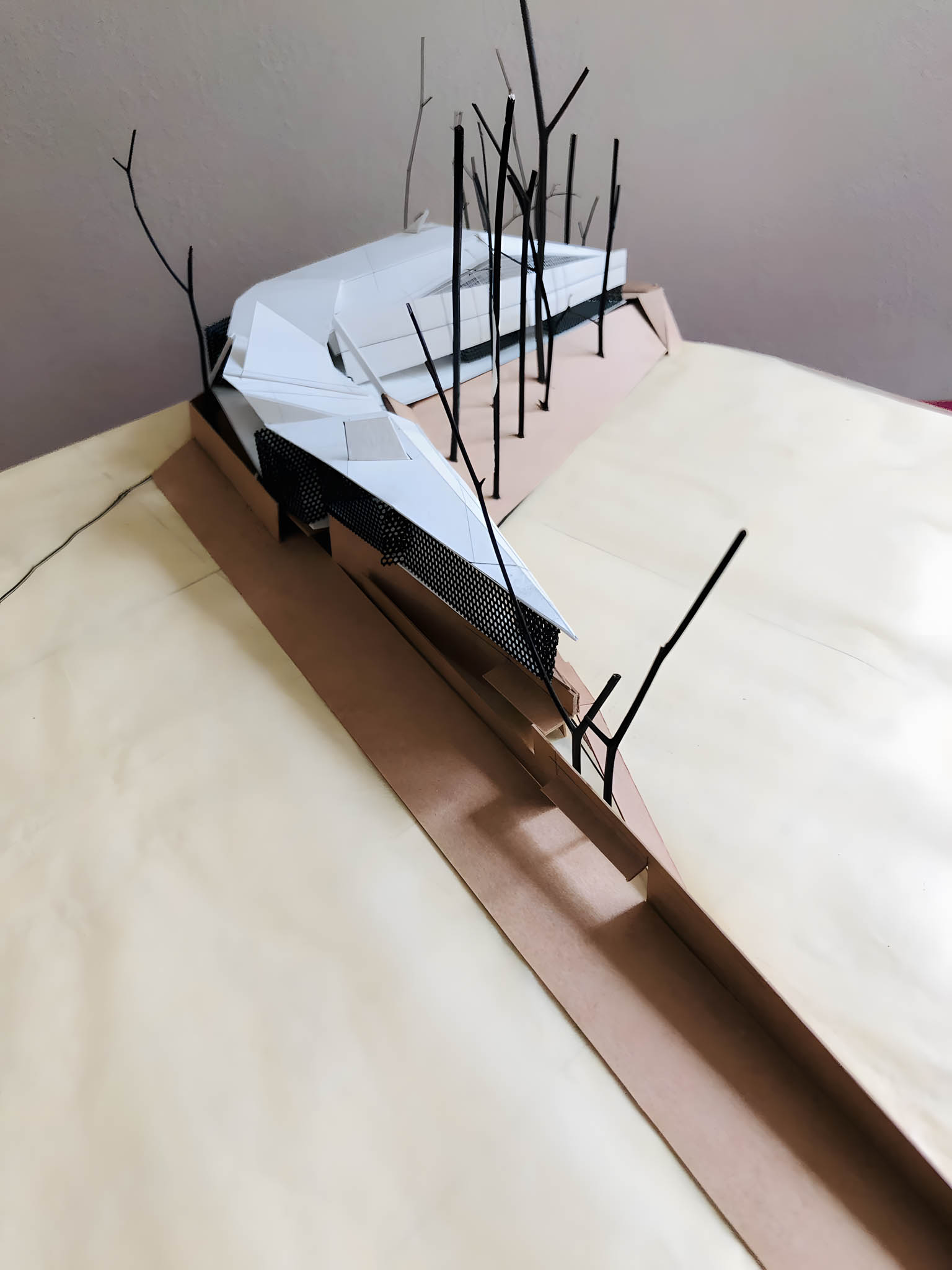
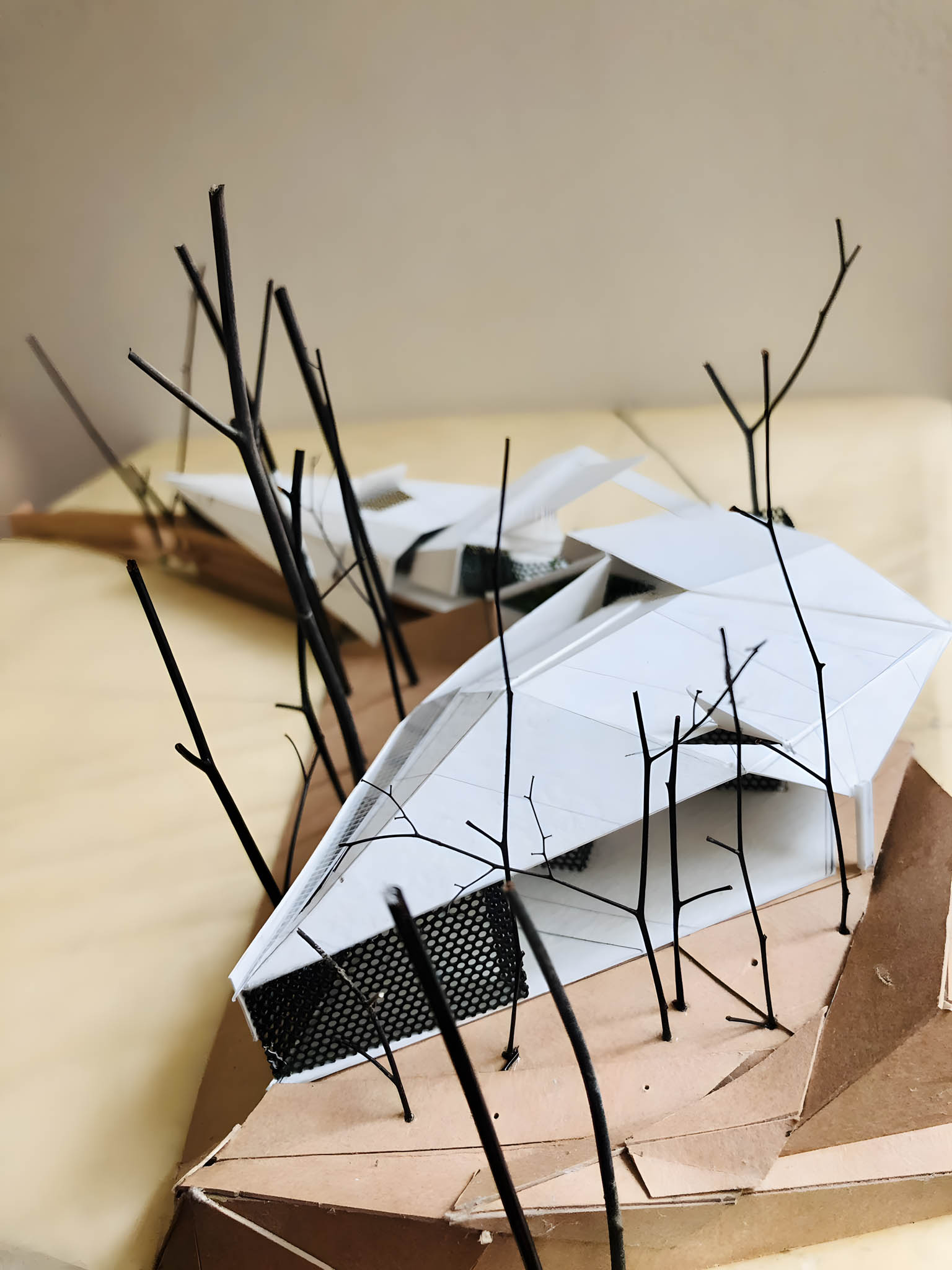
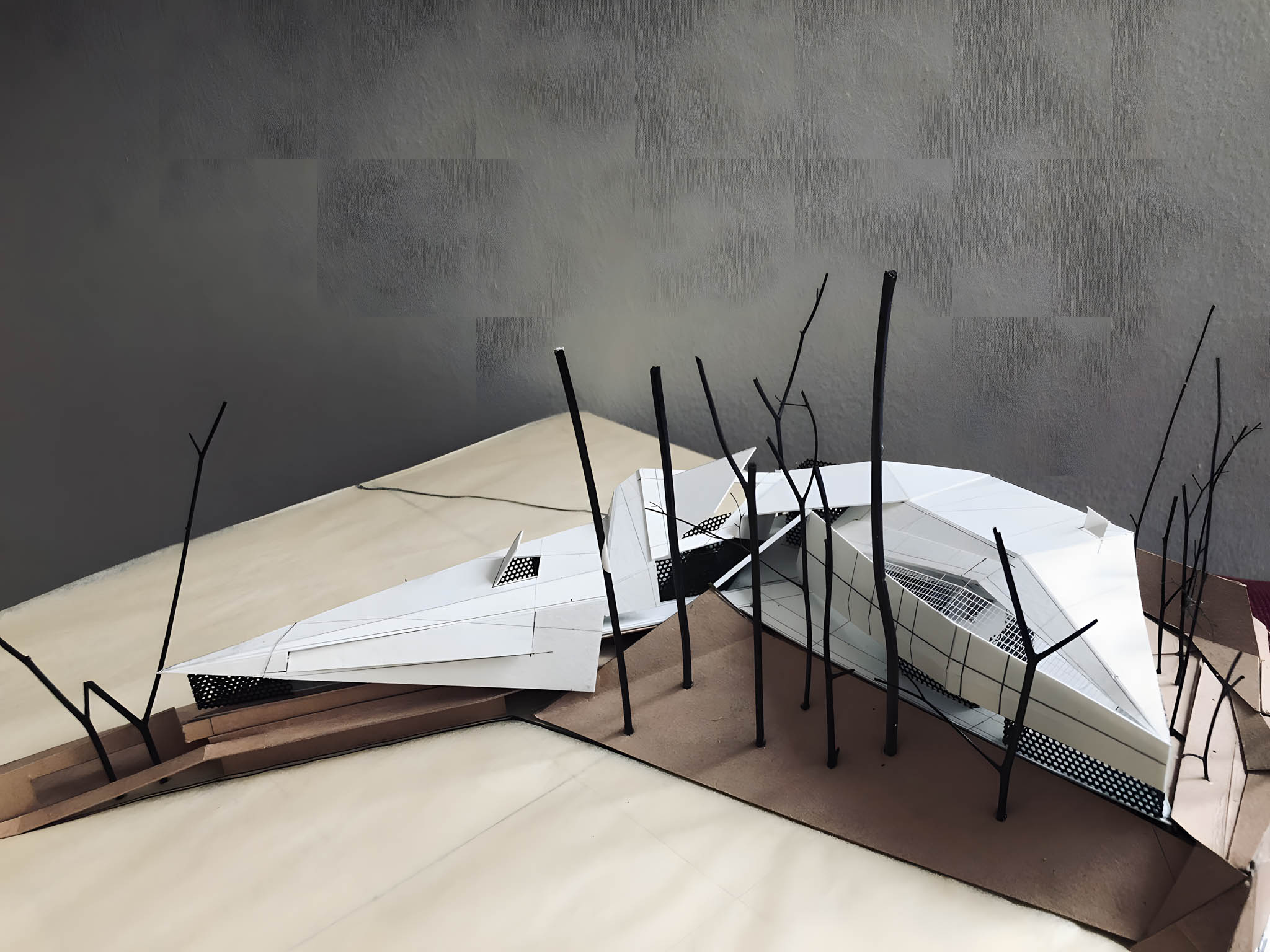
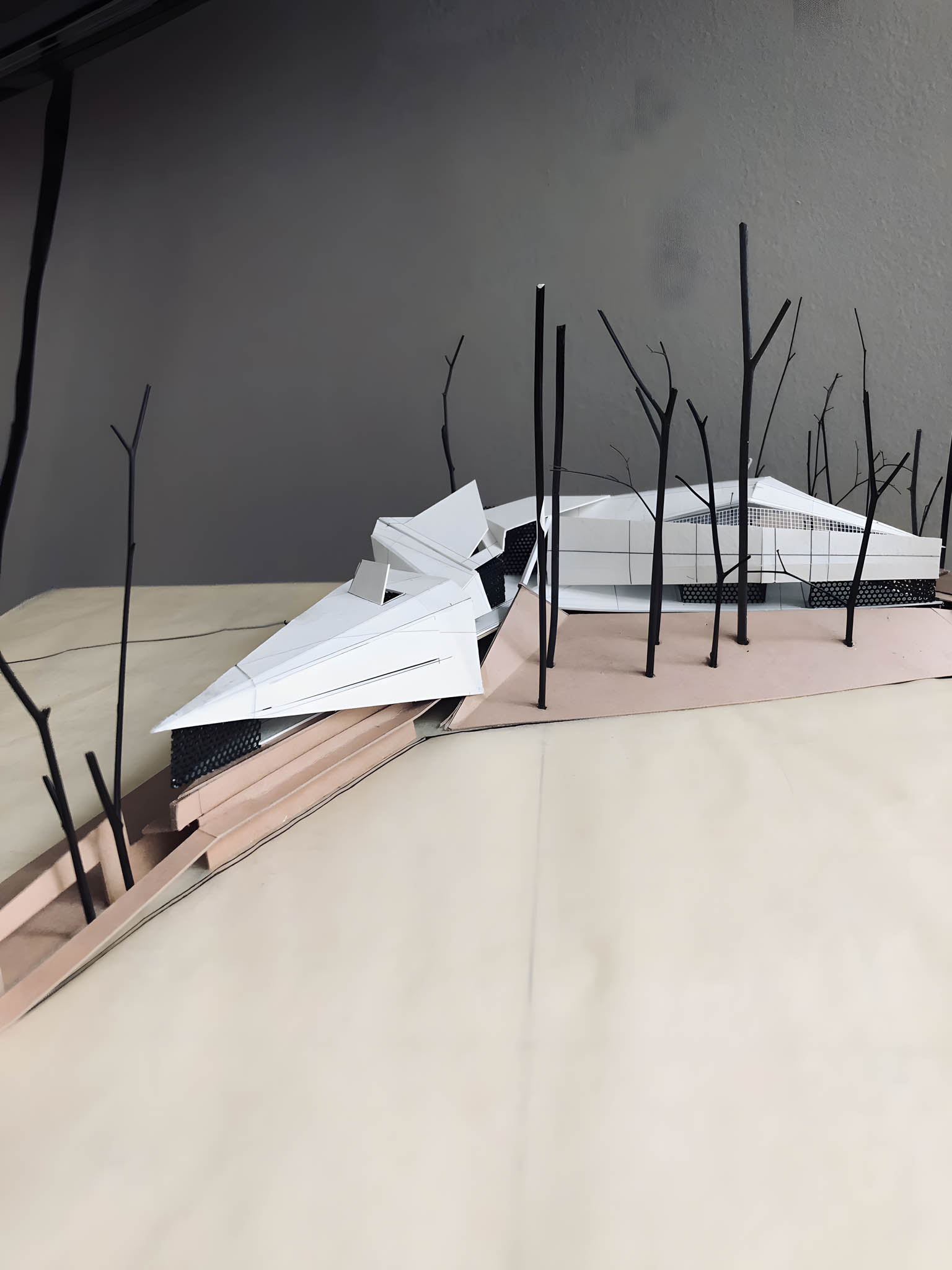
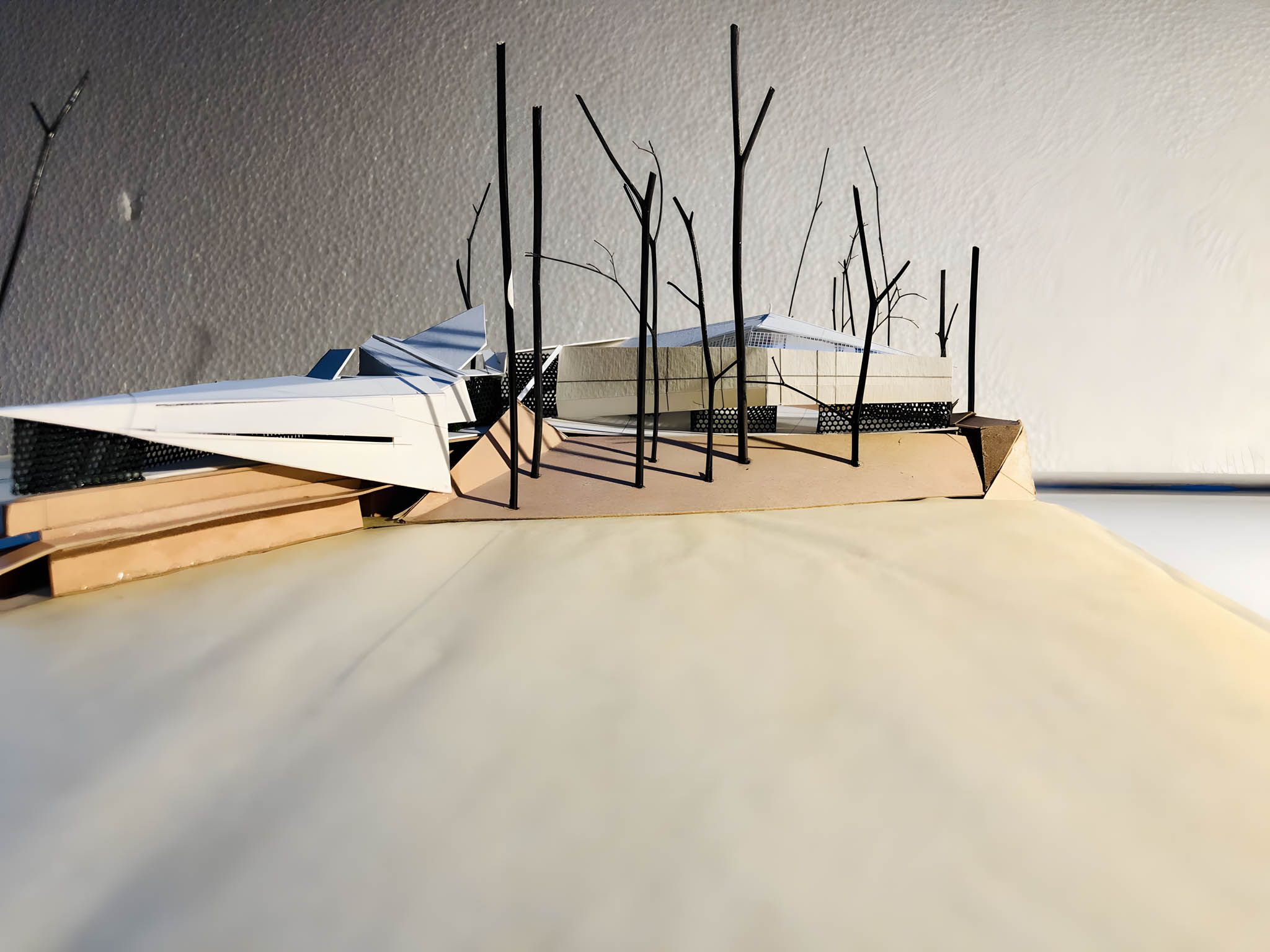
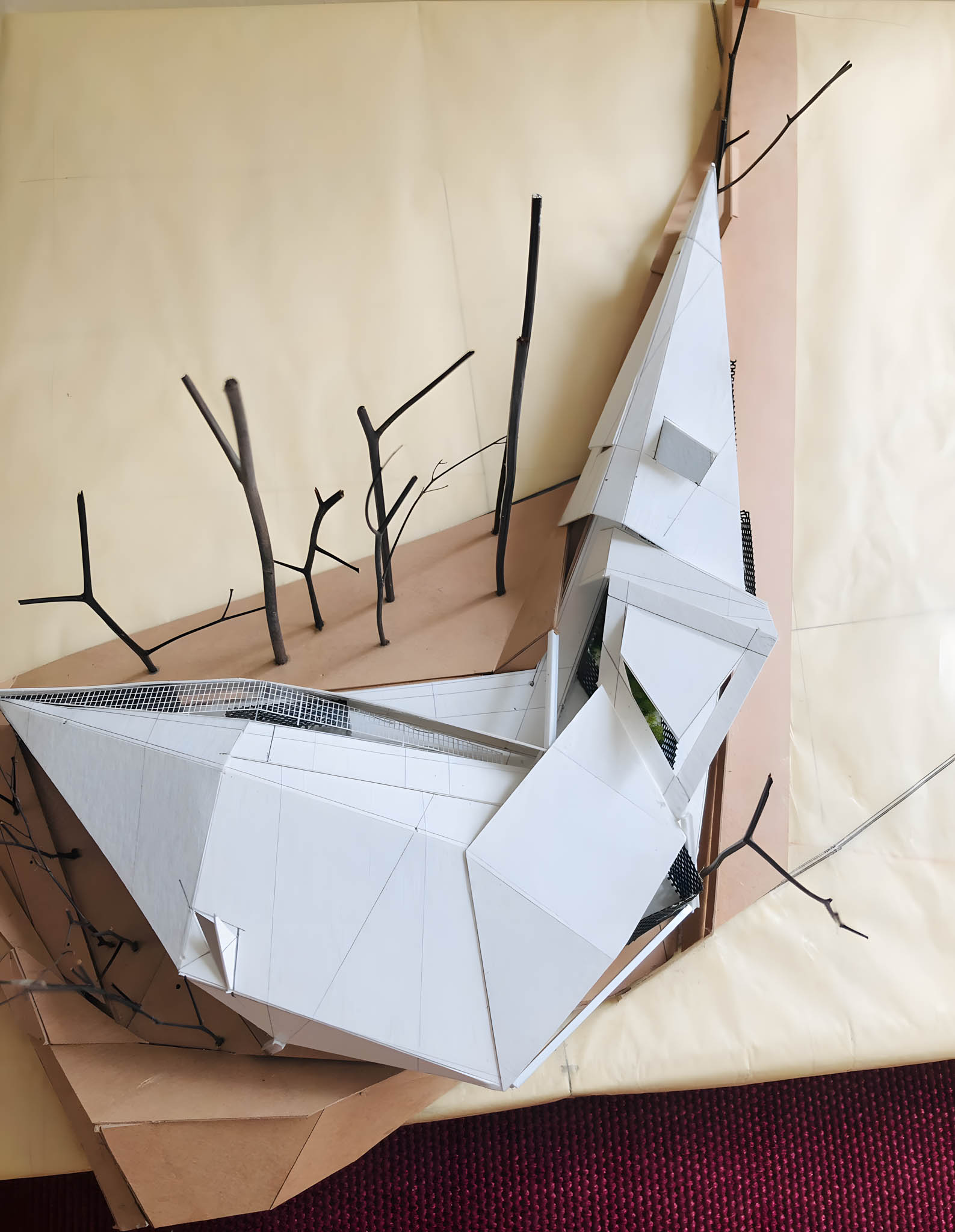
A personal project by Joey Yupangco that blends architecture with the natural terrain. The farmhouse embodies his design philosophy of creating spaces that resonate with personal values, offering a functional and meaningful sanctuary.
“I wanted the farmhouse to look very much like part of the terrain and consequently would grow as though it’s nonexistent,” Joey says, referring to his vision for the design of the farmhouse. The project stands as a testament to his evolution as a designer and person, an expression of his identity shaped by years of experience, reflection, and growth.
A Commitment to Education: Shaping the Next Generation
As the Dean of the College of St. Benilde’s School of Design and Arts, Joey profoundly impacted the next generation of Filipino architects. His approach to education emphasized that design should not only solve problems but also inspire and connect with people on a deeper level. He encouraged his students to explore their creativity, push boundaries, and develop a design philosophy uniquely their own.
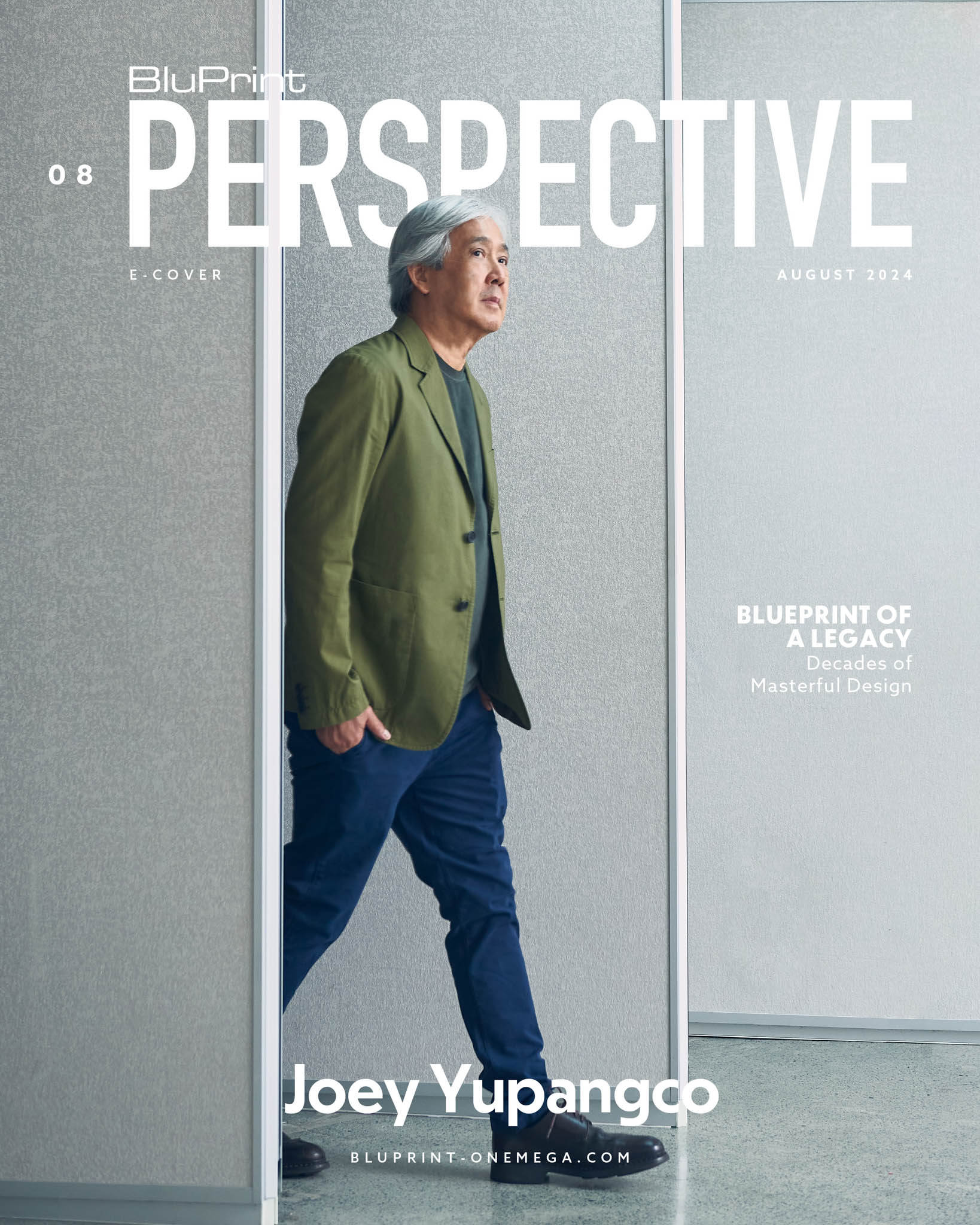
Reflecting on his journey, Joey highlights the importance of following one’s passion and staying true to oneself. “When you reach a certain age, you tend to look for something that will substantially be more of yourself,” he shares. His story serves as a powerful reminder that the path to success is often winding. With persistence and dedication, it leads to the fulfillment of one’s dreams.
Joey Yupangco’s contributions to architecture extend beyond his built projects. His legacy includes the countless students he has mentored, the design community he has enriched, and the spaces he has transformed. Looking ahead, Joey remains committed to his work as both an architect and an educator.
“ArchitectureArchitectureThe art and science of designing and constructing buildings, structures, and spaces that are functional, safe, and aesthetically pleasing. It encompasses the planning, design, materials, and techniques used to createGo to Architecture Glossary is not just about buildings; it’s about creating experiences, shaping environments, and making a difference in people’s lives,” Joey concludes.
Related Read: Contours of Innovation: Ding Asuncion and Isabel Berenguer-Asuncion’s Architectural Odyssey
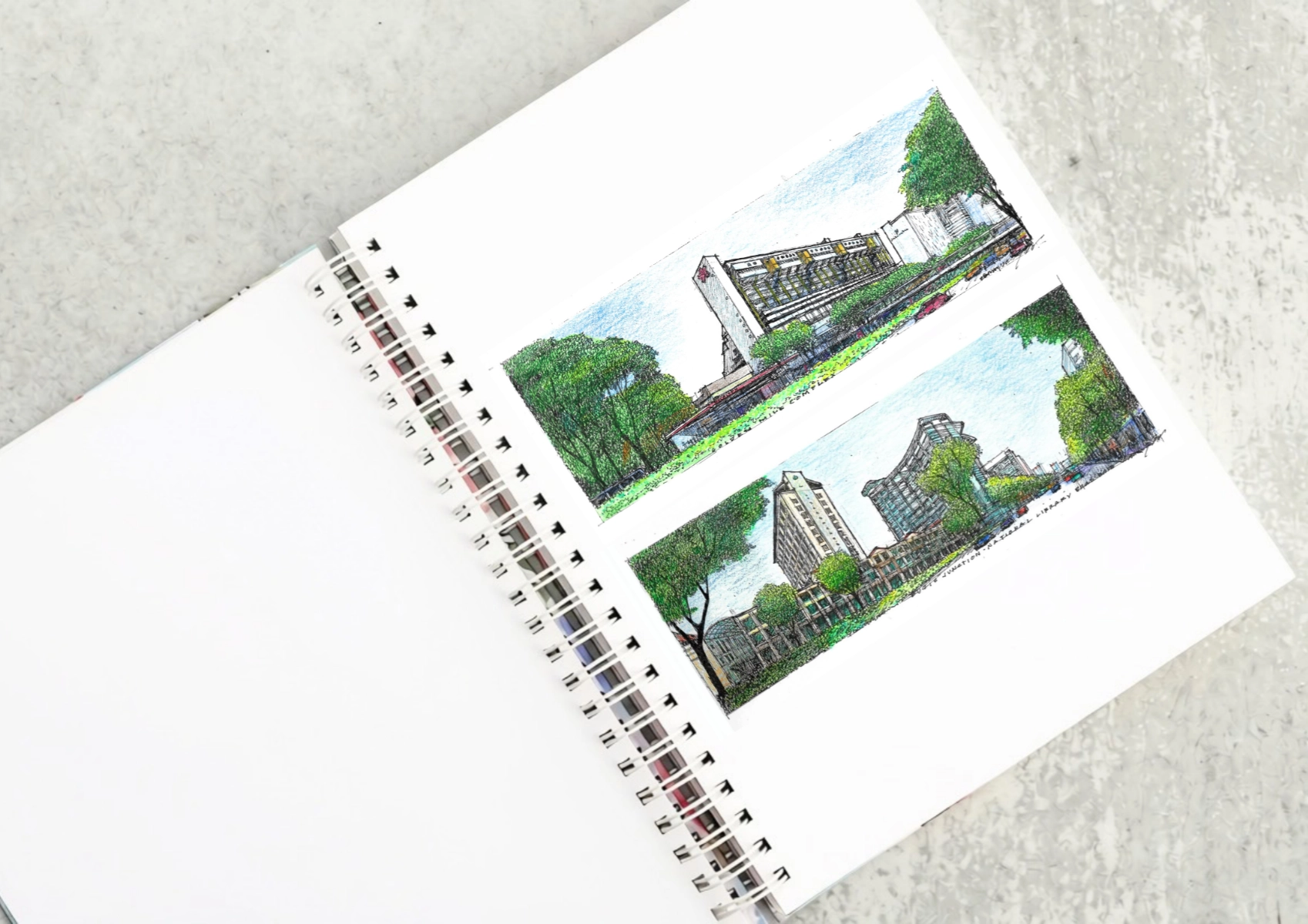
Two sketches of Singapore connect BluPrint Editor in Chief Paulo G. Alcazaren’s personal and professional history with Shared Ground: ArchitectureArchitectureThe art and science of designing and constructing buildings, structures, and spaces that are functional, safe, and aesthetically pleasing. It encompasses the planning, design, materials, and techniques used to createGo to Architecture Glossary of Care, Culture, […]
In a way, designers are the modern-day soothsayers and prophets. They design for the future, predicting how a room, a house, a building or a whole city will be used by people. They foresee how users will interact with a space, conjure exact shades of colors to elicit specific behavior and arrange furniture to build […]
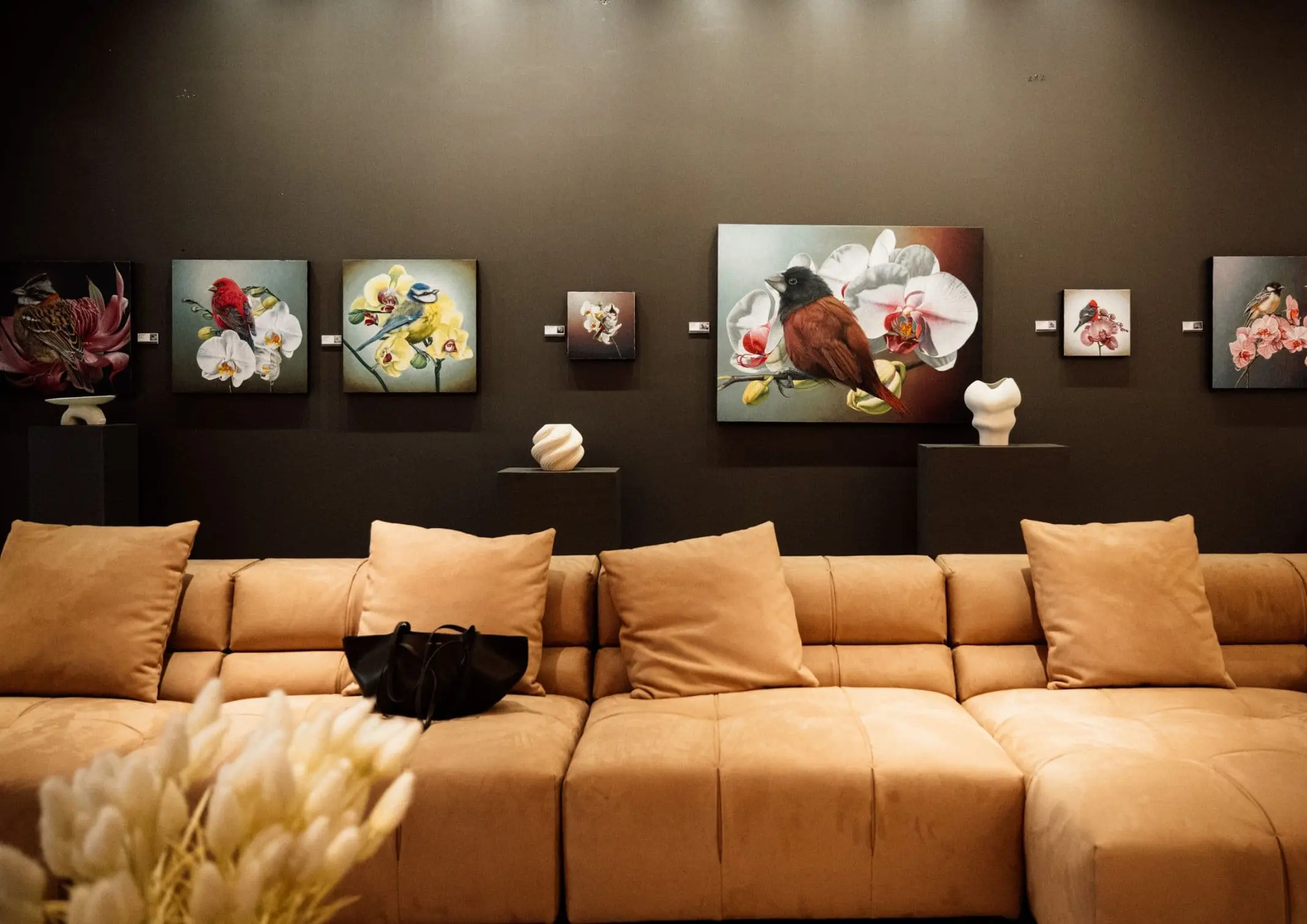
Art and furniture are often selected separately, yet their relationship can shape how a room looks and feels. The collaboration between Hooga and Galerie Joaquin explores how these elements can work together, bringing contemporary artworks into furnished residential settings at Hooga’s showroom in Uptown Mall, Bonifacio Global City. For Hooga, which curates furniture, lighting, and […]
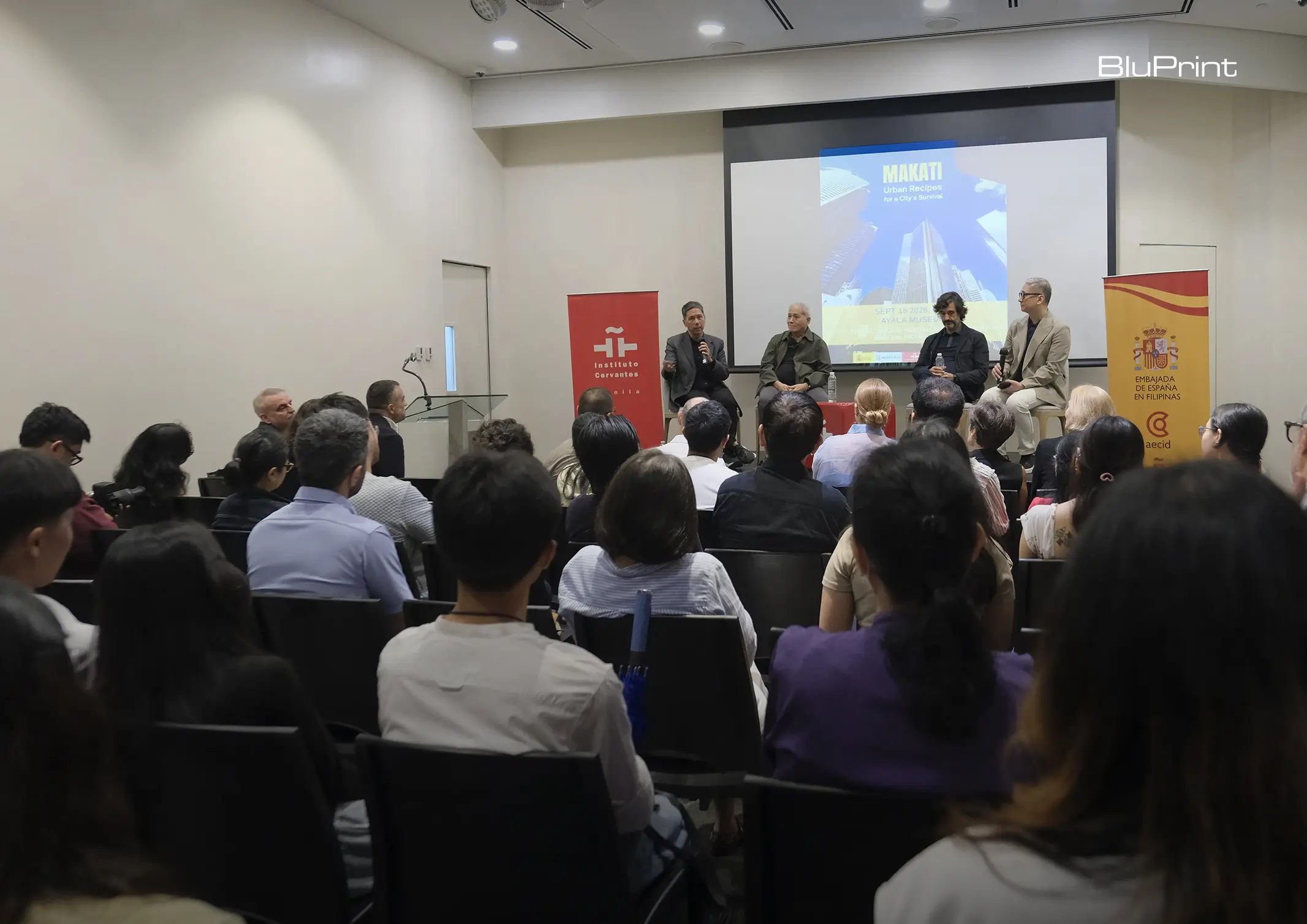
How can better-planned cities create the conditions for more creative, livable, and resilient urban environments? “Makati Urban Recipes for a City’s Survival,” a colloquium held at the Ayala Museum on September 15, brought together architects and practitioners from the fields of urbanism and the creative economy to discuss how design, planning, and collaboration can address […]
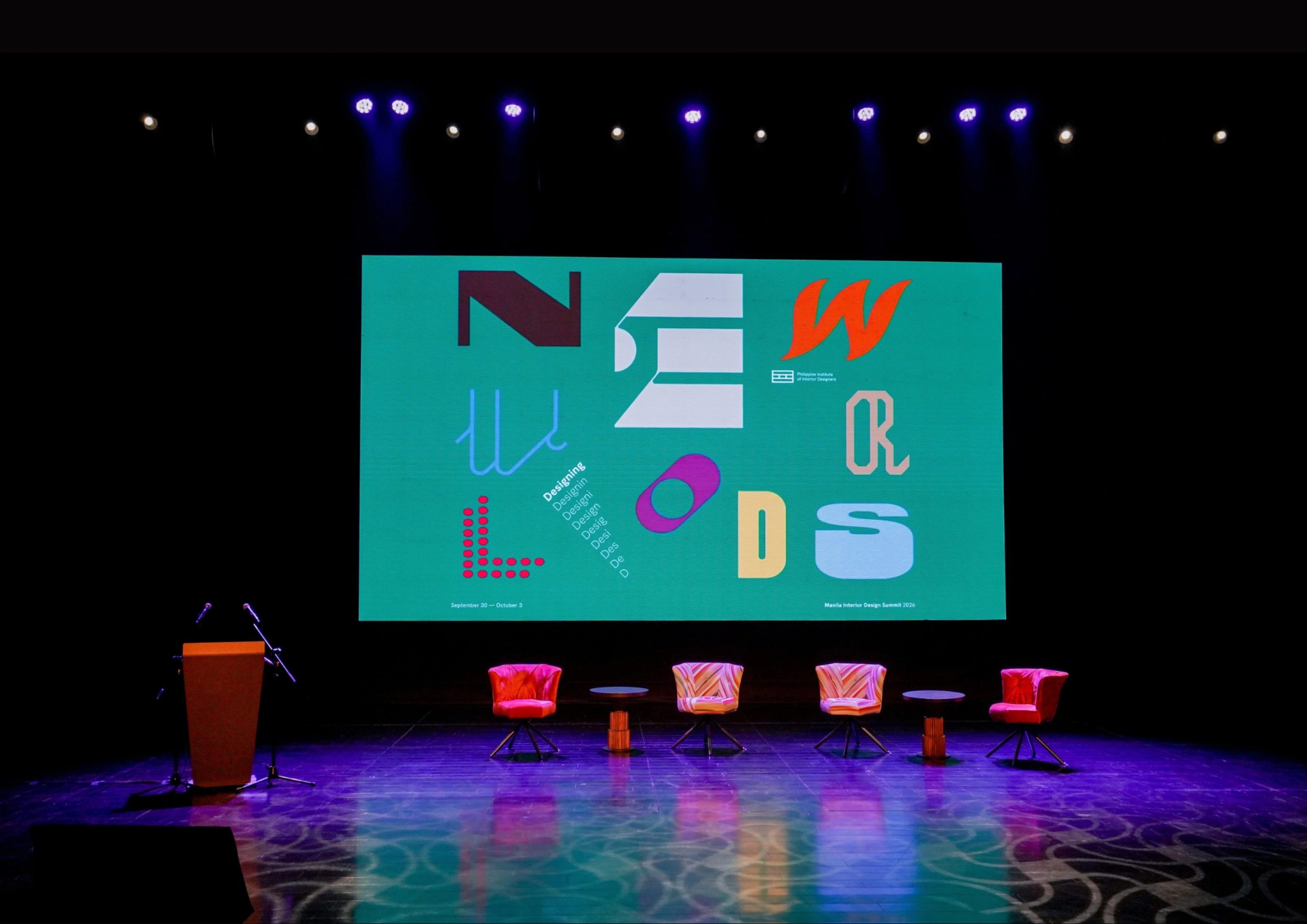
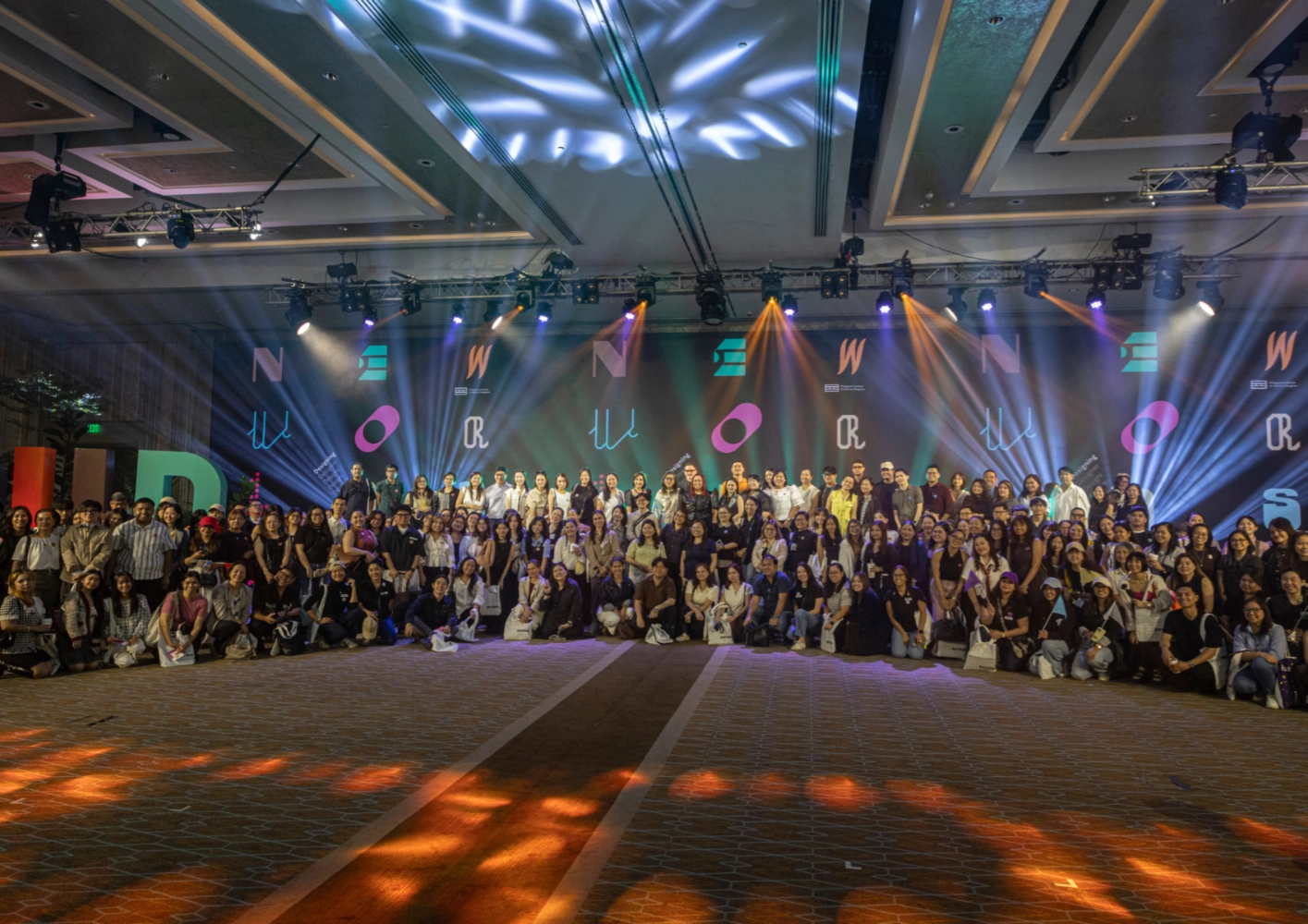
The fourth Manila Interior DesignInterior DesignThe discipline of planning and shaping interior spaces for function, comfort, safety, and beauty. It covers layout, lighting, materials, finishes, furniture, and color, and in the Philippines is a licensedGo to Interior Design Glossary Summit (MIDS) brought together more than 300 delegates for four days of conversations, exhibitions, and design […]
Read the issues.

Collect the volumes.

Recommended Video
Tap to Unmute
Unmute
0:00
0:00