“Buildings only become architectureArchitectureThe art and science of designing and constructing buildings, structures, and spaces that are functional, safe, and aesthetically pleasing. It encompasses the planning, design, materials, and techniques used to createGo to Architecture Glossary when they are shared,” said William Ti Jr., founder of the Anthology Festival and WTA Architecture and Design Studio, […]
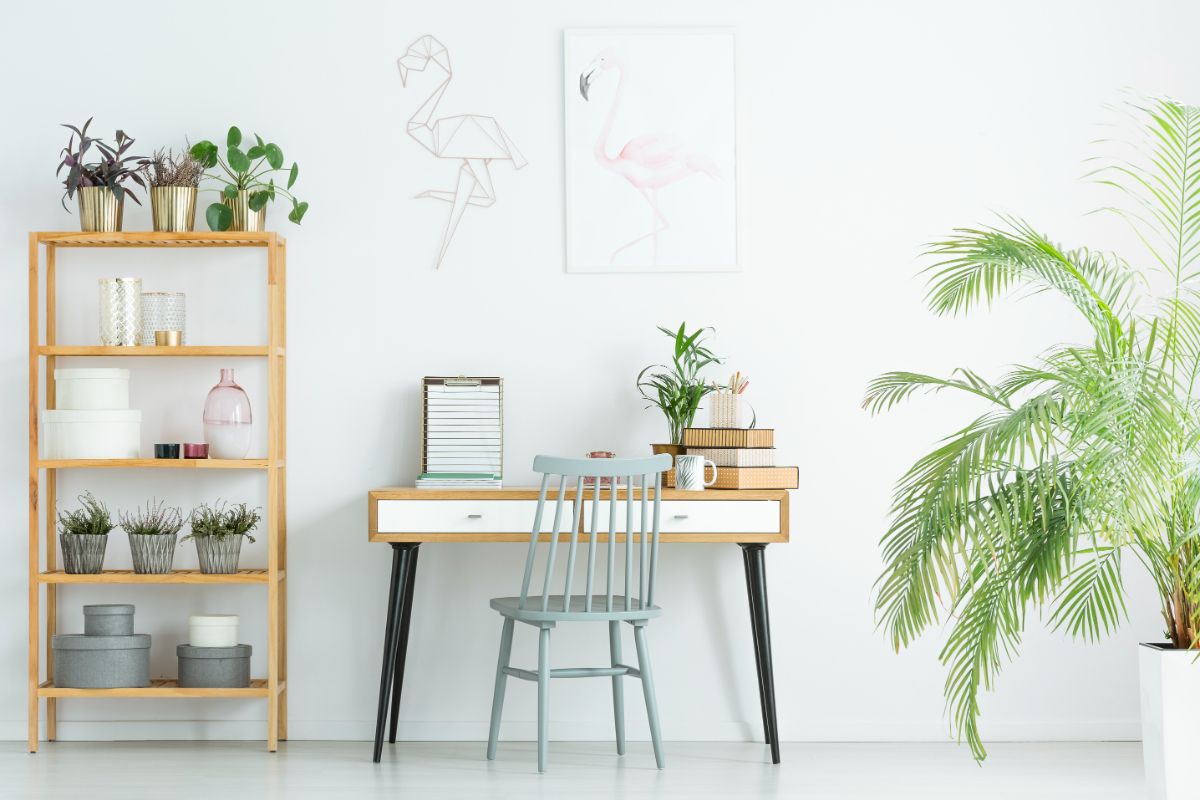
Going Hybrid? Here’s How to Create Your Ideal Home Office
Setting up a home office can be daunting task. Here are some tips to help you with the task at hand!



When the pandemic started, the home office became a necessity for creating clear lines between your work life and home life. Working from your bed became normalized and essentially created physical issues different from desk work.
The biggest concern is that working at home blurs the lines between work and relaxation. This lack of separation can be a major source of stress, as people struggle to unwind at home when their workspace is in their sleep environment.

Many people have returned to office at least partially, with Gallup reporting that 59% of workers prefer a hybrid set-up. And that may be good for when you’re at the office, but what if you’re working from home? The importance of a home office becomes even more apparent in this brave new world.
The Importance of a Home Office
Working from home requires you to have a dedicated space for yourself. A study found that many people tend not to have dedicated home offices, opting to work in communal areas or even from their beds instead. In these set-ups, up to 75% of people say that they feel discomfort from having to work there.

A home office doesn’t just separate work life from home life, but it can also increase your productivity. It’s effective in creating an area solely focused on work. It reduces distractions and allows you to hyper-focus on what needs to be done. If you need to finish different tasks, working from home improves your productivity significantly compared to office work.
With that in mind, how can you create the perfect home office set-up?
A Room of One’s Own?
A home office doesn’t necessarily need to be its own room in the house, especially if space is limited. A quiet area in the corner of your room with a desk and a chair can be enough for that to work. What you need to ensure about your space is three important things:
- It’s private enough that the noise from the rest of the house won’t bother you.
- There is enough space for everything you need, including a decent background for potential online meetings.
- The bed is far enough away from it that to delineate resting and working areas.
Using Ergonomics for Your Home Office
Make sure that your desk and chair are ergonomic and adjustable. Ergonomic chairs and desks can be bought, of course, to keep your back from slouching.
Ergonomic desks can have their height adjusted based on needs. You can adjust the height so that you won’t be slouching while you’re using it, with the monitor as close to eye level as possible. More importantly, you can adjust the height so it can turn into a standing desk, allowing you to stretch your muscles even as you focus on work.

But for folks who don’t necessarily have the budget for an expensive new chair or desk, you can make sure to make your home office ergonomic anyway. For desks, make sure you have enough space for your knees, and that there’s enough room for everything you need, from your mouse to your keyboard to your lamp.
For chairs, give yourself enough lumbar support for your back. It can be anything from pillows to something customized. As long as it gives strong support, it works. You also have to make sure that your chair lets your feet and elbows rest at a 90° angle, or to have a footrest if your desk or chair isn’t adjustable. This reduces the possibility of hurting your body in a long-term capacity.
Light Life
Another thing to consider when setting up your space is lighting. Dimly-lit offices affect your productivity just as much as fatigue and lack of privacy. People tend to find a sense of comfort in warmly-lit areas, but work better in whiter, cooler lighting.
If you can put your office next to the window, then do so. The natural light can be helpful in reducing the amount of stress you feel from work, and having a view of the outside can help with morale as well.
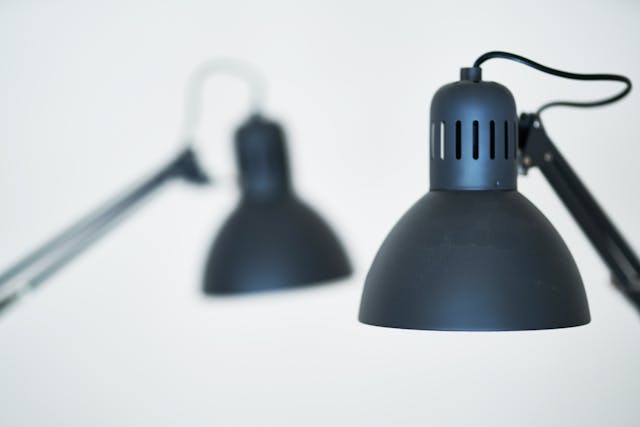
What if your house has no windows that can accommodate an office? You can get a lamp that can switch between warm and cool tones depending on what you need to be productive at the moment. If you need to focus attention on work, you can easily switch to cool lighting, then switch to warmer lighting when you need to transition towards a relaxing environment.
Plants and Personalization
The best thing about home offices is how much you can personalize it in comparison to regular offices. You can adjust your workplace so that it’s all the comforting things that help you work, whether that means a burst of color or a super bare space with nothing but the essentials.
The best suggestion for home offices are plants. Indoor plant life can increase happiness in the workplace by over 15%, enough that it makes a difference in your mood.

But beyond that other ideas can be utilized to better use a space. Have you thought about a snack corner so you have something to munch on while you work? How about a shelf full of pictures or collectibles to give you joy? The personalization list is endless, and working from home grants you a modicum of freedom not seen in normal offices.
Marrying Comfort and Productivity
However you might choose to go about this, whether it’s a small corner or a big room, just remember that your home office is made for comfort and productivity. And no matter what your productivity needs are, comfort takes precedence in designing your home. Look at the essentials, and then find the best ways for you from there.
Related reading: Emerging Architects Studio’s Hybrid Office Meets New Normal Work Dynamics

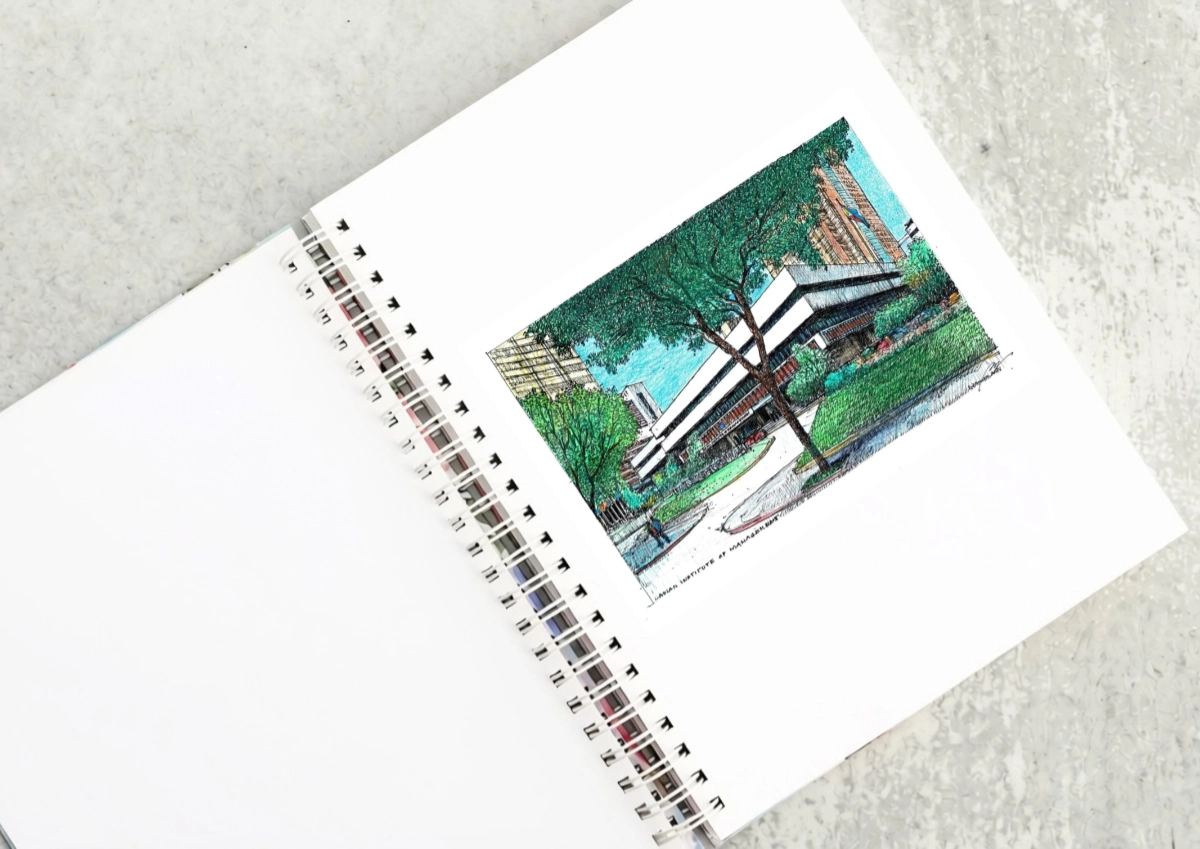
A Filipino Interpretation of Modernist Architecture Unlike the rest of Makati today, the northern end of Paseo de Roxas in Makati is anchored by a low complex rather than a tall skyscraper. This is the elegant Asian Institute of Management, designed by architect Gabriel Formoso and completed in 1971. In my opinion, the building is […]

“Thailand has claimed urban creativity and livability. Singapore has institutional design leadership. Indonesia is emerging as a design hub. Vietnam is moving into design innovation. And the Philippines? Its position is not weak. It is simply unclaimed.” For IDr. Cecil Ravelas, National President of the Philippine Institute of Interior Designers (PIID), the challenge is not […]
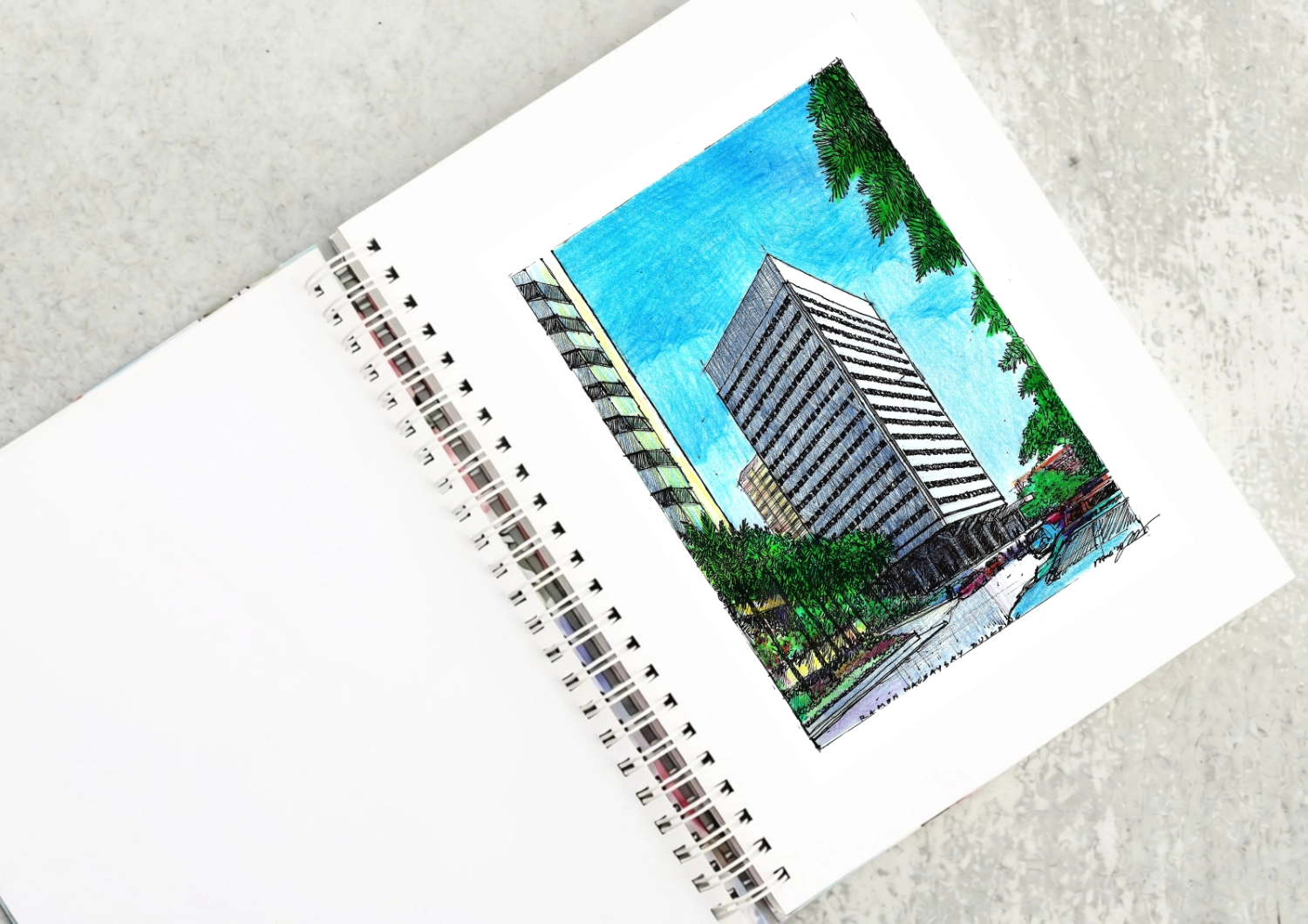
The Ramon Magsaysay Center as a Modernist Landmark Driving down Roxas boulevard from Rizal Park, what will catch your eye is the most elegant modernist structure in the country, the Ramon Magsaysay Center. Most established Filipino architects put it in their top ten lists of favorite buildings. It was designed by Alfredo J. Luz, who […]

Rinna Soriano’s favorite part of her work is sanding. At her workbench, she stays focused, following the grain, adjusting to changes in its direction. Narra, she has learned, can have interlocking grain. A piece of mango once proved particularly difficult until a worker explained that she had reached the point where a branch once grew […]
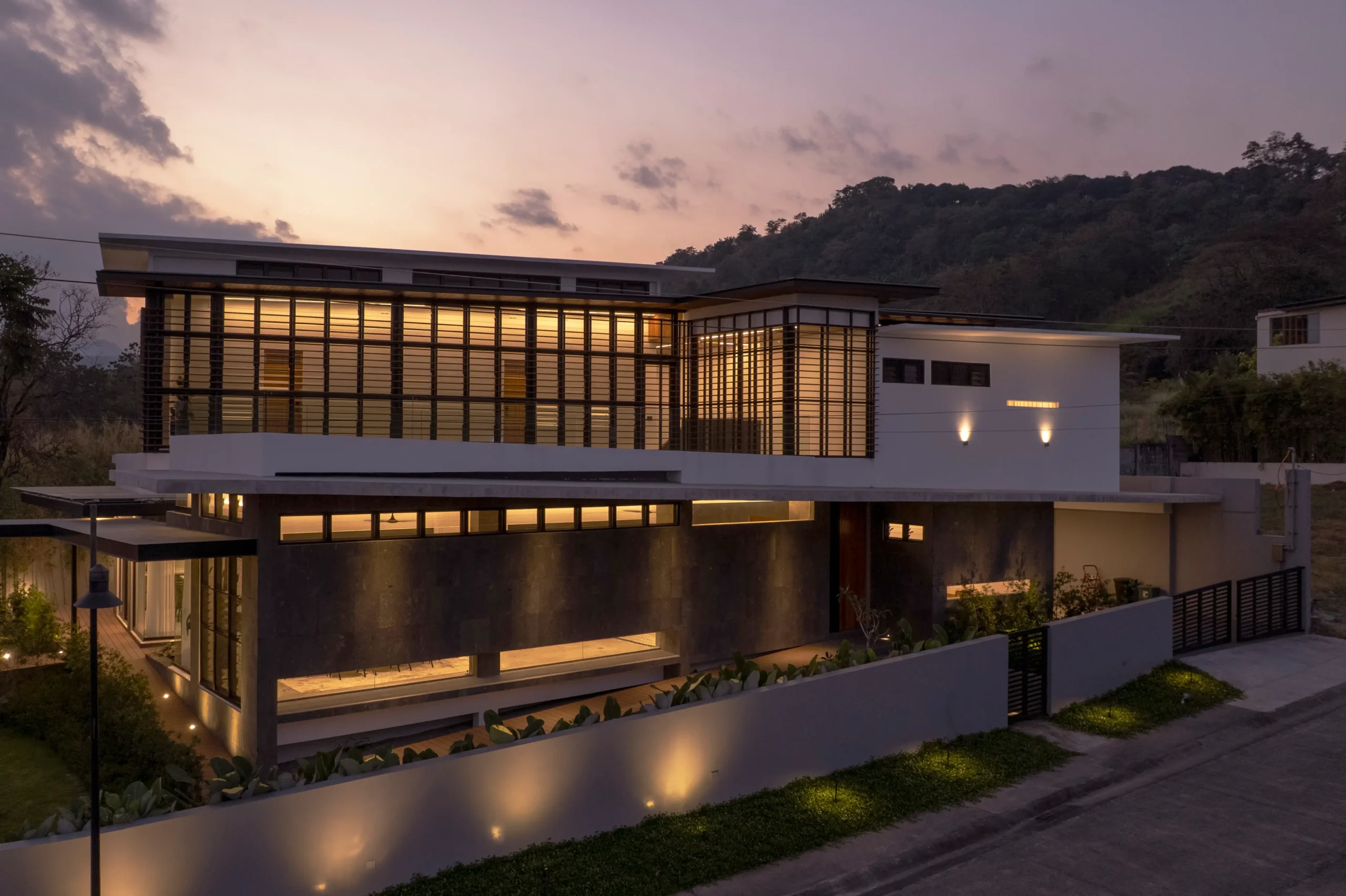
Filipino architectureArchitectureThe art and science of designing and constructing buildings, structures, and spaces that are functional, safe, and aesthetically pleasing. It encompasses the planning, design, materials, and techniques used to createGo to Architecture Glossary has long been associated with indigenous materials and vernacular design strategies, from bamboo and timber construction to jalousie windows, generous spaces, […]
Read the issues.

Collect the volumes.

Recommended Video
Tap to Unmute
Unmute
0:00
0:00