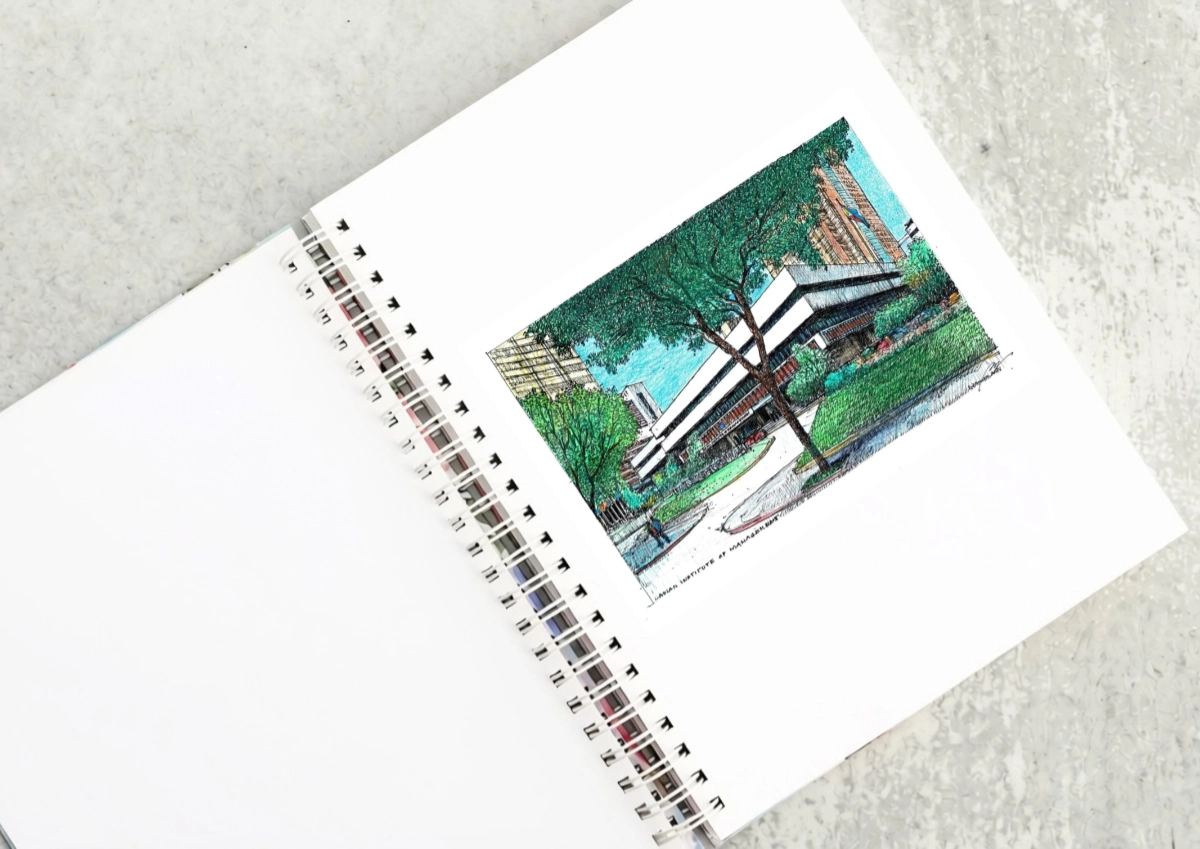
A Filipino Interpretation of Modernist Architecture Unlike the rest of Makati today, the northern end of Paseo de Roxas in Makati is anchored by a low complex rather than a tall skyscraper. This is the elegant Asian Institute of Management, designed by architect Gabriel Formoso and completed in 1971. In my opinion, the building is […]
Dissecting Our Use of Technology in Art with Comilang and Speiser



Artistry has evolved beyond sculptures and canvas paintings as more and more artists find themselves adopting new technology. With that in mind, how are artists adapting to the changing times?
This was the prevailing question for artists Stephanie Comilang and Simon Speiser during their talk at Silverlens Gallery on April 27. Moderated by artist and curator Ian Carlo Jaucian, the discussion centered primarily on Piña, Why is the Sky Blue?, a collaborative work by Comilang and Speiser currently exhibiting in Silverlens Manila.
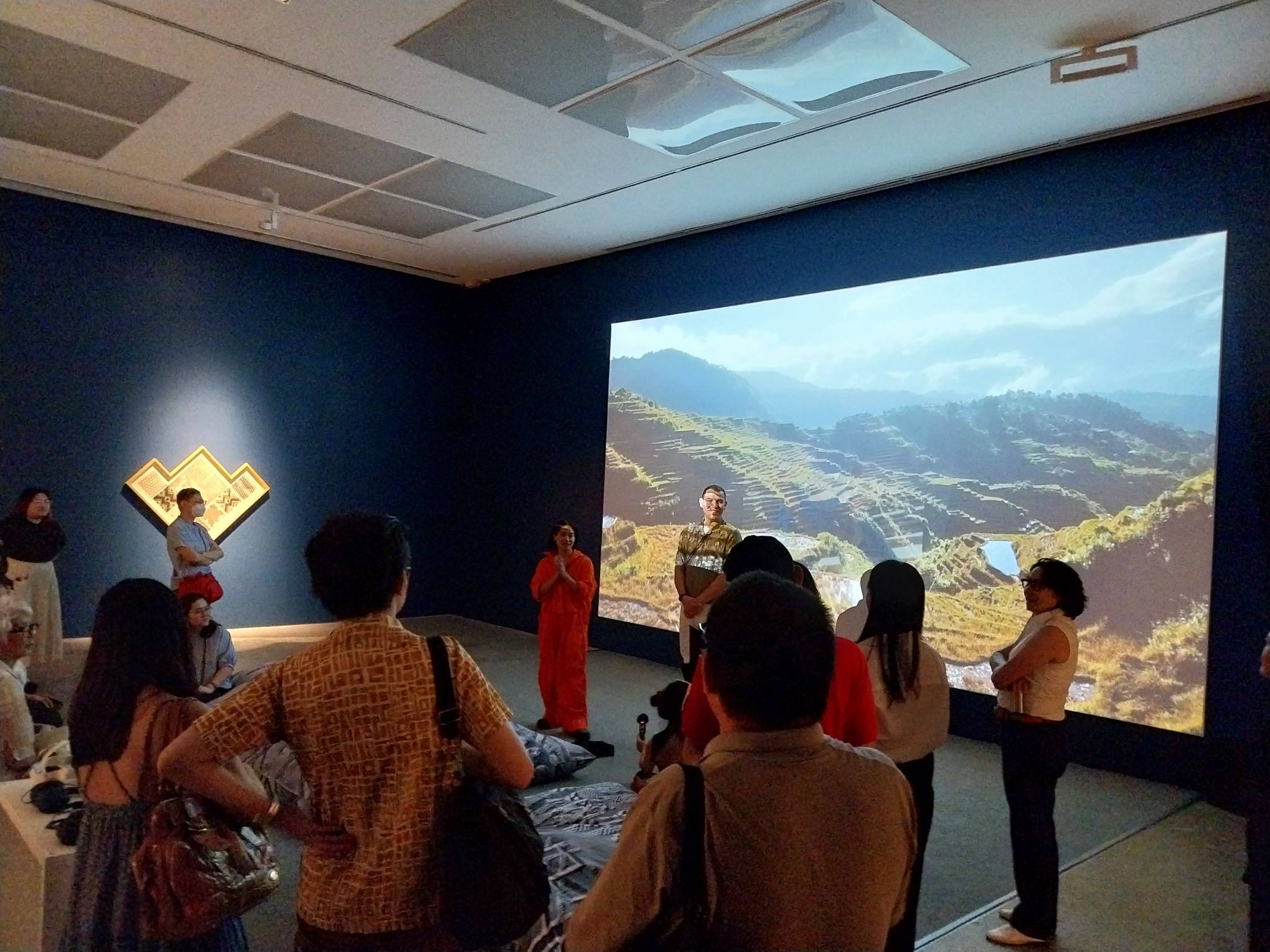
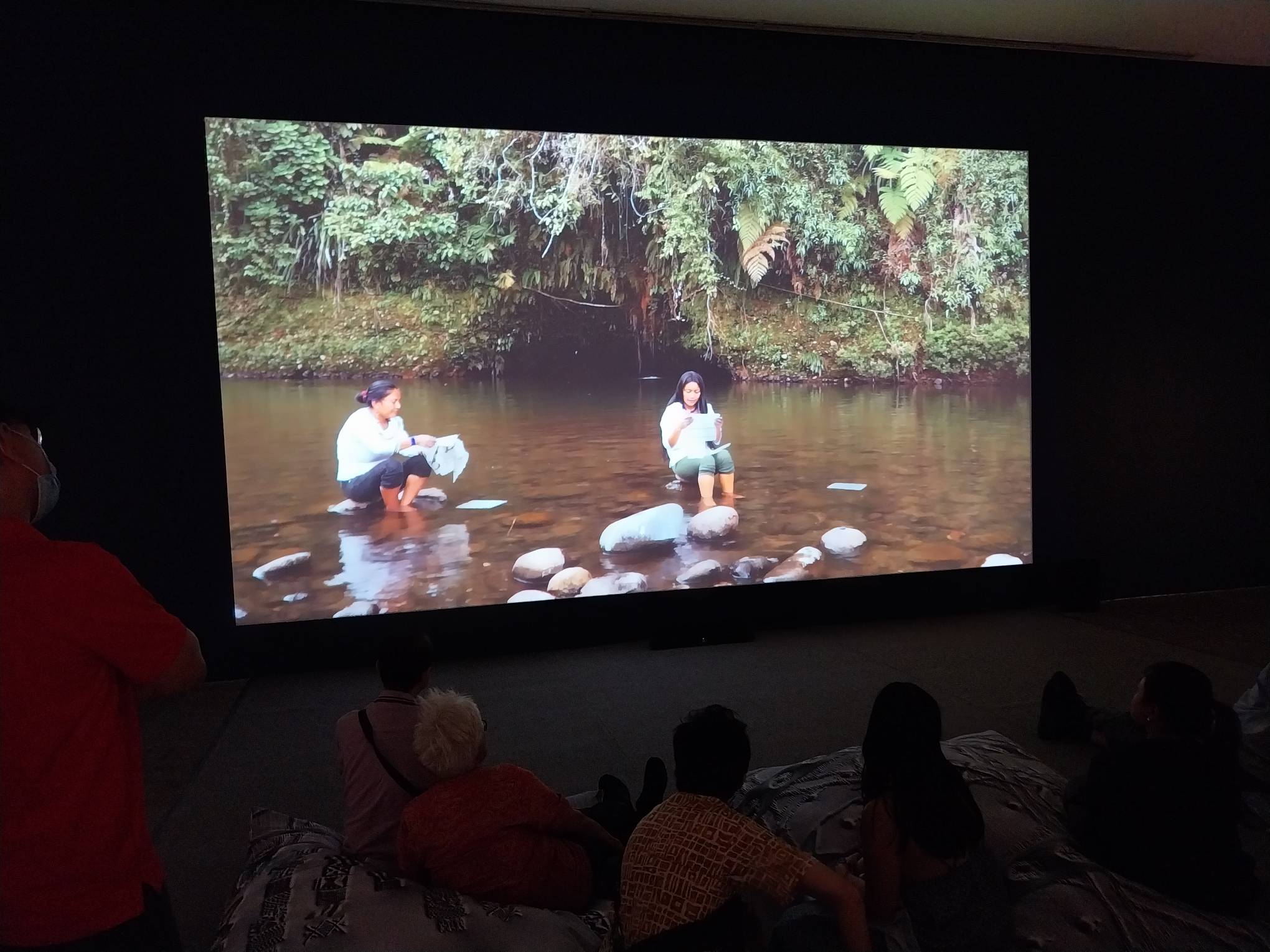
The work, as we detailed, deploys technology like VR headsets and 3D printing to immerse audiences to the work. It creates questions on the work itself, and makes us wonder about the future of technology in art. The discussion also comes at a time where we continue to grapple with new technologies encroaching on us faster than we can adapt them.
Weaving Technology into Art
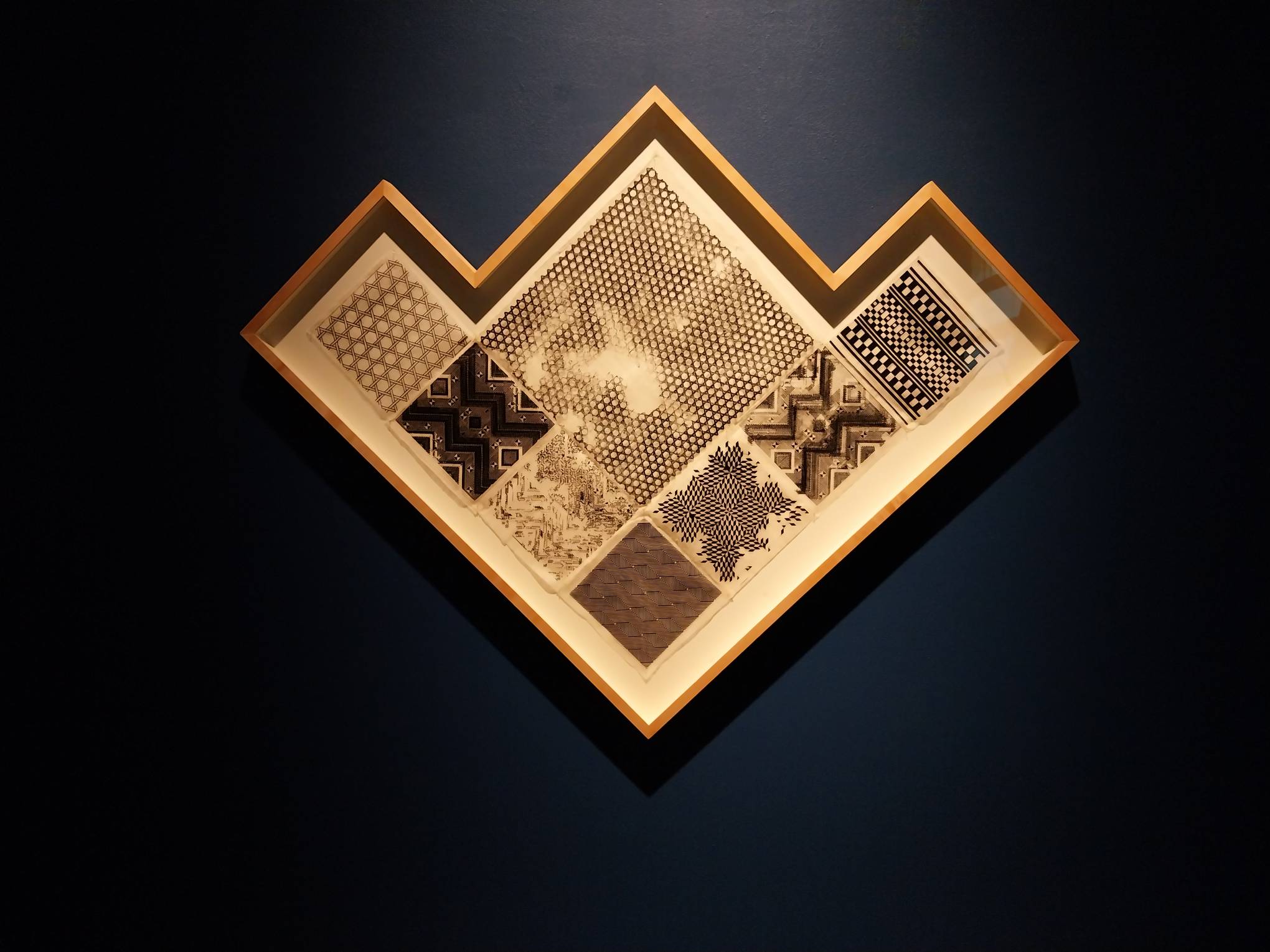
During the talk, the audience put a lot of focus on the weavings themselves, which were 3D printed and put together by the two artists. Comilang and Speiser said that the idea for the weavings came before the filming of the documentary. They wanted something that represented the knowledge of humanity, and they saw weaving as a fundamental early version of storytelling.
The two created many of the patterns through machine learning. They also adapted patterns from the different indigenous tribes they visited in Ecuador and the Philippines.
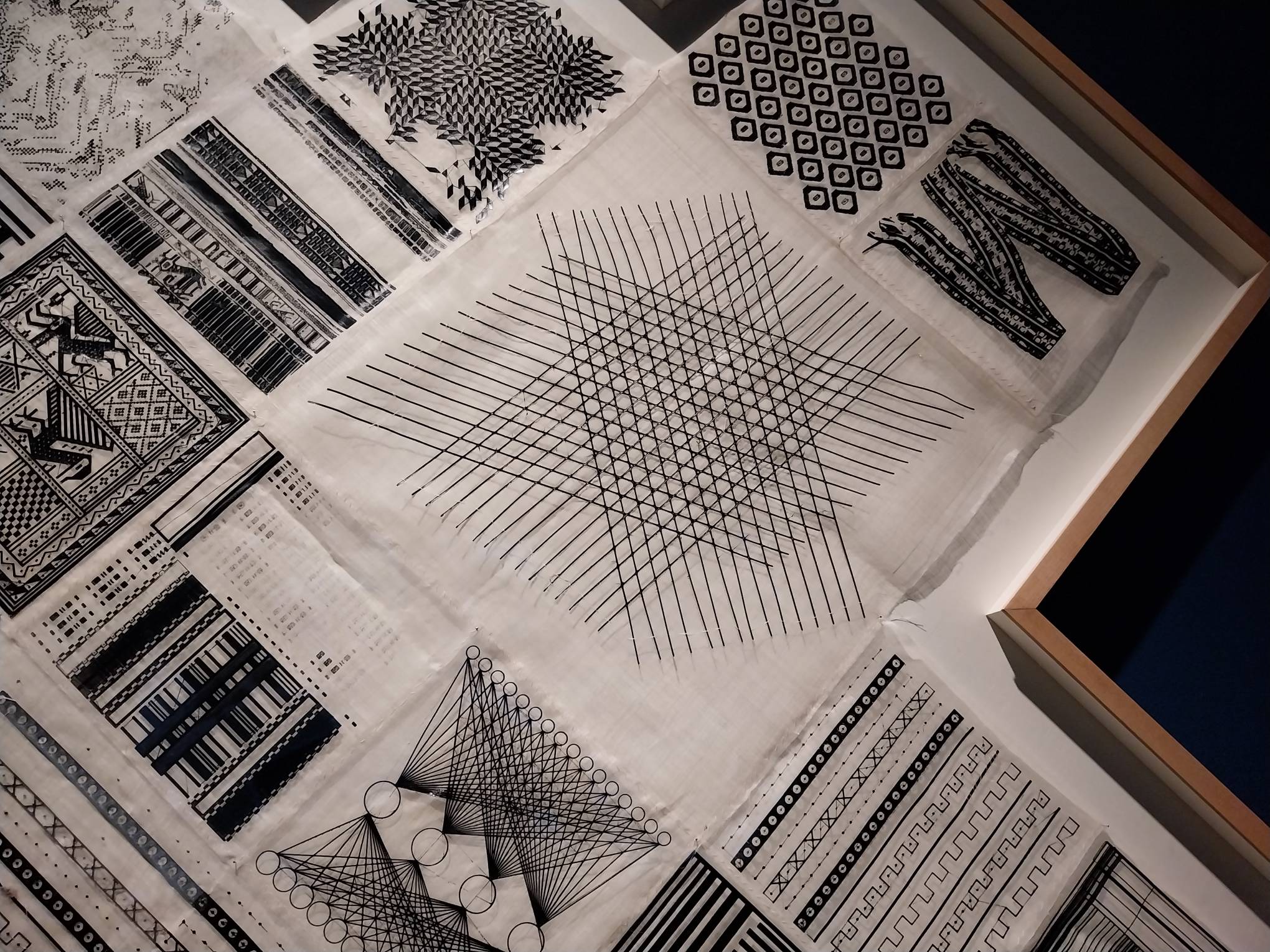
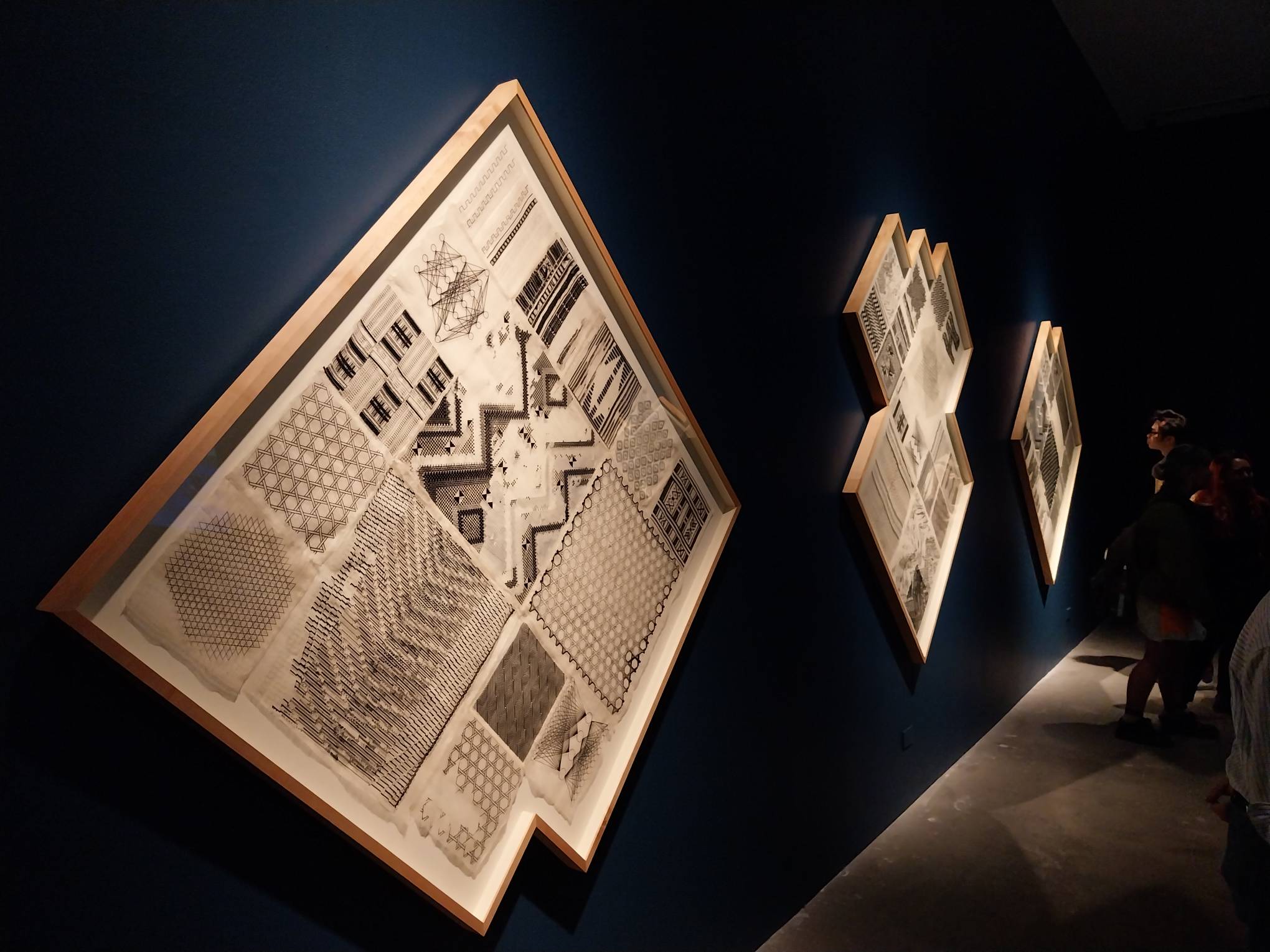
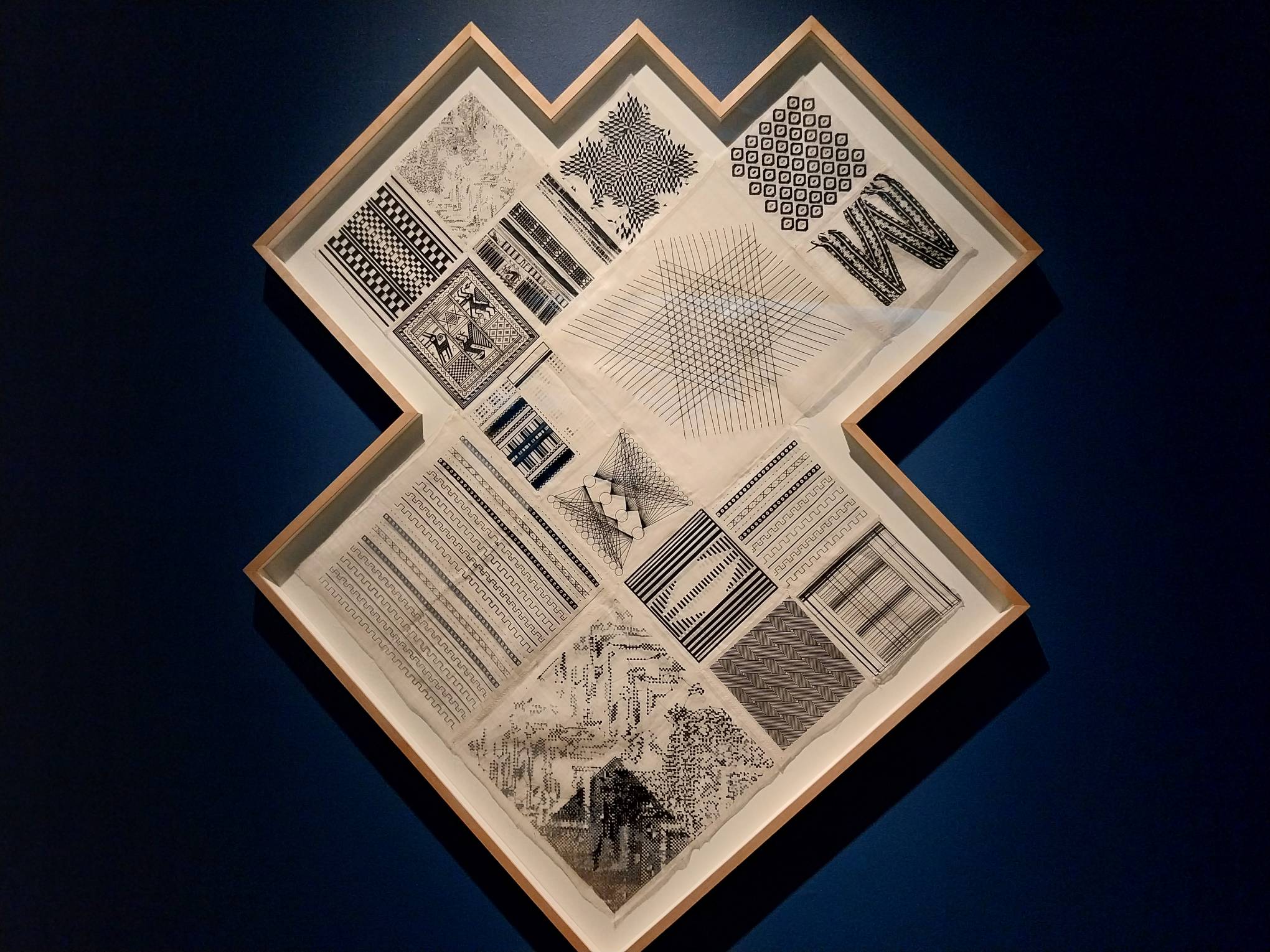
An audience member explicitly connected the new methodology of 3D printing to the origins of many technologies of weaving itself: coding and many other computer technologies of today were largely influenced by looms in the past that stored data through punch cards utilizing binary code.
Comilang and Speiser remarked that they weren’t specifically inspired by these ideas. Instead, they wanted to acknowledge weaving patterns’ role in society as a way of telling stories and maintaining a culture’s traditions through those ideas.
VR and Intimacy
As Piña, Why is the Sky Blue? centers a lot on the idea of preservation of information, the use of VR technology for the exhibit was probed.
For exhibitions in other galleries and museums, Comilang and Speiser had to discuss with curators regarding the necessity of the VR headsets for the exhibit. Should they stock up on the headset? Is it OK to update it with newer headsets and technologies?
Those questions of how we preserve art are apt for a work that questions how traditional information can be preserved with modern-day technologies. The two artists said that they believe that the technology can be updated if it preserves the core experience.
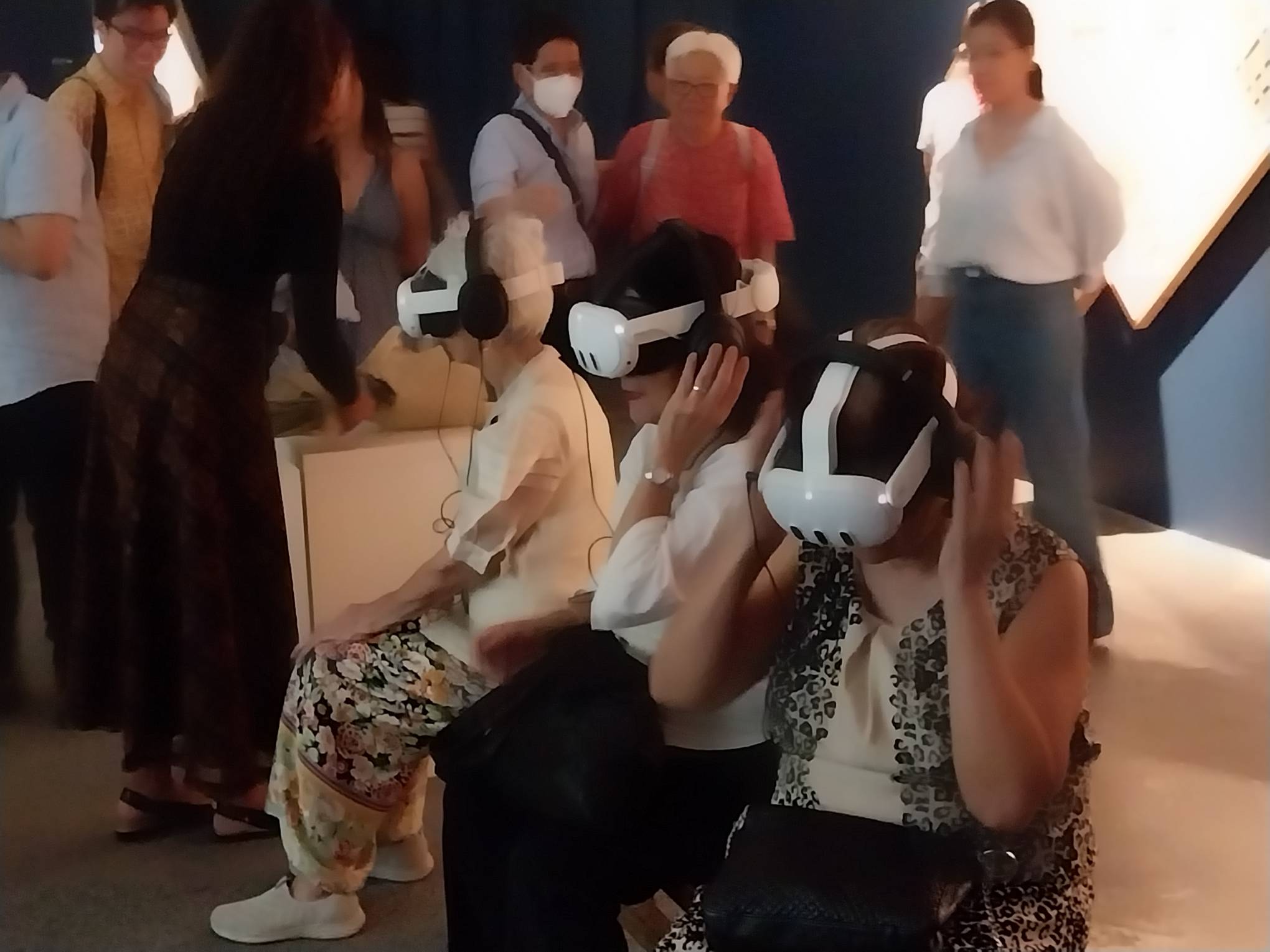
And what is that core experience? Comilang said that it was how VR gives the audience a one-on-one connection with the character Piña. The closeness and intimacy of the technology allows us to create an emotional attachment with the character in a way that typical film formats are unable to do. If they do decide to update the exhibit’s technology, it’s likely they’ll do so with one that fosters that same intimacy with the audience.
How We See The Past, How We See The Future
Comilang and Speiser found that the work’s themes emerged as they conducted more research in the two countries. They saw how the indigenous tribes there mixed modern technology with tradition. One of the people featured on the documentary portion, the Cyber Amazonas, utilized YouTube as a way of spreading and preserving their tribe’s past and traditions on the Internet.
They also saw how doctors in the area would mix Western medicine together with traditional medicine. Shamans in doctor coats would help patients by rubbing guinea pigs on them. This transfers some of the bad energy to the animal and helping them understand what’s wrong with the patient.
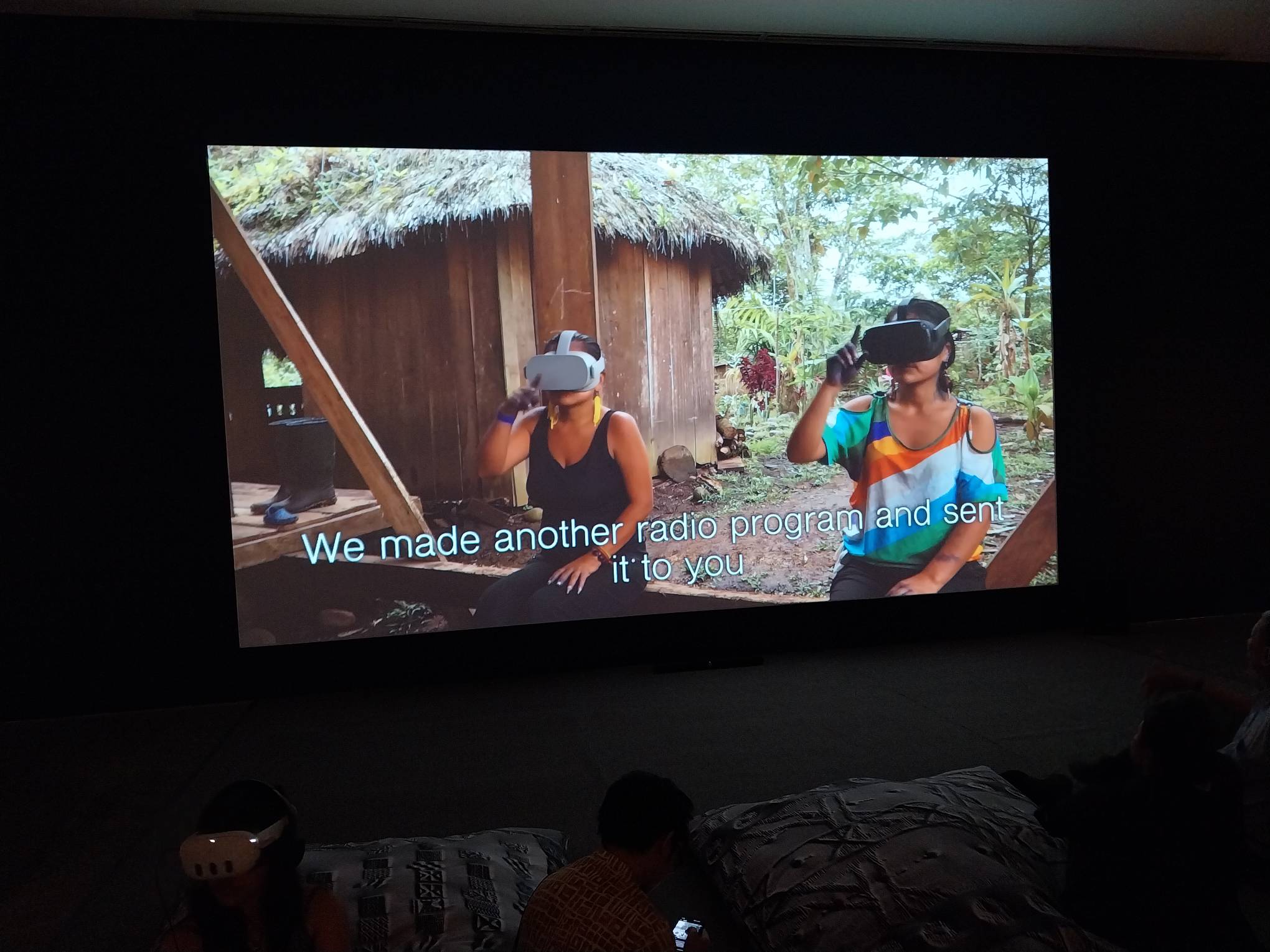
The two artists see technology in art not as a destroyer of civilization, but rather as something that can allow the further involvement and deployment of marginalized communities in art creation.
Technology in art evolves us further, and allows us to see ideas and points that we otherwise would not be privy to without it. Piña, Why is the Sky Blue? provides a great study for this: art is about finding the humanity in the technology we use, not the technology itself.
The exhibit is showing in Silverlens Manila until May 25.
Related reading: Contemporary Arts in the Philippines: An Introduction
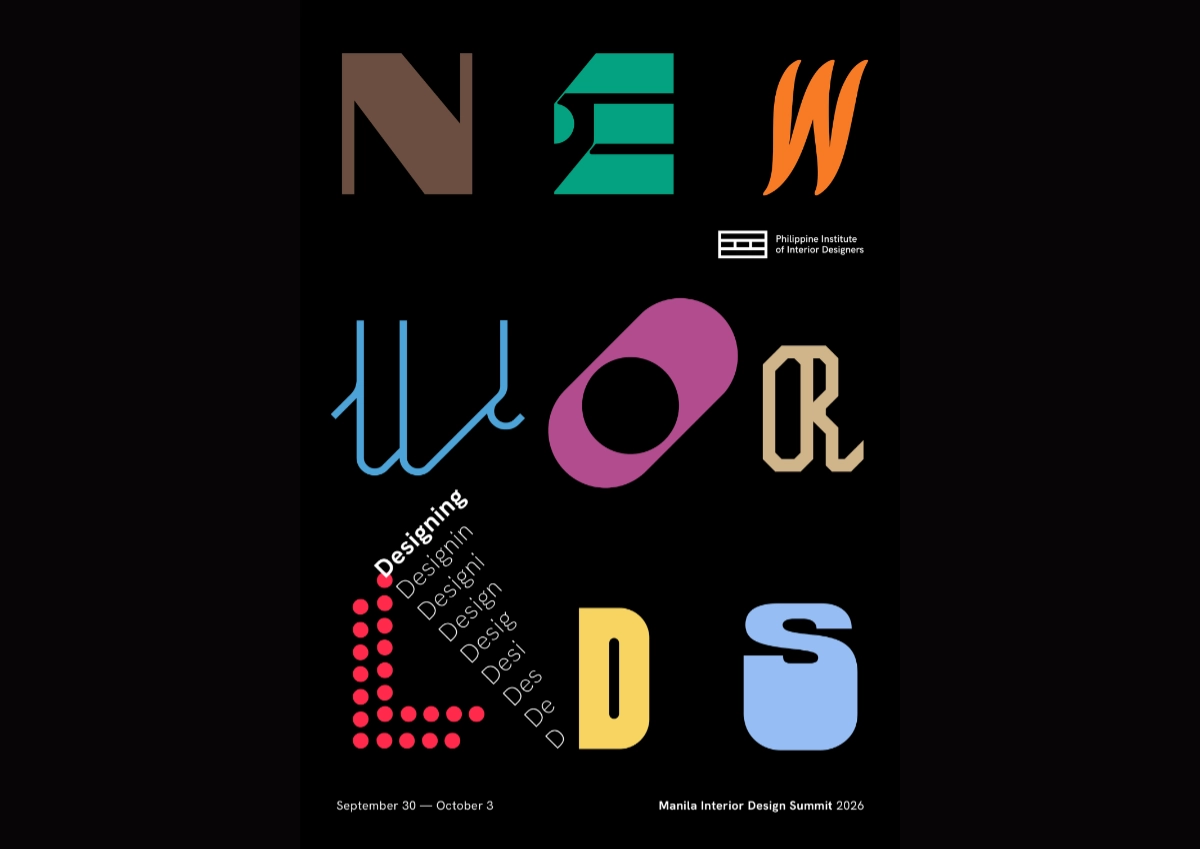
“Thailand has claimed urban creativity and livability. Singapore has institutional design leadership. Indonesia is emerging as a design hub. Vietnam is moving into design innovation. And the Philippines? Its position is not weak. It is simply unclaimed.” For IDr. Cecil Ravelas, National President of the Philippine Institute of Interior Designers (PIID), the challenge is not […]
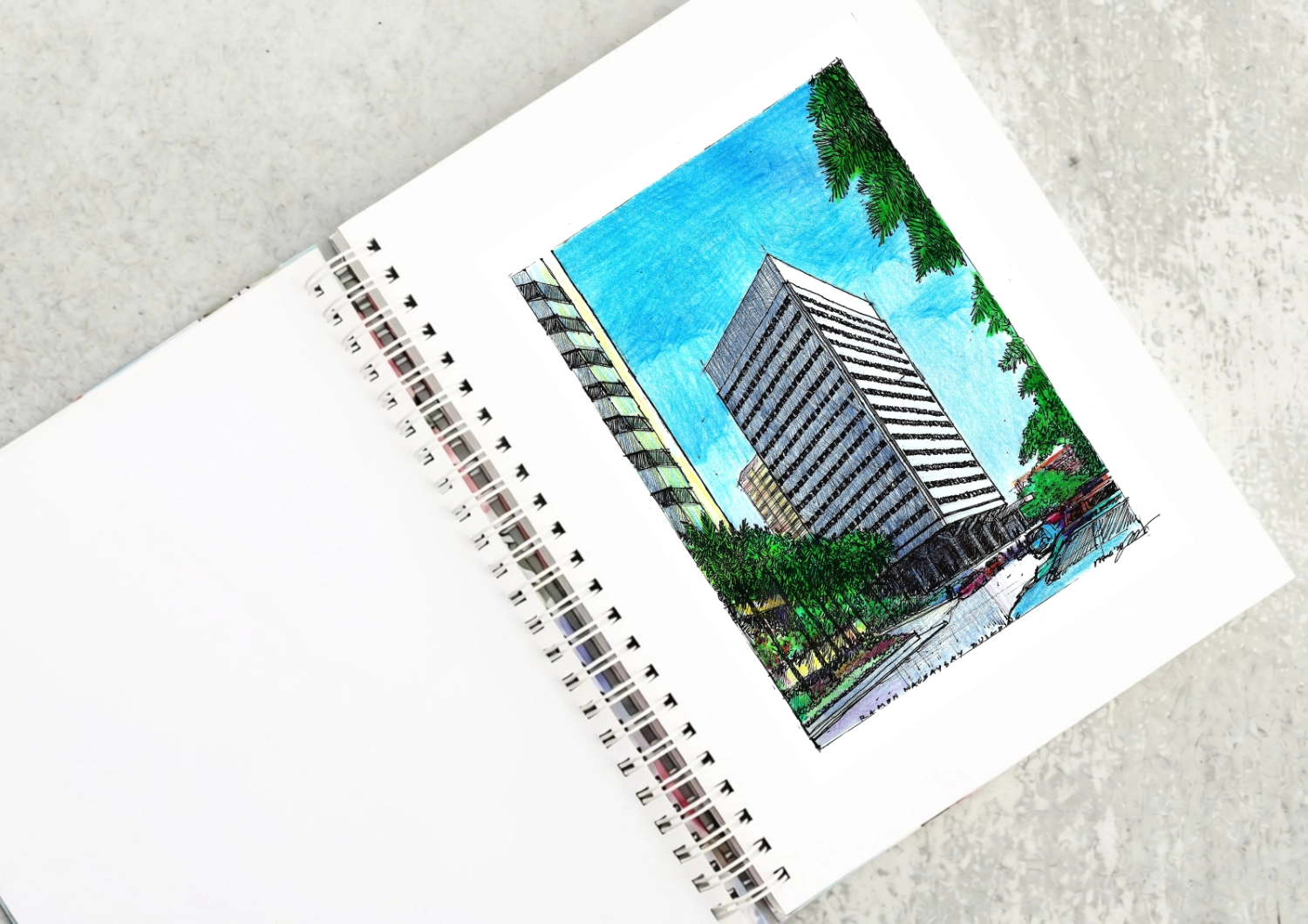
The Ramon Magsaysay Center as a Modernist Landmark Driving down Roxas boulevard from Rizal Park, what will catch your eye is the most elegant modernist structure in the country, the Ramon Magsaysay Center. Most established Filipino architects put it in their top ten lists of favorite buildings. It was designed by Alfredo J. Luz, who […]

Rinna Soriano’s favorite part of her work is sanding. At her workbench, she stays focused, following the grain, adjusting to changes in its direction. Narra, she has learned, can have interlocking grain. A piece of mango once proved particularly difficult until a worker explained that she had reached the point where a branch once grew […]
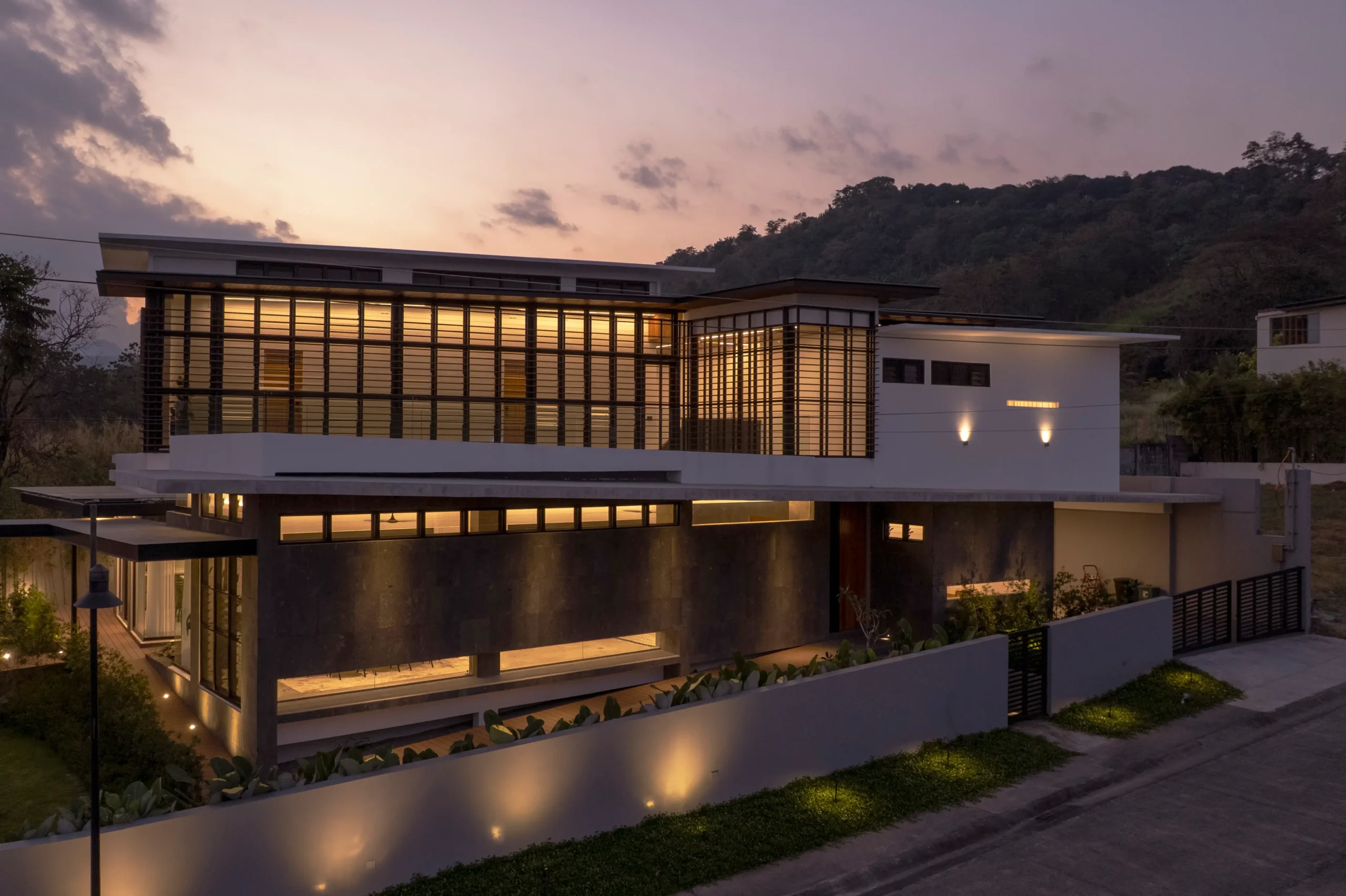
Filipino architectureArchitectureThe art and science of designing and constructing buildings, structures, and spaces that are functional, safe, and aesthetically pleasing. It encompasses the planning, design, materials, and techniques used to createGo to Architecture Glossary has long been associated with indigenous materials and vernacular design strategies, from bamboo and timber construction to jalousie windows, generous spaces, […]
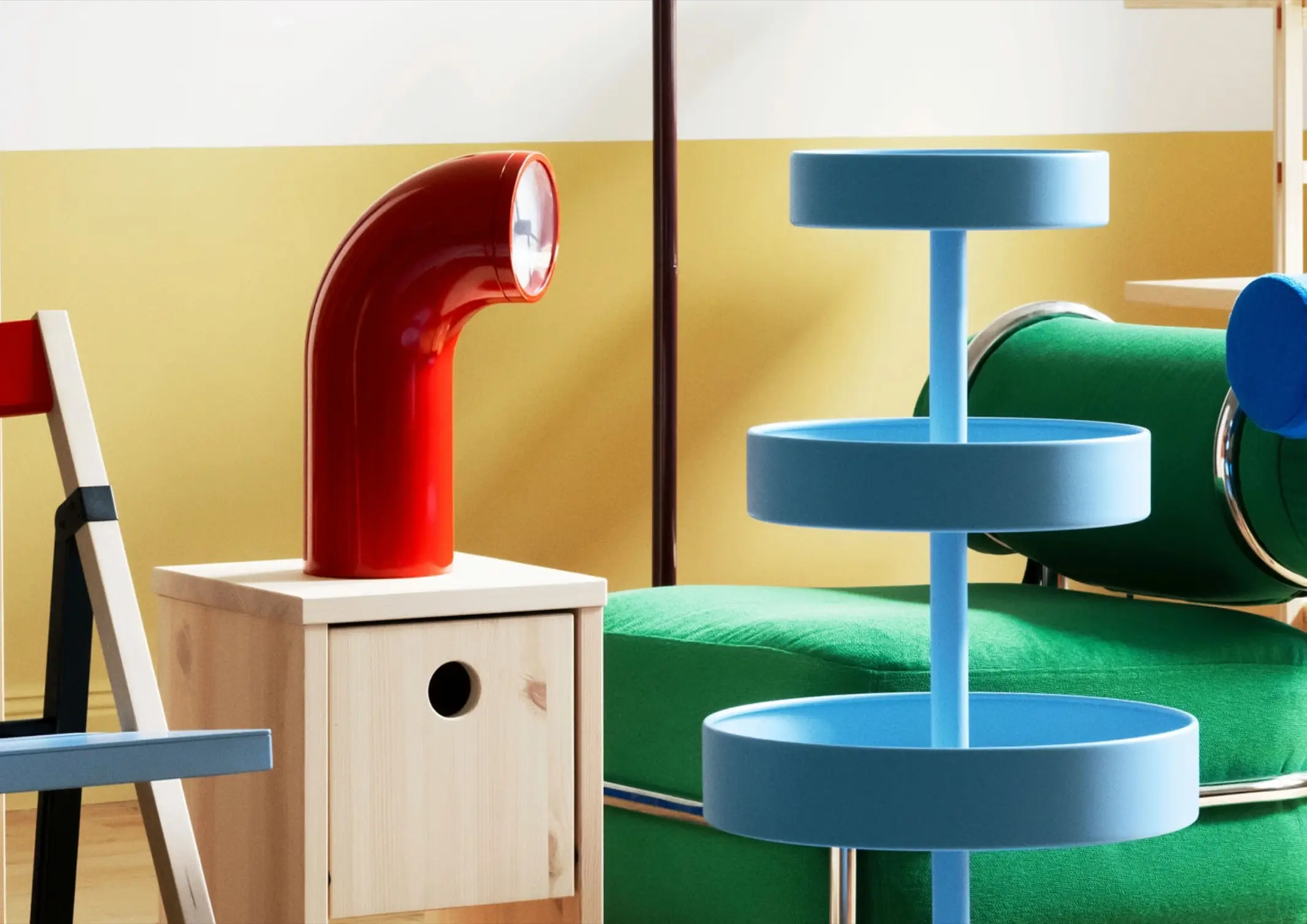
A chair does not always prescribe how to sit in it. A lamp can be more than a source of light. A clock can be more than a way to tell the time.These small departures from convention are at the center of IKEA PS 2026. The latest iteration of IKEA’s experimental PS series comprises more […]
Read the issues.

Collect the volumes.

Recommended Video
Tap to Unmute
Unmute
0:00
0:00