Rinna Soriano’s favorite part of her work is sanding. At her workbench, she stays focused, following the grain, adjusting to changes in its direction. Narra, she has learned, can have interlocking grain. A piece of mango once proved particularly difficult until a worker explained that she had reached the point where a branch once grew […]
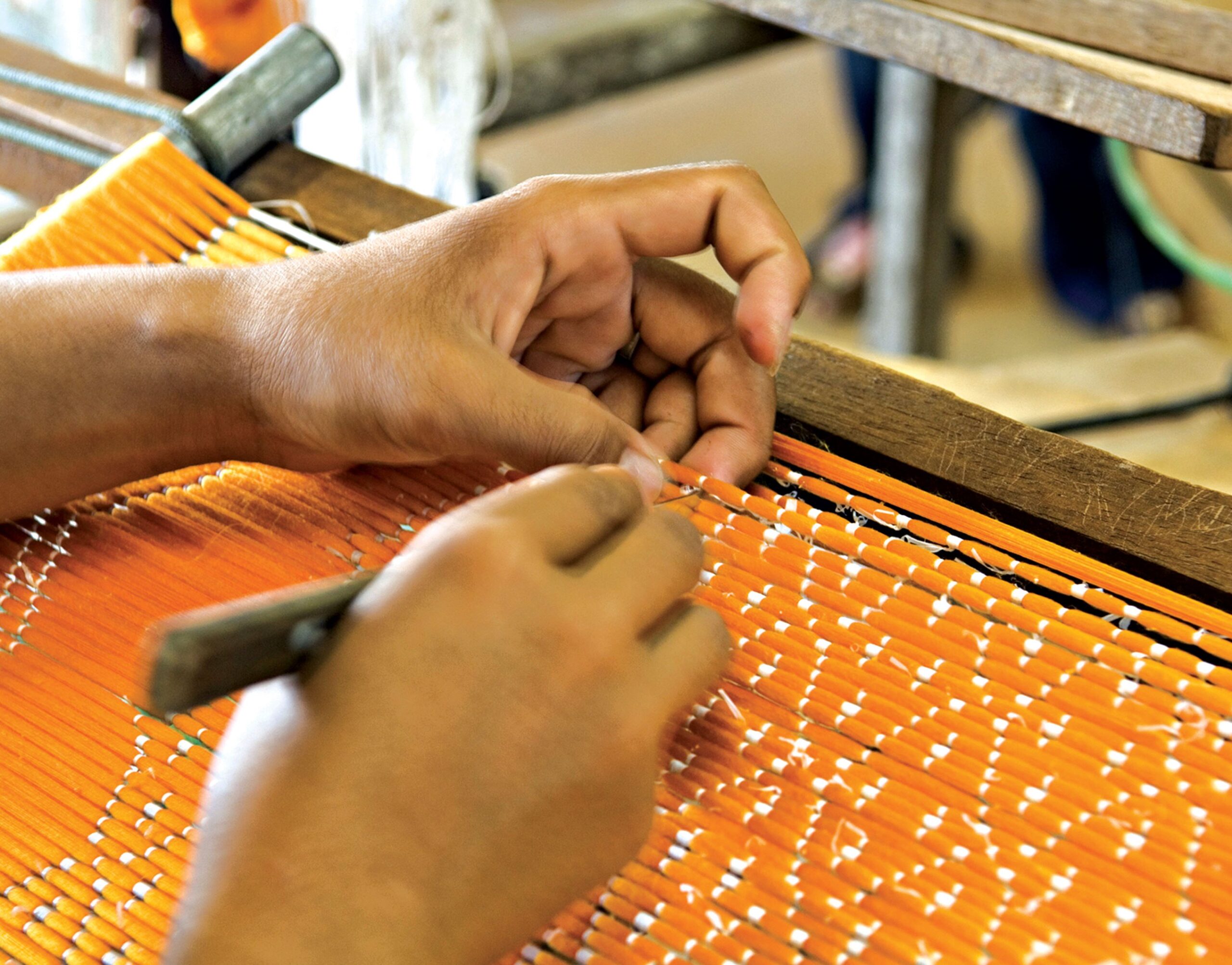
Ikat Fabrics: Integrating Handwoven, Colorful Textiles in Modern Interiors



Ikat fabrics are among the oldest forms of textile art celebrated and exercised around the globe. It encompasses a meticulous process of resist-dyeing individual yarns before weaving them together, resulting in its signature pattern. This ancient technique transforms simple threads into breathtaking works, and can bring a colorful and dynamic effect to your interiors. Today, ikat remains relevant as a distinctive element in modern decor. We delve into its history and show you how to incorporate them into your space.
How Ikat Came to Be
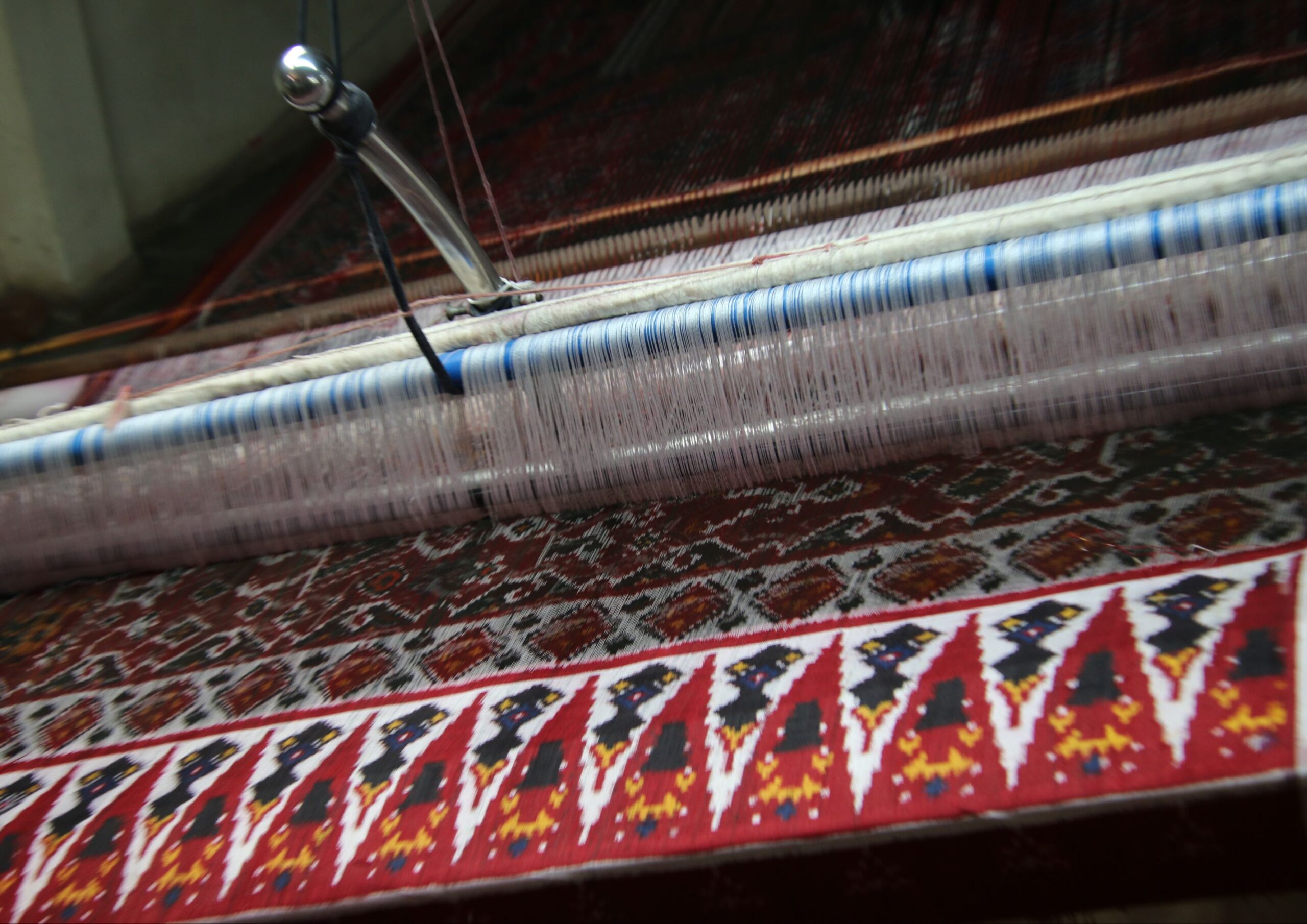
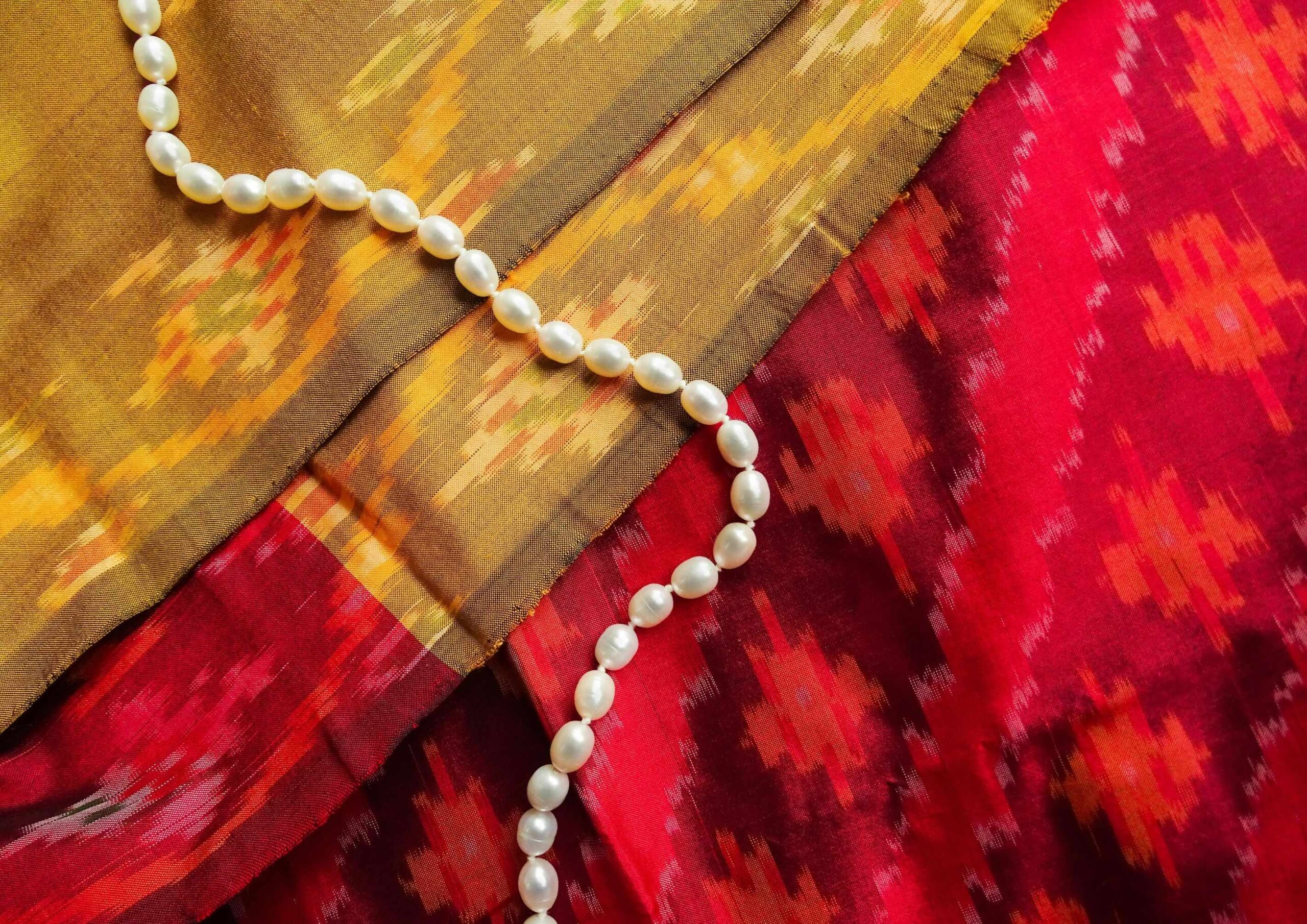
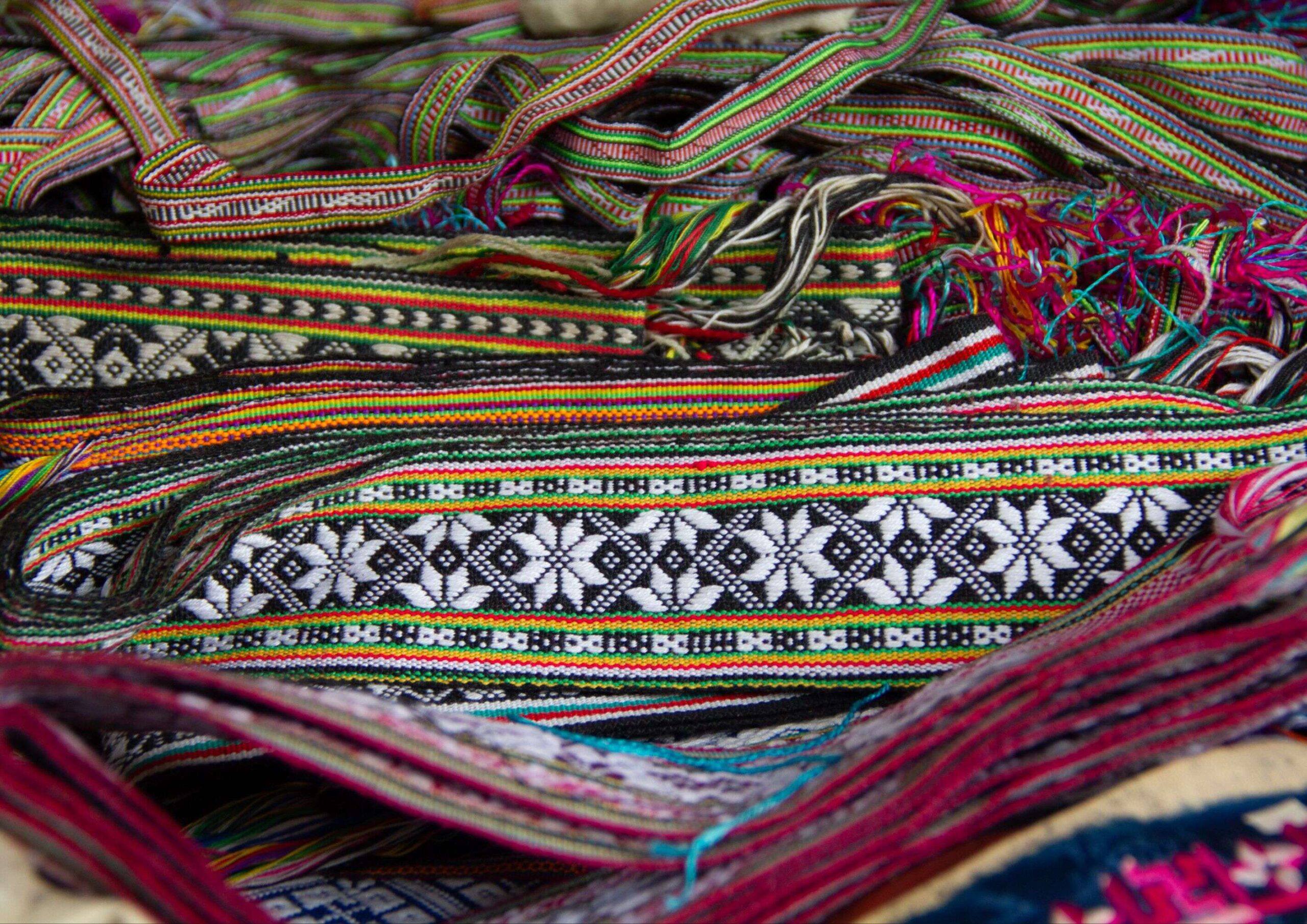
Originating from the Malay-Indonesian word ‘mengikat,’ meaning to tie, knot, or bind, ikat employs a different resist-dyeing process than conventional techniques. Instead of dyeing the woven fabric as a final step like in batik, shibori, or tie-dye, ikat involves dyeing the yarn threads before the weaving even begins.
These threads are first tied into a frame and individually wrapped in bundles. To simplify the binding process, ikat artisans fold the thread bundles in pleats either horizontally or vertically. They then wrap the pleated bundles to create the desired pattern before soaking them in dye. Afterwards, artisans arrange the dyed threads on a loom as warp or lengthwise yarn threads. Then, they use thin bamboo strips to maintain the alignment of the threads during weaving.
Ikat is believed to have emerged in Southeast Asia during the New Stone Age. But the oldest unearthed evidence dates back to at least 5,000 years old in a Pharaoh’s tomb. Some studies even suggest this art form grew independently in Central Asia, India, and South America before and during the Middle Ages.
Although its origins are not precisely known, the most concentrated practices are in Indonesia, where it received its current name. It remains a prevalent technique today, particularly in Laos, Northern Vietnam, Hanan, Malaysia, Timor-Leste, Brunei, and the Philippines.
Ikat in Various Forms
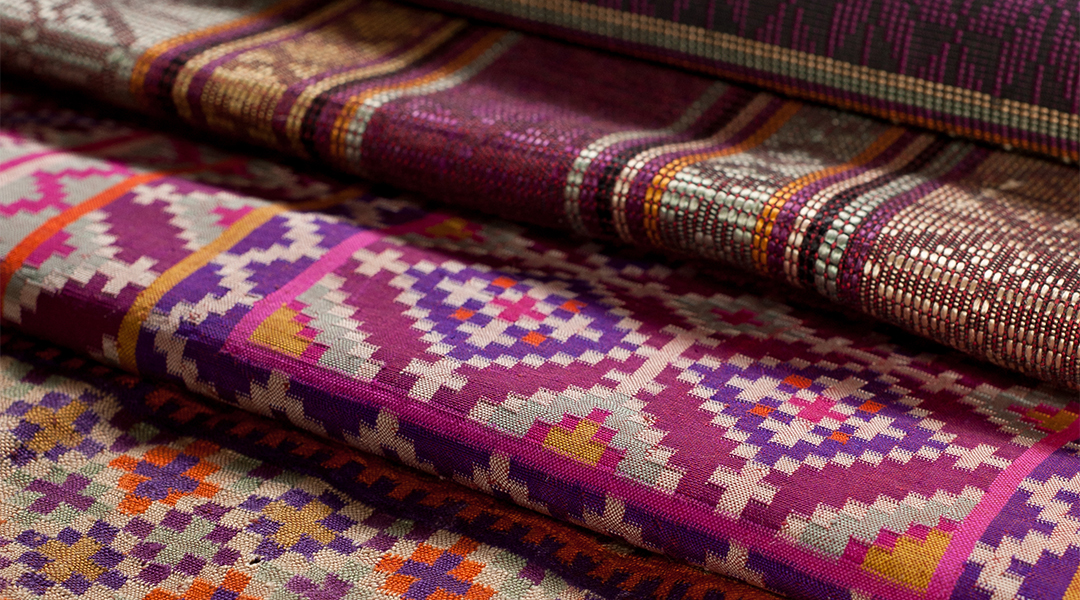
Regardless of its prevalence, ikat production diverges into three primary techniques. These methods involve manipulating the warp (lengthwise threads) and weft (crosswise threads) of the fabric before dyeing. Whether adorned with a single color or a vibrant palette, the complexity of the dyeing process significantly impacts ikat’s final appearance and value.
Warp Ikat. As the name suggests, this technique only resist-dyes the warp threads. While the weft threads are a single color, the warp threads carry the ikat pattern, making the design apparent even before weaving. This is the simplest and most common form of ikat since it’s the most prominent method in Indonesia.
Weft Ikat. Contrarily, this technique includes dyeing only the weft threads, leaving the warp threads undyed or in plain color. This means you can only see the ikat pattern during the weaving process. Unlike warp threads, which are tied on a loom, weft threads are unfixed. This results in a much more laborious weaving process as the threads have to be continuously adjusted to keep the pattern clear. Since it’s handmade, some threads may be slightly off, making ikat’s signature blurry effect.
Double Ikat. This technique combines the first two methods, where both warp and weft threads undergo resist-dyeing prior to weaving. It, therefore, requires a more advanced level of craftsmanship to maintain the clarity of the ikat pattern. Being the most difficult technique, it is also the most expensive and rare, produced exclusively in India, Japan, and Indonesia.
From Clothing to Vibrant Home Decor
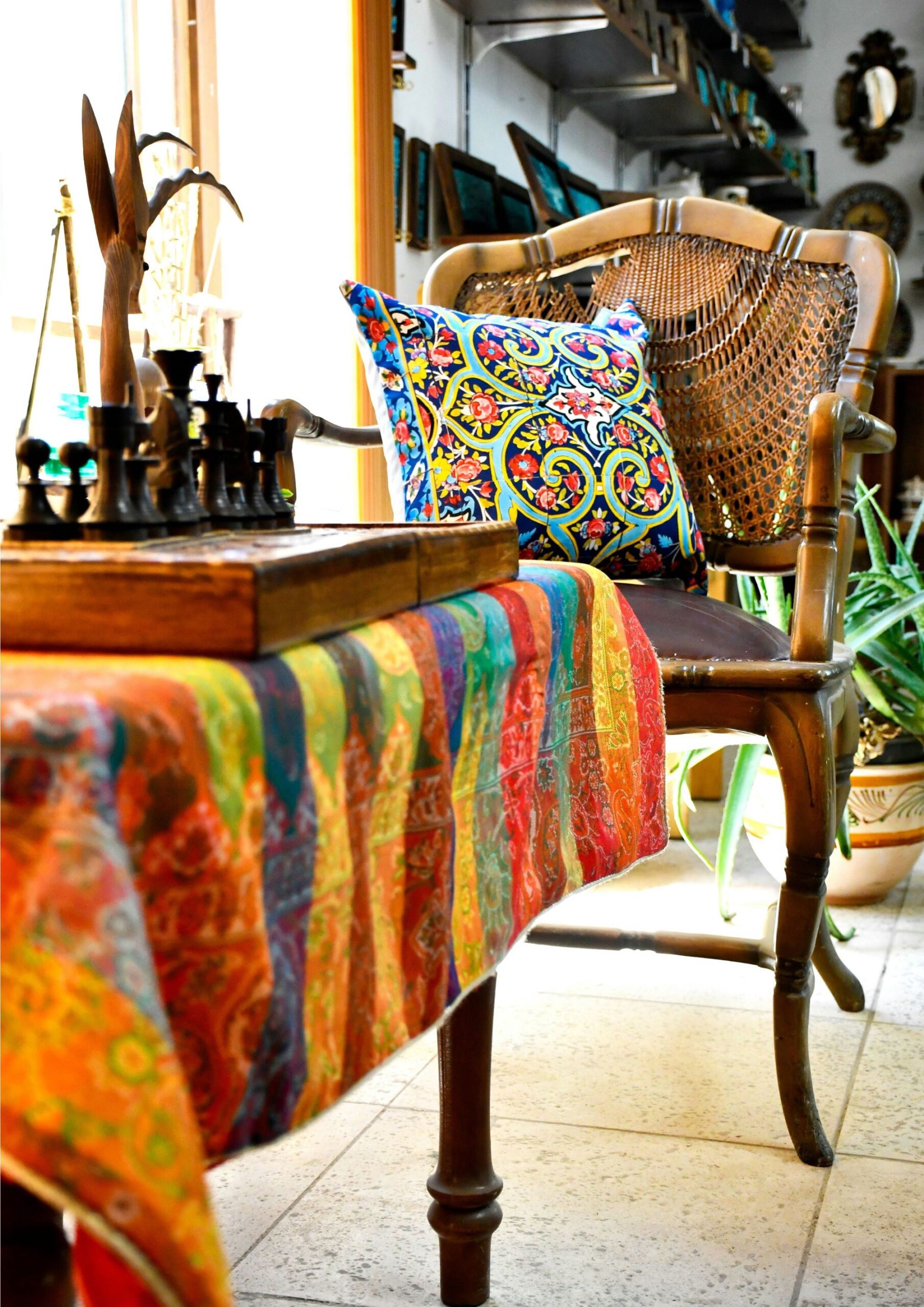
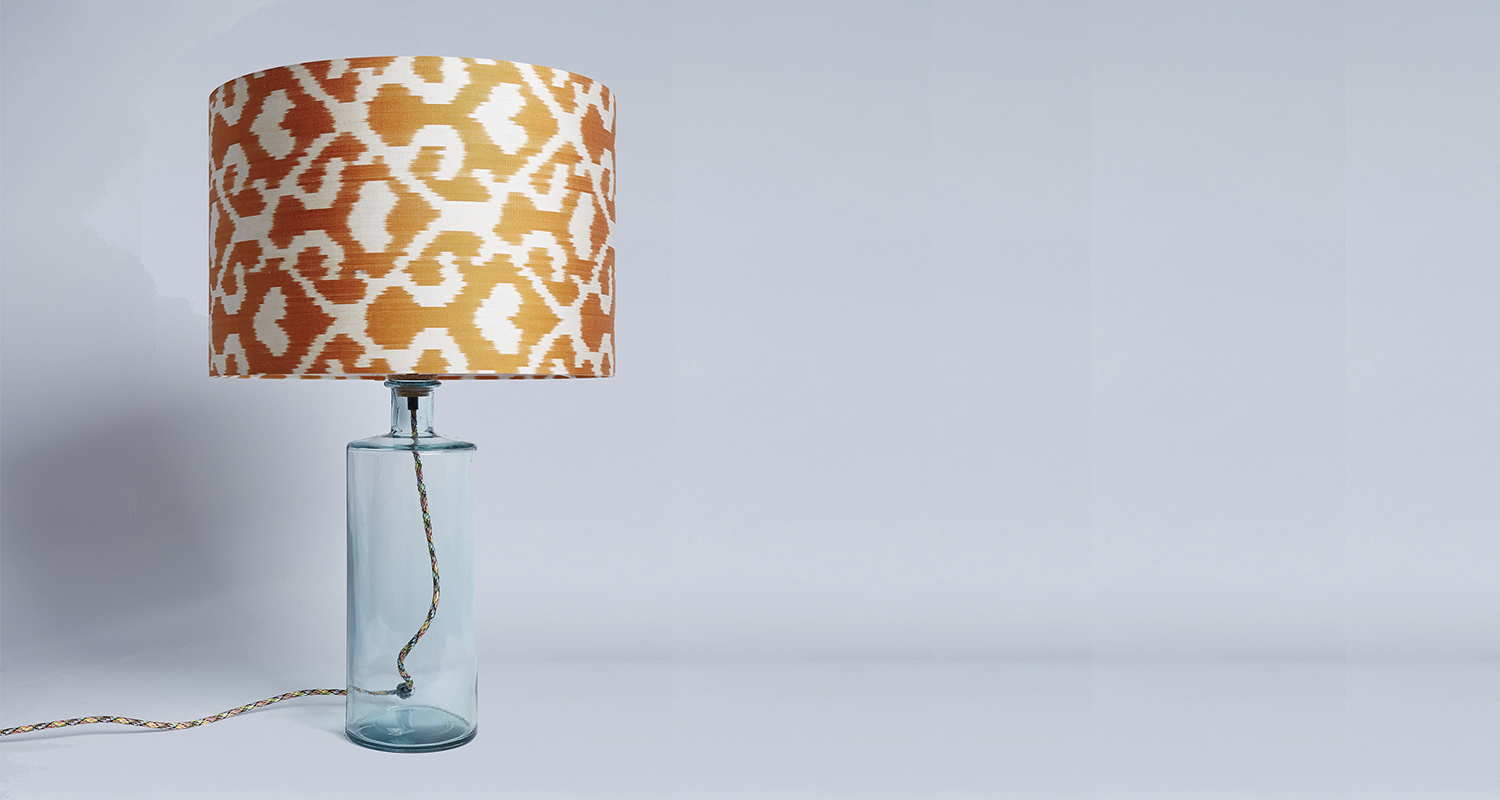
Originally, ikat fabrics are for attire and ceremonial events. From everyday wear to elaborate clothes, this art form adorns a diverse array of garments and accessories. People also wear them during religious rituals, weddings, and other important life events. Although they still serve the same purpose to date, this ancient design has found a new application in contemporary interiors, too.
It’s commonly ideal for throw pillows, upholstery, and window treatments. But because of their vibrant yet blurred patterns, they come out less harsh and imposing. Consequently, they’re perfect for large-scale elements like lampshades, table linens, and even accent walls. They’re also able to blend seamlessly with other home decor, making them suitable for both traditional and modern interior styles.
Although an ancient design, they bring a touch of whimsy to interiors. This is exactly why they’re a timeless decor. Aside from being a historically and culturally significant piece, the versatility in their patterns creates room for endless design possibilities.
However, Architect and Interior Designer Catherine Ebert warns about overusing it in a space. Since ikat carries striking patterns, it’s important to take note of scaling when applying them in any interior element. For instance, smaller items like throw pillows, table runners, or even artwork can add a touch of vibrancy without overpowering the room. For larger objects like sofas, chairs, or rugs, choose a more subdued pattern or use the fabric sparingly.
Ikat fabrics have undeniably transcended time and cultural boundaries. From ancient clothing and ceremonial use to contemporary home decor, it continues to captivate with its vibrant patterns and unique charm. As global appreciation for its artistry grows, ikat‘s potential to enrich modern homes with culture and visual appeal remains limitless.
Read more: Tramp Art: The Beauty of Unique Upcycled Folk Decor


Large-format porcelain is no longer limited to conventional floor and wall applications. Advances in scale, finish, and fabrication have expanded its role across architectureArchitectureThe art and science of designing and constructing buildings, structures, and spaces that are functional, safe, and aesthetically pleasing. It encompasses the planning, design, materials, and techniques used to createGo to Architecture […]
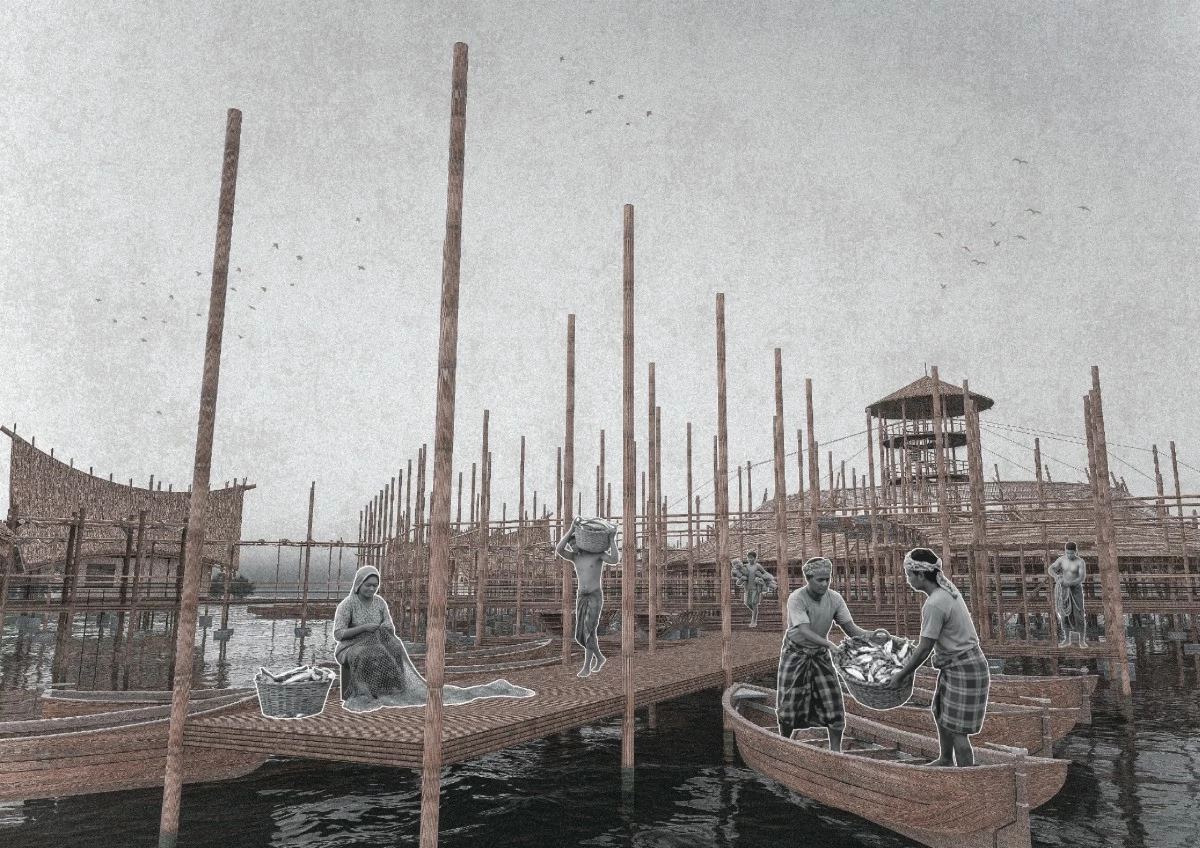
Mindanaoan architectureArchitectureThe art and science of designing and constructing buildings, structures, and spaces that are functional, safe, and aesthetically pleasing. It encompasses the planning, design, materials, and techniques used to createGo to Architecture Glossary student Ejhay L. Durias of the University of Mindanao made history after becoming the first Filipino to receive the AYDA International […]
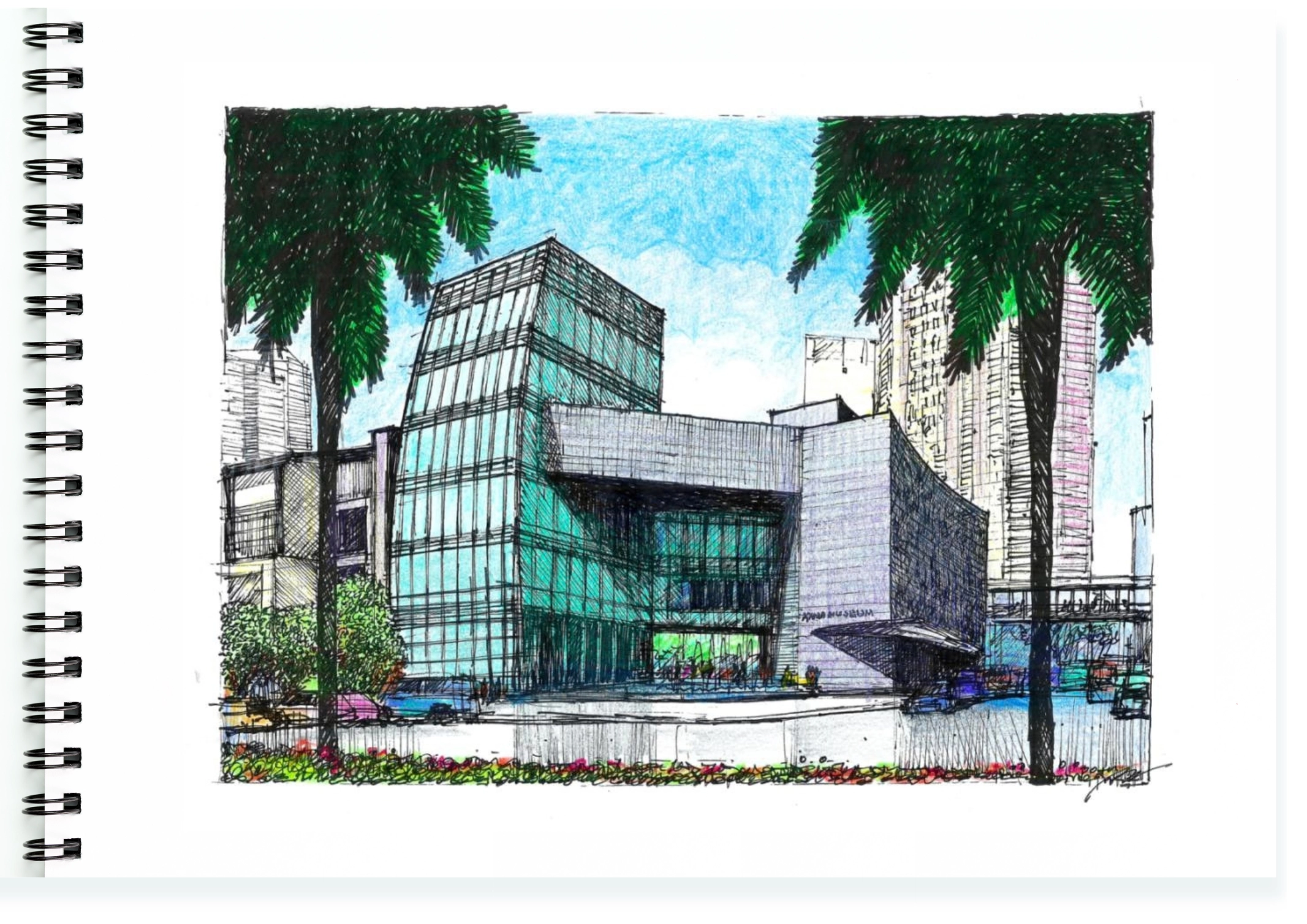
From Brutalism to Contemporary Modernism The Ayala Museum designed by the firm of Leandro V. Locsin Partners (LVLP) sits at the corner of Makati Avenue and Dela Rosa Street in Legaspi Village, Makati. This is actually the second museum of the same name in the area. The original, which was designed by National artist for […]
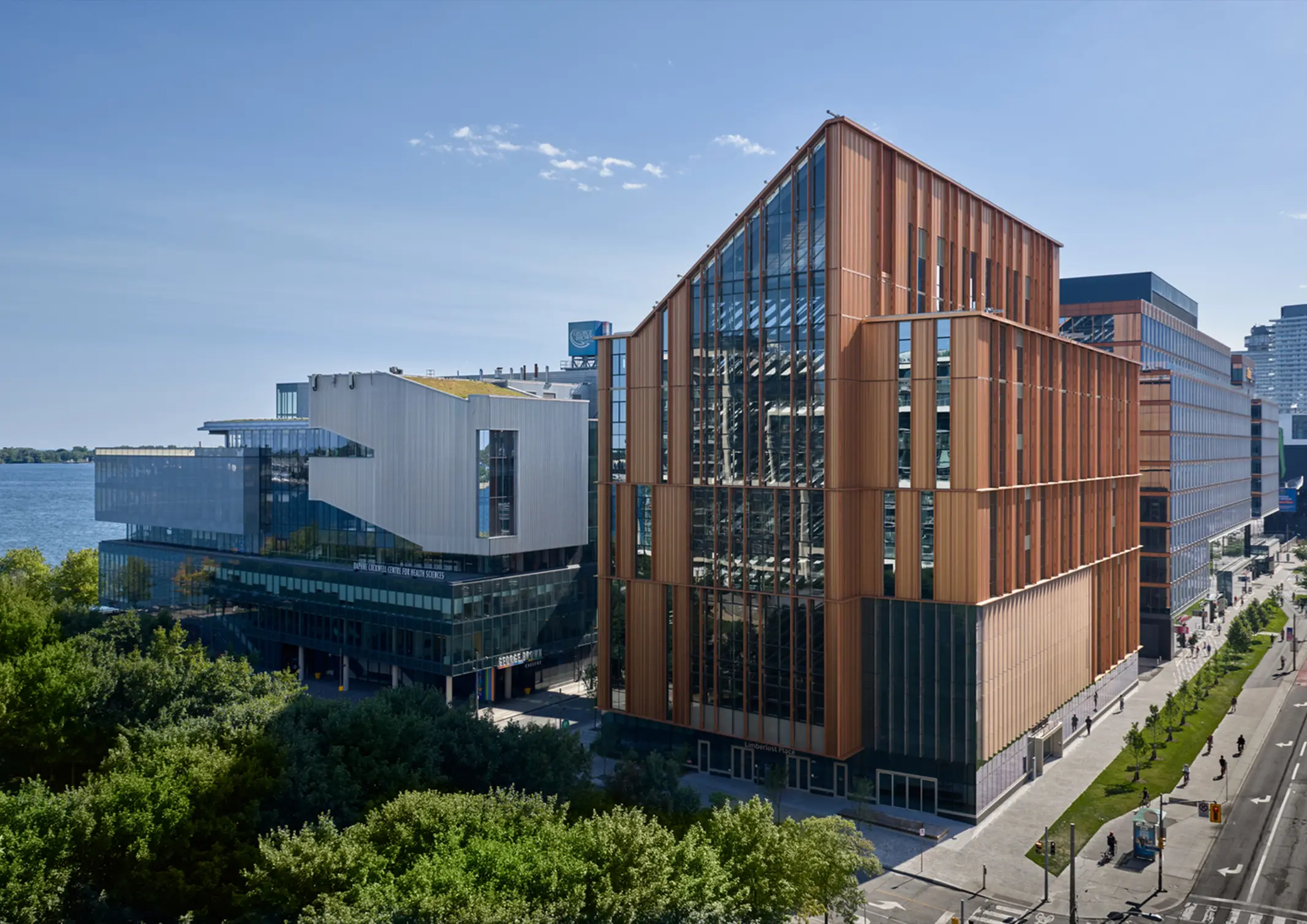
The projects recognized by Architizer’s 14th Annual A+Awards span architectureArchitectureThe art and science of designing and constructing buildings, structures, and spaces that are functional, safe, and aesthetically pleasing. It encompasses the planning, design, materials, and techniques used to createGo to Architecture Glossary, interiors, landscape, urban design, and sustainability. Organized by Architizer, one of the world’s […]
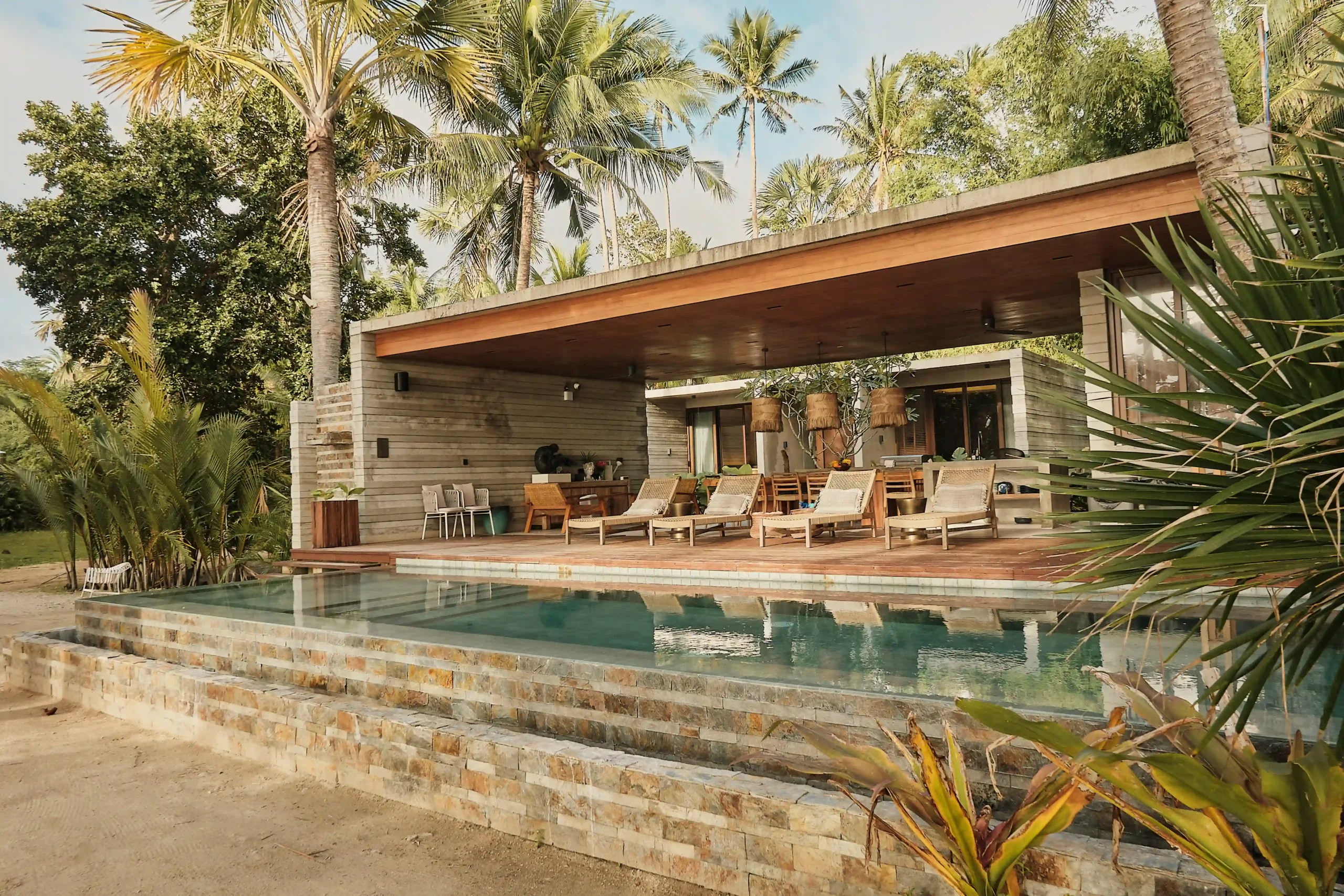
Overlooking Tayabas Bay, Agda Beach Villas occupies a one-hectare hilly property where the terrain descends toward the coast. Designed by VBo Architects + Engineers, the tropical retreat responds to the sloping terrain through villas and shared spaces oriented toward the surrounding landscape. Before construction began, Bocalid was drawn to the property’s steep terrain and secluded […]
Read the issues.

Collect the volumes.

Recommended Video
Tap to Unmute
Unmute
0:00
0:00