Bigkis is the act of binding. In Tagalog, the word can refer to something used to bind or encircle, as well as a bundle formed by tying several separate elements together. Figuratively, it can also mean a bond, union, or unity. The meanings move from the physical act of joining things together to the connection […]
‘Miragen’: Alvin Zafra Crafts a Vision of Darkness



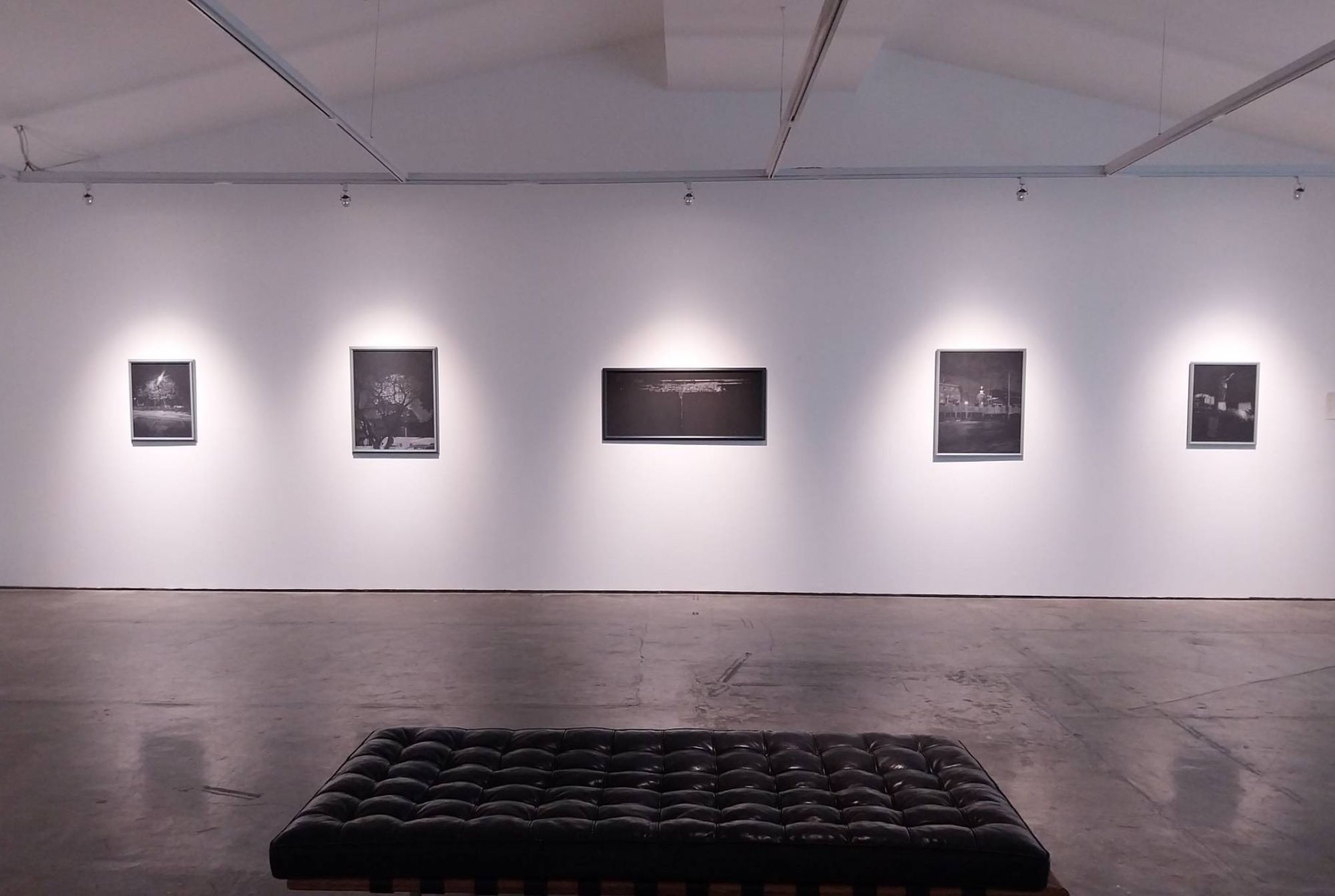
For Miragen, artist Alvin Zafra aimed to create an urban landscape that reflected how he saw the world around him. The new Artinformal exhibit plays with light and dimension, conceiving a vision of darkness filled with optical illusions of city life.
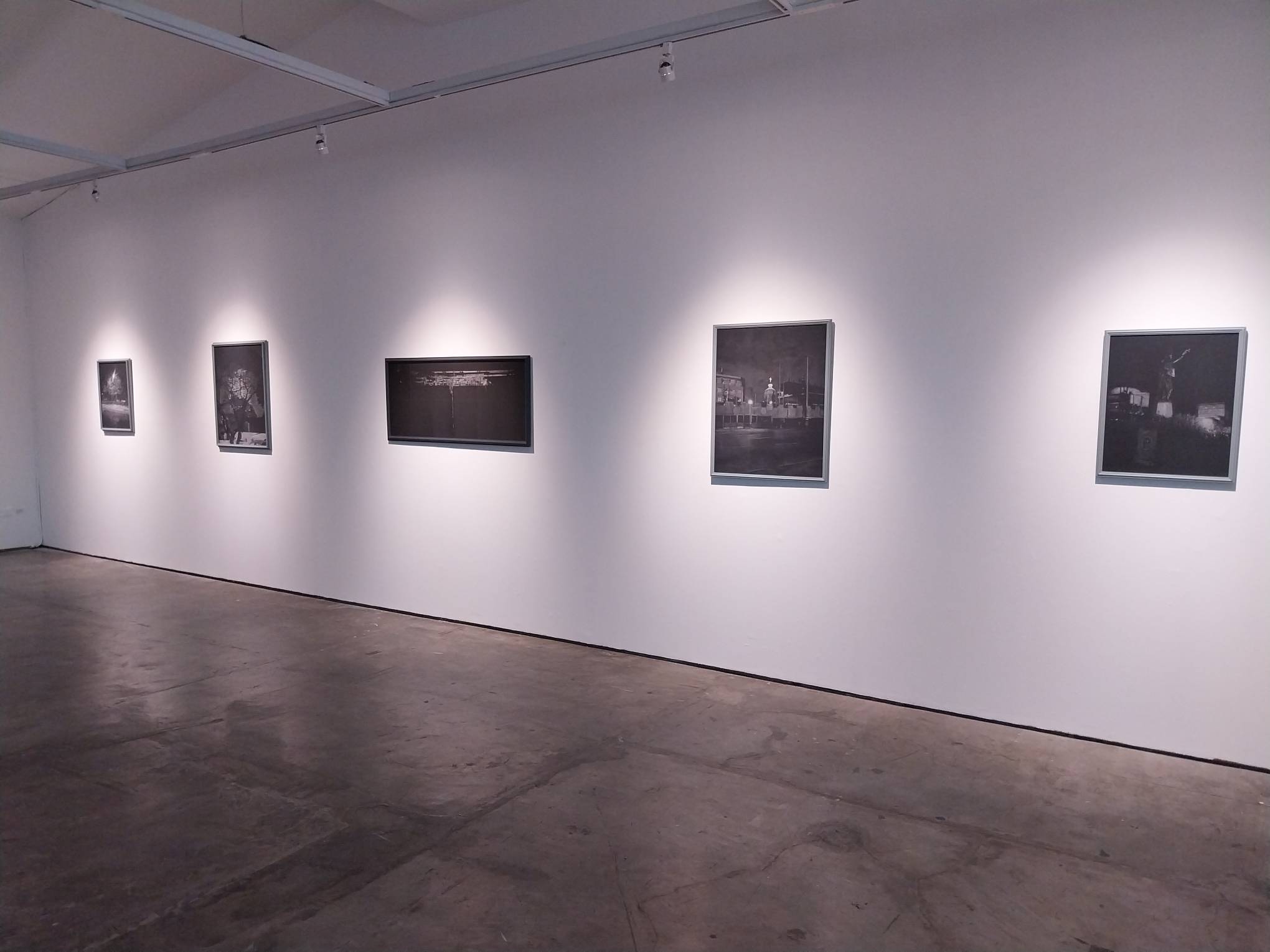
Zafra’s work for Miragen was partially influenced by his own vision impairment. His need for glasses, and how he utilizes the camera, means that how he sees things can be far removed and diluted by these different devices he sees them through. Thus, the artworks presented here are influenced by this fuzzing of perspective.
“The resulting image: a synthesis of these optical structures,” Lk Rigor described in their write-up of the exhibit. “A byproduct of which are illusions and apparitions, dancing in the dark.”
Defamiliarizing the Urban Landscape
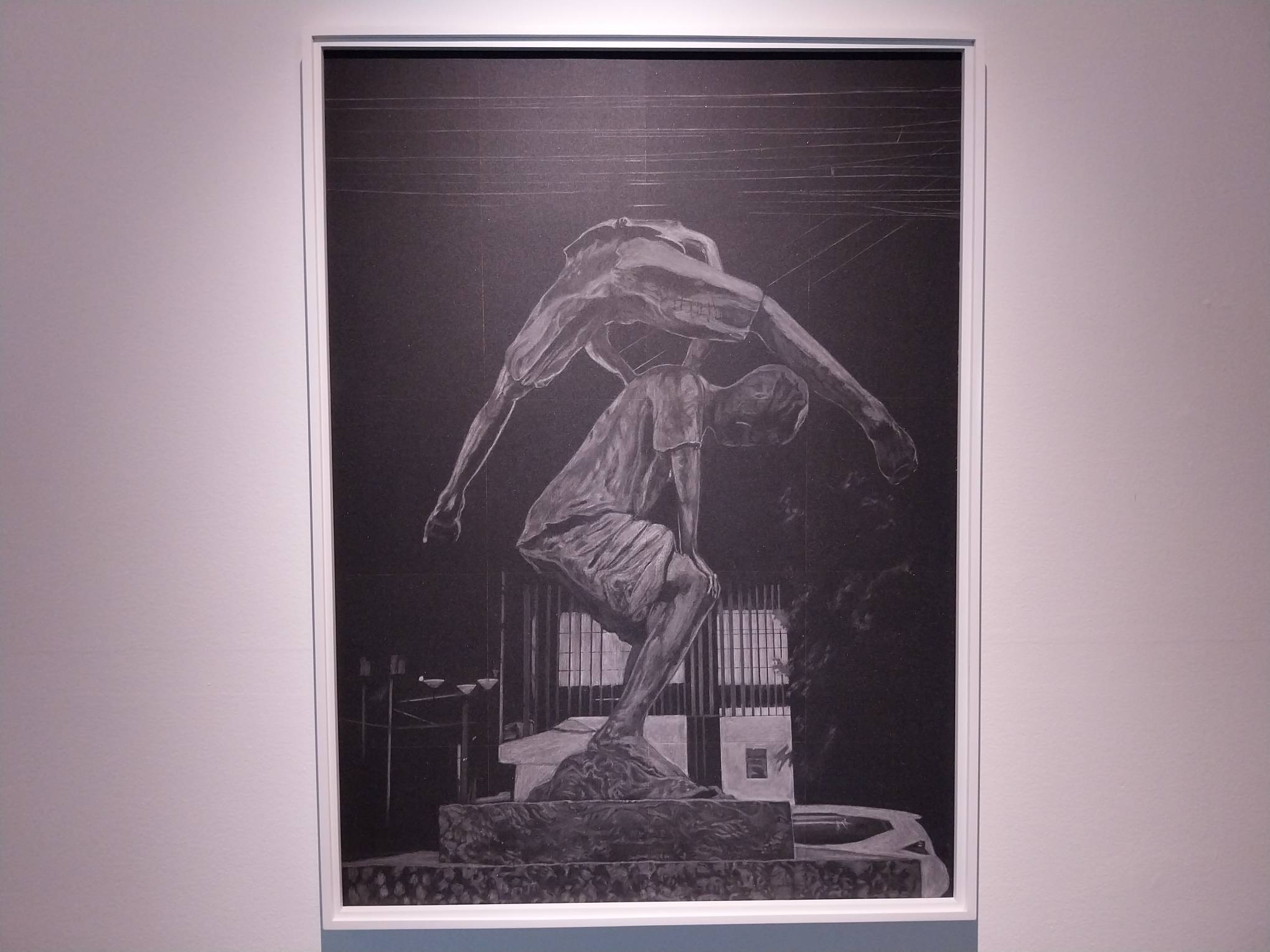
Alvin Zafra uses pebblestones and etchings on sandpaper to recreate images that he took in different parts of our urban landscape. He retraces them, utilizing the stones to create an optical illusion of depth in its depiction of buildings, dark fields, and statues in the city.
Rigor noted in his write-up of how the camera flattens dimensions. It reduces places to a two-dimensional field of x- and y-axises and a color grid. They believe that Zafra adds a sense of physical dimension to the recreations featured in Miragen.
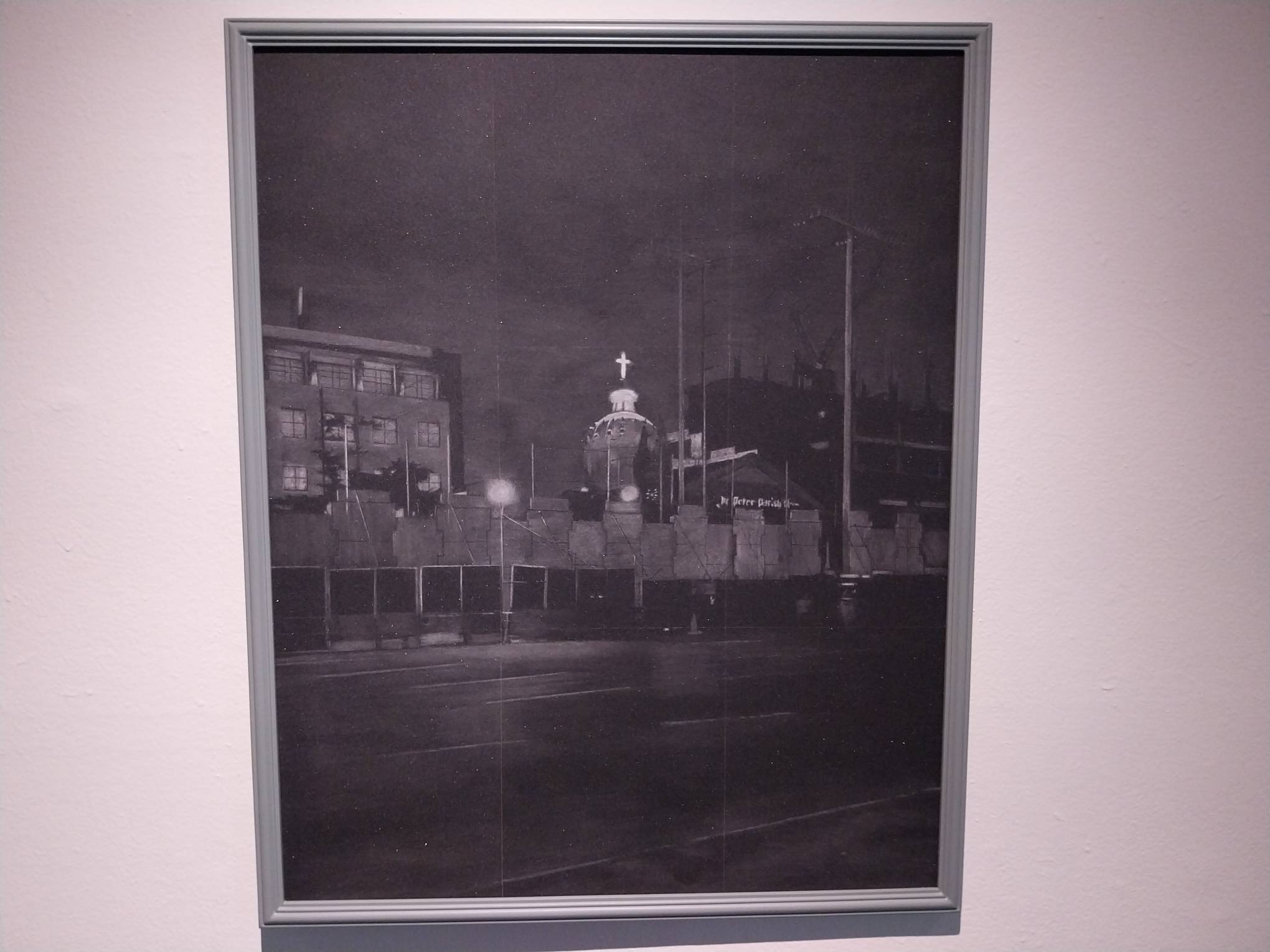
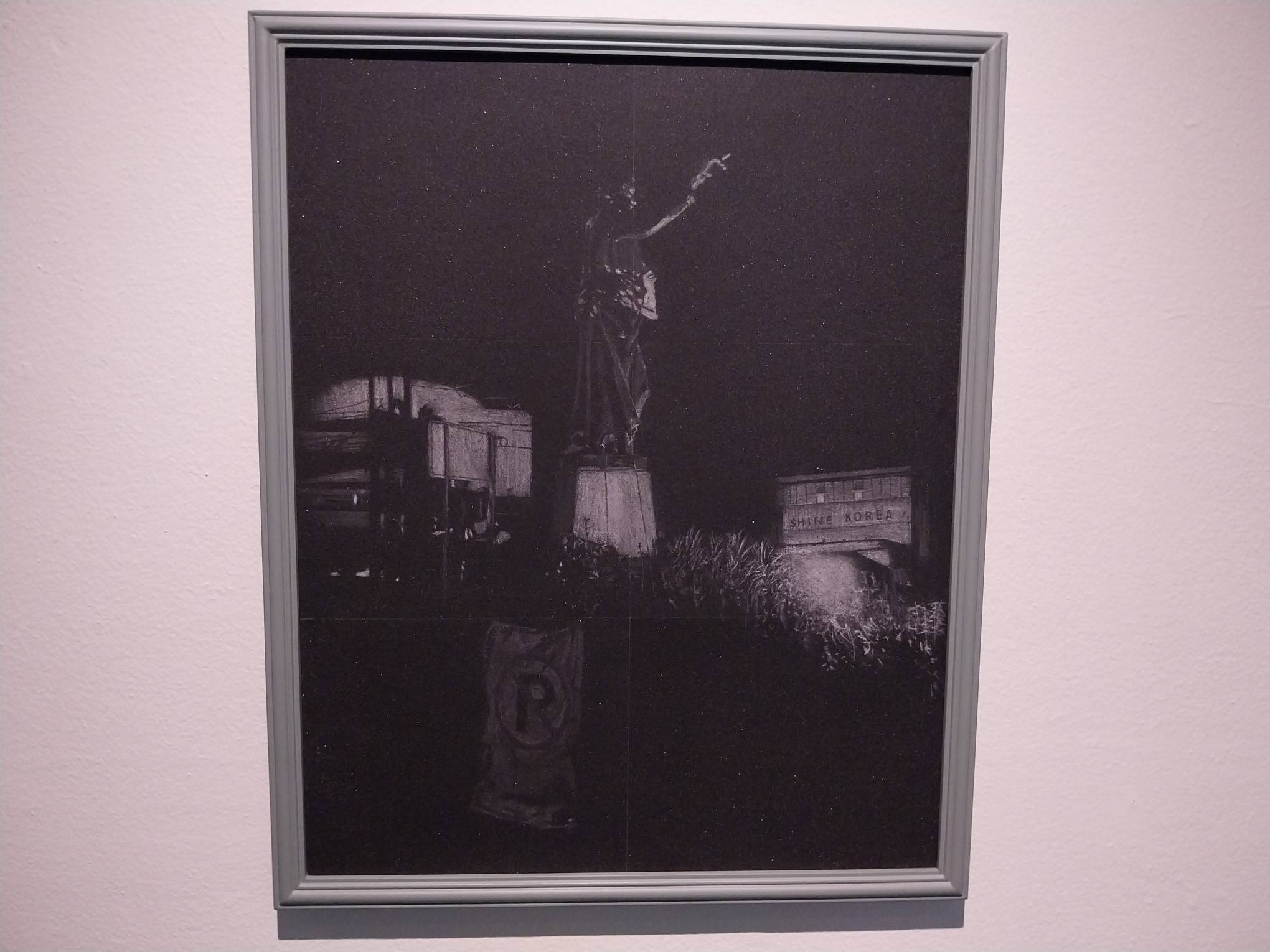
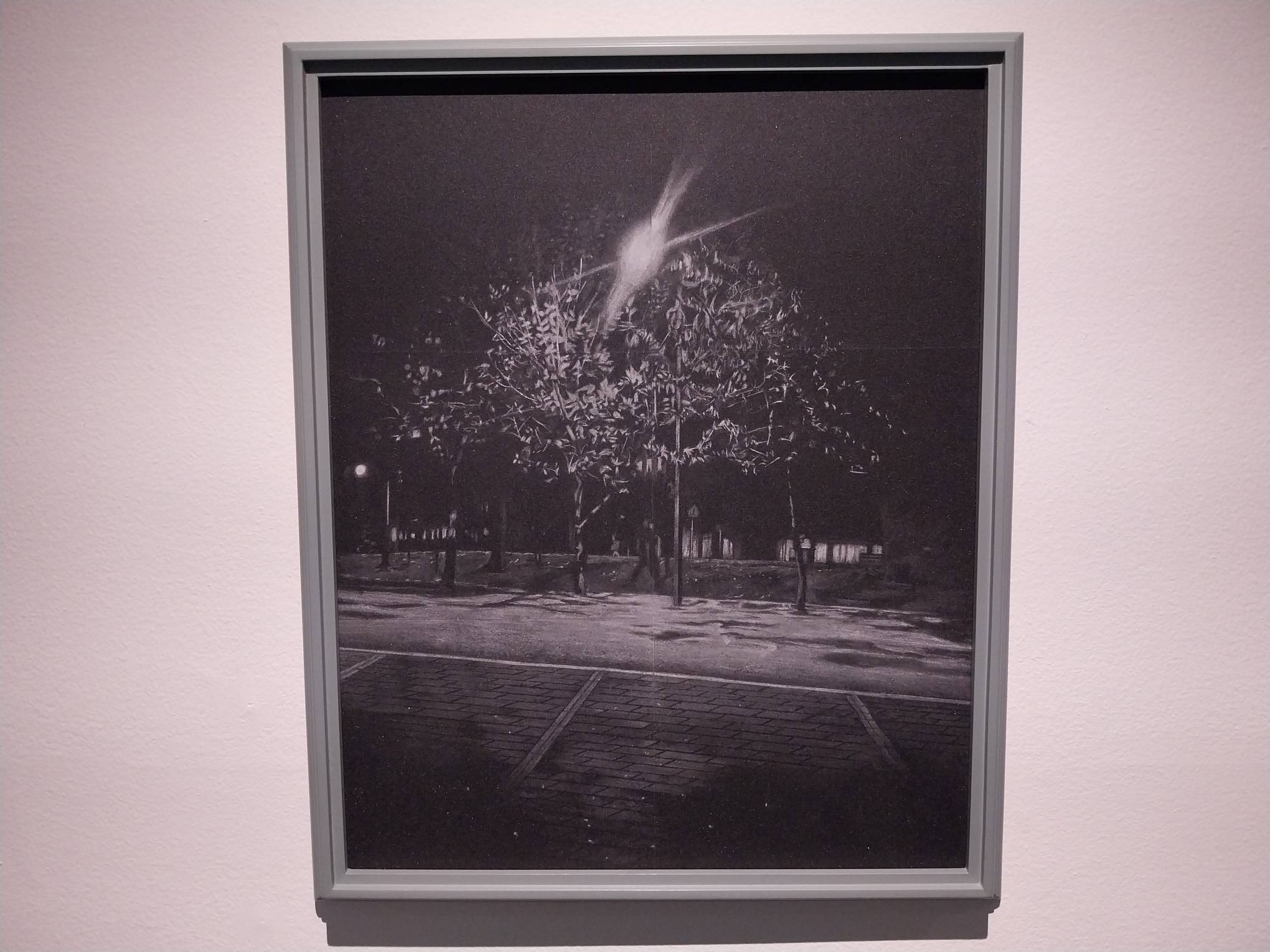
The resulting images toe the line between hyper-realistic and dreamlike. Something like “Crossfade” or “Daydreamer” studiously recreates these places while managing to input this eerie blackness around it through the fuzzy composition of the sandpaper that Zafra uses.
Rigor notes that the works generate a sense of uncanniness. Even if the images are relatively straightforward, they still make us question if the calmness is an illusion or not.
“The answer to these can also be ‘no,’ the images defying our mind’s tendency to look for patterns, as we also similarly fill the gaps,” they wrote.
Stillness of the Night
A personal observation here is how these images really capture a noir-like quality to the darkness of the city. Noir is defined by mystery, and the empty landscapes proliferating Zafra’s Miragen with the film grain-like look of the sandpaper establishes a feeling of hidden dangers lurking in the darkness.
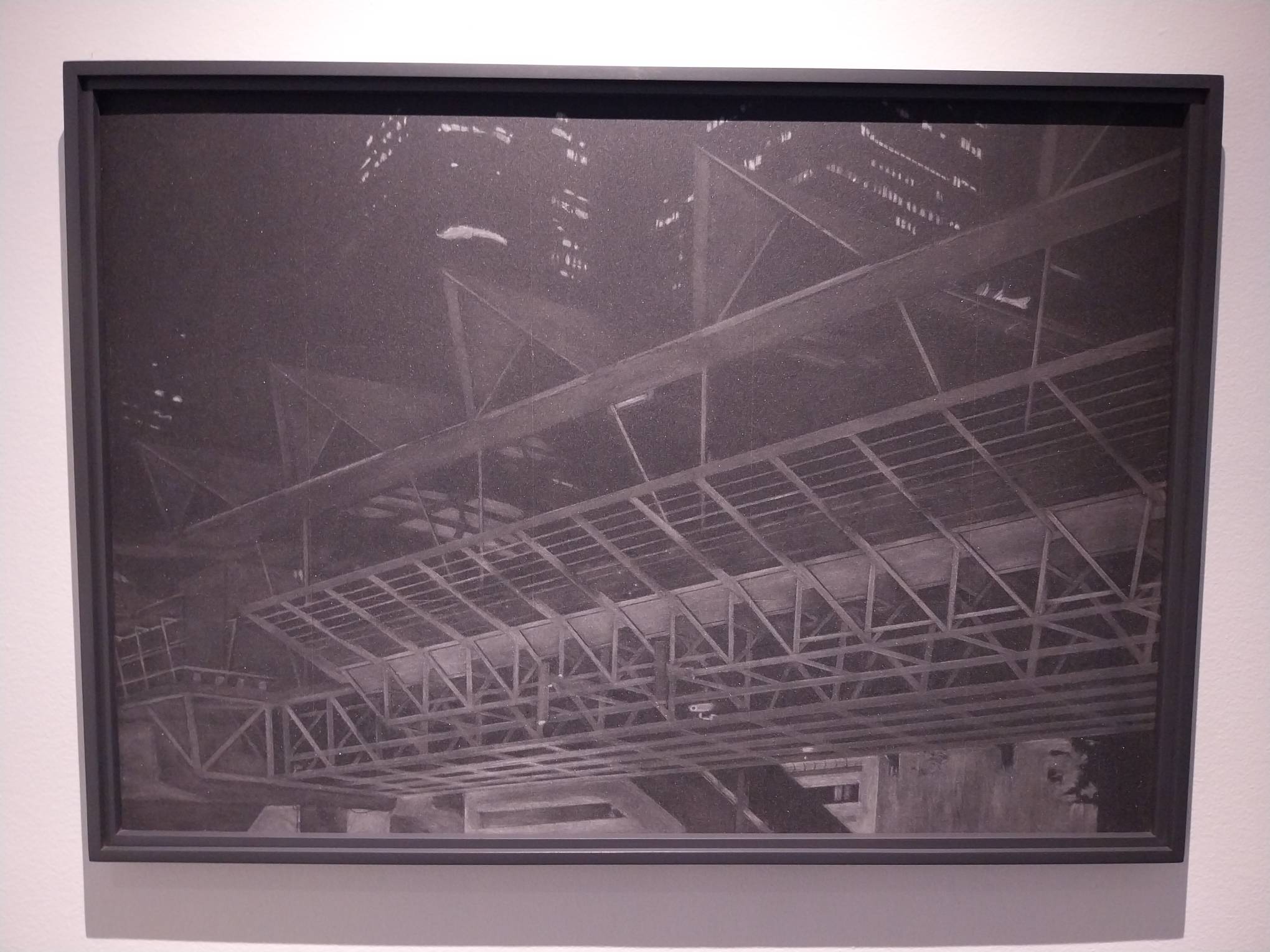
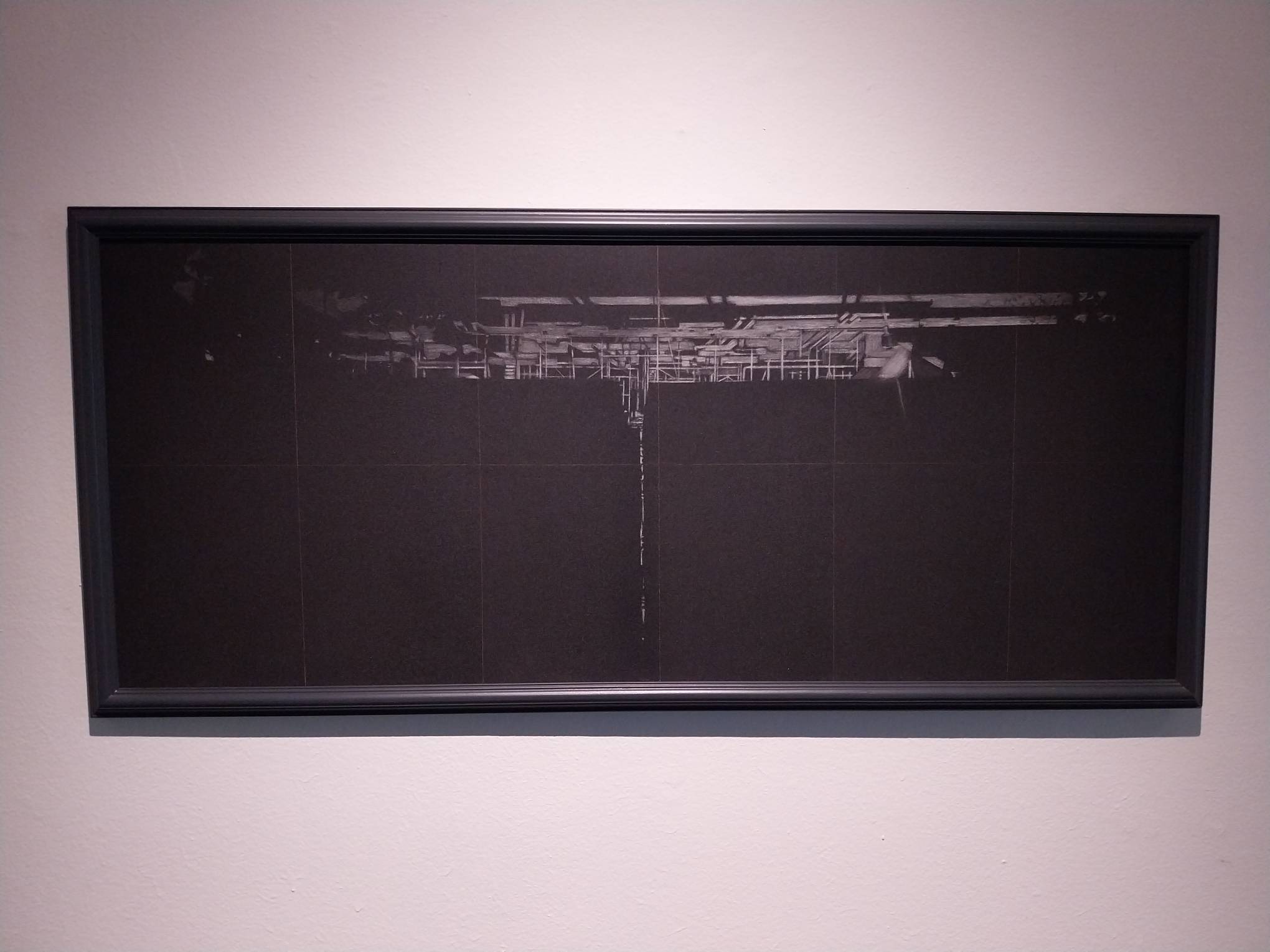
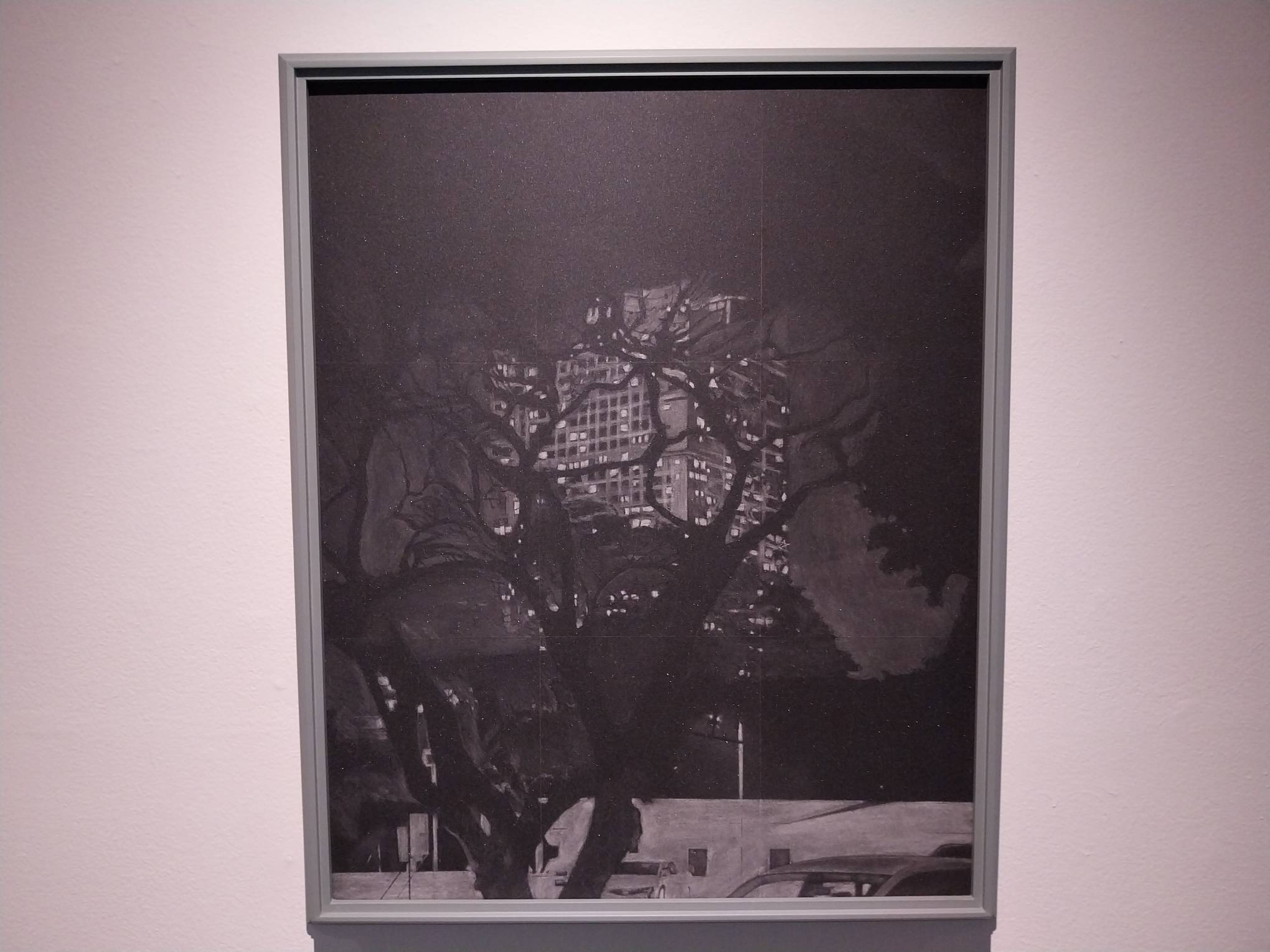
The shadows on works like “Omniscient” or “The Opening” really work overtime to suggest something sinister in these ordinary buildings, as if the nothingness in the void can manufacture ghosts on their own. These artworks, overall, suggest this kind of primal fear of the unknown ingrained to us as children.
More than fear, however, what works with Miragen is this portrait of emptiness in the city. There’s nobody in these paintings, no humans to suggest any warmth for the concrete and metal landscapes around us.
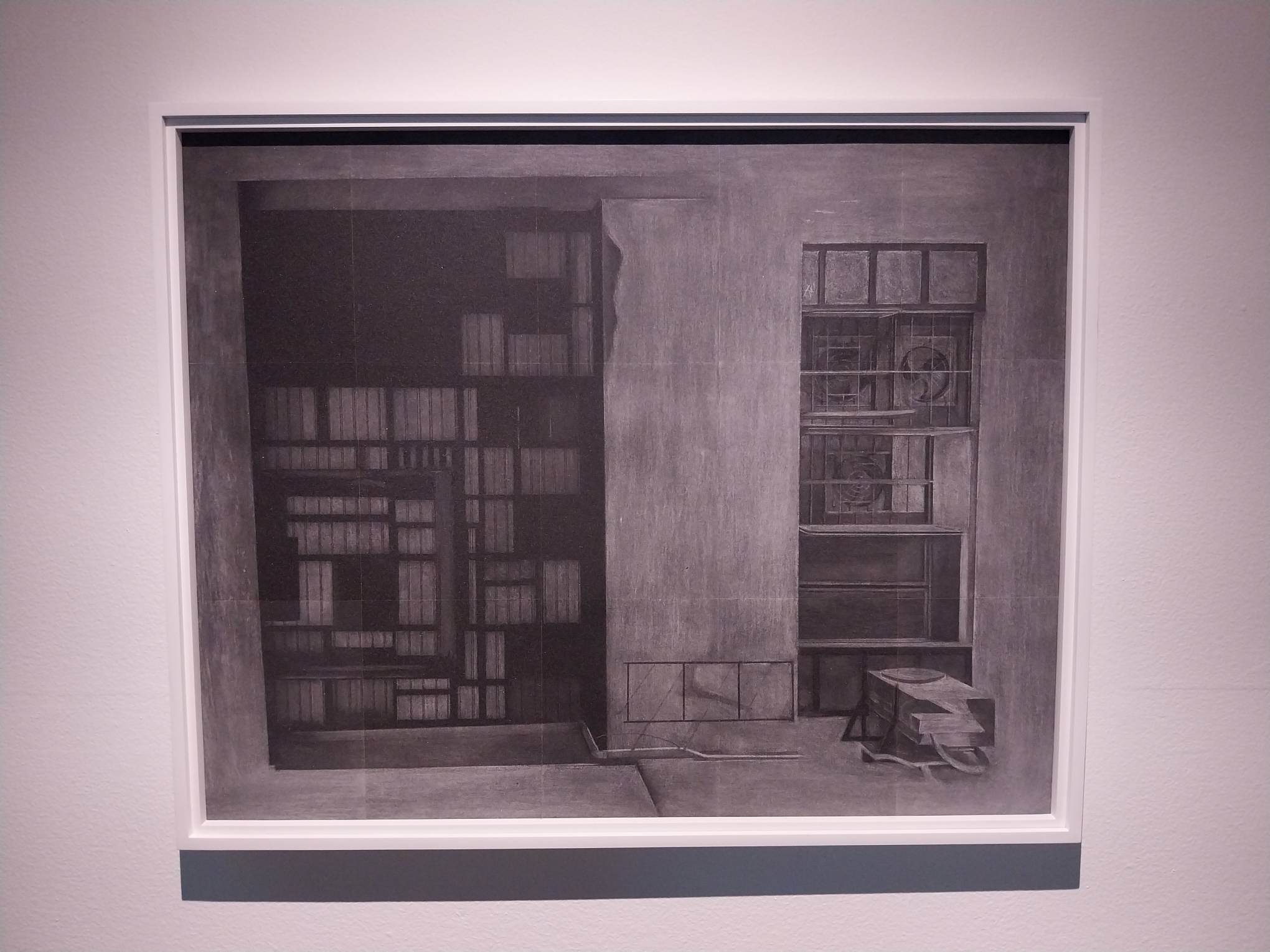
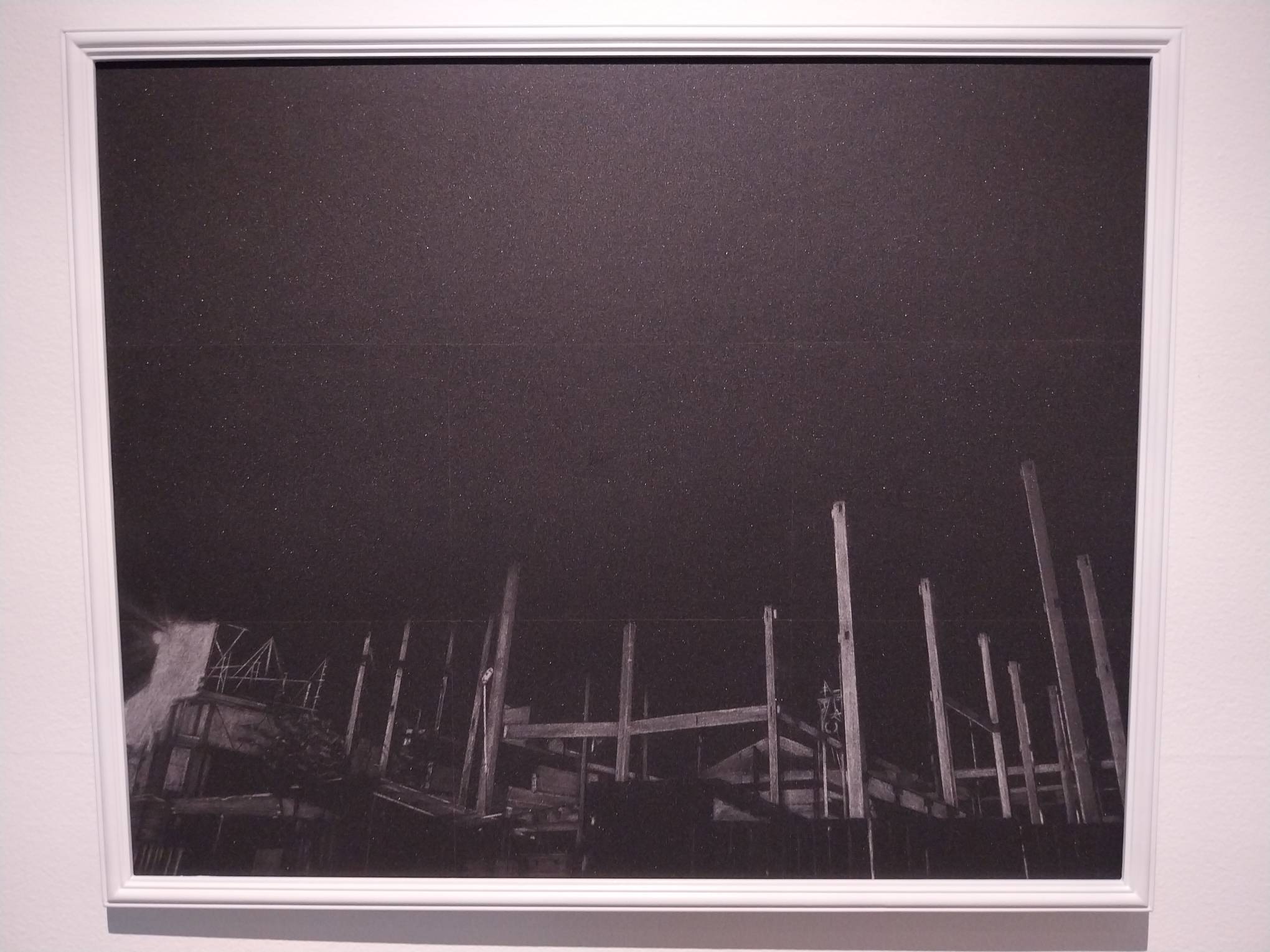
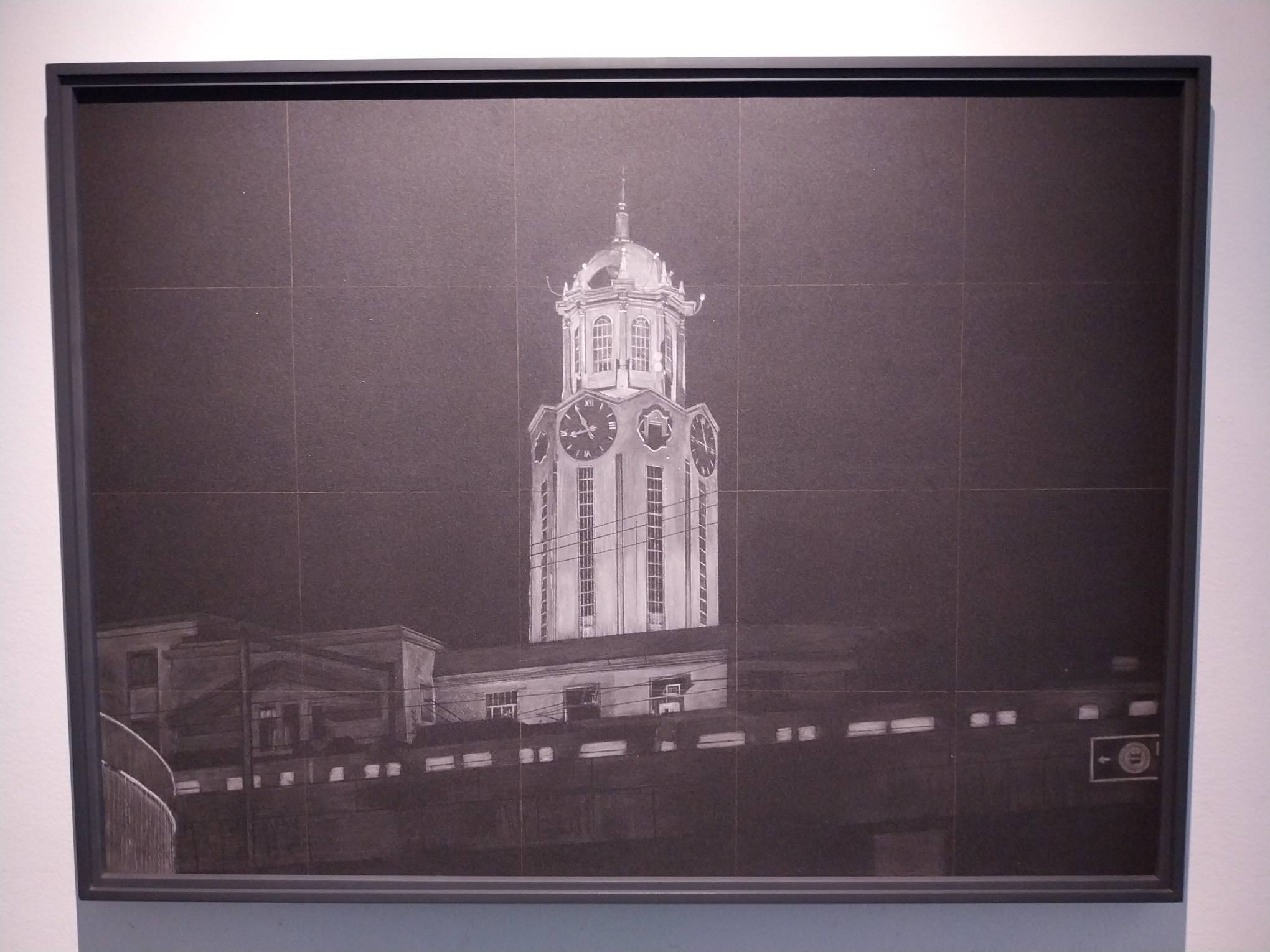
For works like “Lunatics” or “Reflecting Pool,” it appears to suggest that this sort of emptiness is built into the city. Sure, in peak hours the city bustles with noise and activity. But Alvin Zafra captures the quiet that befalls the city every night, where it becomes a shadow of itself, everything stuck until the morning next day starts the whole process anew.
Miragen really puts its audience in a mode of uncertainty, unsure about what they’re seeing or feeling within the realm of the familiar. With this exhibit, Alvin Zafra invites us to a mundane, recognizable world, and twists it until our senses are flattened fully, nothing but fear to guide the way.
Miragen is open to the public until November 14.
Photos by Elle Yap.
Read More: ‘Eclipse: The Strange and the Familiar’ Offers a New Spin on a Retrospective

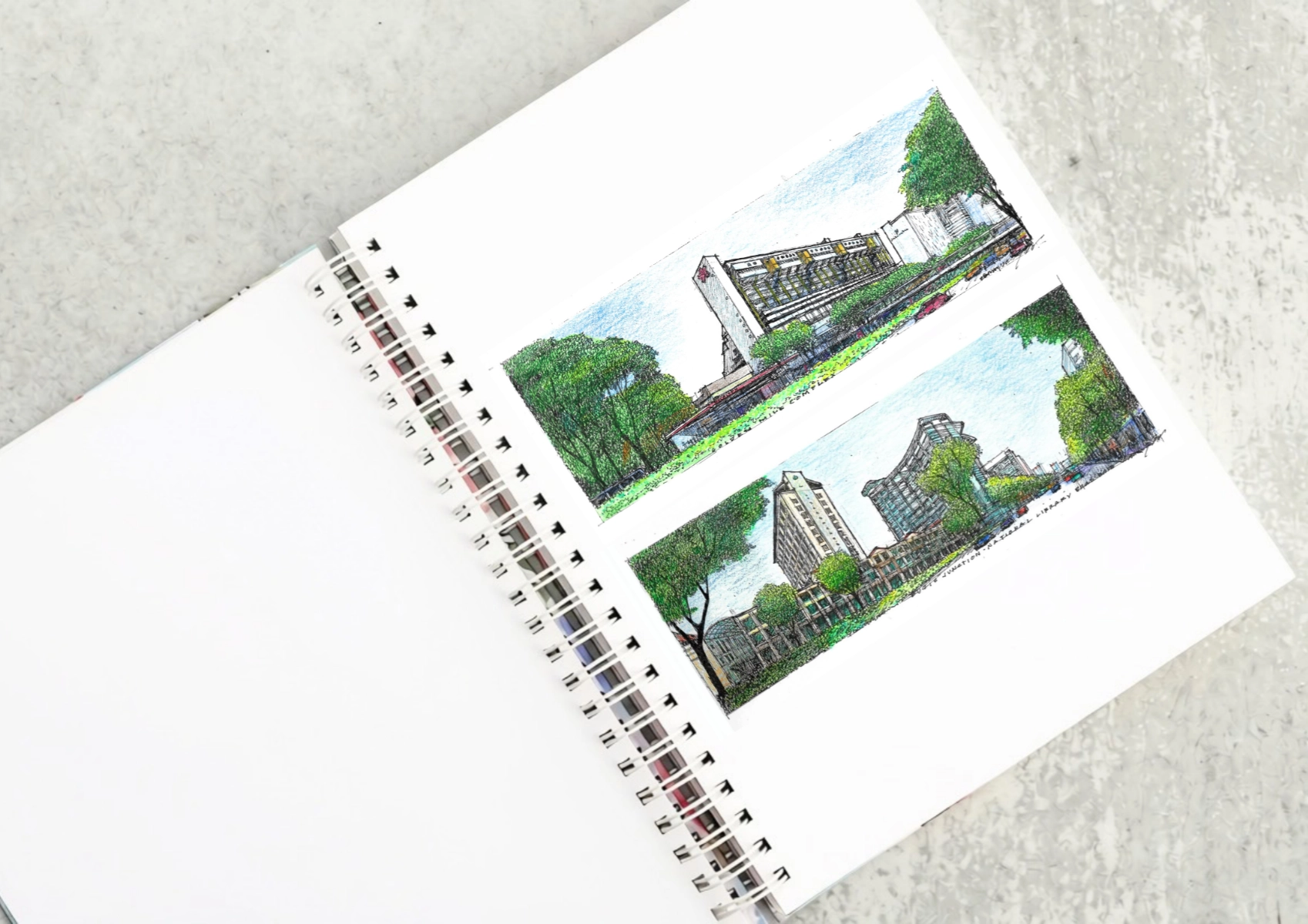
Two sketches of Singapore connect BluPrint Editor in Chief Paulo G. Alcazaren’s personal and professional history with Shared Ground: ArchitectureArchitectureThe art and science of designing and constructing buildings, structures, and spaces that are functional, safe, and aesthetically pleasing. It encompasses the planning, design, materials, and techniques used to createGo to Architecture Glossary of Care, Culture, […]
In a way, designers are the modern-day soothsayers and prophets. They design for the future, predicting how a room, a house, a building or a whole city will be used by people. They foresee how users will interact with a space, conjure exact shades of colors to elicit specific behavior and arrange furniture to build […]
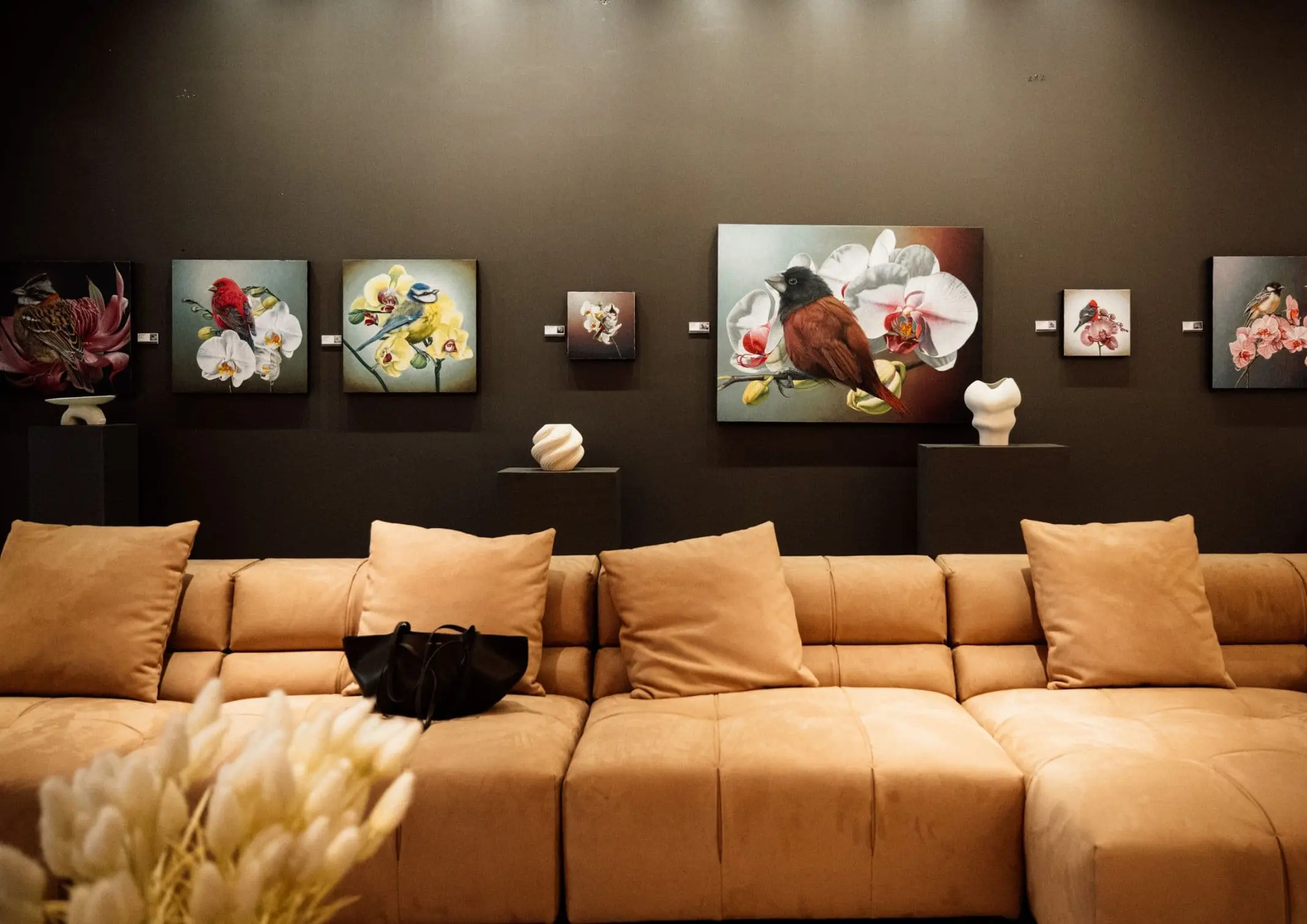
Art and furniture are often selected separately, yet their relationship can shape how a room looks and feels. The collaboration between Hooga and Galerie Joaquin explores how these elements can work together, bringing contemporary artworks into furnished residential settings at Hooga’s showroom in Uptown Mall, Bonifacio Global City. For Hooga, which curates furniture, lighting, and […]
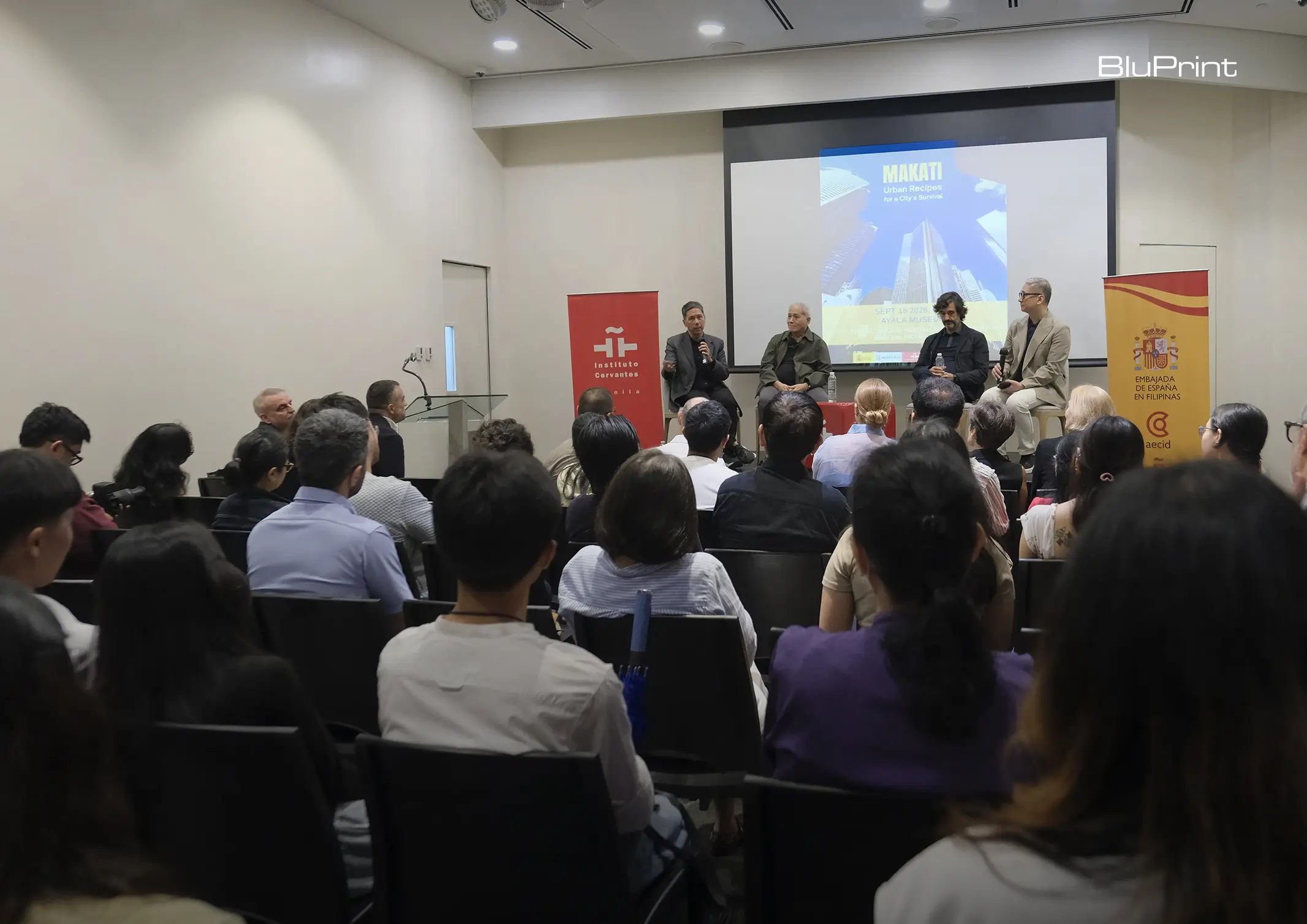
How can better-planned cities create the conditions for more creative, livable, and resilient urban environments? “Makati Urban Recipes for a City’s Survival,” a colloquium held at the Ayala Museum on September 15, brought together architects and practitioners from the fields of urbanism and the creative economy to discuss how design, planning, and collaboration can address […]
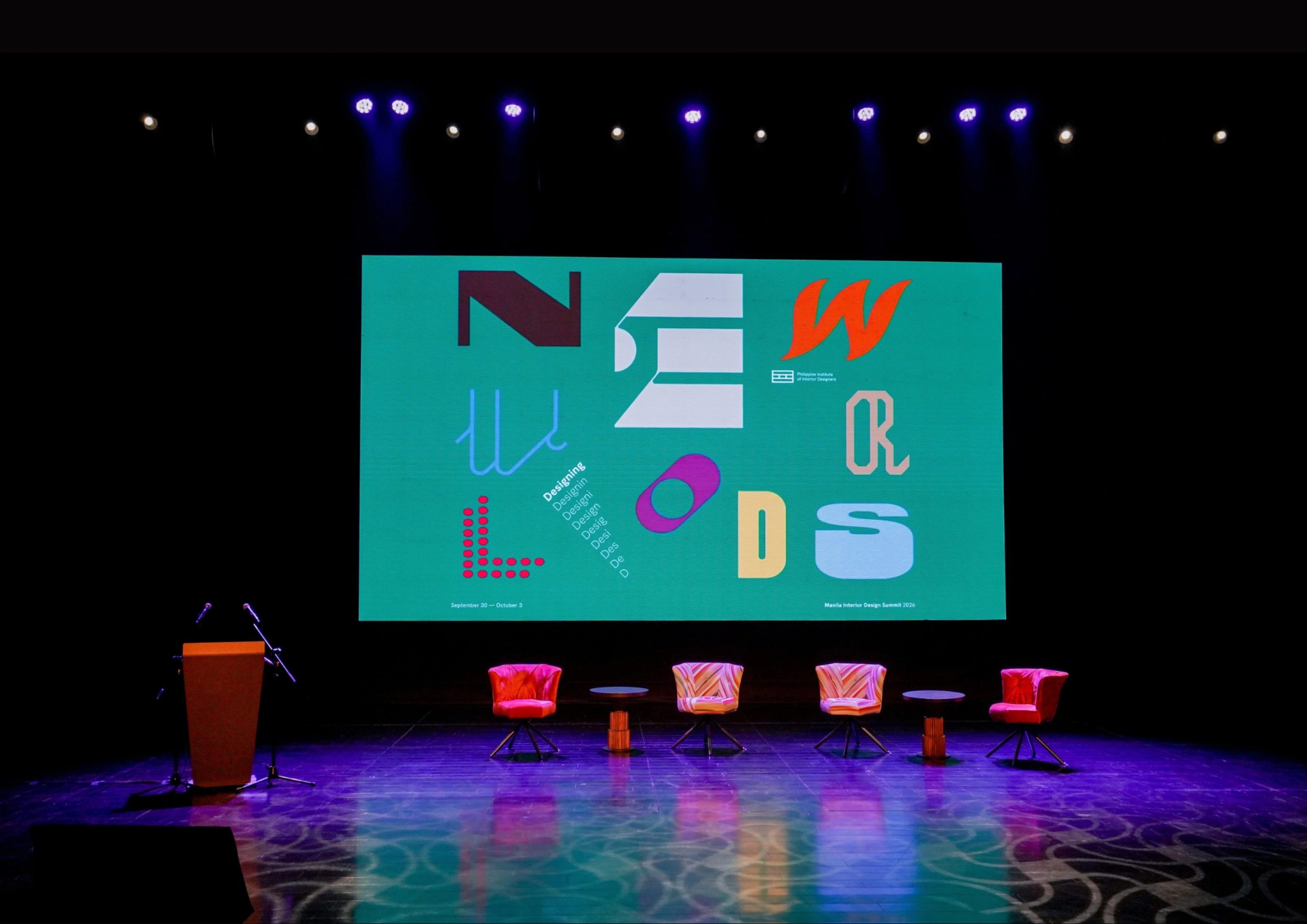
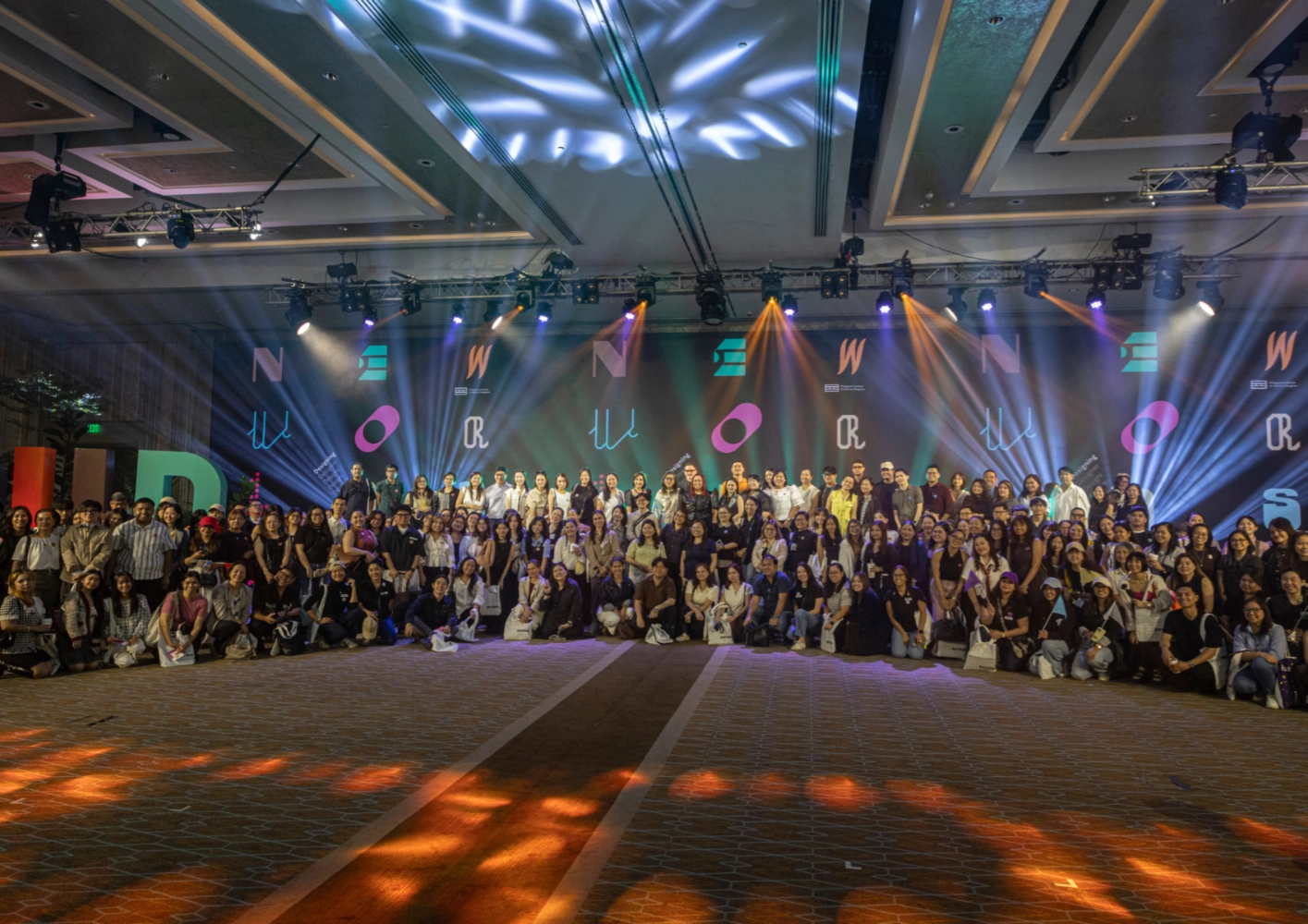
The fourth Manila Interior DesignInterior DesignThe discipline of planning and shaping interior spaces for function, comfort, safety, and beauty. It covers layout, lighting, materials, finishes, furniture, and color, and in the Philippines is a licensedGo to Interior Design Glossary Summit (MIDS) brought together more than 300 delegates for four days of conversations, exhibitions, and design […]
Read the issues.

Collect the volumes.

Recommended Video
Tap to Unmute
Unmute
0:00
0:00