Bigkis is the act of binding. In Tagalog, the word can refer to something used to bind or encircle, as well as a bundle formed by tying several separate elements together. Figuratively, it can also mean a bond, union, or unity. The meanings move from the physical act of joining things together to the connection […]
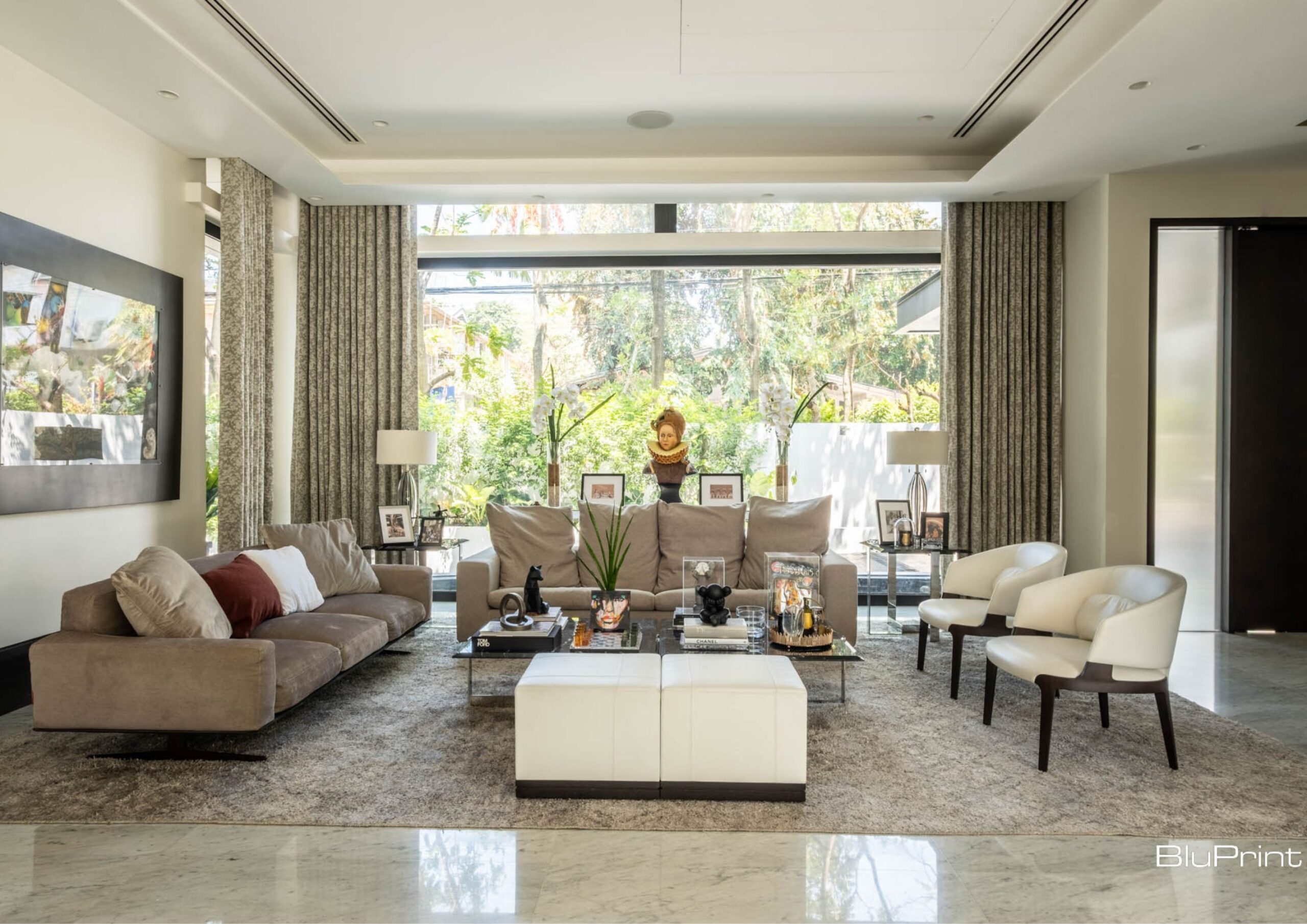
Neutral Maximalism: How to Blend Bold Design with Subtle Colors



You might know maximalism as the interior style that celebrates abundance and the eclectic use of colors, patterns, textures, and decor. Every corner of the space embodies the “more is more” principle. But what if you want to achieve the same maximalist look without using bold and rich hues? Neutral maximalism lets you embrace excessive and ornate details in your home but with softer, more refined neutral colors.
Traditional vs. Neutral Maximalism
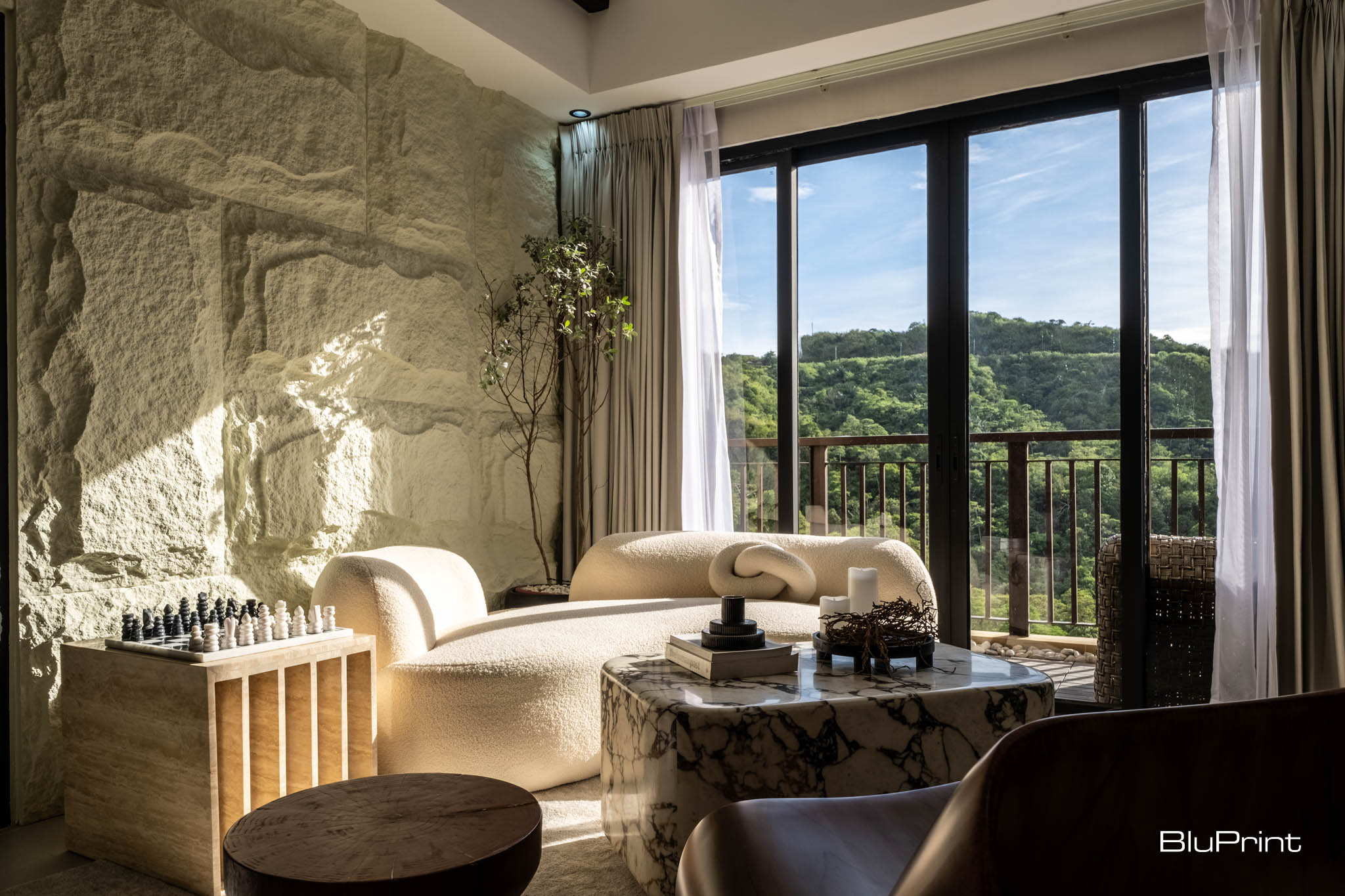
Think of contrasting patterns, statement items, large-scale elements, and a curated collection of ornaments. Now imagine all of them in white, beige, gray, or black. This is neutral maximalism in a nutshell. All the common characteristics of traditional maximalism are present except for the vibrant and intense tones.
Although the color palette is its apparent difference from the typical maximalist style, neutral maximalism boasts other qualities unique to its approach. Given its usage of subtle hues, this design shies away from energetic ambiance and instead creates a calmer and more sophisticated atmosphere.
This subdued feel places greater emphasis on more prominent design elements like shapes, textures, and patterns. In a sense, the neutral colors provide the perfect backdrop for other maximalist features to shine. You could say that muted tones carry this interior style’s appeal while ensuring that it’s still connected to its roots.
As described by interior designer Shalini Misra, neutral maximalism is one way to achieve traditional maximalism’s signature use of contrasts. She explains that neutral colors make layering various textures easier and more effective since they don’t overpower the overall design. Moreover, incorporating contrasting elements becomes more noticeable when applied with muted shades.
Unlike with traditional maximalism that equally highlights its attributes, neutral maximalism skips the striking hues, which makes spaces easier on the eye. According to London-based interior designer Erik Munro, it’s essentially the softer and more organic take on maximalism.
Different Ways to Achieve Neutral Maximalism
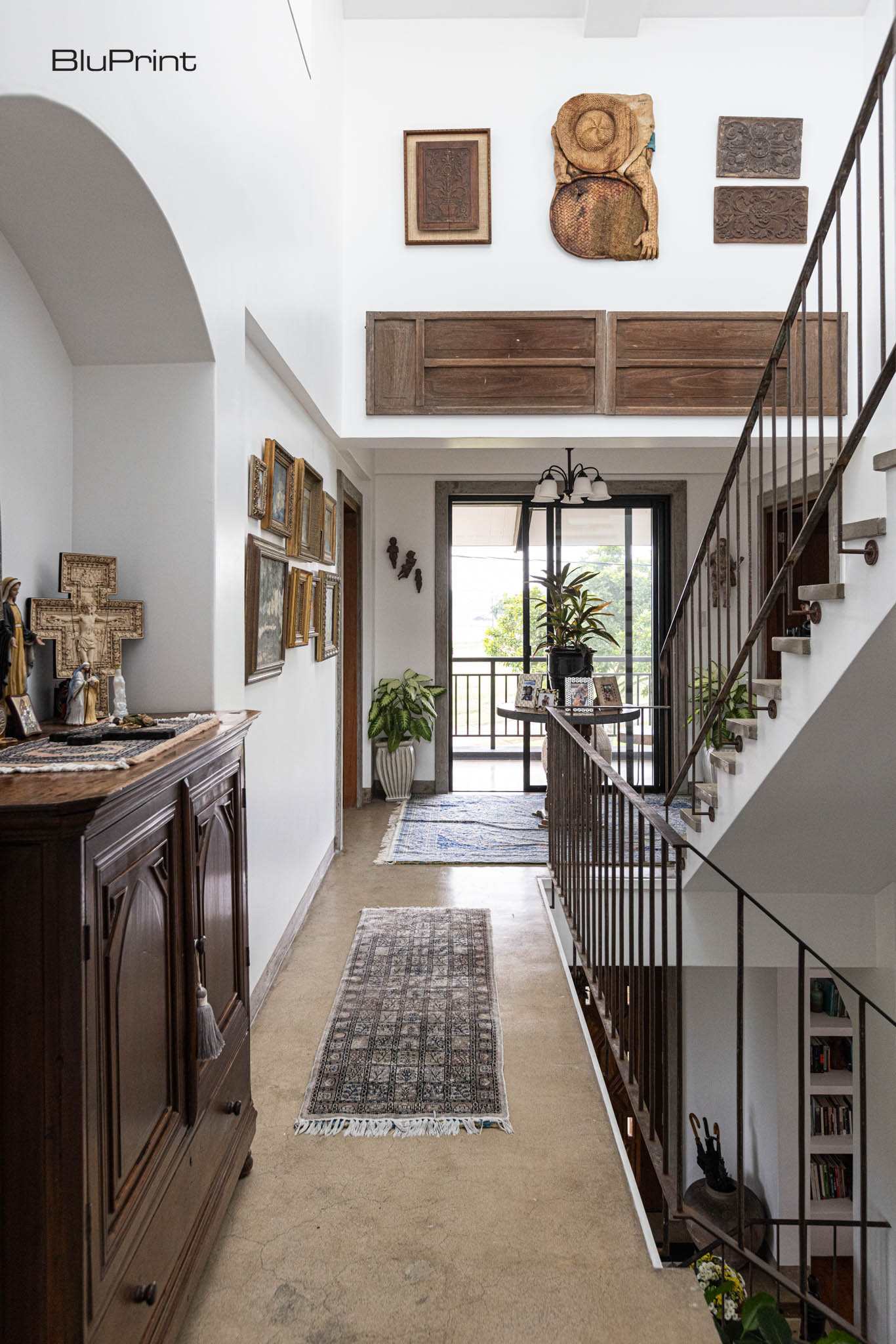
On the surface, introducing neutral maximalism to a space might be as simple as trading rich hues with soft tones. But this doesn’t mean that every design aspect should adhere to this approach. There are multiple ways to achieve this interior style aside from enveloping the entire interior with neutral colors.
Make the Base Neutral
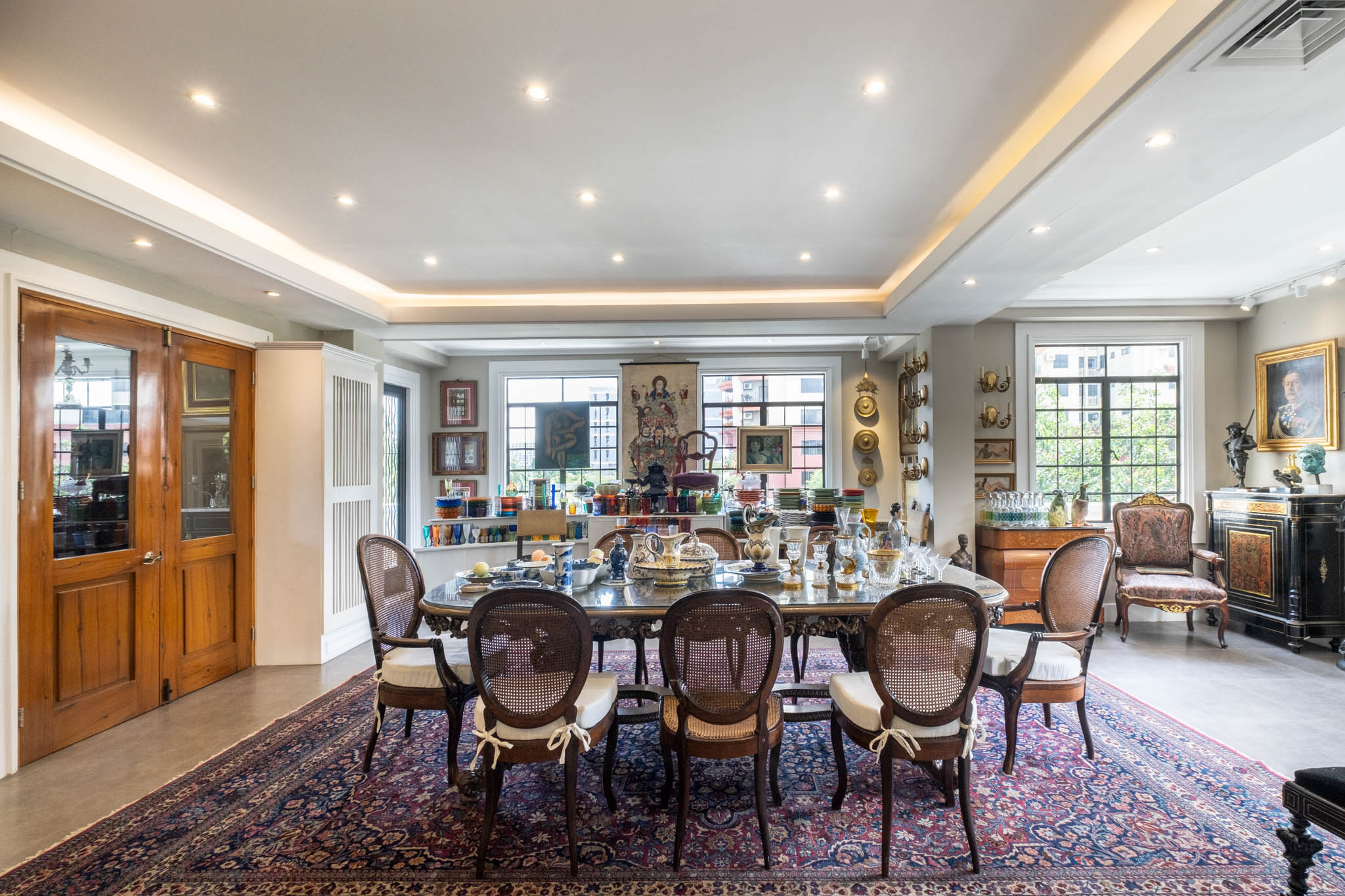
One of the easiest ways to implement neutral maximalism is by covering the surfaces with your preferred neutral colors. Either through paint, wallpaper, tiles, or rugs, creating neutral-toned walls, floors, and ceilings help you establish a nice foundation for other maximalist furnishings. Plus, it makes layering textures, patterns, and decor less overwhelming since it can accommodate and unify a variety of styles.
For instance, you can choose different shades of the same neutral color to create a monochromatic look. Or combine colors like beige, cream, and taupe for a more textured and visually interesting effect. In this way, you won’t need to worry about matching every item to the neutral color scheme, as the base is already in line with the style.
Use Subtle Tones for Patterns and Textures
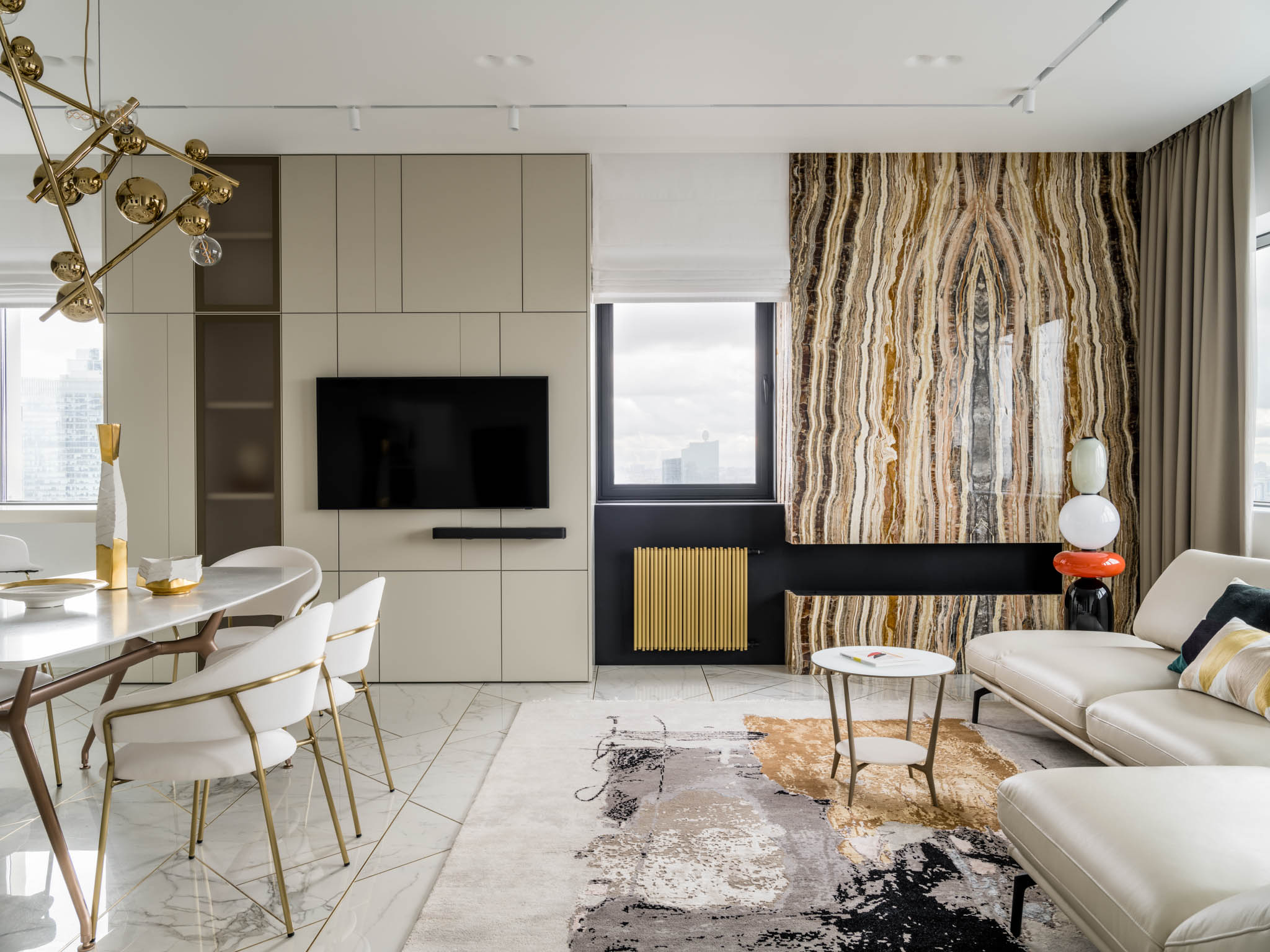
No maximalist interior is complete without complex patterns and contrasting textures. But instead of opting for vibrant colors, pick those in a neutral color palette. Whether they’re geometric shapes, floral prints, soft fabrics, or textured materials, make sure the subtle tones are as prominent as the design. So, you can have more nuanced and balanced layers of contrasting elements while guaranteeing a gentler maximalist space.
Let’s say rather than colorful marble, try white with black veins for accent walls or countertops. Or if you like to incorporate woven fabrics with intricate motifs, maybe steer clear of lively colors.
You can do the same for wood materials by choosing paler types, like oak and maple, to show more obvious grains.
Display Neutral Statement Pieces
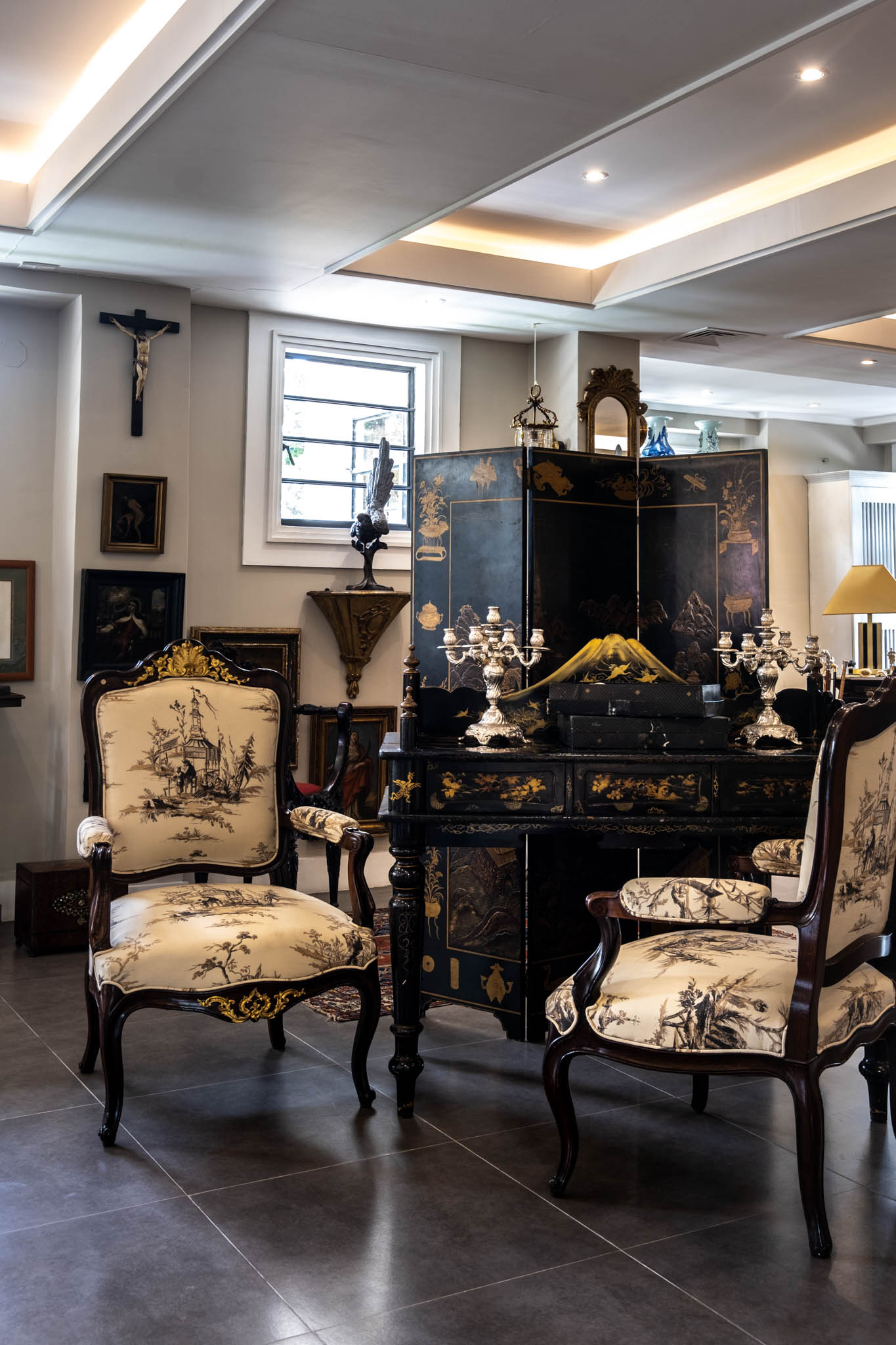
To evidently show the shift to neutrals, don’t leave out the statement pieces. This can be anything from bespoke or sculptural furniture, to artwork, or even unique lighting fixtures. Similar to patterns and textures, let these items leave a lasting impression by allowing neutral colors to take center stage. While they might have extra details like metallic finishes and exquisite carvings and moldings, ensure a subtle color scheme dominates the design.
For example, consider a large armchair in a neutral and patterned fabric like linen or velvet. The chair’s unique shape and style, emphasized by its light hue, can draw attention without overwhelming the space. Alternatively, you could hang a piece of abstract art in neutral tones on a blank wall to discreetly add visual interest. And as for statement lighting, skip gold and opt for a neutral metal finish like brushed nickel or silver.
Neutral maximalism demonstrates how the “more is more” principle doesn’t always call for rich and vivid tones. It proves that the essence of maximalism truly lies in the abundance of visually stimulating and emotionally resonant pieces you put in a space. The restrained palette allows for a deeper exploration of textures, patterns, and materials. But more importantly, it evokes a sense of calm and sophistication some traditional maximalist interiors don’t usually have.
Read more: Empty Spaces to Fill: Why Filipinos Love Maximalist Houses
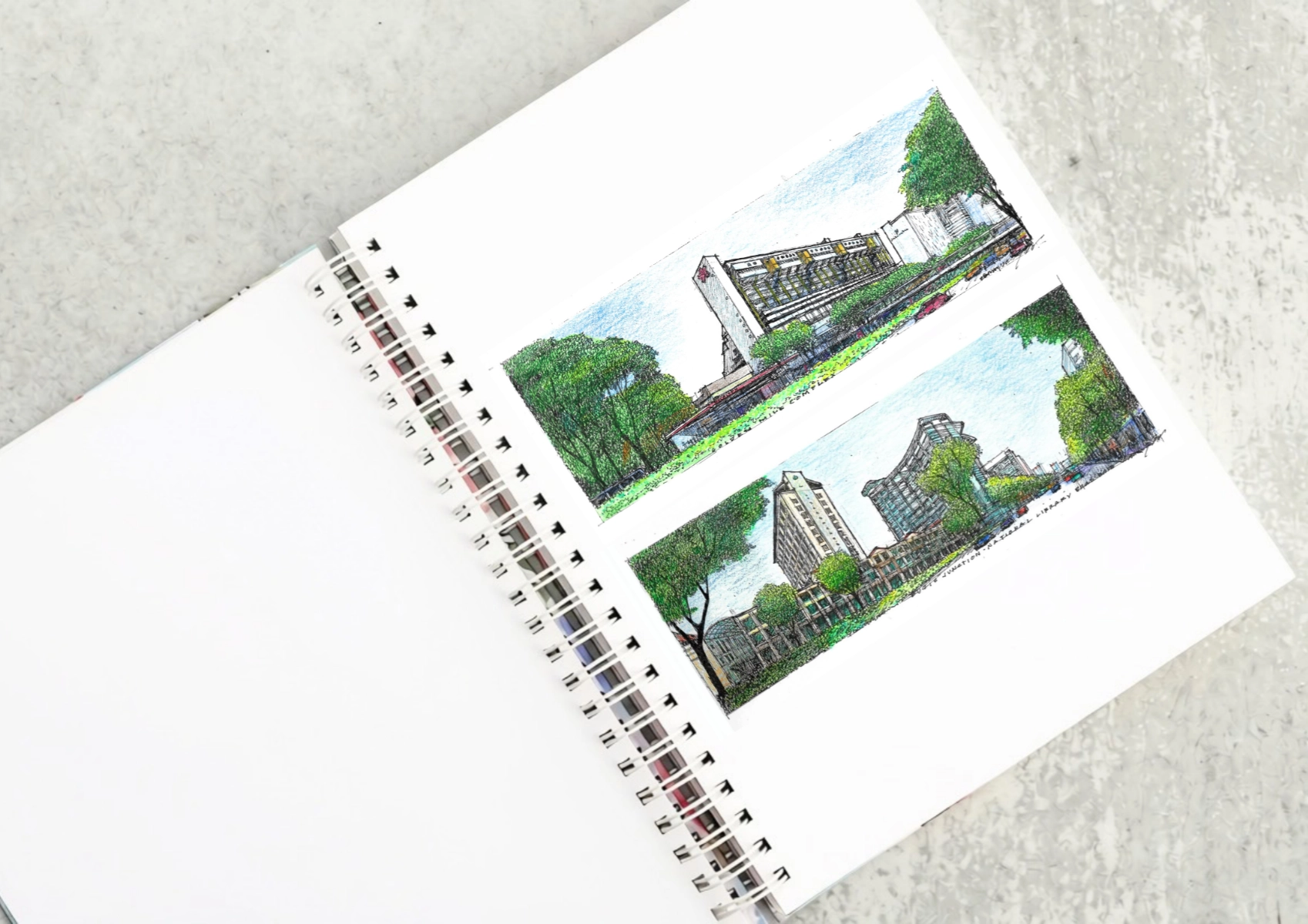
Two sketches of Singapore connect BluPrint Editor in Chief Paulo G. Alcazaren’s personal and professional history with Shared Ground: ArchitectureArchitectureThe art and science of designing and constructing buildings, structures, and spaces that are functional, safe, and aesthetically pleasing. It encompasses the planning, design, materials, and techniques used to createGo to Architecture Glossary of Care, Culture, […]

In a way, designers are the modern-day soothsayers and prophets. They design for the future, predicting how a room, a house, a building or a whole city will be used by people. They foresee how users will interact with a space, conjure exact shades of colors to elicit specific behavior and arrange furniture to build […]
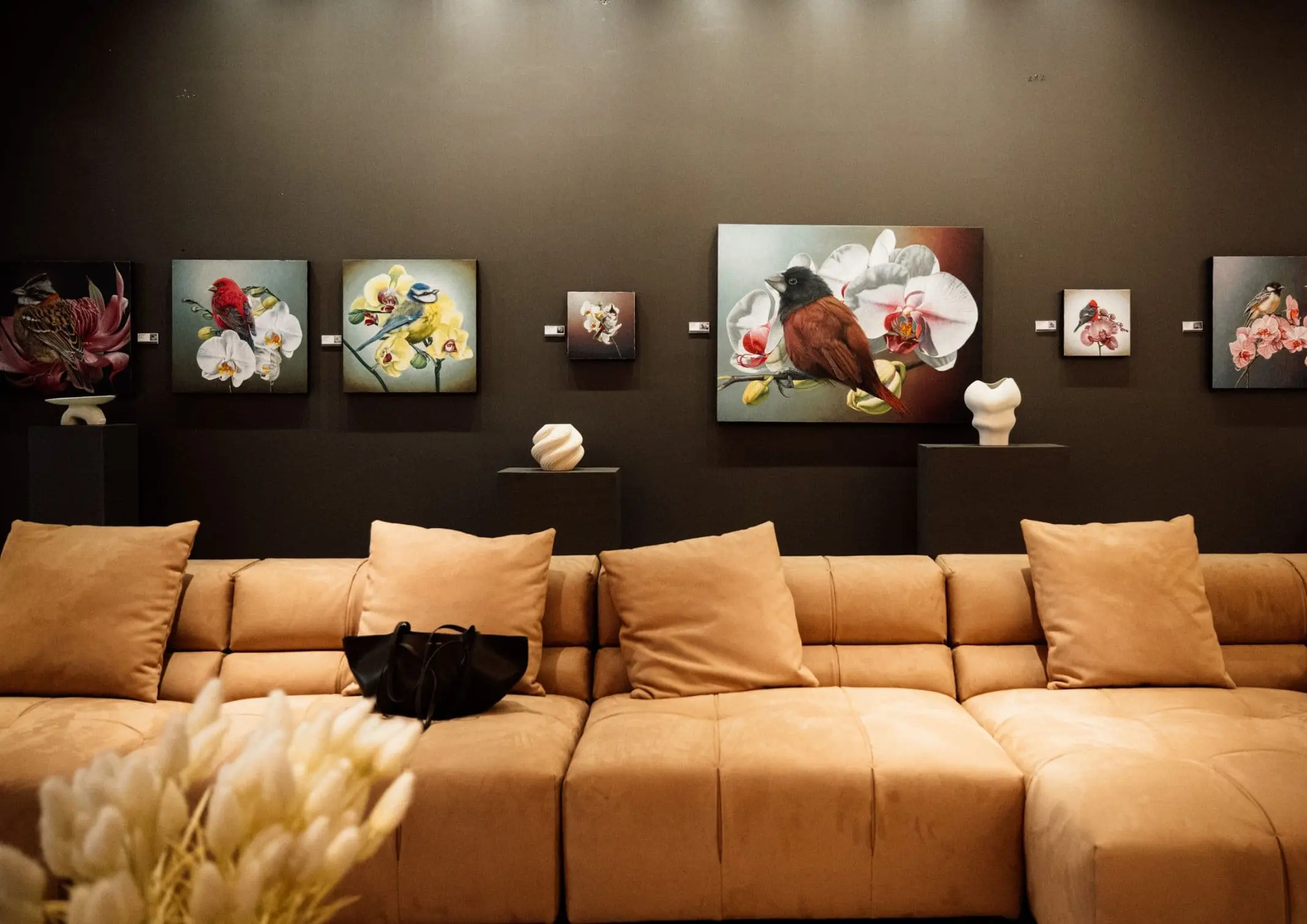
Art and furniture are often selected separately, yet their relationship can shape how a room looks and feels. The collaboration between Hooga and Galerie Joaquin explores how these elements can work together, bringing contemporary artworks into furnished residential settings at Hooga’s showroom in Uptown Mall, Bonifacio Global City. For Hooga, which curates furniture, lighting, and […]

How can better-planned cities create the conditions for more creative, livable, and resilient urban environments? “Makati Urban Recipes for a City’s Survival,” a colloquium held at the Ayala Museum on September 15, brought together architects and practitioners from the fields of urbanism and the creative economy to discuss how design, planning, and collaboration can address […]
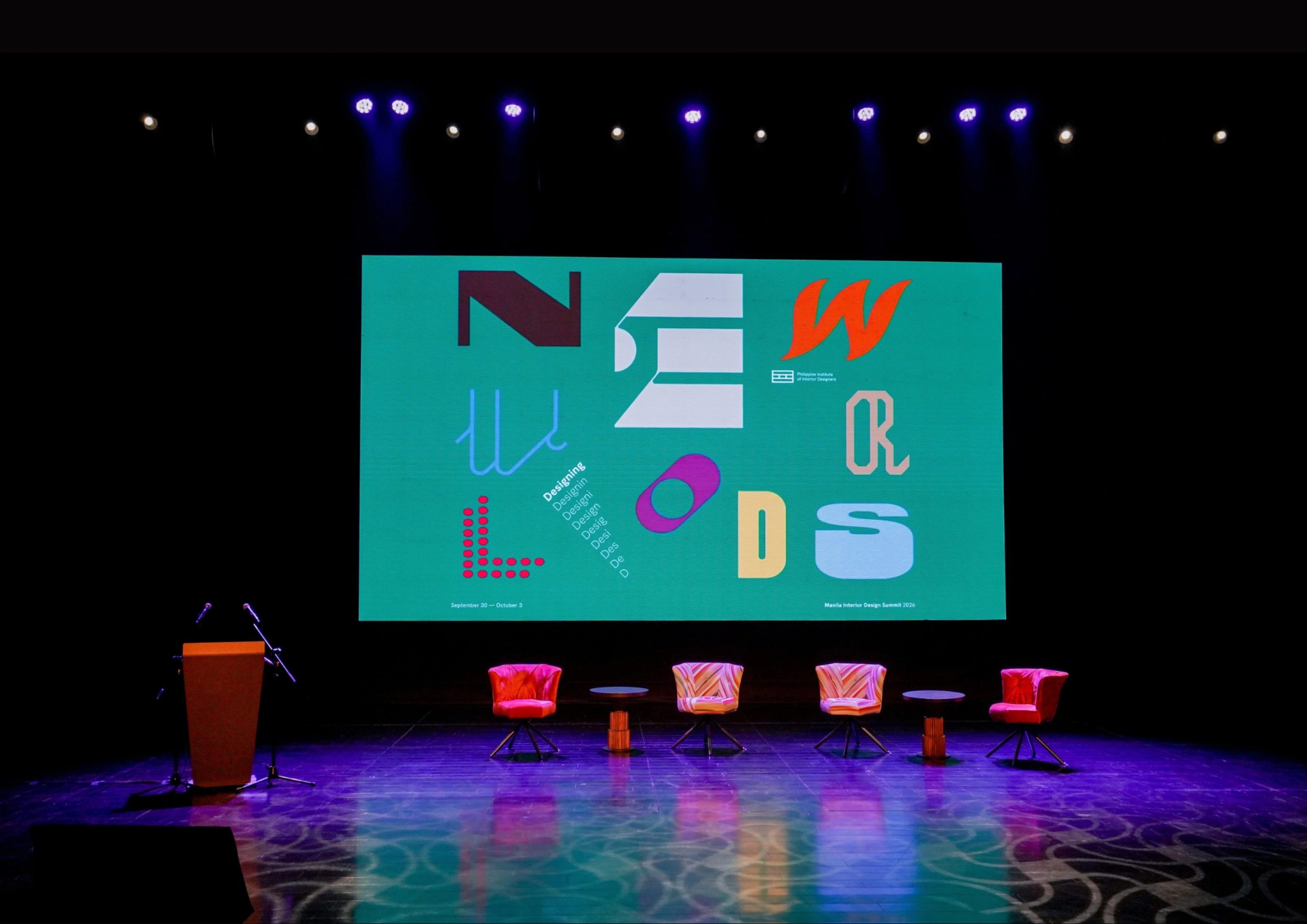
The fourth Manila Interior DesignInterior DesignThe discipline of planning and shaping interior spaces for function, comfort, safety, and beauty. It covers layout, lighting, materials, finishes, furniture, and color, and in the Philippines is a licensedGo to Interior Design Glossary Summit (MIDS) brought together more than 300 delegates for four days of conversations, exhibitions, and design […]
Read the issues.

Collect the volumes.

Recommended Video
Tap to Unmute
Unmute
0:00
0:00