The seventh edition of the Anthology ASEAN ArchitectureArchitectureThe art and science of designing and constructing buildings, structures, and spaces that are functional, safe, and aesthetically pleasing. It encompasses the planning, design, materials, and techniques used to createGo to Architecture Glossary Festival brought together over 4,000 delegates from across the Philippines and Southeast Asia for three […]

Unwrapping Traditions: The Story of Red and Green as Classic Christmas Colors



Have you ever wondered why you’re always greeted by a familiar and comforting sight of rich red and green hues during the holiday season? They’ve become so intrinsically linked to this festive occasion that it’s hard to imagine celebrating it without them. Whether it’s a small ornament or a grand centerpiece, you’re bound to have at least one red or green Christmas item. So, to give light to this timeless tradition, let’s unwrap the captivating history and symbolism behind these classic Christmas colors.
A Recollection of Beliefs and Practices
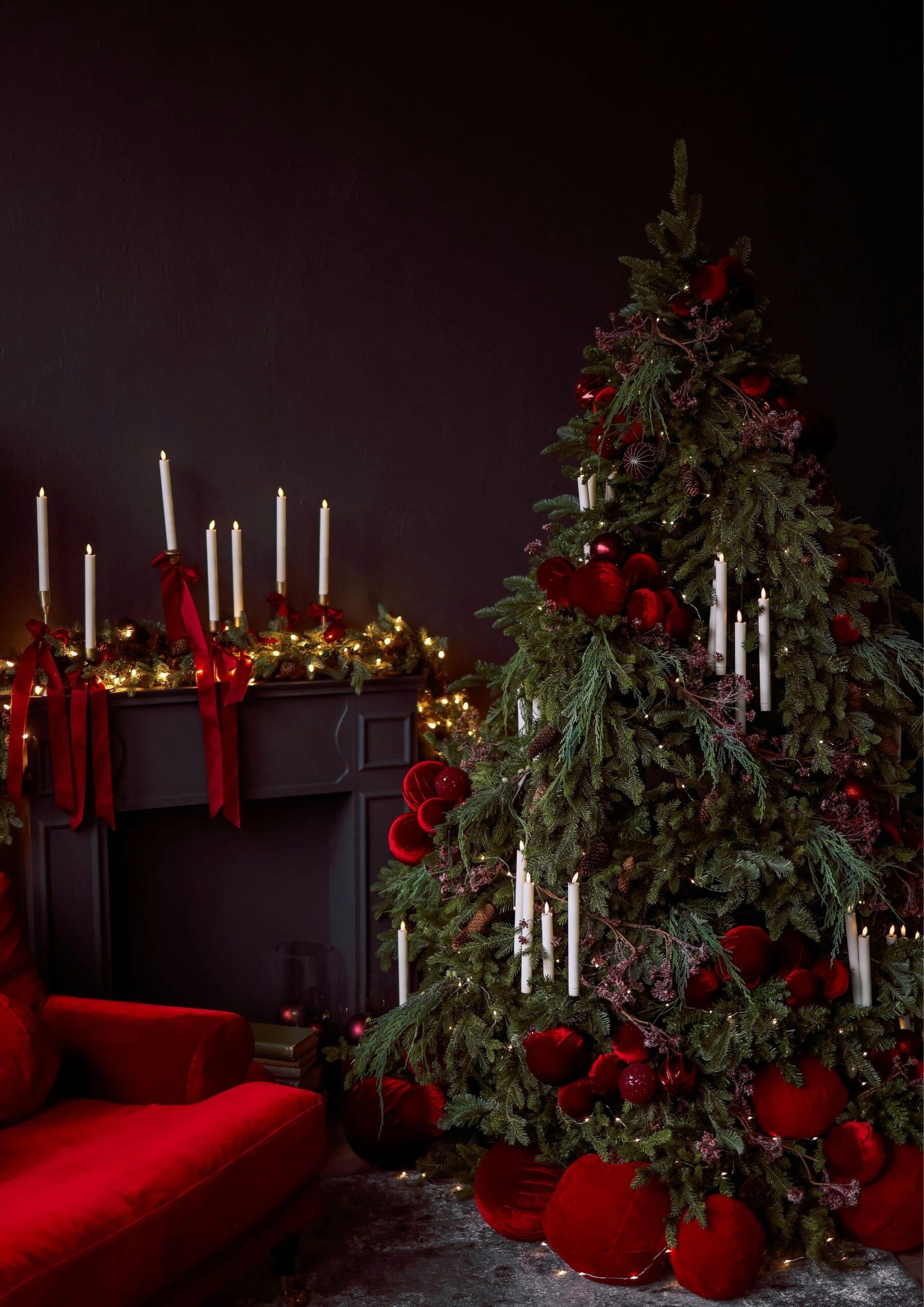
Decorating with red and green for Christmas originates from traditions rooted in long-held beliefs. And these practices evolved and endured through cultural influences and human interactions over time.
While limited records can’t presently pinpoint its exact inception, there are various theories to justify the start of this widespread phenomenon.
Red and Green in the B.C.
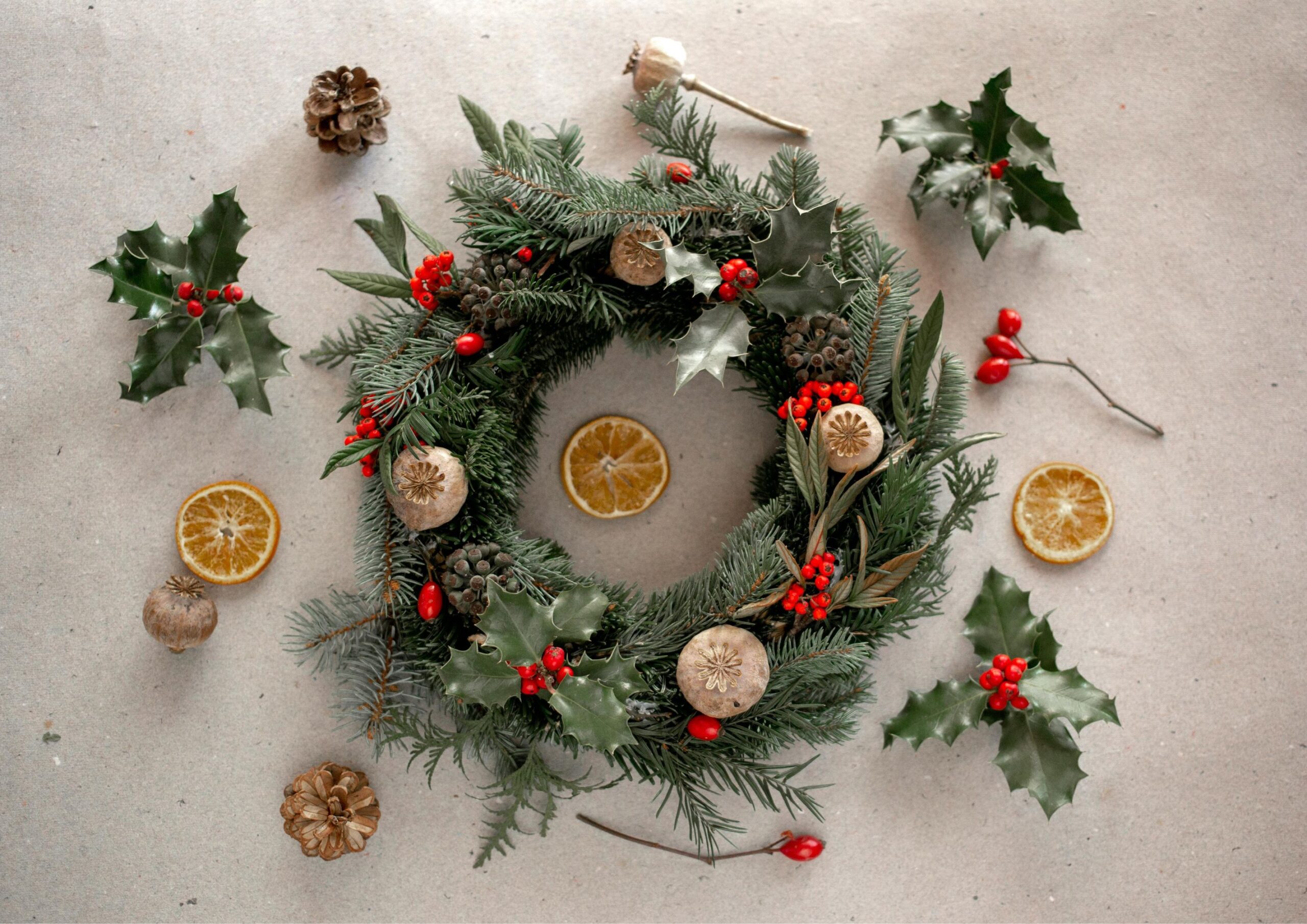
Historians believe that Celtics are among the first people who put meaning into red and green hues. During the winter solstice, they would bring holly plants, characterized by green leaves and red fruits, inside their home, symbolizing their hope that these vibrant colors would soon fill the earth again. They also regarded these traditional Christmas colors as a bringer of good fortune and protection, guiding them to overcome the harsh cold season.
Ancient Romans, on the other hand, used red and green during the Saturnalia in honor of the god Saturn. They also put holly plants in their dwellings along with wreaths and other greenery. These colors were also displayed in their clothing for special occasions called synthesis.
From a Christian Point of View

In Christianity, red and green represent a lot of things, including how it mainly associates with the life of Jesus Christ.
For devotees, red could mean his blood while green could symbolize everlasting life. Meanwhile, Christian scholars posit that these colors are taken from the leaves and berries in Jesus’s crown of thorns.
But aside from getting inspiration from Christianity, some historians found red and green’s relevance from Miracle Plays popularized in the 1300s. One of them called The Paradise Play stood out for using a pine tree and placing apples to represent the Tree of Good and Evil in the story of Adam and Eve. This then helped establish the usual red and green color of Christmas trees.
Moreover, Franciscan friars in the 1600s used poinsettias for a nativity procession called Fiesta of Santa Pesebre, further solidifying the colors’ significance in this festive season.
Classic Christmas Colors in Modern Times
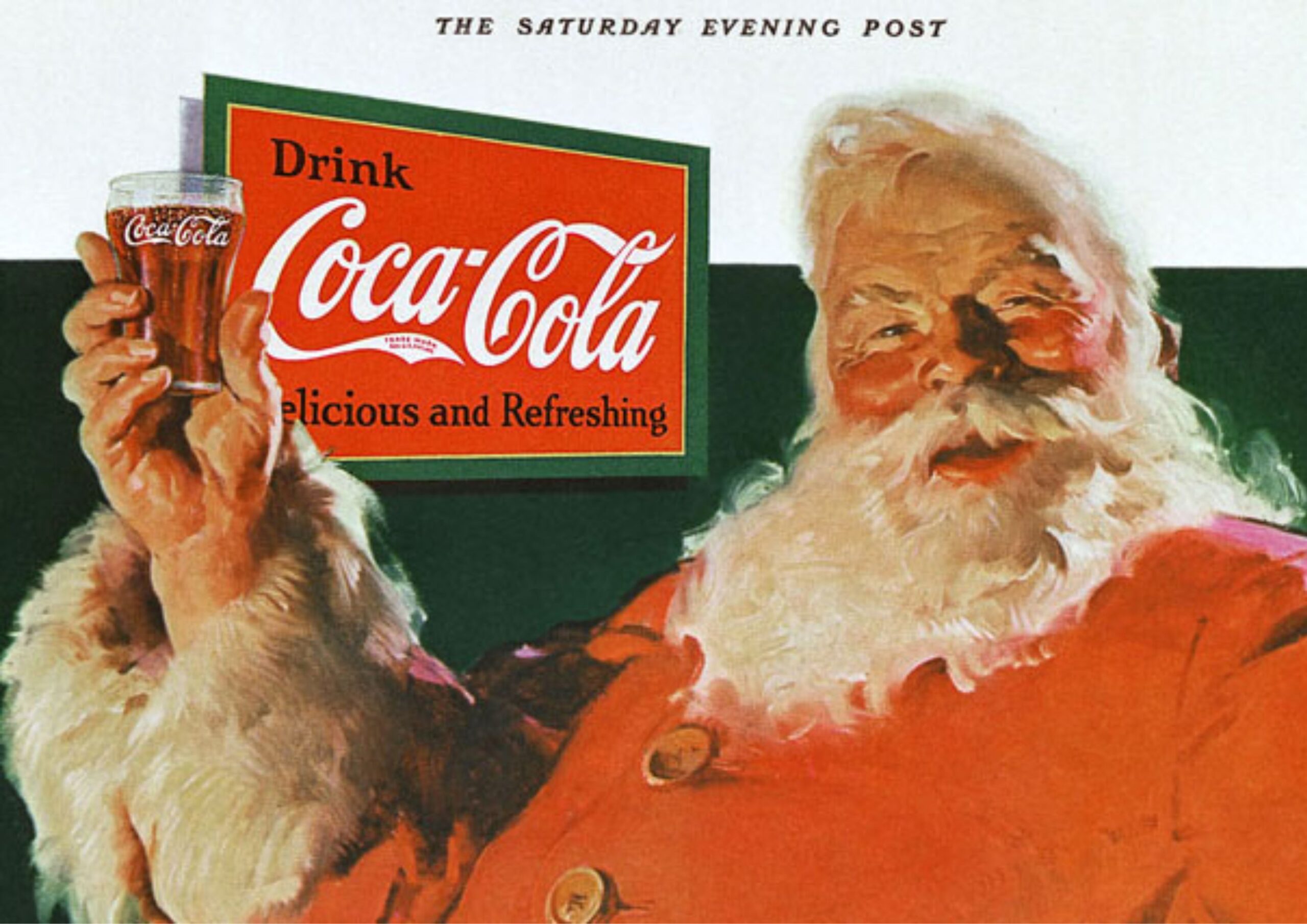
Despite their stature in various cultures and societies in earlier times, red and green weren’t as influential until their commercialization. During the Great Depression in the 1930s, Coca-Cola’s illustrator Haddon Sundblom rebranded the company’s holiday advertisements by inserting a new portrait of Santa Claus.
Deviating from the blue and lanky Victorian Christmas card version, Santa was characterized with a red robe, plump belly, and jolly personality backdropped by a deep green shade. Not only did it align with the brand’s colors, it also supported how people already perceive these classic hues.
Following this successful advertising, many brands followed suit. This eventually led us to the widely accepted association of red and green with the Christmas season.
Creating a New Meaning for Red and Green

The Secret Language of Color author Arielle Eckstut says that humans naturally understand the world through colors. She described hues as the “map” to which we find explanations to our surroundings. And with plenty of new ideas and trends rising, this creates opportunities to interpret the classic red and green Christmas colors in more contemporary ways.
One of the significant aspects of red and green’s appeal in modern times lies in their ability to evoke nostalgia. These traditional colors are deeply rooted in our collective memory, reminding us of cherished childhood Christmases. The sight of a red and green decorated tree, intricate parol, and other holiday decor can transport us back to simpler times, filled with warmth, love, and wonder.
Another is how it connects people back to nature. Of all other Christmas colors, the red and green palette is only among the few that directly stirs the feel of the natural world. Green—associated with trees and plants, and red—as one of the most common fruit and flower colors, both embody the vibrant energy and life force of nature.
And as we move forward, we can expect to see new meanings and innovative uses of red and green in Christmas decorations and celebrations. But whatever they may be, these classic colors’ enduring popularity and versatility ensure that they will remain a beloved part of the holiday tradition for generations to come.
Read more: Classic Christmas Themes That Will Always Fill Your Home with Holiday Spirit

Bigkis is the act of binding. In Tagalog, the word can refer to something used to bind or encircle, as well as a bundle formed by tying several separate elements together. Figuratively, it can also mean a bond, union, or unity. The meanings move from the physical act of joining things together to the connection […]

Two sketches of Singapore connect BluPrint Editor in Chief Paulo G. Alcazaren’s personal and professional history with Shared Ground: ArchitectureArchitectureThe art and science of designing and constructing buildings, structures, and spaces that are functional, safe, and aesthetically pleasing. It encompasses the planning, design, materials, and techniques used to createGo to Architecture Glossary of Care, Culture, […]
Some have become household names – Coleman, Oster, and KitchenAid – products that have found their way into Filipino kitchens, homes and family routines. In home furnishings, brands such as B&B Italia, Ethan Allen, Sub-Zero, Miele, SieMatic, Louis Poulsen, Hunter Douglas, Tempur, and Technogym, have helped shape the way Filipinos live. From everyday essentials to […]

In a way, designers are the modern-day soothsayers and prophets. They design for the future, predicting how a room, a house, a building or a whole city will be used by people. They foresee how users will interact with a space, conjure exact shades of colors to elicit specific behavior and arrange furniture to build […]

Art and furniture are often selected separately, yet their relationship can shape how a room looks and feels. The collaboration between Hooga and Galerie Joaquin explores how these elements can work together, bringing contemporary artworks into furnished residential settings at Hooga’s showroom in Uptown Mall, Bonifacio Global City. For Hooga, which curates furniture, lighting, and […]
Read the issues.

Collect the volumes.

Recommended Video
Tap to Unmute
Unmute
0:00
0:00