From the moment a diner steps through the door, each detail shapes how a meal is experienced. Restaurant design has evolved, with architects and culinary professionals collaborating to create built spaces that are as intentional as the menu itself. The spatial atmosphere acts as an additional ingredient that can define the culinary experience. Taupe and […]
Restaurant Interiors in Manila That Show the Power of Design



From the moment a diner steps through the door, each detail shapes how a meal is experienced. Restaurant design has evolved, with architects and culinary professionals collaborating to create built spaces that are as intentional as the menu itself. The spatial atmosphere acts as an additional ingredient that can define the culinary experience.
Taupe and Bolero: Spatial Layout and Design
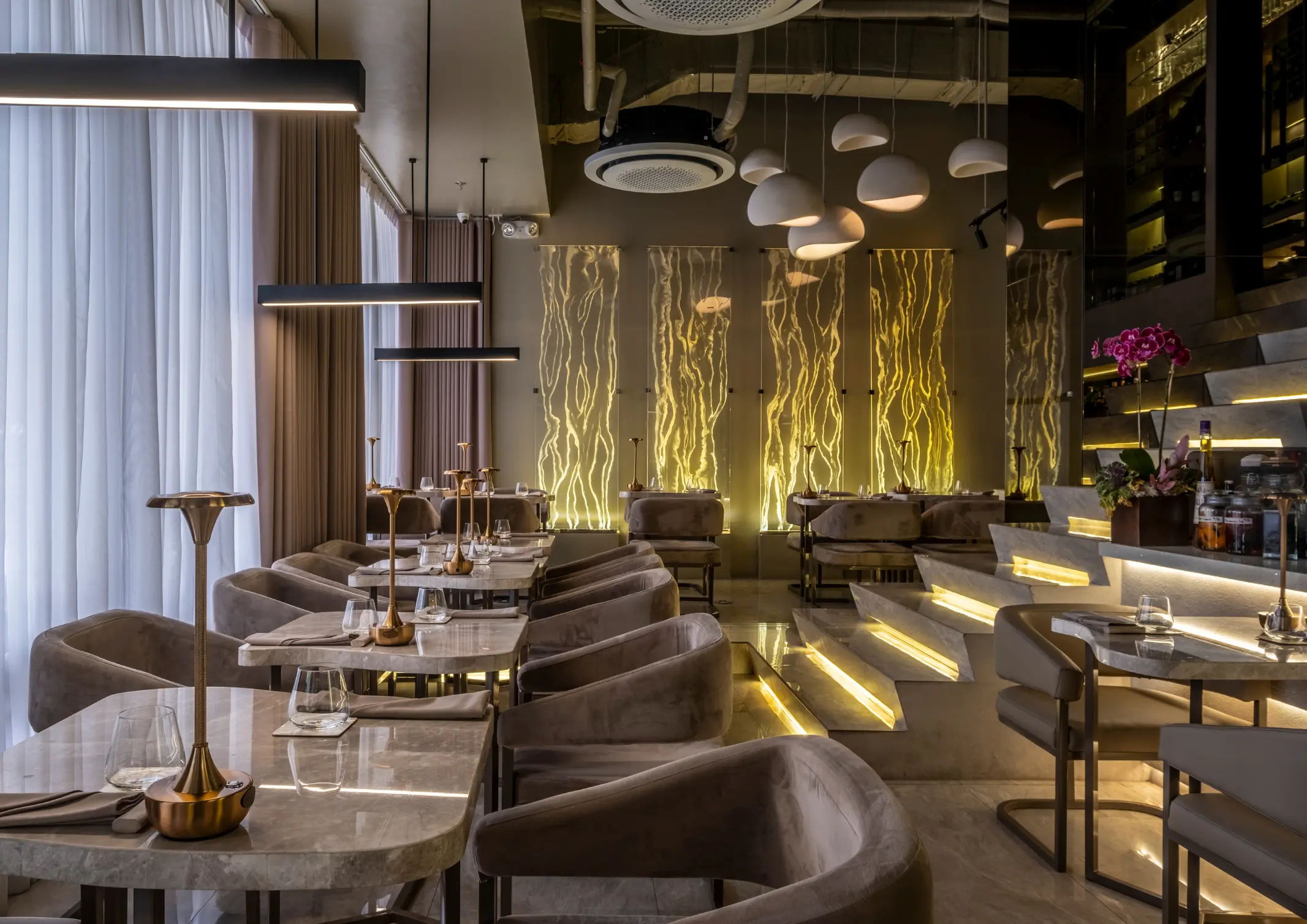
Crafting a dynamic spatial layout and design engages the senses beyond taste. This pushes the boundaries of the traditional dining experience. Located in Bonifacio Global City, Taupe is a restaurant that believes in creating both an elegant and functional atmosphere. Architect Thea Domingo prioritized efficient space planning and zoning, with the layout consisting of a dining area to kitchen aspect ratio of 60 to 40.
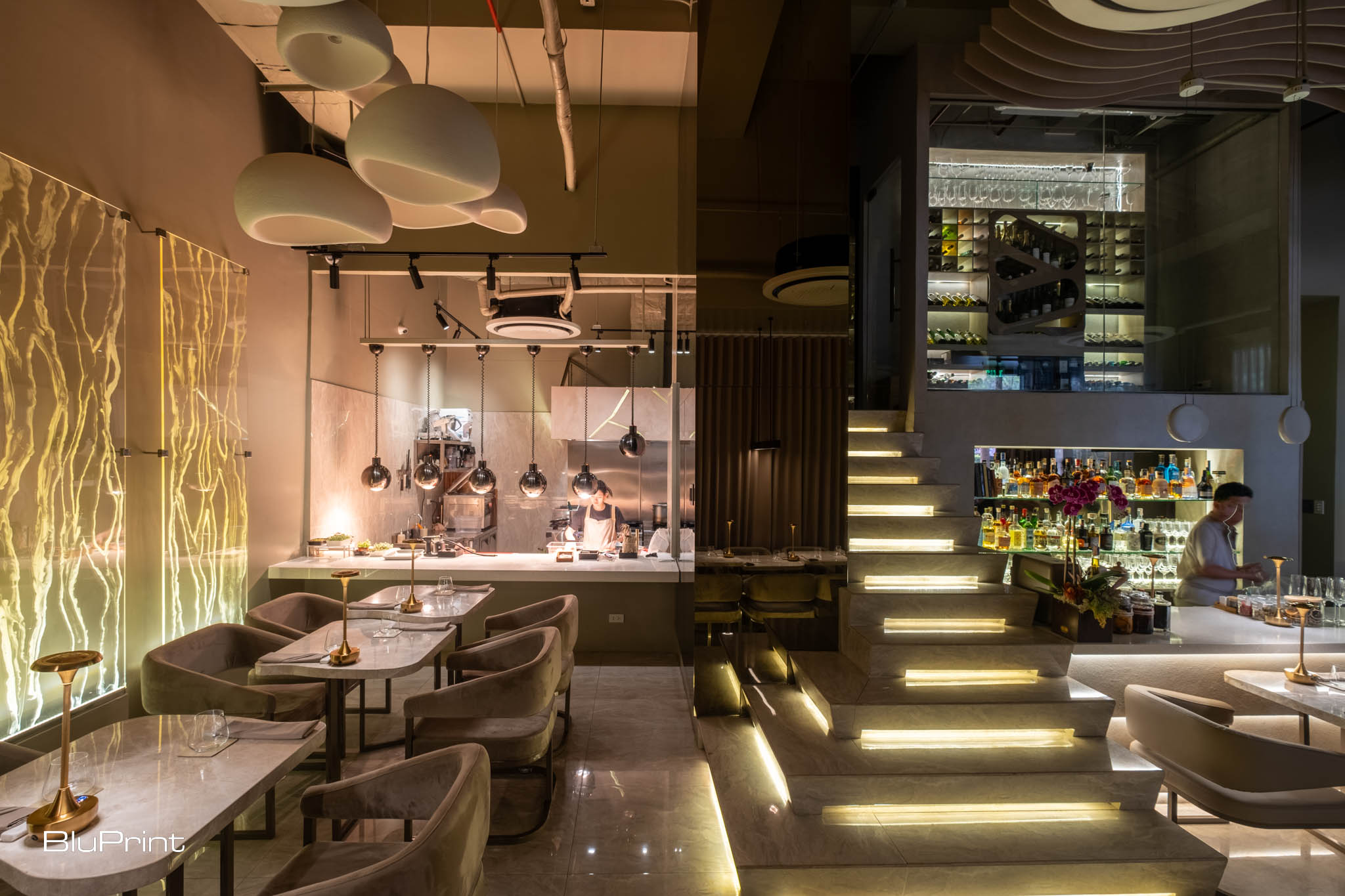
The restaurant’s interior design is defined by its monochromatic tones and premium materials. Features such as full-height bronze mirrors were used to visually expand the space. Meanwhile, a show kitchen with a wide opening and glass partition promotes transparency while opening up the space. Open ceilings maximized the vertical spaces to accommodate several design features like the wine room. Taupe found a balance between timelessness and functionality that transformed meals into an immersive experience.
Advertisement
Related Reading: Taupe: A Canvas for Food, Art, and Experience
Factors such as materiality also play a role in the dining experience. For Bolero, a restaurant located in Bonifacio Global City, the intersection between fine dining and casual dining is vital. To achieve the interplay of an elegant and laid-back ambiance, architect and co-owner Endika Ampudia prioritized cohesion.
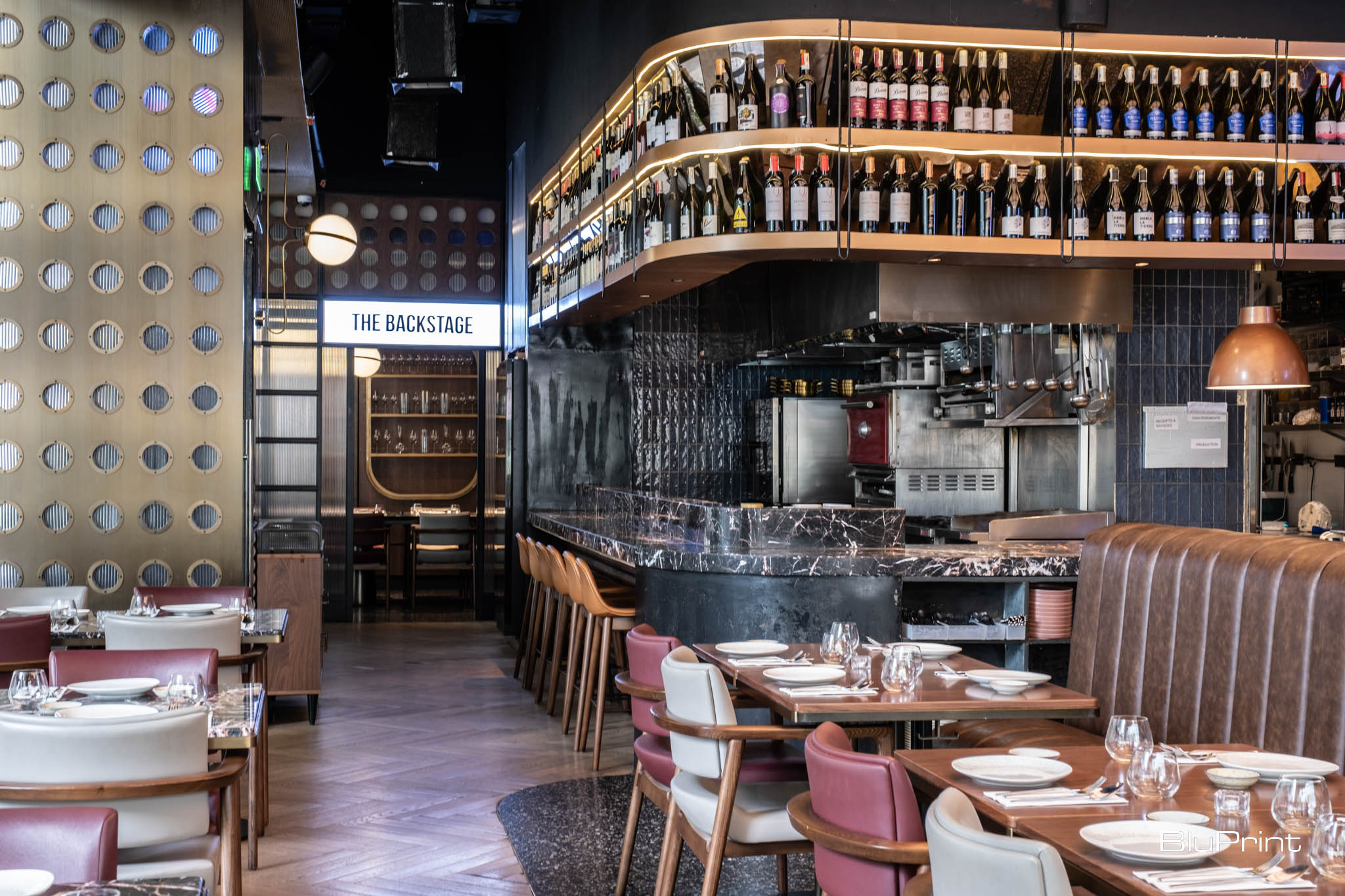
A color palette of blacks and browns defines the space, along with materials such as natural terrazzo, leather, marble, and wood. The restaurant offers modern European fare in a casual environment, inviting guests to relax and be themselves.
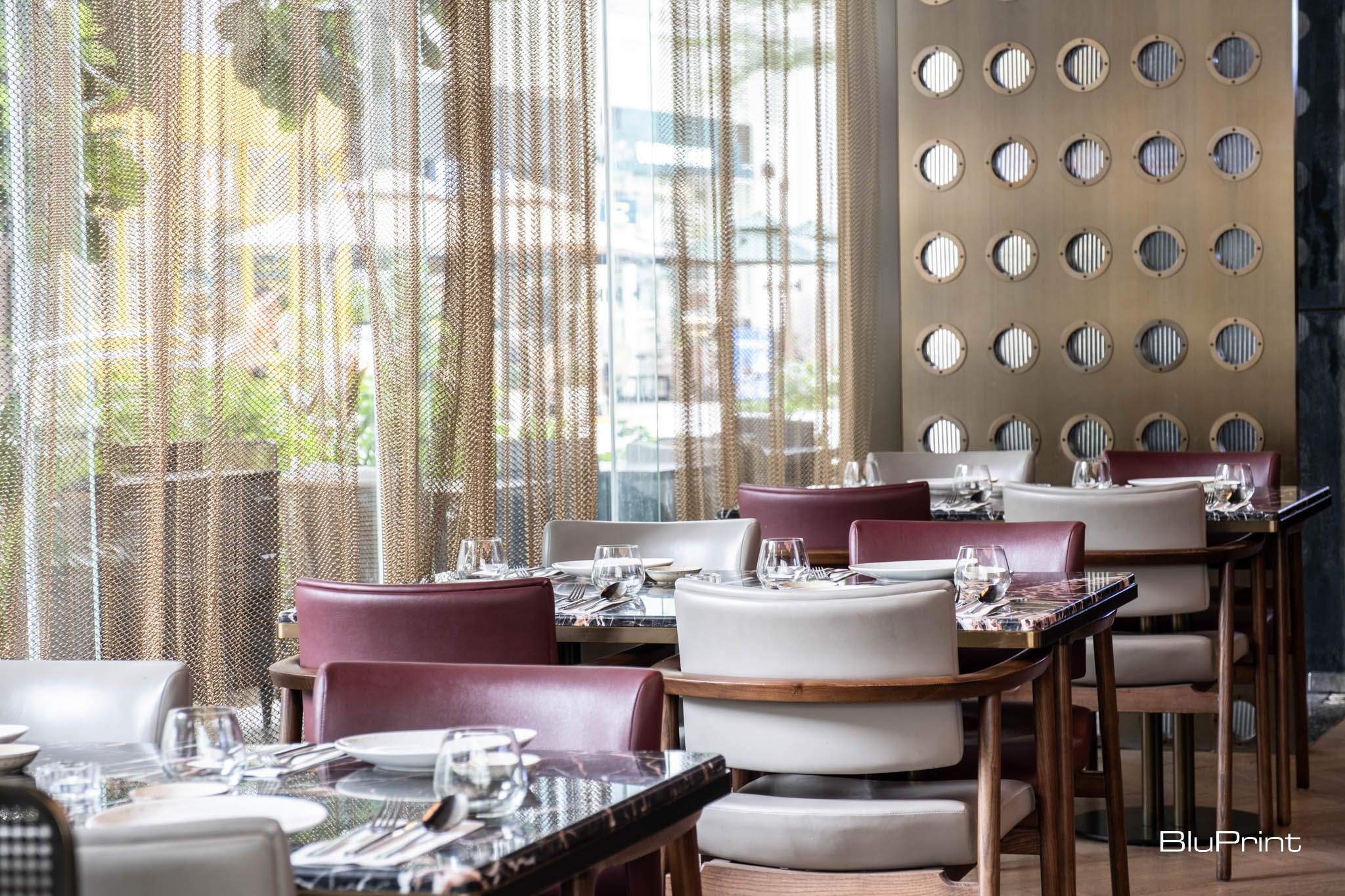
Through design, Bolero curated a space that fosters sophistication without pretension—offering customers a premium dining experience without the intimidating atmosphere of traditional fine dining. Above all, it wants diners to enjoy high-quality food in a welcoming space.
Advertisement
Related Reading: Bolero: Where Flavor Meets Fun
Canto Bogchi, Yukoshen, and Kazu Cafe: Flexible Seating Arrangements
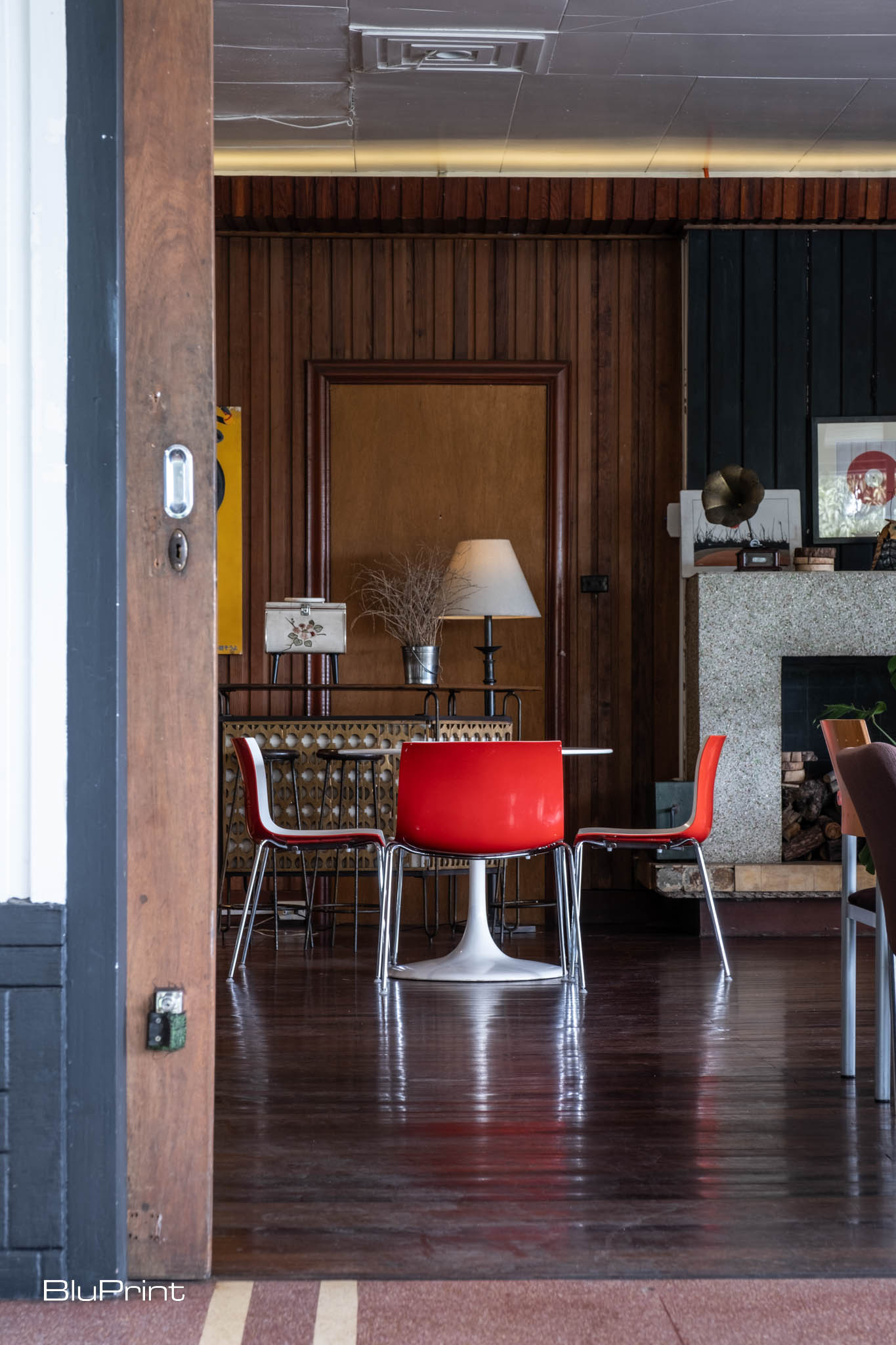
Integral to the dining experience is a restaurant’s seating arrangement. Situated in Baguio City, Canto Bogchi believes in offering a multi-faceted dining experience by offering flexible seating arrangements. In the main dining area that features an open kitchen concept, diners are witness to the food preparation. Designed with large windows, this area brings in natural light, allowing for a relaxing dining atmosphere.
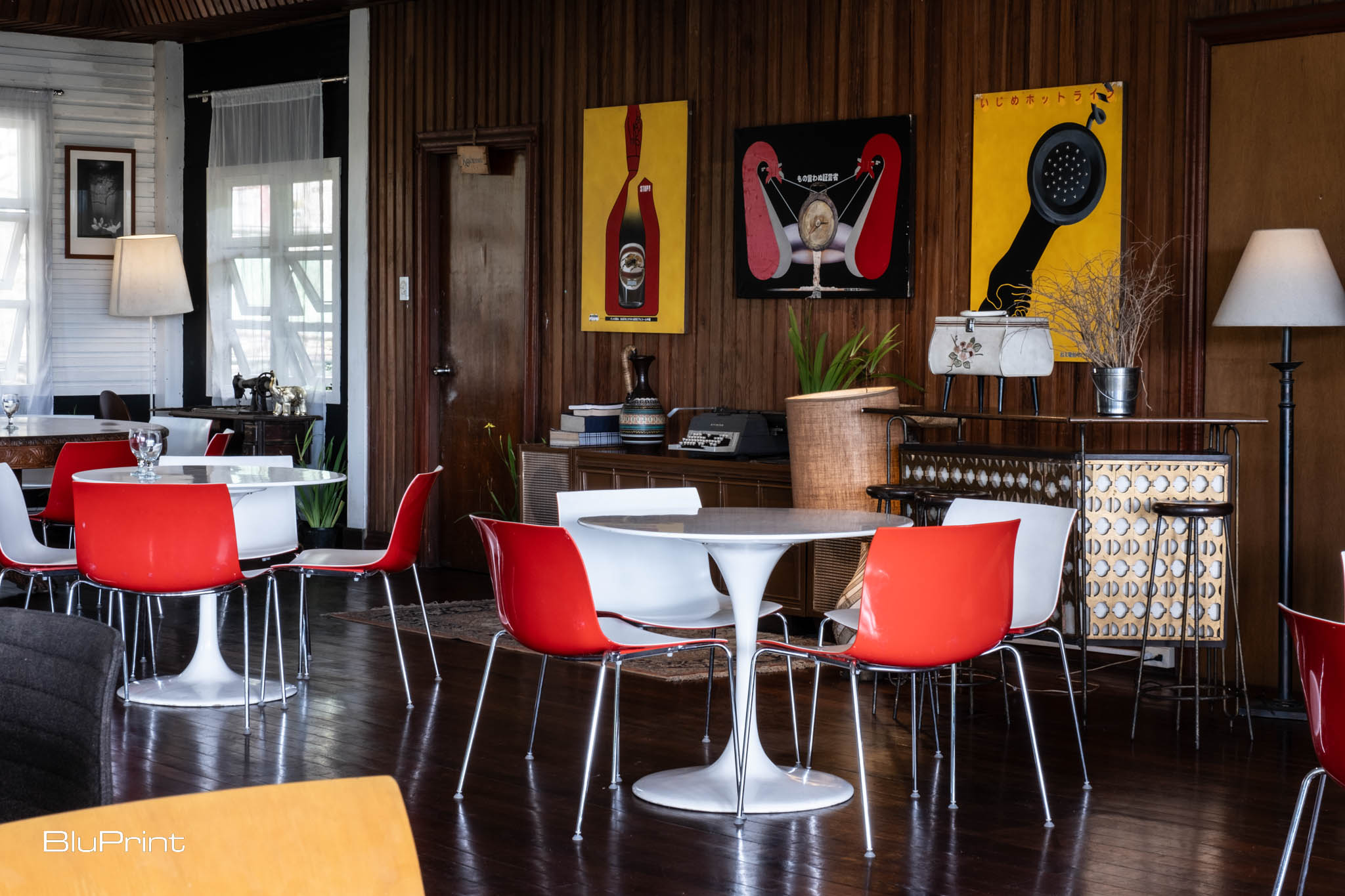
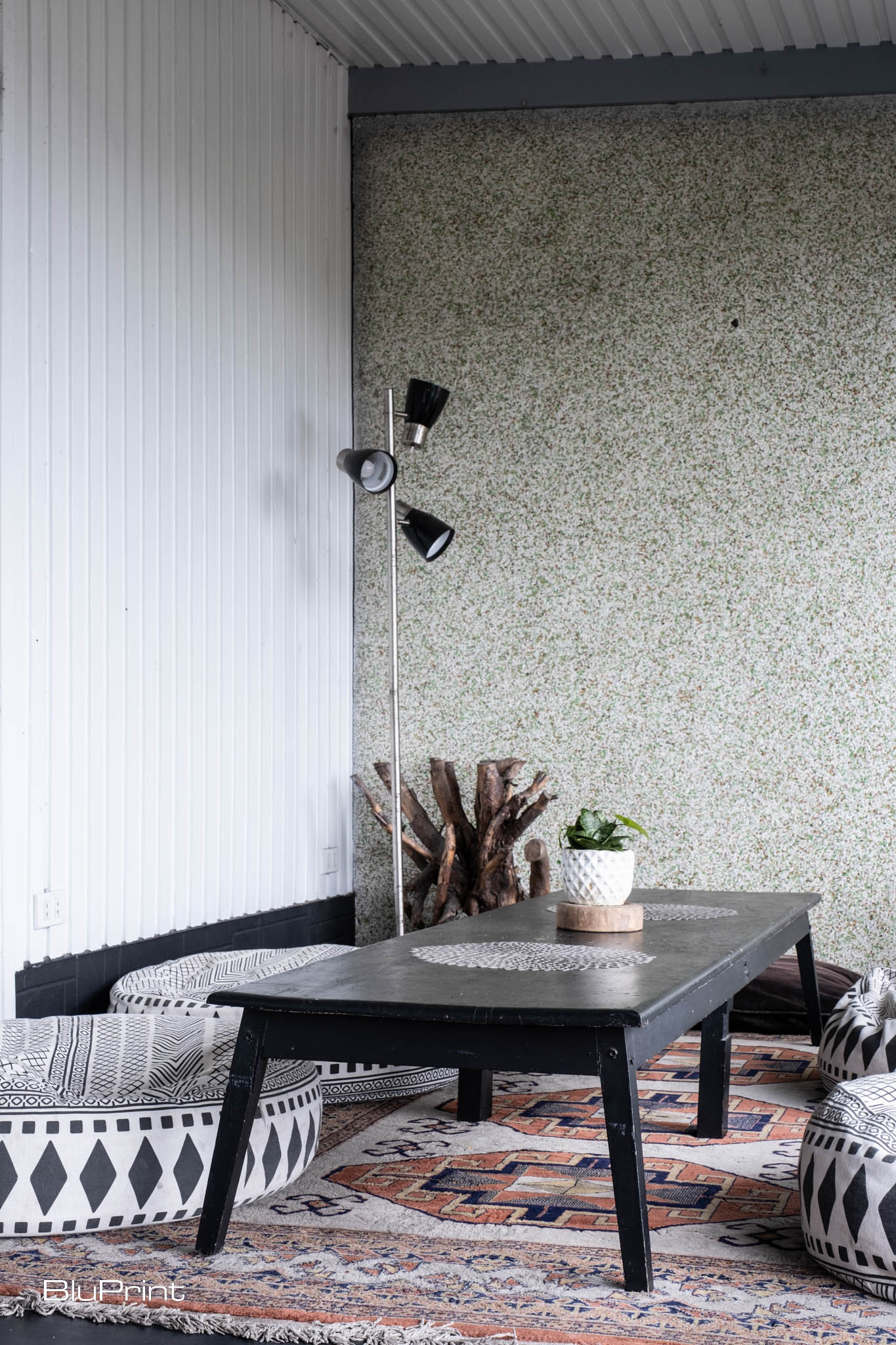
An outdoor garden dining area, home to Canto’s pizza place and Kalye treats, is available for larger groups of diners. Surrounded by greenery, diners can enjoy the open air. The restaurant also offers its Canto Bogchi Joint, a unique feature that offers a more casual dining experience through their brunch and lounge menu.
Advertisement
Related Reading: Canto Bogchi Joint Breathes Life into Baguio’s Vibrant Cultural Scene
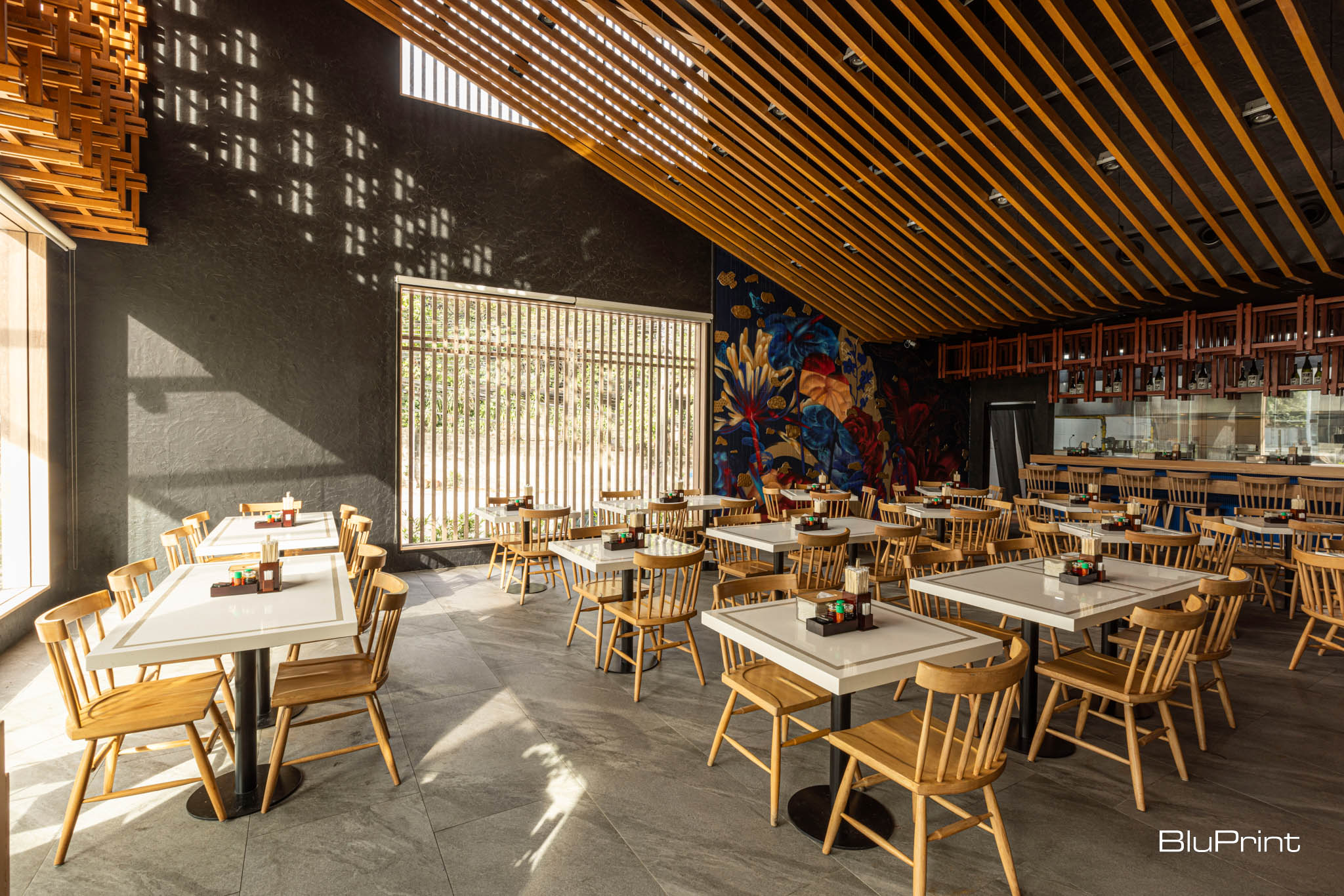
In Yukoshen’s Quezon City branch, most of the restaurant’s Panay floor area can be configured for a wide variety of guests, especially for larger groups. Such seating arrangements help staff be more hospitable to customers. This flexibility, which creates a space that is more airy and spacious for customers, enables hospitality from staff members.
Related Reading: Yushoken: Crafting Atmosphere Through Architectural Narrative
Situated in Ayala Triangle, Kazu Cafe is an almost 200-square-meter Japanese cafe that can accommodate up to 70 guests. The cafe offers a variety of seating arrangements, including al fresco dining and a private dining room for large groups. In the main dining area, booths with semi-circular couches cocoon guests. This provides them with more privacy while maintaining a connection to the rest of the space.
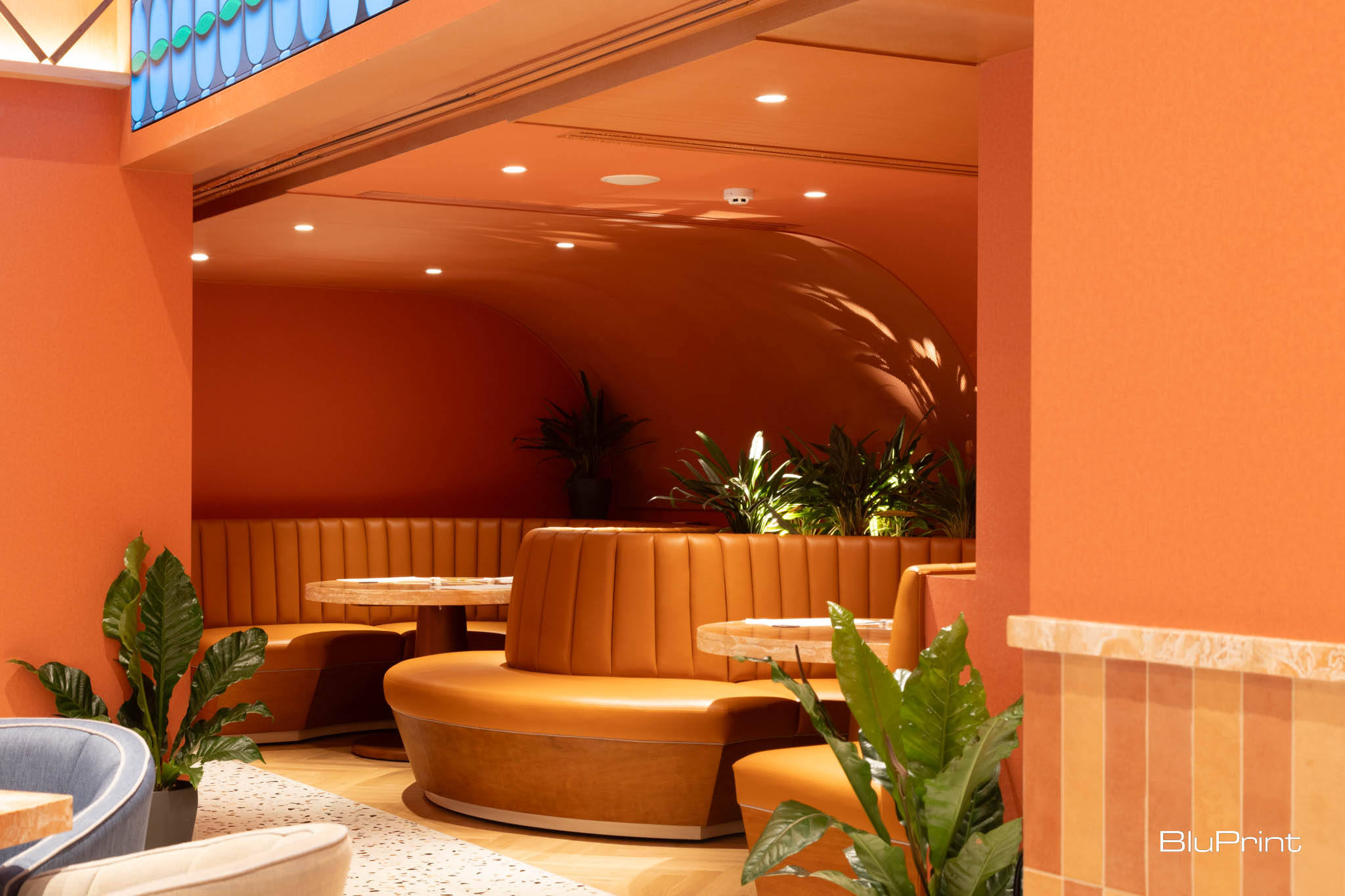
With its vibrant interior design that blends Japanese influences with contemporary design, the cafe’s seating arrangement creates a culinary journey in each corner of the space.
Advertisement
Related Reading: Kazu Cafe: A Treat for Your Senses
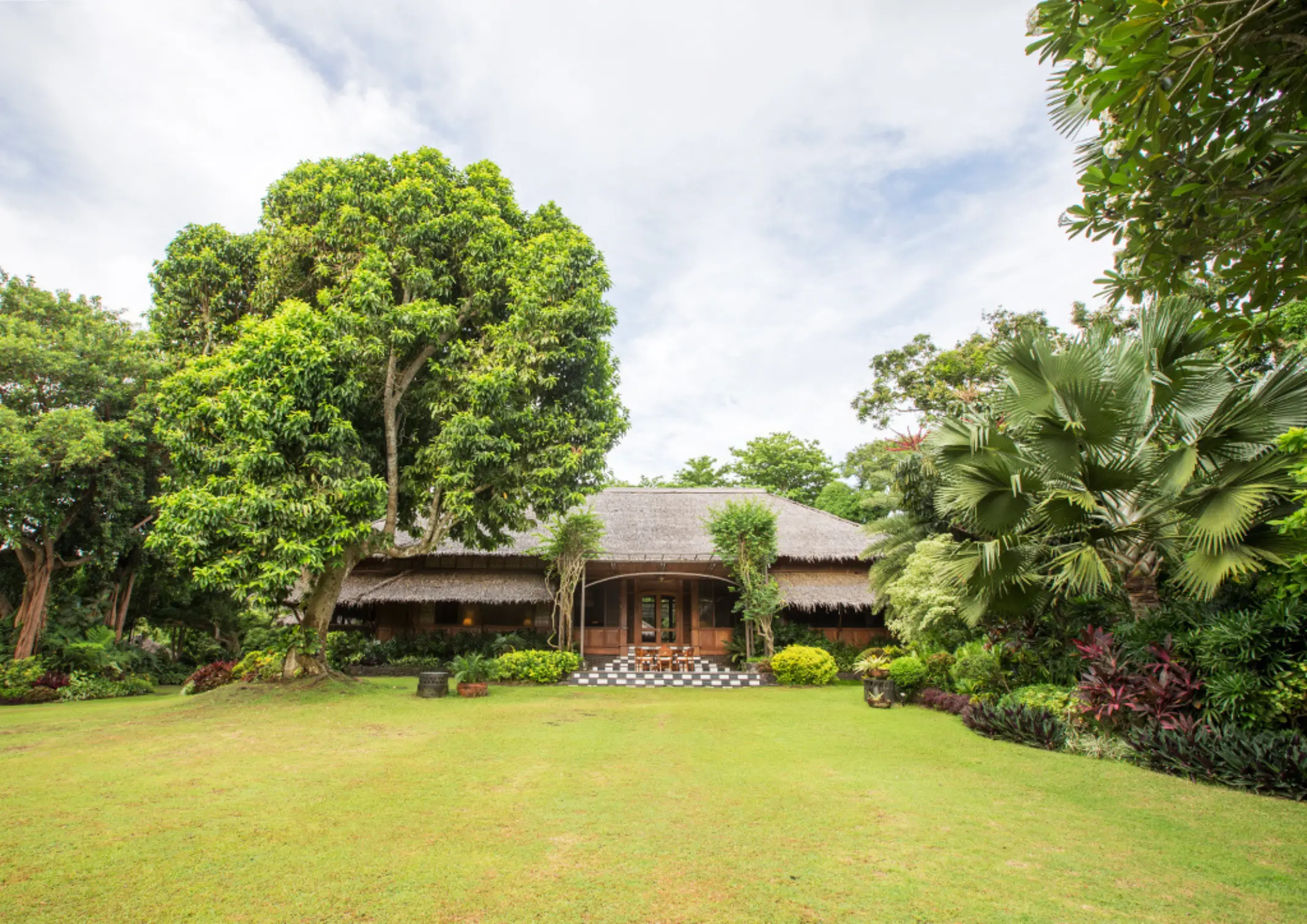
With climate change and global warming, the Philippine climate is in constant evolution. Consequently, it is important for Filipinos to have living spaces that respond to the local environment. In this article, BluPrint lists down Filipino architects who are reimagining the tropical house, aligning the built and natural environment. BAAD Studio Principal architects Benjee Mendoza […]
Advertisement
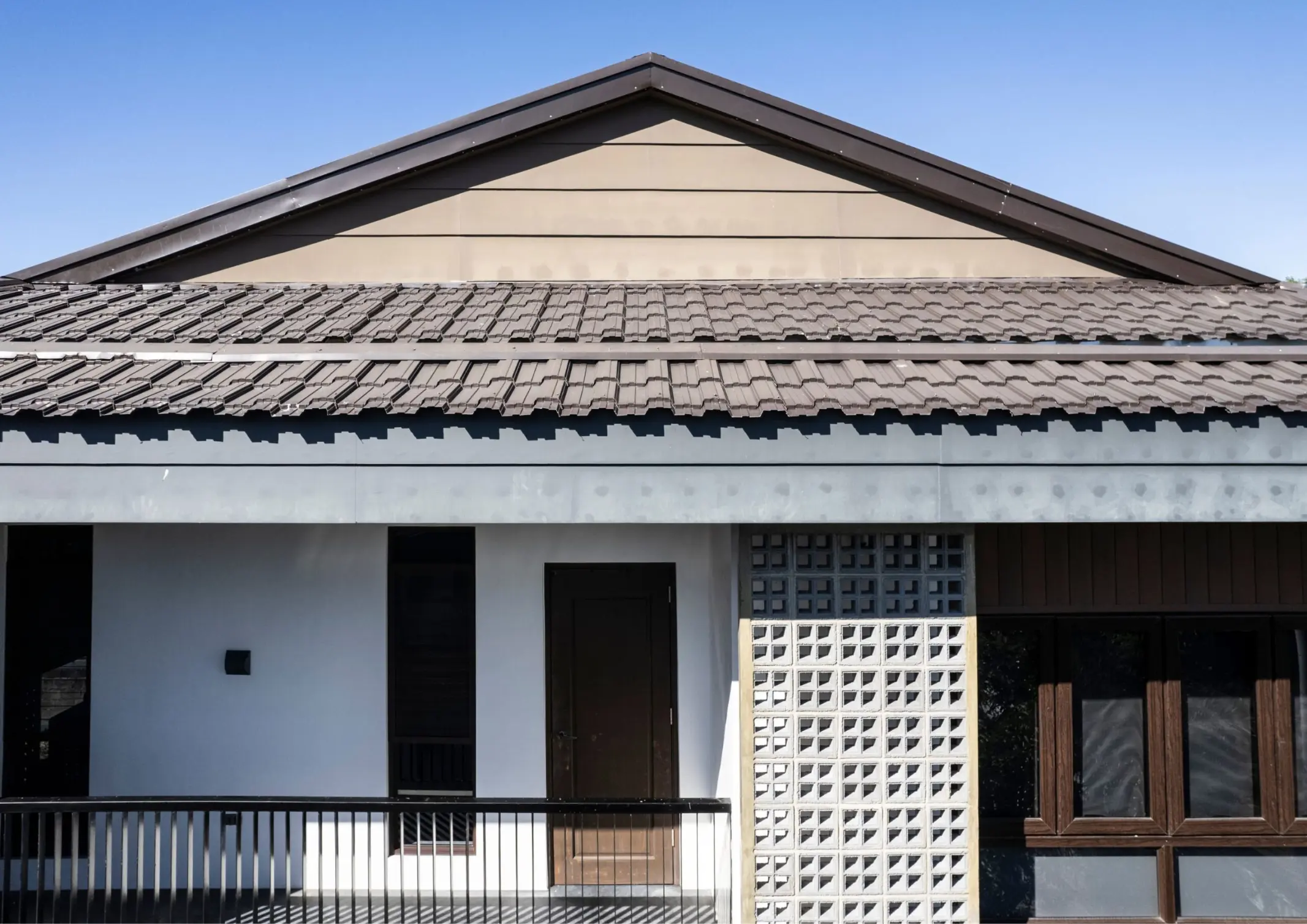
Ventilation involves the introduction of outdoor air into a room, providing occupants with their needs. Proper ventilation allows for the moderation of internal temperatures, the creation of better airflow, the dilution of carbon dioxide to acceptable levels, and the removal of contaminants. This addresses health risks associated with indoor air pollution, such as respiratory problems […]

WORLDBEX 2026, running from March 12 to 15, 2026, proves itself as the Philippines’ leading construction and design expo as it wrapped its 29th edition. It drew together 1,000 local and international exhibitors under one theme, “Building Opportunities: Sustaining Lives.” Organized by Worldbex Services International (WSI), in support of the ABS-CBN Foundation Inc., the event […]
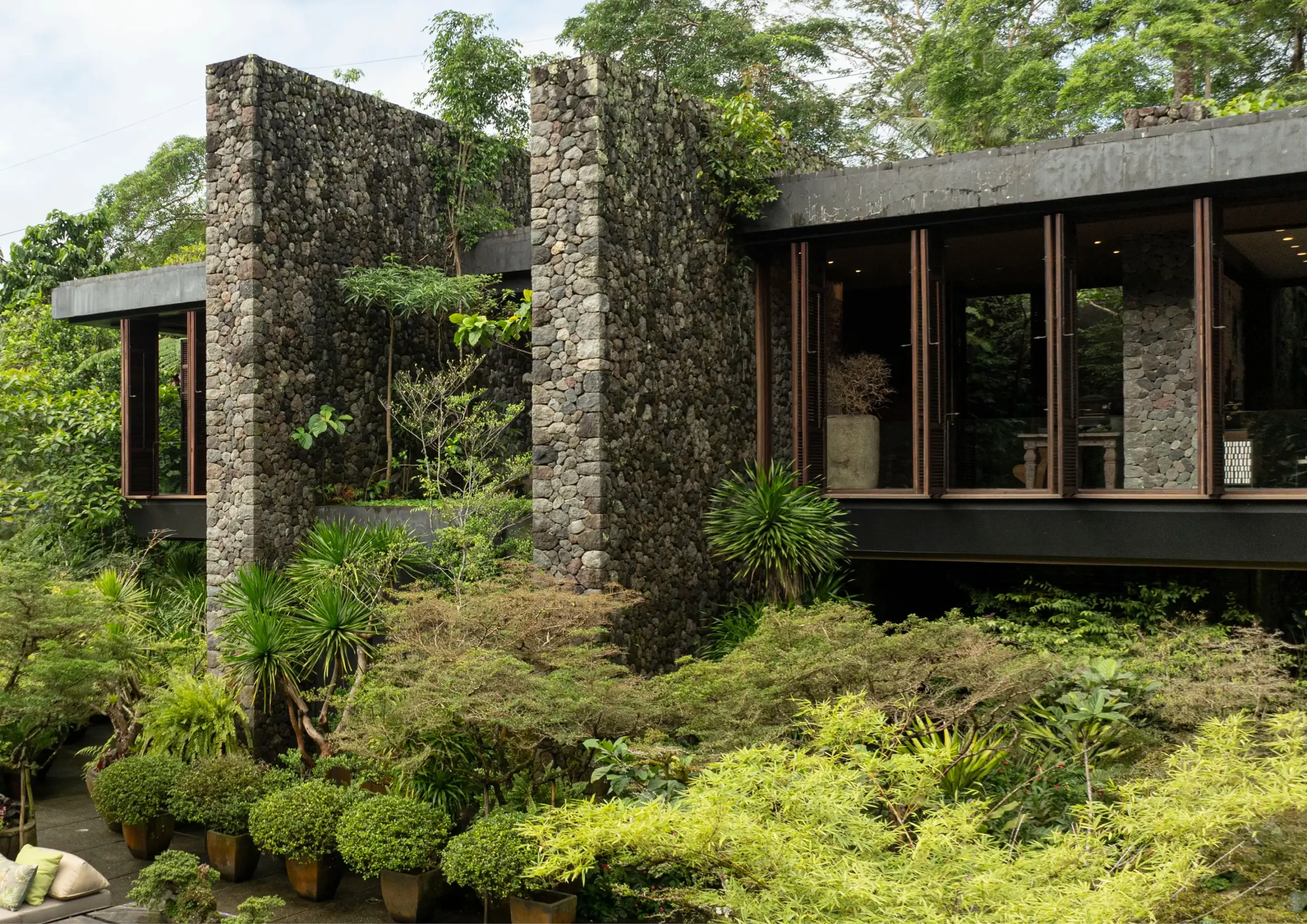
Located near the equator, factors such as heat and humidity are the norm in the Philippines. This tropical climate has shaped the development of architecture in the country. As Leandro V. Locsin stated: “The first consideration of the Filipino builder and certainly the most evident in his architecture, which is after all an outgrowth of […]
Advertisement

Download this month's BLUPRINT magazine digital copy from:



Subscribe via [email protected]