A kitchen is one of the hardest-working spaces in a home. It must withstand daily wear, changing routines, evolving technologies, and shifting lifestyle needs while remaining visually coherent within the larger architectural narrative. While every project has its own requirements, experienced designers often return to a similar set of considerations when evaluating a kitchen. Here […]
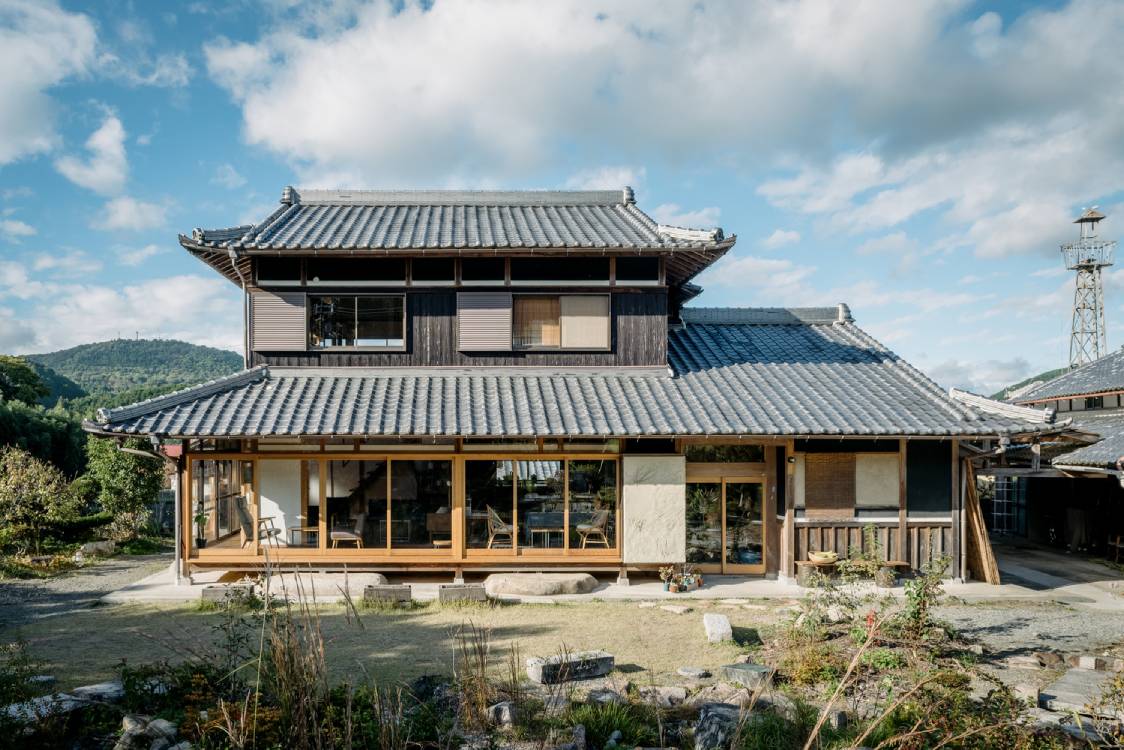
TOGO BOOKS nomadik: A Cozy Village Bookshop in Provincial Japan



Establishments like TOGO BOOKS nomadik harken back to an era where we mixed the professional and personal. In places like Europe, apartments were built in the second floor of shops, similar to how the sari-sari store exists as an extension of the home in the Philippines.
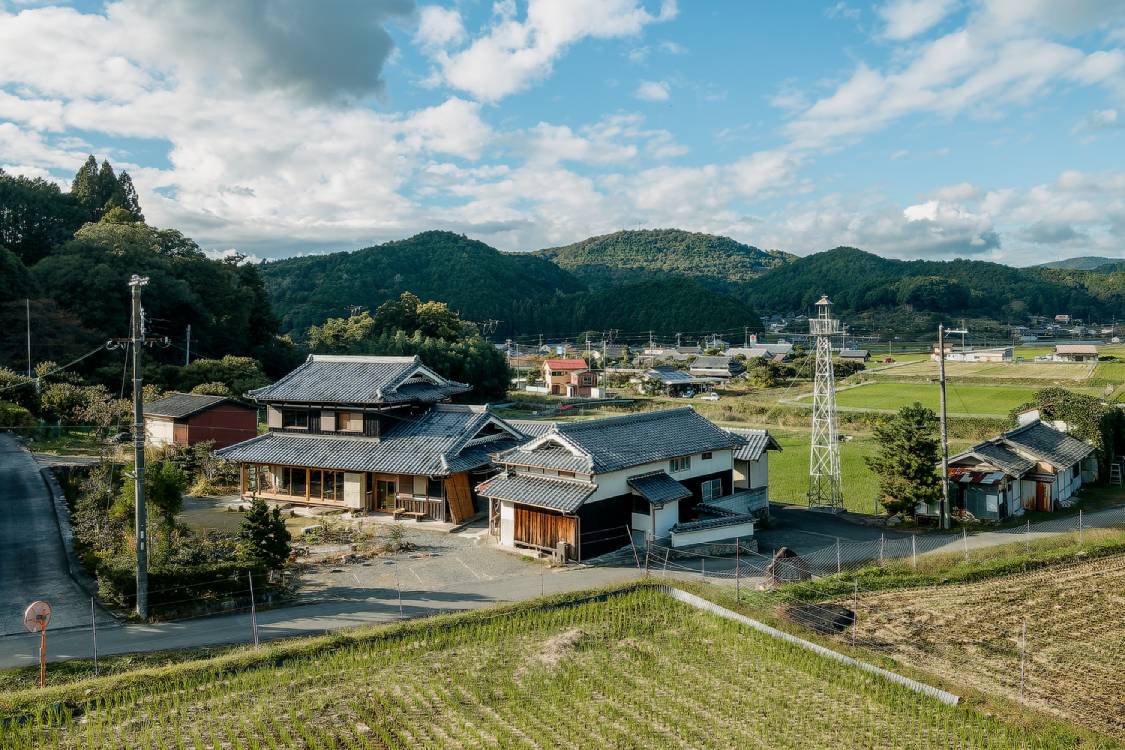
Located in Osaka Prefecture, Japan, TOGO Books integrates the business and the residence in an efficient but personal way. The owners envisioned the space as “A Place Where Books and Food Coexist,” and lead architect Kazuteru Matumura of Coil Kazuteru Matumura Architects brought this vision to life. With this home, they crafted the kind of open spaces which work for a home and a store.
Collaborative and Enticing Space
TOGO BOOKS nomadik contains two storeys, a veranda area that links to the garden. A proper residential area for the building’s owners also exists outside the store to allocate more space for the commercial aspects of the construction.
Like typical buildings in Japan, the store itself is slightly elevated from the ground to reduce the moisture entering the homes. The architecture firm also planned and designed the building to include the input and ideas of residents and acquaintances to make the building more enticing to the neighborhood.
Matumura uses a mix of earthen walls, stone, and wood for the building’s framework, using a blend of the old walls and rice straw and fermenting the mixture to create the structure.
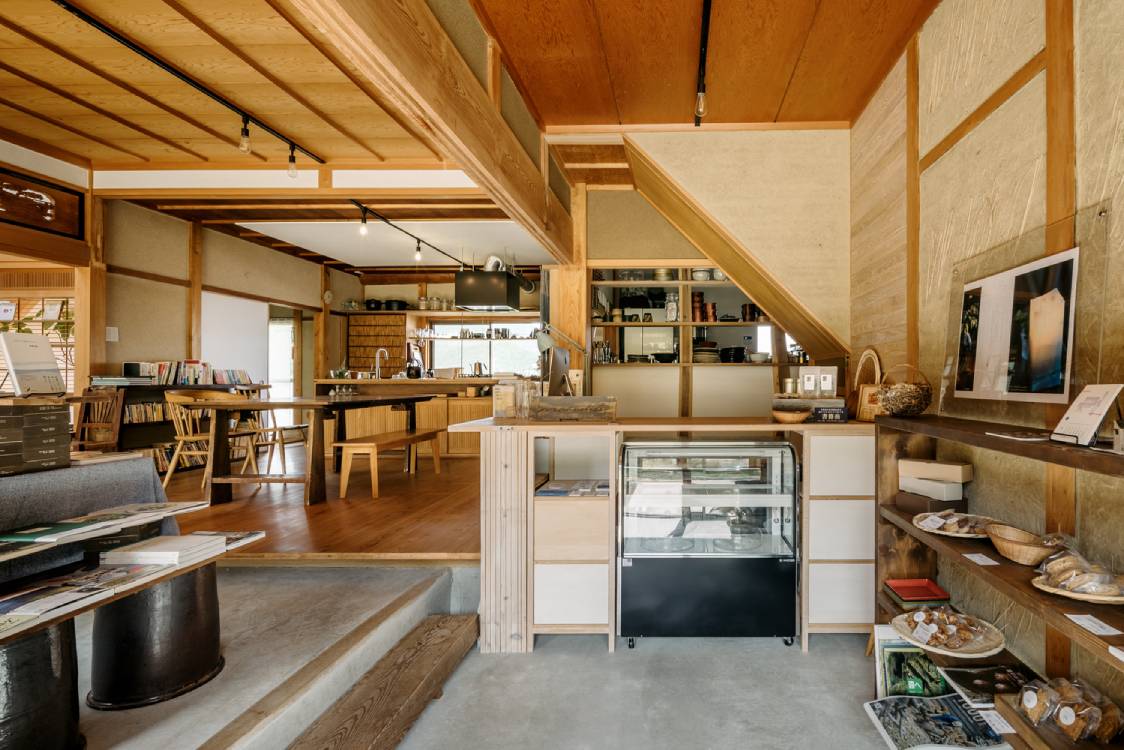
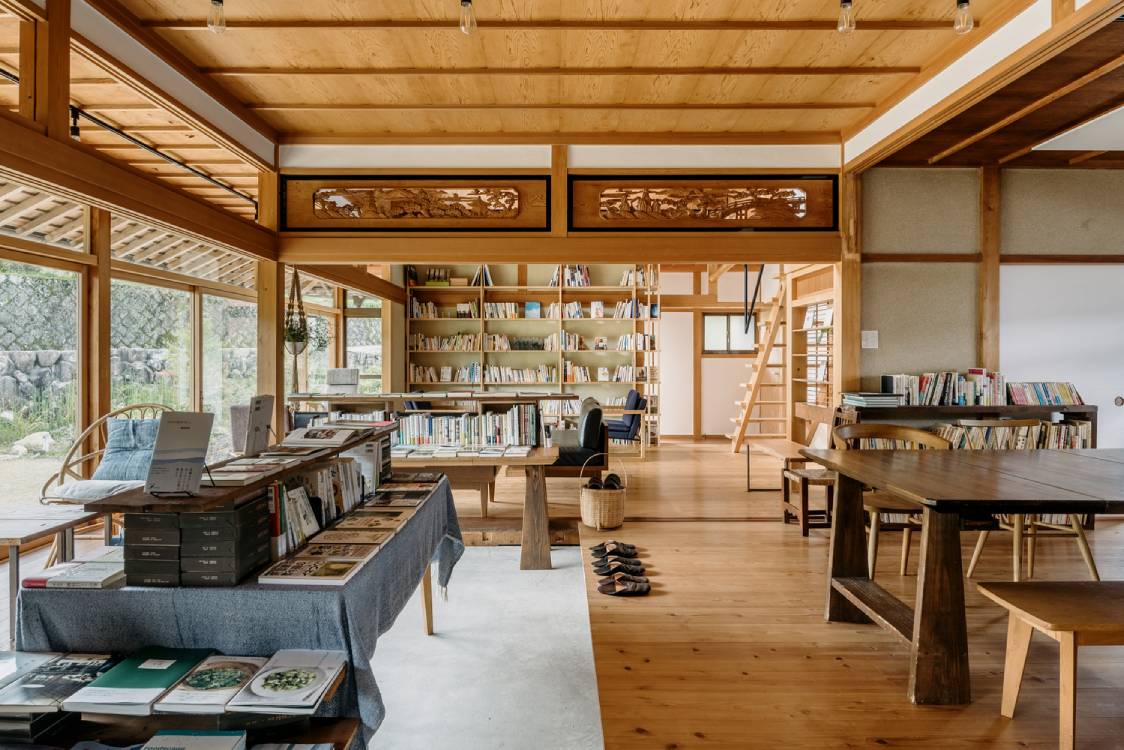
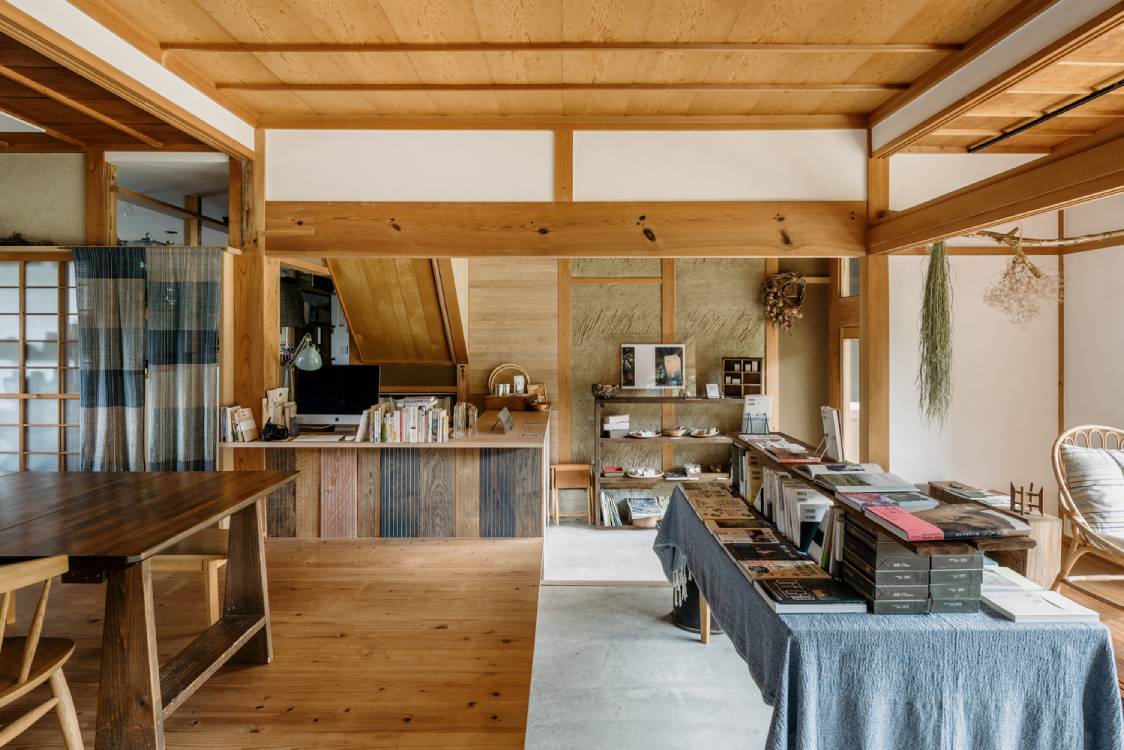
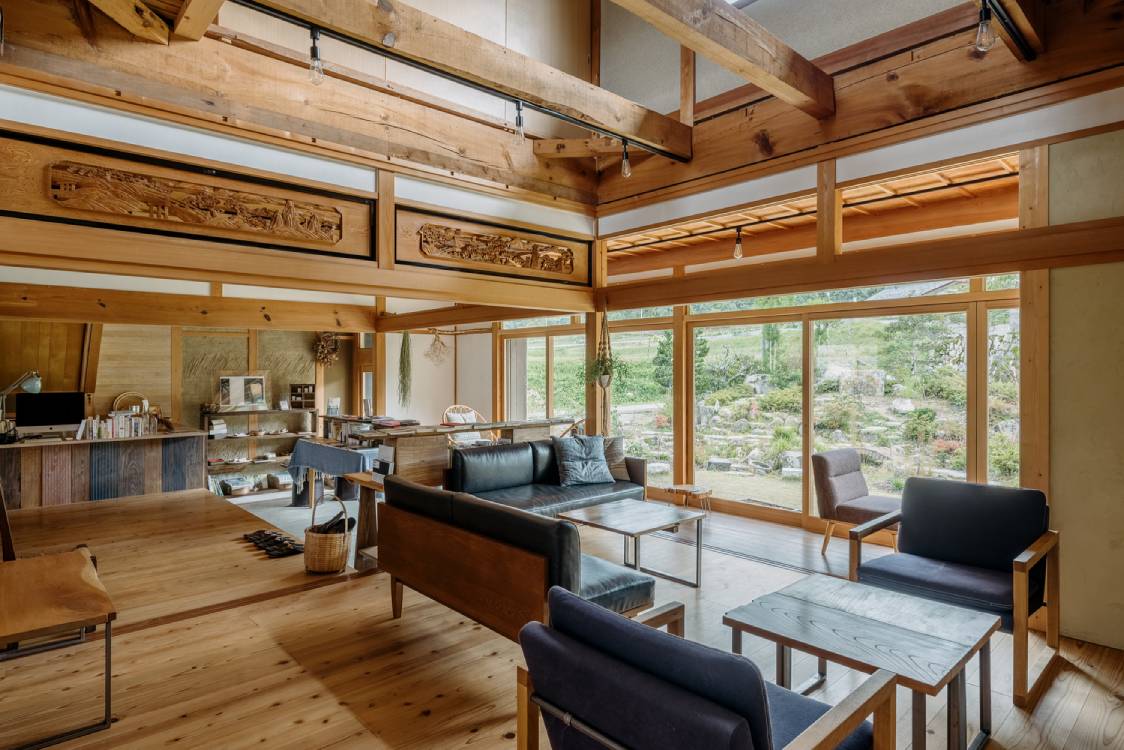
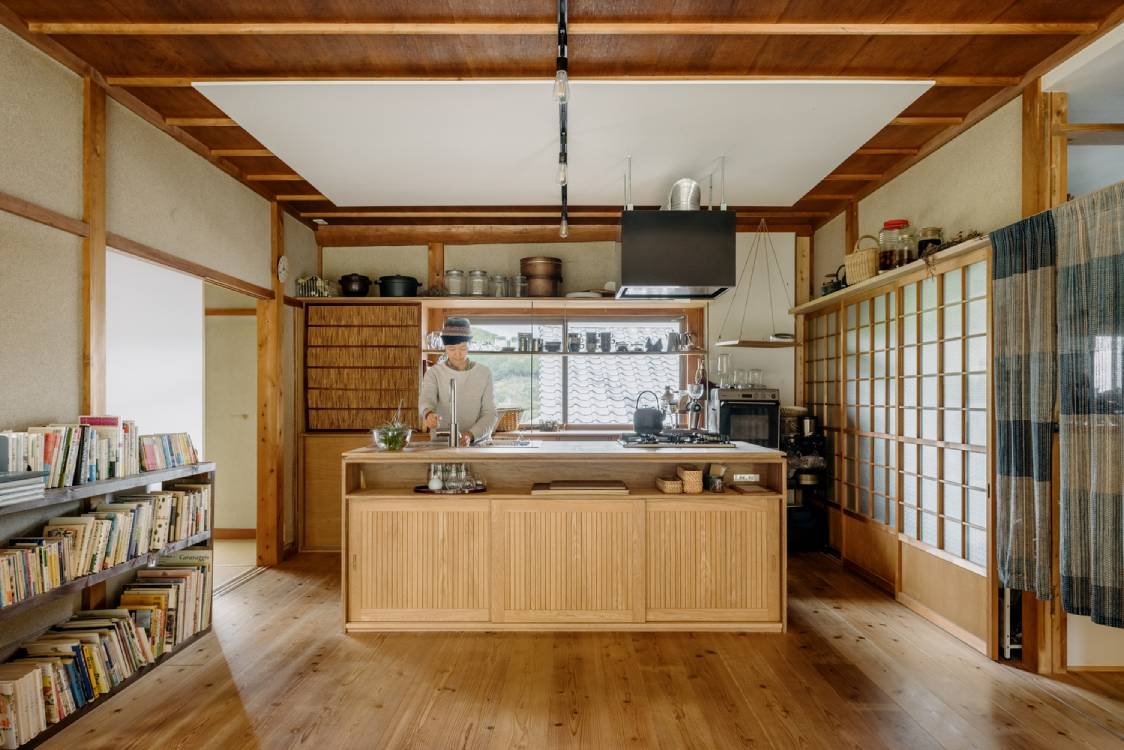
The wood, meanwhile, works as support and as an aesthetic showcase for the building. The pillars and support beams are mostly made out of wood. The walls, the flooring, and the ceiling uses wood. In a sense, it hides the earthen walls to create a more singular creative tone for the space.
Another unique feature for the building is its bathroom walls and counter, which features “mosaic tiles with a storybook-like quality by ceramic artist Toon, and the counter has unique inlays of paperback and bookmark-sized tiles selected by the client’s family.”
Open-Minded Architecture
The layout of the structure is interesting, with a giant kitchen and a dining area in the center of the ground floor. To the side and covered by curtains is an expanded kitchen area for more intensive cooking sessions. These two kitchens serve both the customers and the residence equally.
On both sides of the first floor, shelves of books and ceramic pottery populate the walls and tables. Both ends of the building accommodate bathrooms.
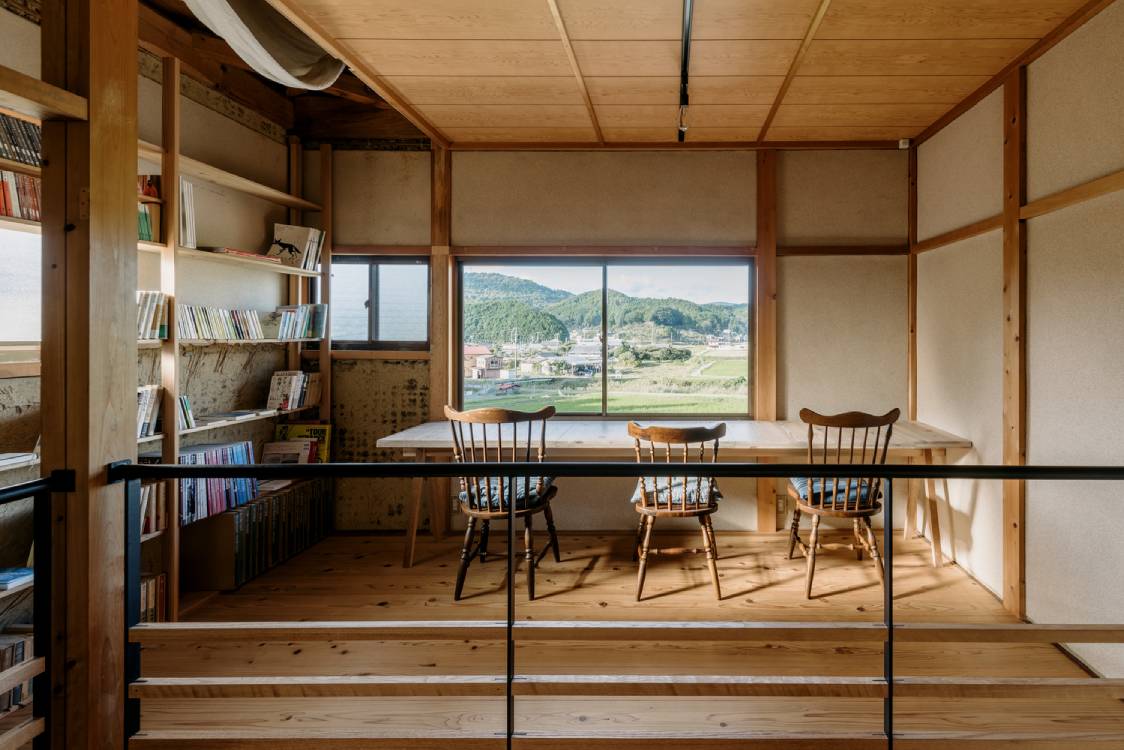
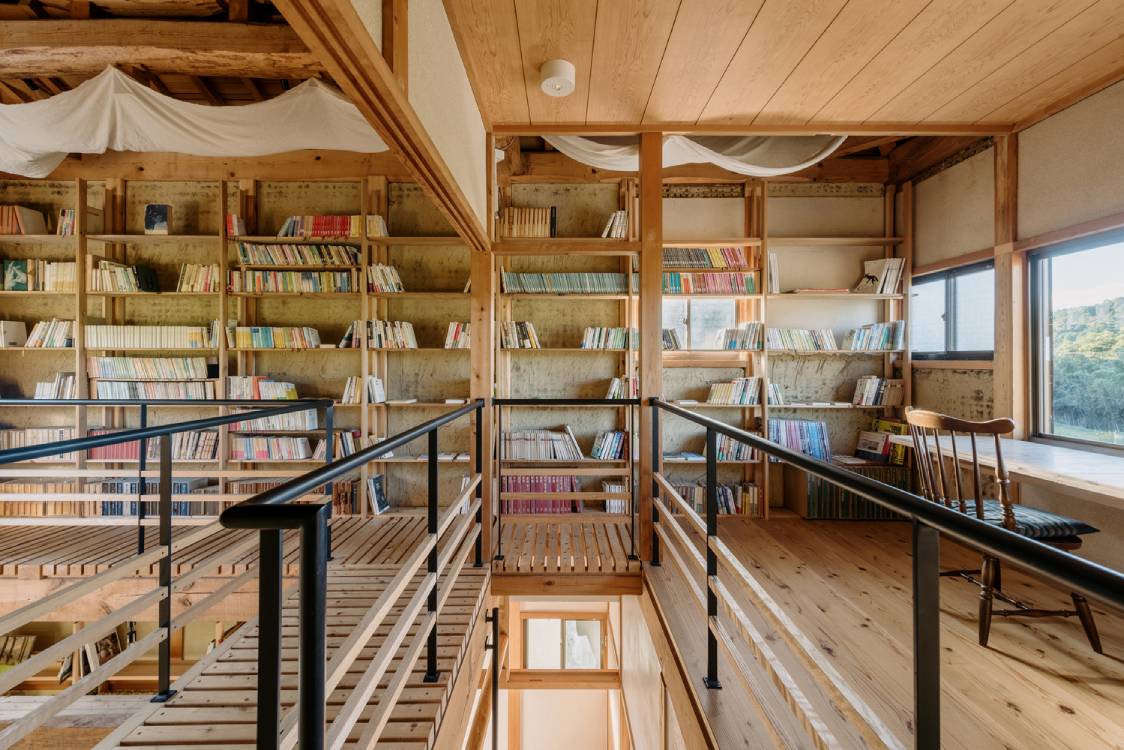
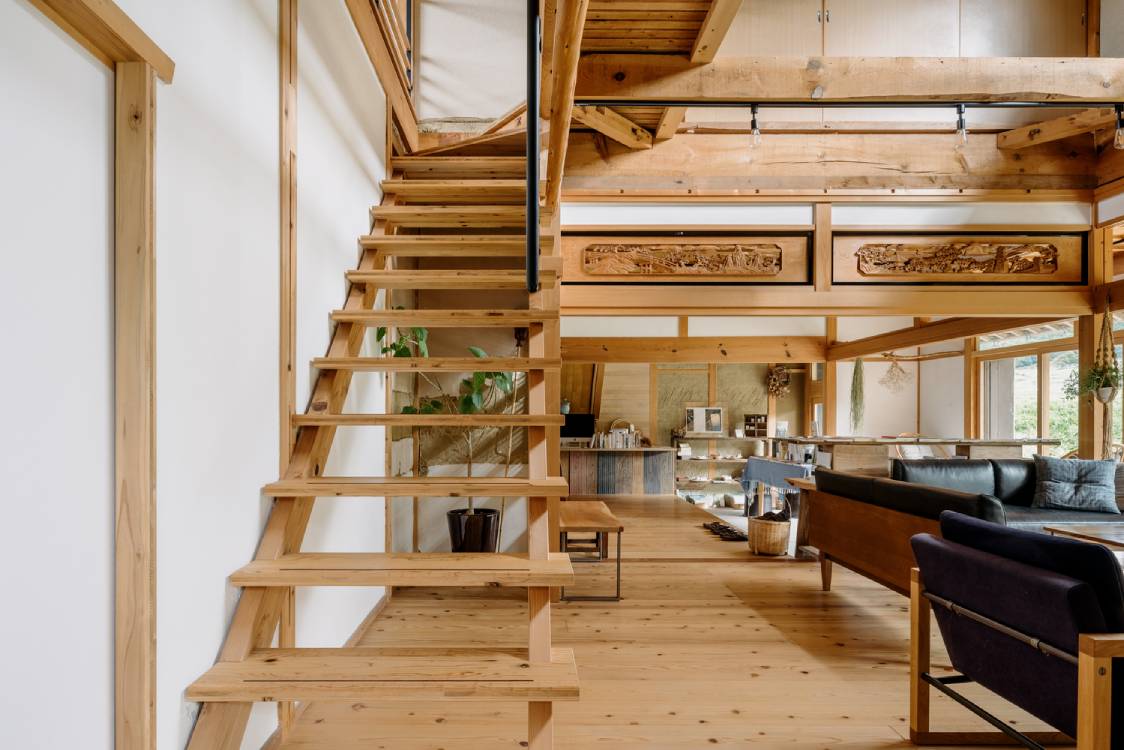
The second floor is where book lovers will thrive. It consists of a reading area with shelves of books on the walls. There are sturdy chairs and a table facing a giant window view of the mountains. It’s a well-lit area, and a comfortable space for one to spend most of their time in.
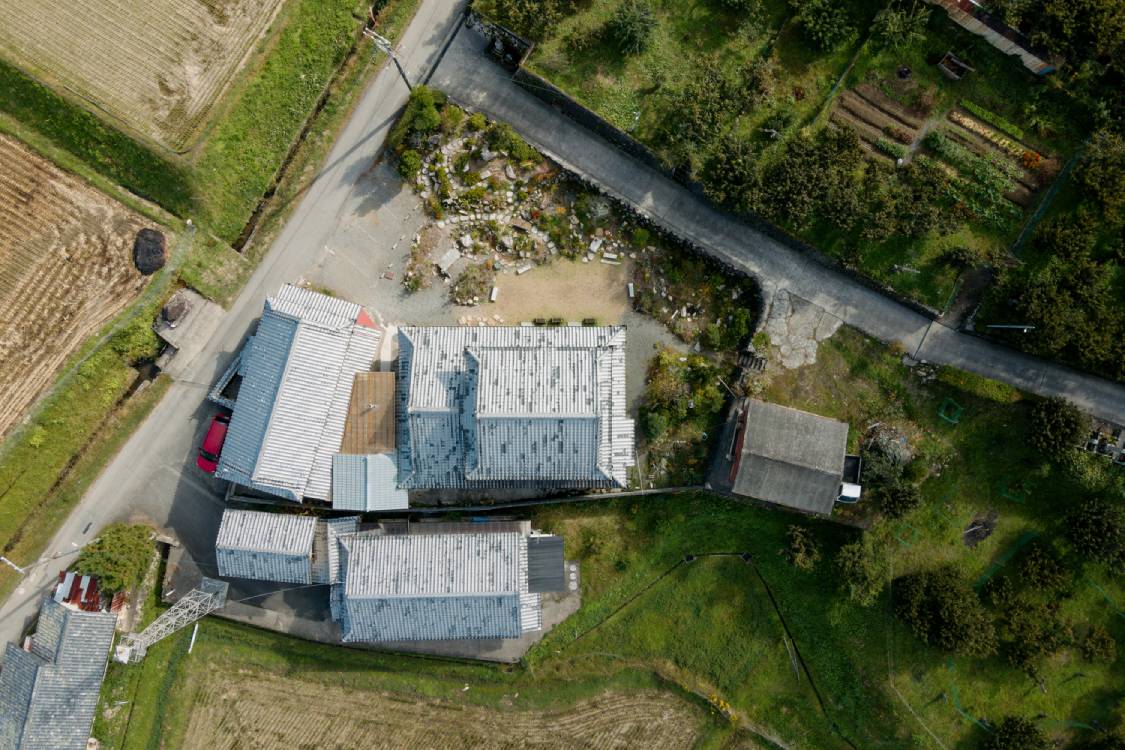
Adding a cherry on top of the building’s cozy atmosphere is a cultivated garden in front of the store area. The architects, with the help of the owners, built a small garden area to add to the warm atmosphere of the bookstore and surrounding farmlands. Small plants populate the area, and it adds just the right texture to relax customers who come there.
TOGO BOOKS nomadik mixes the commercial and residential desires of the owners. In the end, the architect designed and built a home-like environment that works as a relaxing spot for the town, with lots of food and entertainment to go around.
Related reading: Bookstore in the Blast Furnace: Adapting Projects to New Functions
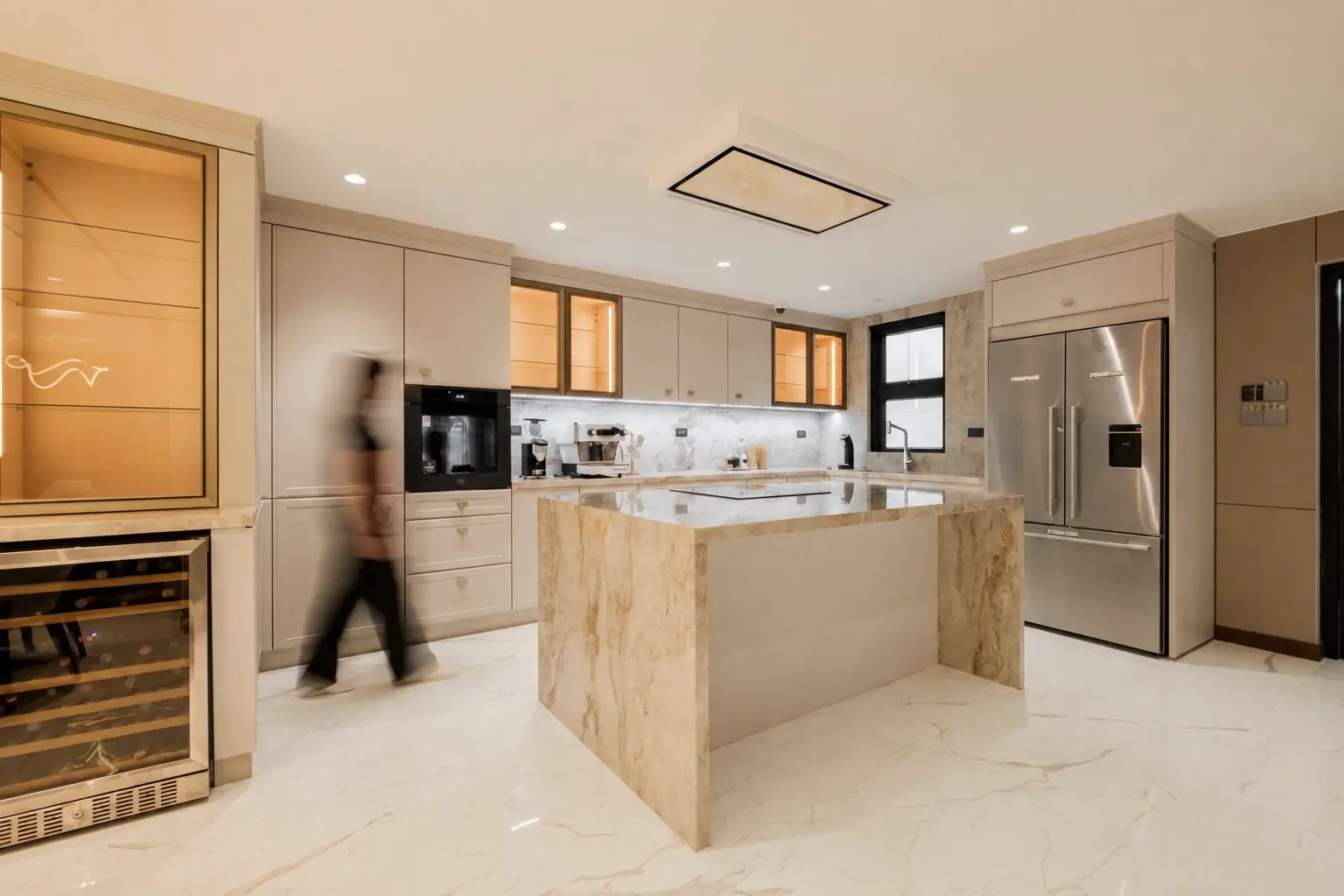
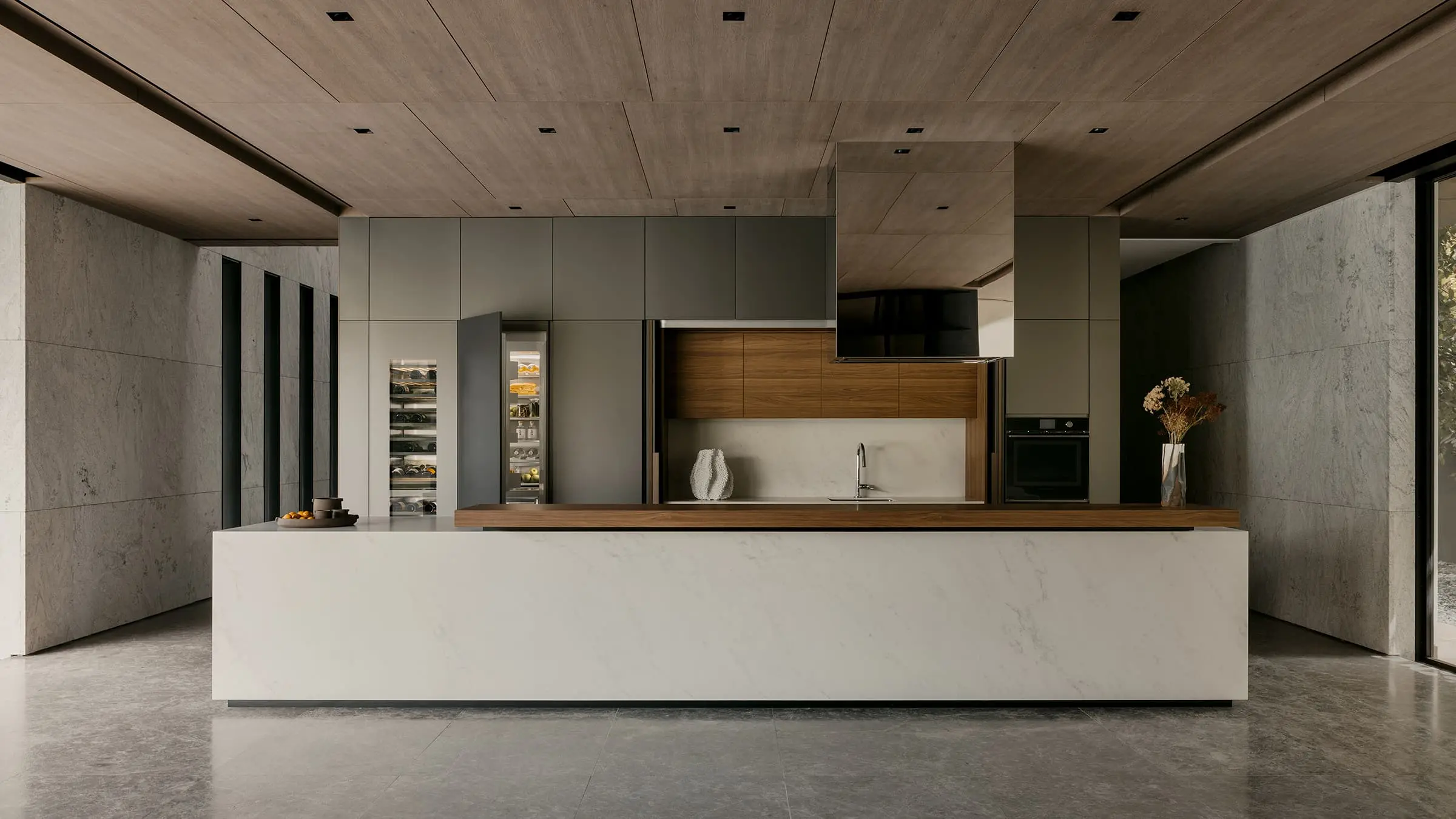
The modern kitchen has evolved beyond its traditional role as a place for preparing meals. It is the heart of the home – a space where daily rituals unfold, conversations linger and the rhythm of everyday life takes shape. As open-plan living continues to redefine residential design, the kitchen is no longer a separate room, […]
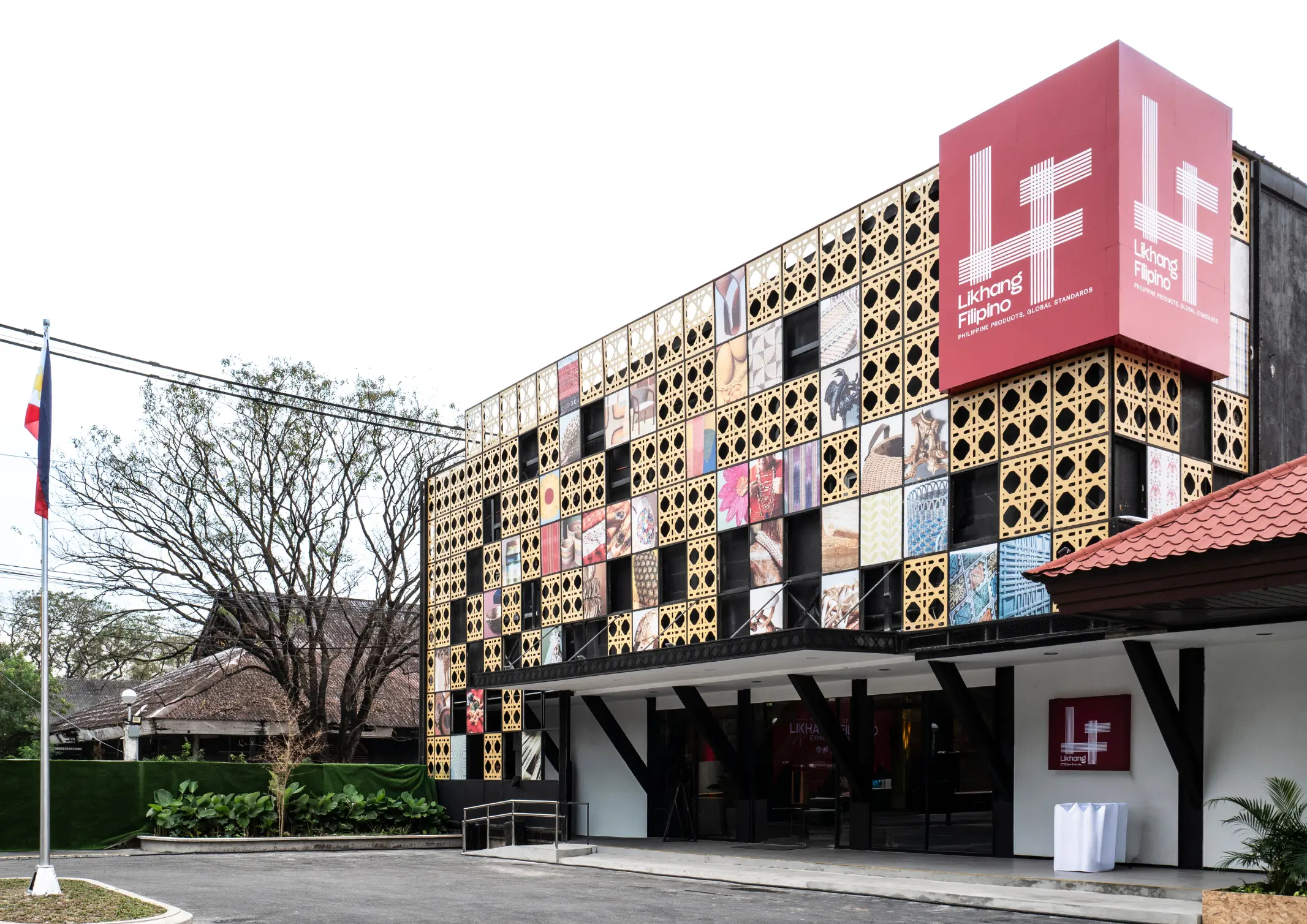
Likhang Filipino stands on the former site of the PhilTrade Center along Roxas Boulevard in Pasay City, a landmark that once symbolized the Philippines’ export ambitions and introduced Filipino craftsmanship to international audiences. Originally inaugurated in 1979, the PhilTrade Center was conceived as a national showcase for Philippine exports, with its longitudinal form and sloping […]
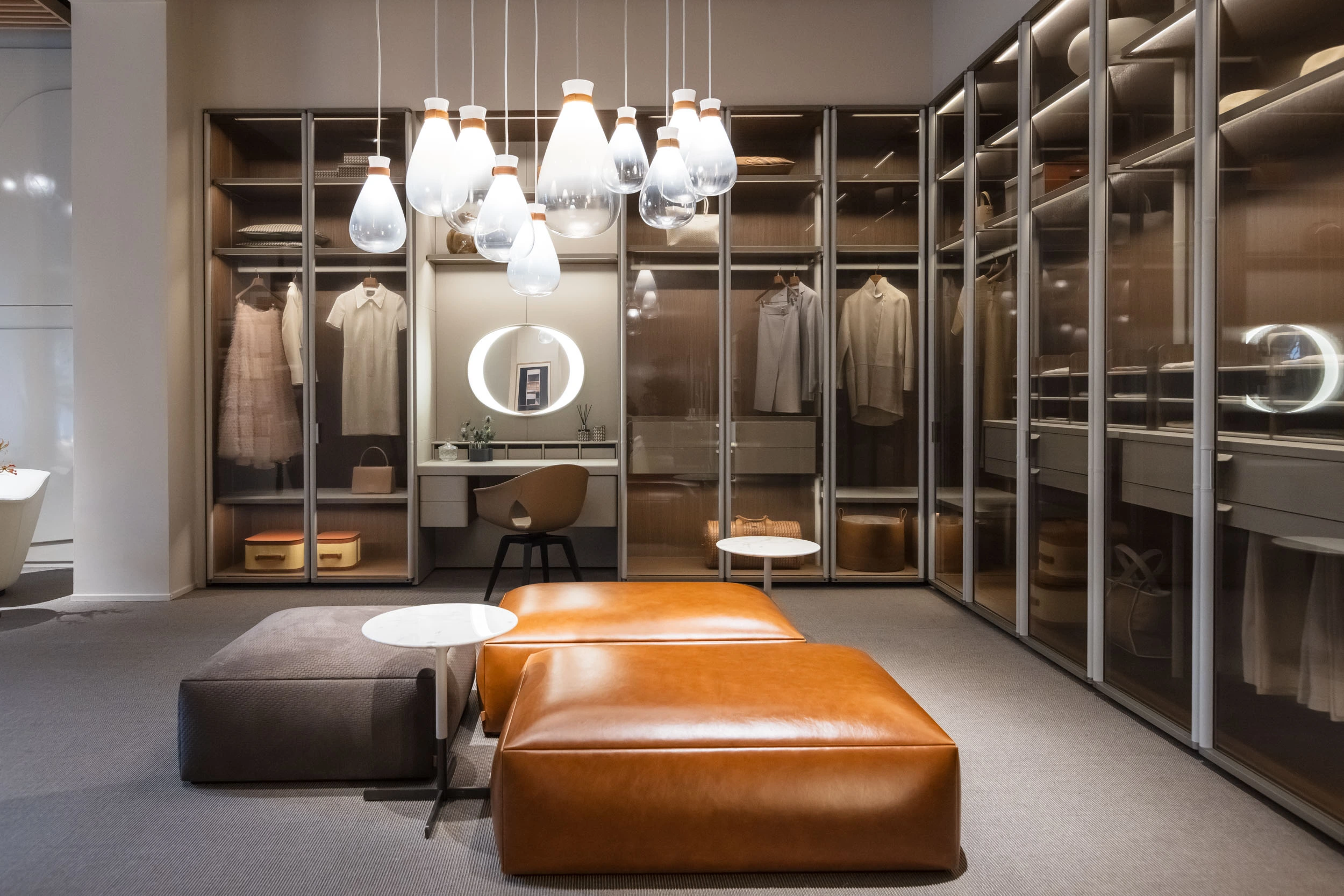
Presented during Milano Design Week 2026 at Palazzo Gallarati Scotti, Poltrona Frau’s flagship store in Milan, the “True Over Time” Collection celebrates one of the brand’s most enduring values: authenticity. More than a matter of craftsmanship or material quality, durability is understood as a design’s ability to preserve its meaning over time, remaining relevant across […]
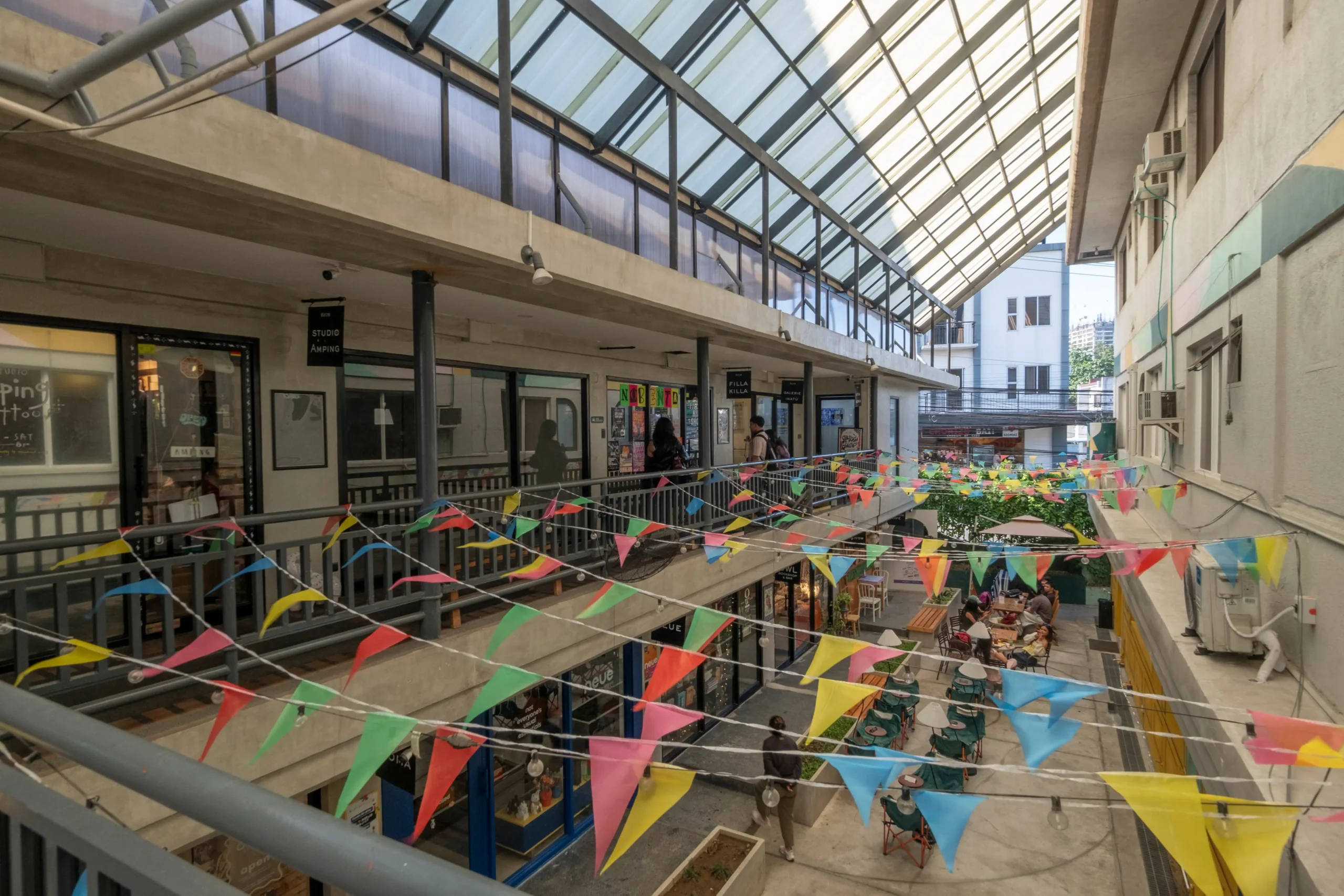
Within a two-building commercial complex organized around a central courtyard, an unexpected layout unfolds. The shops are small and quaint, uniformly sized, and directly face one another like apartment units. This is Atúa. Related Reading: Creative Placemaking: Designing Public Spaces that Reflect Shared Memory What used to be a functioning hotel in the early 1990s, […]
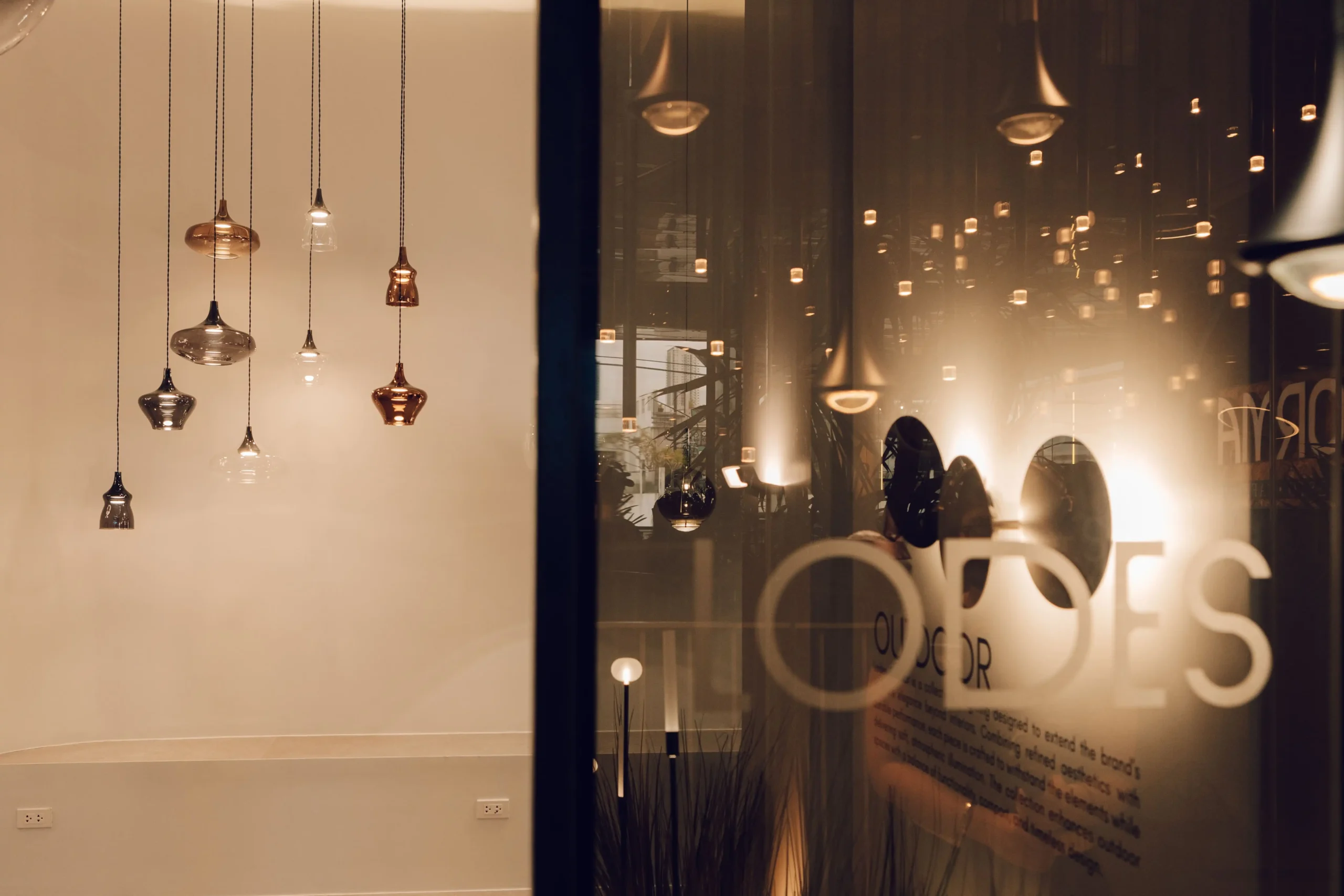
In a curated setting at the The Tile Gallery showroom, architects, designers, and media guests were transported into the immersive world of Italian contemporary lighting brand Lodes, where light illuminated the space through sculptural forms and innovative materiality. The Language of Light event presented a selection of Lodes’ established collections alongside new releases, revealing the […]
Download this month's BLUPRINT magazine digital copy from:



Subscribe via [email protected]
Recommended Video
Tap to Unmute
Unmute
0:00
0:00