Bigkis is the act of binding. In Tagalog, the word can refer to something used to bind or encircle, as well as a bundle formed by tying several separate elements together. Figuratively, it can also mean a bond, union, or unity. The meanings move from the physical act of joining things together to the connection […]

Crucial Structural Problems Every Homeowner Should Quickly Address



A sound structure doesn’t only contribute to a home’s longevity but also brings a sense of security to its inhabitants. However, even the most well-built structures can’t withstand the silent threats that can creep up over time. Although the damage may initially seem like a minor inconvenience, they can develop into more serious problems if neglected. Taking a proactive approach will save you from costly repairs and ensure a safe and comfortable living space. Here’s how you can identify the crucial structural problems that need immediate attention.
Foundation Problems
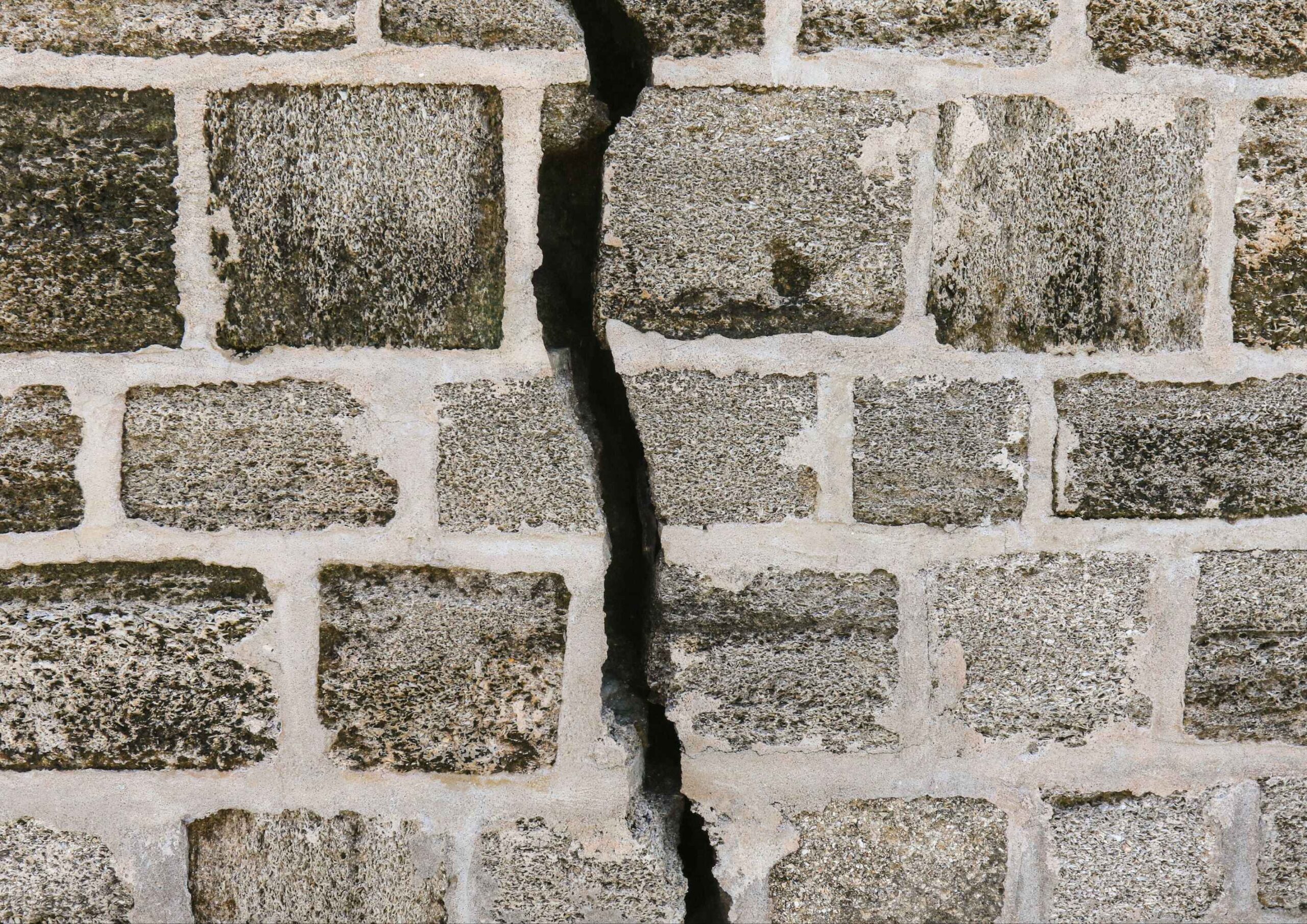
A strong foundation keeps everything stable, level, and secure. But substandard construction, earthquakes, erosion, or even temperature changes can threaten your home’s structural integrity.
If you see cracks running along walls, ceilings, and floors, it could be an indication of a shifting foundation. Hairline cracks of less than one to five millimeters wide are generally not a threat as they can simply be painted over or filled with concrete. But if they develop into diagonal or horizontal cracks, they might be the result of uneven settling, structural movement, or other stresses affecting the foundation.
Uneven floors, sticking doors and windows, and separating counters are also signs of foundation movement. They might be a minor inconvenience for now. But if accompanied by cracks, this means the damage is already widespread. If neglected, it can significantly increase the risk of wall collapse, or worse, complete building failure.
Consulting a structural engineer after the first sign of a foundation problem is crucial to accurately assess the situation and recommend appropriate solutions.
Roof Structural Issues
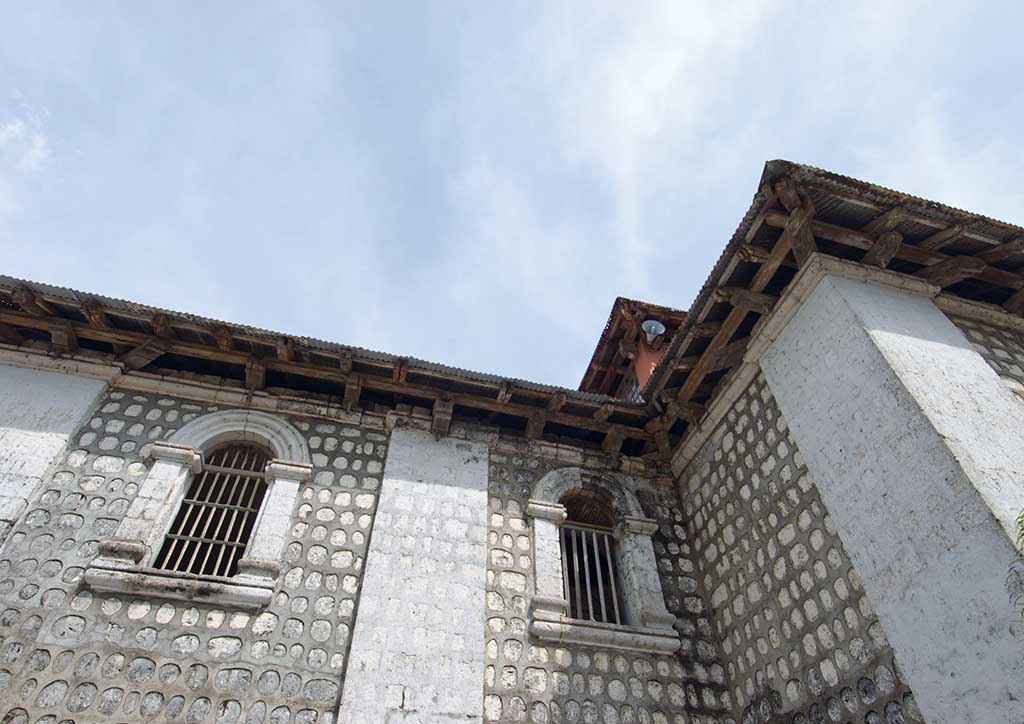
A well-maintained roof serves as your protection from external elements and prevents water damage and keeps your home dry and comfortable. It also contributes to the overall stability of a building, distributing weight and preventing structural damage by minimizing stress on the walls and foundation. But it isn’t functional anymore once it develops surface damage.
A damaged roof can expose your home to even more damage. So, leaving even a single or small part of this structural problem unaddressed only allows extreme temperature, rain, and external objects to freely enter your home. Sagging roofs, on the other hand, occur due to weakened support structures caused by water leaks or excessive weight from accumulated debris. Leaks create a breeding ground for mold, leading to respiratory problems and other indoor health hazards if ignored.
Minor cracks or holes can be easily addressed by applying a sealant. But sagging roofs call for a professional assessment from a roofing contractor or a structural engineer.
Bowing Walls
Walls provide privacy and protect you from outside dangers, but they could be the danger themselves once they start to bow. Bowing walls create a noticeable curvature and may hint at pressure brought about by a poorly constructed roof, wall extensions, or inadequate wall thickness.
As walls are crucial for a home’s structural integrity, bowing walls potentially weaken the foundation. This can also be the cause of cracks in ceilings, walls, and floors and even warp door and window frames. Creating such openings and gaps further lead to leaks, which also bears the health hazard consequences of mold growth.
The longer bowing walls are ignored, the more pressure pushing against the foundation builds up, which eventually leads to wall collapse in extreme cases.
Mud Tubes
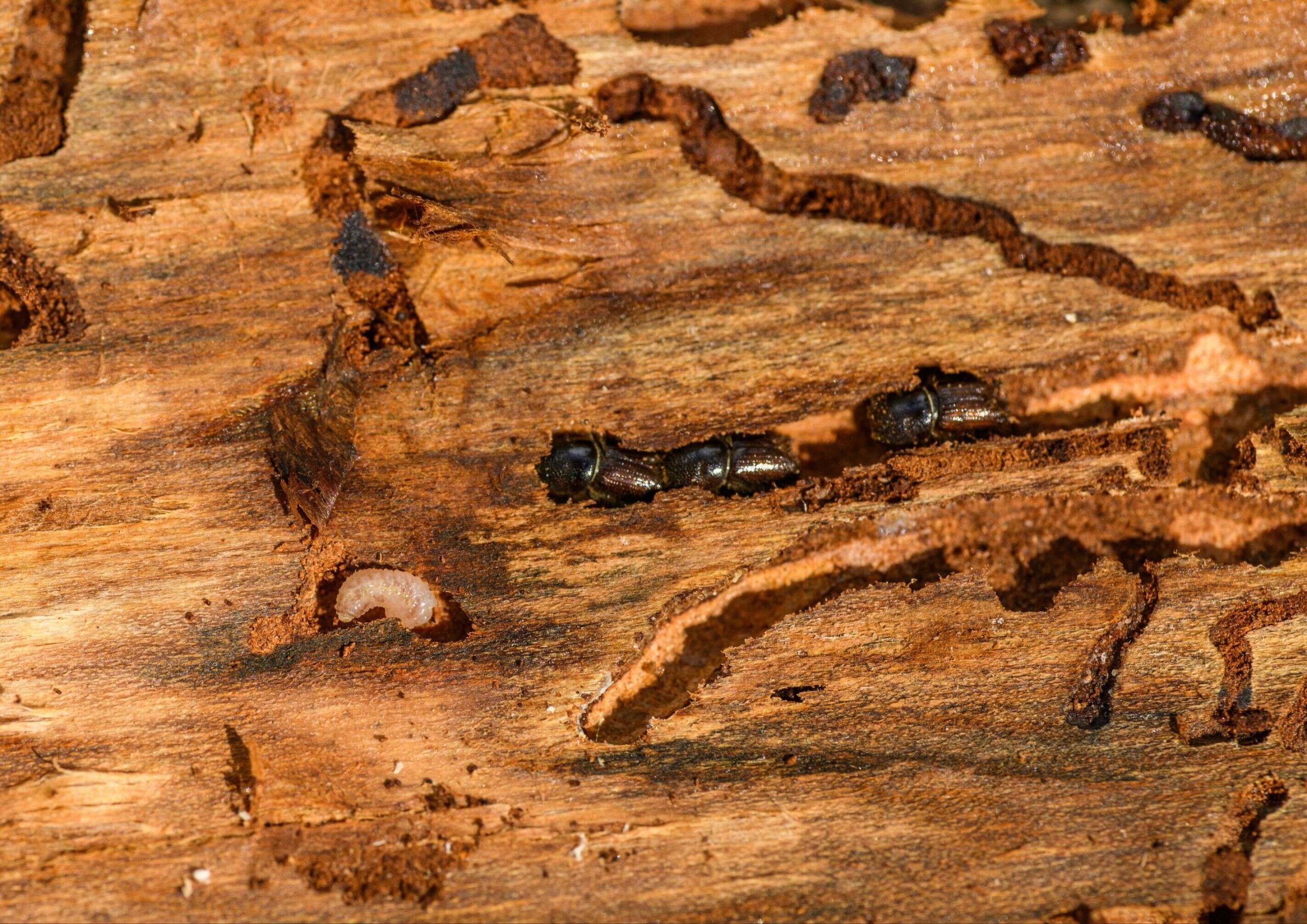
Unlike with the structural problems mentioned above, termite infestations often go unnoticed at first. These persistent insects build protective tunnels, known as mud tubes, from soil, wood, and their saliva. Not only do these tubes shield them from predators, it’s also a concealed pathway to devour the wooden framework of your home. These are also an indication of a termite colony residing nearby.
If left untreated, they can compromise your home’s foundation, weakening beams, supports, and even flooring. This is particularly alarming in houses mainly made of wood.
Despite not directly harming the inhabitants, they can silently cause your home’s collapse. And these consequences can be financially devastating, not to mention potentially dangerous. You should consult a pest control specialist the moment you see any signs of a termite infestation.
Having a well-structured home puts the homeowner’s mind at ease, knowing that it can provide them comfortable and secured indoor living. But time will soon reveal its weaknesses. Similar to addressing any threat, early detection and timely intervention of these structural problems are key to improving your home’s longevity, safety, and overall value. Following this guide equips you with the knowledge to identify potential issues and understand their implications before they even happen.
Read more: 5 Sneaky Ways Bugs Get in Your Home
Frequently Asked Questions (FAQs)
Signs of a foundation problem include cracks on walls, ceilings, and floors that are wider than one to five millimeters. Other indicators are uneven floors and doors or windows that stick.
A roof may have a structural issue if it appears to be sagging. This sagging is often caused by weakened support structures due to water leaks or excess weight from debris.
A bowing wall is one that has a noticeable curve. This can be a sign of pressure from a poorly constructed roof, wall extensions, or inadequate wall thickness, which can lead to foundation weakening.
Mud tubes are protective tunnels built by termites. Their presence indicates a termite infestation, which can silently devour a home’s wooden framework and lead to its collapse.
Ignoring these issues can lead to severe consequences, such as wall and building collapse. Additionally, water leaks from a damaged roof can cause mold, which poses a health risk to the residents.

Two sketches of Singapore connect BluPrint Editor in Chief Paulo G. Alcazaren’s personal and professional history with Shared Ground: ArchitectureArchitectureThe art and science of designing and constructing buildings, structures, and spaces that are functional, safe, and aesthetically pleasing. It encompasses the planning, design, materials, and techniques used to createGo to Architecture Glossary of Care, Culture, […]

In a way, designers are the modern-day soothsayers and prophets. They design for the future, predicting how a room, a house, a building or a whole city will be used by people. They foresee how users will interact with a space, conjure exact shades of colors to elicit specific behavior and arrange furniture to build […]

Art and furniture are often selected separately, yet their relationship can shape how a room looks and feels. The collaboration between Hooga and Galerie Joaquin explores how these elements can work together, bringing contemporary artworks into furnished residential settings at Hooga’s showroom in Uptown Mall, Bonifacio Global City. For Hooga, which curates furniture, lighting, and […]

How can better-planned cities create the conditions for more creative, livable, and resilient urban environments? “Makati Urban Recipes for a City’s Survival,” a colloquium held at the Ayala Museum on September 15, brought together architects and practitioners from the fields of urbanism and the creative economy to discuss how design, planning, and collaboration can address […]

The fourth Manila Interior DesignInterior DesignThe discipline of planning and shaping interior spaces for function, comfort, safety, and beauty. It covers layout, lighting, materials, finishes, furniture, and color, and in the Philippines is a licensedGo to Interior Design Glossary Summit (MIDS) brought together more than 300 delegates for four days of conversations, exhibitions, and design […]
Read the issues.

Collect the volumes.

Recommended Video
Tap to Unmute
Unmute
0:00
0:00