Bigkis is the act of binding. In Tagalog, the word can refer to something used to bind or encircle, as well as a bundle formed by tying several separate elements together. Figuratively, it can also mean a bond, union, or unity. The meanings move from the physical act of joining things together to the connection […]
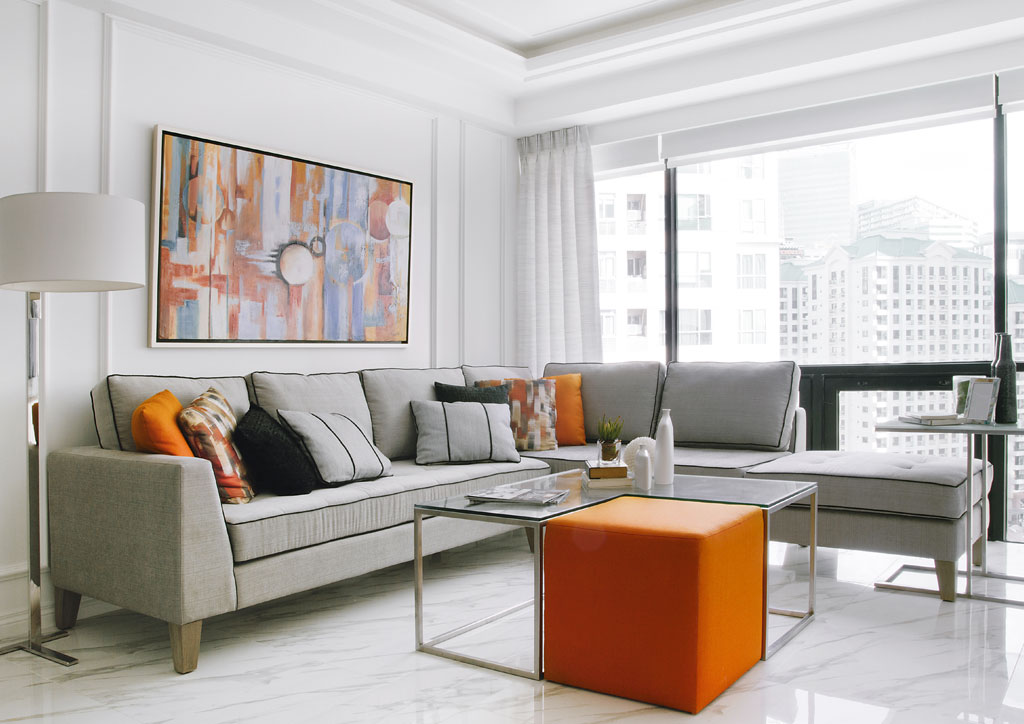
Colorful Minimalism: Clean, Streamlined Design in Vibrant Colors



A minimalist interior designInterior DesignThe discipline of planning and shaping interior spaces for function, comfort, safety, and beauty. It covers layout, lighting, materials, finishes, furniture, and color, and in the Philippines is a licensedGo to Interior Design Glossary often comprises clean lines, natural materials, simple and minimal decor, and a neutral palette. It demonstrates the “less is more” principle by ensuring that every design aspect prioritizes function before aesthetics. That’s why this style can sometimes come out as plain and colorless. Good thing there’s a way to turn this blandness into something more tasteful and visually appealing. Colorful minimalism offers the same serene and uncluttered approach in a space but with vibrant pops of hues.
A More Forgiving Type of Minimalism
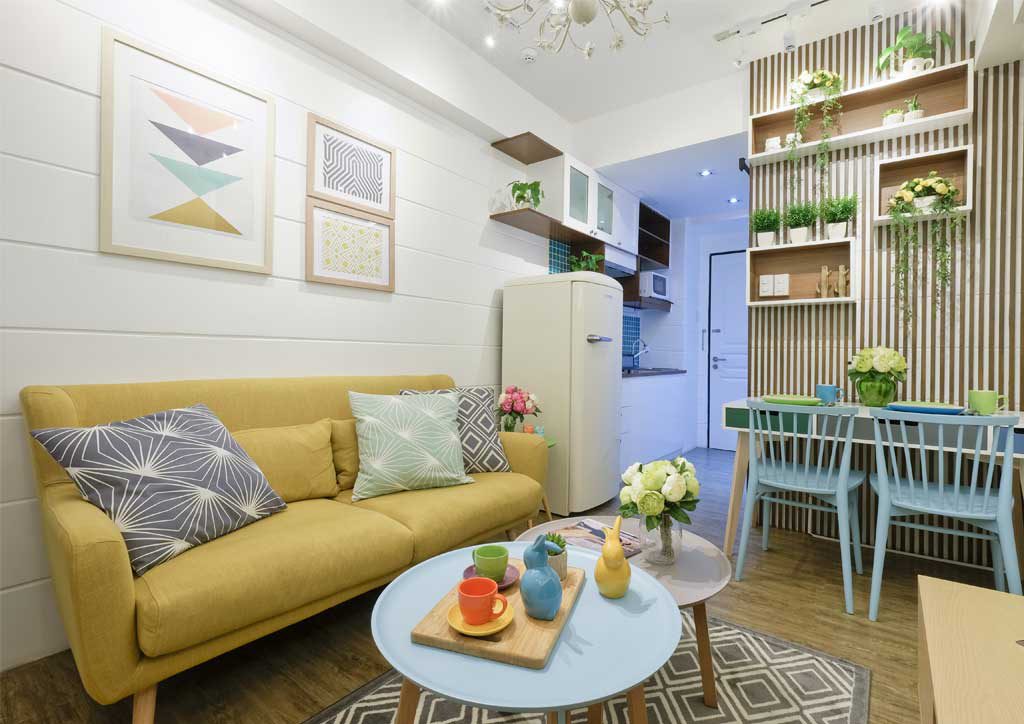
To put it simply, colorful minimalismMinimalismA design philosophy centered on simplicity, restraint, and the idea that less is more. Minimalist spaces reduce ornament and clutter, favoring clean lines, open space, limited palettes, and carefully chosenGo to Minimalism Glossary shares similar attributes with the typical minimalism except for the usual neutral color scheme. Instead, this interior style allows a wider range of bold colors to break the sterility and add character to a space.
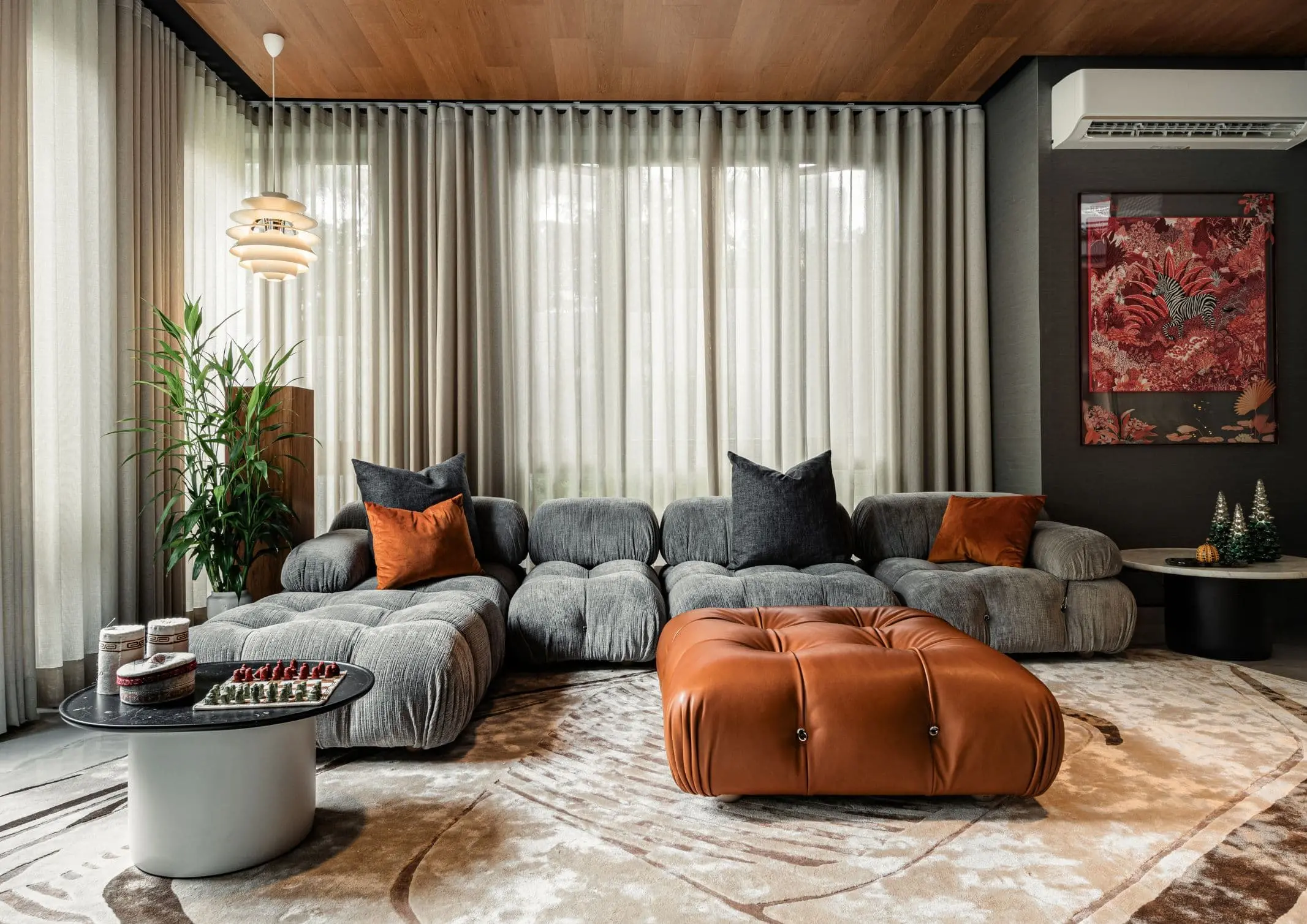
Picture a streamlined room with straightforward architectural elements and few understated items, not in subtle monochromatic shades, but in more diverse and vivid tones. This maintains minimalismMinimalismA design philosophy centered on simplicity, restraint, and the idea that less is more. Minimalist spaces reduce ornament and clutter, favoring clean lines, open space, limited palettes, and carefully chosenGo to Minimalism Glossary’s simple, laid-back, and practical qualities while highlighting its capability to create an interesting and distinctive design.
STUDIO KEETA Principal Kristina Khersonsky further describes it as an approach to establish a tranquil ambiance “without compromising on color.” This means that despite the presence of a striking color palette, it doesn’t disrupt nor overpower minimalismMinimalismA design philosophy centered on simplicity, restraint, and the idea that less is more. Minimalist spaces reduce ornament and clutter, favoring clean lines, open space, limited palettes, and carefully chosenGo to Minimalism Glossary’s innate calmness.
You could argue that this is sort of where minimalismMinimalismA design philosophy centered on simplicity, restraint, and the idea that less is more. Minimalist spaces reduce ornament and clutter, favoring clean lines, open space, limited palettes, and carefully chosenGo to Minimalism Glossary receives a hint of maximalism through a burst of color. Additionally, it acts like the complete opposite of neutral maximalism, where neutral tones replace maximalism’s customary intense hues. But more importantly, colorful minimalism is the perfect compromise when you want to achieve a clean and functional space without limiting it to neutral colors.
How to Make Minimalism Colorful
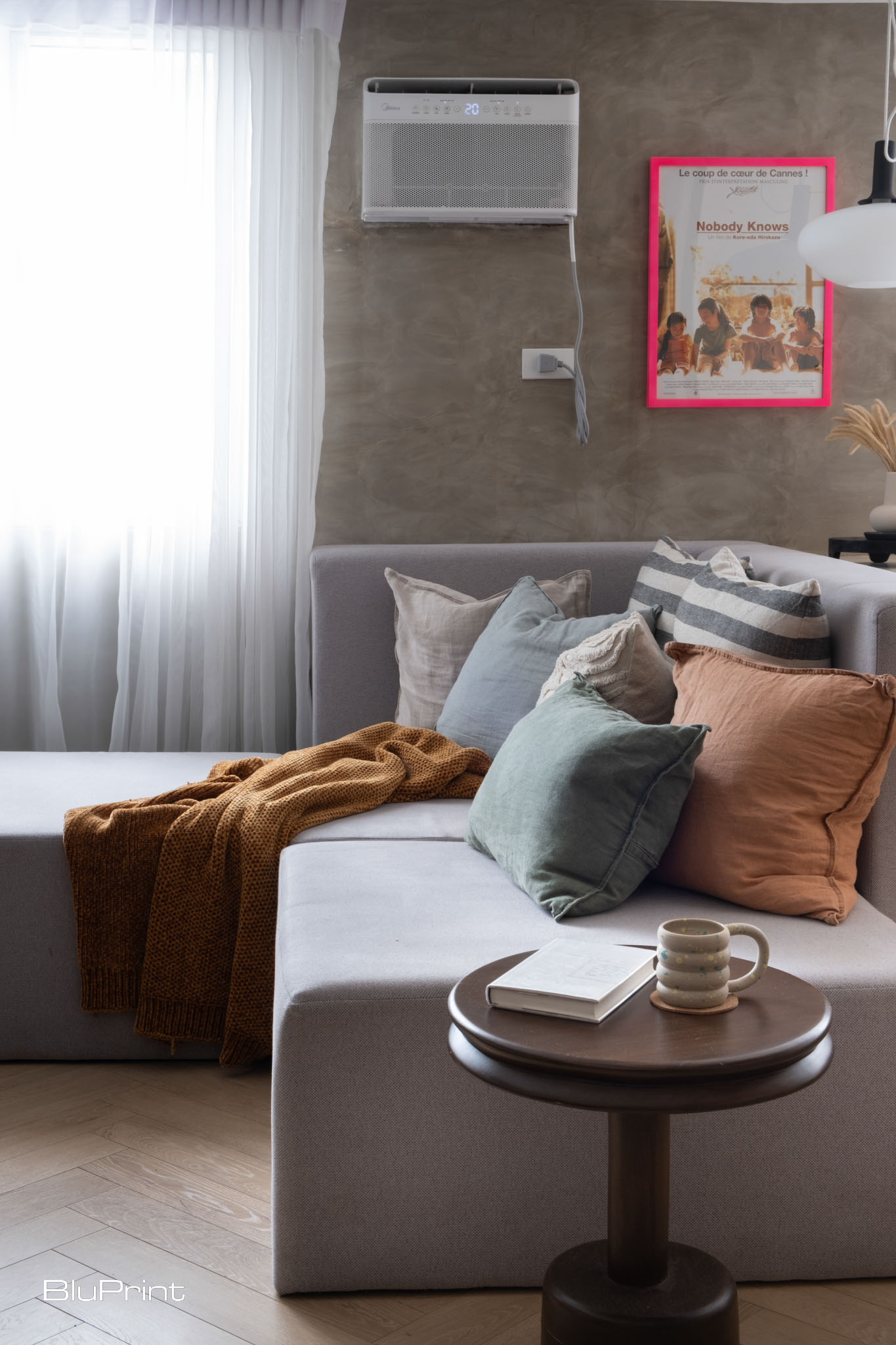
Similar to neutral maximalism, colorful minimalismMinimalismA design philosophy centered on simplicity, restraint, and the idea that less is more. Minimalist spaces reduce ornament and clutter, favoring clean lines, open space, limited palettes, and carefully chosenGo to Minimalism Glossary can appear as merely swapping neutral colors for splashes of bright hues. Although you’re free to choose whatever hue you like, there is more to it in making minimalism colorful.
Ground the Space with a Neutral Backdrop
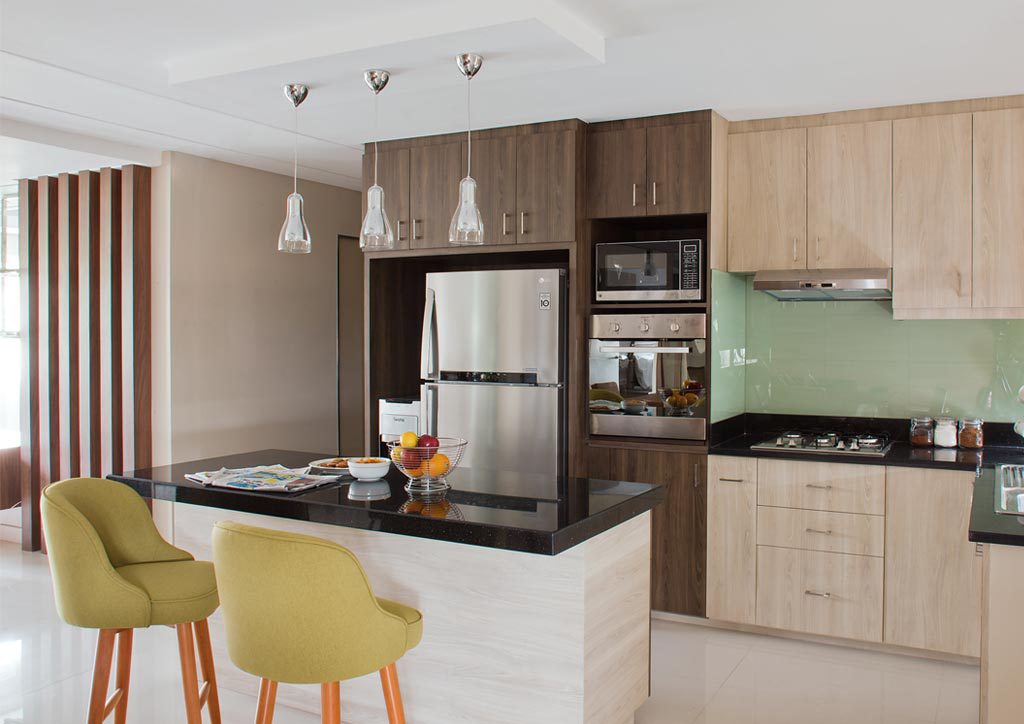
Colorful minimalismMinimalismA design philosophy centered on simplicity, restraint, and the idea that less is more. Minimalist spaces reduce ornament and clutter, favoring clean lines, open space, limited palettes, and carefully chosenGo to Minimalism Glossary doesn’t mean completely abandoning neutral colors. In fact, these subtle hues are essential to make your chosen pops of color more prominent. And the best way to utilize these achromatic tones is by applying them in larger surfaces like walls, floors, ceilings, trims, and even anchor pieces.
Having the majority of your space in neutral colors reduces the chance of creating an overwhelming eclectic look. But most of all, it allows your eyes to rest. Interior designer Bethany Adams describes it as the “soft landing spot” where you can recover from the bright colors incorporated in your home.
In this case, you can use the usual minimalist colors like white, beige, gray, brown, or pastels to prepare your senses for more vibrant hues.
Introduce Color Through Furnishings
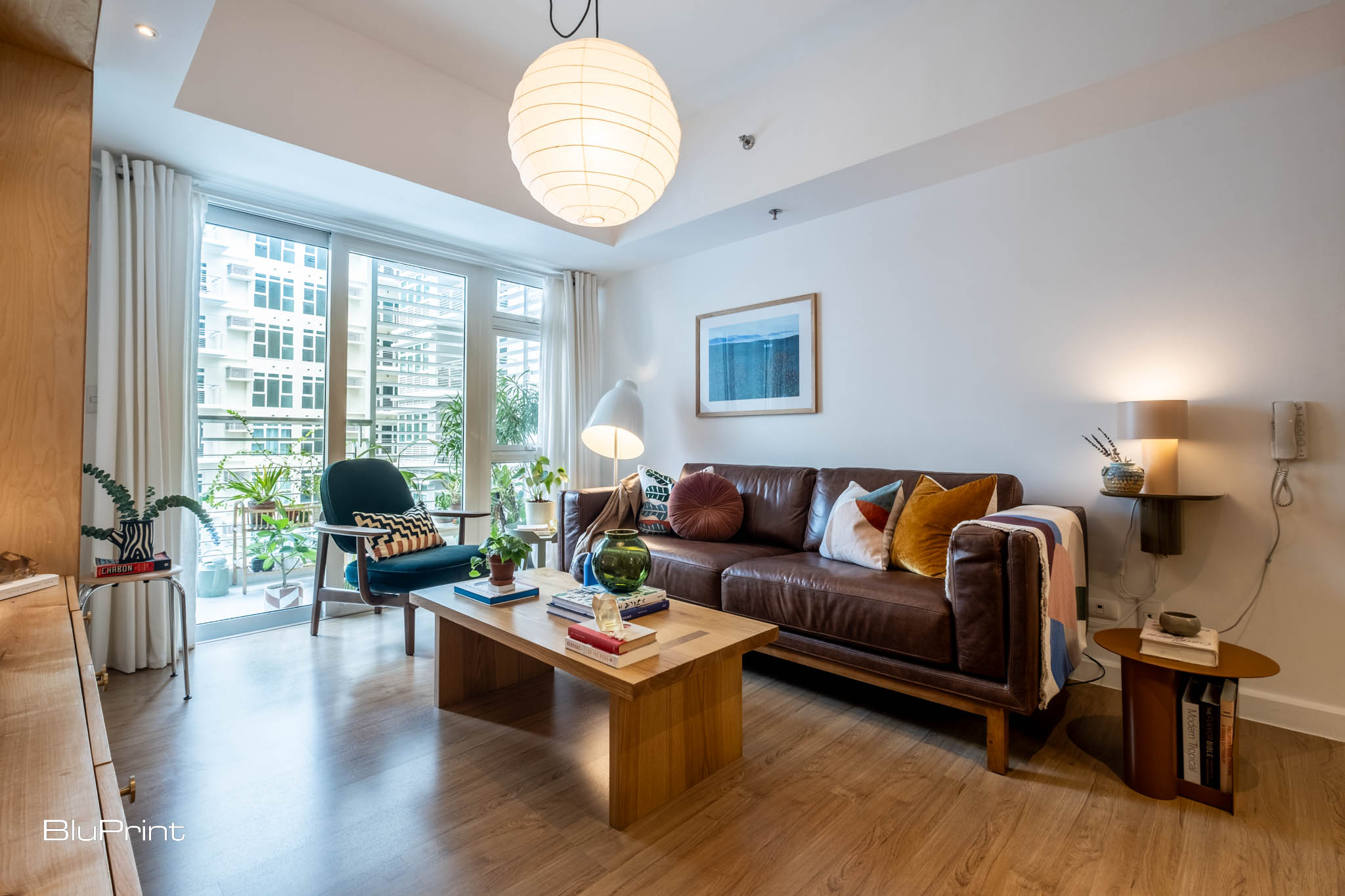
Since the background has to be in neutral hues at most, introduce colors through furniture, accessories, and other decorative items. This creates a visually appealing contrast that draws the eye to the colorful elements in the foreground. Blackberry Farm Design Director Christine Carney explains that visual difference helps a colorful minimalist room to have an exciting “area of focus.”
You can choose to highlight the statement objects, larger decor, minimal pieces, or a mix of them to establish an interesting focal point. But make sure to begin from the bottom up to ensure a logical flow and order in a space.
For instance, you can start by placing a colorful rug on the floor to ground the space. Then, add a few vibrant tiny art on the wall to draw the eyes upward. Or you can use a brightly colored armchair as a centerpiece and accessorize it with complementary cushions and throws.
Curate Your Colorful Minimalism Palette Thoughtfully
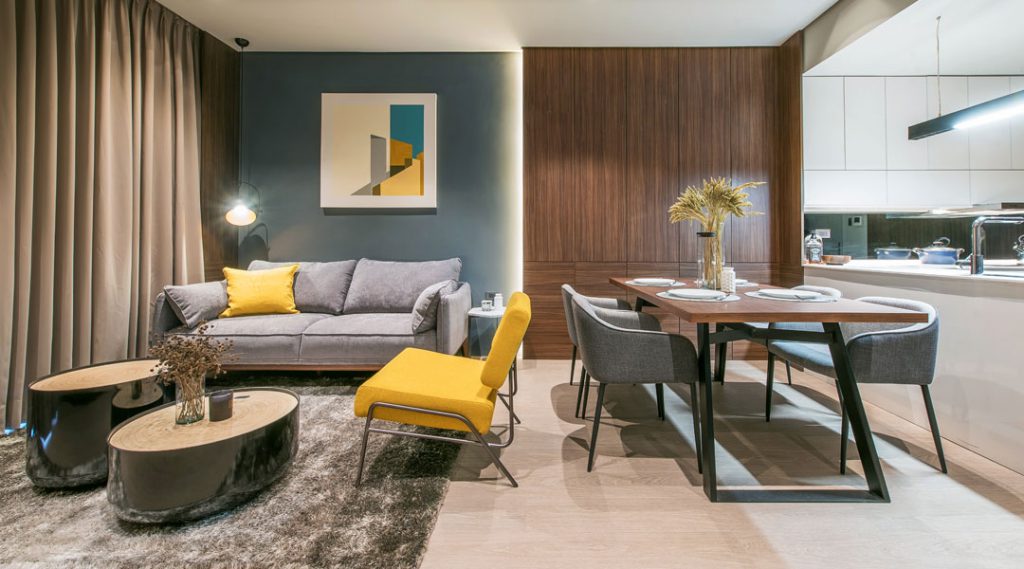
Designers Hope Austin and Niki Papadopoulos suggest limiting your colors to two or three only. They say that by doing so, you can maintain colorful minimalism’s inherent streamlined style. Plus, you can repeat them in every part of your home without being too excessive and intense.
However, Khersonsky points that it’s fine to explore more color combinations than sticking to the same repeated three hues. For her, it doesn’t matter whether the colors complement each other or not as long as they spark joy in the space.
Designer Linda Hayslett additionally recommends aligning your vibrant colors with the undertones of your neutral background. She explains that it helps in maintaining a cohesive look despite showcasing different hues. The only catch is that undertones aren’t easy to spot. Sometimes, they only appear when combined with certain colors and lighting conditions. So, it’s worth taking the time to analyze your neutral surfaces to build your color palette thoughtfully.
Colorful minimalismMinimalismA design philosophy centered on simplicity, restraint, and the idea that less is more. Minimalist spaces reduce ornament and clutter, favoring clean lines, open space, limited palettes, and carefully chosenGo to Minimalism Glossary lets you break free from the strict neutral colors we typically see in minimalist spaces. It’s a bright and inviting alternative that celebrates both simplicity and expressiveness, proving that tranquility and vibrancy can coexist harmoniously.
Read more: Midimalism: How to Balance Minimalism and Maximalism
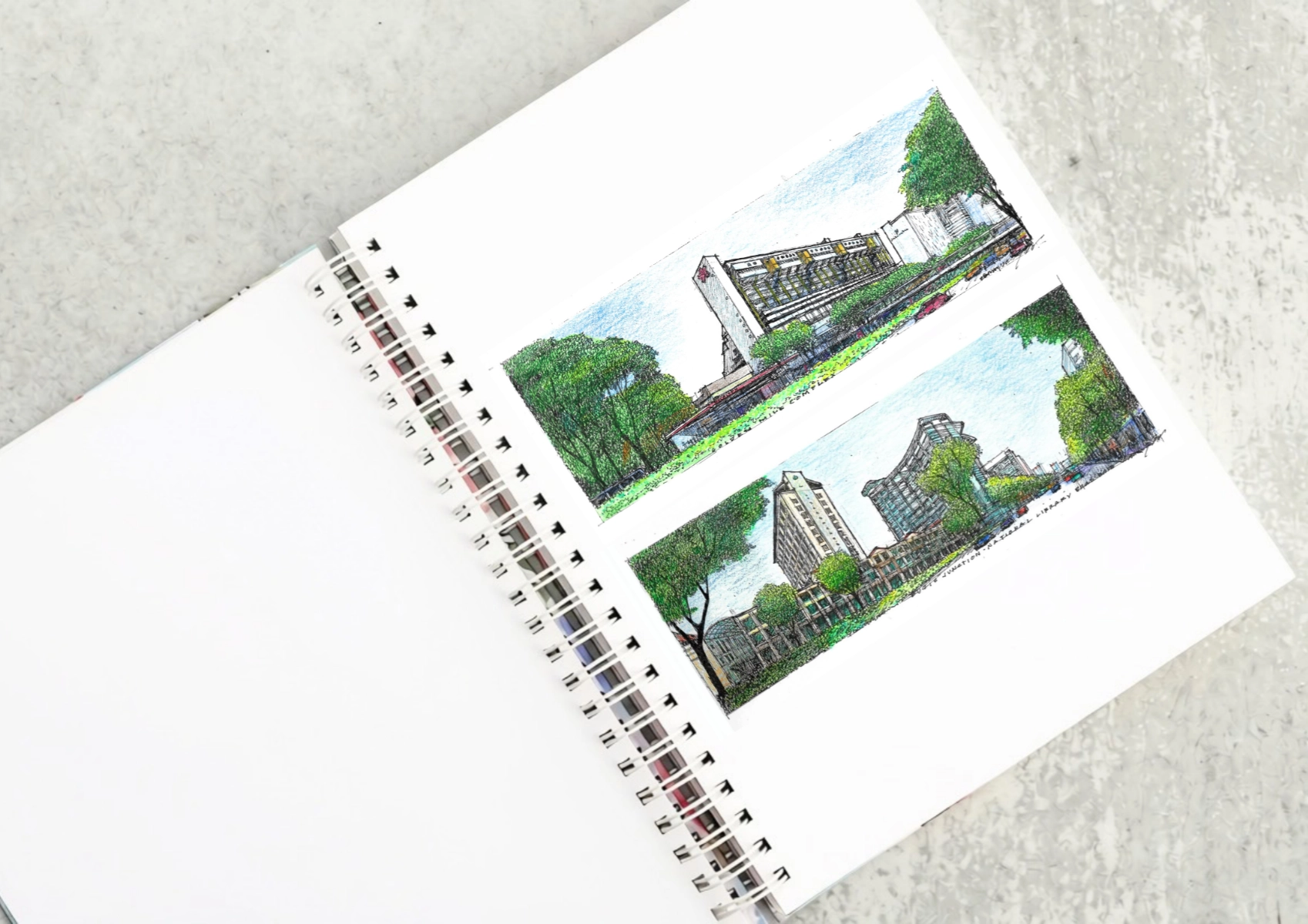
Two sketches of Singapore connect BluPrint Editor in Chief Paulo G. Alcazaren’s personal and professional history with Shared Ground: ArchitectureArchitectureThe art and science of designing and constructing buildings, structures, and spaces that are functional, safe, and aesthetically pleasing. It encompasses the planning, design, materials, and techniques used to createGo to Architecture Glossary of Care, Culture, […]
Some have become household names – Coleman, Oster, and KitchenAid – products that have found their way into Filipino kitchens, homes and family routines. In home furnishings, brands such as B&B Italia, Ethan Allen, Sub-Zero, Miele, SieMatic, Louis Poulsen, Hunter Douglas, Tempur, and Technogym, have helped shape the way Filipinos live. From everyday essentials to […]

In a way, designers are the modern-day soothsayers and prophets. They design for the future, predicting how a room, a house, a building or a whole city will be used by people. They foresee how users will interact with a space, conjure exact shades of colors to elicit specific behavior and arrange furniture to build […]
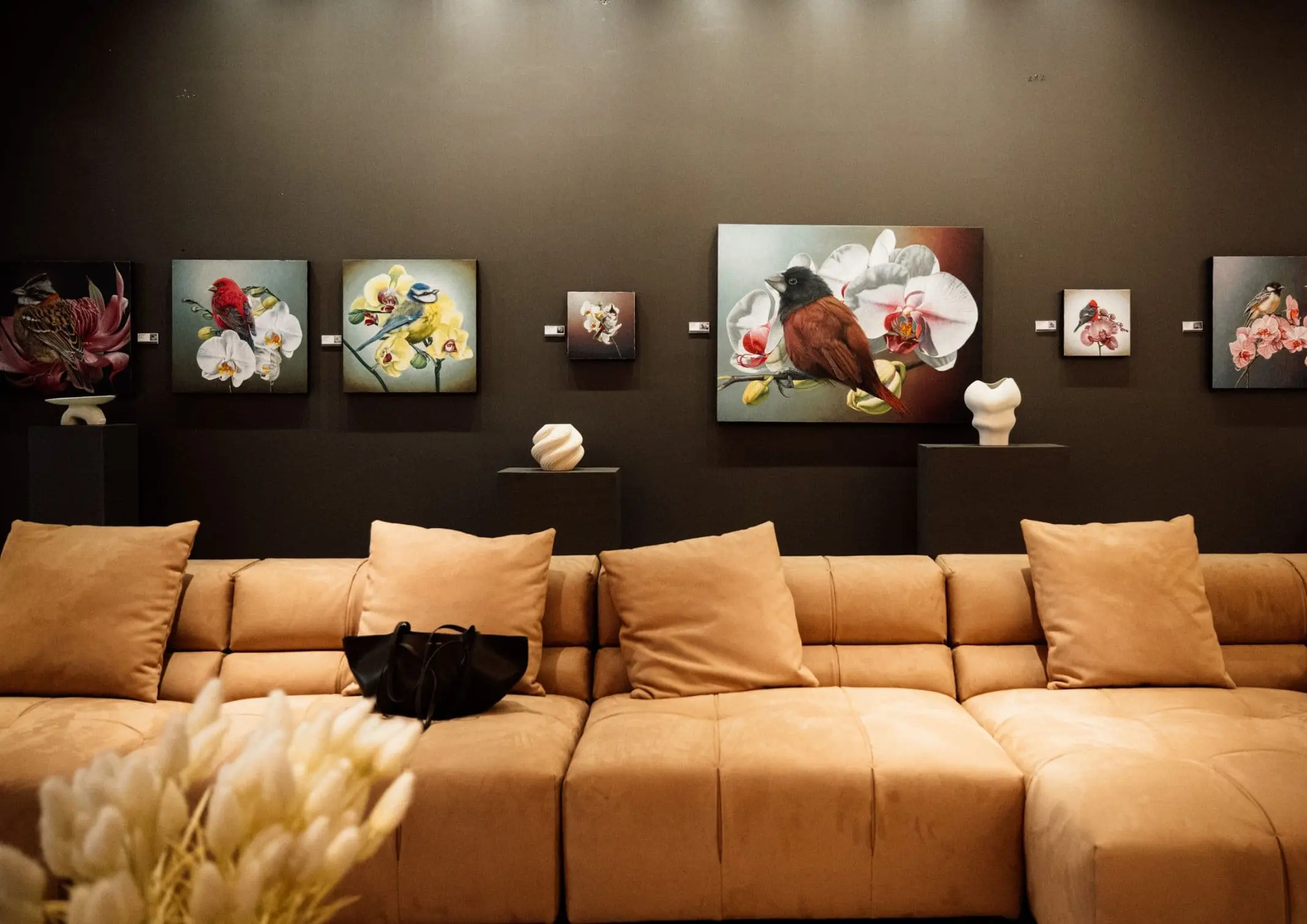
Art and furniture are often selected separately, yet their relationship can shape how a room looks and feels. The collaboration between Hooga and Galerie Joaquin explores how these elements can work together, bringing contemporary artworks into furnished residential settings at Hooga’s showroom in Uptown Mall, Bonifacio Global City. For Hooga, which curates furniture, lighting, and […]

How can better-planned cities create the conditions for more creative, livable, and resilient urban environments? “Makati Urban Recipes for a City’s Survival,” a colloquium held at the Ayala Museum on September 15, brought together architects and practitioners from the fields of urbanism and the creative economy to discuss how design, planning, and collaboration can address […]
Read the issues.

Collect the volumes.

Recommended Video
Tap to Unmute
Unmute
0:00
0:00