The seventh edition of the Anthology ASEAN ArchitectureArchitectureThe art and science of designing and constructing buildings, structures, and spaces that are functional, safe, and aesthetically pleasing. It encompasses the planning, design, materials, and techniques used to createGo to Architecture Glossary Festival brought together over 4,000 delegates from across the Philippines and Southeast Asia for three […]
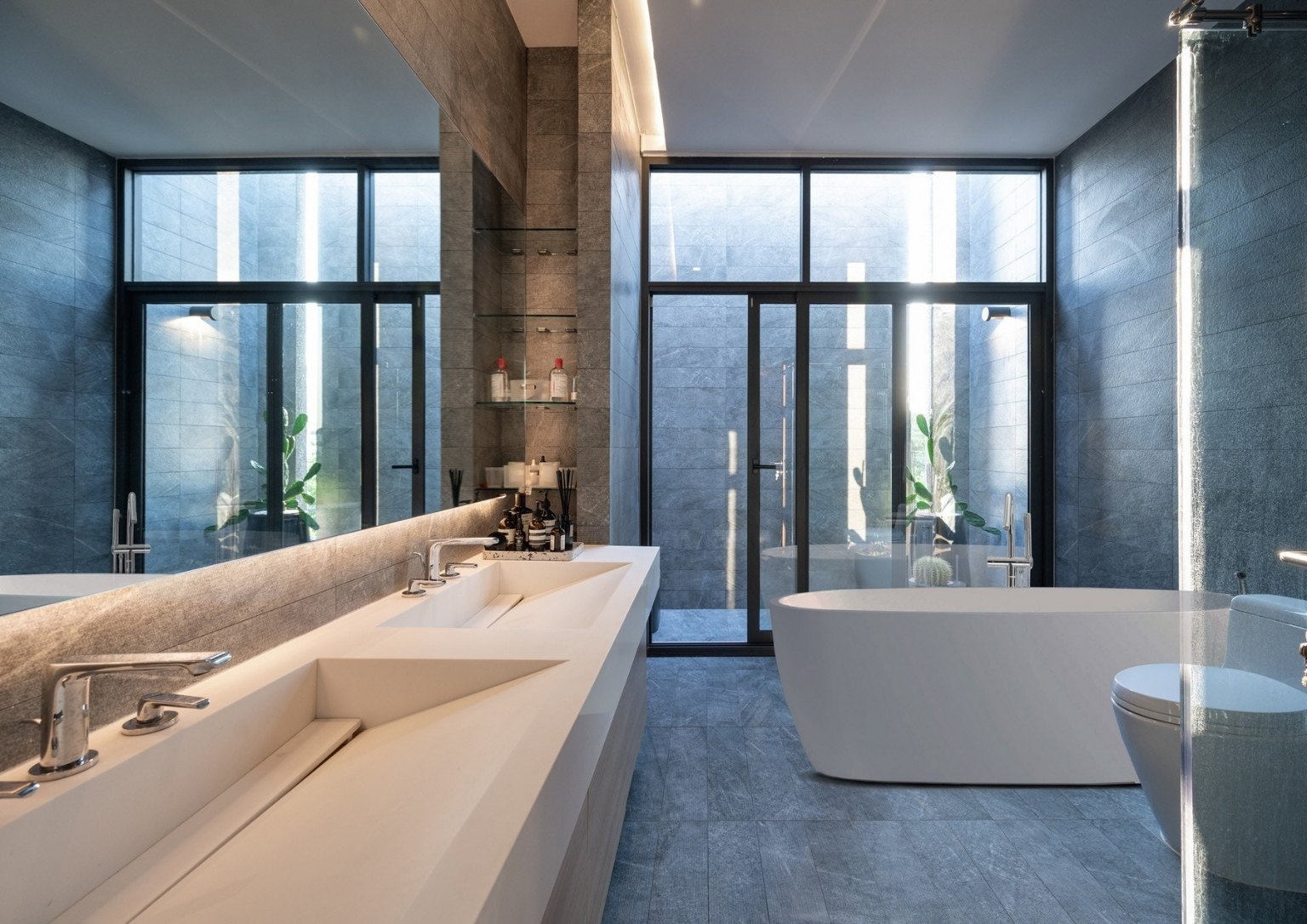
Your Ultimate Guide to Tile Drenching



In recent years, the design industry experienced a bold shift towards the lavish use of colors and decor. This increasing appetite for abundant details led to a more leveled-up approach through the creative incorporation of extensive patterns and textures. One of the most playful methods to exhibit this trend is by covering a whole space with one striking tile design called “tile drenching.”
How Does Tile Drenching Work
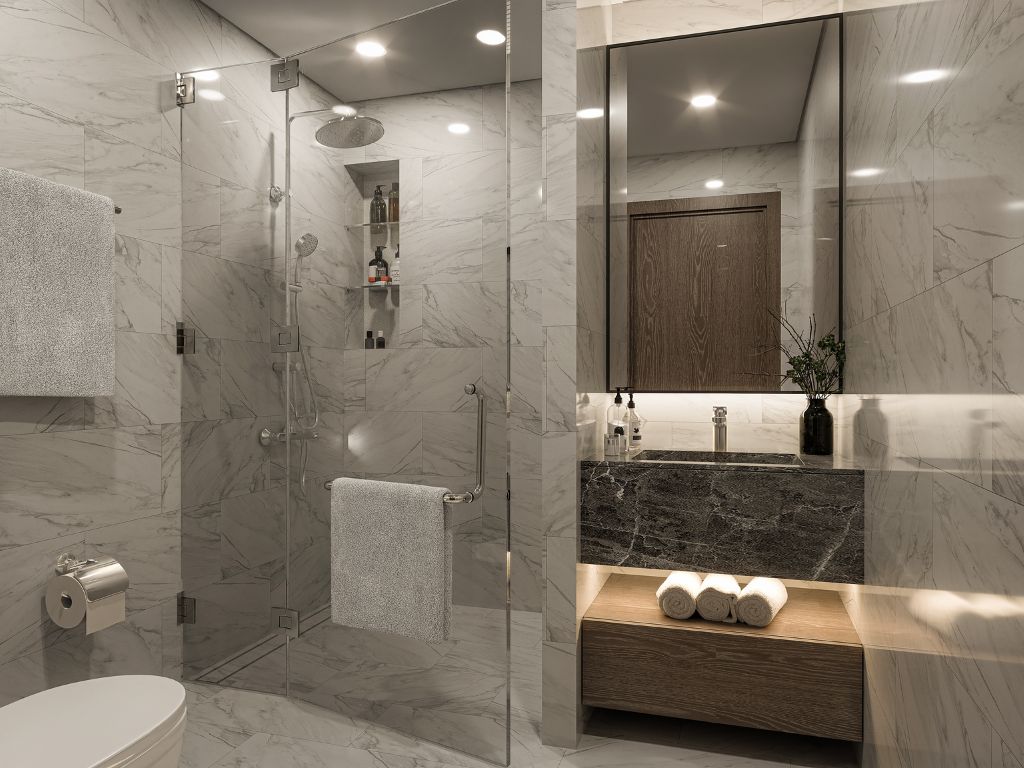
As the name implies, tile drenching is a design approach that envelopes your walls, floors, and ceilings with tile. But unlike the typical multiple or mosaic installations, this method requires only a single tile type to create a bold and immersive impact.
It could be anything from a simple, monochromatic design to a complex geometric pattern as long as it maintains a cohesive appearance. More than achieving a unified look, it also allows you to embrace textures through your choice of material and finish. In essence, it’s among the easiest and most versatile ways to transform any space into a visually striking and tactile experience.
According to Fireclay Tile Senior Brand Manager Kali Gibson, tile drenching “offers a playful and low-risk way to experiment” in design. She further explains that since this approach can be contained in a single space and isn’t color-specific, it provides a canvas for personal expression and bold design choices. Plus, it lets other details like materials, shapes, and textures become more evident.
However, it’s important to note that it may not be suitable for all areas in your home. Although it can add depth and visual interest to small spaces, tile drenching can make larger areas feel overwhelming. A single tile type covering extensive walls and floors create a monotonous and less dynamic atmosphere.
So, it’s more advisable to use them in utilitarian areas like the bathroom, powder room, utility room, and kitchen. Aside from establishing a continuous streamlined aesthetic, the tiles’ durable and low-maintenance qualities makes it ideal for spaces where cleanliness is crucial.
What Makes Tile Drenching Different from Color Drenching?
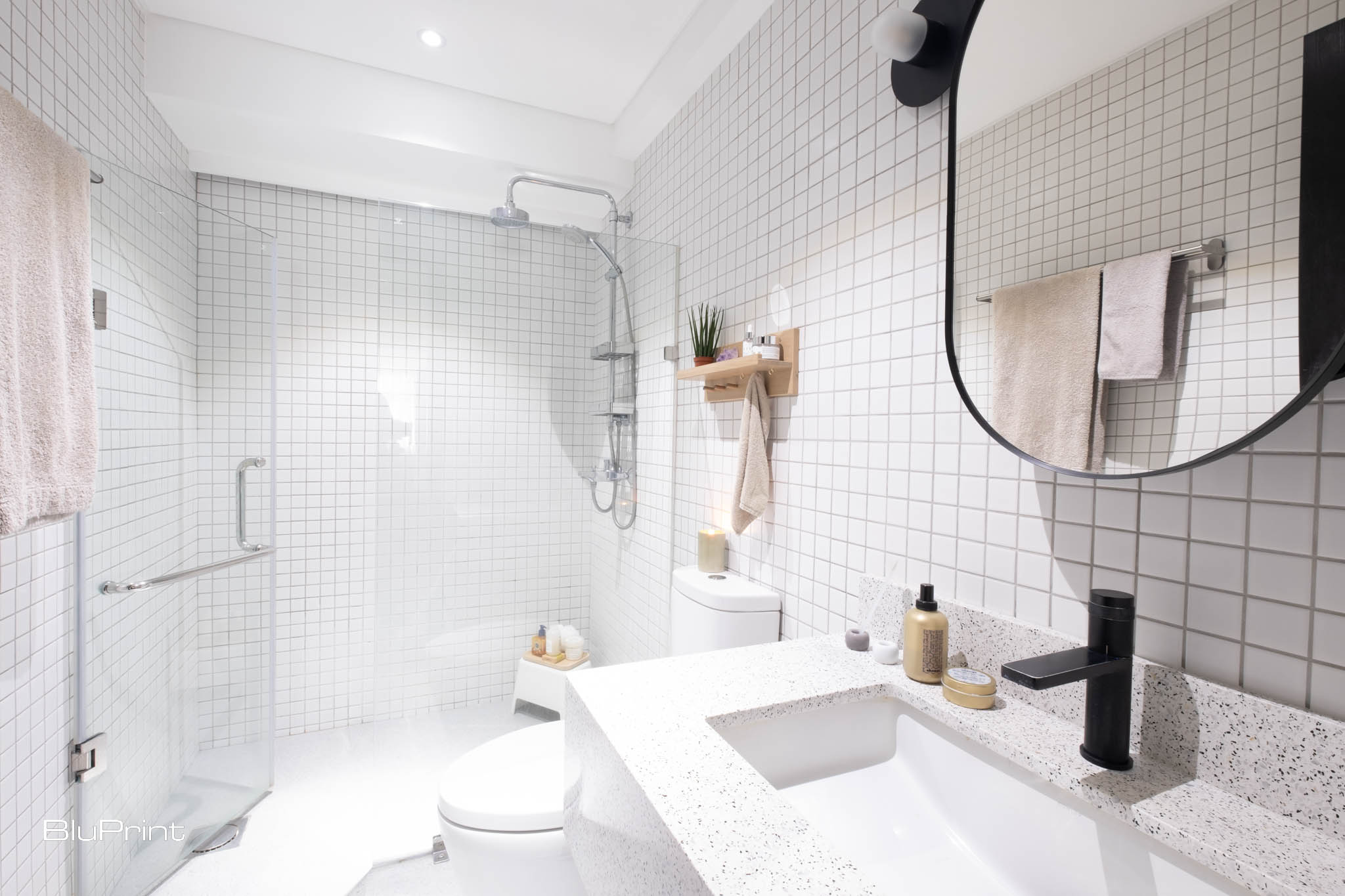
House of Hive Design Co. founders Kailee Blalock and Tailor Troia described tile drenching as “the next step from color drenching.” While these techniques share similar intentions to saturate interiors, their primary materials and overall aesthetic are what make them distinct.
Different from color drenching, which heavily relies on a single bold paint color, tile drenching is more material-focused. This means that the choice of tile material and its texture determine the overall look and feel of the space. Although color drenching can also incorporate texture by applying various finishes, tiles offer a more tactile experience.
Furthermore, tile drenching often involves a more complex interplay of light and shadow. The way light reflects and refracts off the tiles can create stunning visual effects, adding depth and dimension to the space.
Conversely, changing or installing tiles is a more permanent and labor-intensive process compared to repainting a room. Tile drenching might offer a timeless and durable solution, but it also requires careful planning and consideration. Moreover, this design approach is only ideal for small and functional rooms, while color drenching can be implemented in most closed off spaces like bedrooms.
In short, tile drenching is an elevated and semi-permanent method to inject texture and dimension into a space–something paint alone can’t achieve.
The Perfect Single Tile Design Applications
Either through tile material, design, or finish, there are endless creative possibilities with this approach. And these examples are among the many playful ways to apply tile drenching to your home.
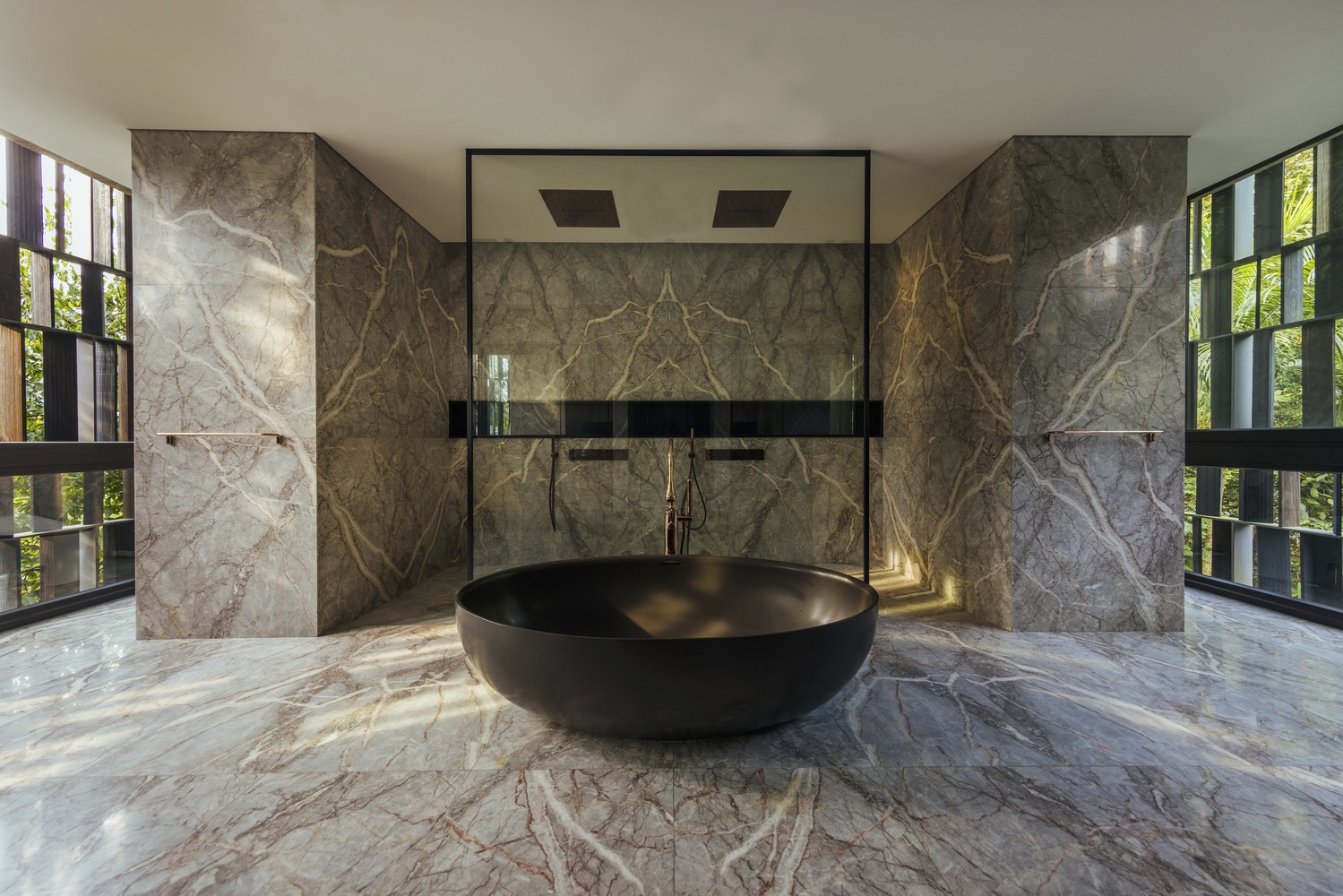
Marble stone alone has the capacity to make any space look organic and luxurious. But using it as tiles to cover this bathroom’s entire surfaces additionally produced a stunning visual effect. The continuous flow of marble veins across the walls and floor creates a sense of continuity, minimizing the visual impact of the room’s corners and boundaries. Furthermore, the light neutral color of the marble helps to brighten and enlarge the space, making it feel more open and airy.
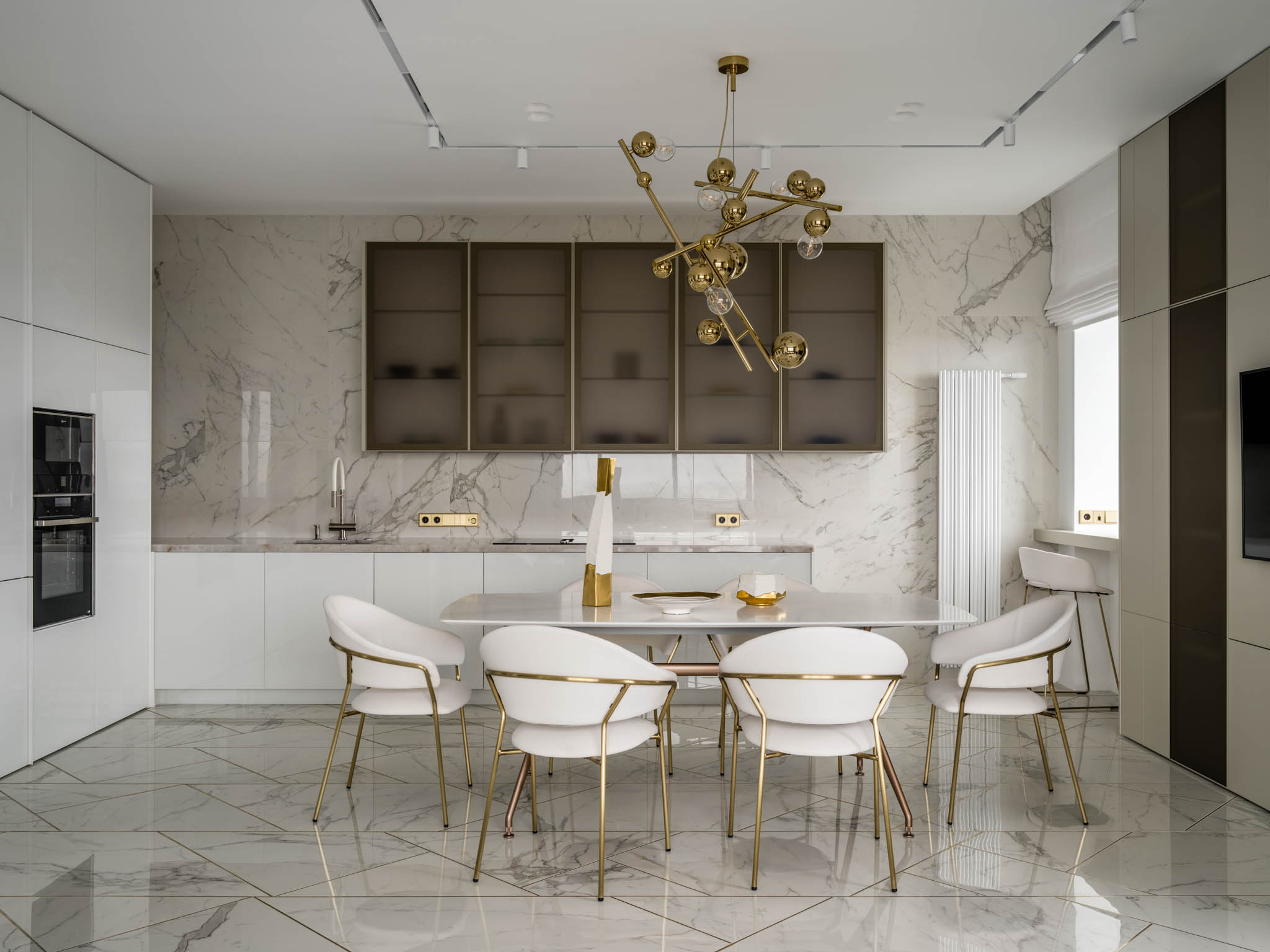
As for this kitchen, the single white marble tile design ties the plain and streamlined furniture and decor together. With the tiles extending from the walls and countertop to the floor, the space feels unified and expansive. The gold grout also helps break the monotony. Not only does it separate the lower portion of the space from the rest of the surfaces, but it also complements the gold finishes present in the kitchen.
If you’re looking to elevate your space beyond using just paint, tile drenching offers a bold, immersive experience with dynamic patterns and textures. This vibrant design technique brings an exciting new dimension of visual and tactile appeal, creating a space that truly stands out.
Read more: Double Drenching: The Viral Paint Trend You Need to Know

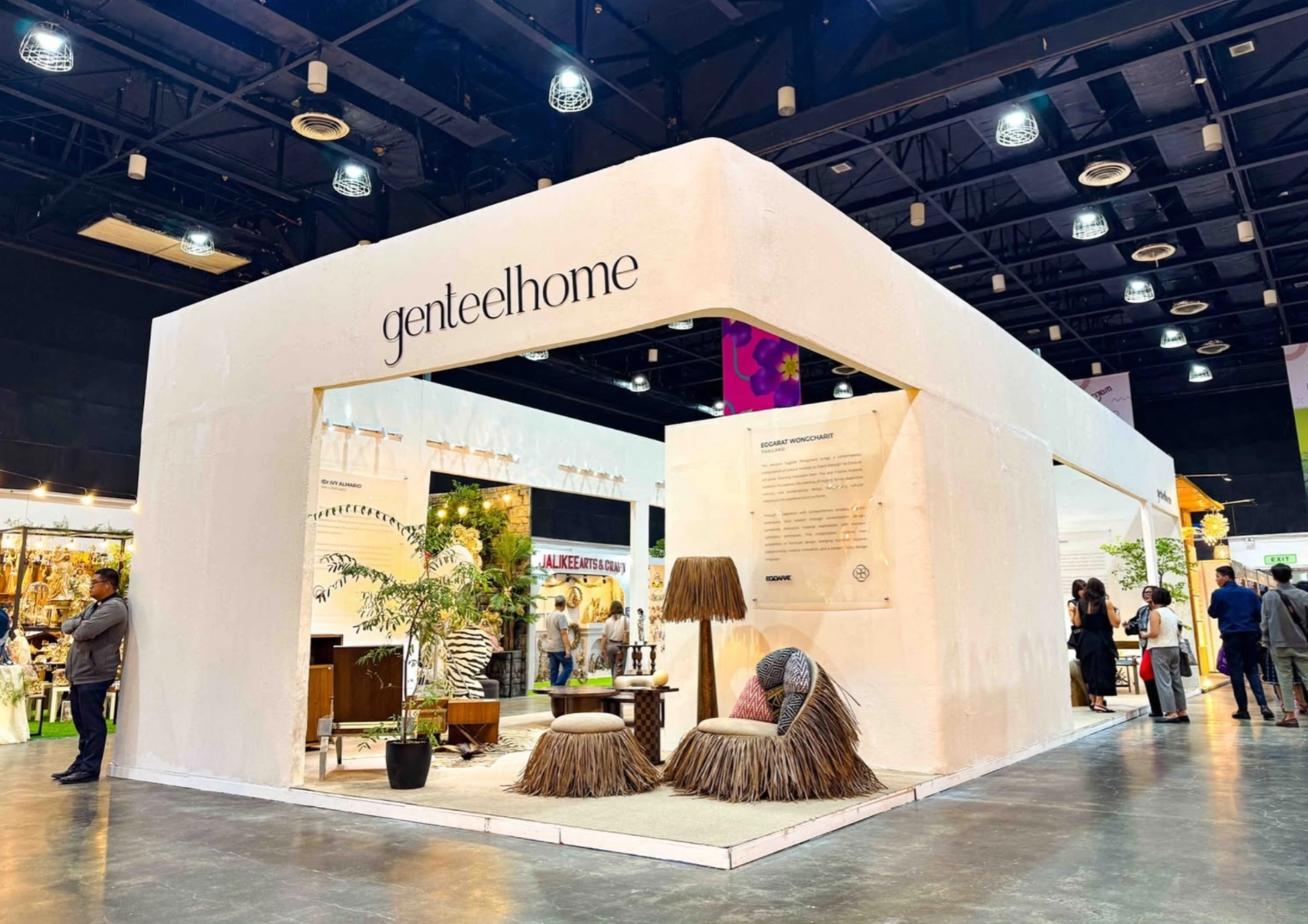
Bigkis is the act of binding. In Tagalog, the word can refer to something used to bind or encircle, as well as a bundle formed by tying several separate elements together. Figuratively, it can also mean a bond, union, or unity. The meanings move from the physical act of joining things together to the connection […]
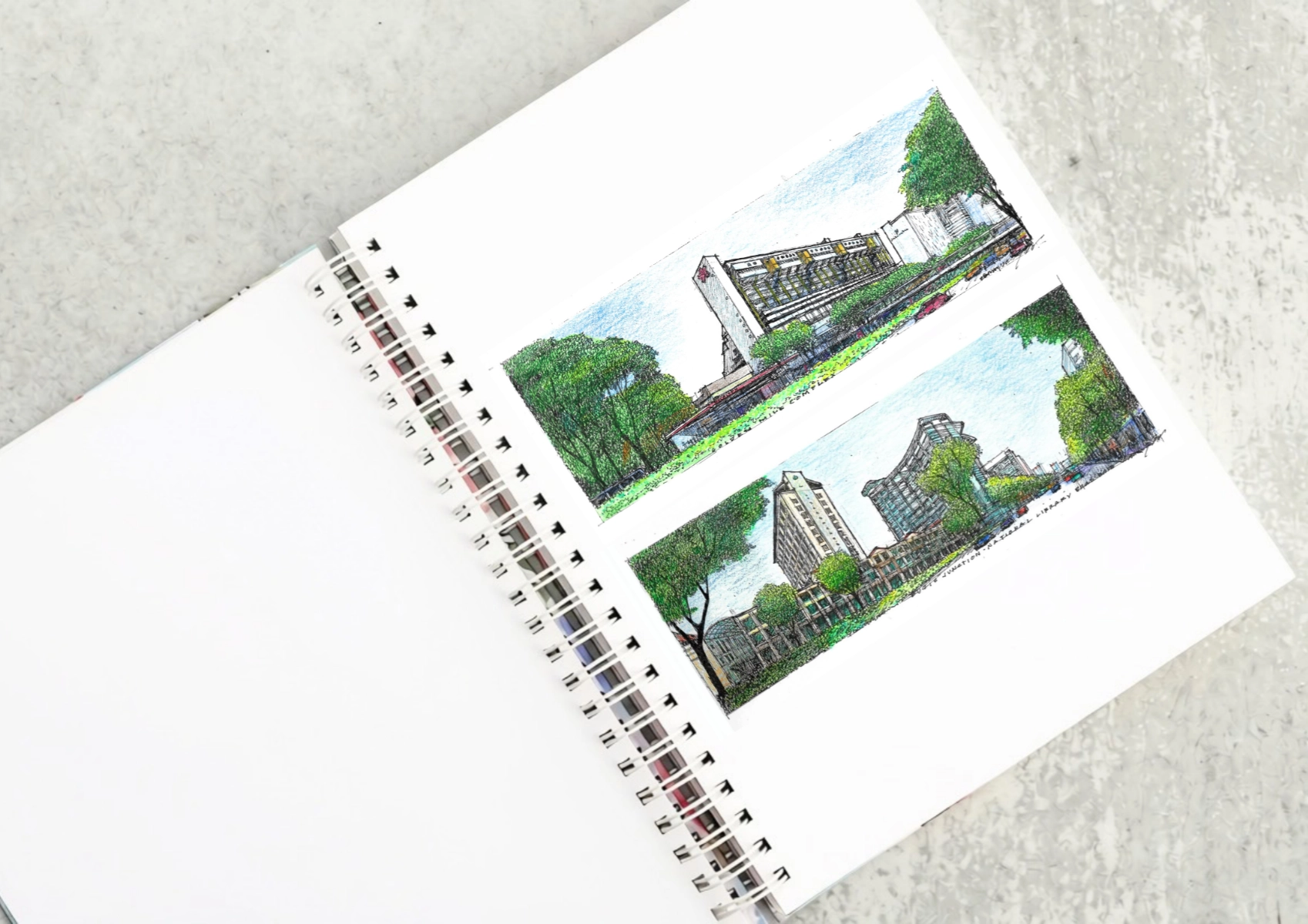
Two sketches of Singapore connect BluPrint Editor in Chief Paulo G. Alcazaren’s personal and professional history with Shared Ground: ArchitectureArchitectureThe art and science of designing and constructing buildings, structures, and spaces that are functional, safe, and aesthetically pleasing. It encompasses the planning, design, materials, and techniques used to createGo to Architecture Glossary of Care, Culture, […]
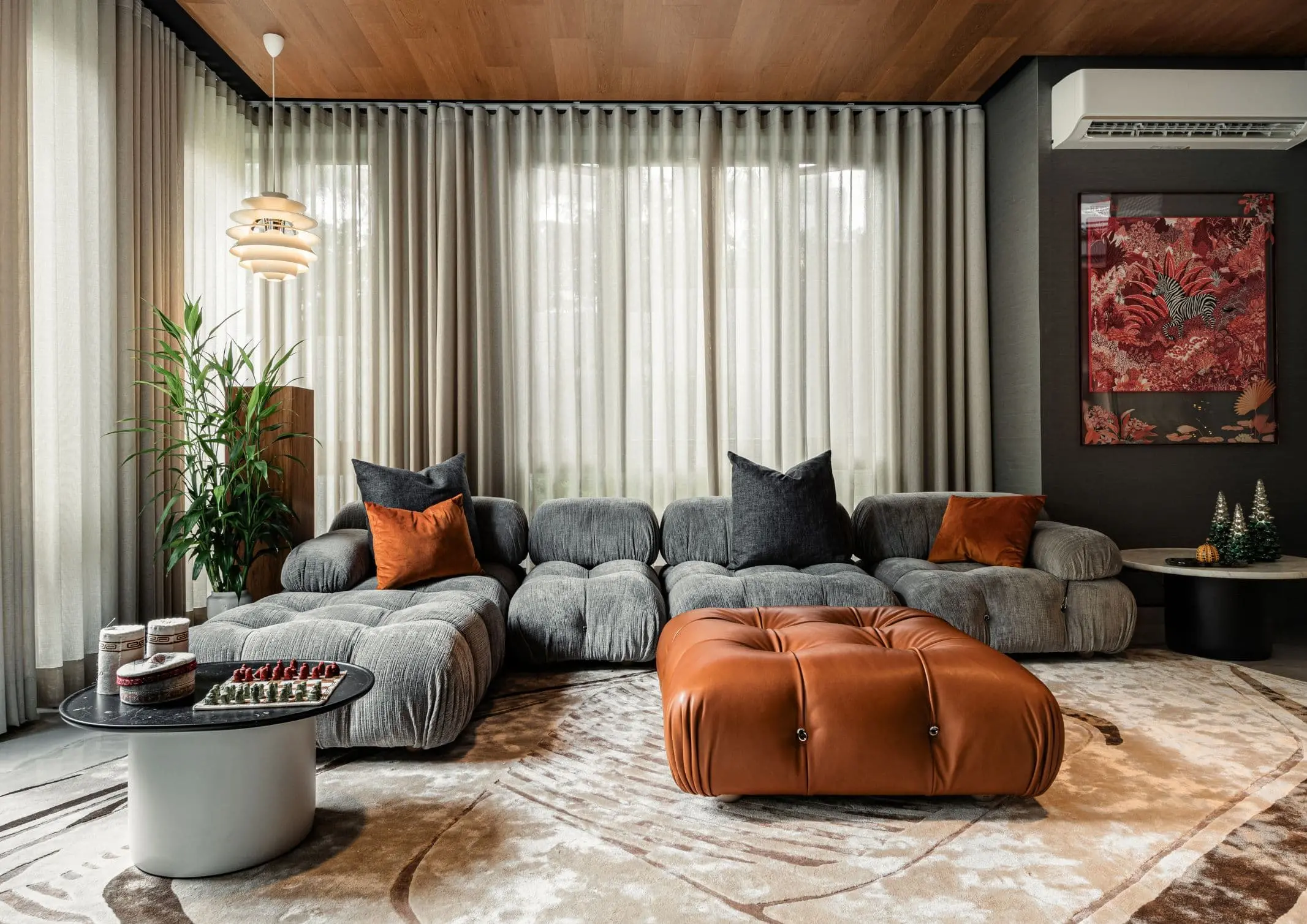
Some have become household names – Coleman, Oster, and KitchenAid – products that have found their way into Filipino kitchens, homes and family routines. In home furnishings, brands such as B&B Italia, Ethan Allen, Sub-Zero, Miele, SieMatic, Louis Poulsen, Hunter Douglas, Tempur, and Technogym, have helped shape the way Filipinos live. From everyday essentials to […]

In a way, designers are the modern-day soothsayers and prophets. They design for the future, predicting how a room, a house, a building or a whole city will be used by people. They foresee how users will interact with a space, conjure exact shades of colors to elicit specific behavior and arrange furniture to build […]
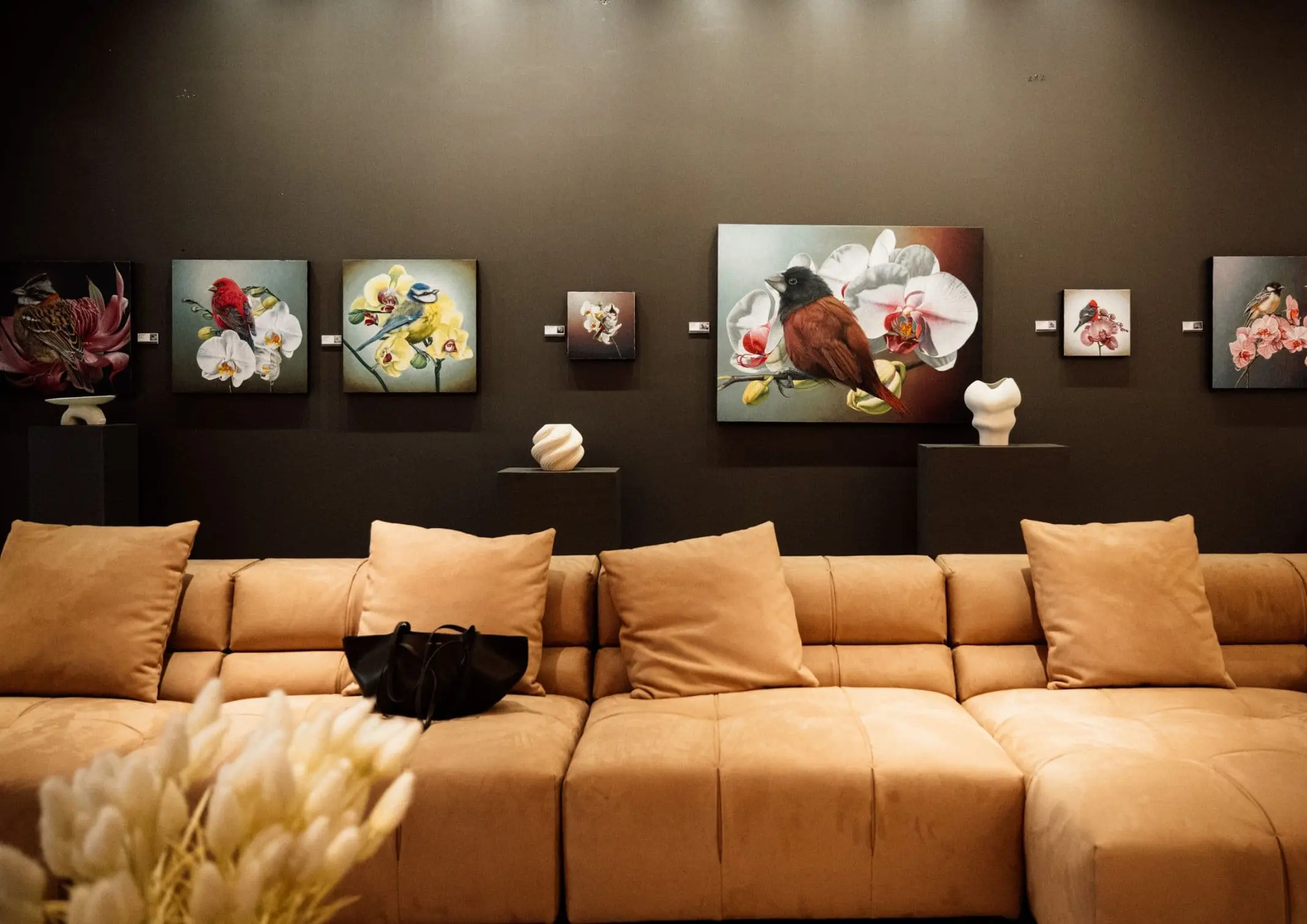
Art and furniture are often selected separately, yet their relationship can shape how a room looks and feels. The collaboration between Hooga and Galerie Joaquin explores how these elements can work together, bringing contemporary artworks into furnished residential settings at Hooga’s showroom in Uptown Mall, Bonifacio Global City. For Hooga, which curates furniture, lighting, and […]
Frequently Asked Questions
Tile drenching is a design approach that covers walls, floors, and sometimes ceilings with a single tile type for a bold, immersive effect. It can be monochromatic or a complex geometric pattern as long as the look stays cohesive, and it emphasizes texture through material and finish.
Color drenching relies on a single bold paint color, while tile drenching is material-focused, so tile material and texture define the space. Tiles offer a more tactile experience and play with light and shadow, but installation is more permanent and labor-intensive than repainting.
Small utilitarian rooms such as bathrooms, powder rooms, utility rooms, and kitchens suit it best, because durable, low-maintenance tiles help where cleanliness is crucial. The feature cautions that one tile type across large areas can feel overwhelming, monotonous, and less dynamic.
According to Fireclay Tile Senior Brand Manager Kali Gibson, tile drenching offers a playful, low-risk way to experiment because it can be contained to a single space and is not color-specific. She adds that it lets materials, shapes, and textures become more evident.
The bathroom uses continuous marble tile whose veins flow across walls and floor, minimizing the visual impact of corners and brightening the room. The kitchen uses white marble tile with gold grout that breaks monotony and complements the kitchen’s gold finishes.
Read the issues.

Collect the volumes.

Recommended Video
Tap to Unmute
Unmute
0:00
0:00